-
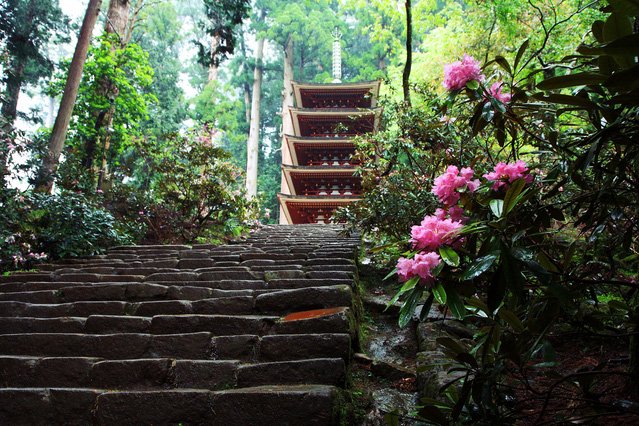
The Buddhist temple Murōji in the mountains of Nara Prefecture, known for its beautiful five-storied pagoda. The structure was damaged in 1998 by a typhoon, but repaired in 2000.
-
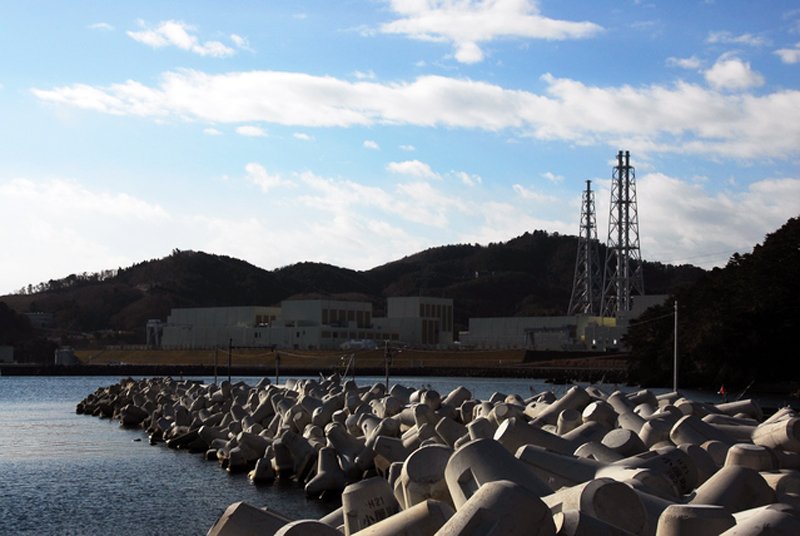
The Onagawa Nuclear Power Station just escaped being directly hit by the March 11 tsunami by 80 centimeters.
-
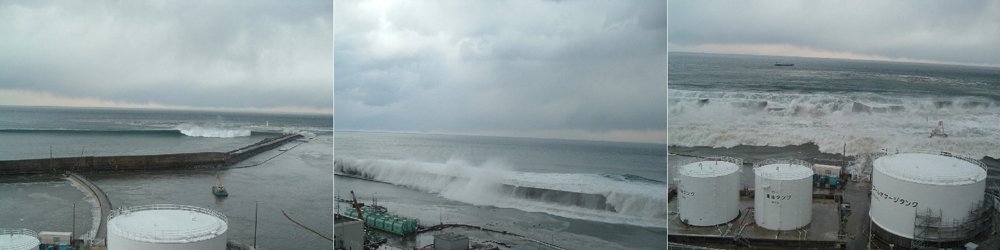
Shots of the higher than expected tsunami sweeping over the wall protecting the Fukushima Daiichi Nuclear Power Station on March 11. (Photo: TEPCO)
-
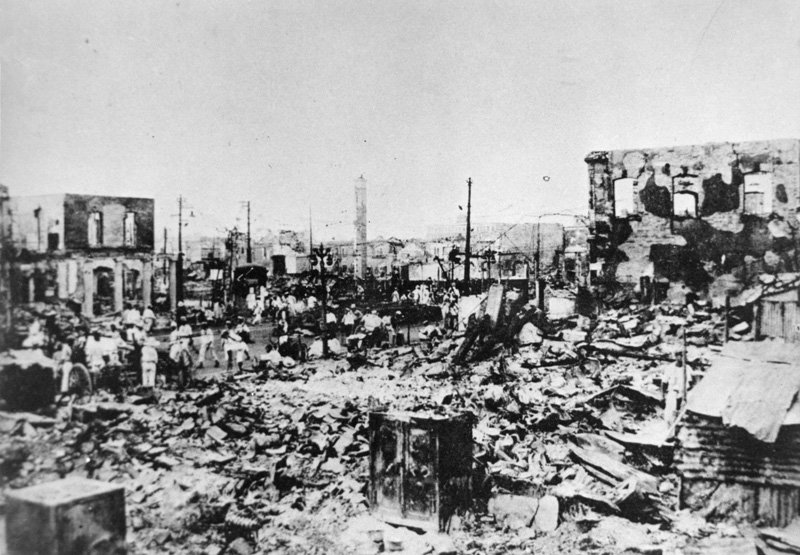
Scene of the Ginza shopping district after the Great Kantō Earthquake. The damage from the magnitude 7.9 quake was centered on Kanagawa Prefecture and spanned from Ibaraki to Shizuoka Prefectures, resulting the worst natural disaster in Japanese history, with a total of 105,000 dead or missing. (Photo: Jiji Press)
-
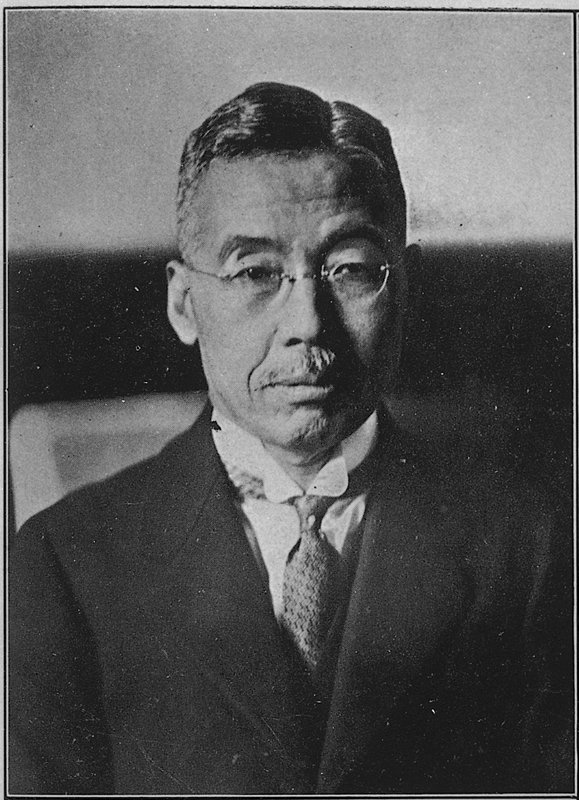
Taishō and early Showa era financier and politician Inoue Junnosuke (1869–1932). Became the governor of the Bank of Japan in 1919 and the minister of finance under Prime Minister Yamamoto Gonnohyōe in 1923. The following year he was nominated to the House of Peers. In 1927 he once again headed the Bank of Japan, this time under Finance Minister Takahashi Korekiyo. He became finance minister himself in 1929 under the cabinet of Prime Minister Hamaguchi Osachi, and during his tenure put Japan back on the gold standard. Retired from politics in 1931 and was assassinated in the so-called League of Blood Incident the following year. (Photo: National Diet Library)
-
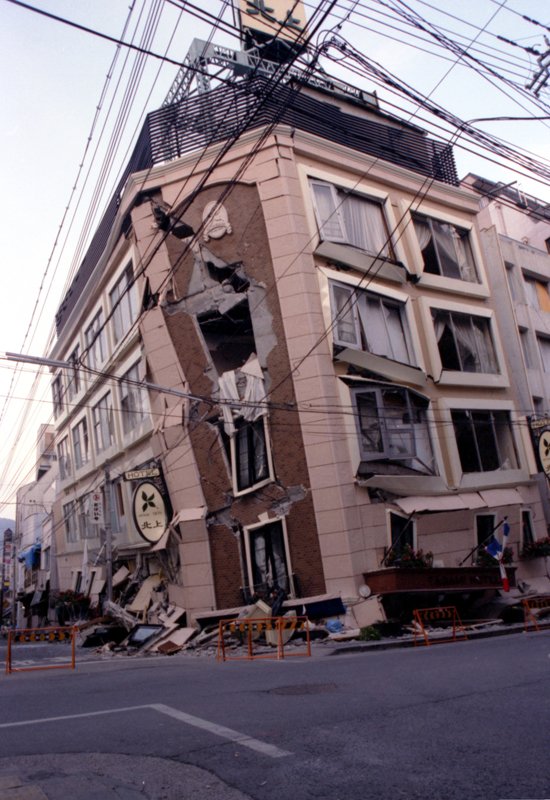
The Great Hanshin-Awaji Earthquake that struck the Kobe area in 1995 resulted in 6,434 fatalities, nearly 80% of which were instant deaths from collapsing houses or falling furniture. Japan’s disaster prevention measures were significantly beefed up after the disaster, including the introduction of stricter quake-resistance requirements for buildings. (Photo: Studio right/PIXTA)
-
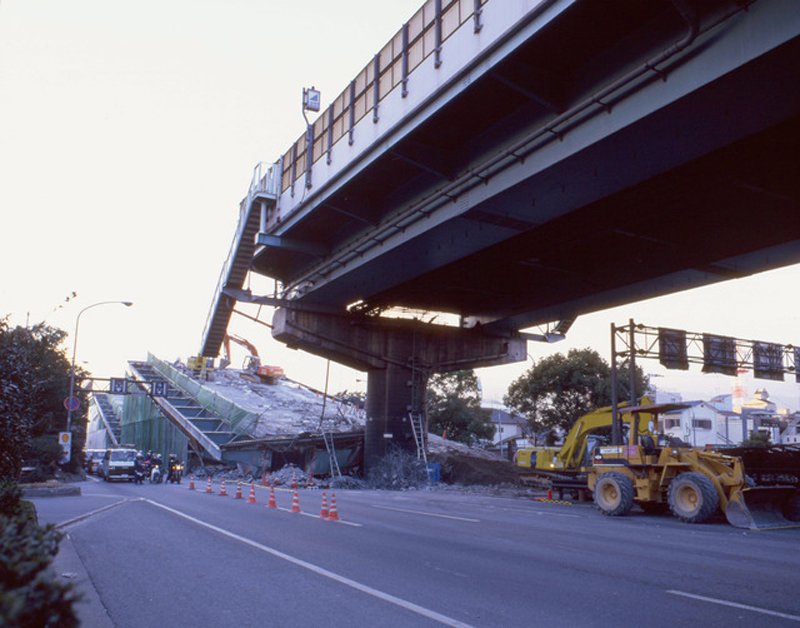
Highway overpasses collapsed in several places in Kobe. The heavily damaged Hanshin Expressway was up and running again 21 months later. (Photo: Kawaguchi Tsutomu/PIXTA)
-
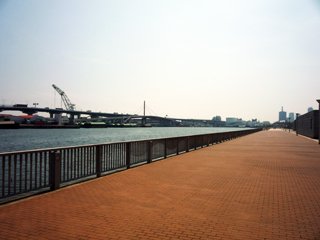
The area around the port of Kobe was significantly remodeled after the 1995 earthquake, including the construction of this promenade.
-
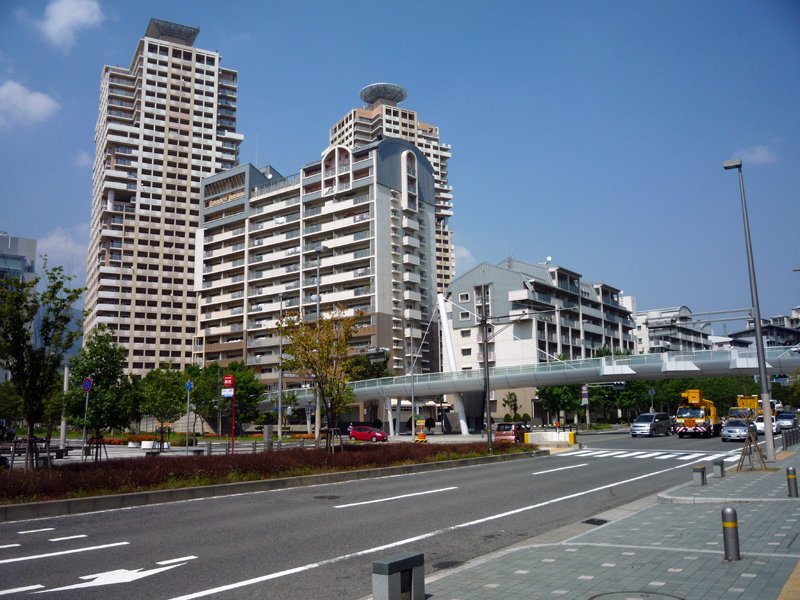
A view of the apartment buildings that line the new residential area that sprang up around Kobe’s port after the 1995 earthquake.


 Read in other languages