-
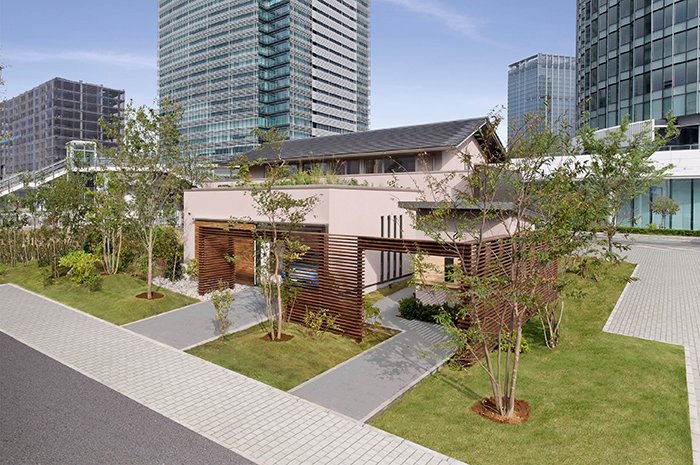
A prototype “smart house” located in the Yokohama Minato Mirai 21 district. (Photo: Sekisui House, Ltd.)
-
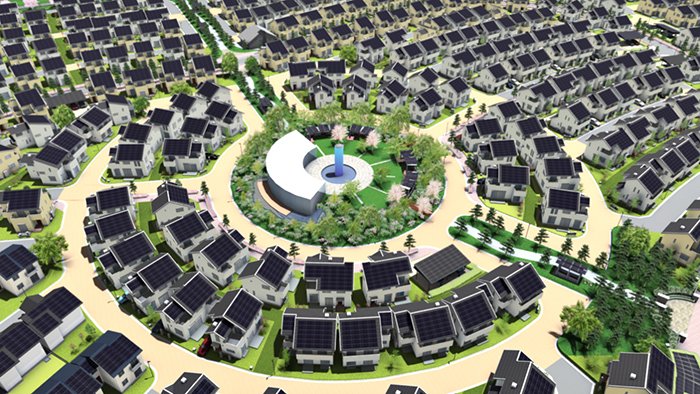
Panasonic has teamed up with the city of Fujisawa in Kanagawa Prefecture and eight other companies for the Fujisawa SST project to build a “smart town” on a 19-hectare plot of land that was once the site of the company’s factory. (Photo: Panasonic Corp.)
-
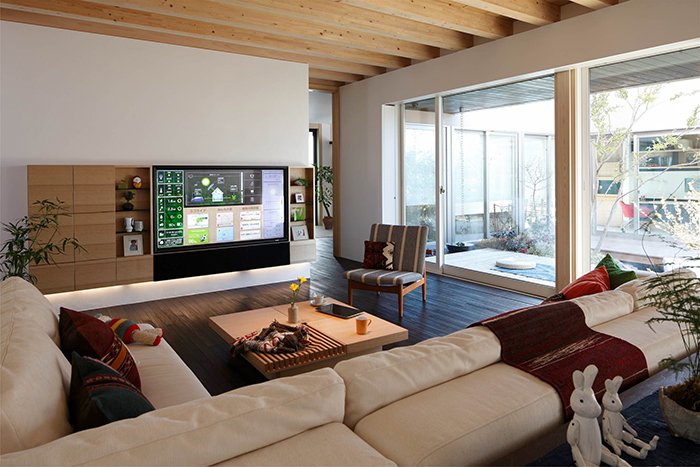
Interior of a type of house that prioritizes concern for the environment while integrating network technologies. The aim is to explore new styles of amenable living in houses constructed for long-term use. (Photo: Sekisui House, Ltd.)
-
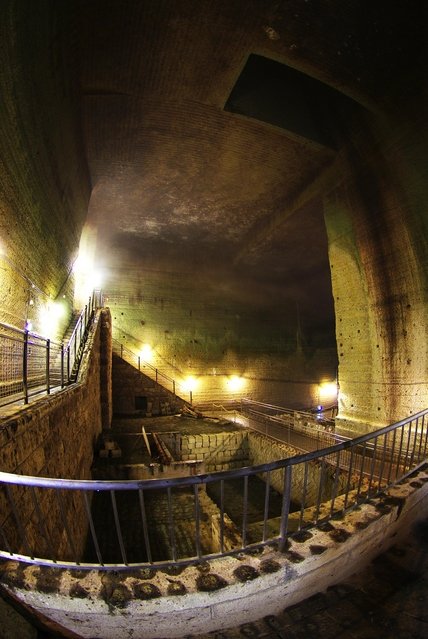
The Ōya Stone Museum built of an abandoned underground mine in Utsunomiya, Tochigi Prefecture. Other areas of Japan are considering the possibilities for taking advantage of the natural cooling of such underground areas, which makes them ideal locations for data centers and servers.
-

The Inujima Art Project Seirensho; a museum that preserves and revives the remains of a copper refinery on the island. The building makes use of the refinery’s smokestacks and its “karami” bricks created as a byproduct of the refining process, while also utilizing natural sources of energy such as solar and geothermal power. (Photo: Naoshima Fukutake Art Museum Foundation) Artwork: Yanagi Yukinori Architectural design: Sambuichi Hiroshi Administration: Naoshima Fukutake Art Museum Foundation Photography: Ano Daici
-
-
-
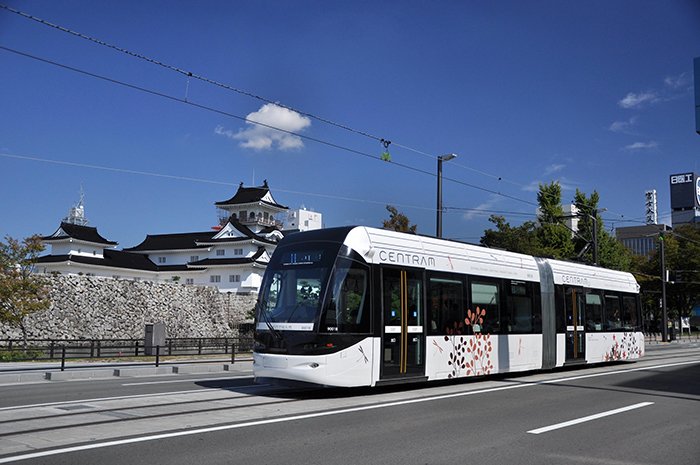
The Centram light rail system was introduced in the city of Toyama, starting in December 2009, to help create a public transportation network that is both people-friendly and environmentally considerate. (Photo: City of Toyama)
-
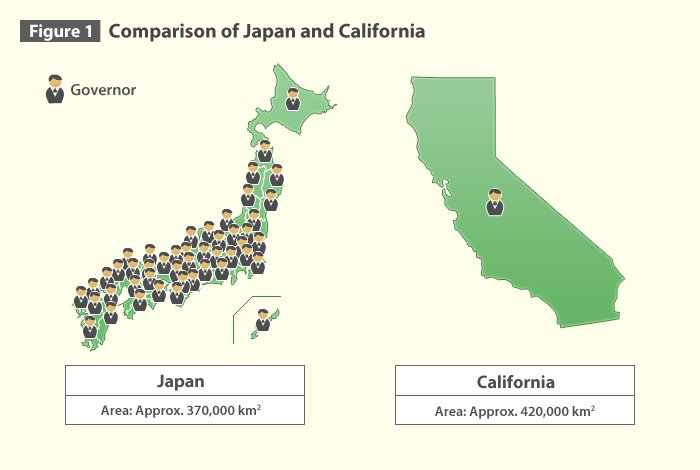
Figure 1 Comparison of Japan and California
-
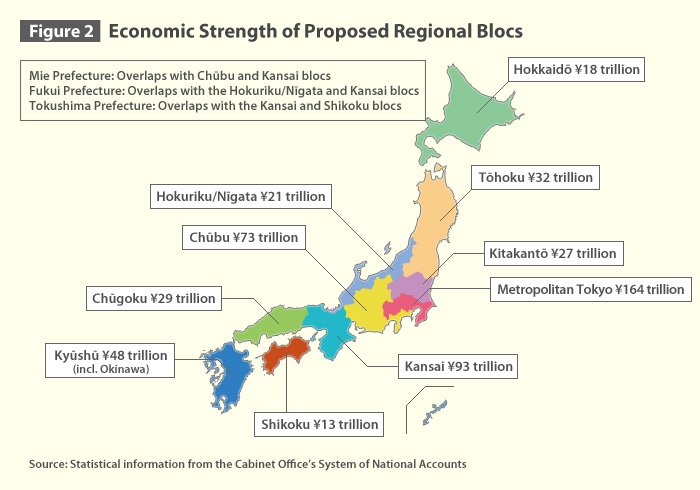
Figure 2 Respective Economic Strength of Proposed Regional Blocs
-
-
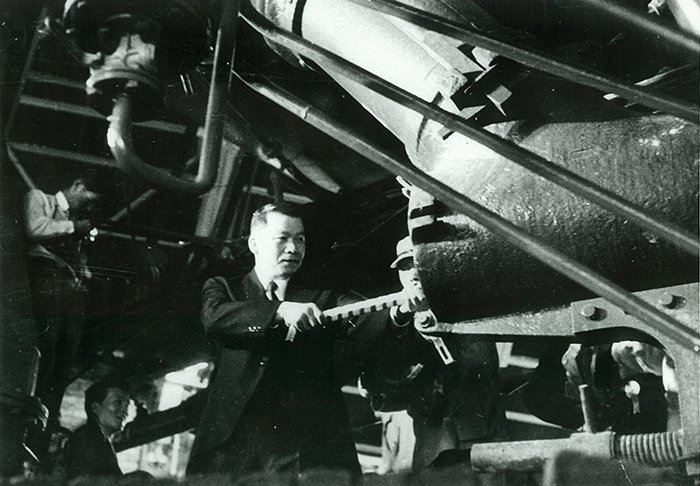
Nishiyama Yatarō, the first president of Kawasaki Steel Corporation. Nishiyama played a leading role in Japan’s postwar recovery. His idea of creating a cutting-edge, integrated steel mill a few years after the end of World War II was greeted with opposition for being “unrealistic,” but he was convinced that steel was crucial to Japan’s recovery and went ahead with the construction of a steel mill in Chiba Prefecture for Kawasaki Steel. (Photo: JFE Steel Corp.)


 Read in other languages