-
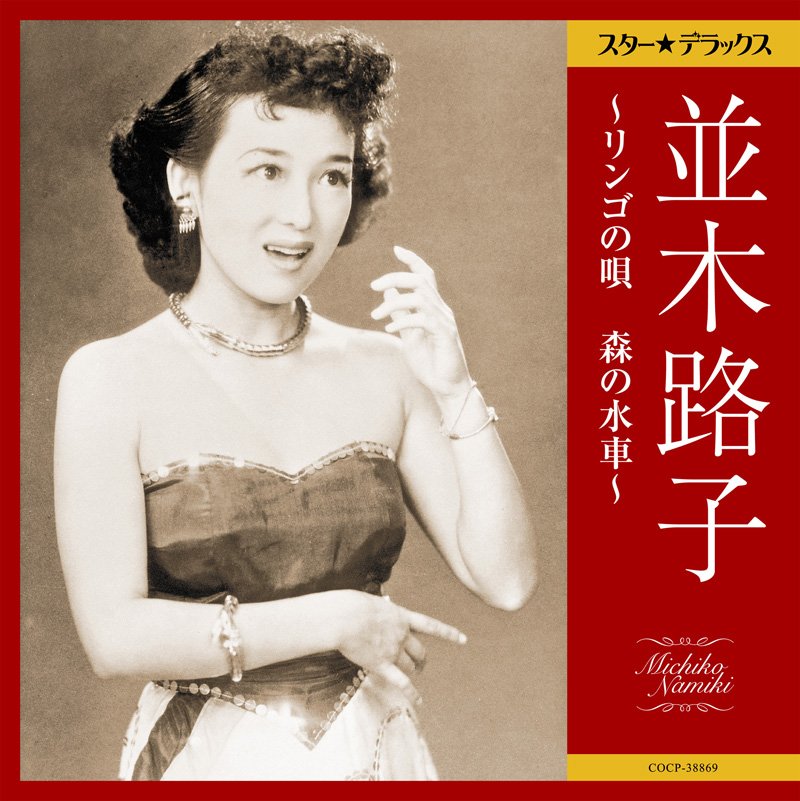
Namiki Michiko (1921–2011) as pictured on the cover of a recent release featuring her 1945 hit “Ringo no uta” (The Apple Song). Born in Tokyo’s Asakusa district, Namiki spent her early years in Taiwan. In 1936 she entered the training corps for the Shōchiku Shōjo Kagekidan, an all-female musical theater troupe, and the following year she launched a successful stage career with her debut at the Asakusa International Theater. During the war, Namiki traveled as far as Shanghai and the Philippines to entertain Japanese troops. Starring in the 1945 Shōchiku movie Soyokaze (A Gentle Breeze), she performed Manjōme Tadashi’s “Ringo no uta,” which became the first pop-music hit of the postwar era. (Nippon Columbia, 2014)
-
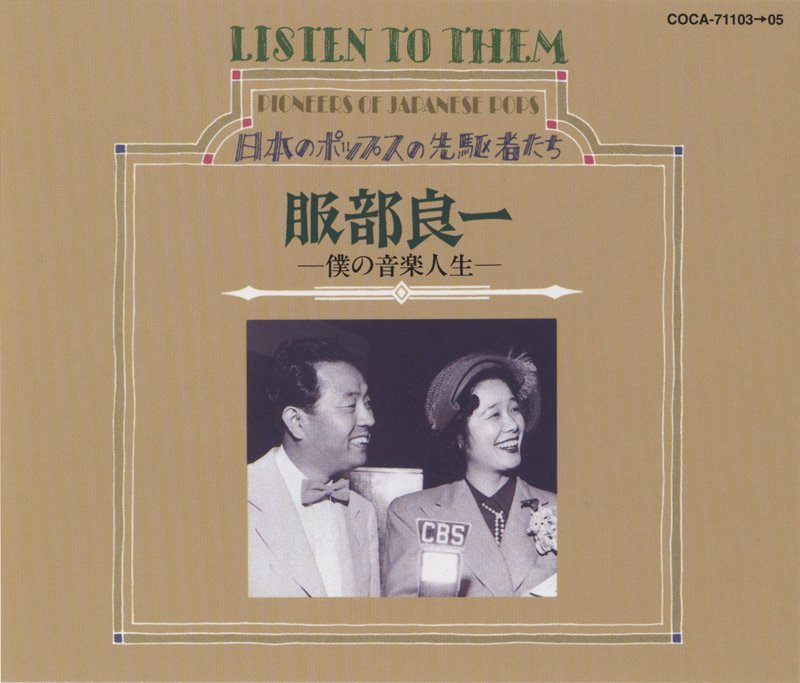
Hattori Ryōichi (1907–93), whom many regard as the father of Japanese pop music, was noted for such hits as “Tokyo Boogie Woogie” and “Ginza kankan musume” (Ginza Can-can Girl) that boldly incorporated the latest Western pop music styles and jazz rhythms. (Nippon Columbia 2006)
-

Kasagi Shizuko (1914–85), known as the “queen of boogie” in early postwar Japan. Kasagi was born in Kagawa Prefecture. At the age of 13, she joined the all-women’s musical theater troupe that was to gain fame as the Osaka Shōchiku Kagekidan and quickly attracted notice for her dynamic stage presence. After her 1947 hit single “Tokyo Boogie Woogie,” she released a string of similar titles, including “Jungle Boogie,” “Homerun Boogie,” and “Shopping Boogie.” (Nippon Columbia, 2014)
-

Misora Hibari (1937–89) as a child star, singing her 1949 hit “Kanashiki kuchibue” (Sad Whistling), which sold a half million records. (Jiji)
-
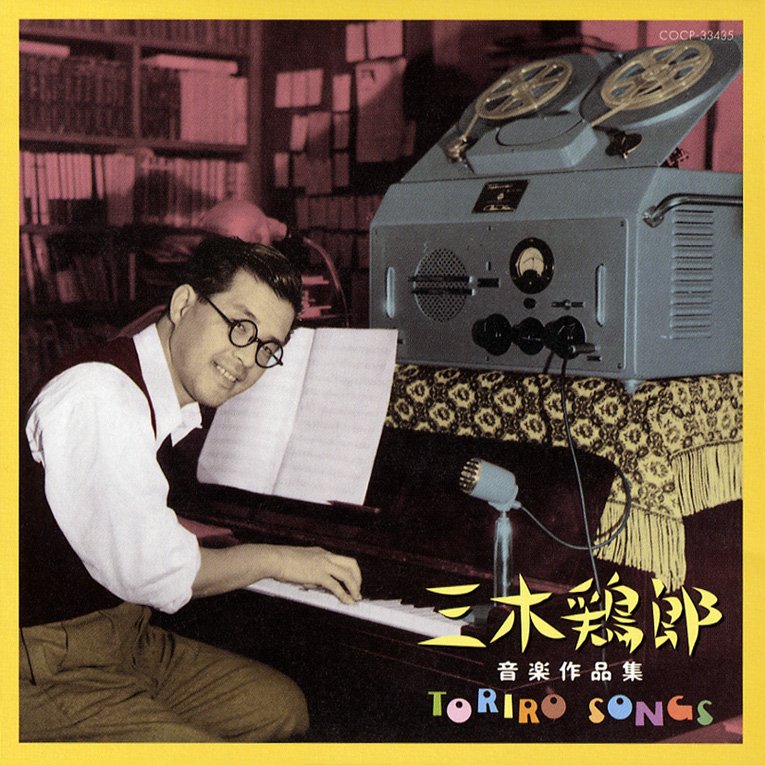
Miki Torirō (1914–94), a pioneer of the radio musical variety show and a major force in the early postwar development of Japanese popular music. Miki’s satirical comedy and music segment on NHK’s Sunday Entertainment Edition catapulted him to fame in the late 1940s. Following the advent of commercial broadcasting in 1951, he emerged as the era’s most influential writer of advertising jingles. (Nippon Columbia, 2005)


 Read in other languages