-
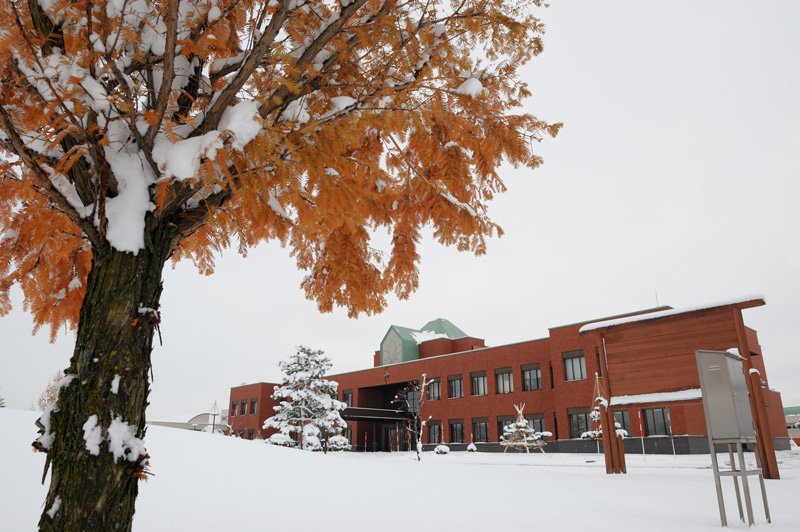
The Kamikawa station and its predecessor, the Chūbetsu Agricultural Experiment Station, have conducted experiments on cold-resistant rice and developed 77 new strains over 125 years.
-
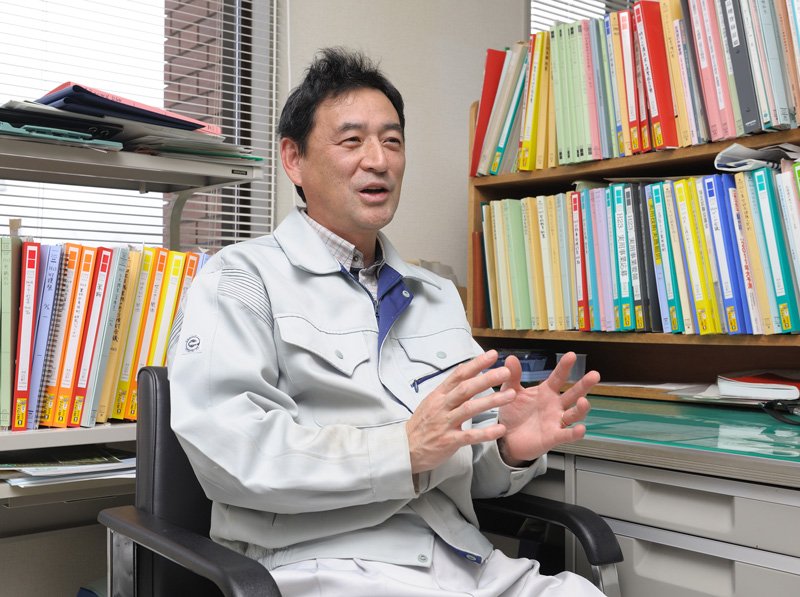
Satō notes that global warming was not a factor in the development of the new Hokkaidō varieties, since temperatures in the months rice is cultivated have held relatively steady over the past two decades.
-
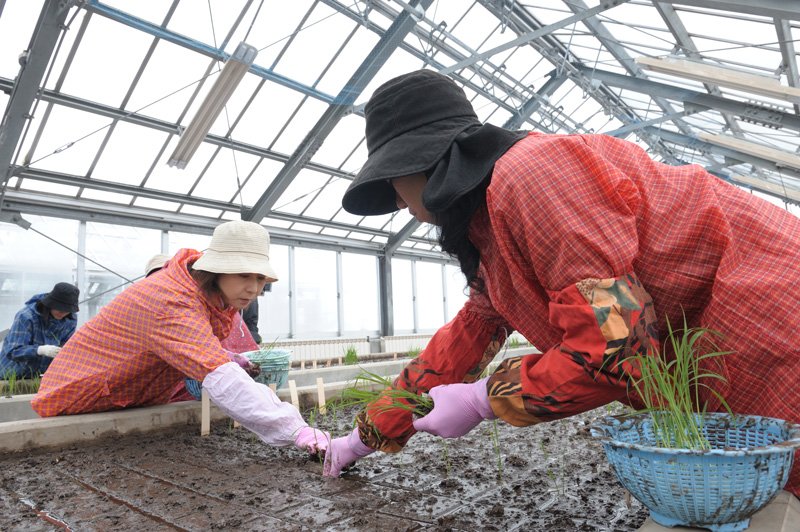
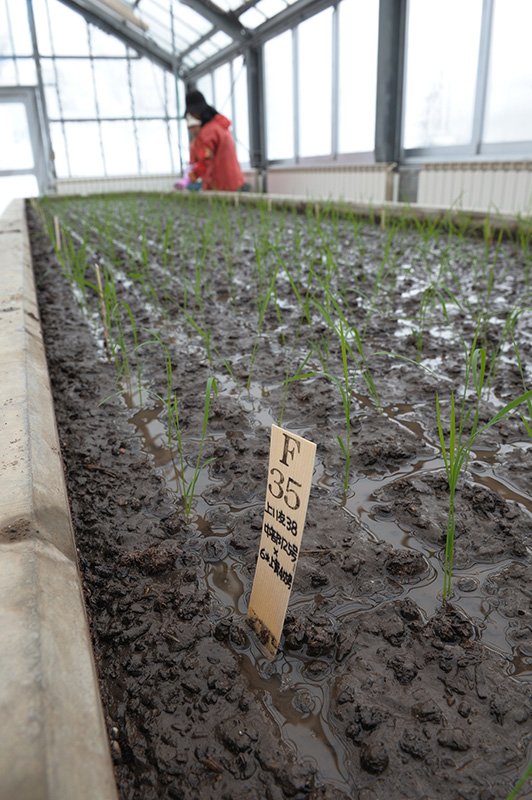
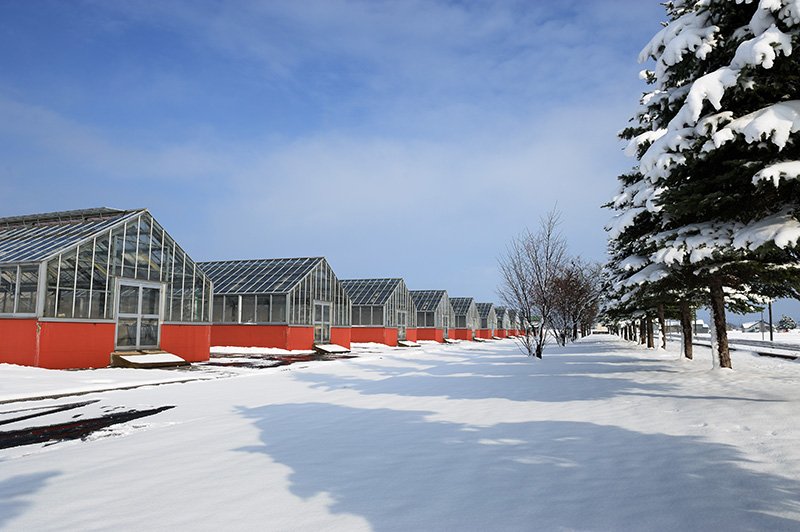
Workers plant seedlings in a greenhouse at the Kamikawa station in November, when the ground outside is covered with snow. A total of 4,000 seedlings representing 81 new varieties are planted.
-
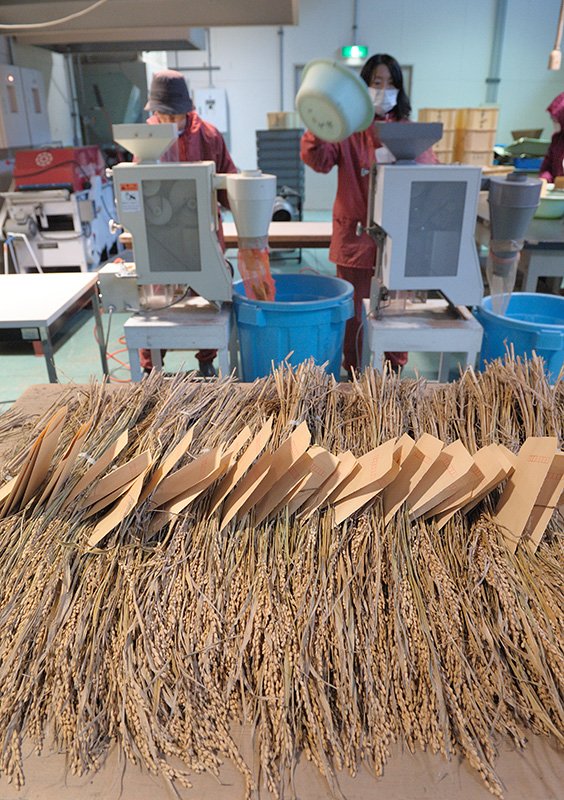
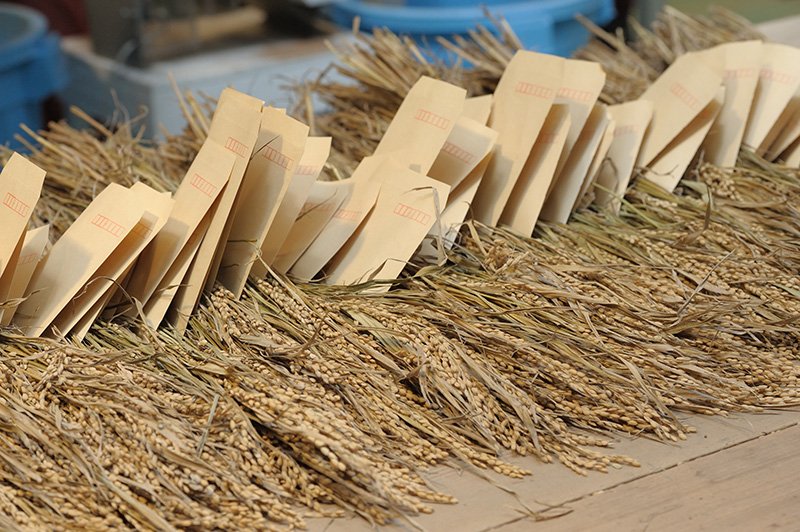
Individual grains are carefully removed from the stalks that were cut down in the autumn of 2011. Each stalk represents a different variety; extreme care must be taken not to mix them up.
-
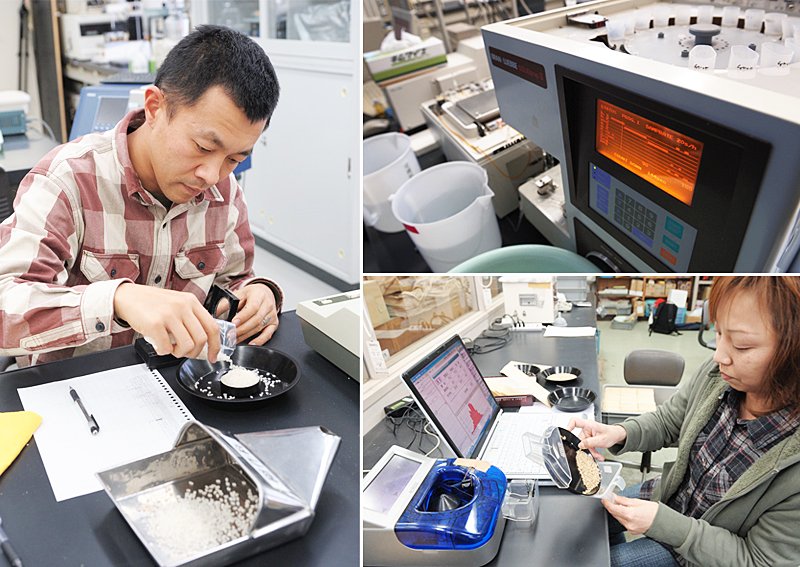
A battery of tests are conducted to evaluate the whiteness of the rice, the length and width of the grain, and the amylose ratio, which determines the cooked grain’s stickiness.
-
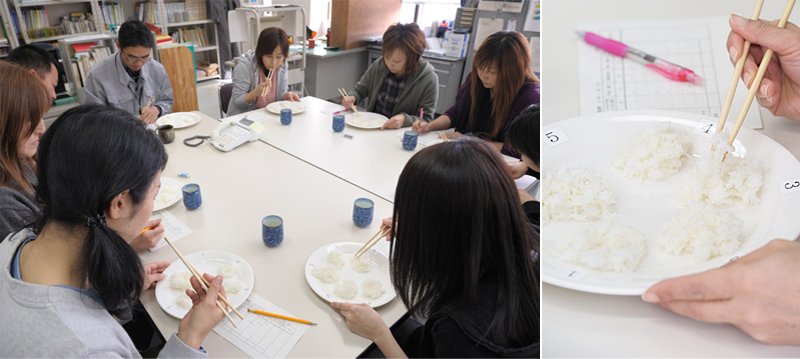
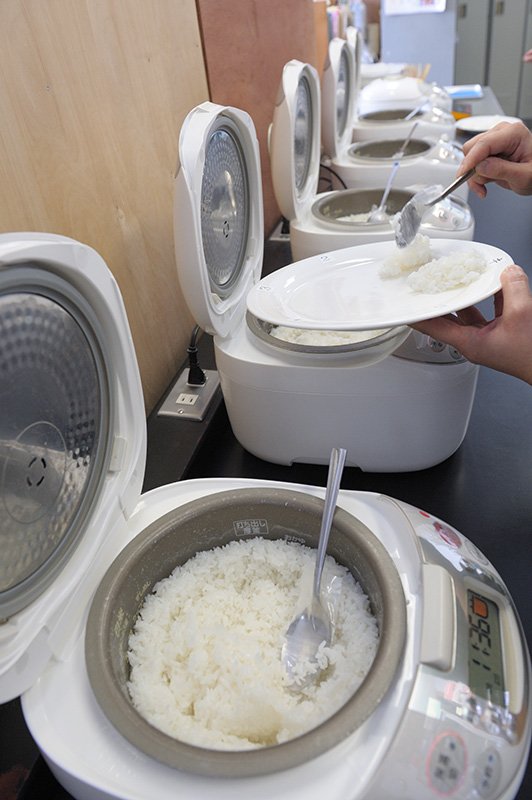
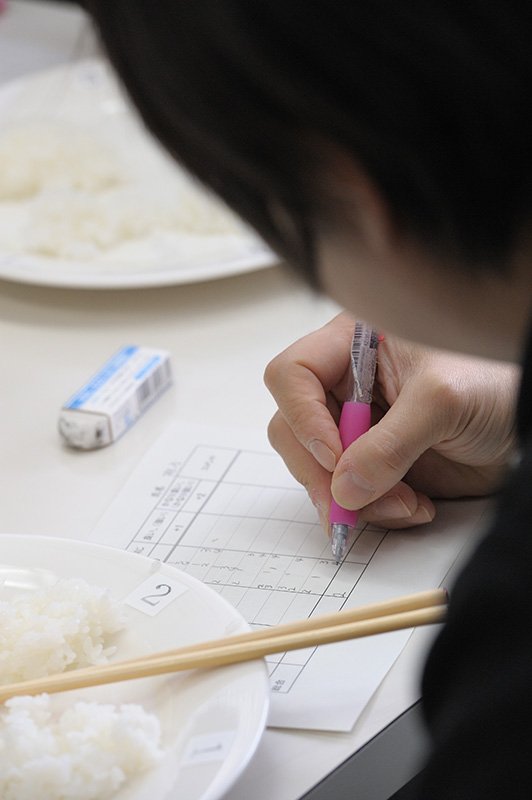
Once the whiteness, luster, and aroma results are in, it is time for taste tests. The tasters must detect subtle differences, and second helpings are necessary on occasion.
-
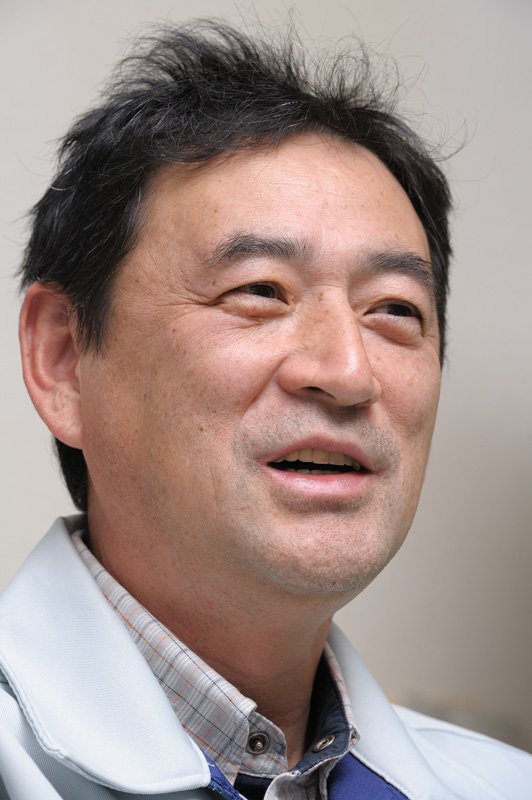
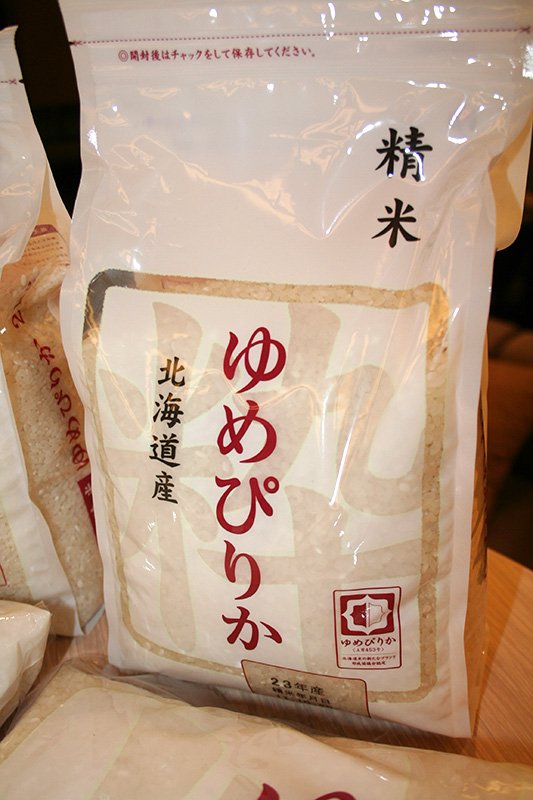
“People like Yumepirika because it’s so delicious,” says Satō. “It holds its own even paired with flavorful side dishes”.
-
-

-
-
-
-
-


 Read in other languages