-
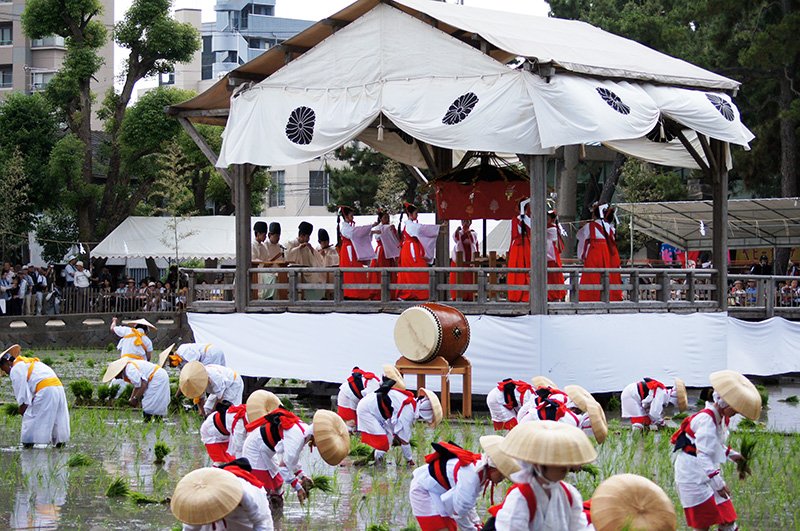
Women perform the “Yaotome no Tamai” (The Rice Paddy Dance of Many Maidens) as part of the Otaue Shinji. (Photo courtesy of Sumiyoshi Taisha)
-
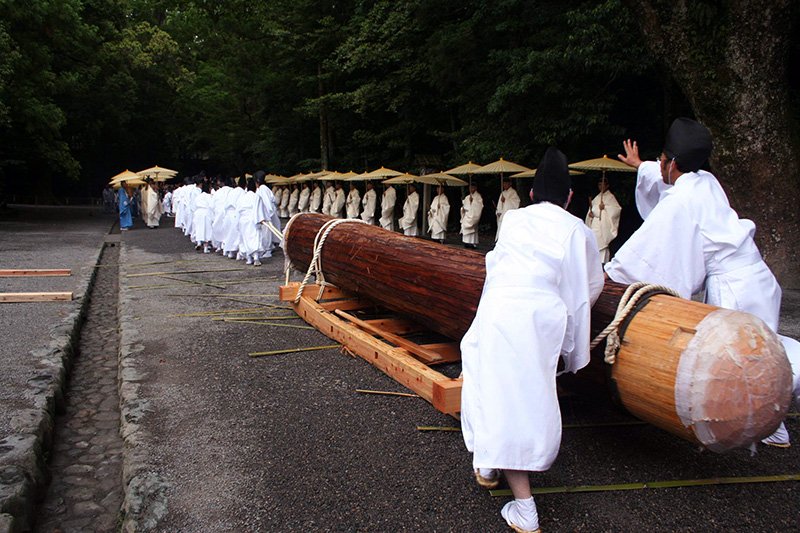
The main shrine buildings at Ise are rebuilt every 20 years during the Shikinen Sengū festival. (Photo courtesy of Ise Jingū)
-
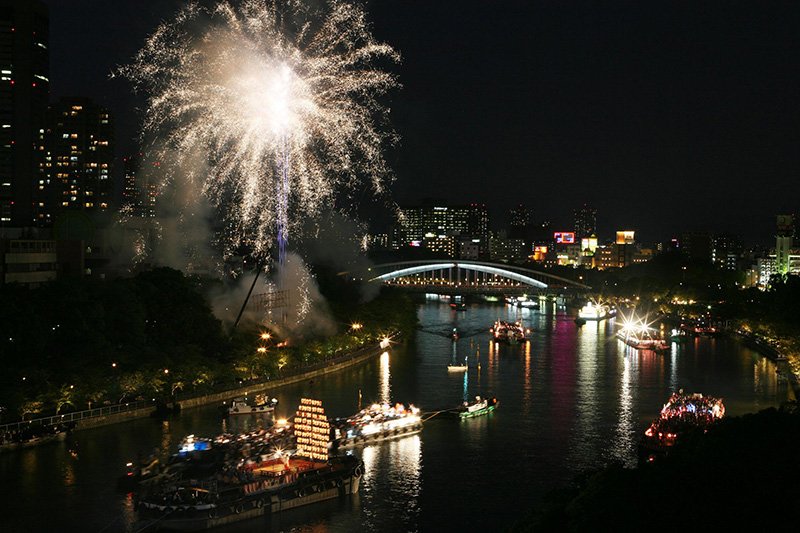
Fireworks light up the sky at the Tenjin Matsuri. (Photo courtesy of Osaka Tenmangū)
-
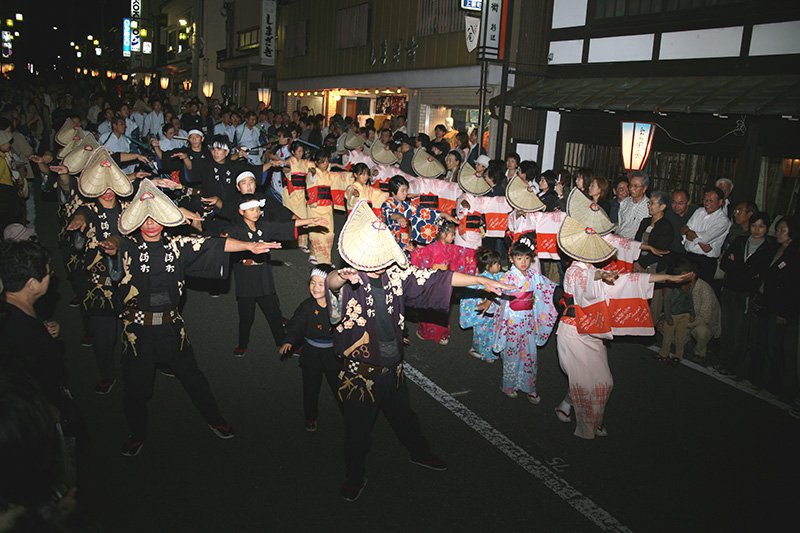
Etchū Owara Kaze-no-Bon. (Photo courtesy of the Etchū Yatsuo Tourism Association)
-
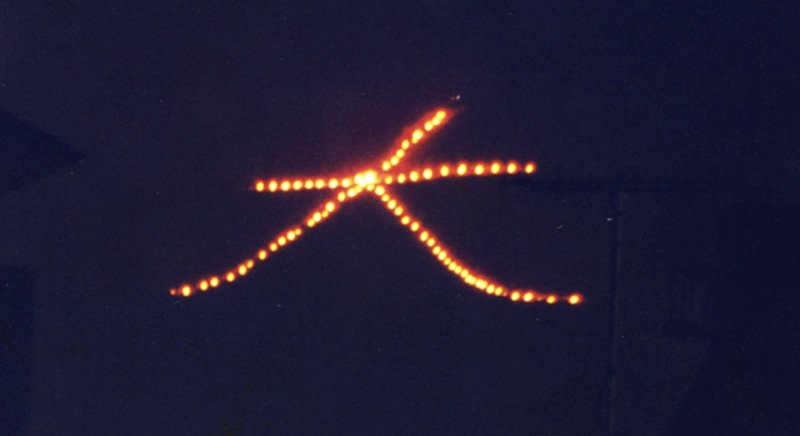
Bonfires in the mountains close to Ginkakuji (the Temple of the Silver Pavilion) in Kyoto. The fires form the shape of the kanji character “dai” meaning great, or big. (Photo courtesy of Kyoto Culture and Citizens Affairs Bureau)
-
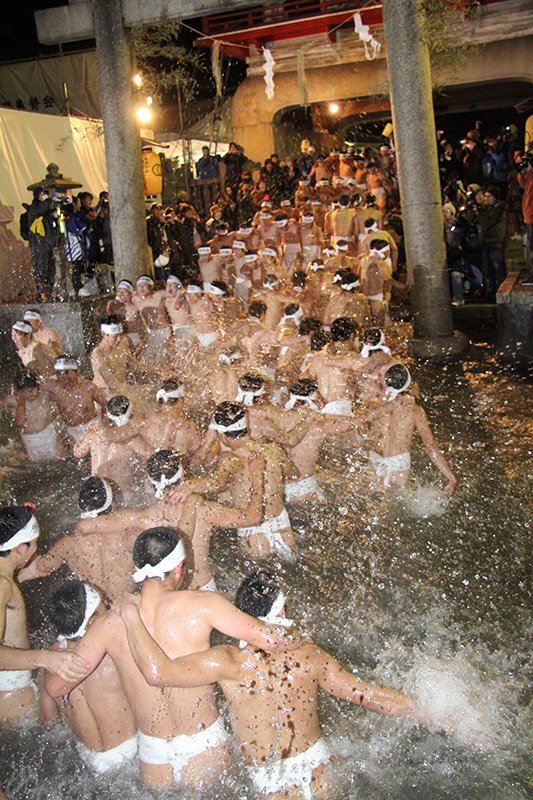
Participants purify themselves at the Hadaka Matsuri in Eyō. (Photo courtesy of Saidaiji Eyō Hōsankai)
-
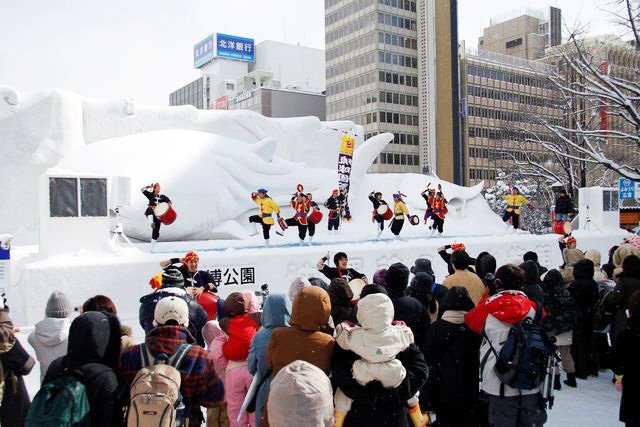
One of a variety of events at the Sapporo Snow Festival. (Photo courtesy of Sapporo Tourism and Cultural Affairs Bureau)
-
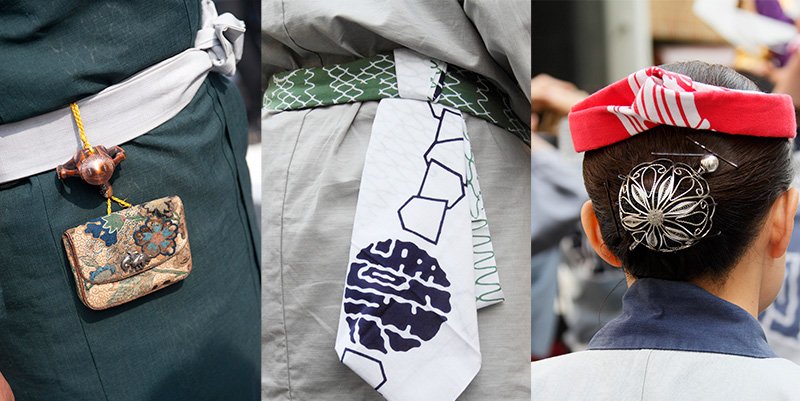
A selection of close-ups showing just a few of the ways in which people dress up for the big day. Many festivals are lively explosions of colorful traditional clothing and accessories. (Photographs by Yamada Shinji and Kodera Kei)
-
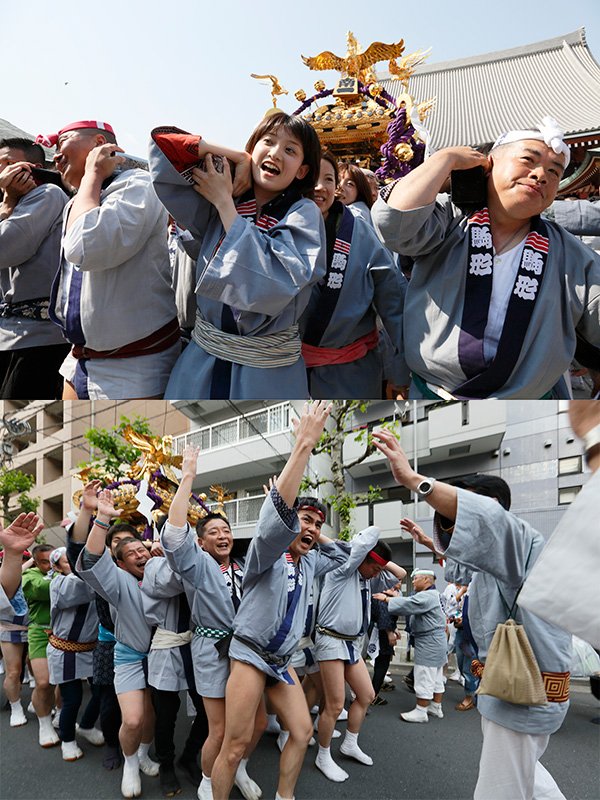
Different areas and groups have their own distinctive traditions when it comes to festival chants and the way they carry their “mikoshi.” (Photographs by Yamada Shinji at the Sanja Matsuri in Asakusa, Tokyo).
-
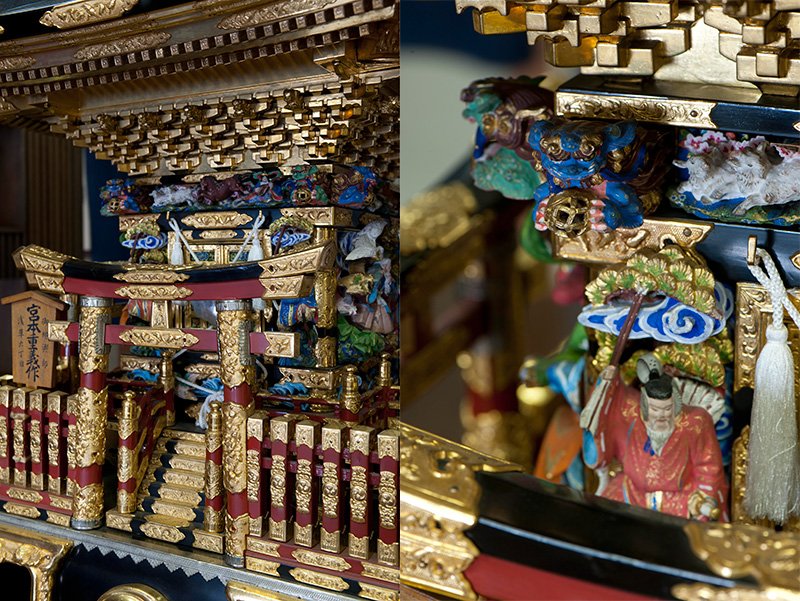
The “mikoshi” are often lovingly carved in intricate detail. Communities take great pride in these special objects, which are at the center of many festivals throughout the country. (Photographs by Kodera Kei)
-
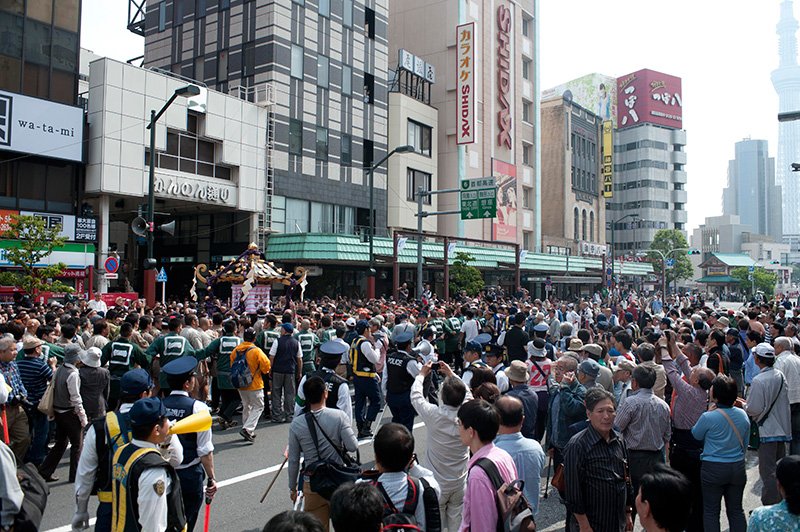
Major festivals can attract more than a million people, so expect big crowds and reserve your accommodation well in advance! (Photograph by Kodera Kei)


 Read in other languages