-
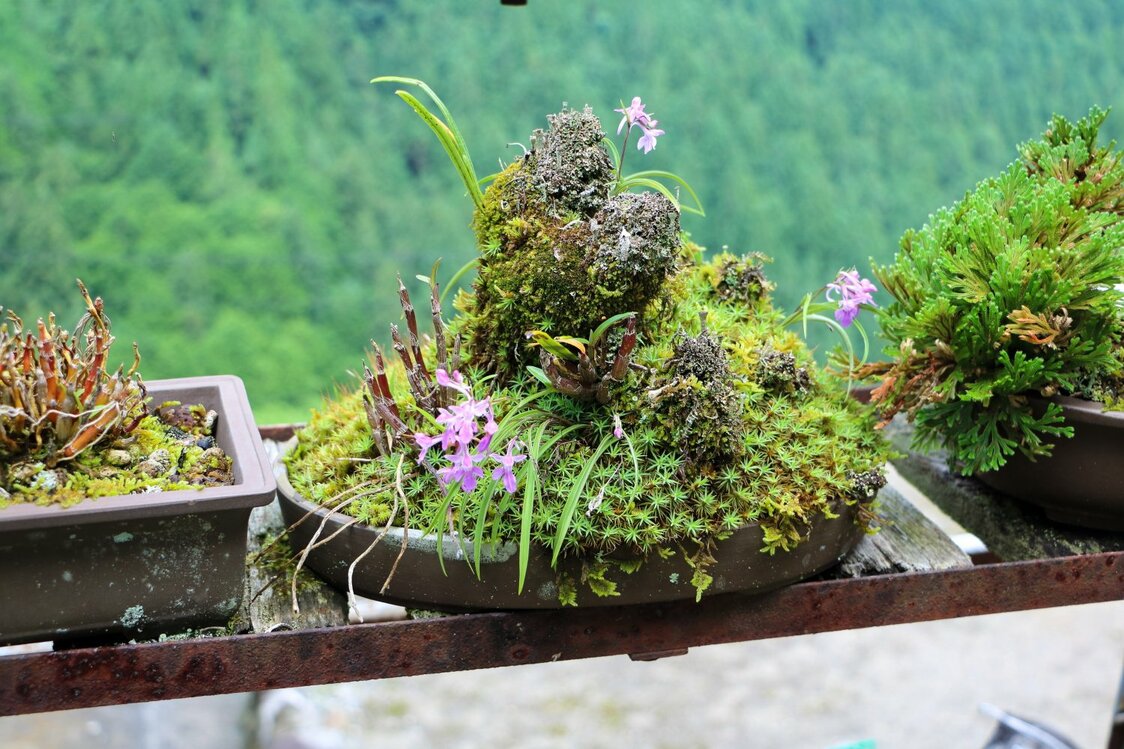
A moss display incorporating rock and wildflowers.
-
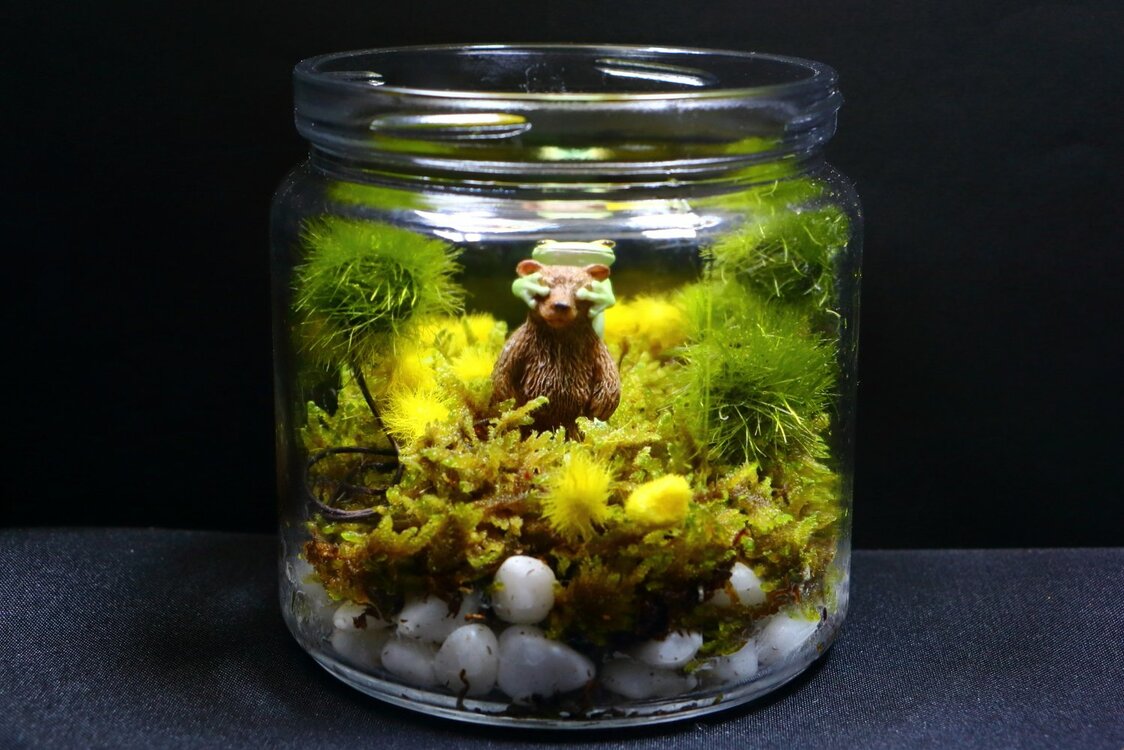
Animal figures add a humorous touch to a moss terrarium.
-
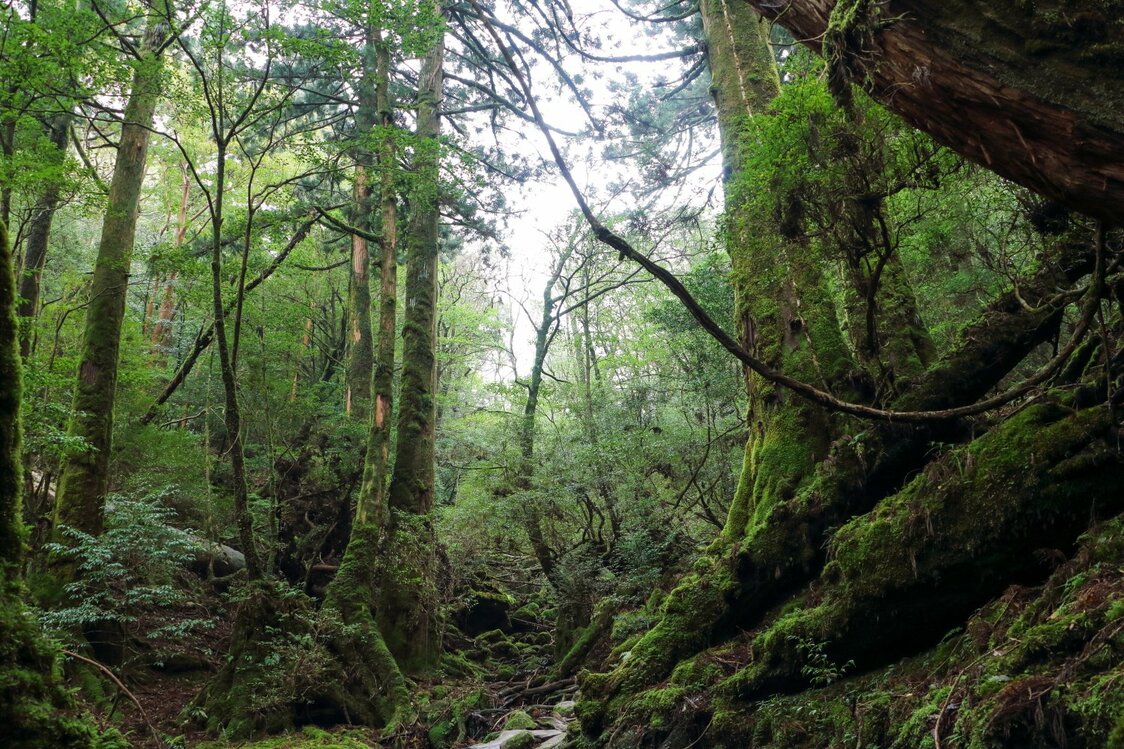
The primeval, moss-covered forest on the island of Yakushima in Kagoshima Prefecture is a popular destination for trekkers.
-
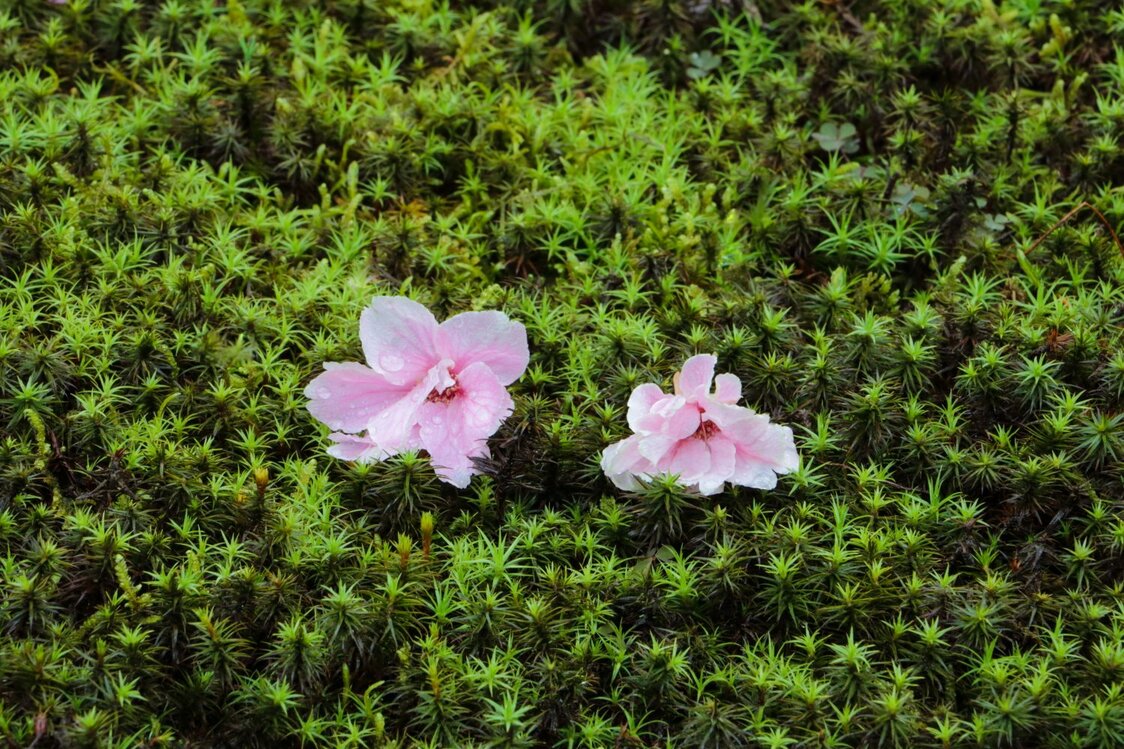
Moss and cherry blossoms have deep cultural meaning in Japan.
-
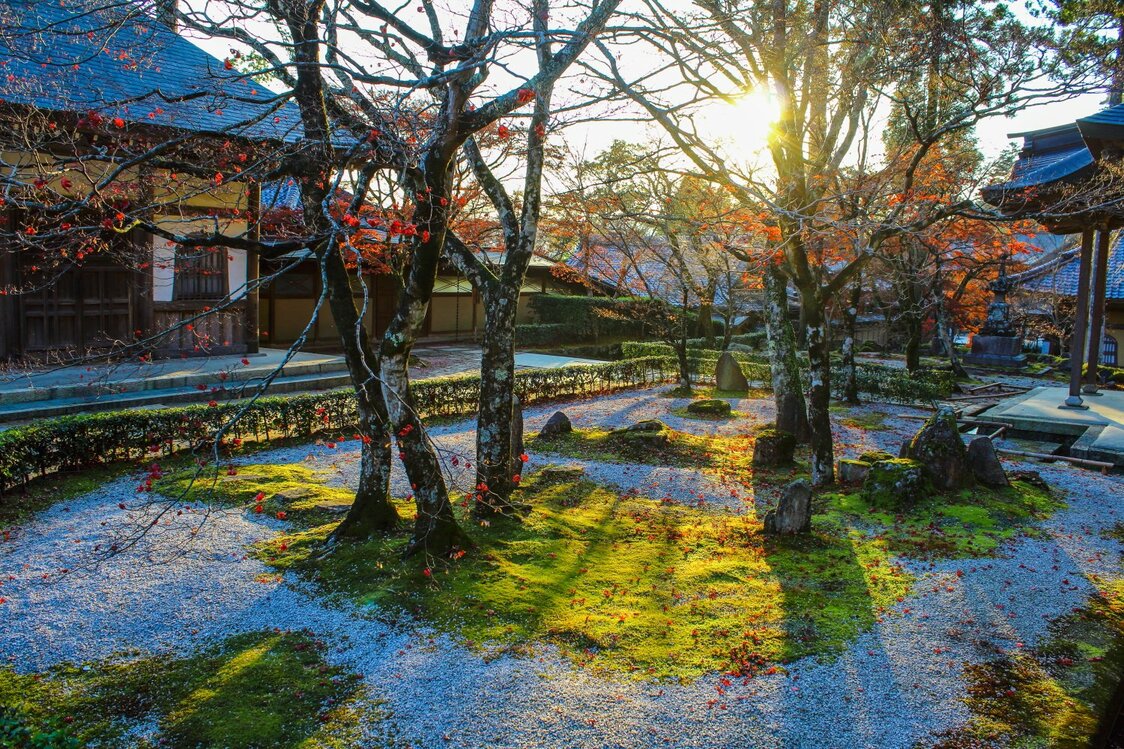
Moss features prominently in the garden at Zen temple Eigenji in Shiga Prefecture.
-
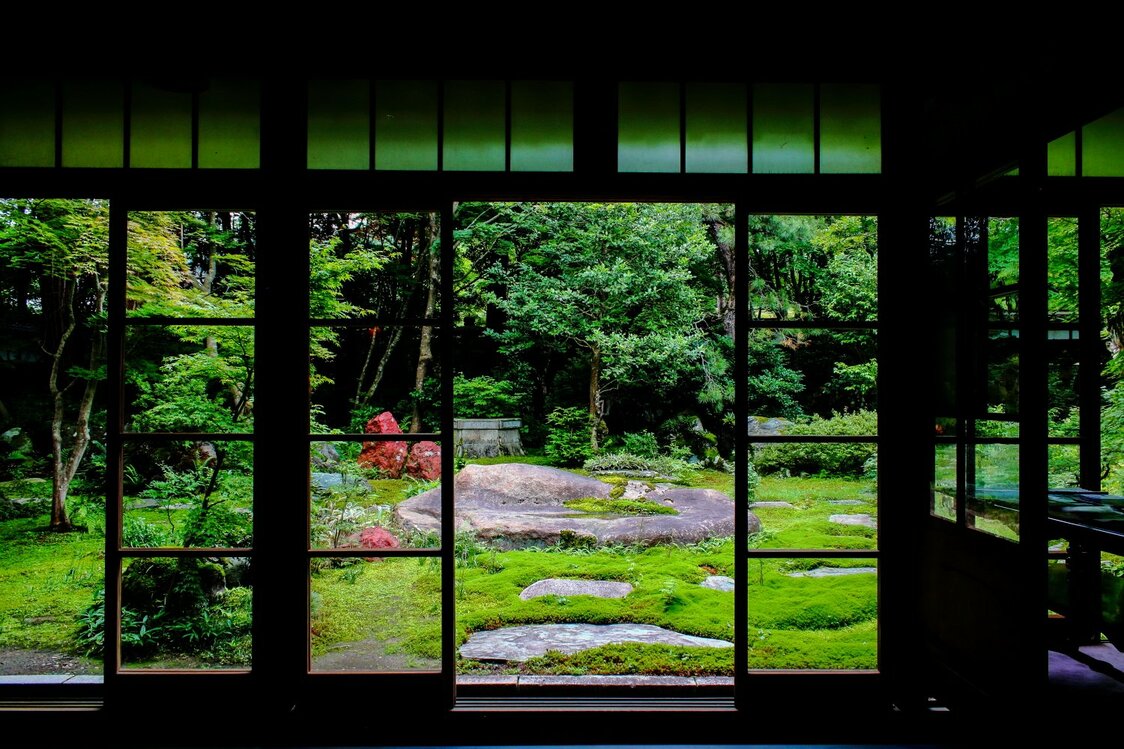
A carpet of moss covers the ground of the garden at the Nakano House Art Museum in Niigata Prefecture.
-
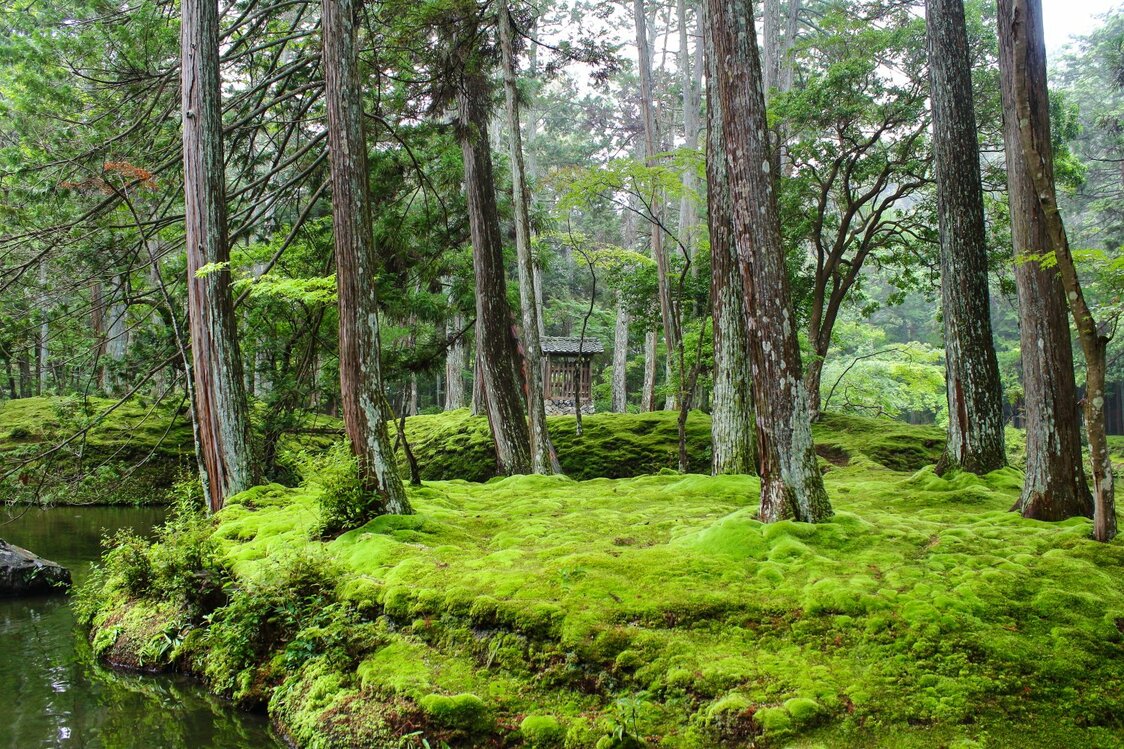
Moss seems to cover every inch of ground of the Japanese garden at Saihōji in Kyoto. The temple is part of a UNESCO World Heritage Site.
-
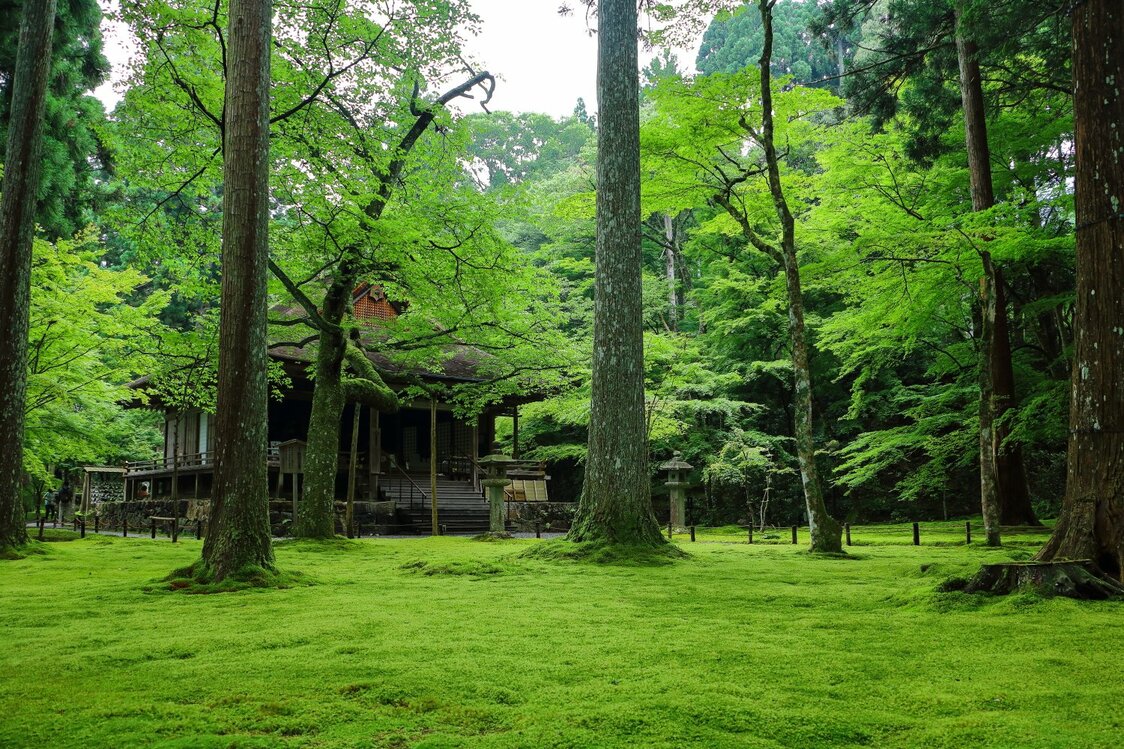
A carpet of moss covers the ground at the temple Sanzen’in in Kyoto.
-
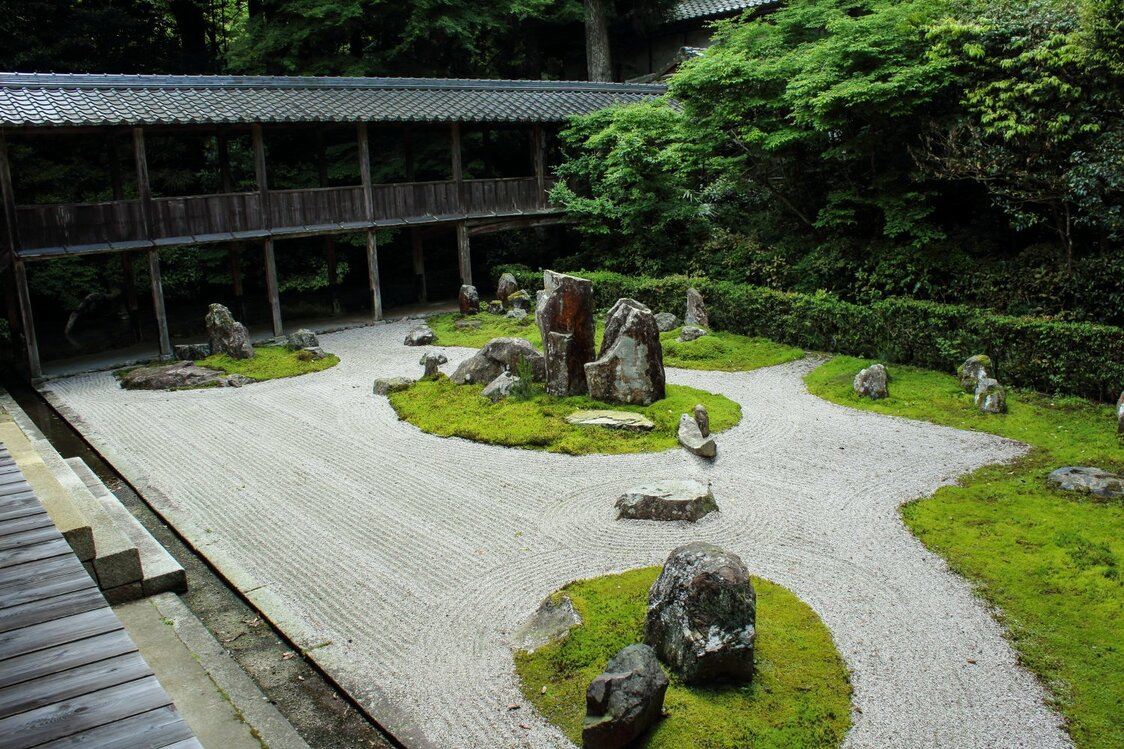
Moss represents islands and rocks mountains in this Japanese garden at Ryōtanji in Shiga Prefecture.
-
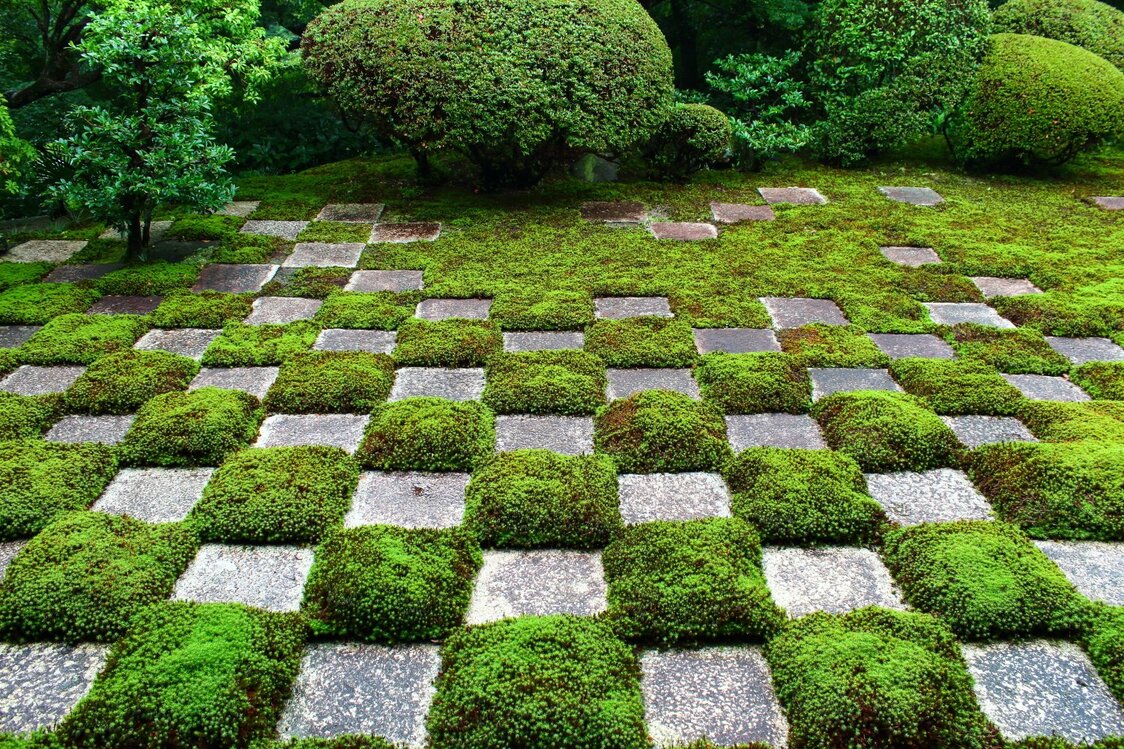
Squares of moss and stone create a striking check design called the Ichimatsu pattern at Kyoto’s Tōfukuji.
-
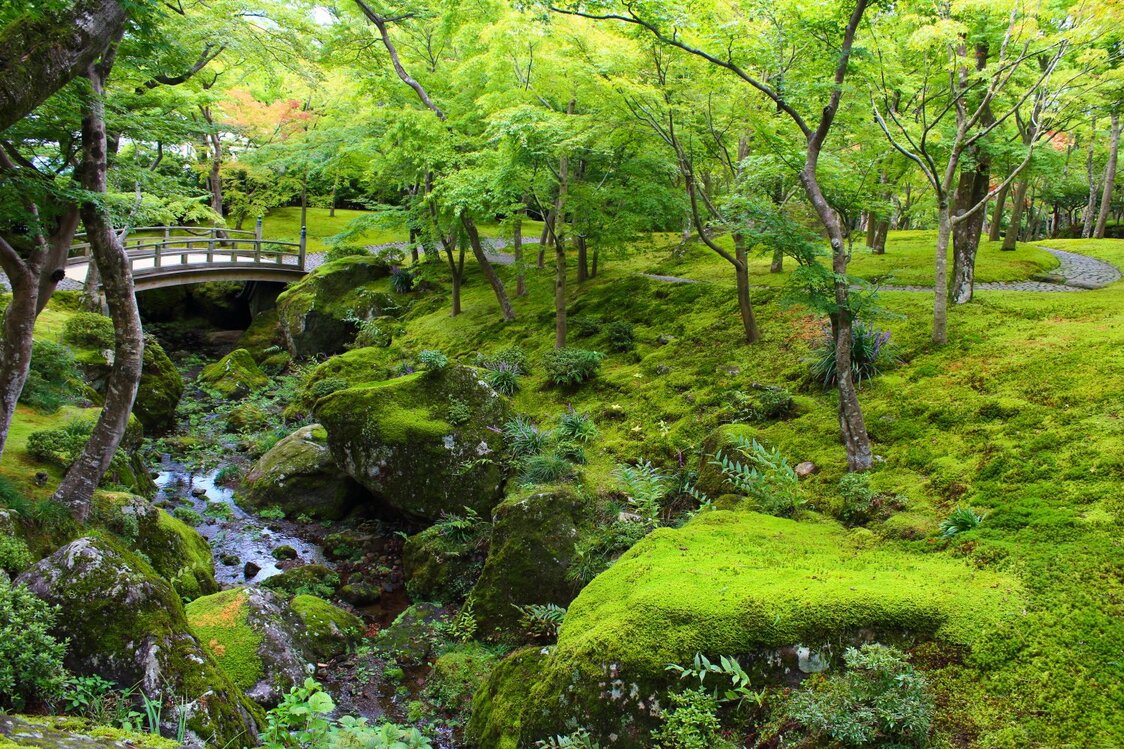
The diverse landscape of the garden at the Hakone Museum of Art in Kanagawa Prefecture supports a wide variety of moss species.
-
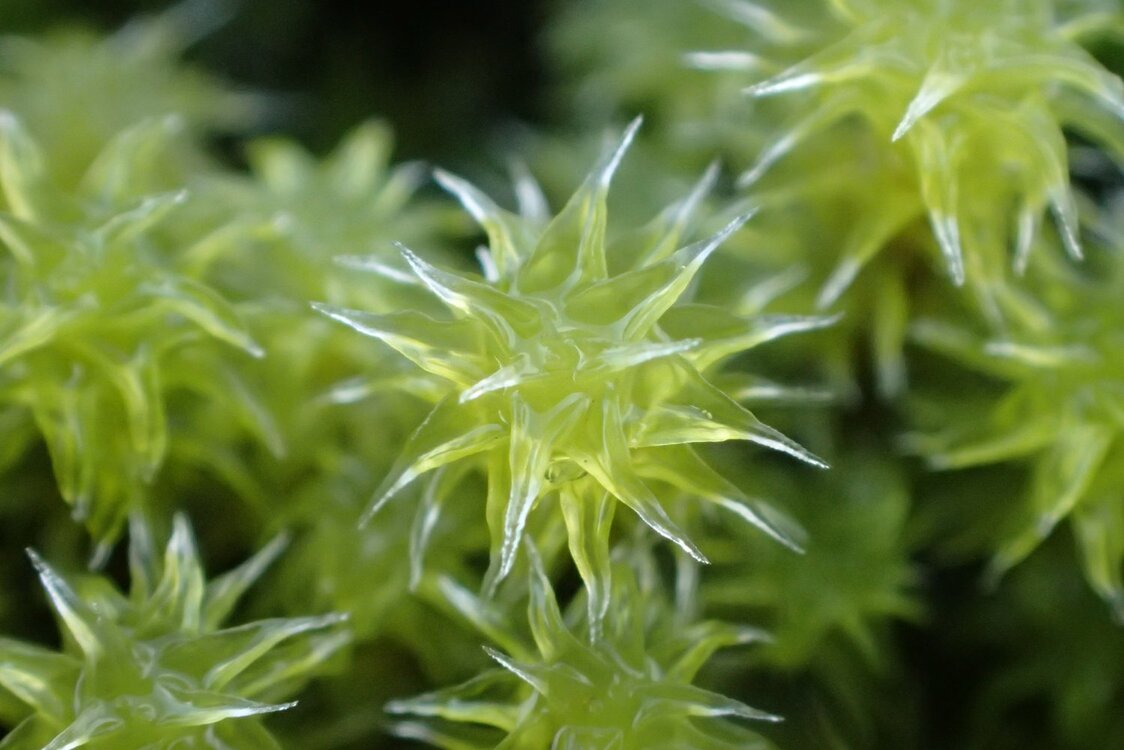
A close-up of the glistening leaves of the native Japanese moss species Ezosuka-goke. Mosses absorb moisture and nutrients directly from the air and are sensitive to changes in the environment.
-
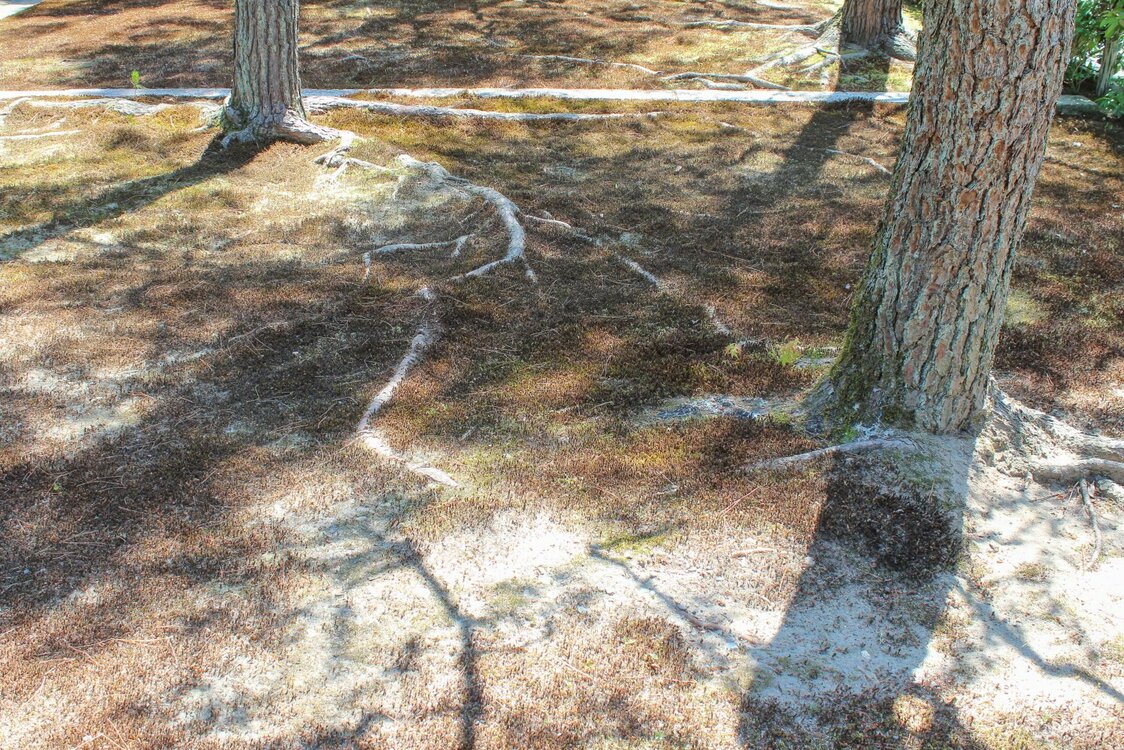
Dead moss in a Japanese garden caused by the heat island effect.
-
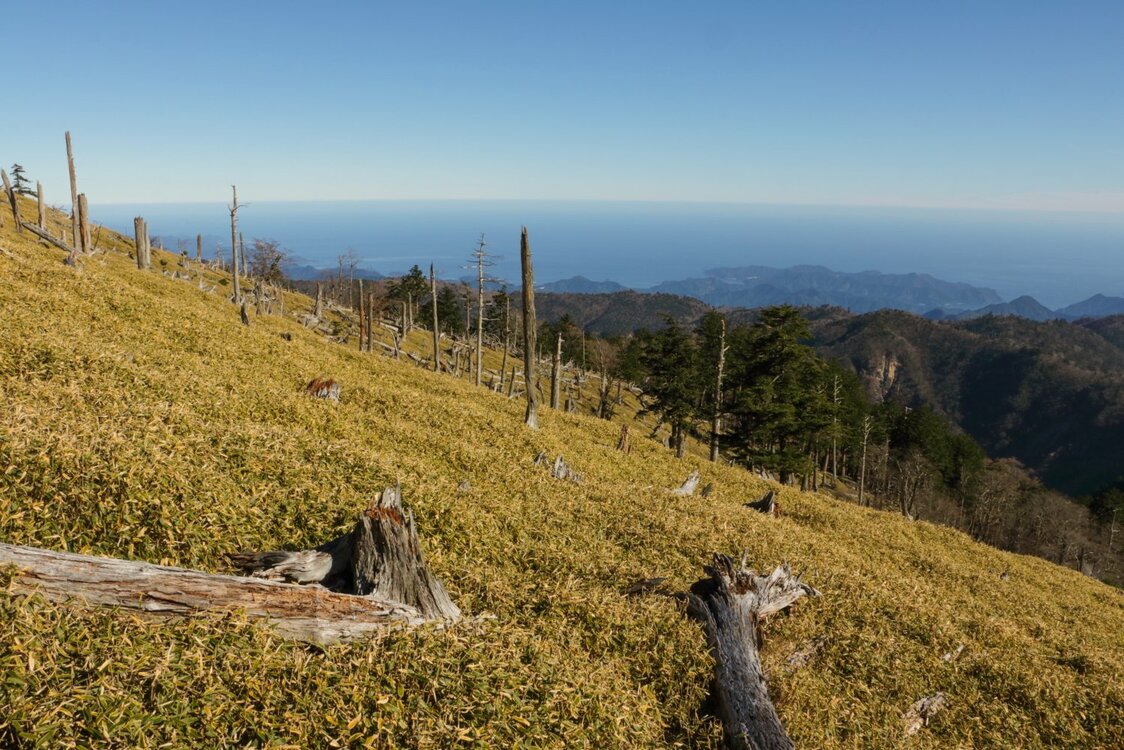
Scattered dead tree trunks along the slopes of Mount Ōdaigahara in Nara Prefecture are all that remain of a once lush, moss-covered forest. Over the last 30 years, herds of hungry deer have decimated the environment.


 Read in other languages