-
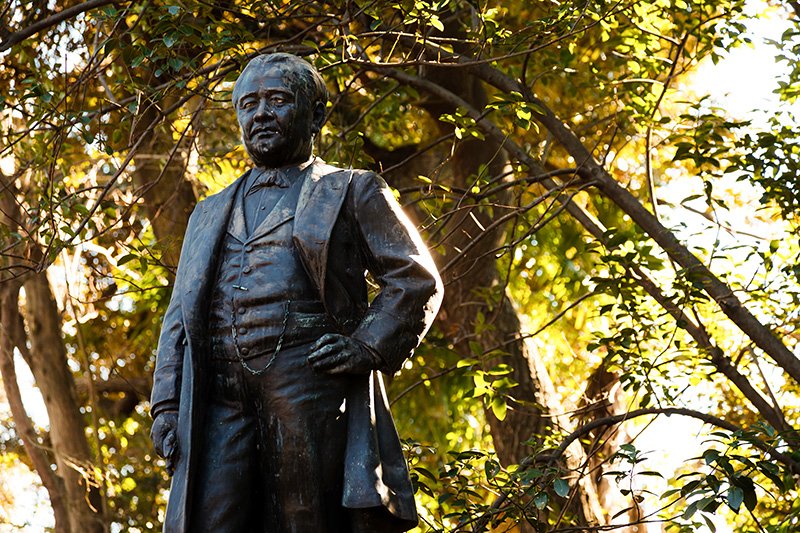
A bronze statue of Shibusawa Eiichi at the site of his former Tokyo residence.
-
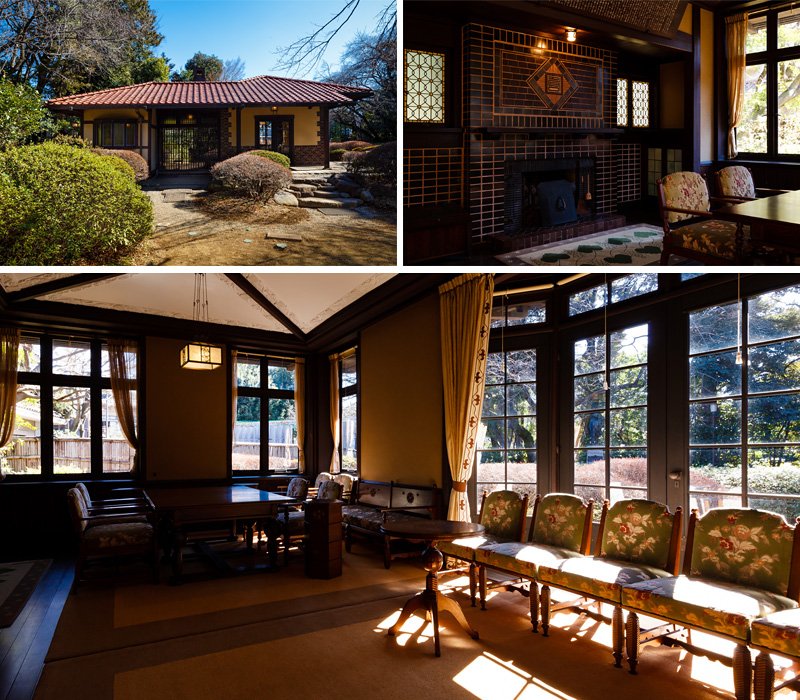
The Bankōro tea room features a Western-style brick fireplace and finely decorated furniture.
-
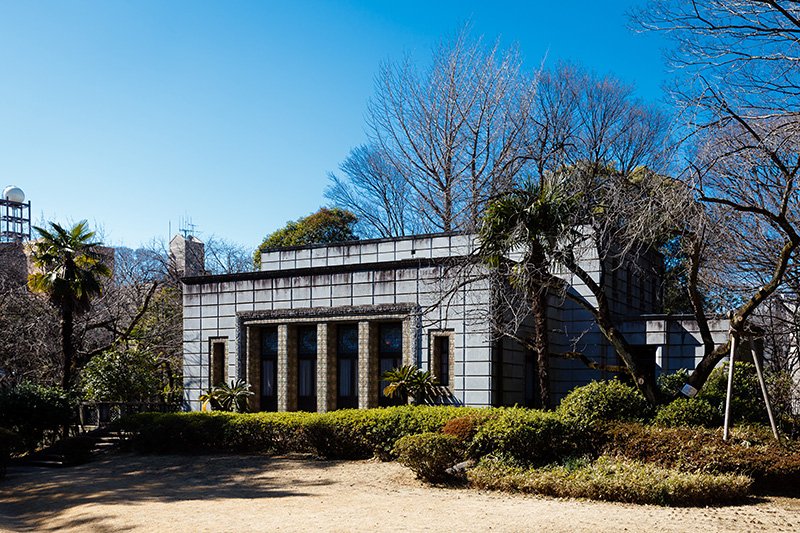
The Seienbunko library built in 1925 features a brick exterior and stained-glass windows.
-
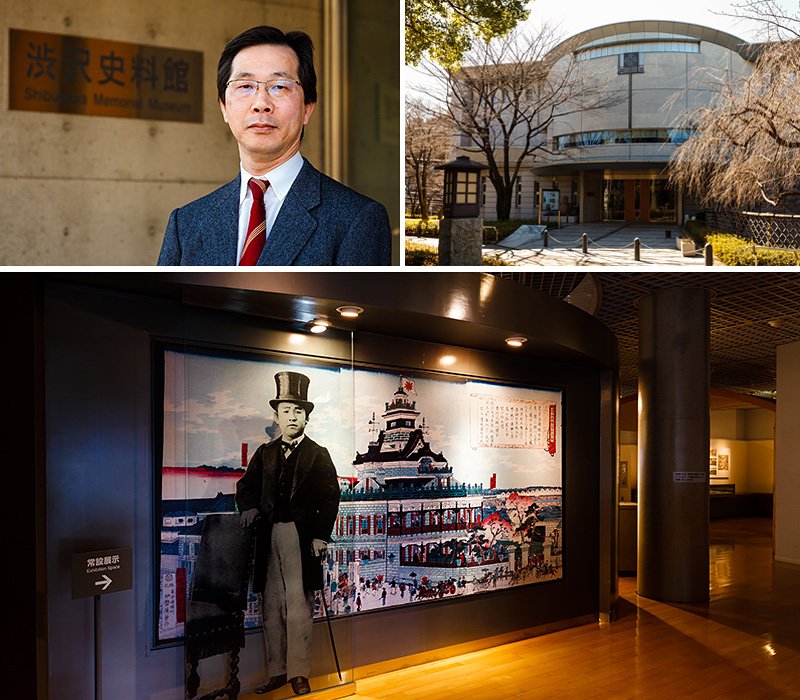
(Clockwise from upper left): Director of the Shibusawa Eiichi Memorial Museum Inoue Jun; the exterior of the museum; a display at the museum’s front entrance.
-
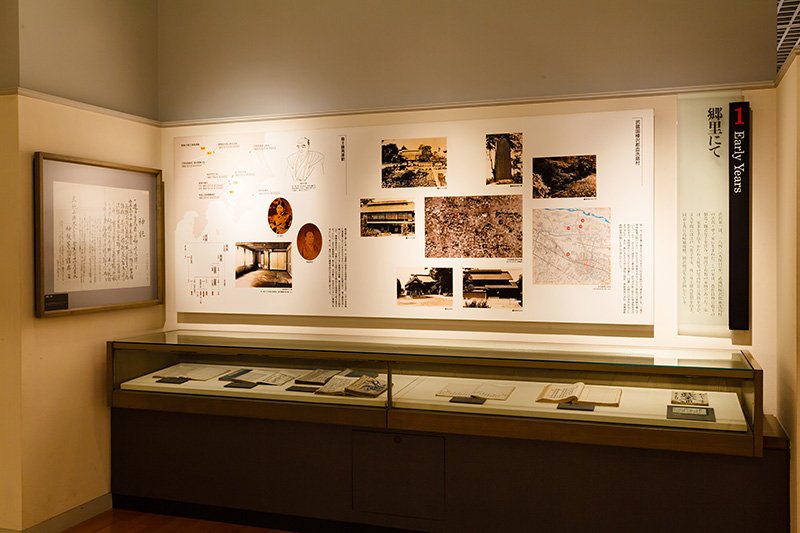
As a youth Shibusawa was heavily influenced by anti-foreign principles embodied in the slogan sonnō jōi (revere the emperor, expel the barbarians) and had ties through Odaka to extremist groups that plotted to capture Takasaki Castle and burn Yokohama. Although neither plan came to fruition, Shibusawa, fearing for his safety, fled to Kyoto. While in the ancient capital, through a family connection, he became a retainer of Hitotsubashi (Tokugawa) Yoshinobu (1837–1913), the eventual final head of the Tokugawa shogunate. It was in this position that Shibusawa began to forge his reputation as a skilled economic thinker.
-
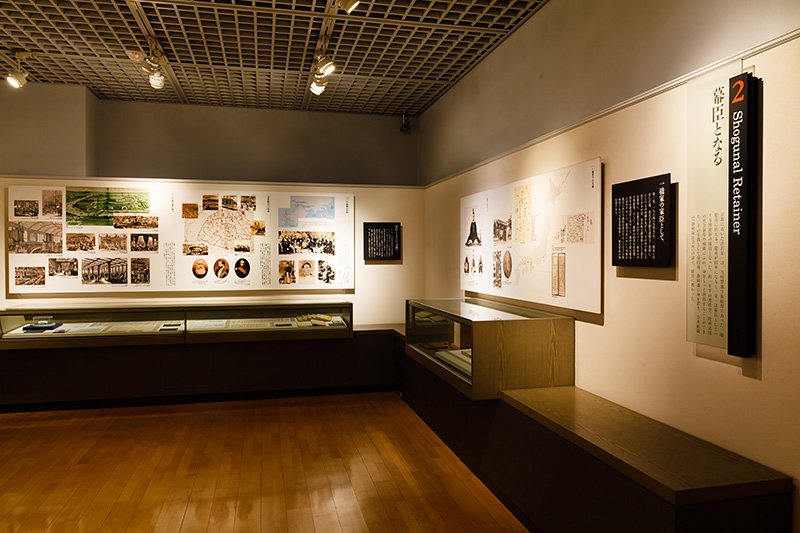
A corner of the museum dedicated to Shibusawa’s time as a shogunal retainer.
-
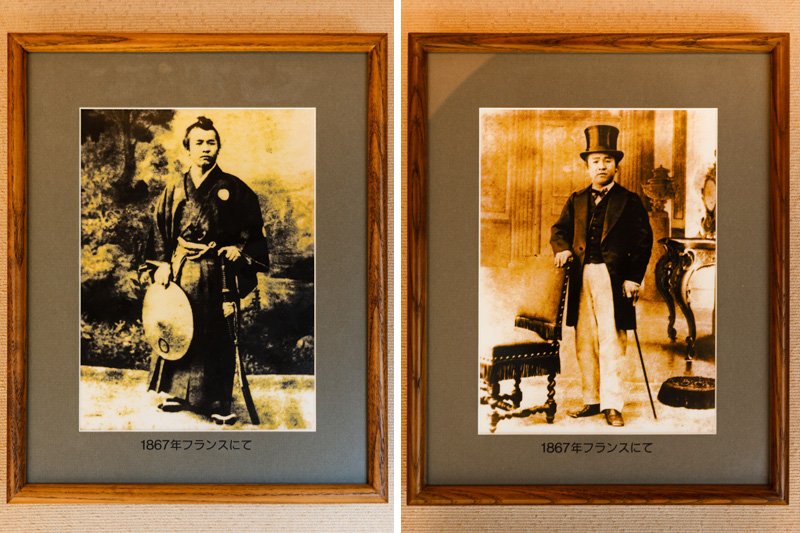
Photos of Shibusawa in France clad in traditional Japanese and Western attire.
-
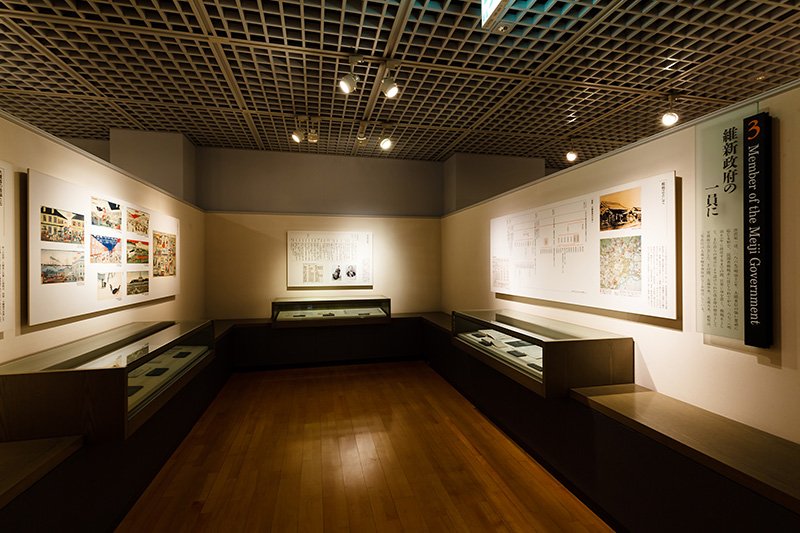
The museum offers a comprehensive look at Shibusawa’s wide-ranging contributions to building the modern Japanese state.
-
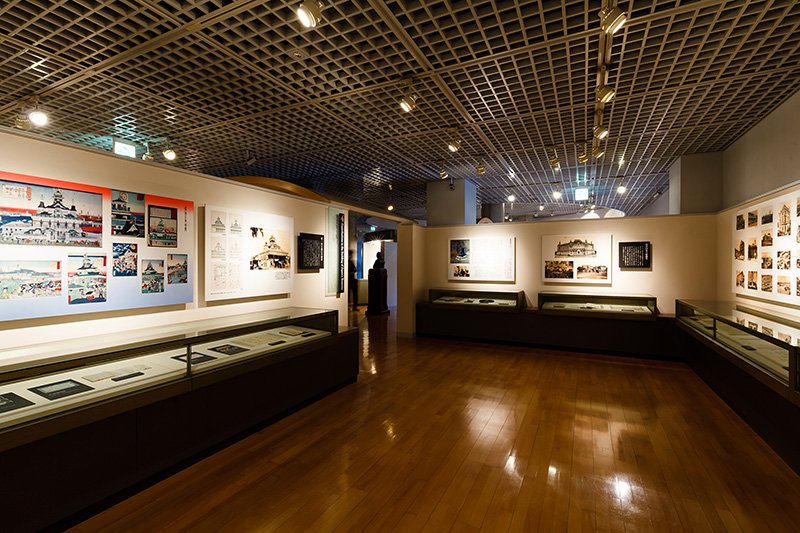
The section “Contributions to the Building of Japan's Economy” outlines Shibusawa’s achievements in the private sector.
-
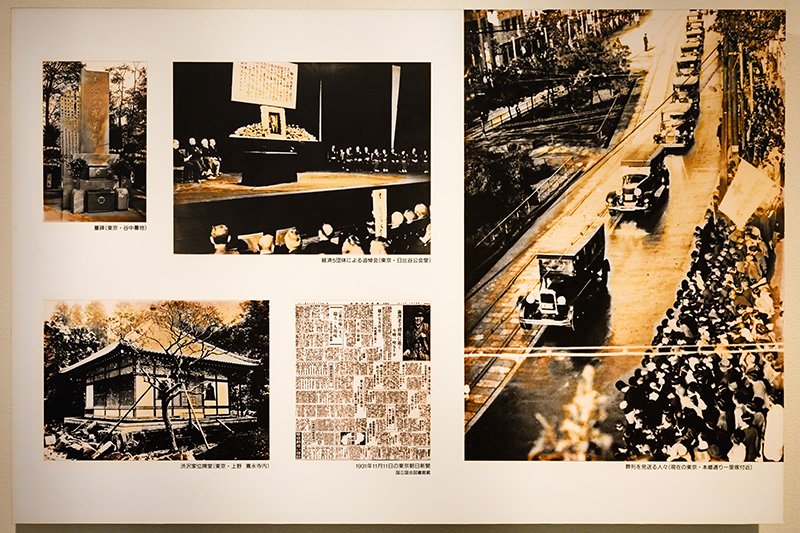
Newspaper accounts of Shibusawa’s death and funeral in 1931.
-
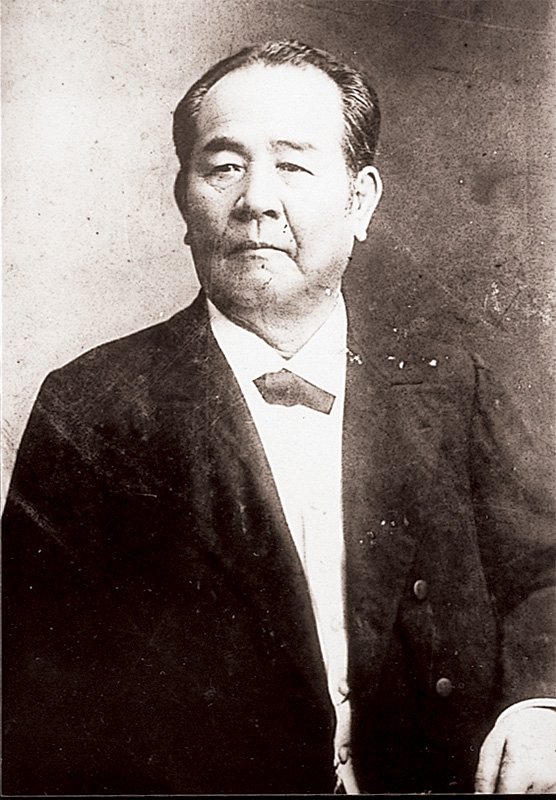
Shibusawa Eiichi when he was 70 years old. (Photo courtesy of the Shibusawa Eiichi Memorial Museum)
-
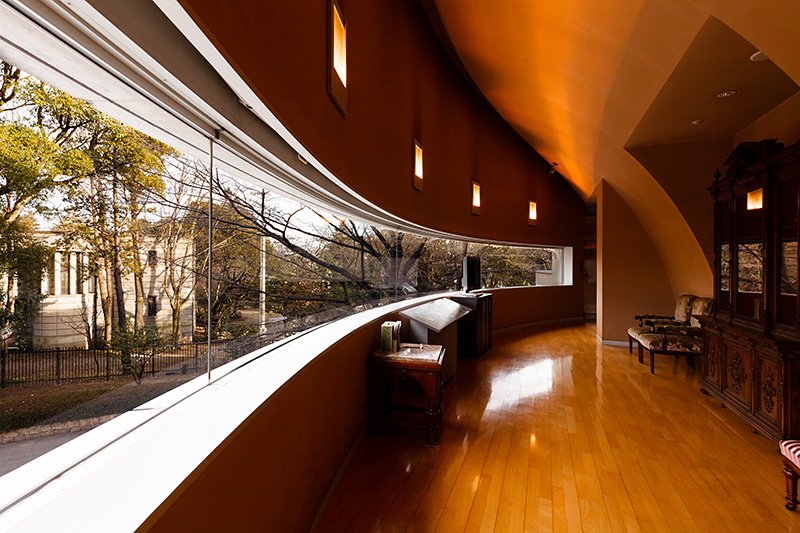
The museum’s rest area looks out onto the Seienbunko library on the grounds of Shibusawa’s former garden.
-
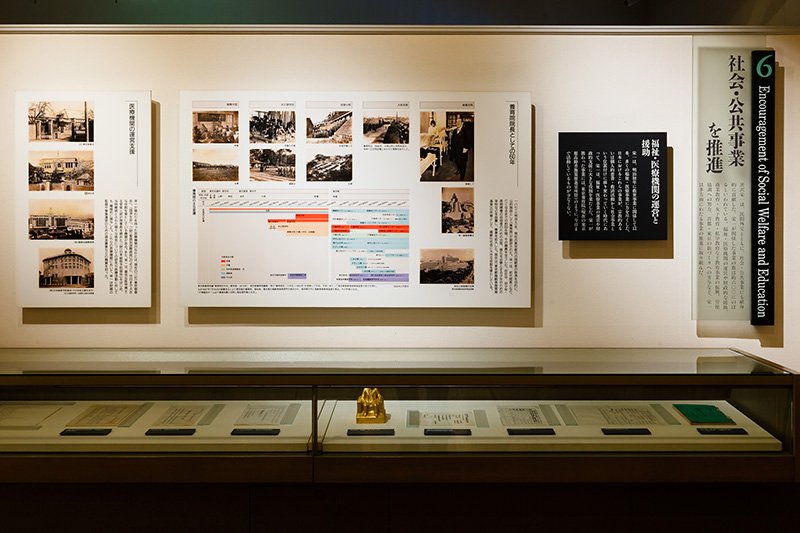
A display detailing Shibusawa’s broad health and social welfare activities, centering on his involvement with the Tokyo Yōikuin.
-
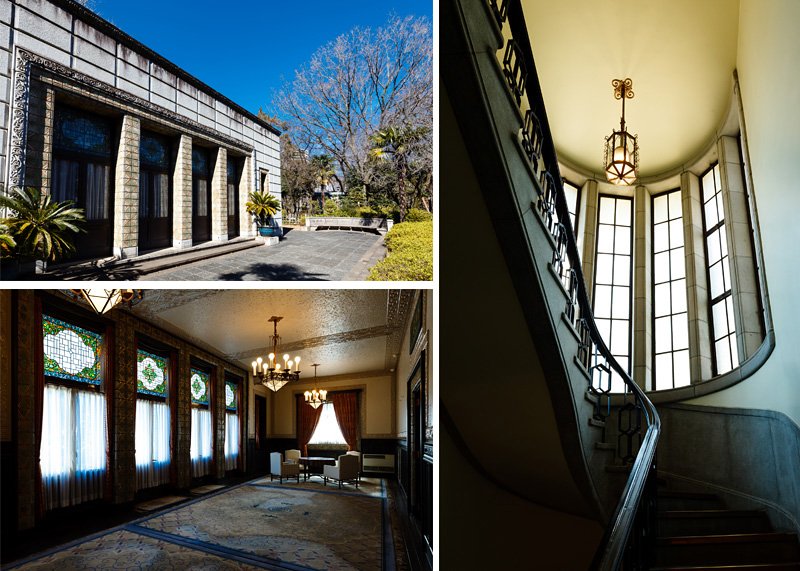
The interior of the Seienbunko library. Shibusawa used his position in the private sector for diplomacy, frequently hosting such dignitaries as Chiang Kai-shek at his Tokyo residence.
-
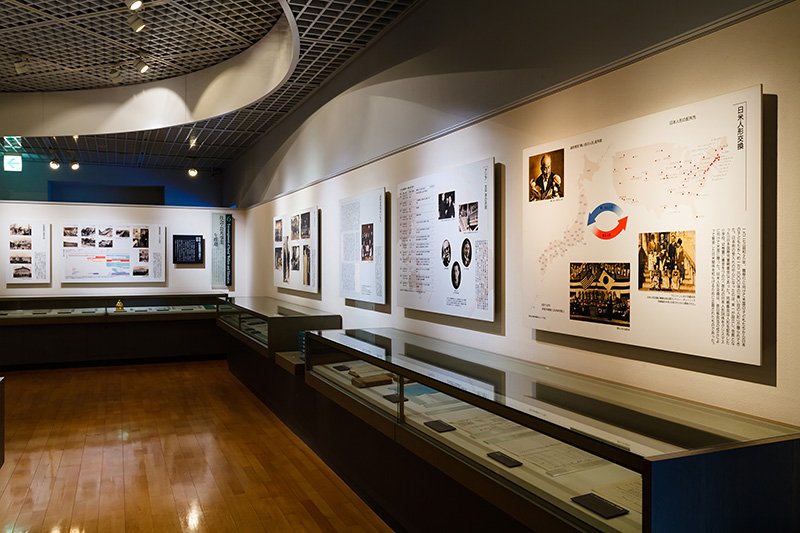
The museum’s section detailing Shibusawa’s private-sector diplomacy. Shibusawa continued to travel to the United States into his eighties.
-
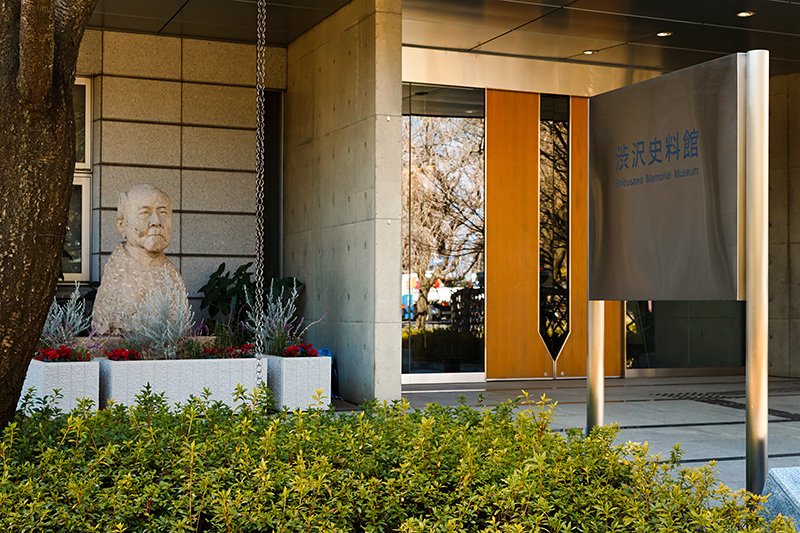
A bronze bust of Shibusawa greets visitors at the entrance of the museum.


 Read in other languages