-
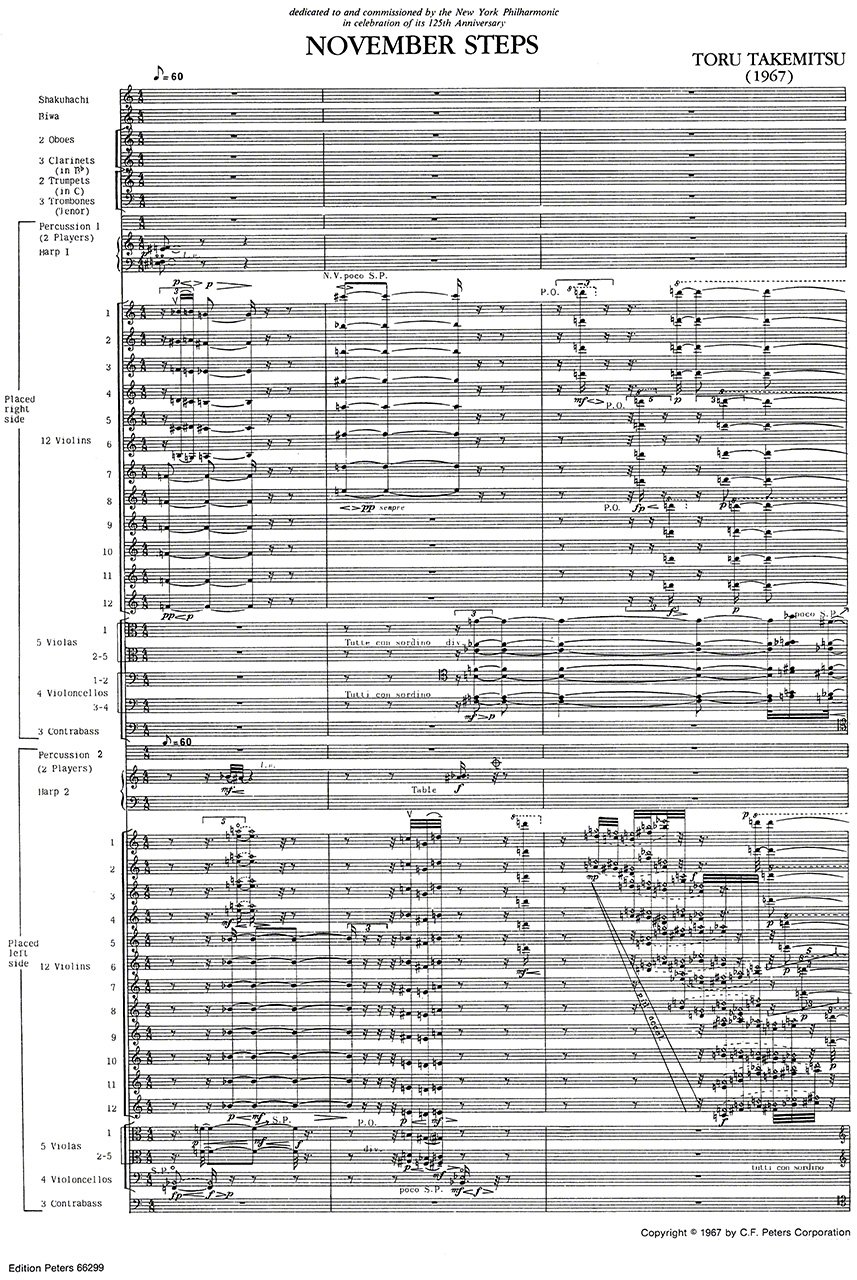
The score of November Steps. (© 1967 by C. F. Peters Corporation. Used by permission by C. F. Peters Corporation. All rights reserved.)
-
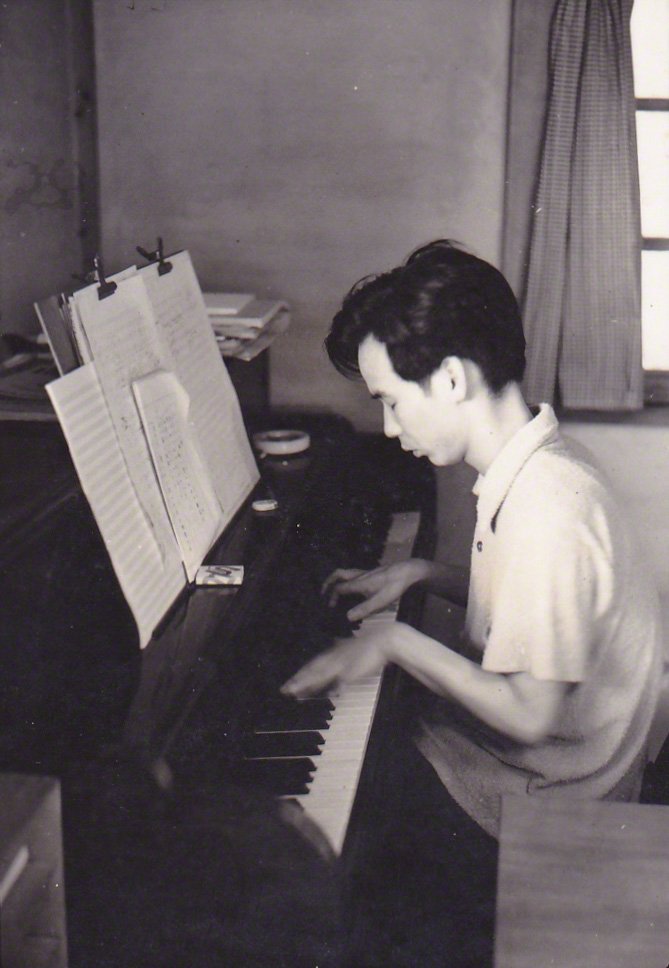
Takemitsu (pictured here in the 1950s) used the piano to help him hunt for sounds he could use in his music.
-
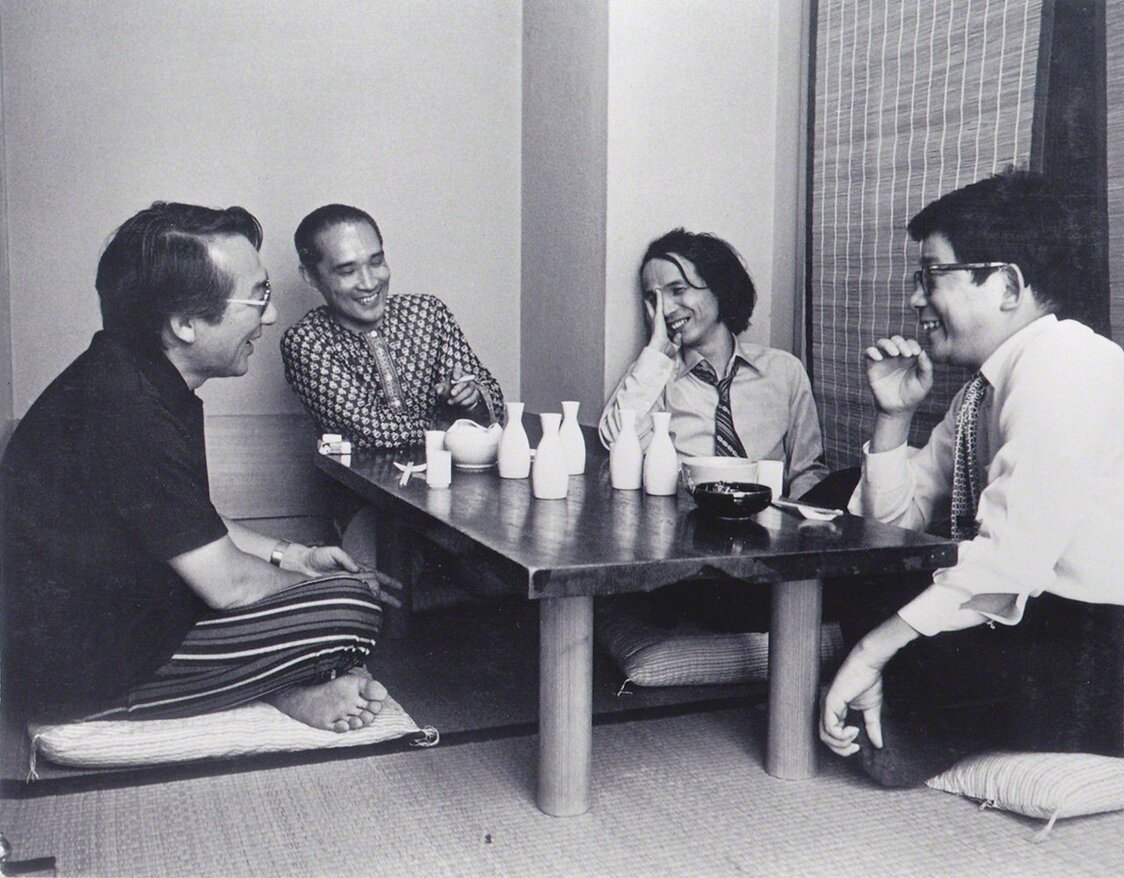
Relaxing with friends in the 1970s. From left: composer Yuasa Jōji, poet Tanikawa Shuntarō, Takemitsu, and writer Ōe Kenzaburō.
-
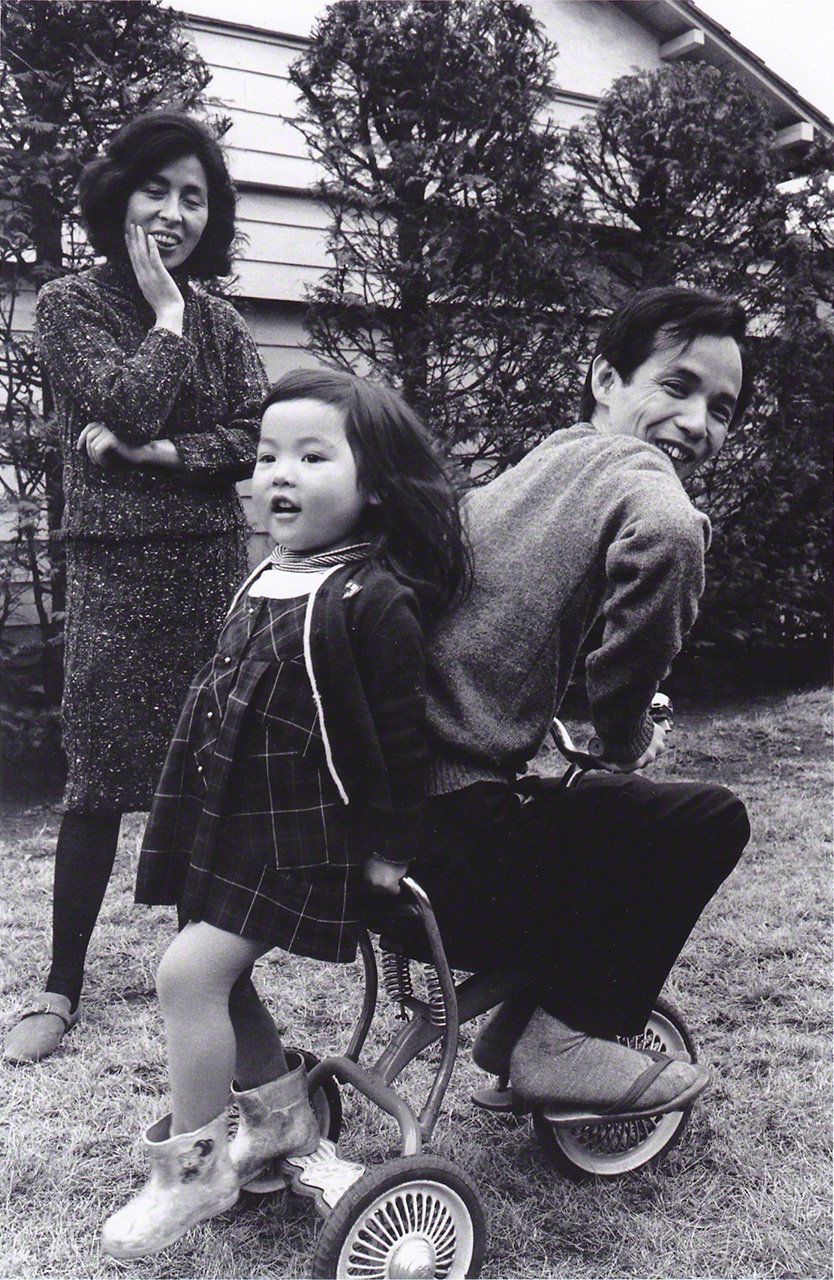
Relaxing at home with his family in 1963.
-
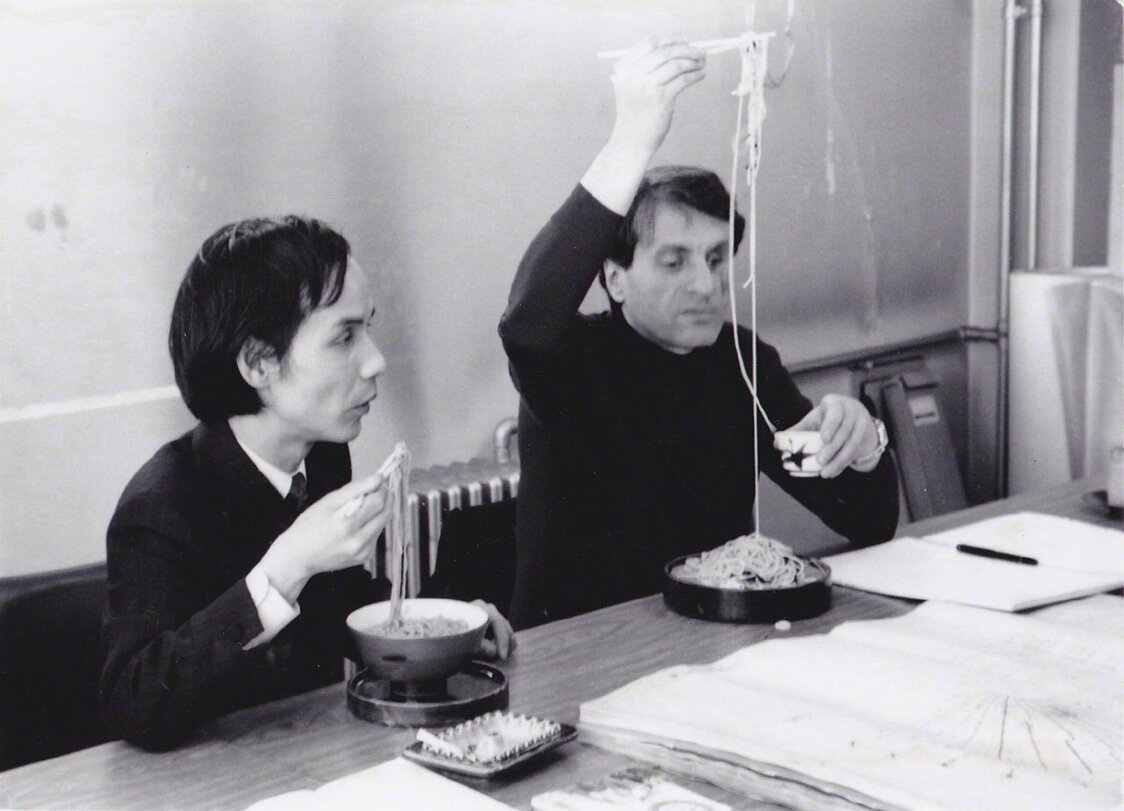
Bonding over a bowl of soba noodles with Greek-born composer Ianiis Xenakis in 1970 at the Osaka Expo, where Takemitsu was artistic director of the “Steel Pavilion.”
-
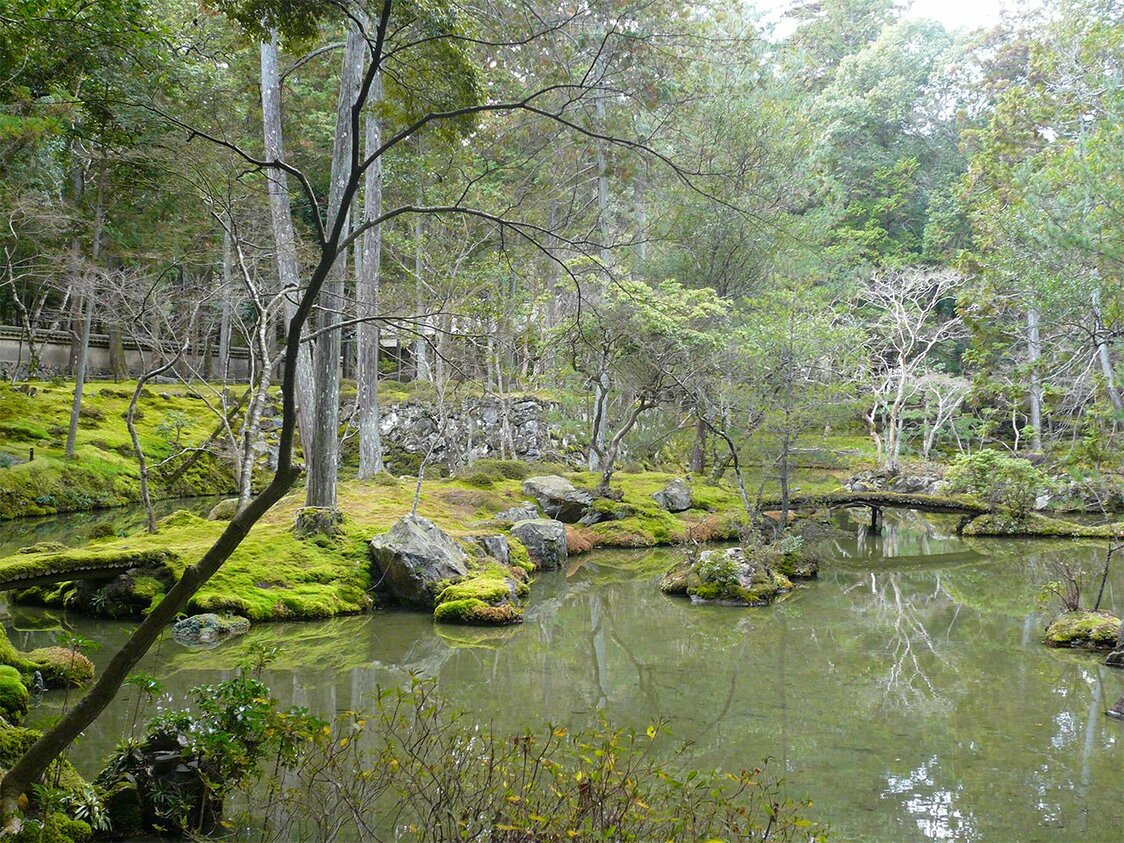
The temple garden at Saihōji, Kyoto. Takemitsu was particularly fond of this garden, and many of his compositions were inspired by the austere esthetics of Zen gardens.
-
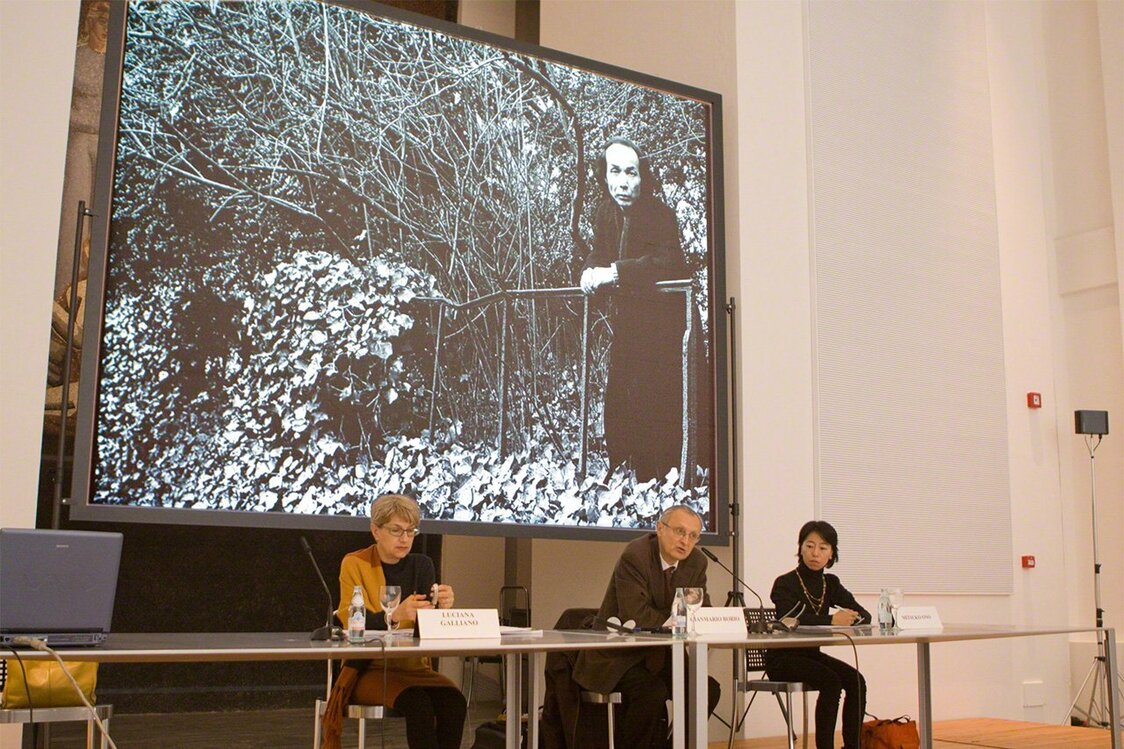
The author attends a day-long symposium on the work of Takemitsu Tōru held as part of the Milano Musica festival in Milan, Italy in 2009. (© Vico Chamla)
-
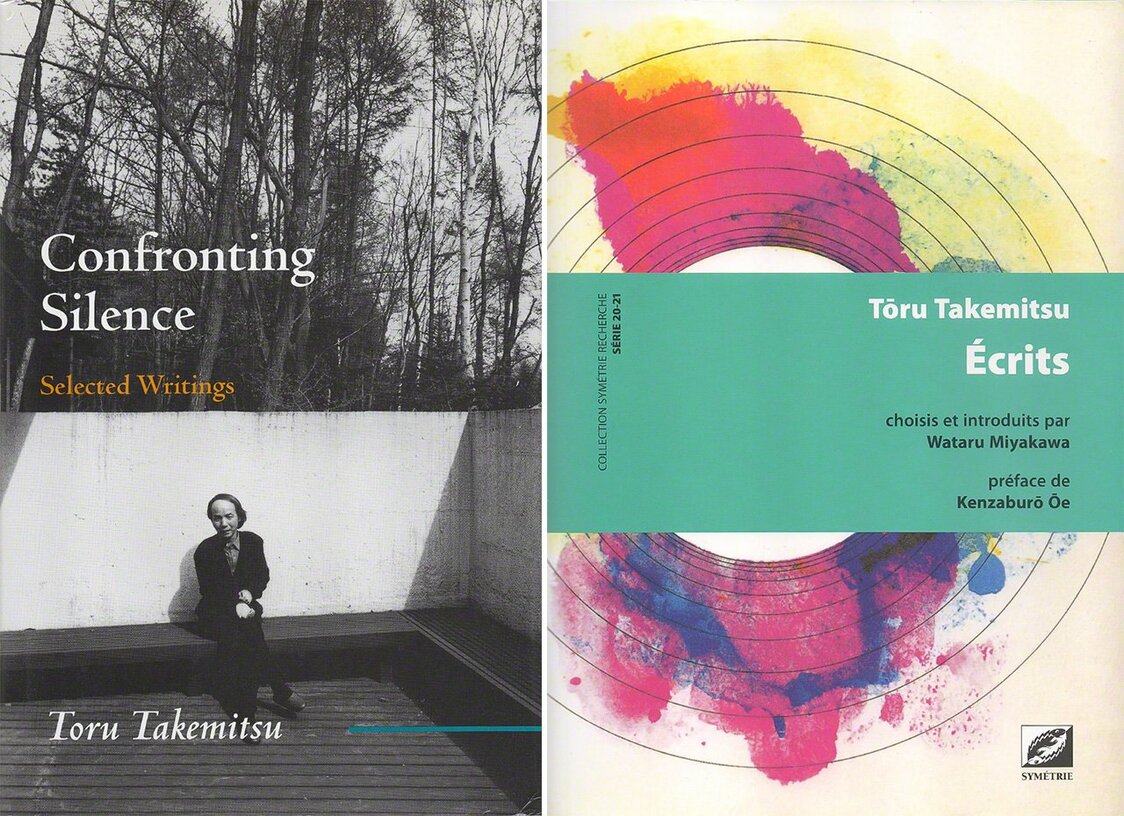
Takemitsu’s numerous writings have been published in several languages. The cover of this French edition (right) incorporates an example of the “graphic scores” that Takemitsu invented with the designer Sugiura Kōhei.
-
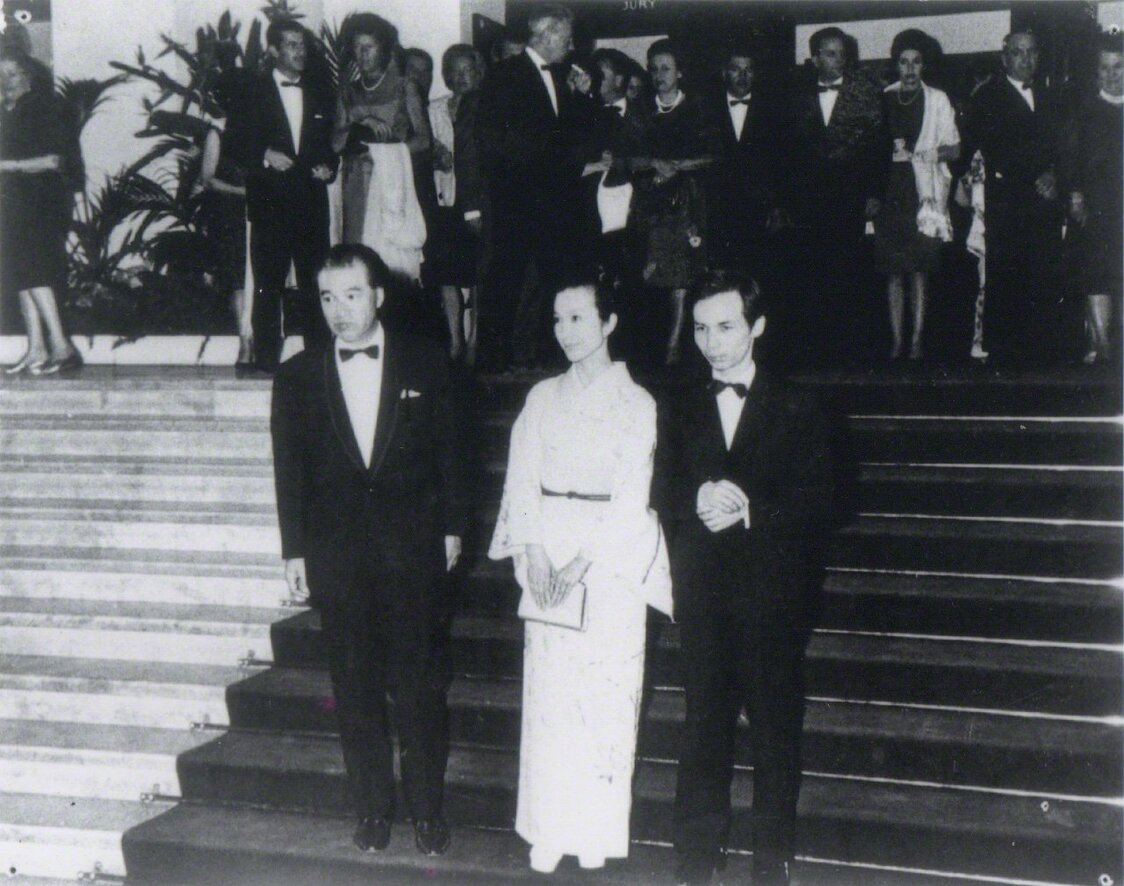
When Kwaidan won the Special Jury Prize at the Cannes International Film Festival in May 1965, Takemitsu (who wrote the music) attended the ceremony together with director Kobayashi Masaki (left) and actress Aratama Michiyo.
-
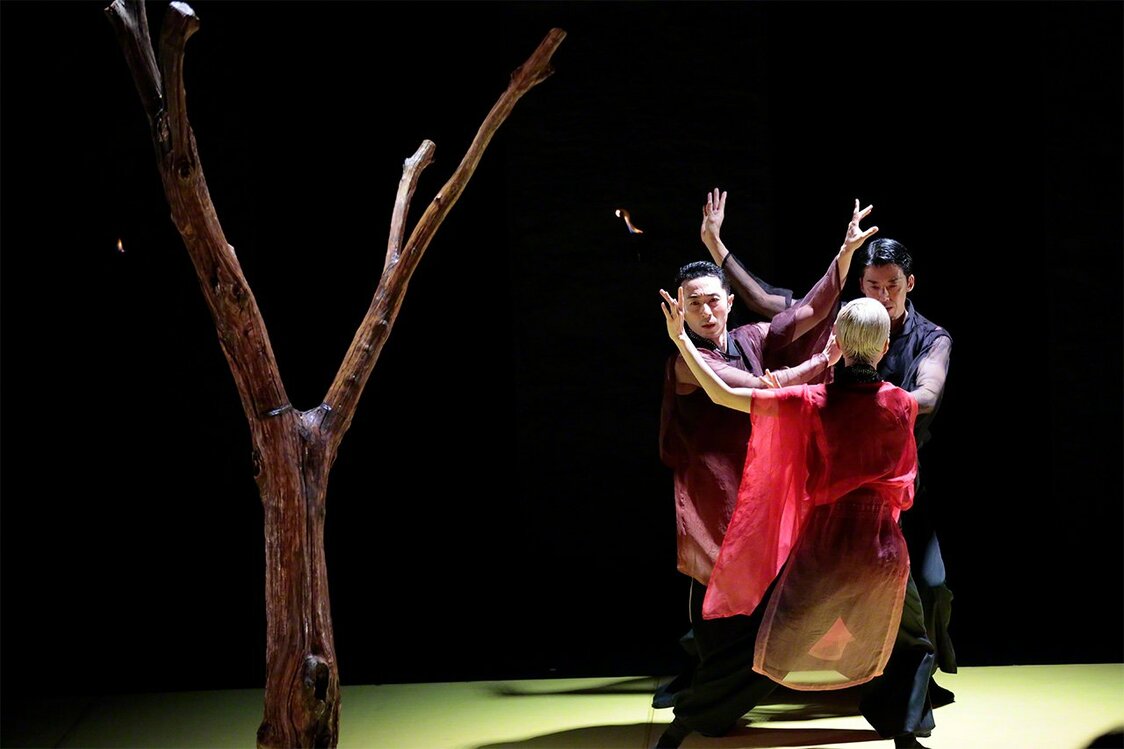
A scene from Noism’s stage production Traces Garden, inspired by Takemitsu’s piece In an Autumn Garden for gagaku orchestra. (© Kishin Shinoyama, 2021)


 Read in other languages