-
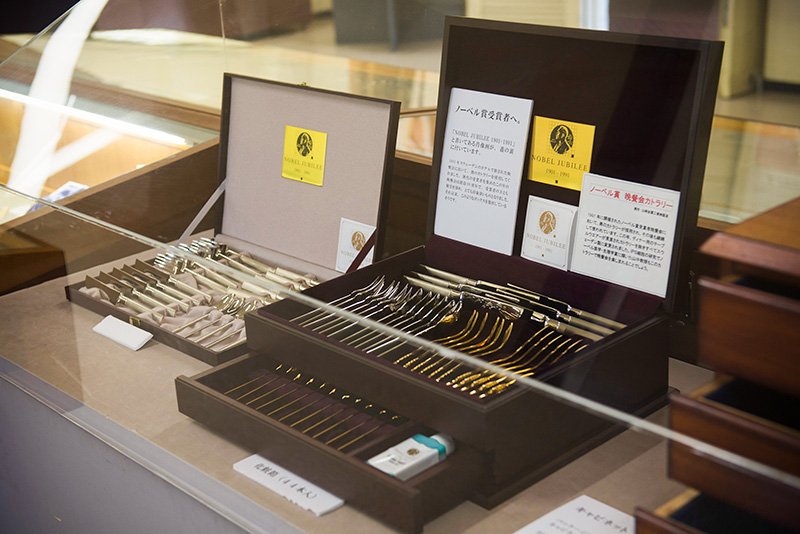
Tsubame cutlery used in the formal dinner commemorating the ninetieth anniversary of the Nobel Foundation in 1991, on display at the Tsubame Industrial Materials Museum.
-
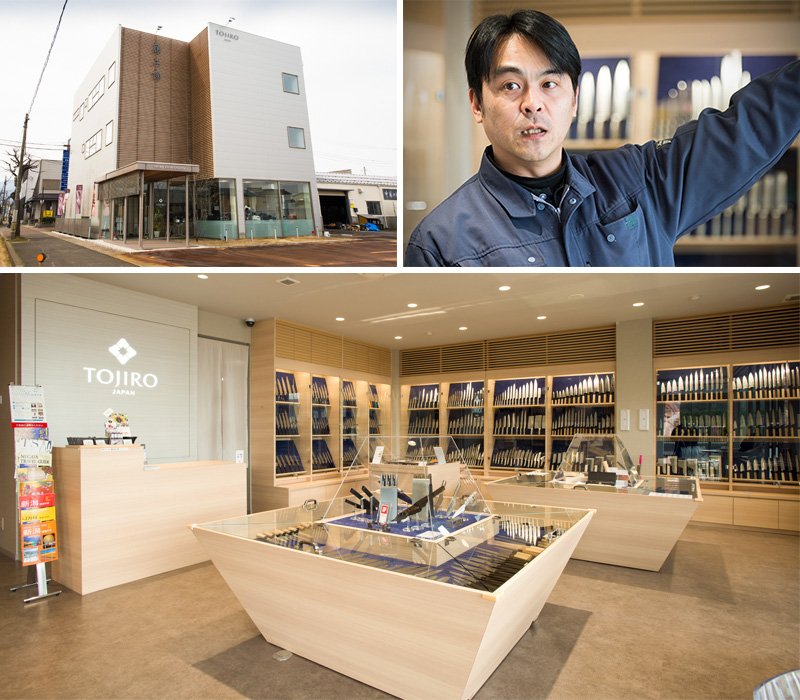
Clockwise from upper left: The exterior view of the Tōjirō Knife Gallery; gallery head Ogawa Masato explains the blades on display; a gallery showroom, with knives starting at ¥3,000 and running up to some ¥160,000. The best-selling blades are in the ¥8,000 range.
-
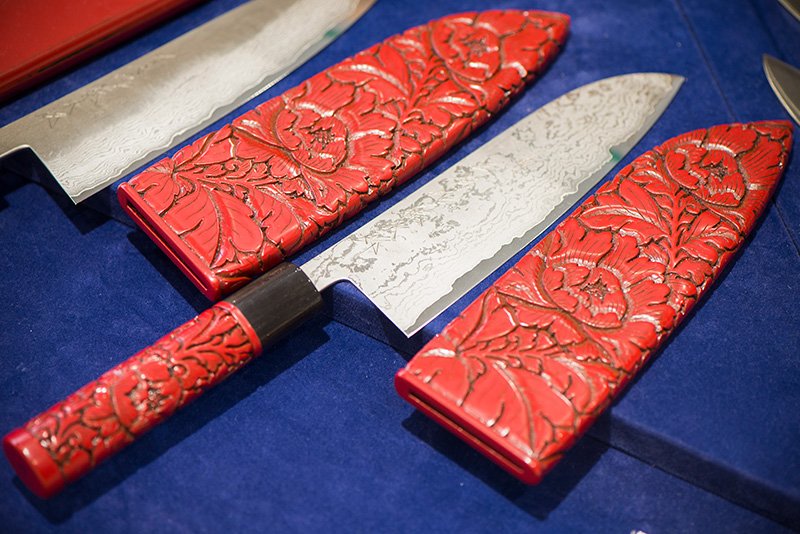
Tōjirō excels at Damascus steel forging, a sophisticated technique in which elegant ripples appear with repeated forging of stainless steel with two differing levels of hardness. These high-end products have a lacquer finish on the handle and sheath.
-
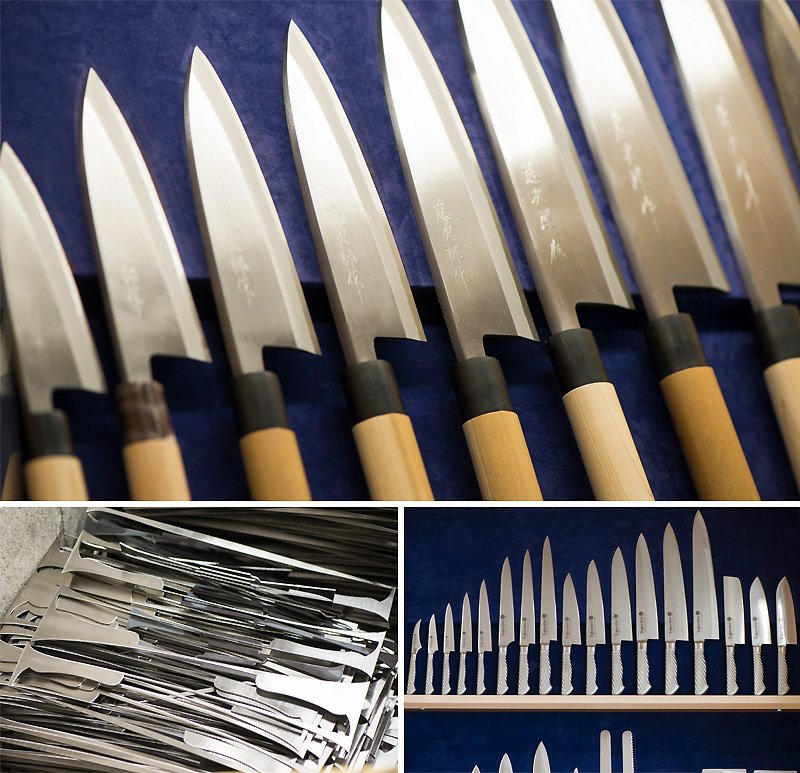
Clockwise from top: Tōjirō’s traditional forged blades; stainless-steel blades for professional use are a mainstay of the company’s product line; stainless-steel plates from which knife shapes have been punched piled in a corner of the factory.
-
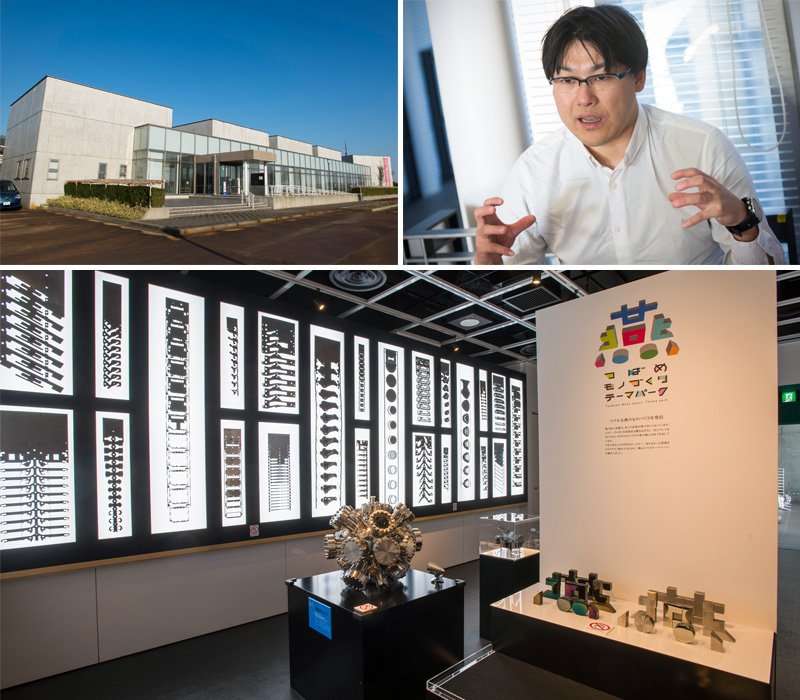
Clockwise from upper left: The Tsubame Industrial Materials Museum; chief curator Saitō Yūsuke discusses the region’s history of metalworking; an exhibition room in the museum’s new building.
-
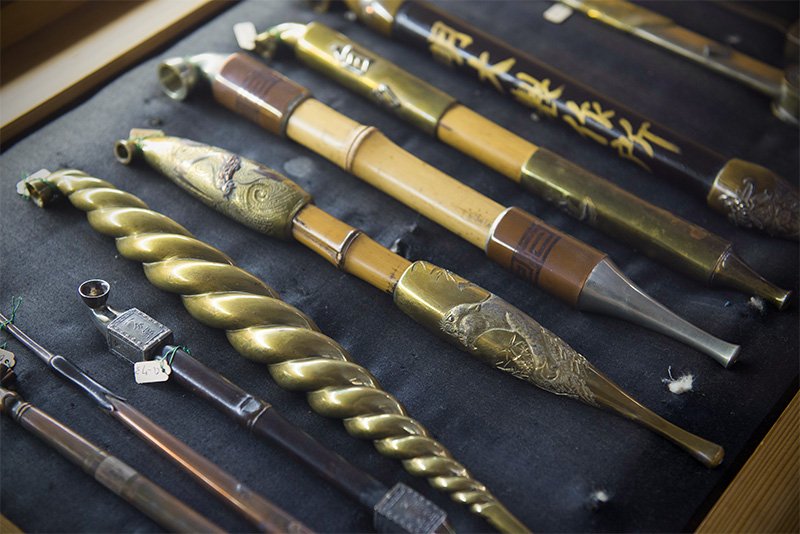
Smoking pipes on exhibit in the Tsubame Industrial Materials Museum. The region’s artisans mastered techniques from metal-forming to chasing and polishing in order to create works like these.
-
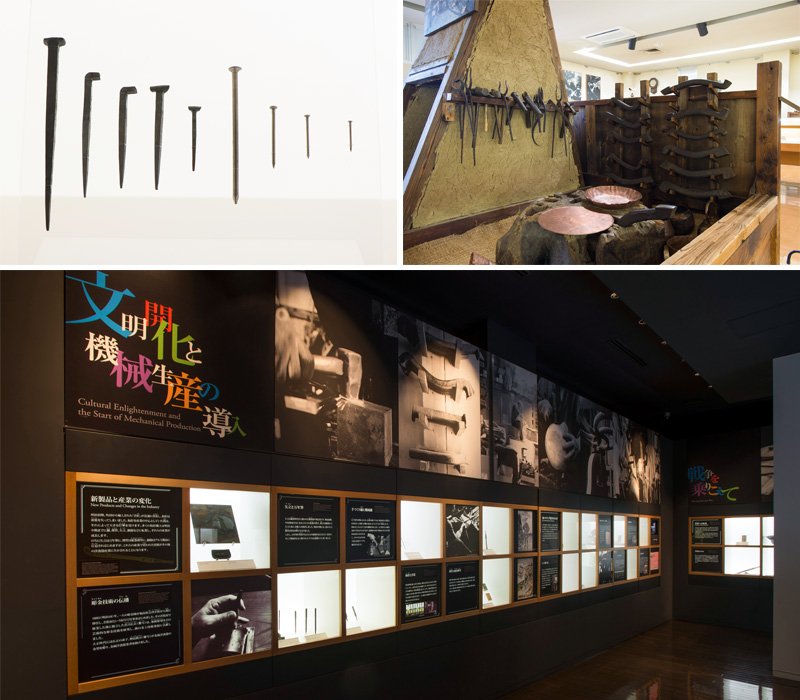
Clockwise from upper left: The Tsubame Industrial Materials Museum displays a selection of Japanese nails, a reproduction of a Tsuiki copperware workshop, and a special exhibition on the history of the local metalworking industry.
-
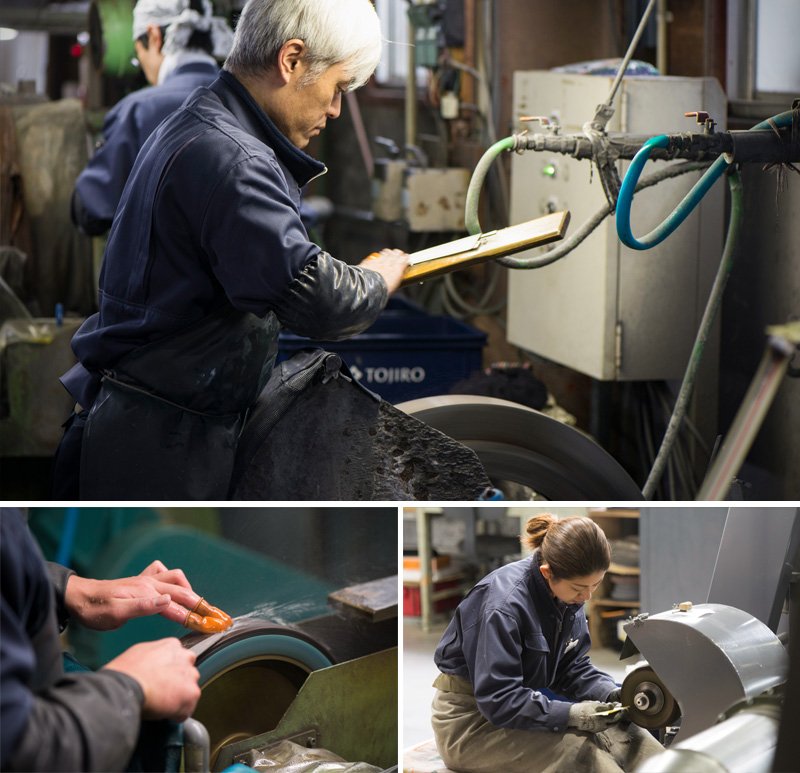
Clockwise from top: A factory worker carefully checks a blade; a female artisan carefully polishes a weld; blade-sharpening work is repeated many times.
-
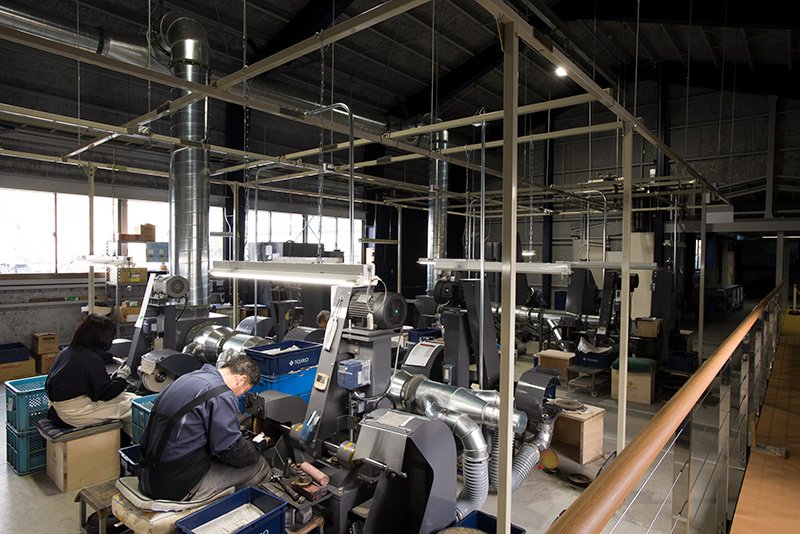
Artisans at work seen from visitors’ walkway (right side).


 Read in other languages