-
-
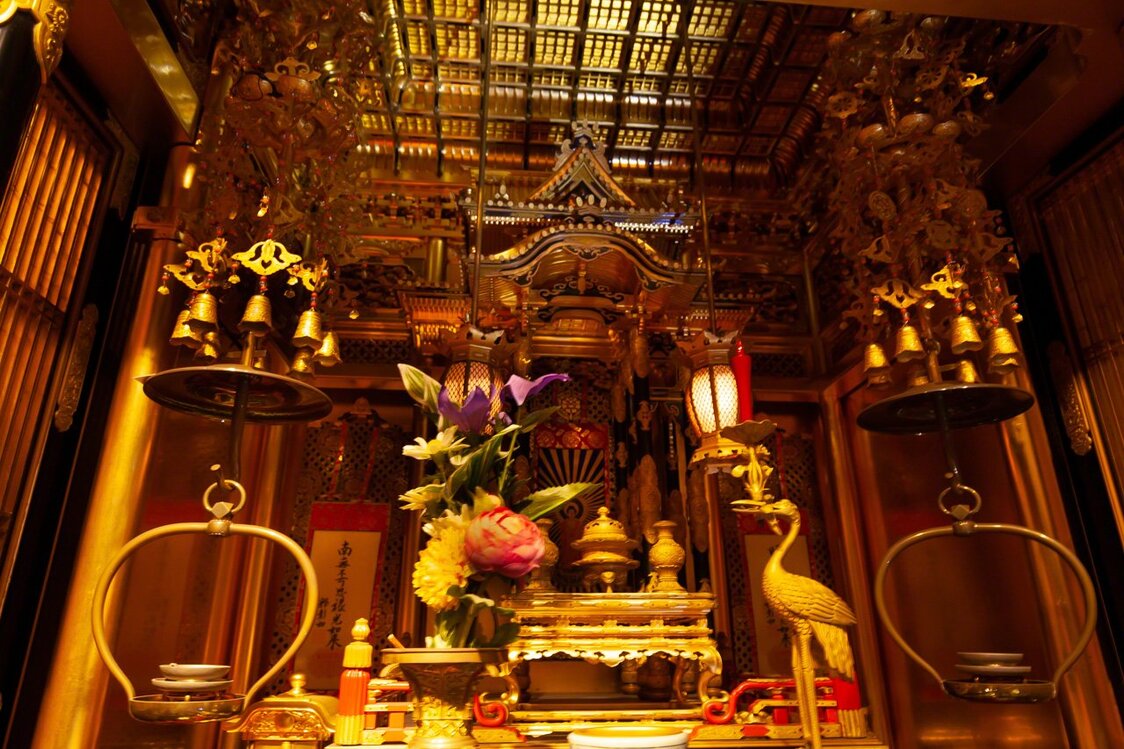
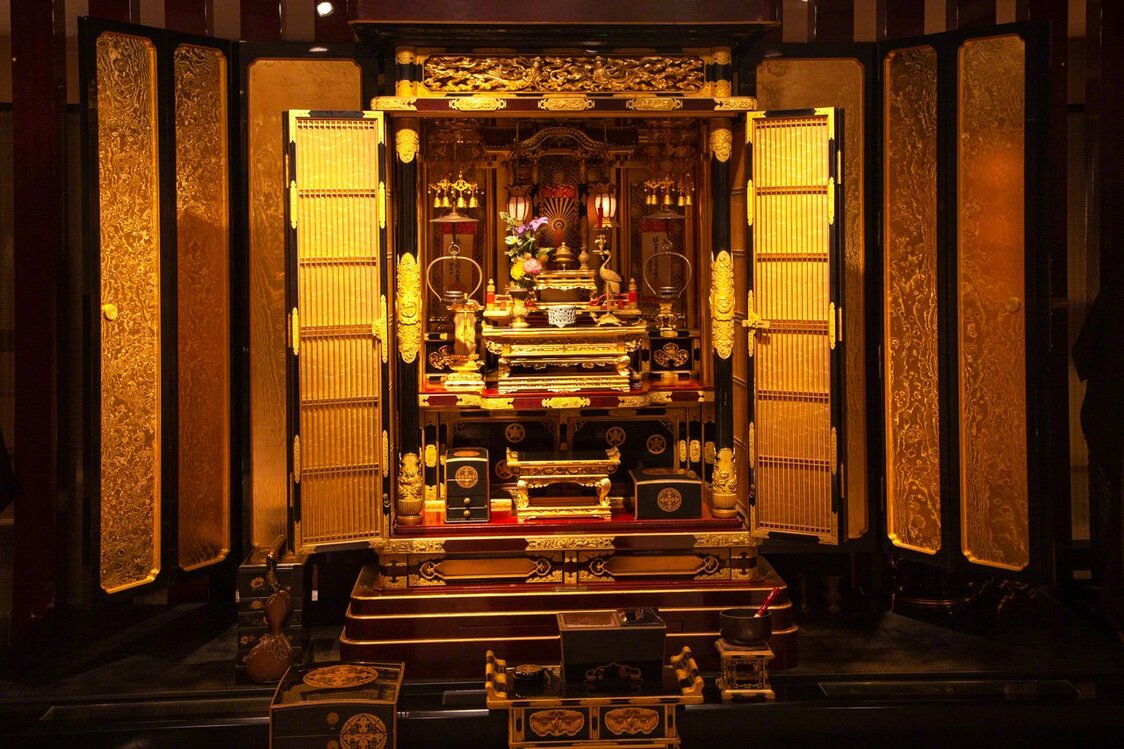
A gilded, Meiji-era butsudan showcasing the best of Buddhist artisanship. (Courtesy of the Hasegawa Ginza gallery)
-
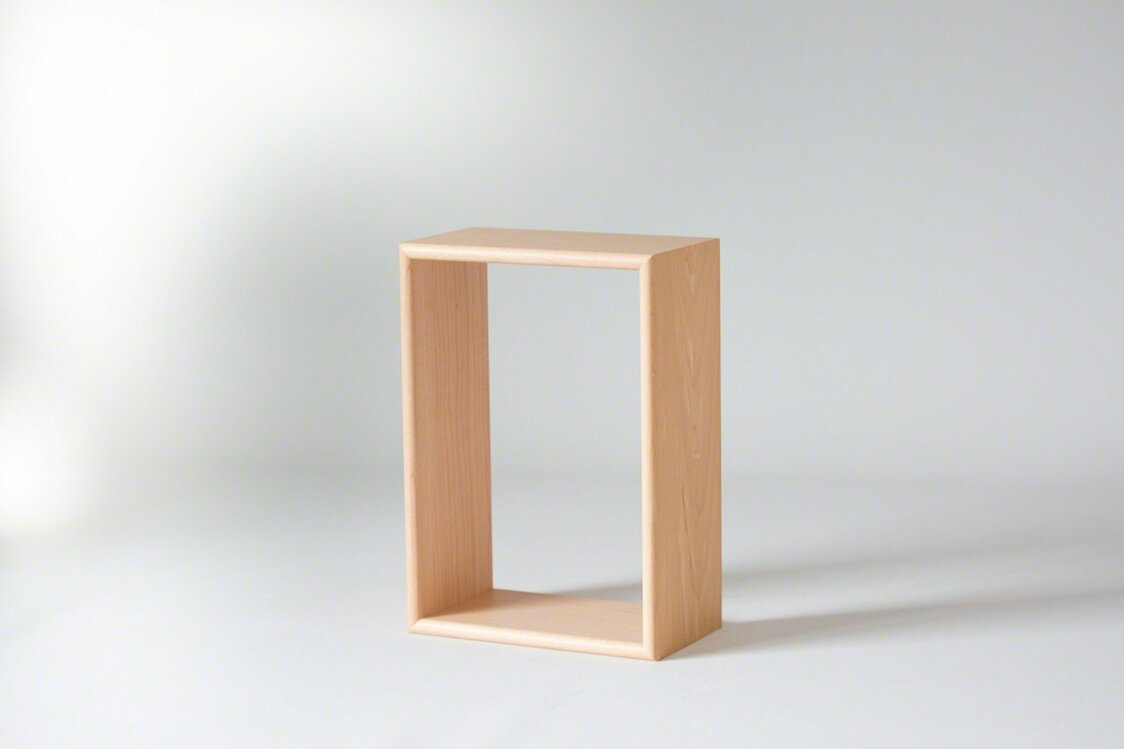
The A4 Butsudan is a wooden frame designed to hold an urn and an ihai tablet. (© Ōnishi Naruaki)
-
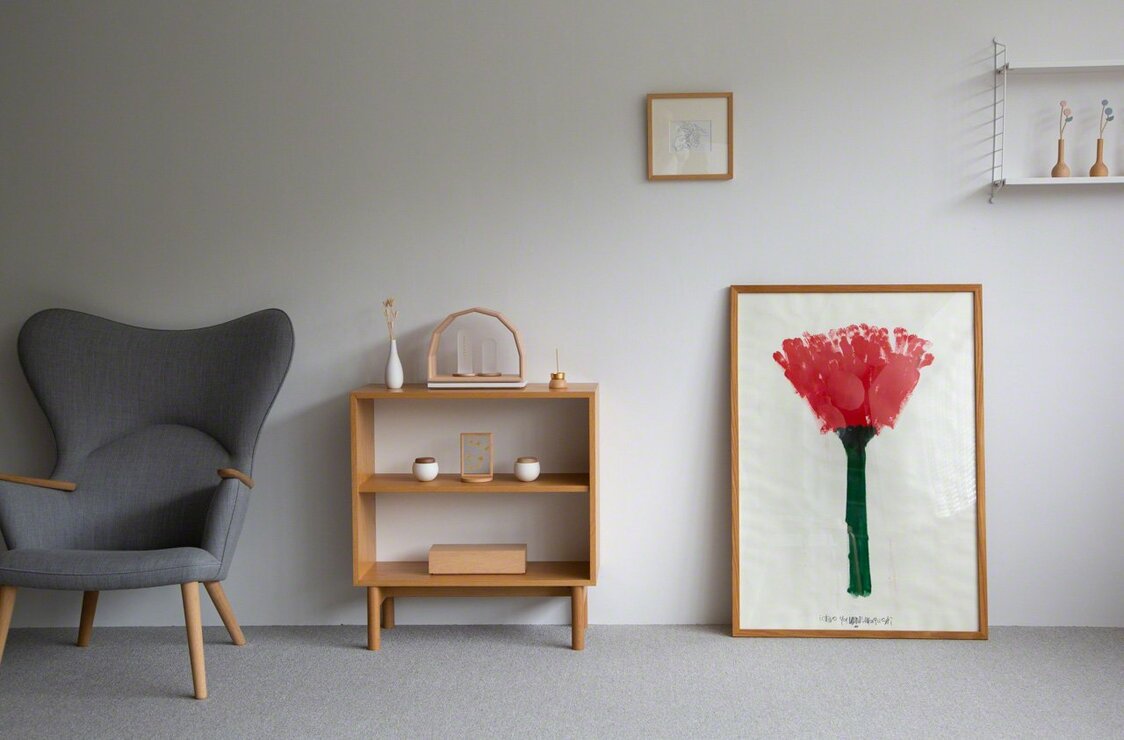
The chairs in the Inblooms showroom were created by Danish furniture designer Hans J. Wegner. (© Ōnishi Naruaki)
-
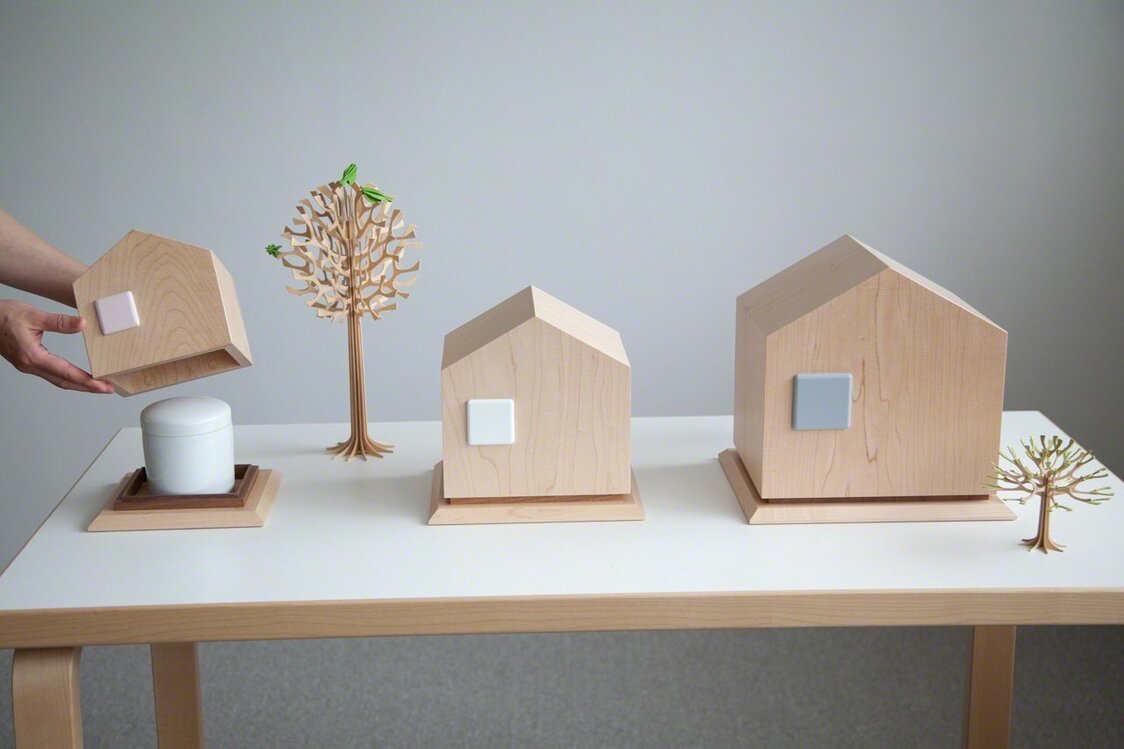
The Tenshi no Ouchi (home of angels) series serves as a casing for tiny urns. (© Ōnishi Naruaki)
-
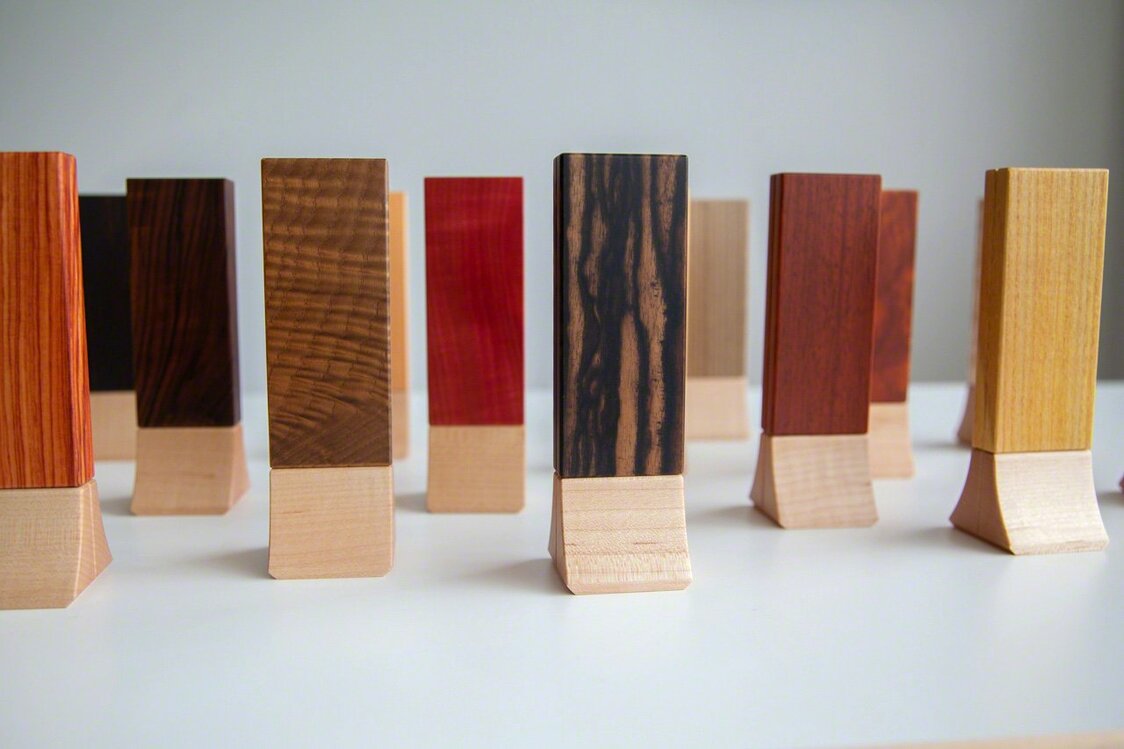
The tablets in the Mori no Ihai series are now made from well over 100 types of trees. (© Ōnishi Naruaki)
-
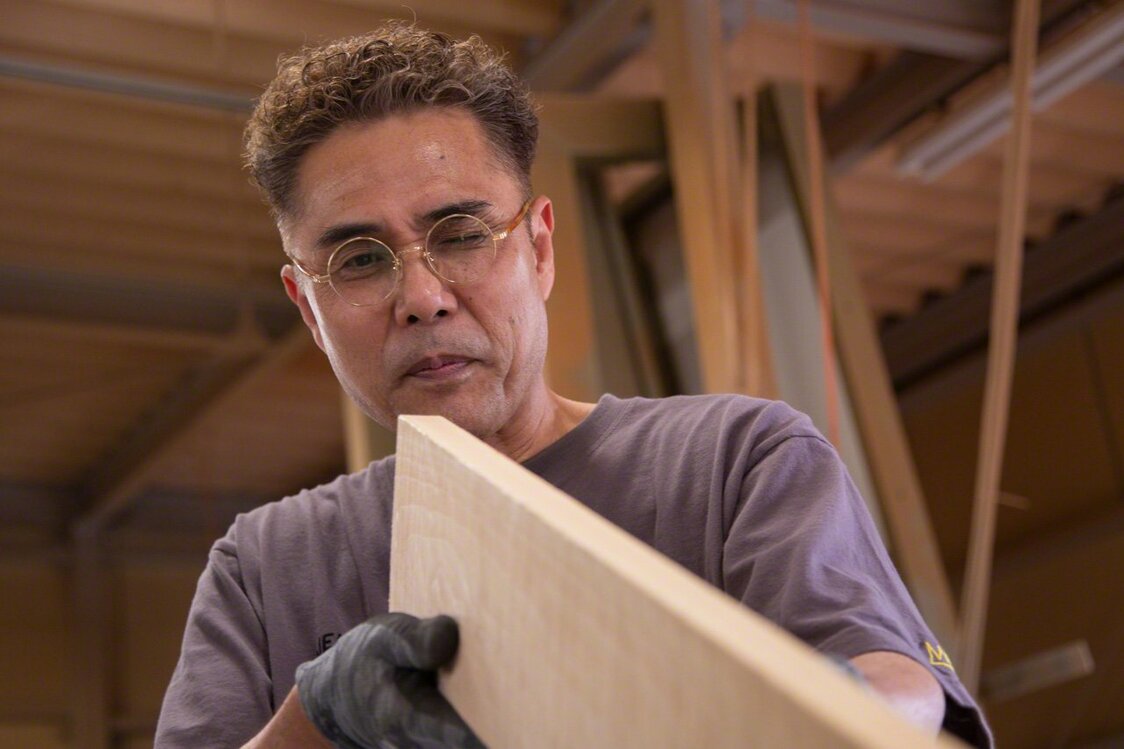
Yasuda makes a point of “reading” and “listening” to each piece of wood he uses. (© Ōnishi Naruaki)
-
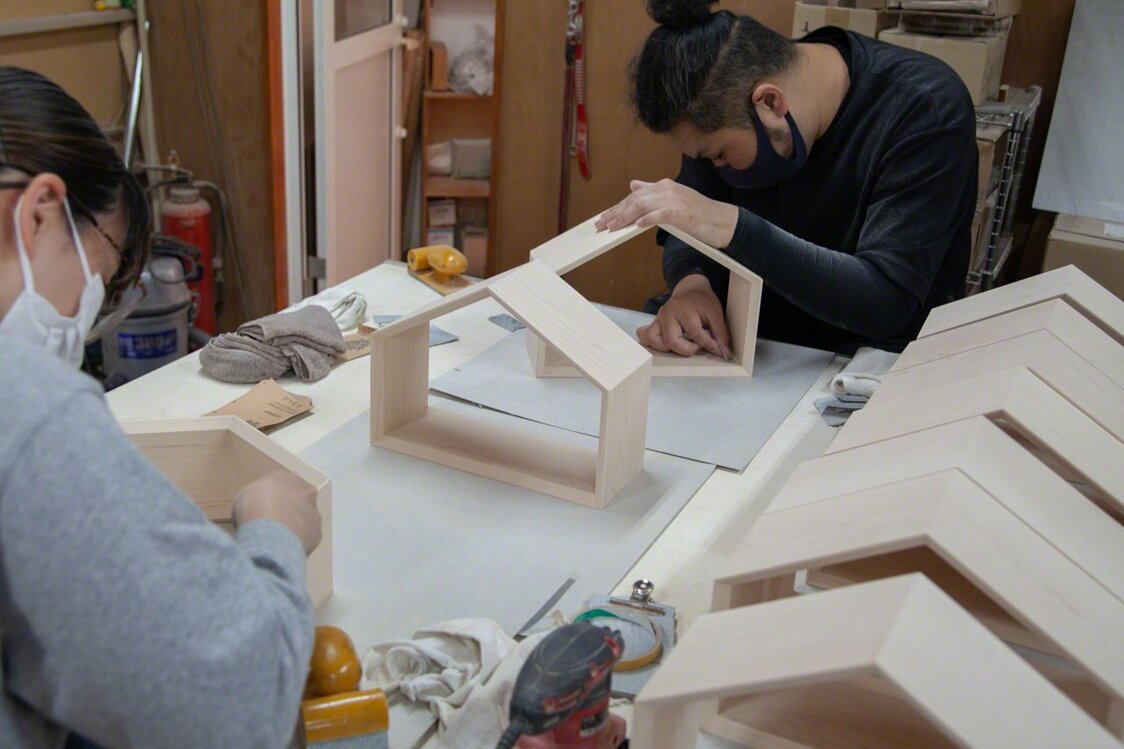
Inori products are painstakingly polished by multiple artisans. (© Ōnishi Naruaki)
-
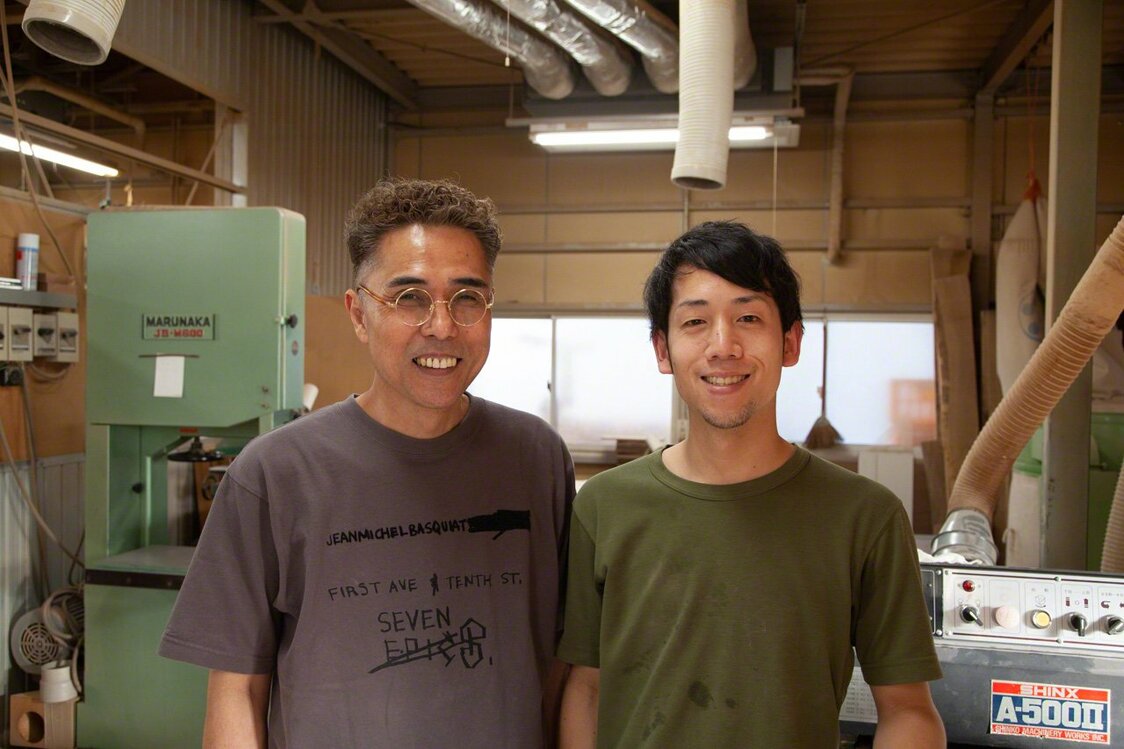
Yasuda hopes Japan’s woodworking tradition will be kept alive by younger generations of artisans. (© Ōnishi Naruaki)
-
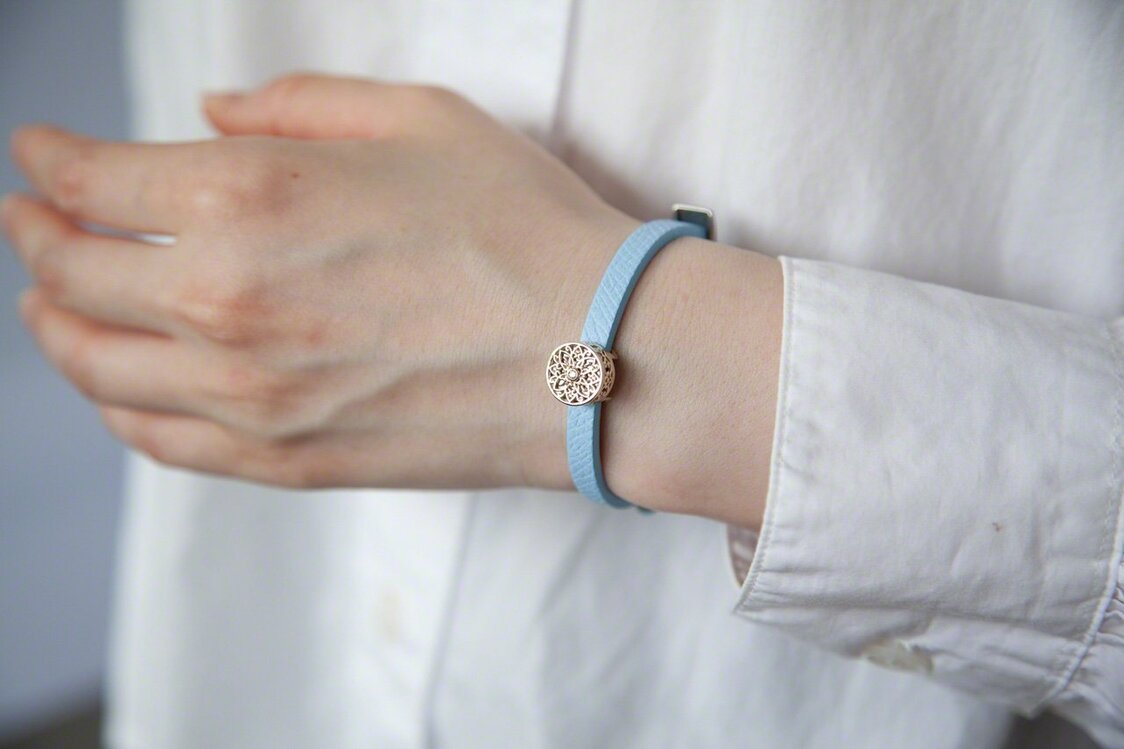
A bracelet with a capsule for holding a loved one’s ashes. (© Ōnishi Naruaki)
-
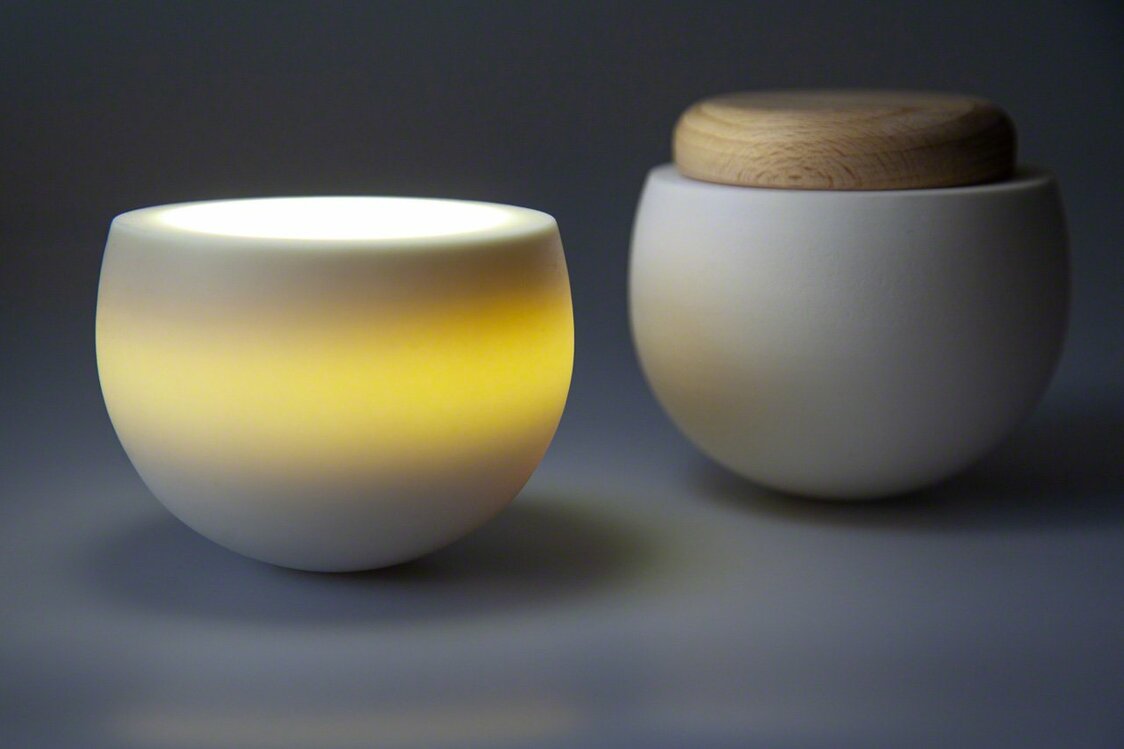
The Yurikago miniature urn for the ashes of infants, evocative of a young child lying in a yurikago, or cradle. (© Ōnishi Naruaki)
-
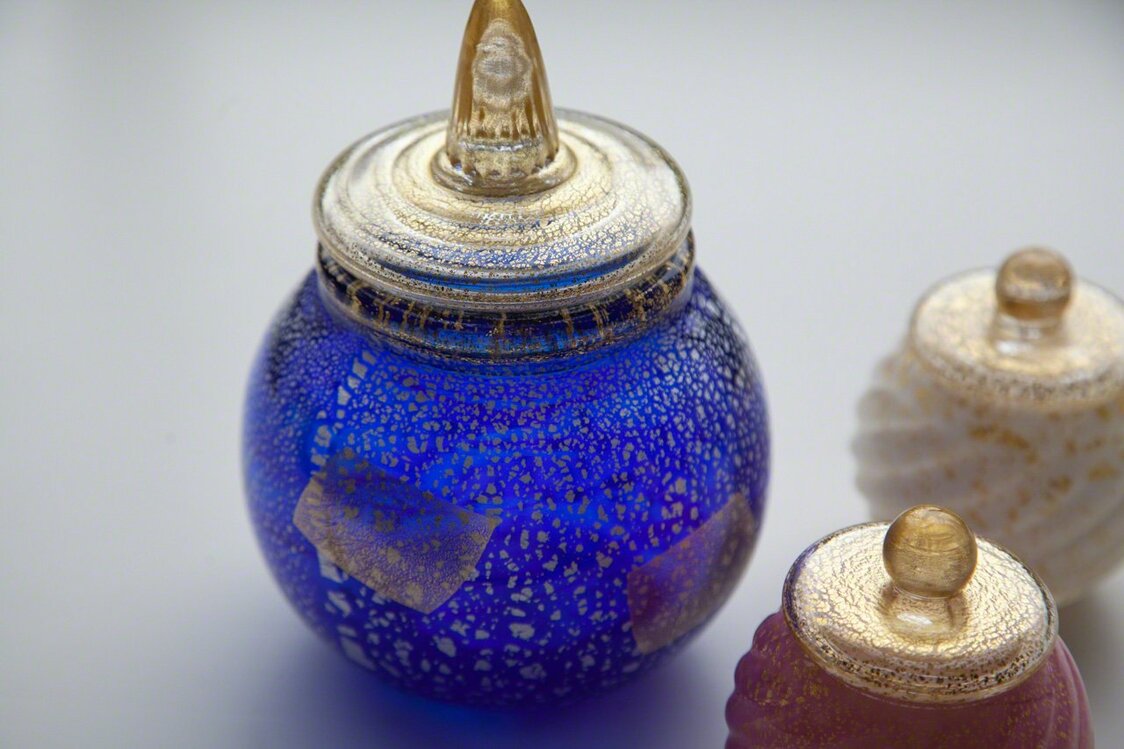
The Art Glass urn is produced by glassblowers. (© Ōnishi Naruaki)
-
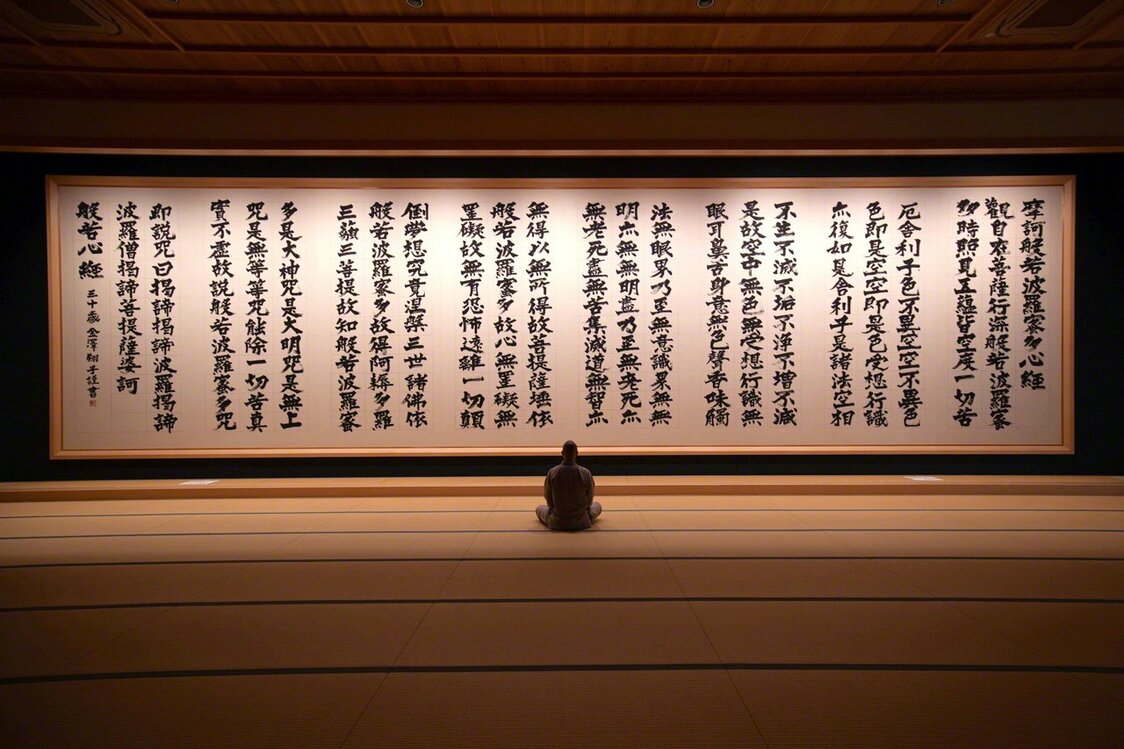
Ryōunji head priest Kimiya Kōshi sits before the Heart Sutra, drawn by Kanazawa Shōko, a calligrapher with Down syndrome. (© Ōnishi Naruaki)
-
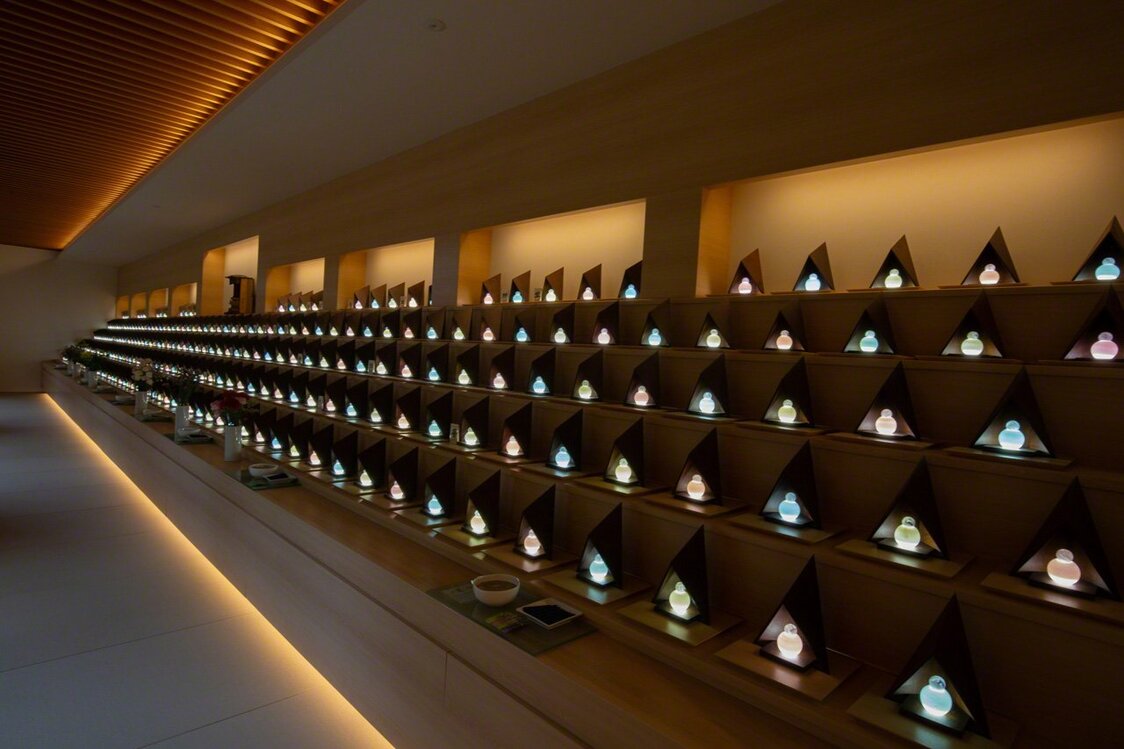
Urns permeated by light resemble stars in the evening sky. (© Ōnishi Naruaki)
-
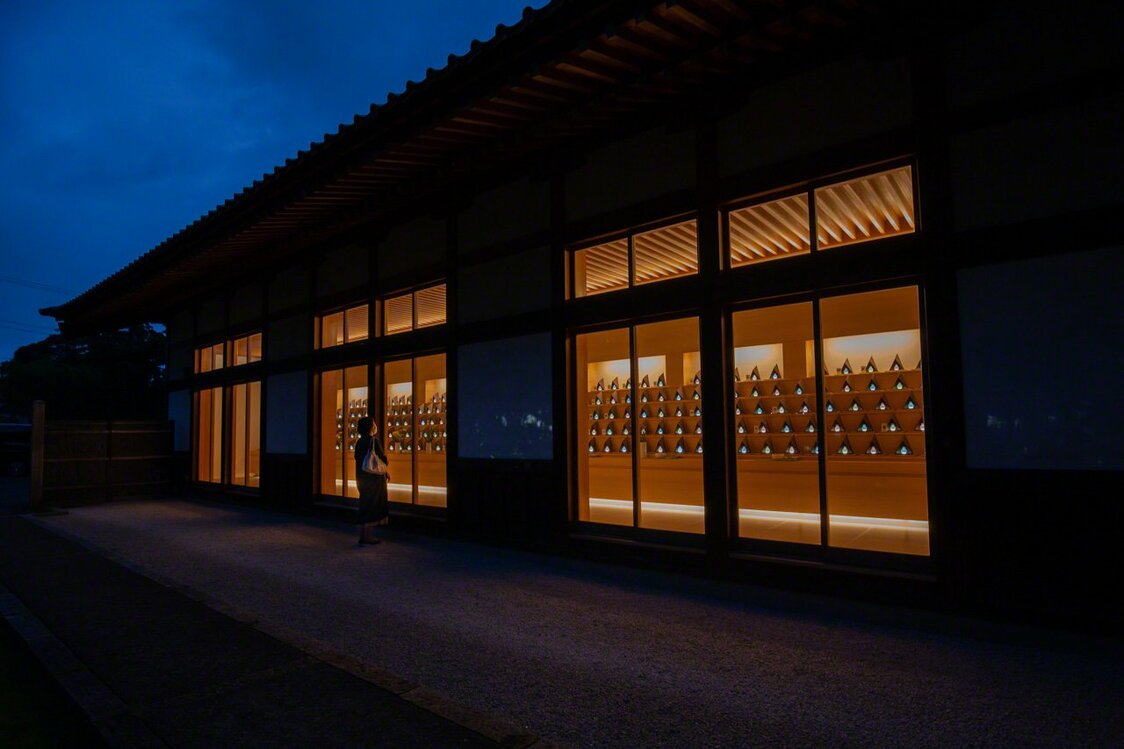
A woman stood praying before the ossuary for a long time as dusk turned to night. (© Ōnishi Naruaki)
-
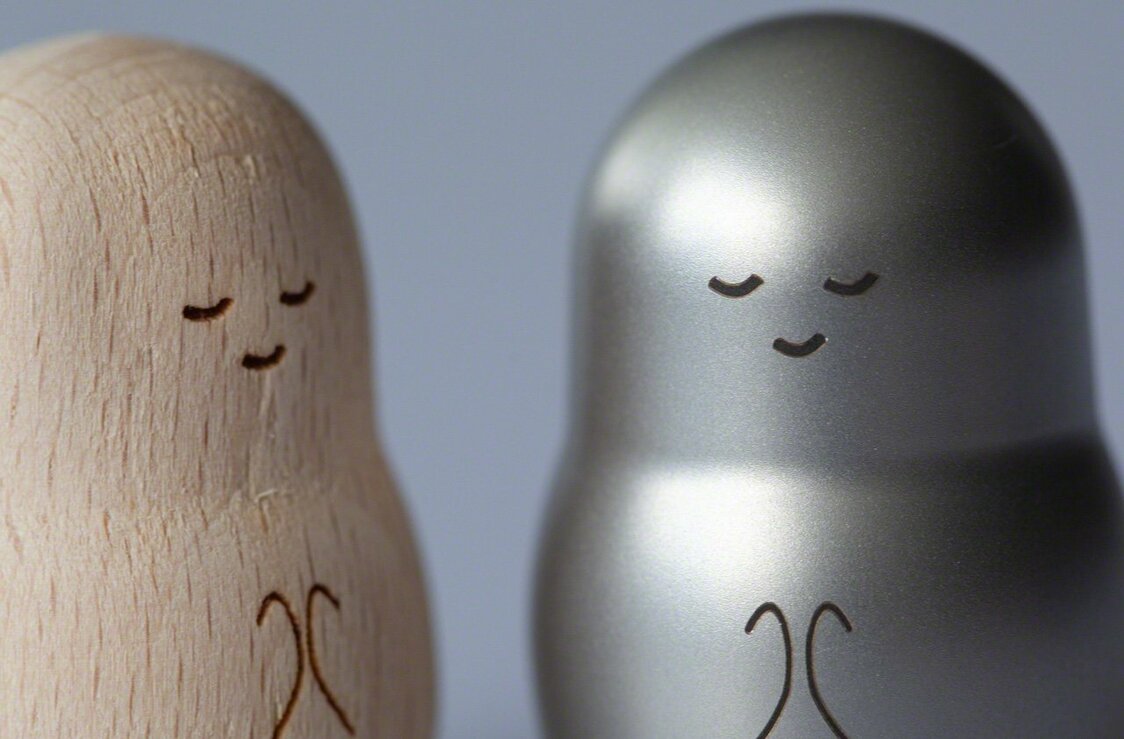
Tenshi Jizō statues were made to pray for an early end to the COVID-19 pandemic. (© Ōnishi Naruaki)


 Read in other languages