-
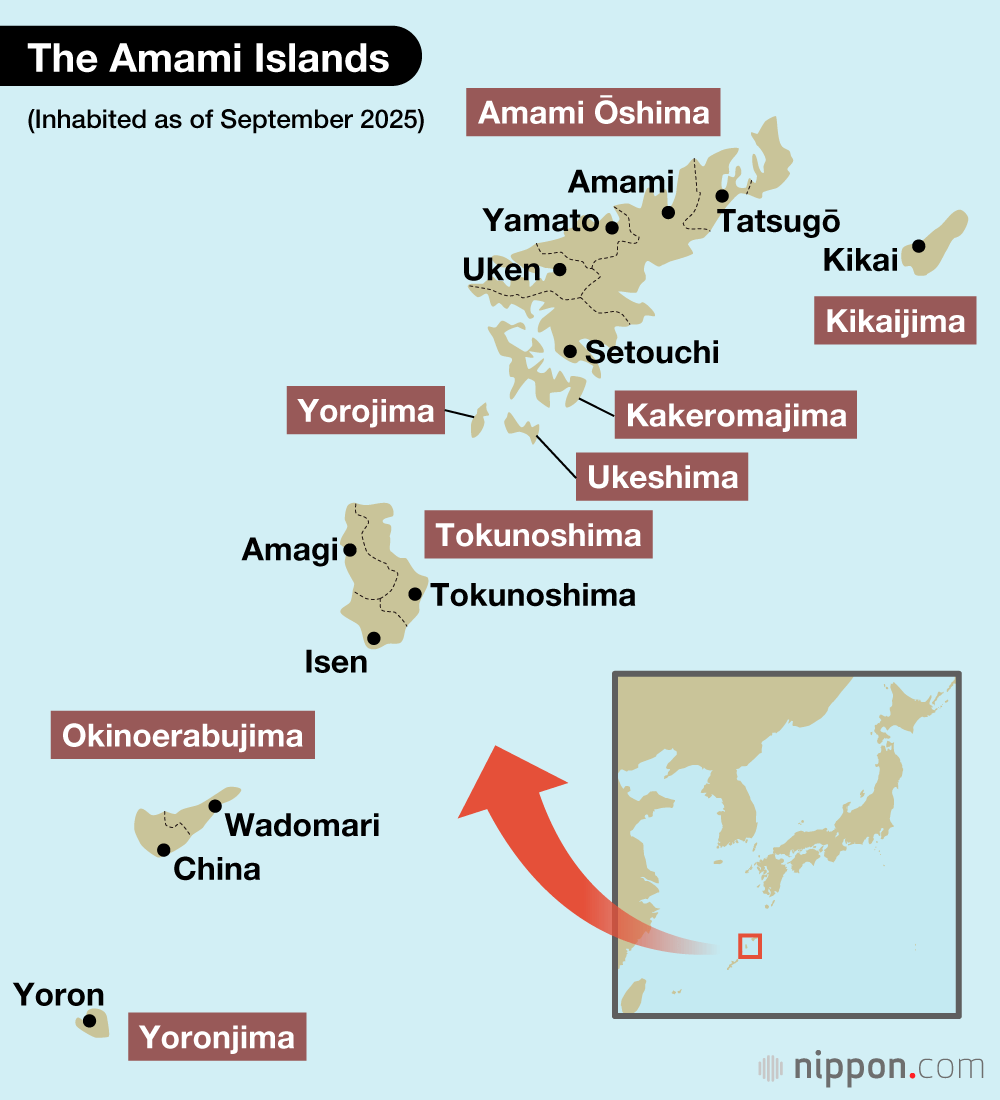
The Amami Islands
-
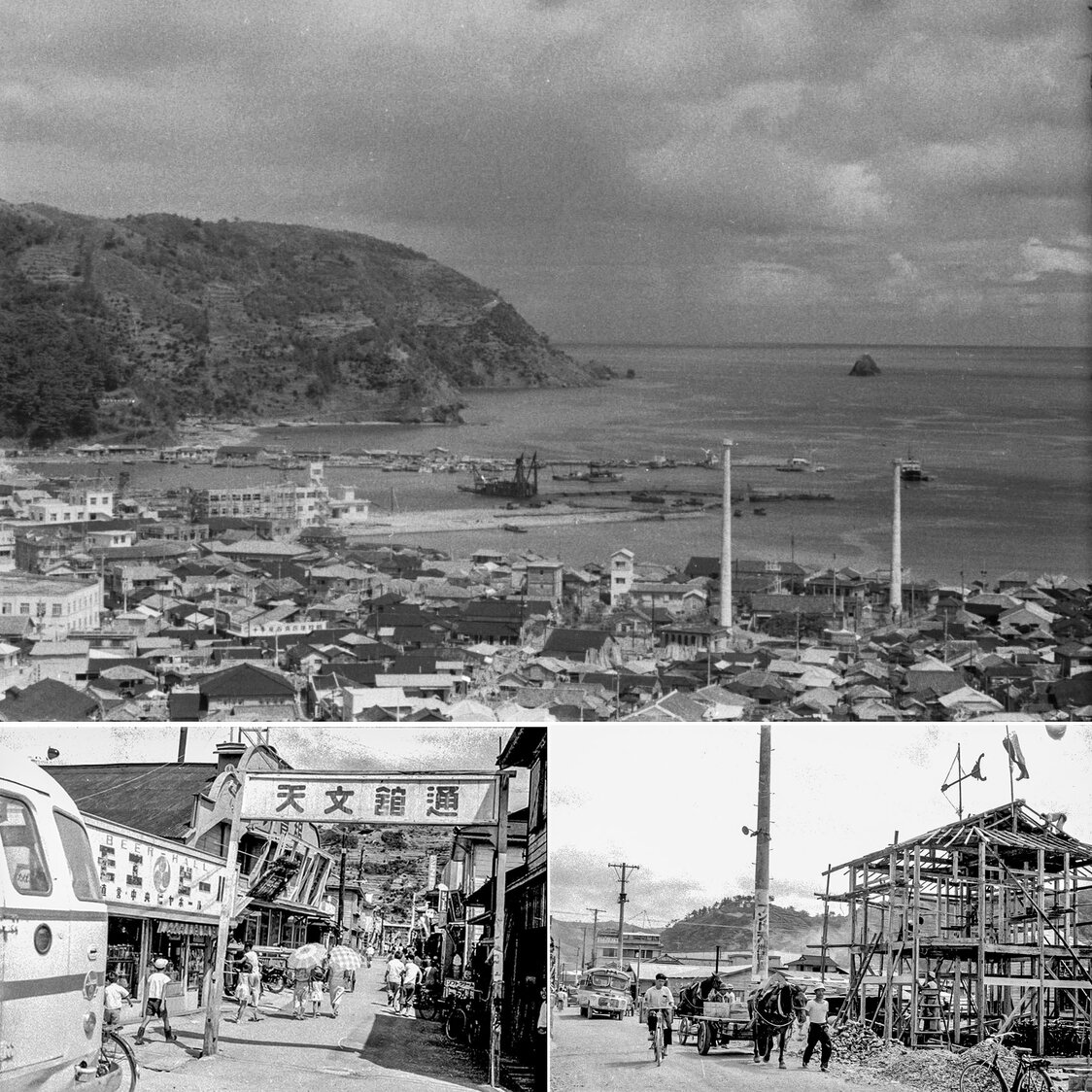
The center of Naze, now a district in the city of Amami, soon after reversion to Japanese rule. Horses and rugged bus-type vehicles were a common sight on the unpaved roads. (© Haga Hideo)
-
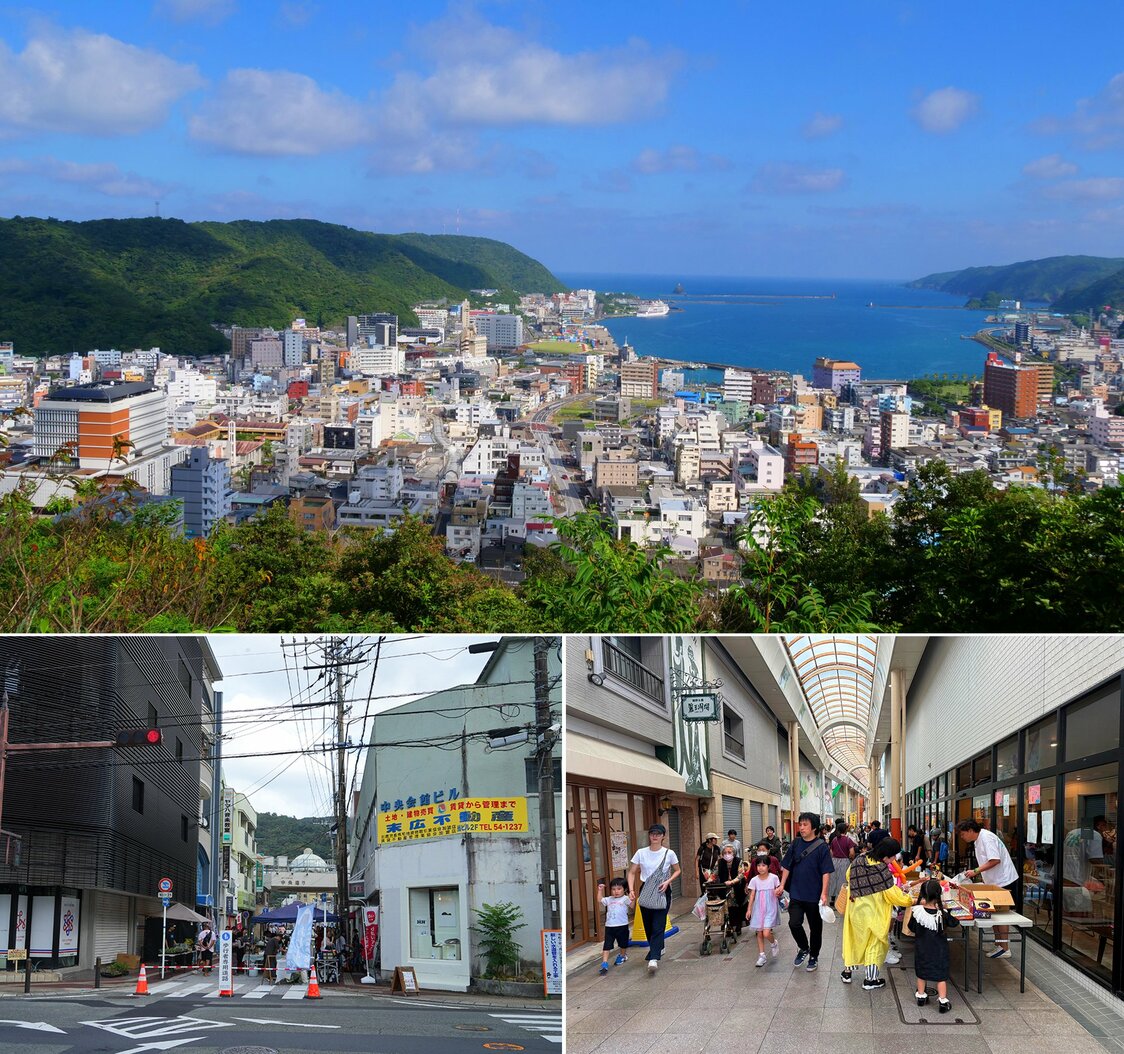
Top: The Naze district today. The shallow waters of the bay were filled in, and a port for large ships was built. Bottom: the Amami Hondōri shopping street retains a distinctly retro flavor. (© Hamada Futoshi)
-
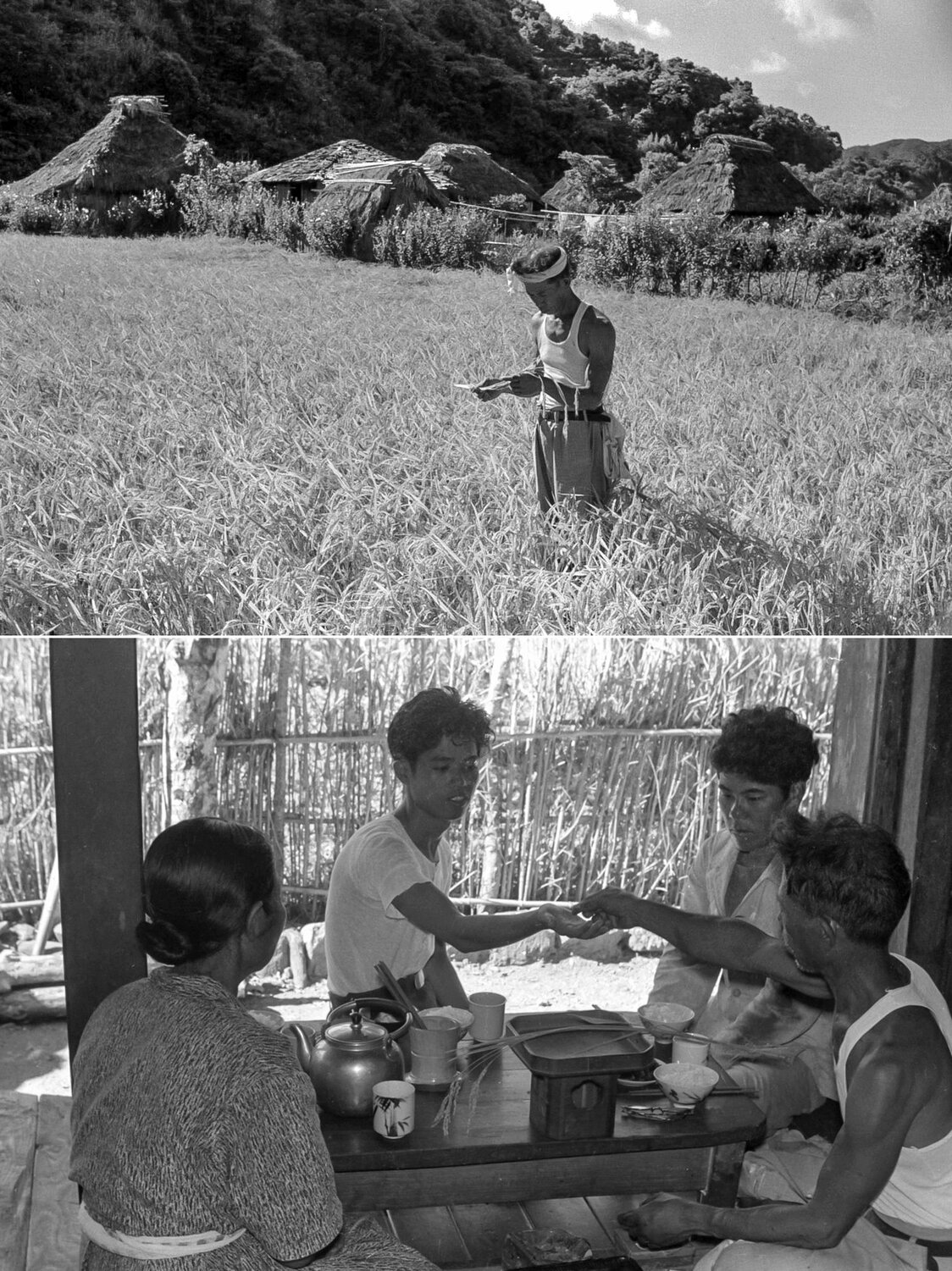
The Shikyoma ritual connected to rice growing, formerly practiced in Uken, Amami Ōshima. The harvest’s first ears of rice were offered to the deities at home, and family members each ate several grains of the rice. (© Haga Hideo)
-
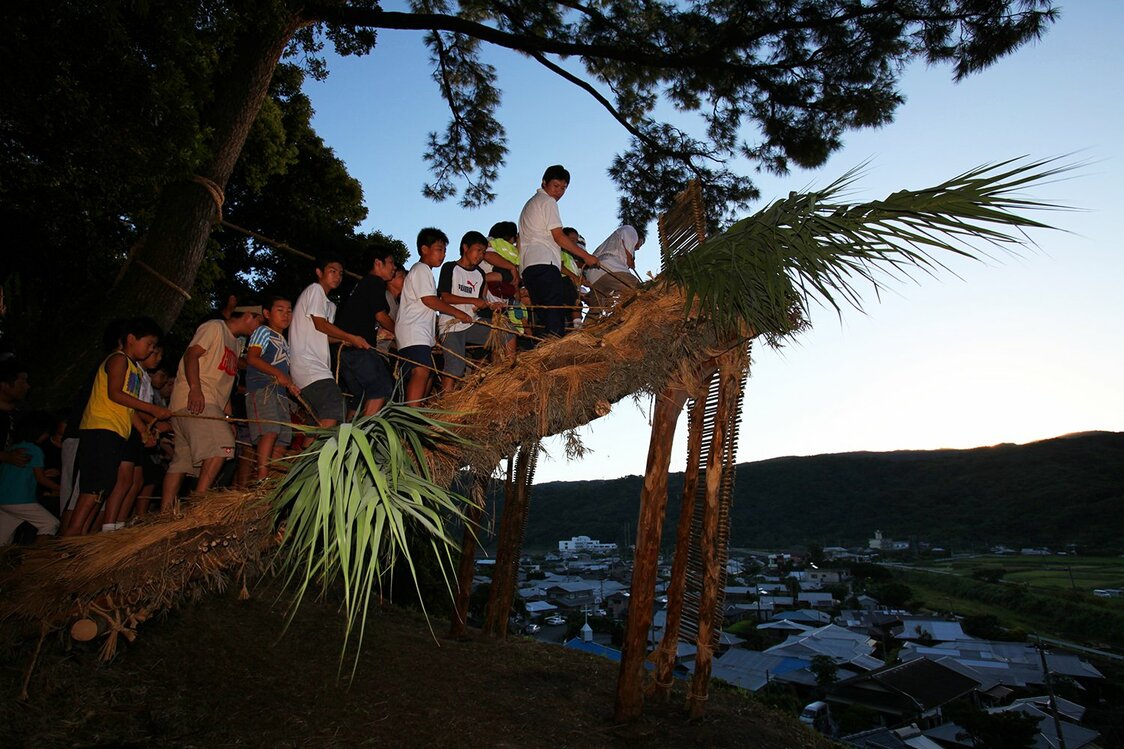
The Akina district in the town of Tatsugō is one of the few areas of Amami Ōshima still growing rice. Shochogama, where the men of the district trample a straw-roofed shed, is a highlight of a local ritual to pray for a good harvest. This is the Akina Arasetsu, which takes place in the eighth month according to the lunisolar calendar. (© Hamada Futoshi)
-
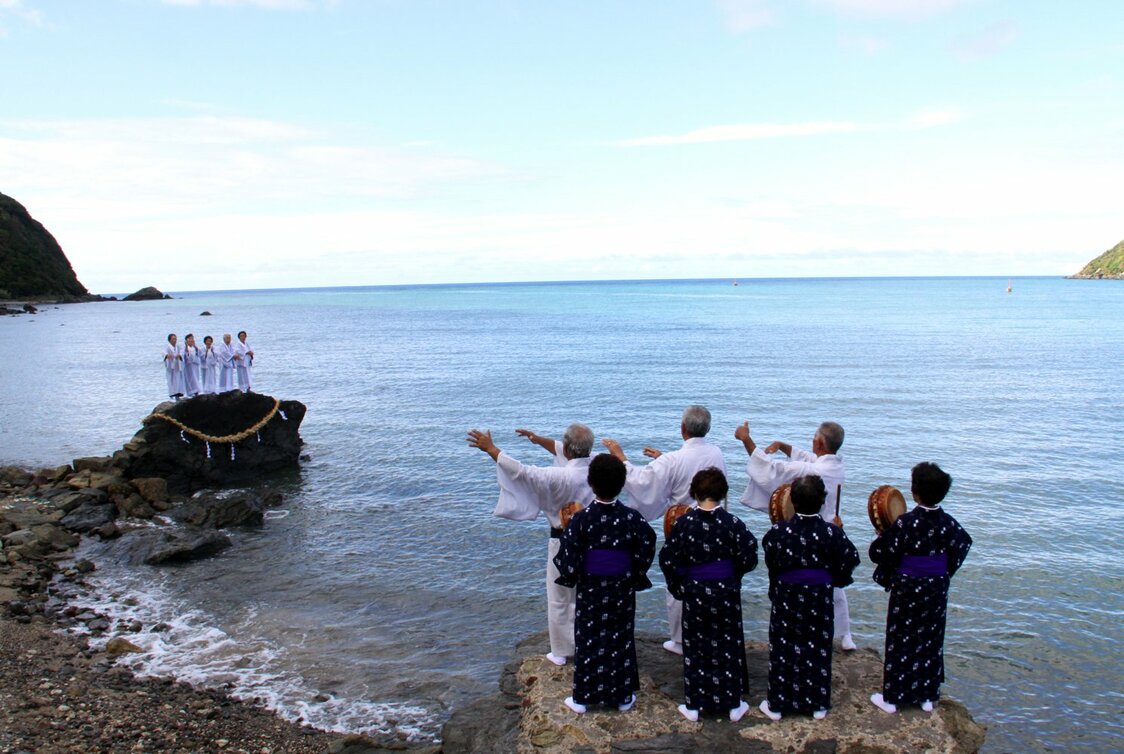
In the Hirase Mankai religious ritual, conducted at dusk, white-clad noro priestesses gather on the shore to summon the deity from over the horizon. (© Hamada Futoshi)
-
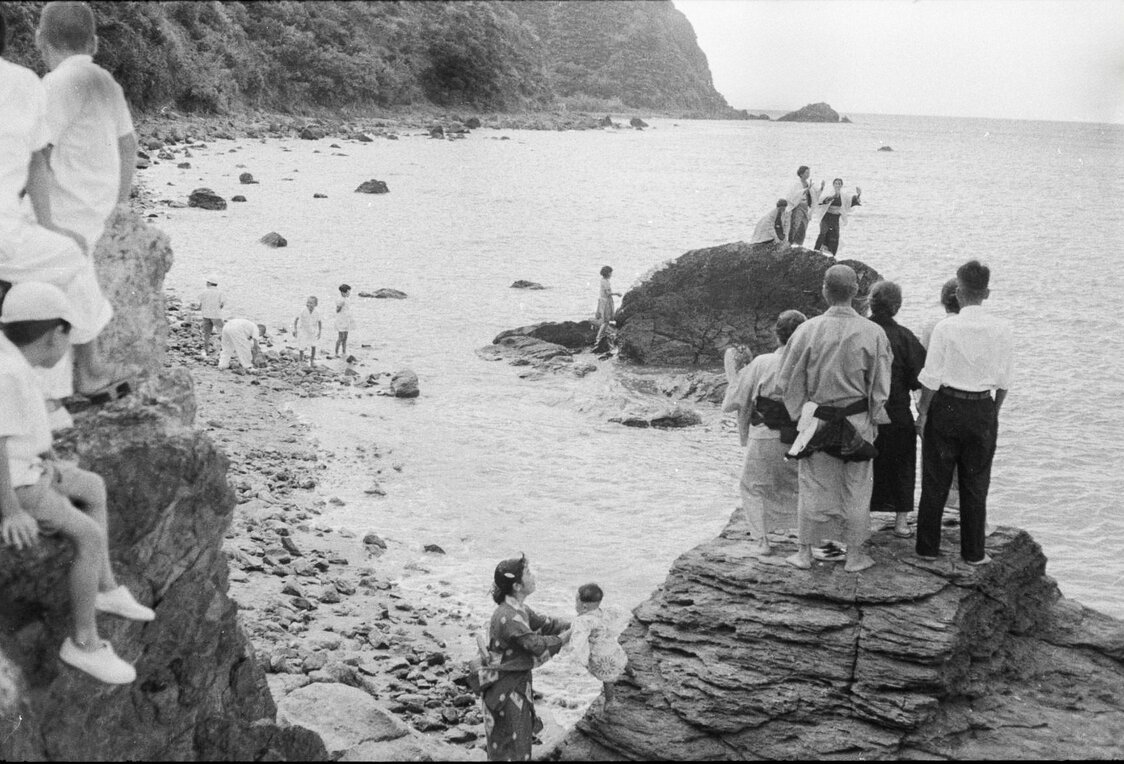
The Akina Arasetsu combines elements of veneration of tanokami, the deity of the rice paddies, from the Japanese mainland, with native Okinawan niraikanai worship. The ritual is said to have started prior to the seventeenth century, when Amami was administered by the Satsuma clan. (© Haga Hideo)
-
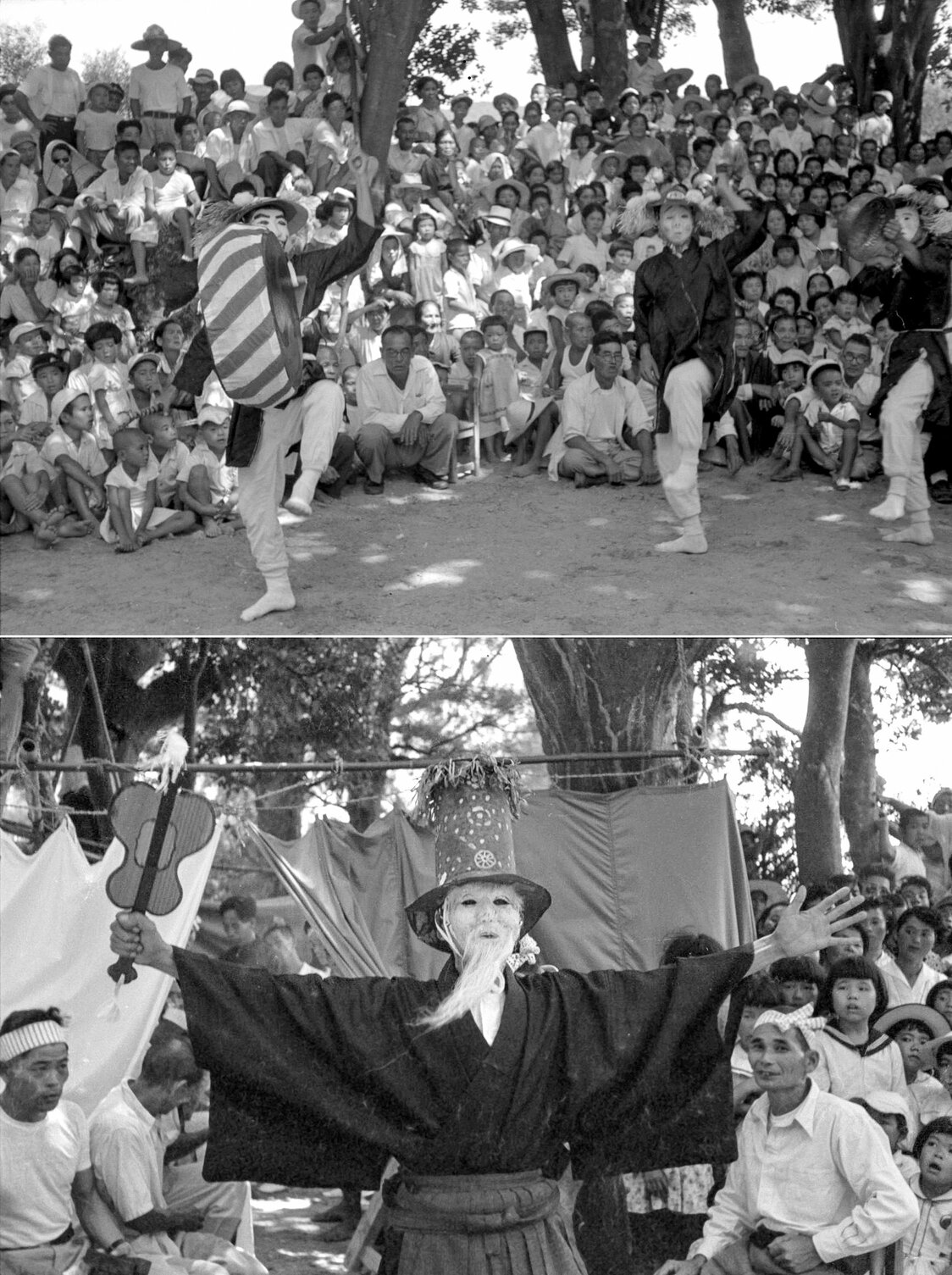
Shodonshibaya, a local form of kyōgen comic drama on Kakeromajima. (© Haga Hideo)
-

Shodonshibaya, folk entertainment said to have started some 800 years ago, is performed at the Ōchon Shrine festival on the ninth day of the ninth month according to the old lunisolar calendar. (© Hamada Futoshi)
-
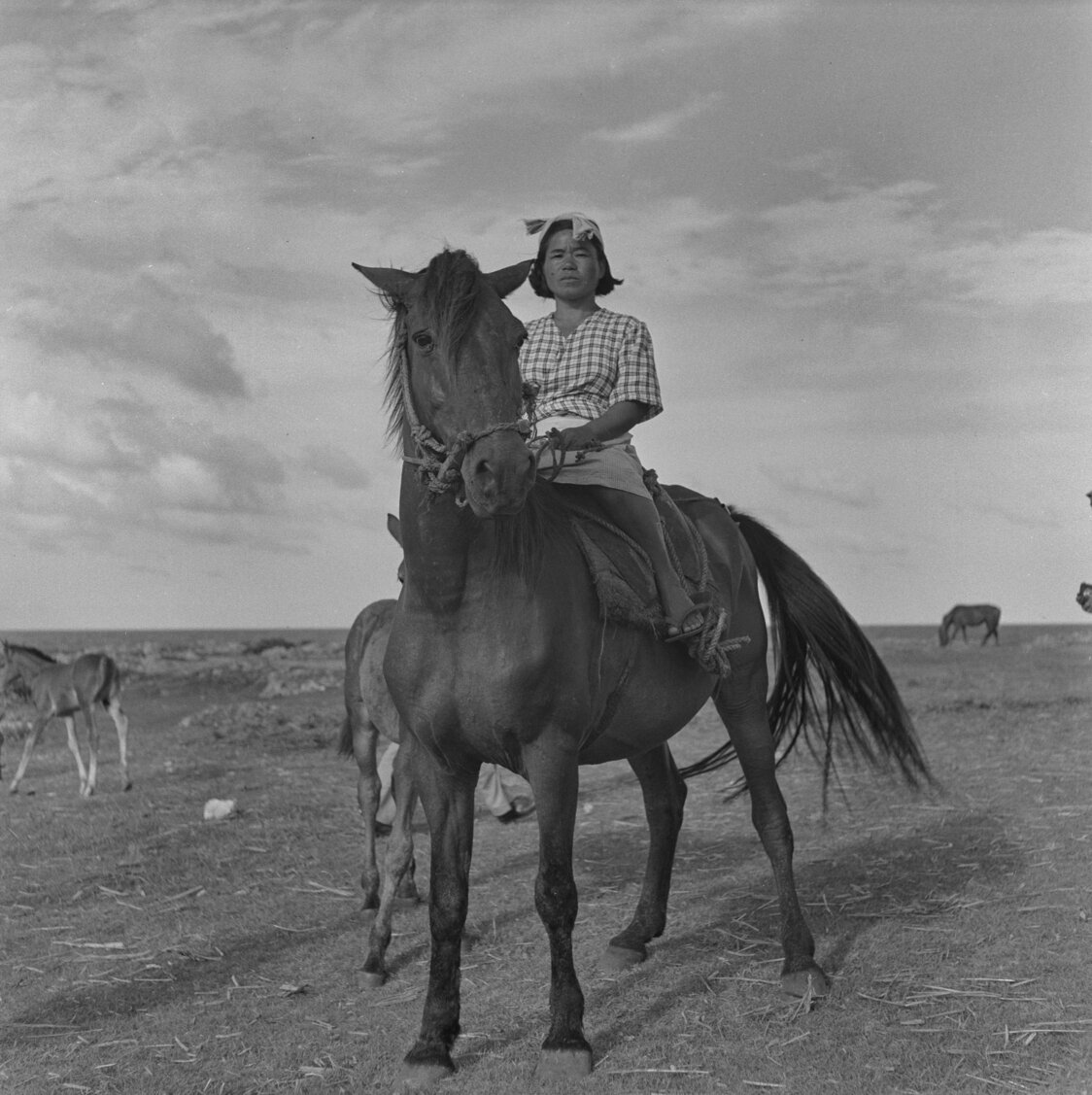
Seventy years ago, there were no cars on Kikaijima, and residents got around on horses. (© Haga Hideo)
-
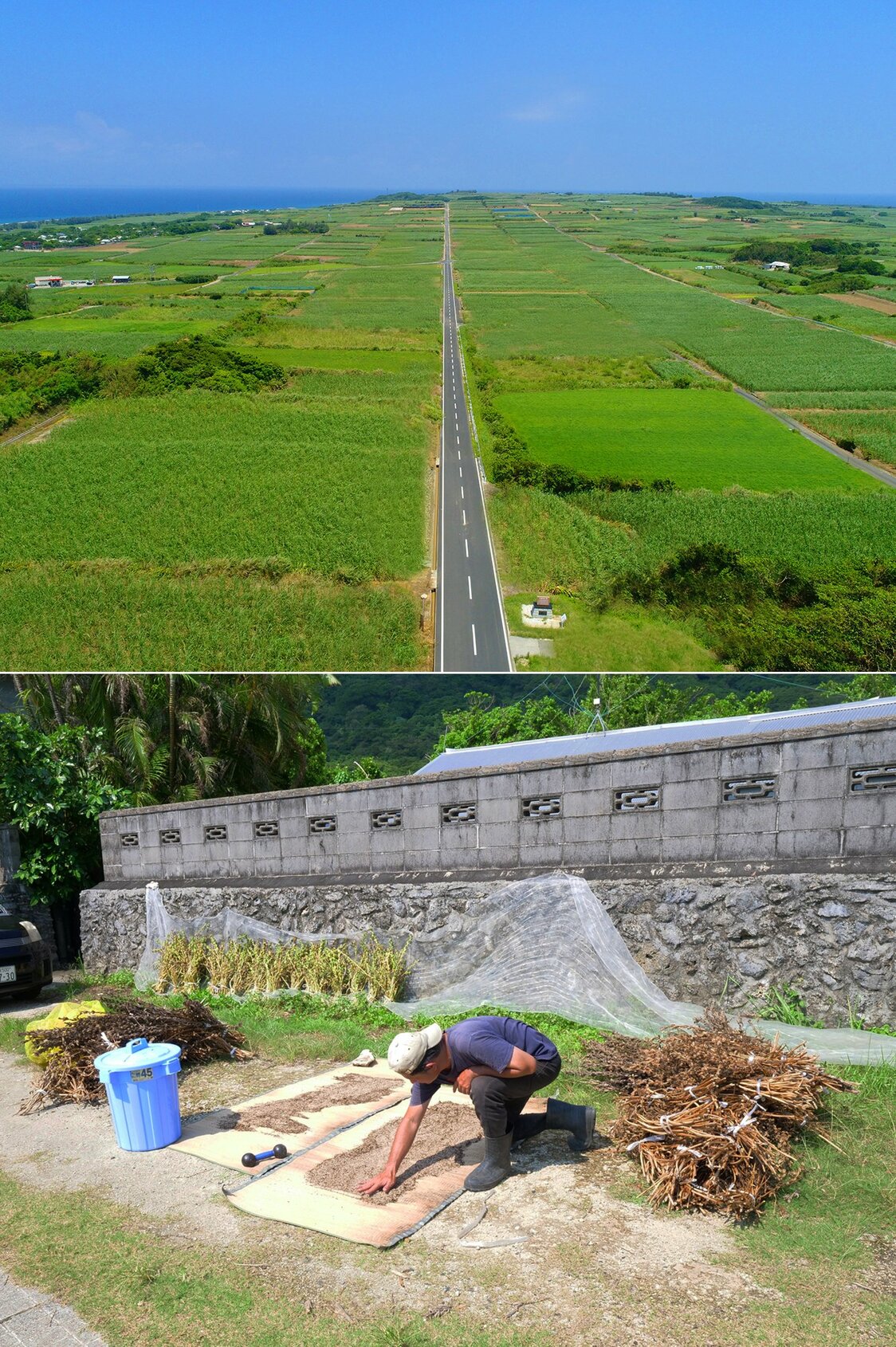
Kikaijima today; a paved road cuts through sugarcane fields. White sesame cultivation was promoted after the war, and the island now accounts for 40% of domestic production. (© Hamada Futoshi)
-
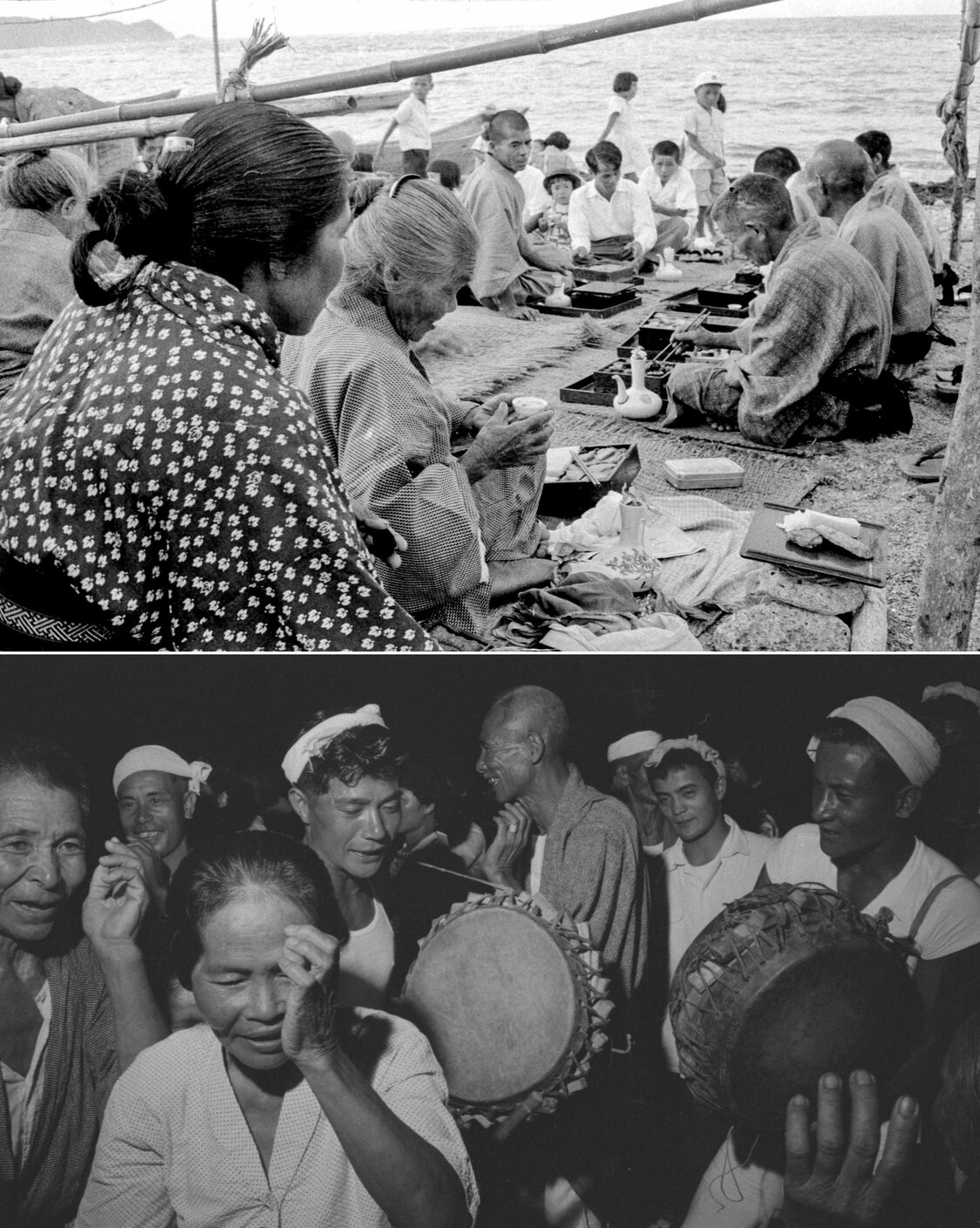
The hamaori festival at Inokawa on Tokunoshima is a ritual to thank ancestors for the harvest. In the seventh month according to the lunisolar calendar, people partake of food and drink on the shore before going around the district performing the Natsume Odori dance all night long. (© Haga Hideo)
-
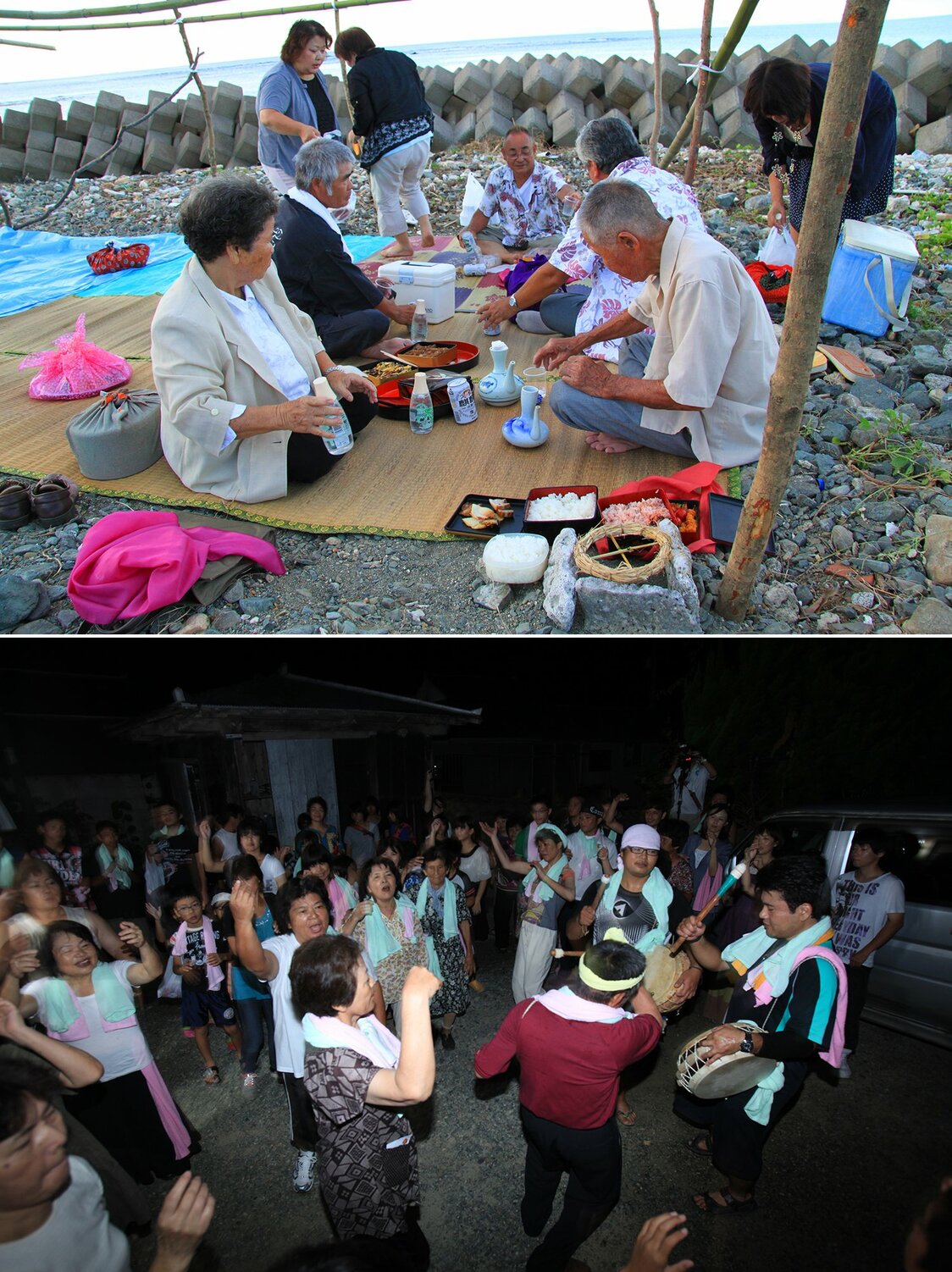
While rice farming has almost died out on Tokunoshima, hamaori and the Natsume Odori continue to strengthen community bonds. (© Hamada Futoshi)
-
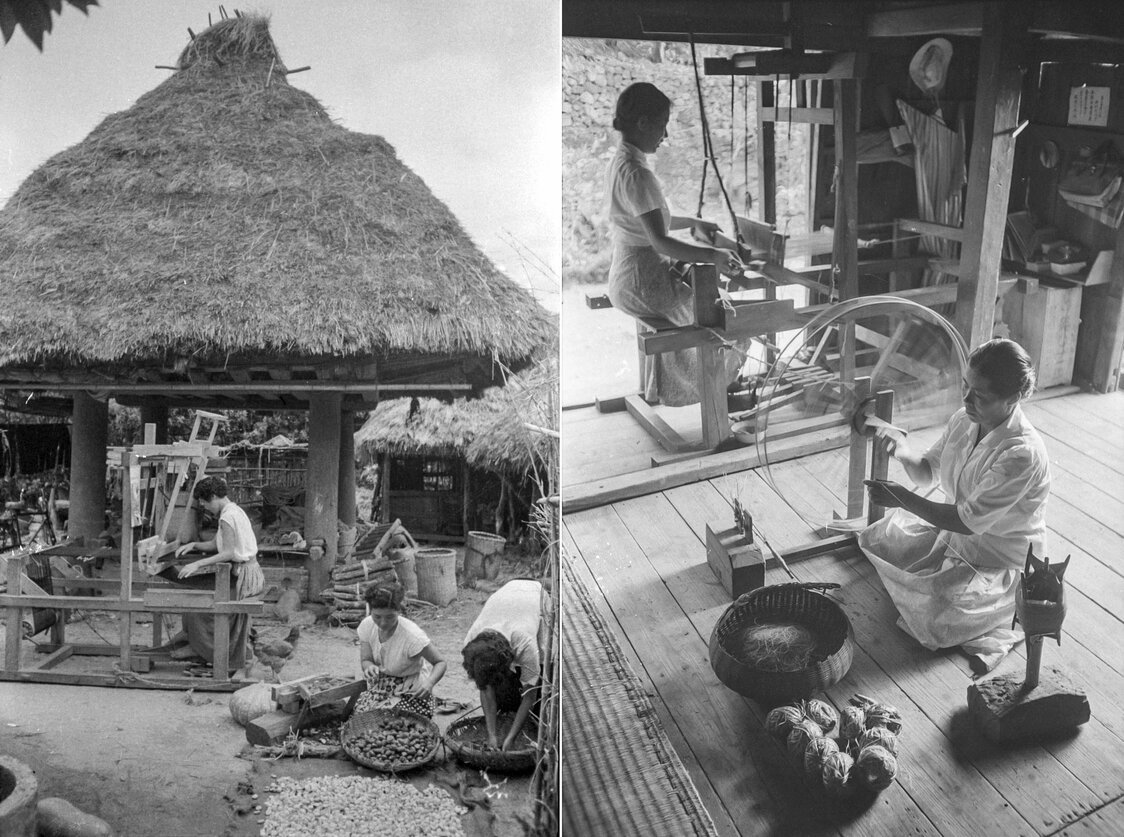
Left: Farm women weaving tsumugi silk pongee on looms at home in Kasari, Amami. Ōshima tsumugi silk fabric has been produced for 1,300 years. As it grew in popularity in the 1970s, it began to be produced overseas, but nowadays, production has fallen to one-seventieth of former levels. Right: a farmwoman spins banana fibers into thread for bashōfu traditional handicrafts in Wadomari. (© Haga Hideo)
-
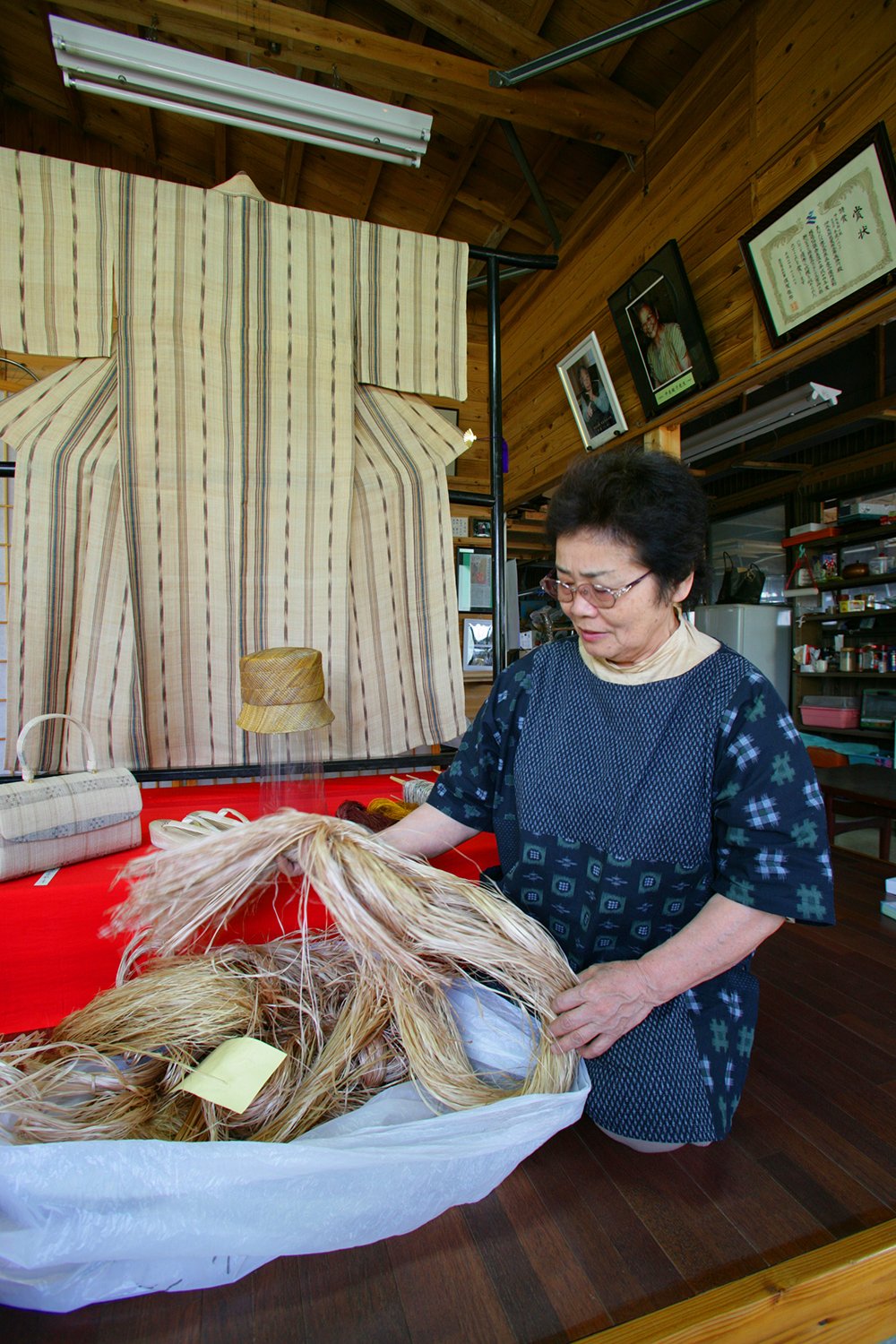
Bashōfu artisan Hasegawa Chiyoko (1939–) learned production techniques, which had died out on Okinoerabujima, from Okinawa resident Taira Toshiko (1921–2022), a living national treasure. (© Hamada Futoshi)
-
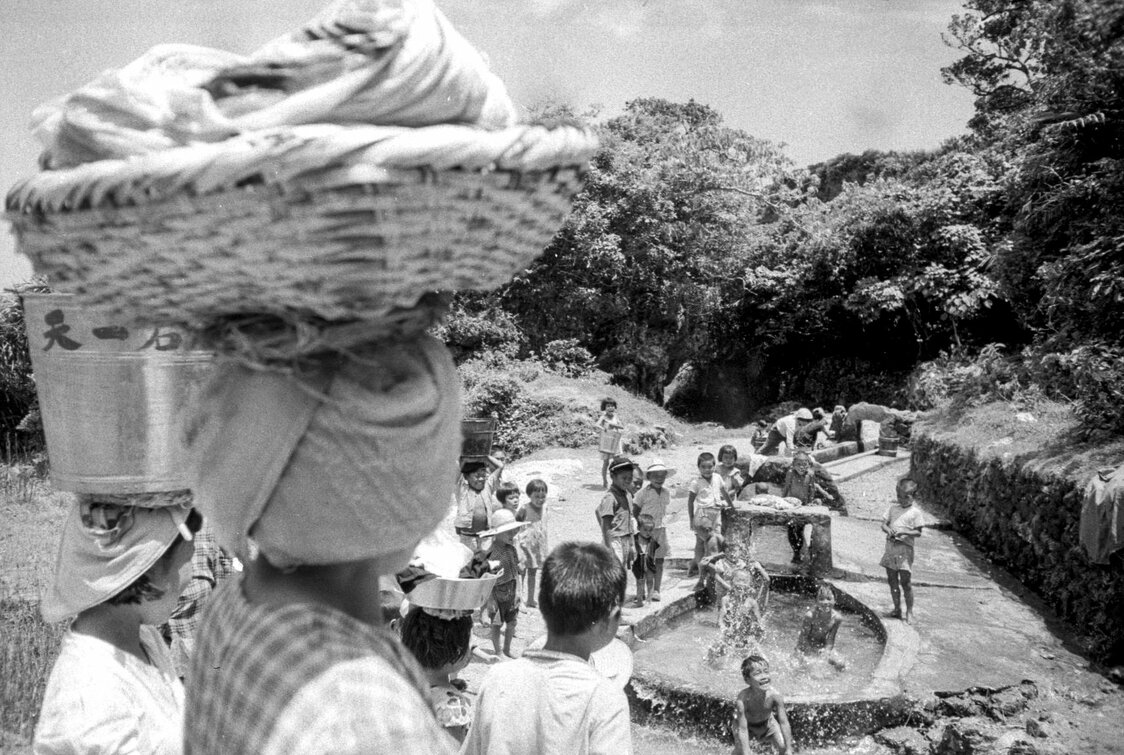
On Okinoerabujima, an island composed of limestone, natural springs are a vital water resource. (© Haga Hideo)
-
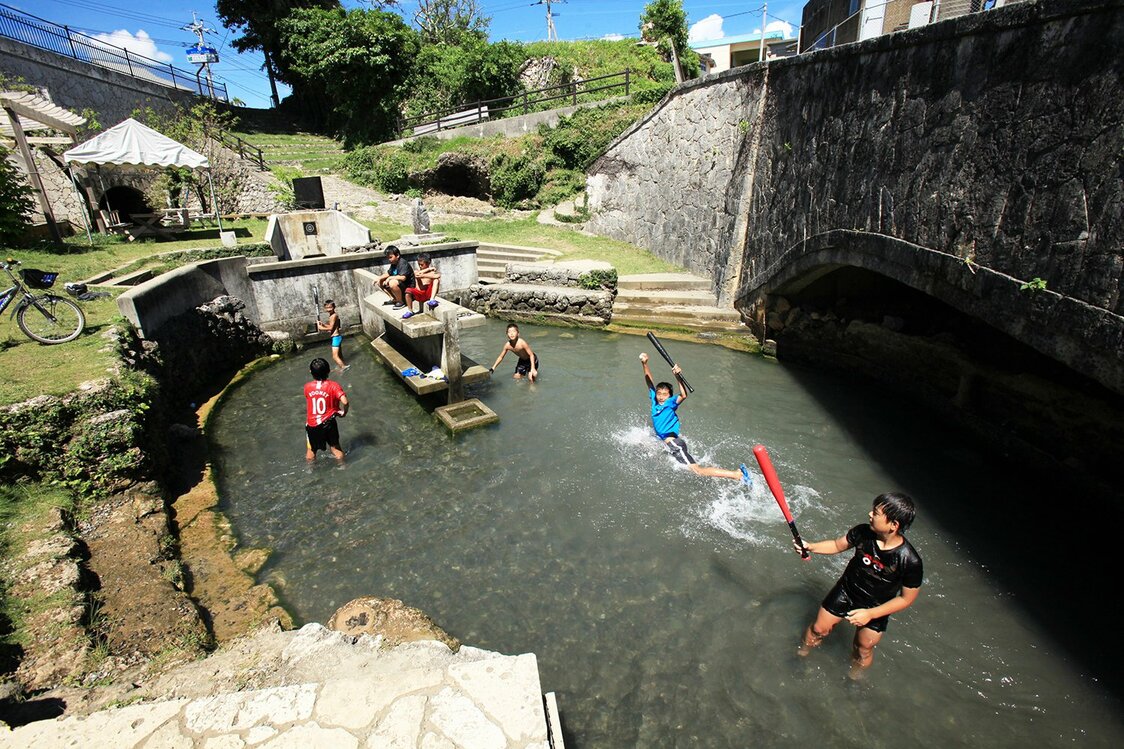
Jokkyonuhō in the town of China is a communal recreation spot where water still bubbles up. (© Hamada Futoshi)
-
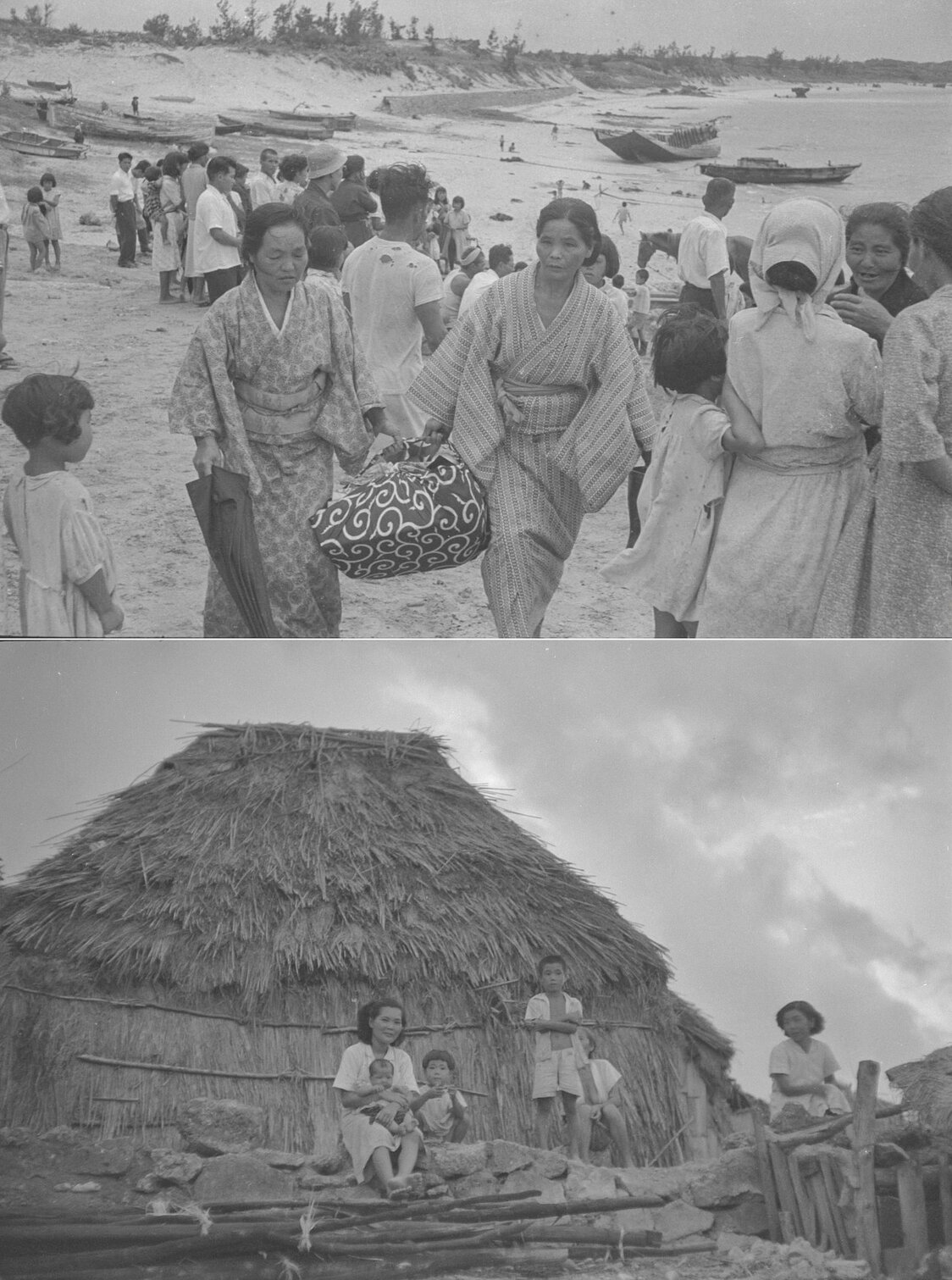
Scenes from Yoron, which before Amami’s reversion to Japanese authority was the southernmost island in the country. (© Haga Hideo)
-
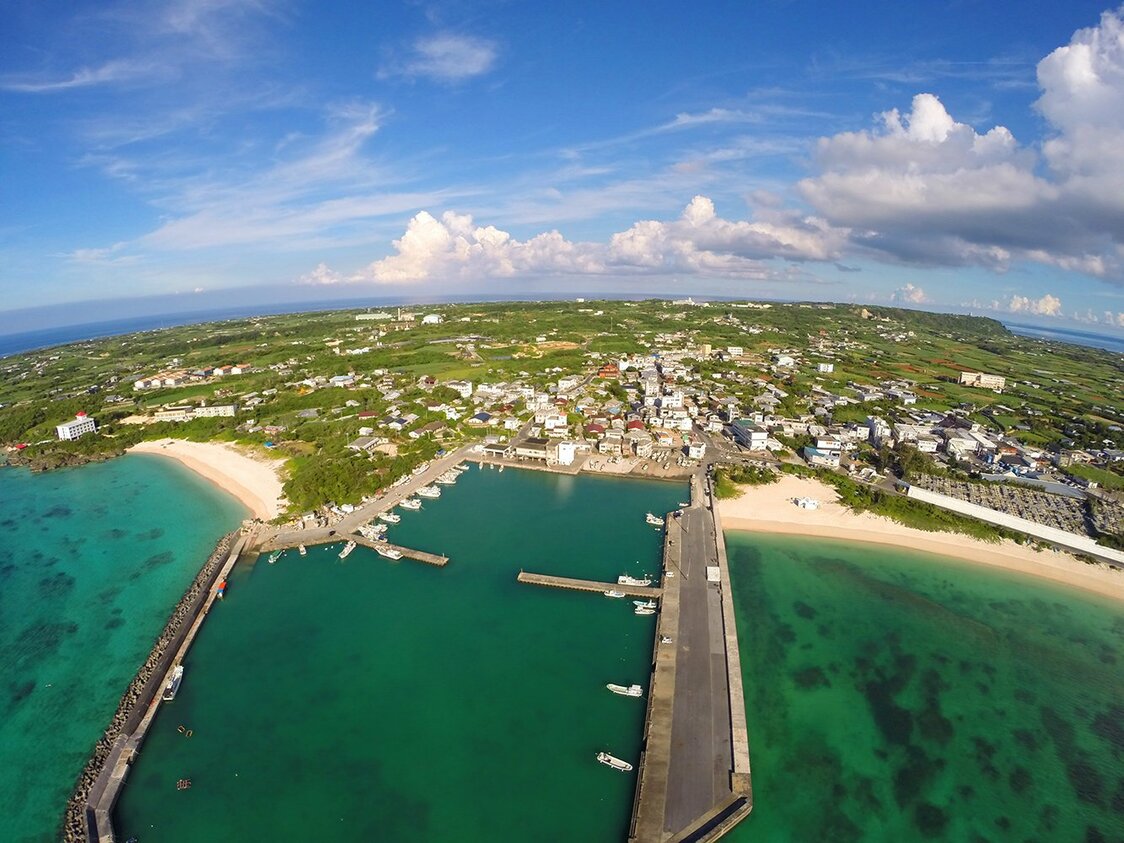
Chabana Kaigan on Yoron. The coral reef shore has been developed as a ship harbor. (© Hamada Futoshi)
-
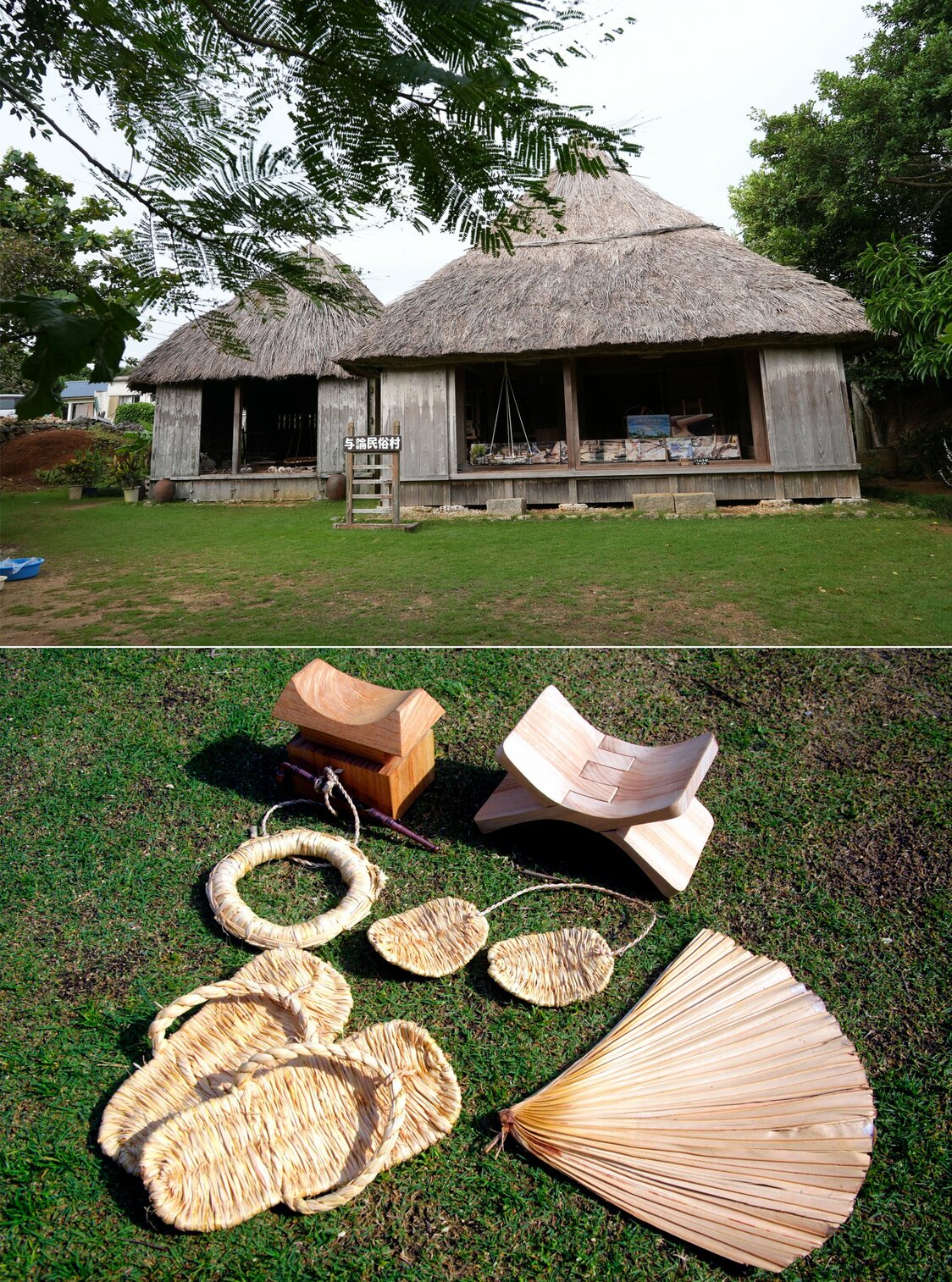
Yoron Folk Village, a privately operated museum, opened in 1966, when mass-produced goods were overwhelming Amami and threatening everyday culture on the islands. The facility aims to communicate the old ways of life to future generations through exhibits and the sale of folk items and hands-on workshops for making articles used in daily life. (© Hamada Futoshi)


 Read in other languages