-

“The cute, teddy bear-like design of RIBA is intended to make the robot fit in comfortably with the caregiving environment and be accepted by care recipients,” explains Mukai Toshiharu.
-
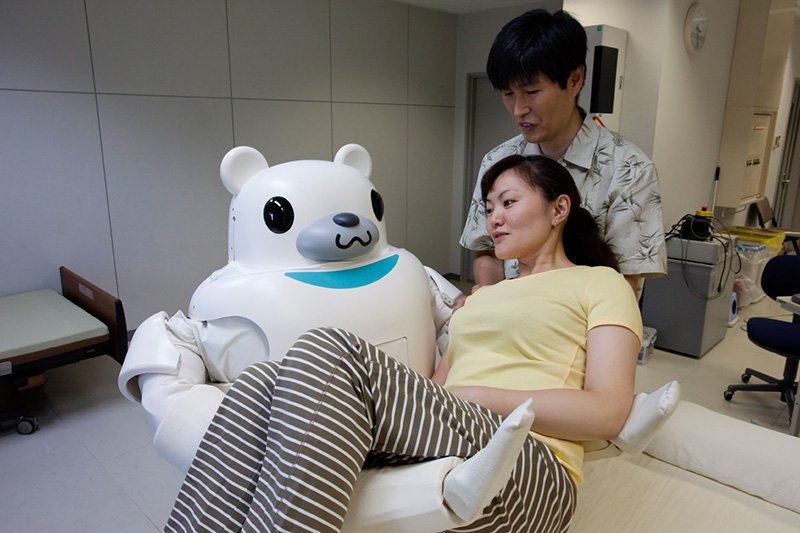
A human caregiver is present whenever RIBA is moving a person to ensure the safety of care recipients and also make them feel more secure by placing a hand on their back and talking to them.
-
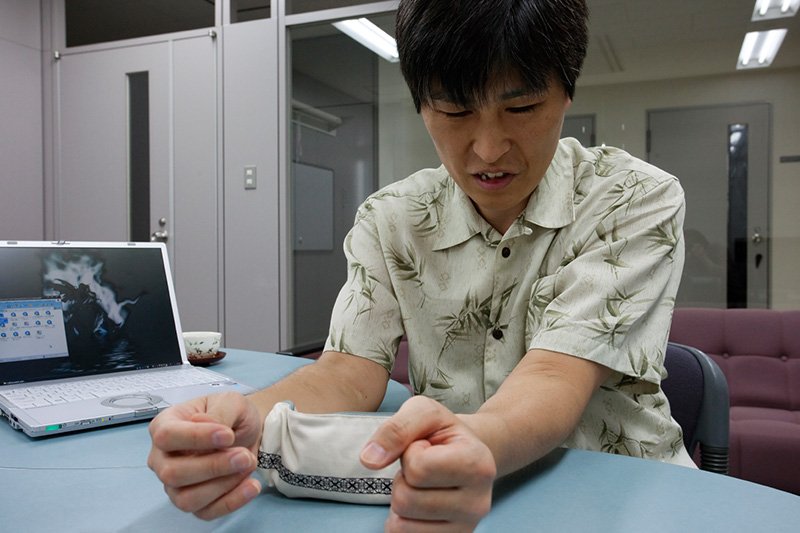
Getting a robot to replicate the effortless way that a human being moves is a challenge. RIBA relies on cutting-edge technologies to perform its bending and twisting movements.
-
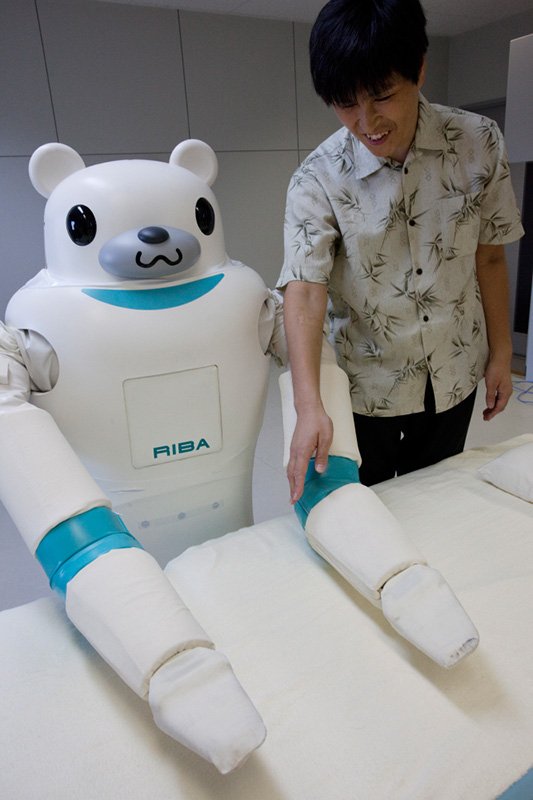
The tactile sensors equipped throughout RIBA allow it to be guided by caregivers who touch its arms or other parts. This ease of use for caregivers is another essential ingredient for popularizing a nursing assistant robot.


 Read in other languages