-
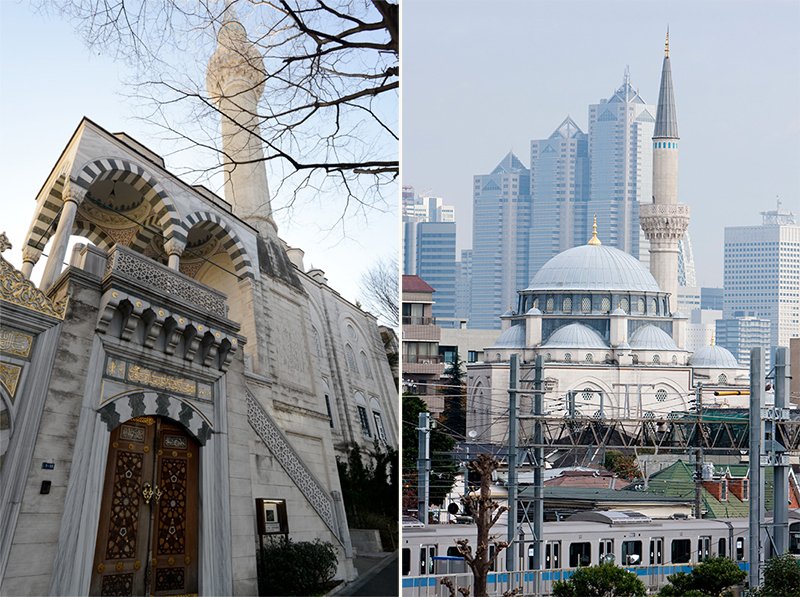
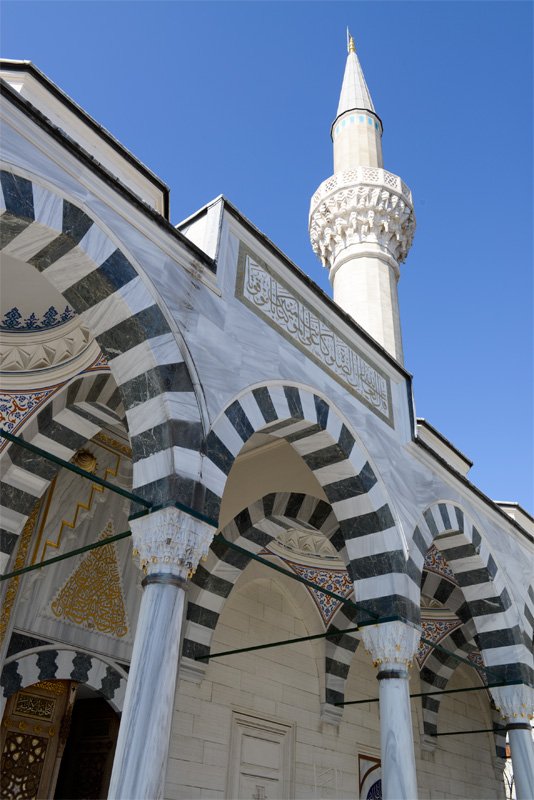
The minaret of Tokyo Camii against the backdrop of the Shinjuku skyline (right). From this arched balcony (left), the muezzin makes the call to prayer (“azan”). (Photo on the right courtesy of Tokyo Camii.)
-
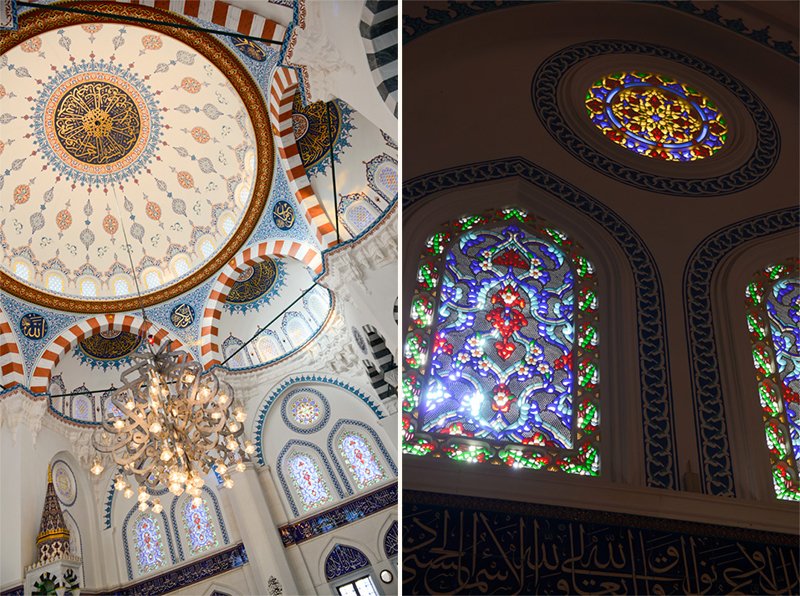
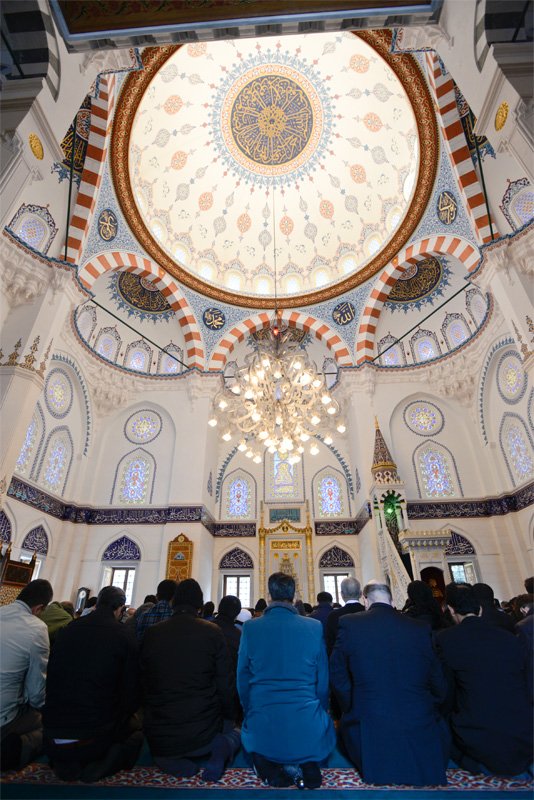
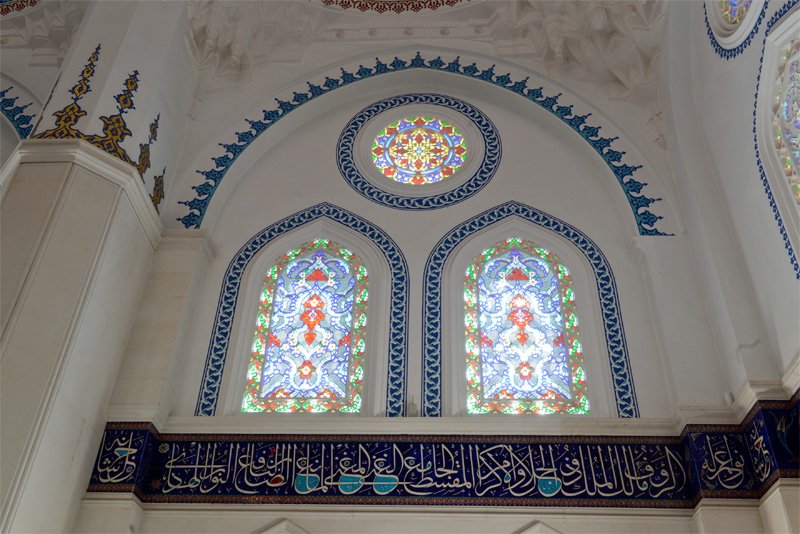
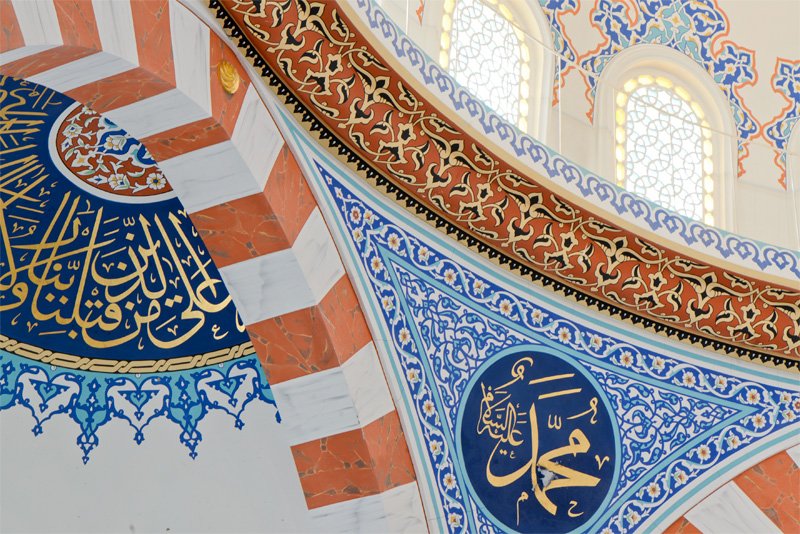
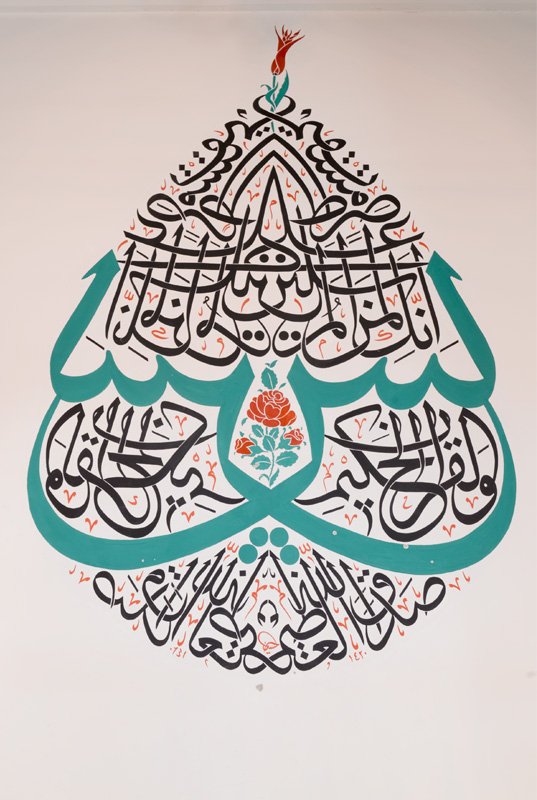
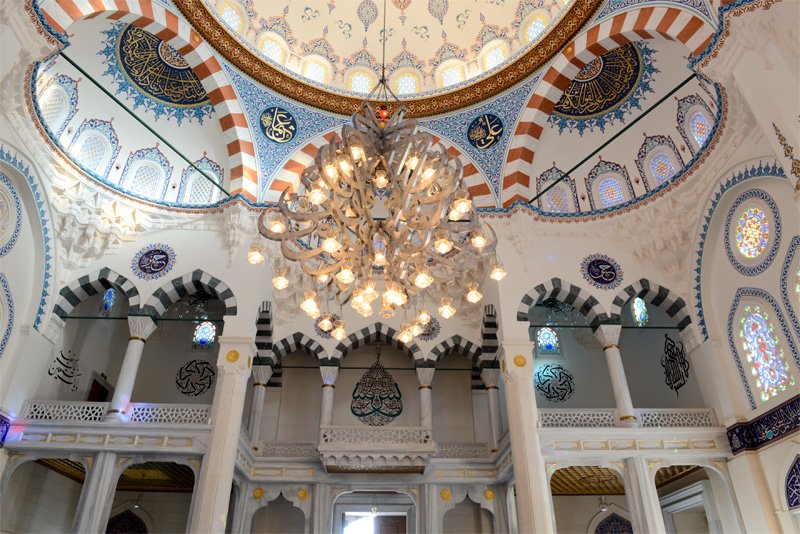
In the morning and early afternoon, the sunlight comes streaming through the stained glass windows, enveloping the interior of the mosque in an atmospheric light. Because of strict prohibitions against idolatry, the mosque depends on Arabic calligraphy and geometric designs for its interior decoration. The dome represents the wide expanse of God’s created universe.
-
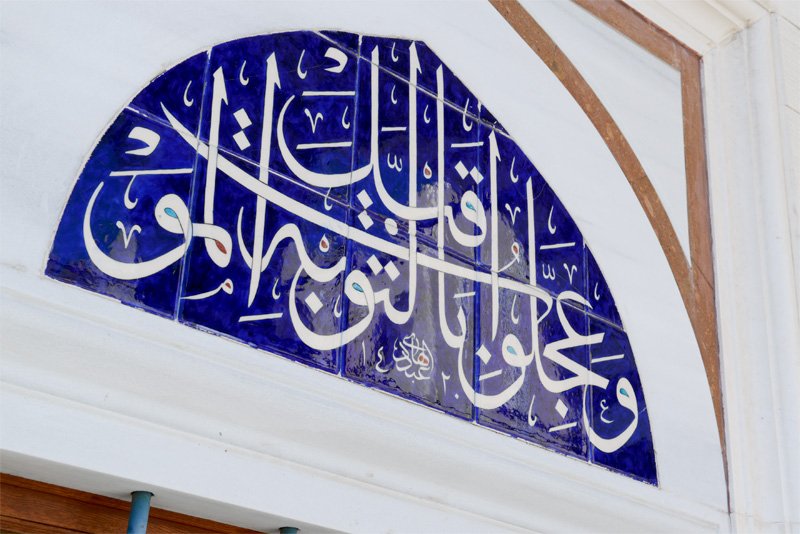
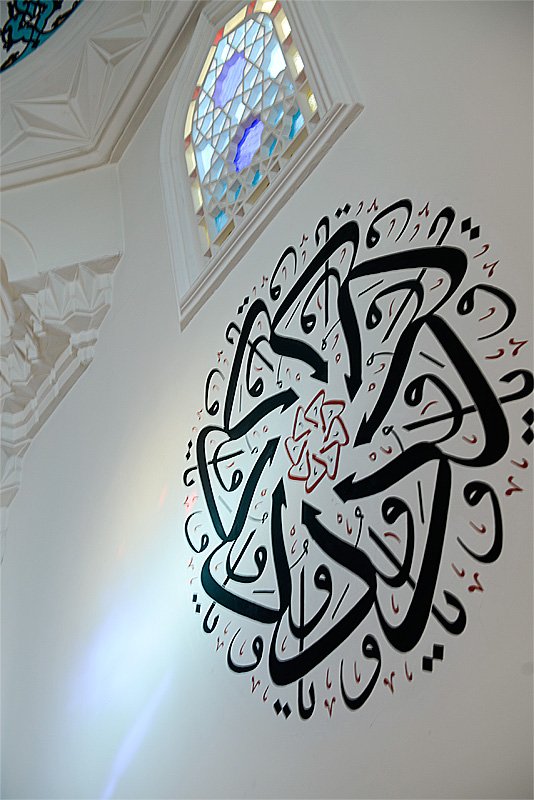
A verse from the Koran in Arabic calligraphy.
-
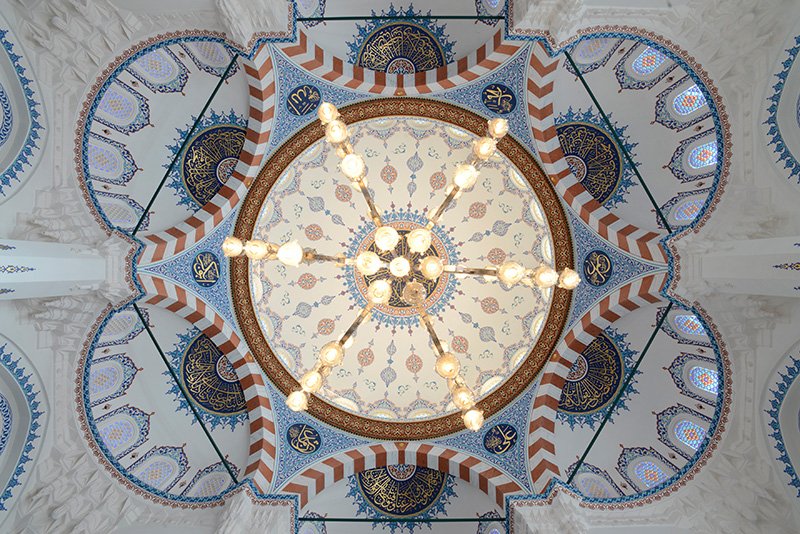
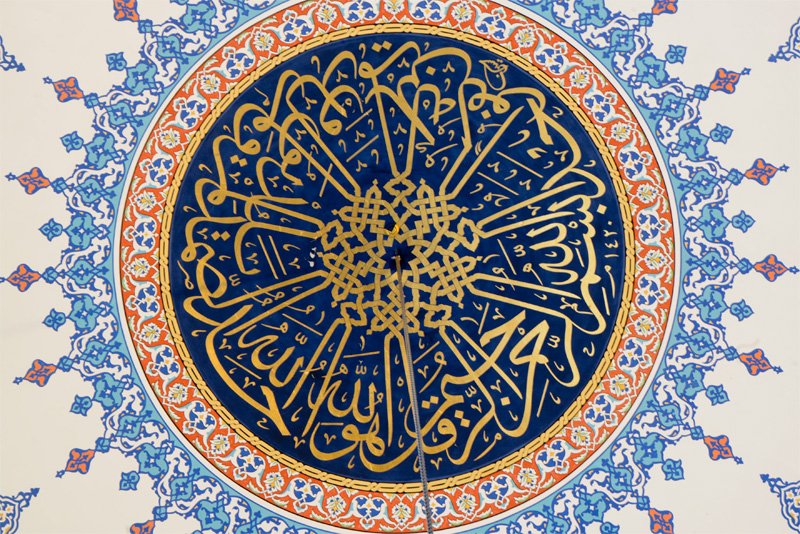
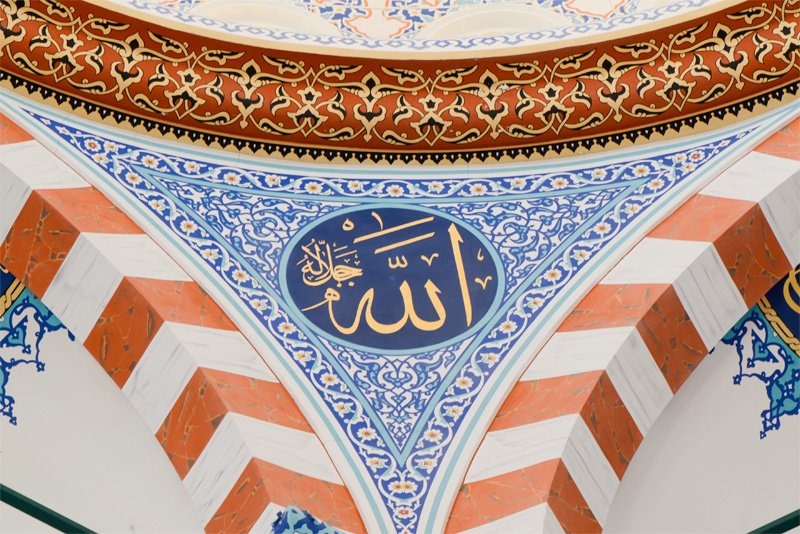
In many Turkish-style mosques, the roof of the dome is inscribed with Arabic calligraphy depicting the names of God (Allah), the Prophet Muhammad, and his four successors.
-
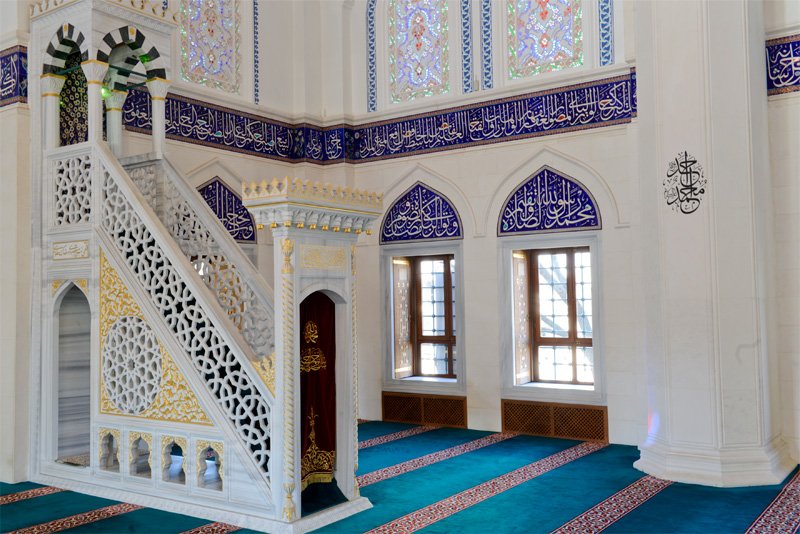
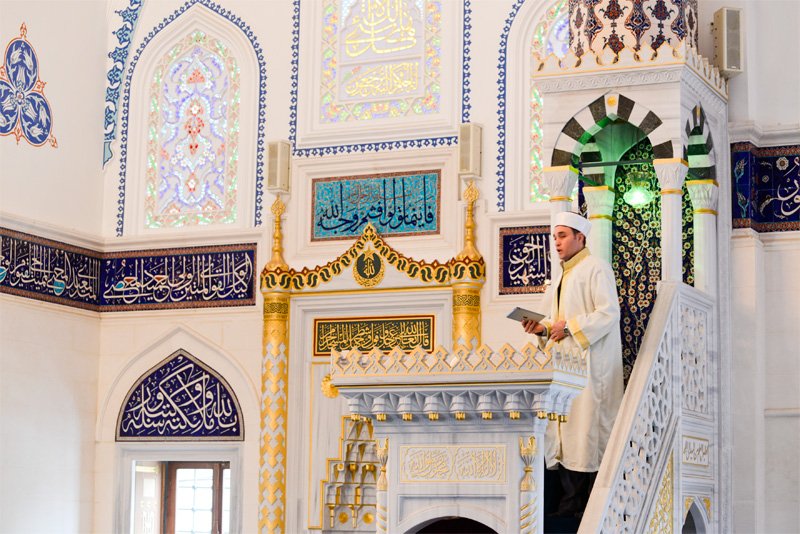
According to Islamic tradition, there are 99 names for God. These include “Al-Muhyi” (The Giver of Life); “Al-Khaliq” (The Creator), and “Ar-Rahman” (The Exceedingly Compassionate). The holy “most beautiful names” of God are written in beautifully flowing Arabic calligraphy on the walls of the mosque. In front of this is the minbar, the pulpit from which the imam delivers his sermon to the faithful during Friday prayers.
-
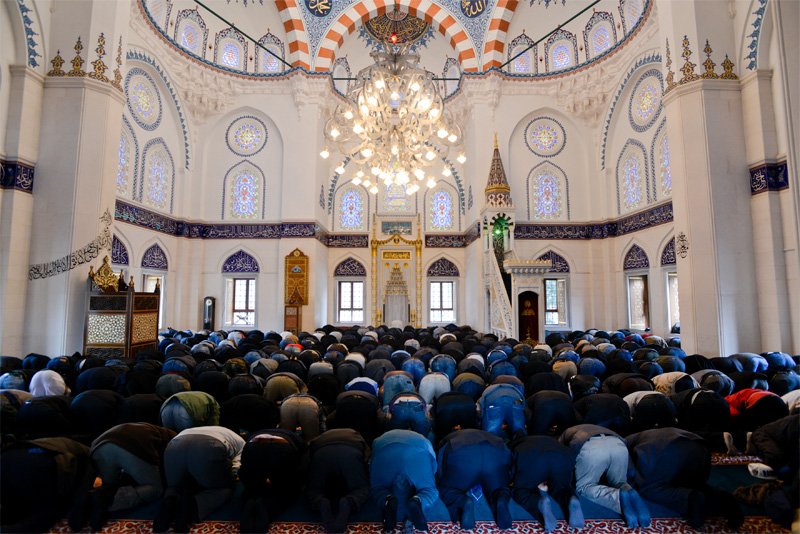
Muslims are supposed to pray five times a day. The most important prayers take place early on Friday afternoon, when large numbers of people attend the mosque. The faithful prostrate themselves in the direction of Mecca. The Muslim style of prayer, with everyone on the same level, symbolizes that all people are equal in the eyes of God, regardless of race or social status. Women pray in a separate section of the mosque.
-

Nurullah Ayaz, imam of the Tokyo Camii mosque, came to Japan in summer 2012, after studying Japanese for five years at university in Turkey. He emphasizes the “many points in common between the Japanese national character and the conduct expected of a Muslim.”
-
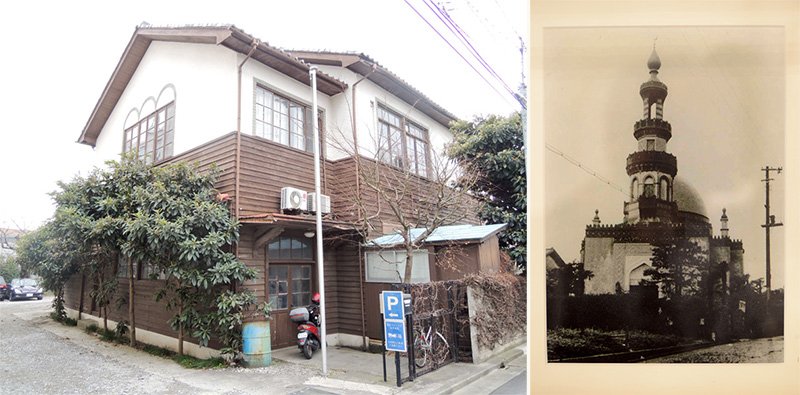
(Left) The school in Tokyo for Muslim children, which opened in 1935. There are plans to demolish the school, which is starting to show its age, and build a new Turkish culture center on the site. (Right) The original Tokyo mosque, built in 1938—the precursor to today’s Tokyo Camii. The original mosque was demolished in 1986, and the current structure was completed in 2000.
-
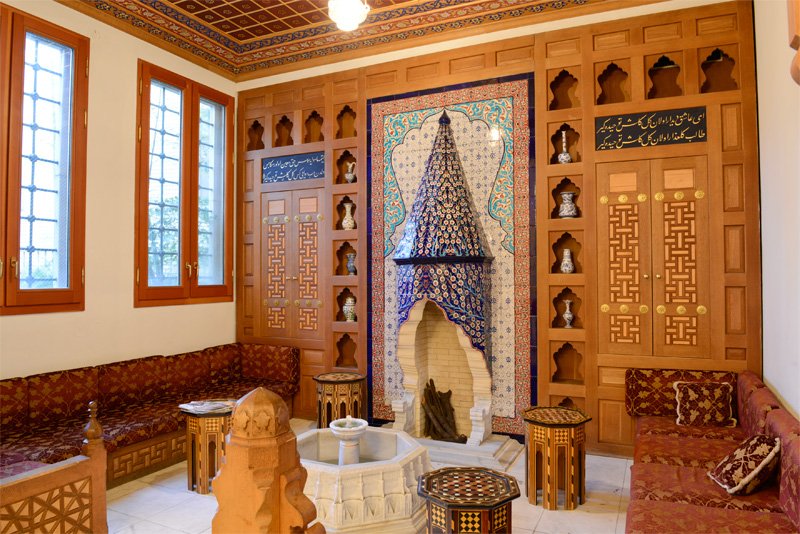
The reception room on the first floor, near the entrance to Tokyo Camii, is similar to the interior of a Turkish home. The central fountain and impressive tulip-motif tiled fireplace are typically Turkish.
-
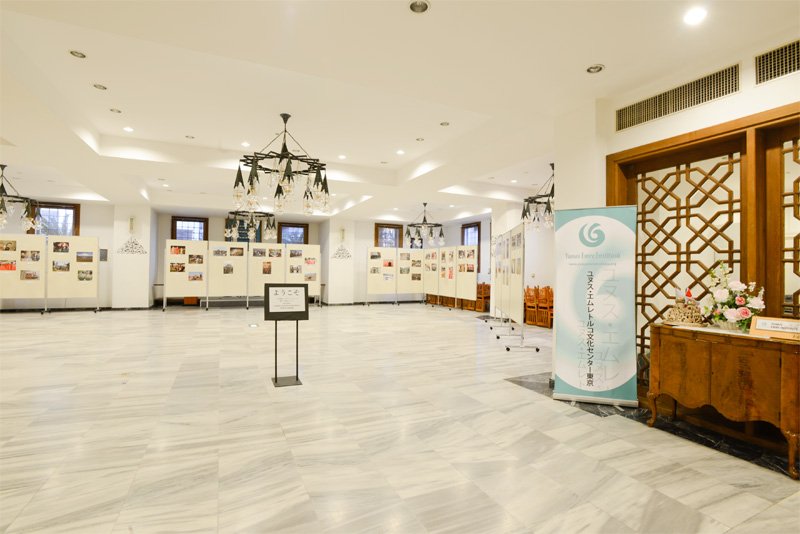
The multi-purpose hall on the first floor, where lectures on Islam are held, along with various events and parties.
-
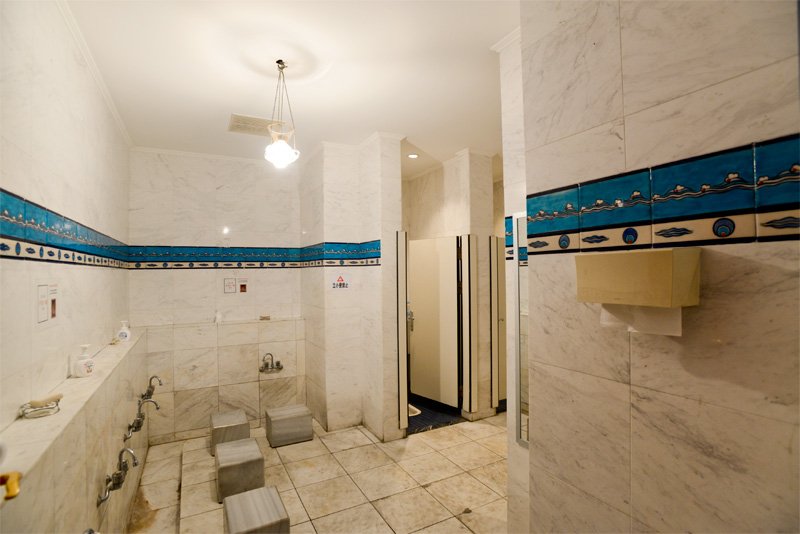
Muslims wash their face, hands, and feet in these ablution areas to purify themselves before prayer.
-
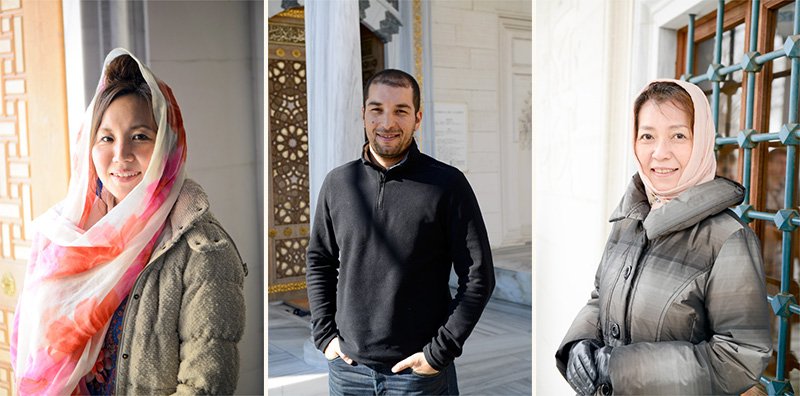
-
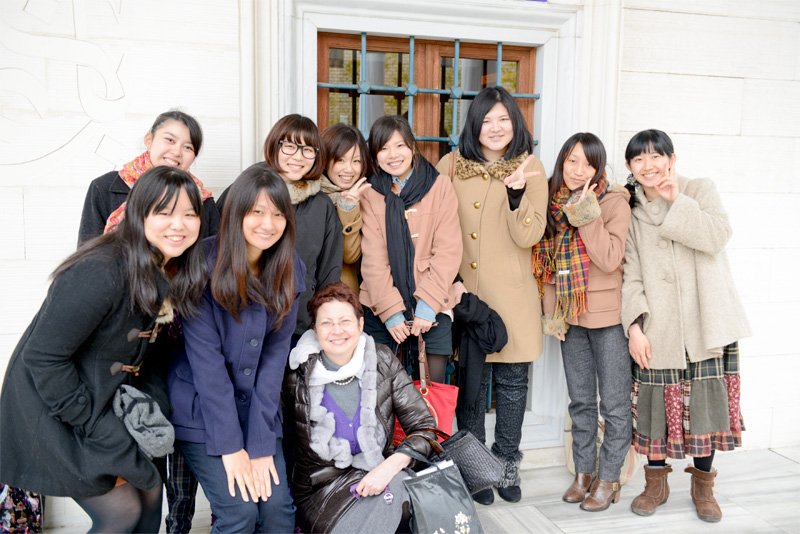
This group of students from Atomi University was visiting the mosque as part of a cultural studies program. “Islam is a religion where God has no form, and there’s nothing like the Buddhist images one sees in a Japanese temple,” one student said. “It’s a religion where there is direct dialogue between the individual and God. That’s one of the things that really made an impression on me during my visit today.”
-
-
-
-
-
-
-

-
-

-
-
-

-
-


 Read in other languages