-
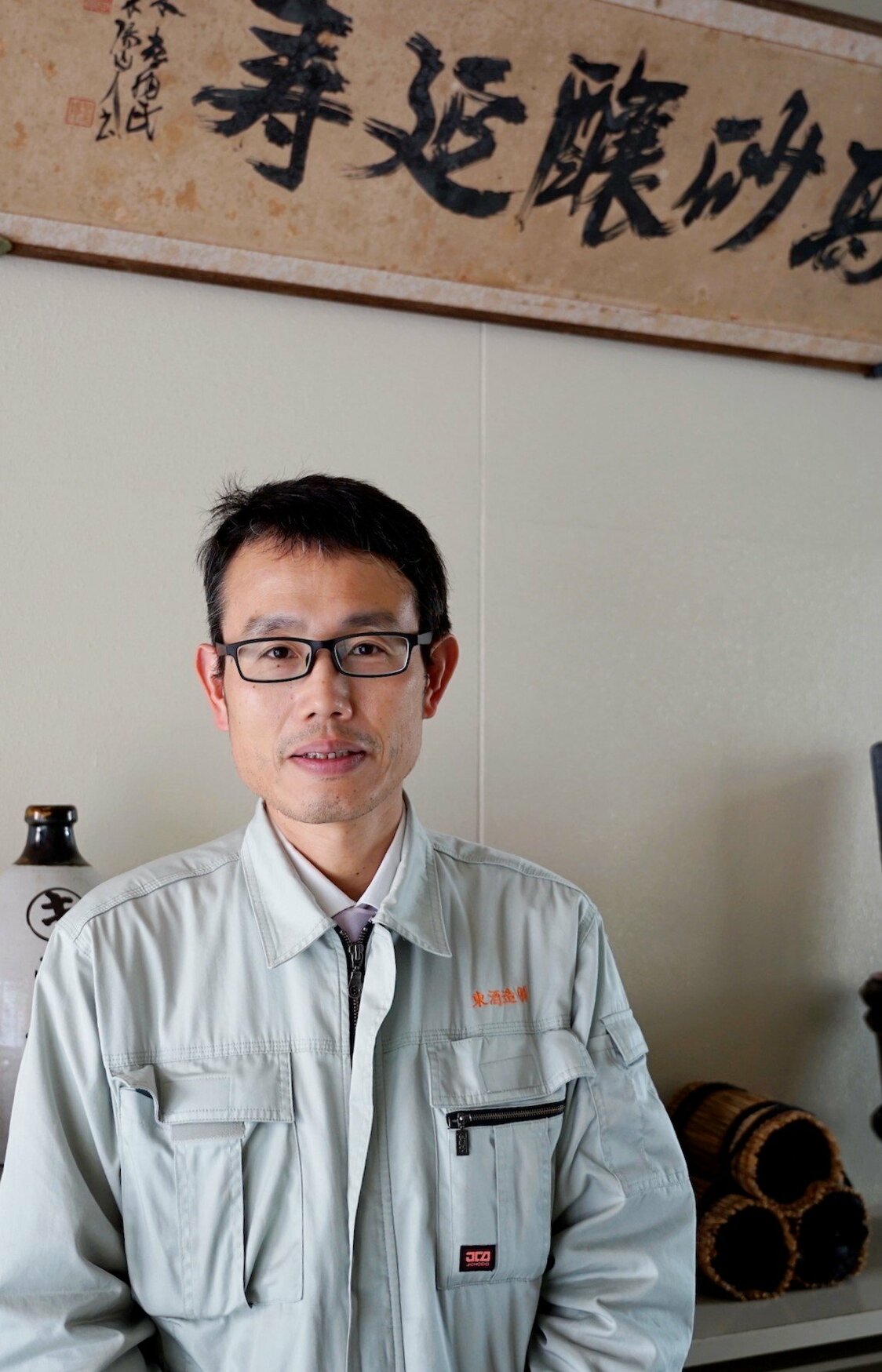
Higashi Shuzō president Fukumoto Fumio. (© Ukita Yasuyuki)
-
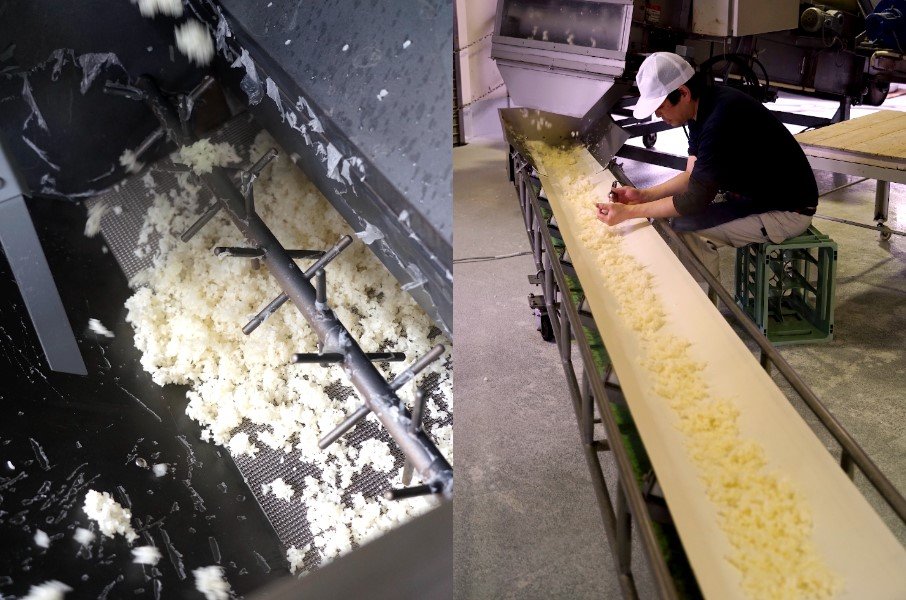
Freshly steamed rice (left) is monitored to determine the appropriate temperature for forming rice kōji, which changes depending on season and weather. (© Ukita Yasuyuki)
-
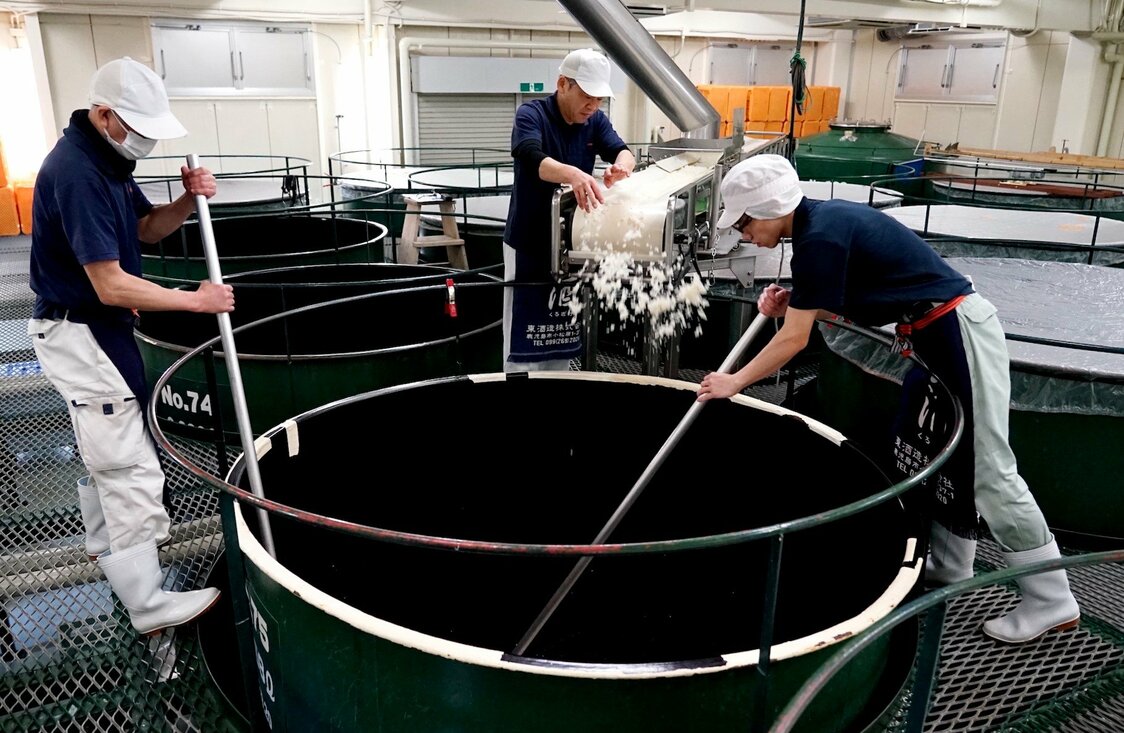
Staff mix ingredients. (© Ukita Yasuyuki)
-
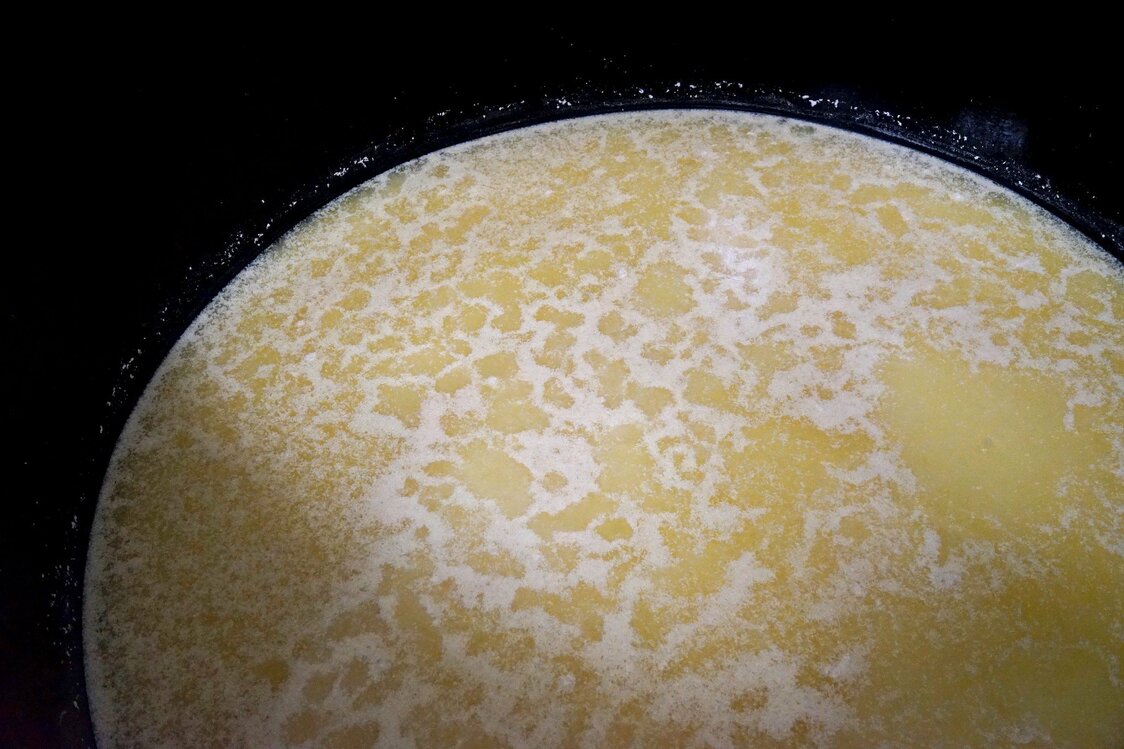
Bubbles appear on the surface of the fermenting moromi. (© Ukita Yasuyuki)
-
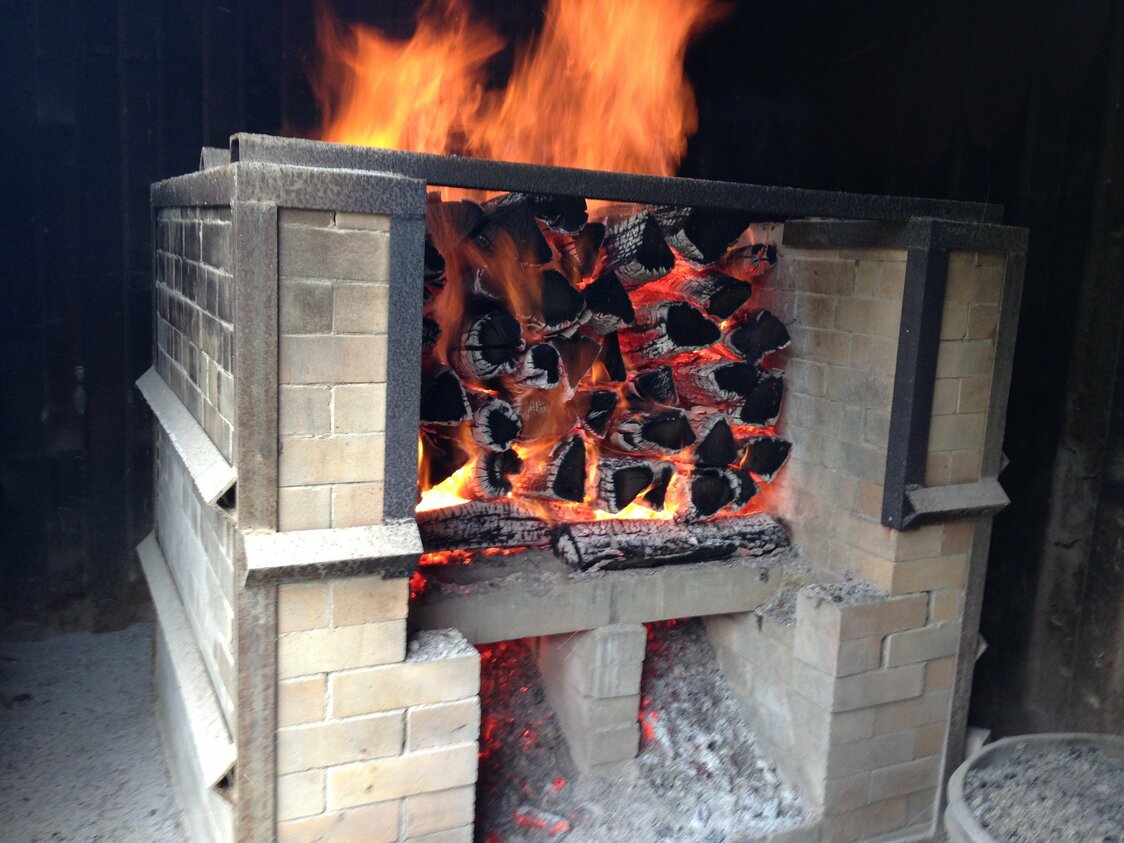
Japanese oak is burned in a kiln. (© Higashi Shuzō)
-
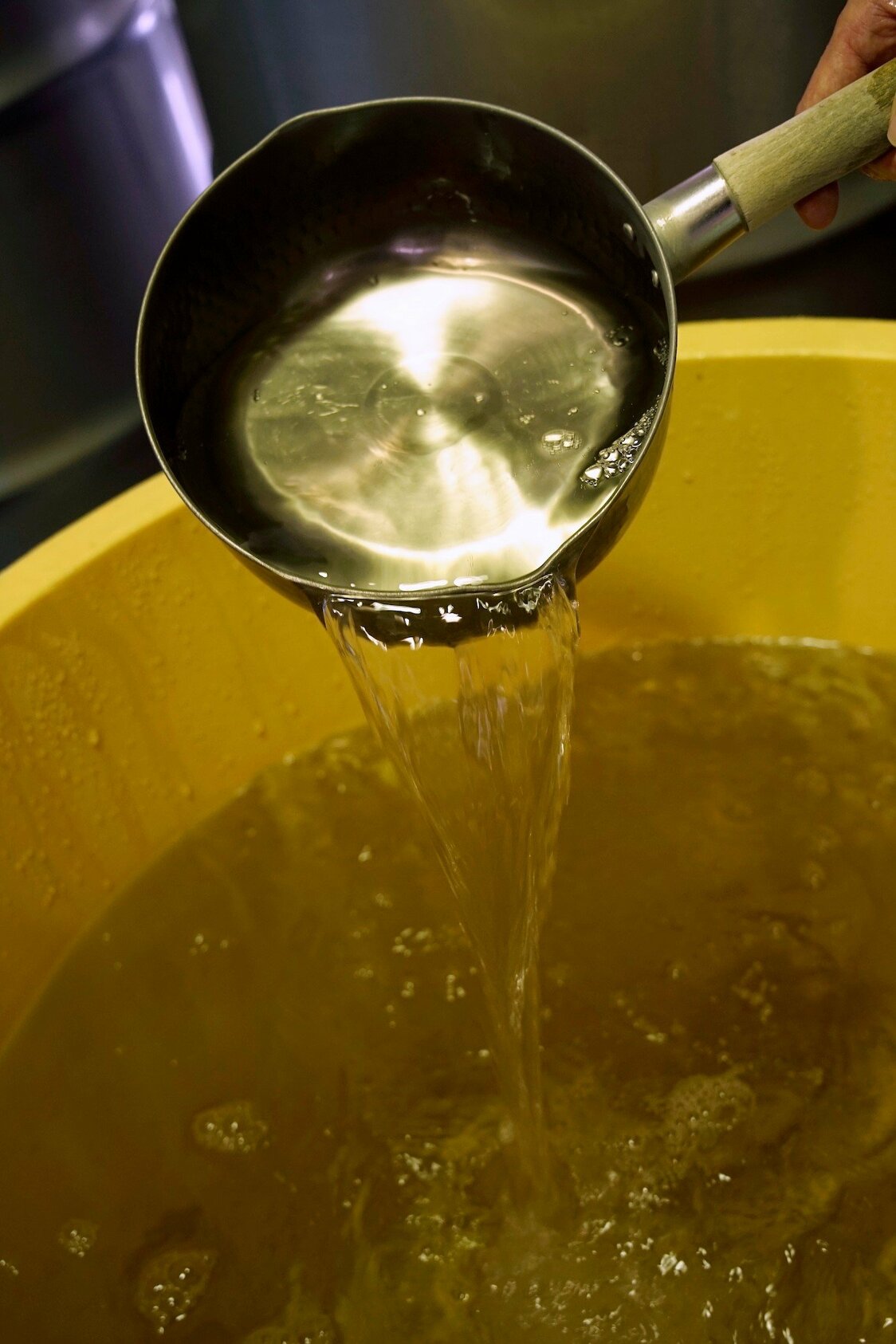
Aku is clear, but as a strong base it requires caution in handling (© Ukita Yasuyuki)
-
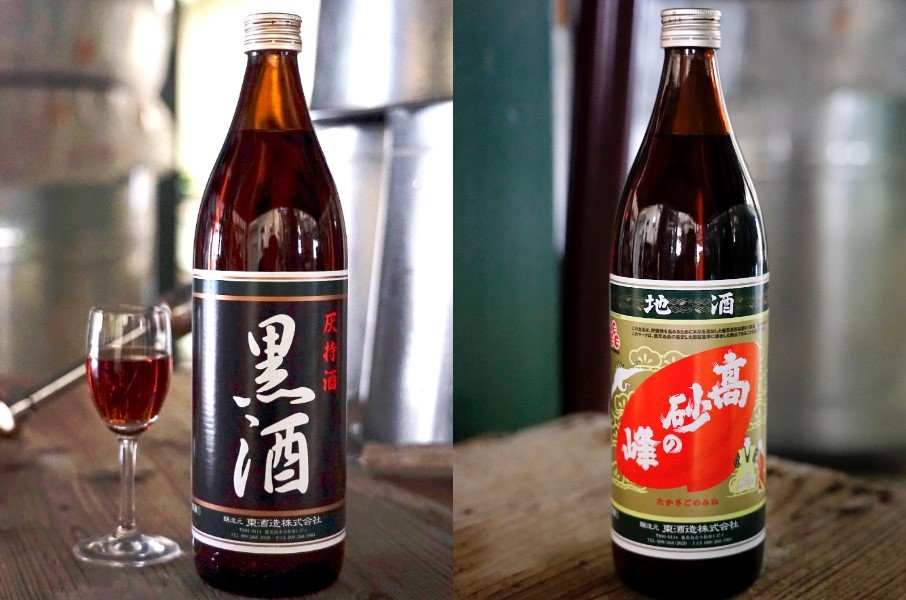
Higashi Shuzō’s akumochizake labels Kurozake (left) and Takasago no Mine tap into Japan’s more than 1,200-year tradition of brewing kuroki. (© Ukita Yasuyuki)
-
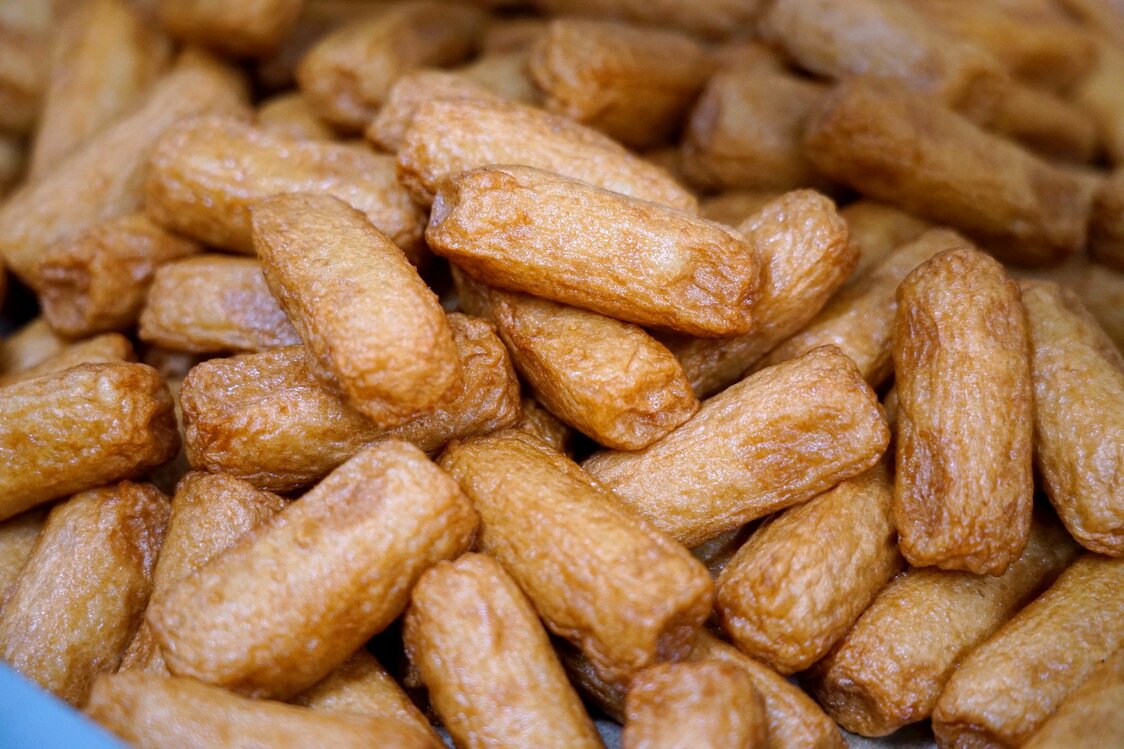
Freshly fried satsuma-age. Kurozake adds to the texture and color of the delicacy. (© Ukita Yasuyuki)
-
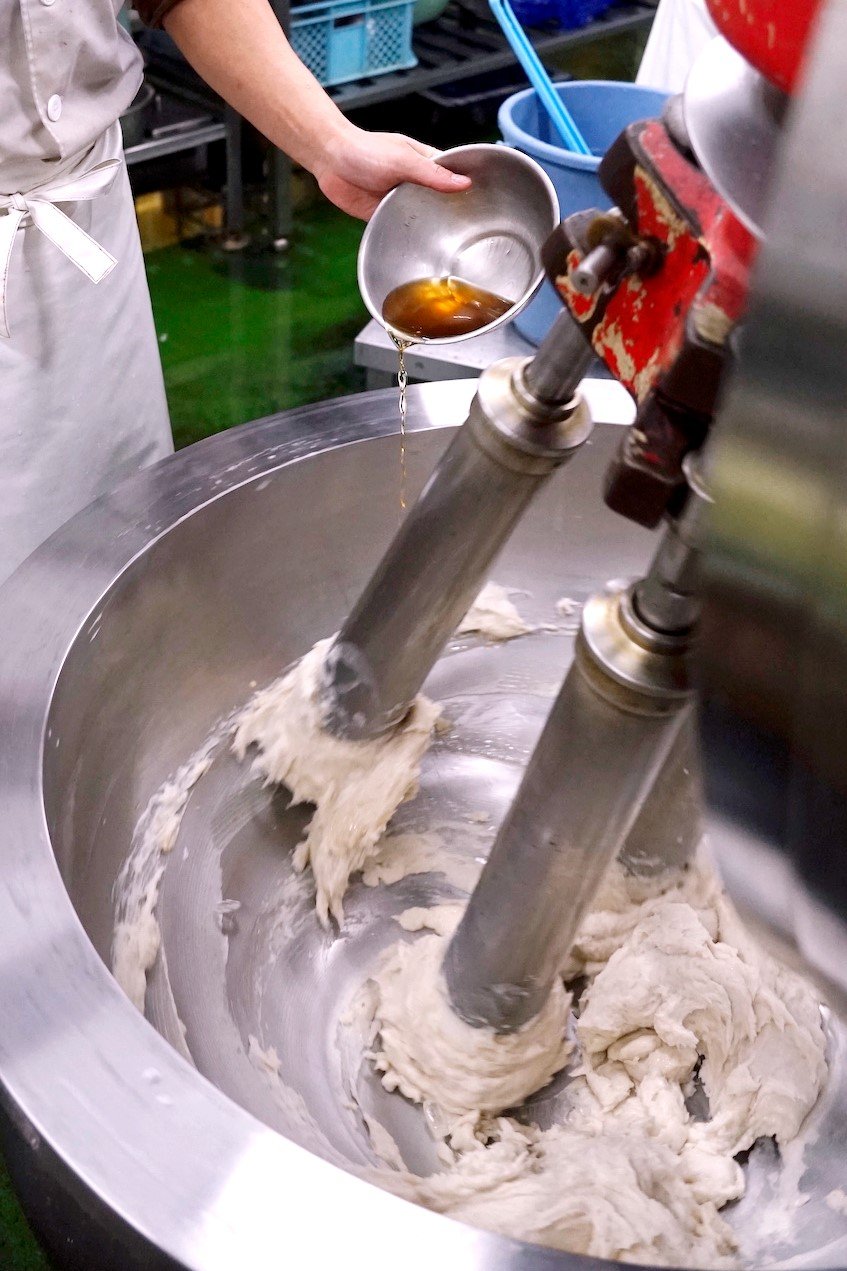
Kurozake is added to fish paste. (© Ukita Yasuyuki)
-
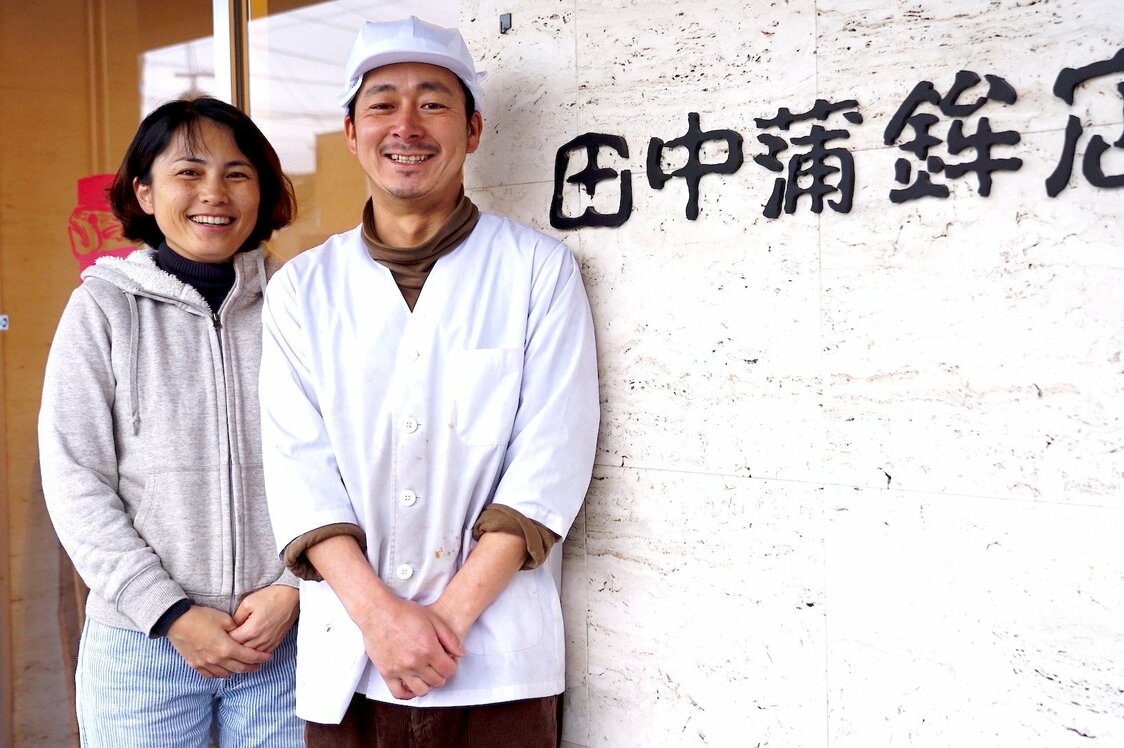
Husband and wife duo Tanaka Kenta (right) and Naoko run Tanaka Kamaboko, a manufacturer that has relied on kuroki as a key ingredient for generations. (© Ukita Yasuyuki)
-
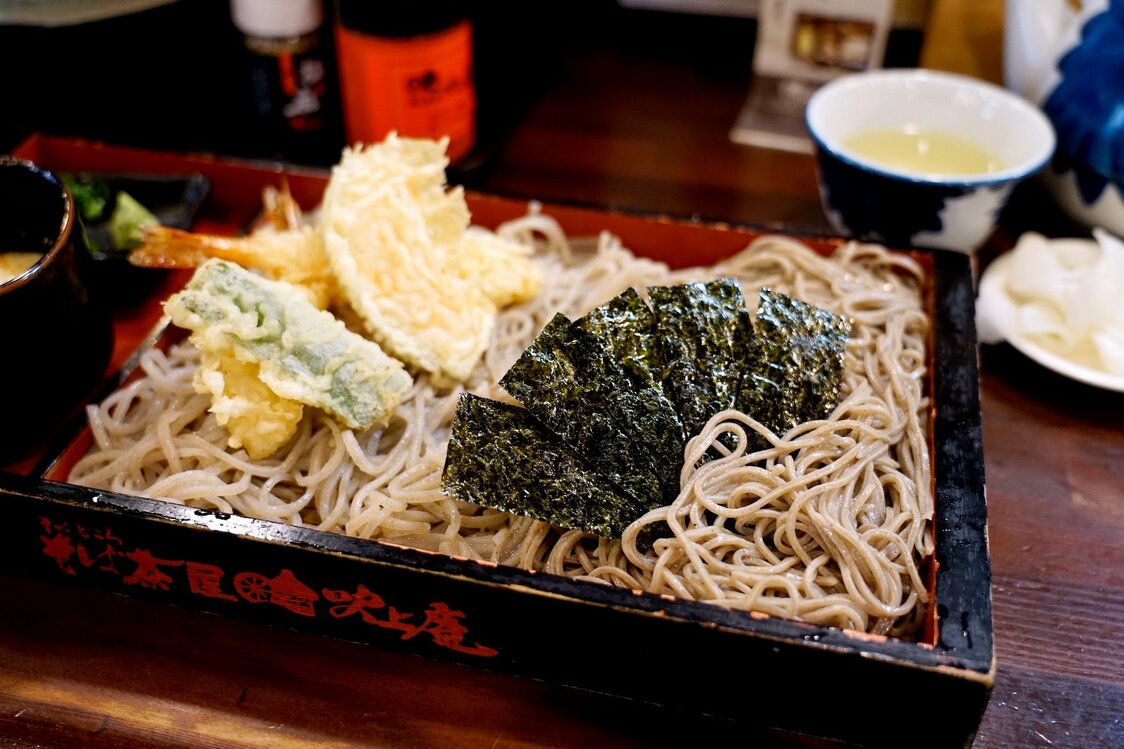
Soba shop Fukiage-an in Kagoshima adds Kurozake to water for chilling boiled noodles to help lock in flavor. (© Ukita Yasuyuki)
-

Smoke rises from the volcano Sakurajima, which watches over Higashi Shuzō. (© Ukita Yasuyuki)


 Read in other languages