-
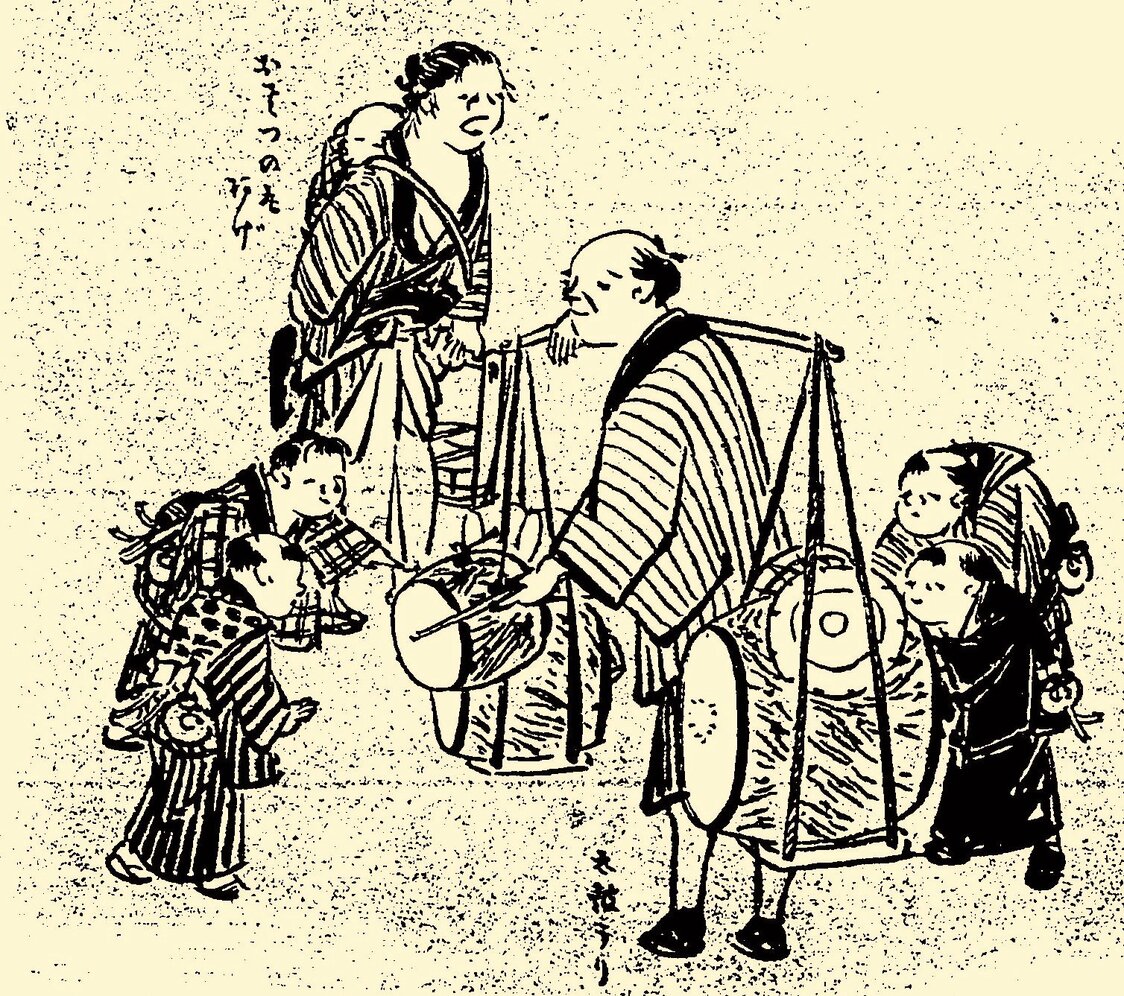
Hatsu-uma was an exciting event for children. Here curious youths eagerly watch a drum seller showing off his wares, as depicted in Kikuchi Kiichirō’s work Edofunai ehon fūzoku ōrai (Picture Book of Edo Customs and Manners). (Courtesy National Diet Library)
-
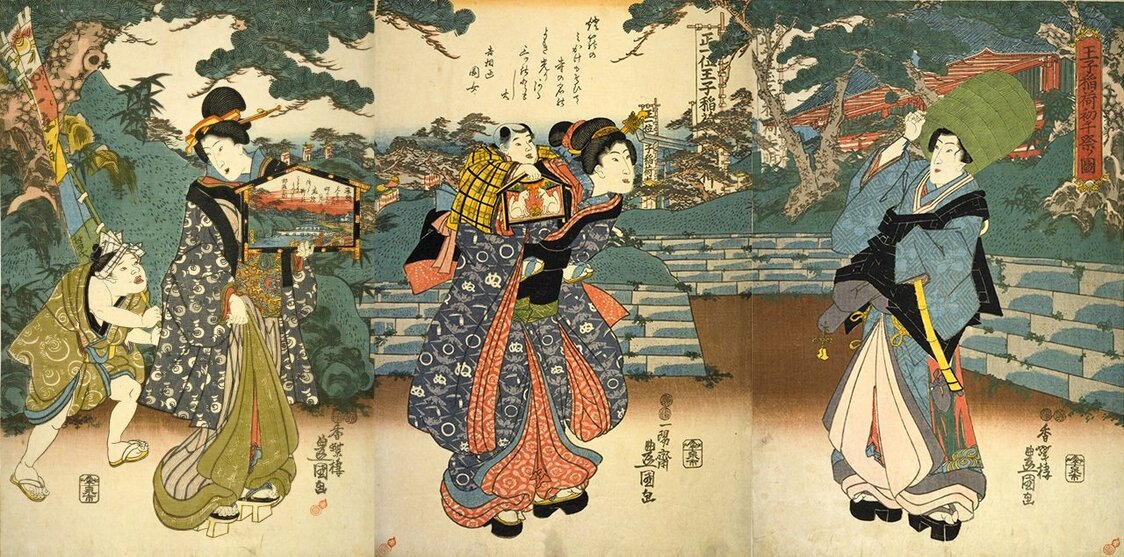
Mothers and children—including one carrying a nobori banner—in Kunisada’s Ōji Inari hatsu-uma matsuri no zu, (Hatsu-uma at Ōji Inari Shrine). (Courtesy National Diet Library)
-
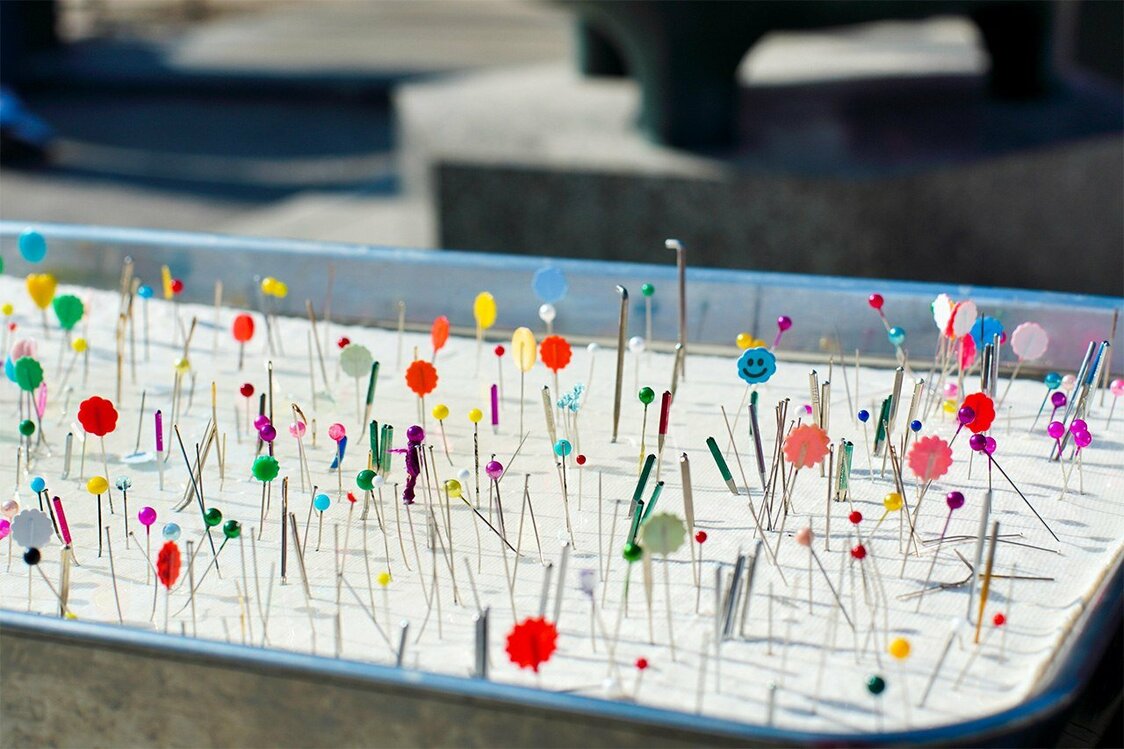
Bent and broken needles are put to rest in tōfu. In some services, gelatinous konnyaku stands in for bean curd. (© Pixta)
-
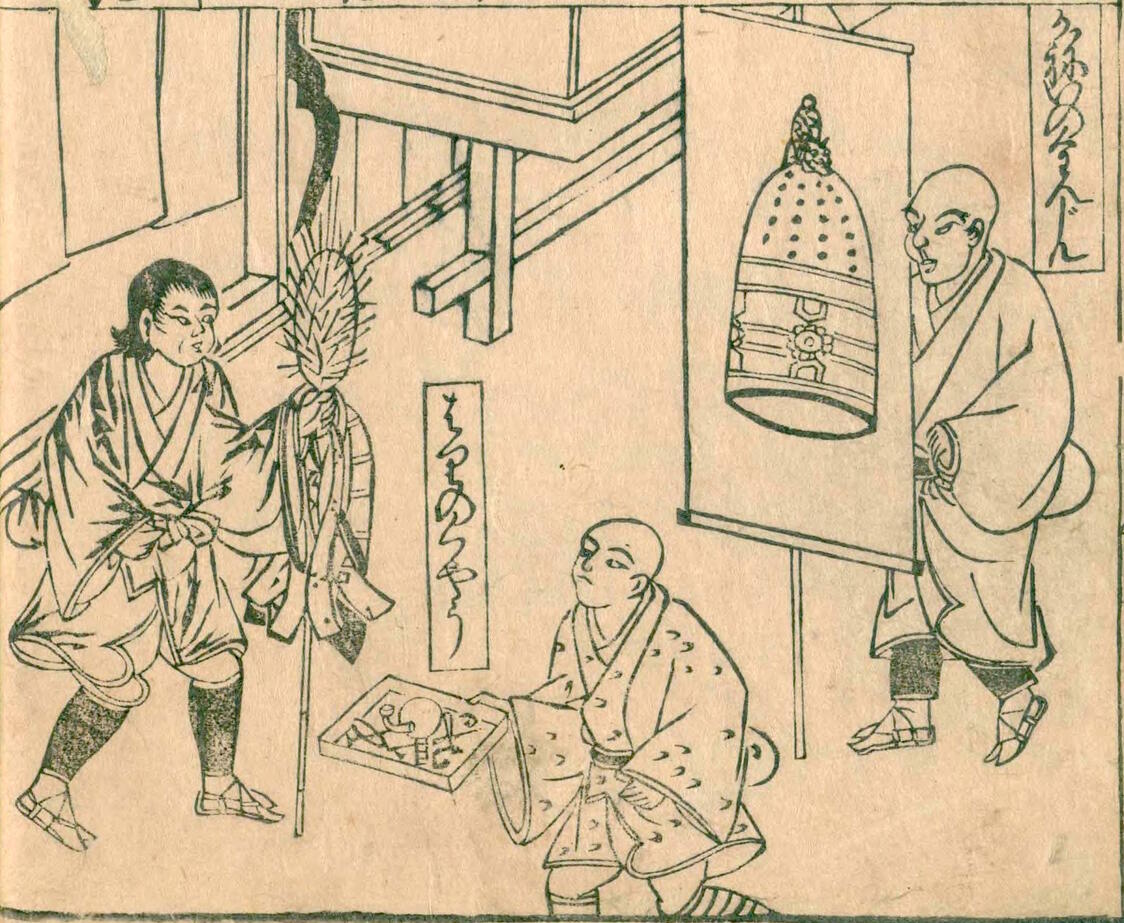
A man, presumably a needle maker or tailor, with a doll used for collecting old needles joins two priests conducting hari-kuyō services, as depicted in Jinrinkinmōzui. Young women were often pressured into paying for such memorial services. (Courtesy National Diet Library)
-
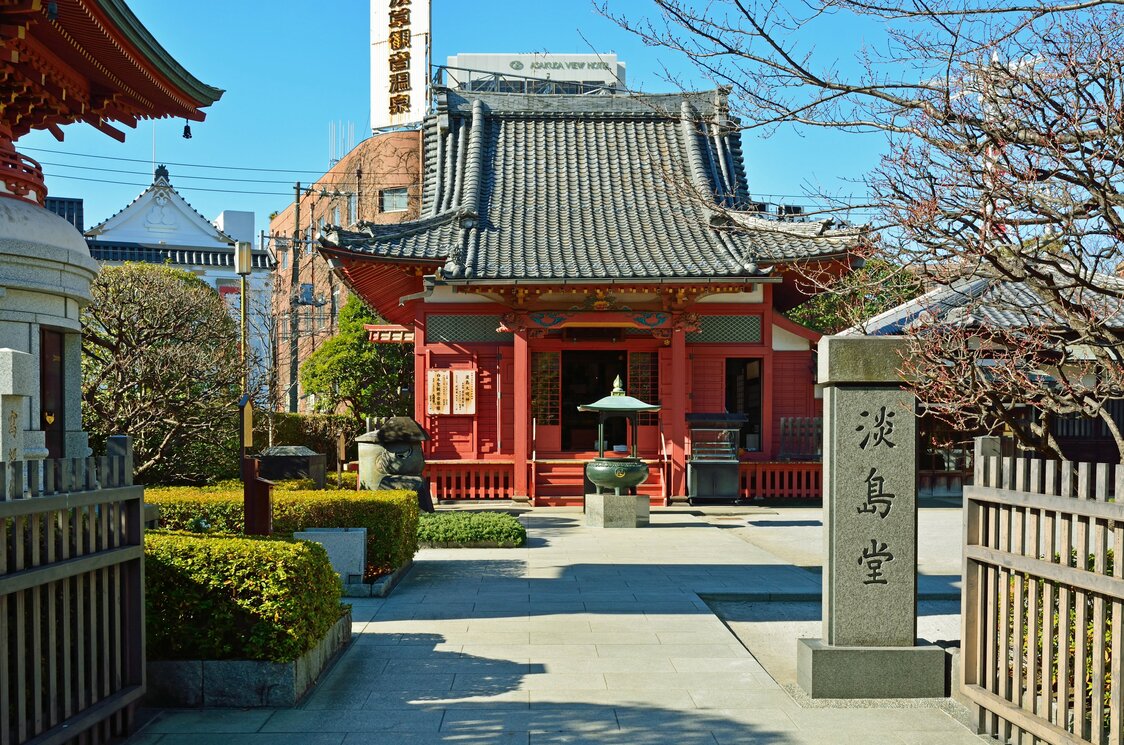
The Awashimadō at Sensōji. (© Pixta)
-
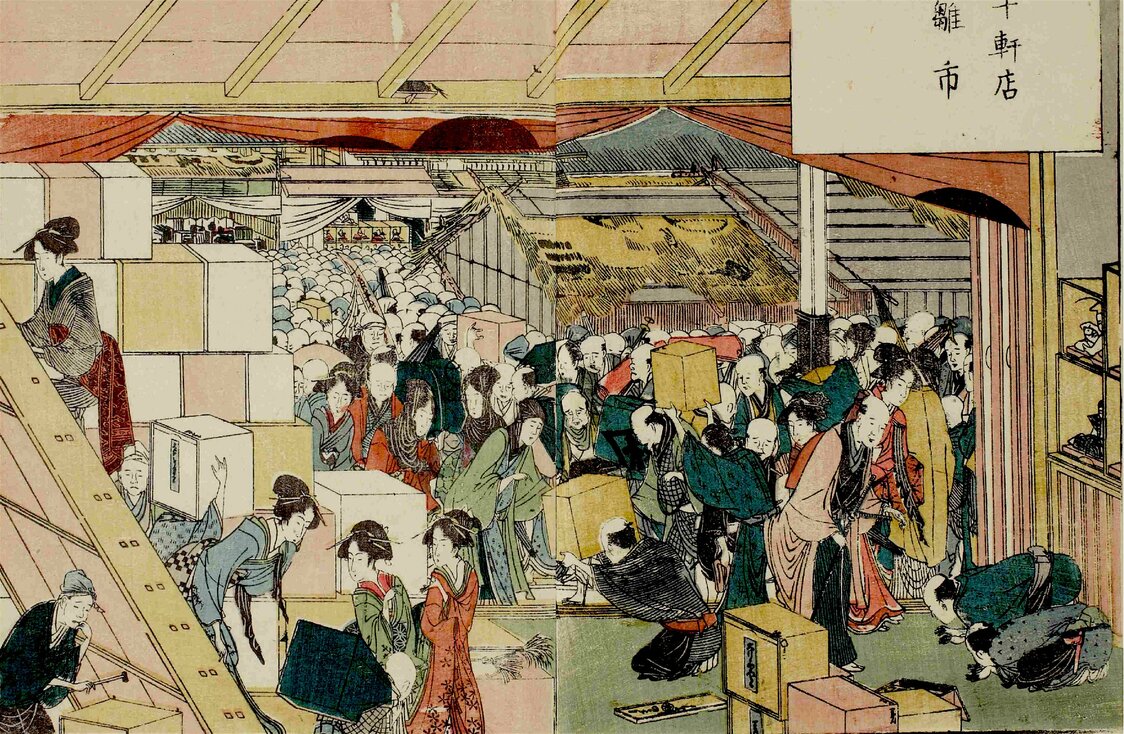
Customers peruse boxes of hina dolls at the Jikkendana market, as depicted in Katsushika Hokusai’s Ehon azuma asobi (Picture Book of Edo Amusements). (Courtesy the Tokyo Metropolitan Central Library Special Collection Room)


 Read in other languages