-
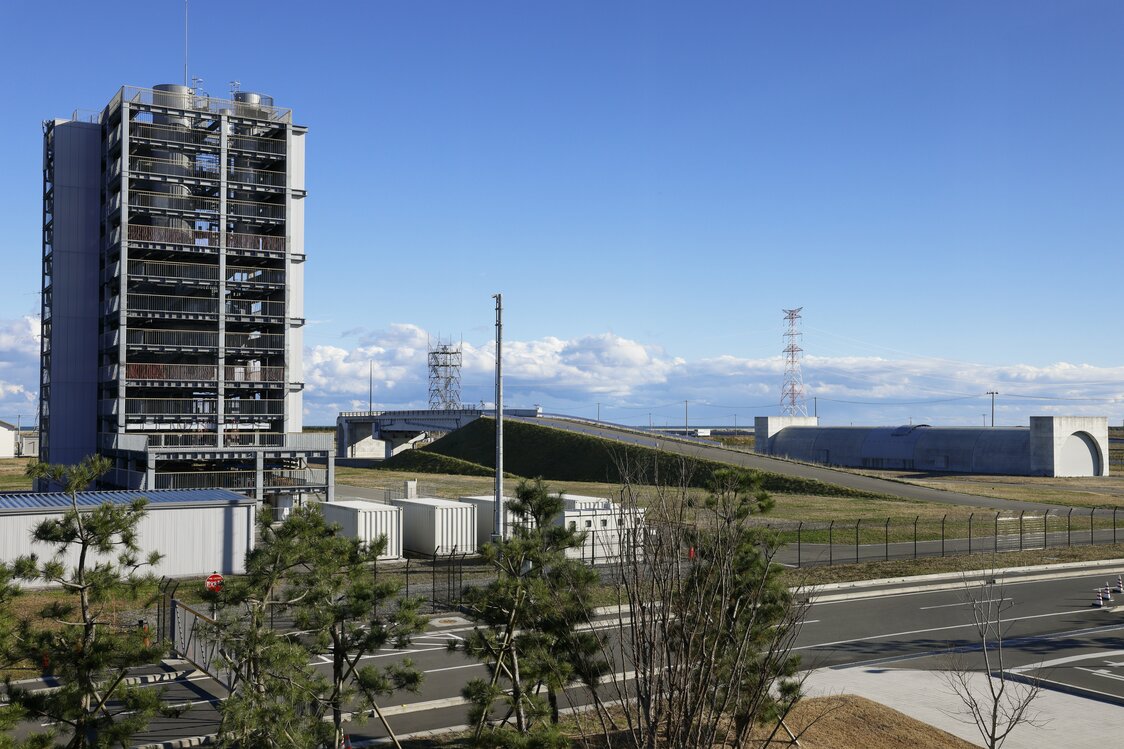
The stretch of coast where the Robot Test Field is located was devastated by tsunami in 2011. This photograph shows the infrastructure inspection and disaster response zone. (© Yamada Shinji)
-
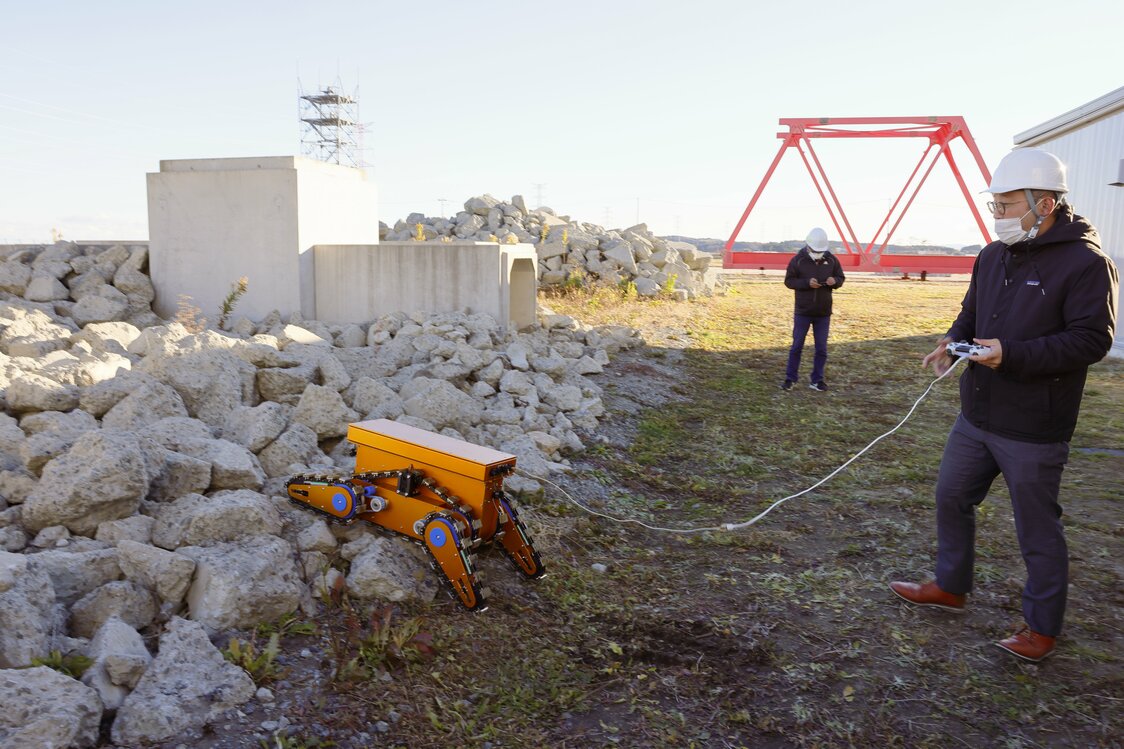
Testing a UGV on rubble. (© Yamada Shinji)
-
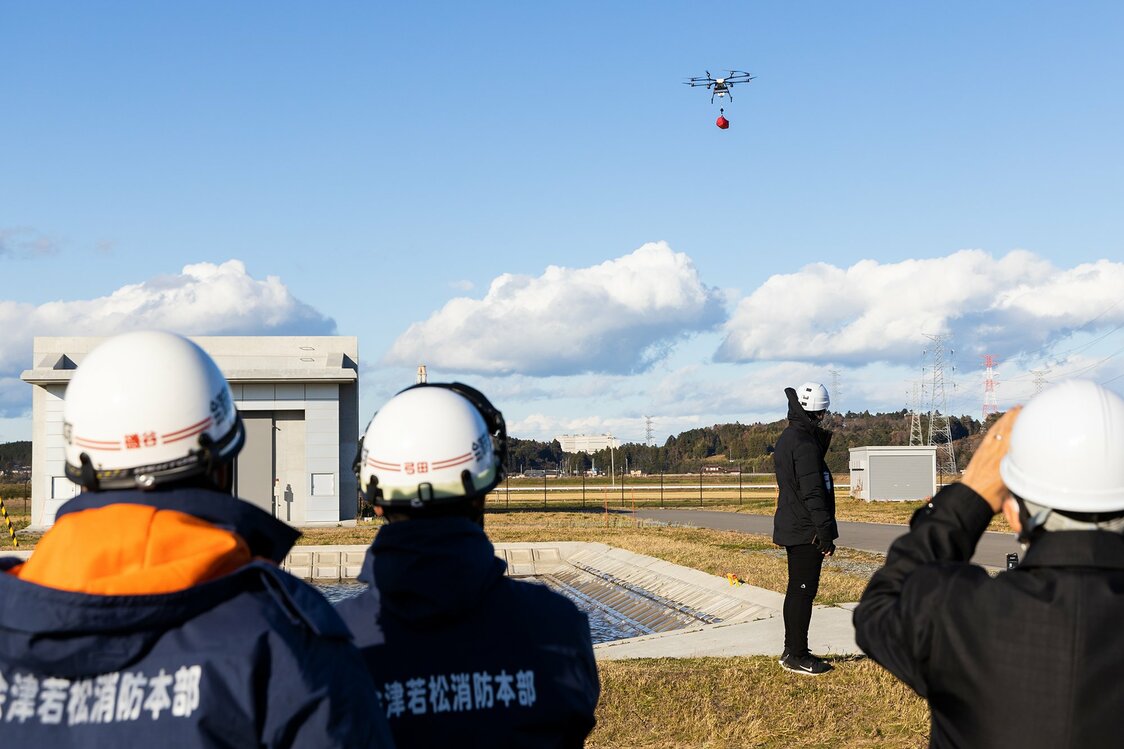
Hovering at low altitude to precisely lower its cargo, a drone transports aid to an isolated part of the flooded urban zone. (© Hashino Yukinori)
-
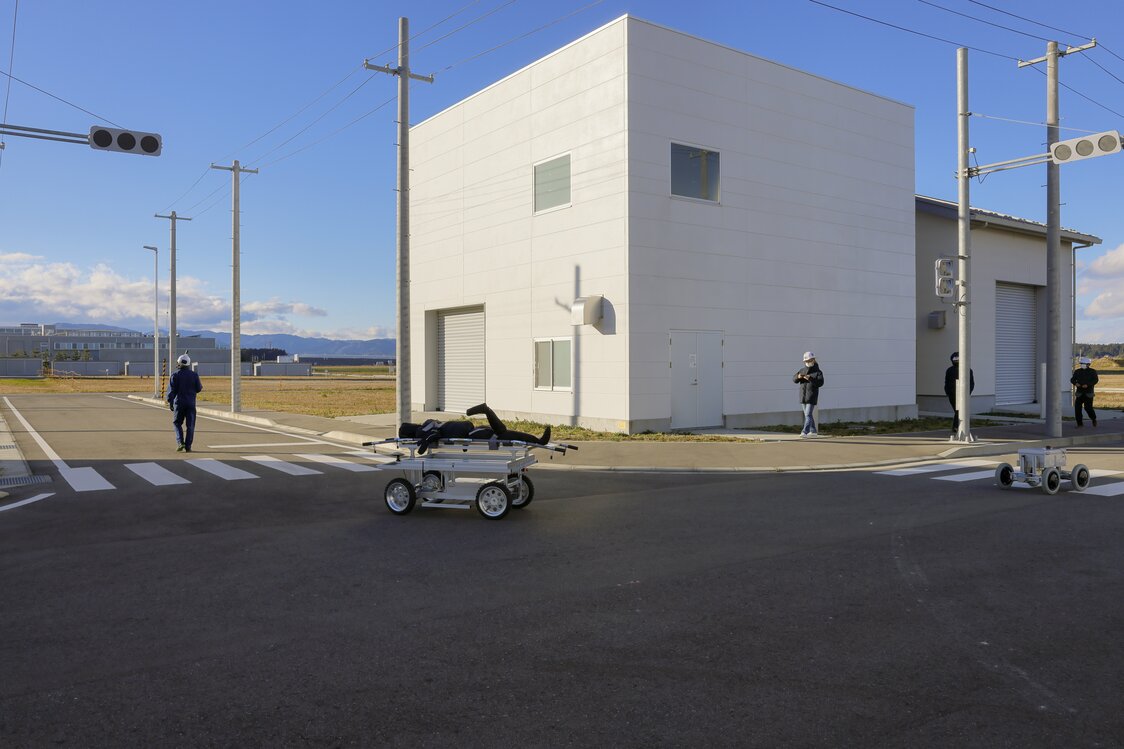
This stretcher robot automatically follows rescuers, saving manpower and enabling the use of smaller search teams. (© Yamada Shinji)
-
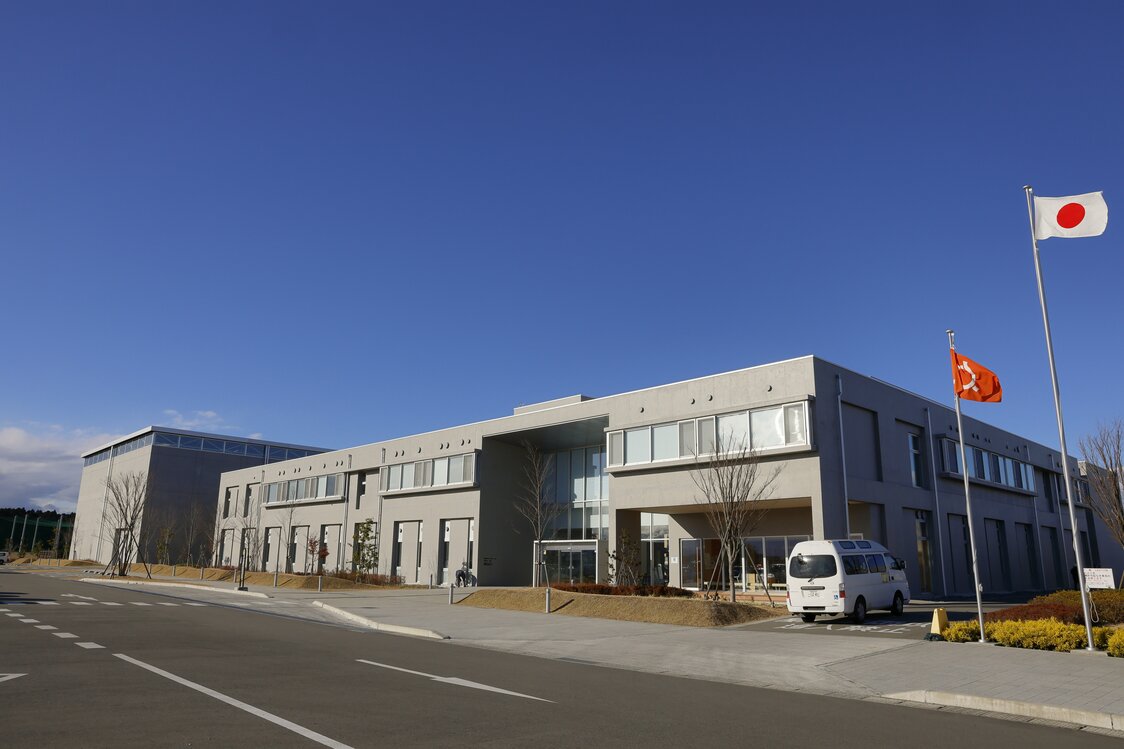
The Robot Test Field’s central research block contains a hall, meeting rooms, laboratories, and workshops. (© Yamada Shinji)
-

The indoor testing range in the development center area boasts an 11-meter high ceiling. (© Yamada Shinji)
-
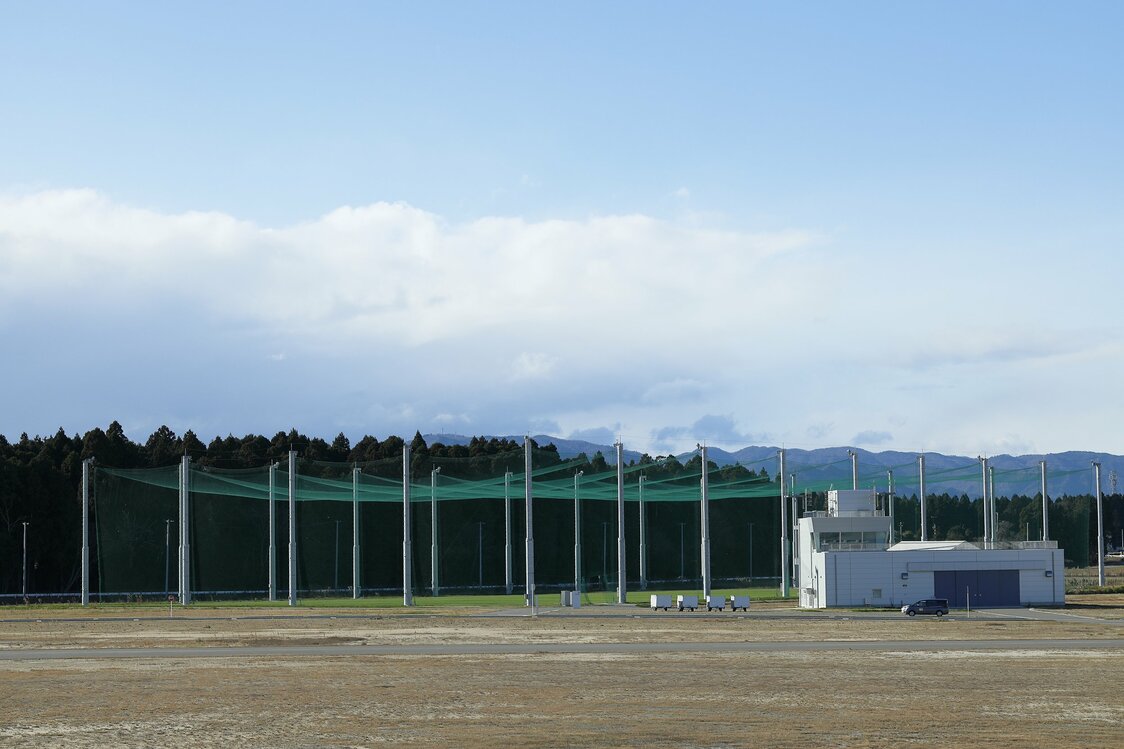
Beyond the runway is a netted testing range. Classified as an indoor space, it is not regulated under aviation law, allowing drones to be tested at any time without a permit. (© Yamada Shinji)
-
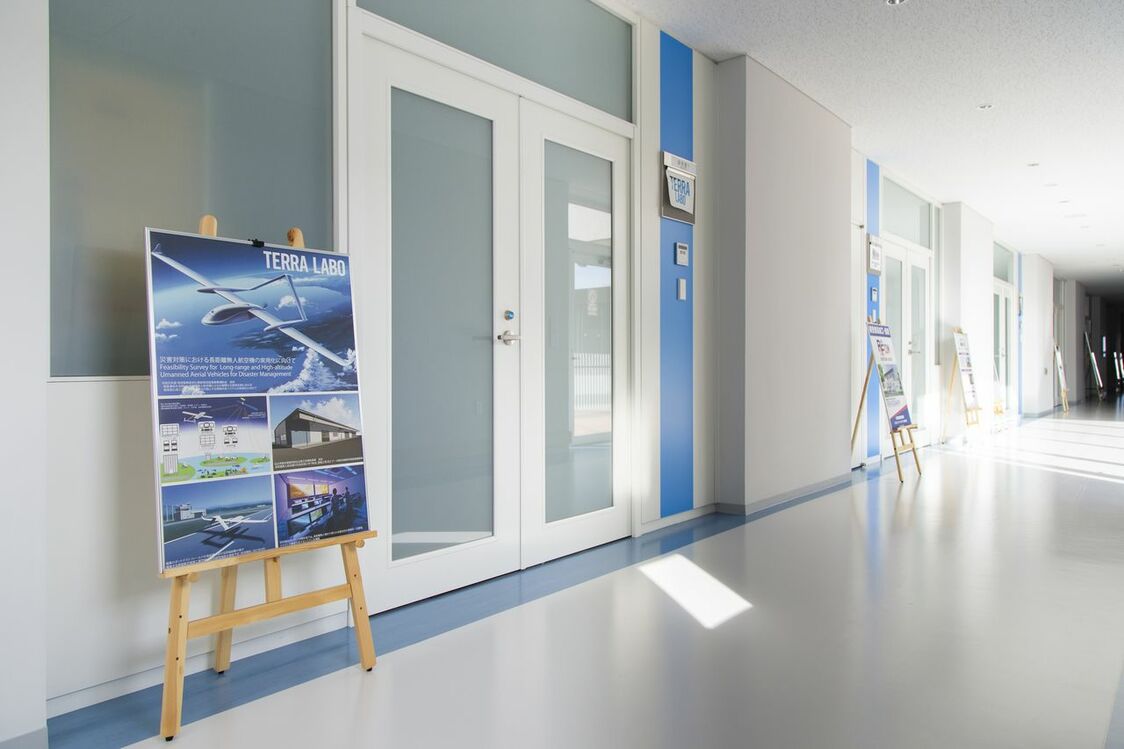
Laboratories are designed to aid engineers in actively sharing ideas. (© Hashino Yukinori)
-
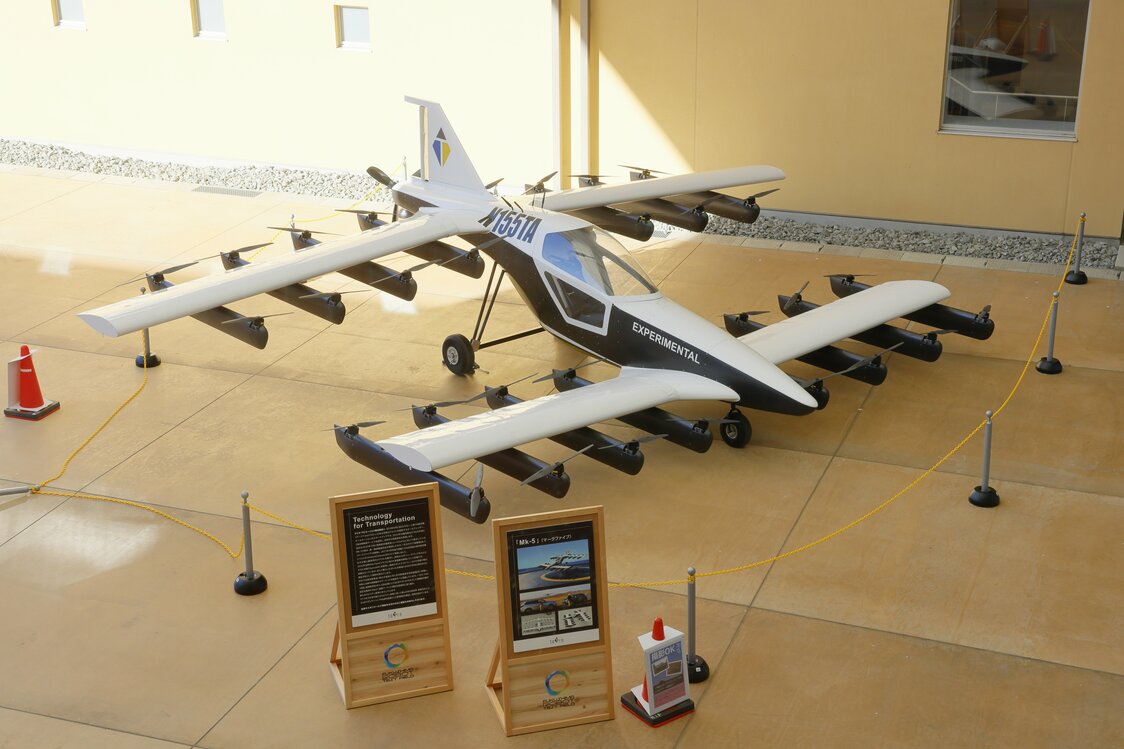
An eVTOL (electric vertical takeoff and landing aircraft) manufactured by field tenant Tetra Aviation. (© Yamada Shinji)
-

Kanaoka with a version of the JINKI Type Zero robot. (© Man-Machine Synergy Effectors)
-
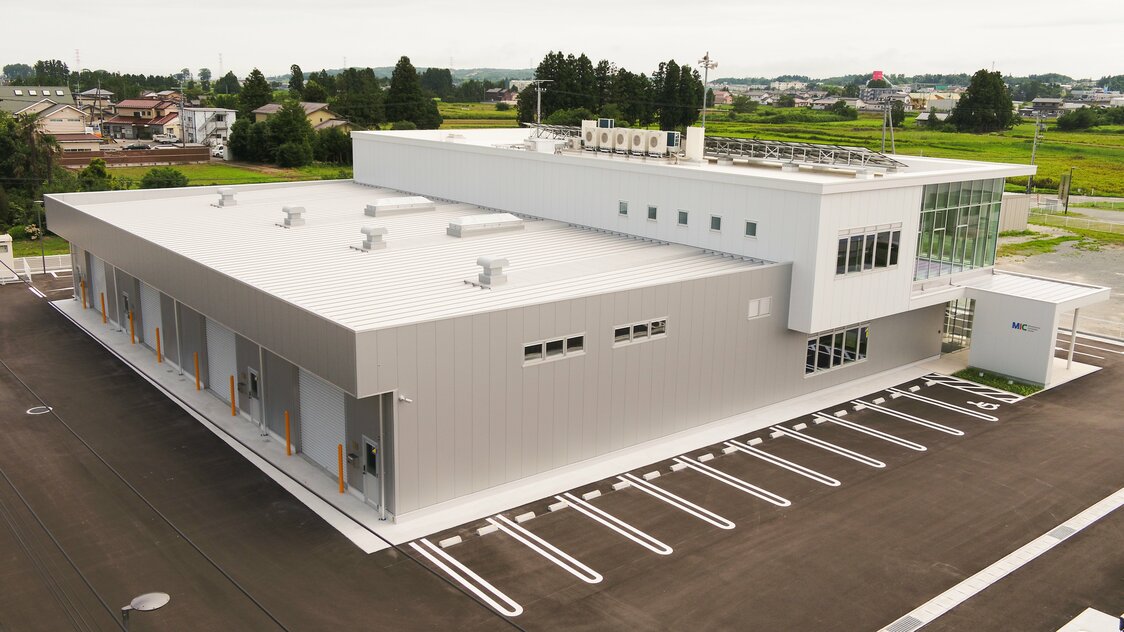
The company’s Fukushima base operates out of the Minamisōma Incubation Center. (© Man-Machine Synergy Effectors)
-
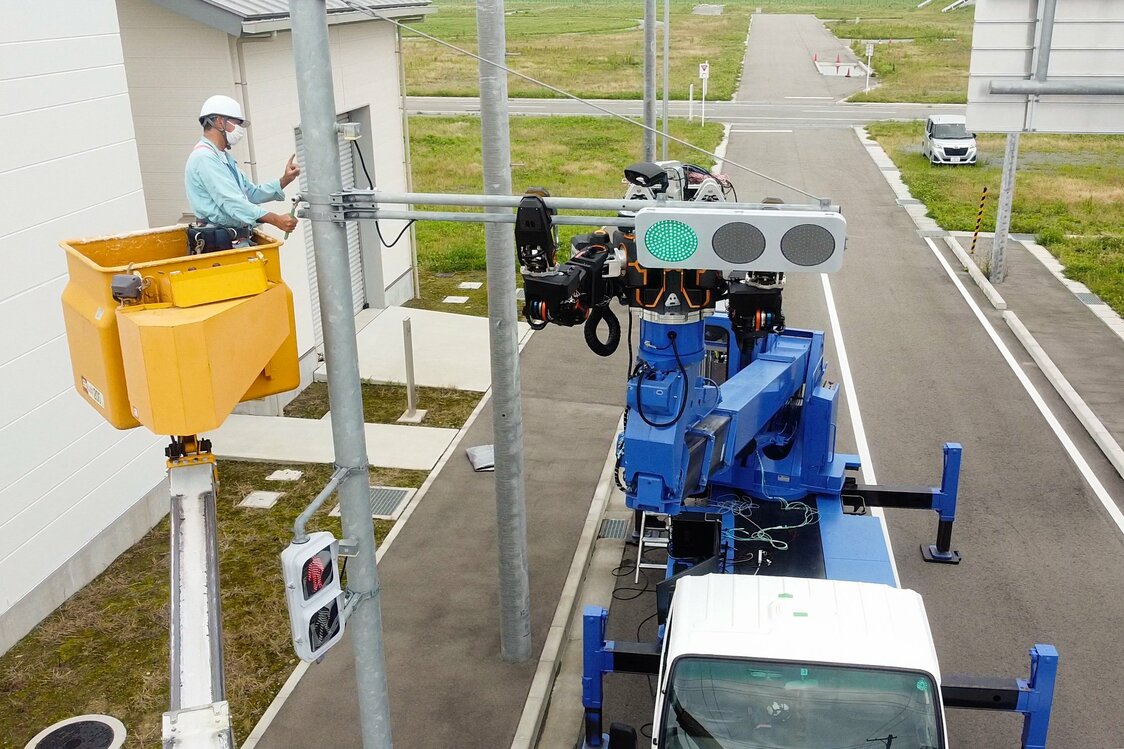
The JINKI type Zero installs traffic lights at the Robot Test Field. (© Man-Machine Synergy Effectors)
-
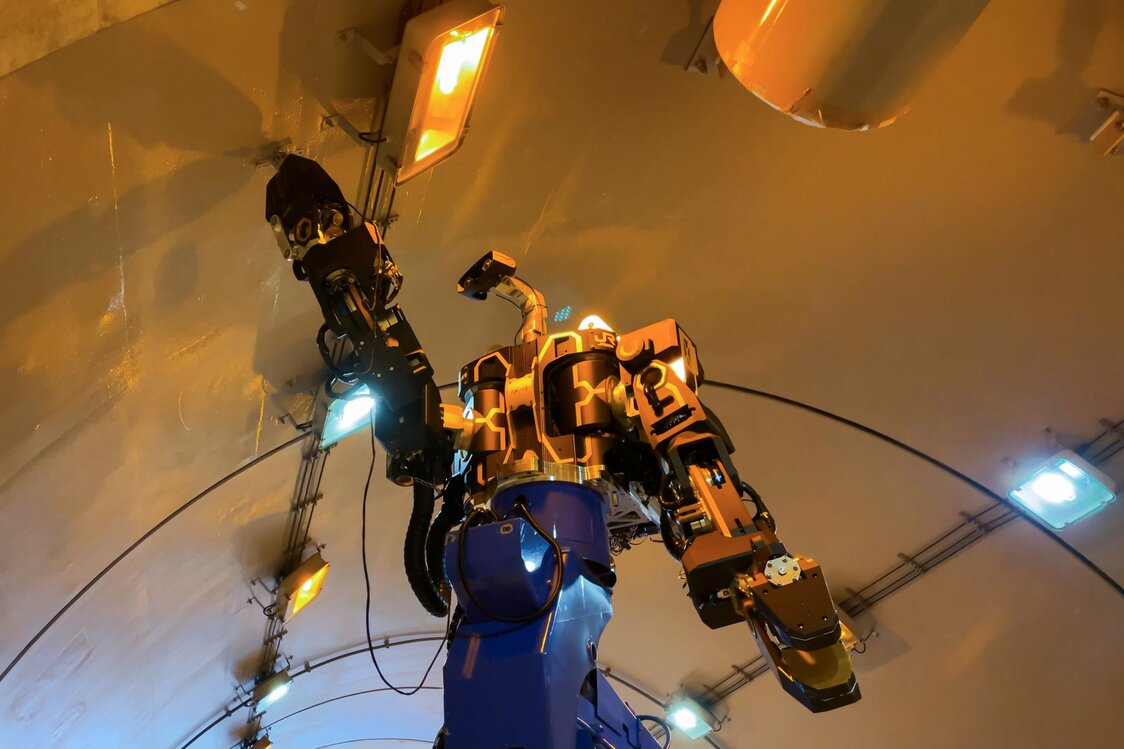
A robot performs tap testing to check the integrity of a tunnel. (© Man-Machine Synergy Effectors)
-
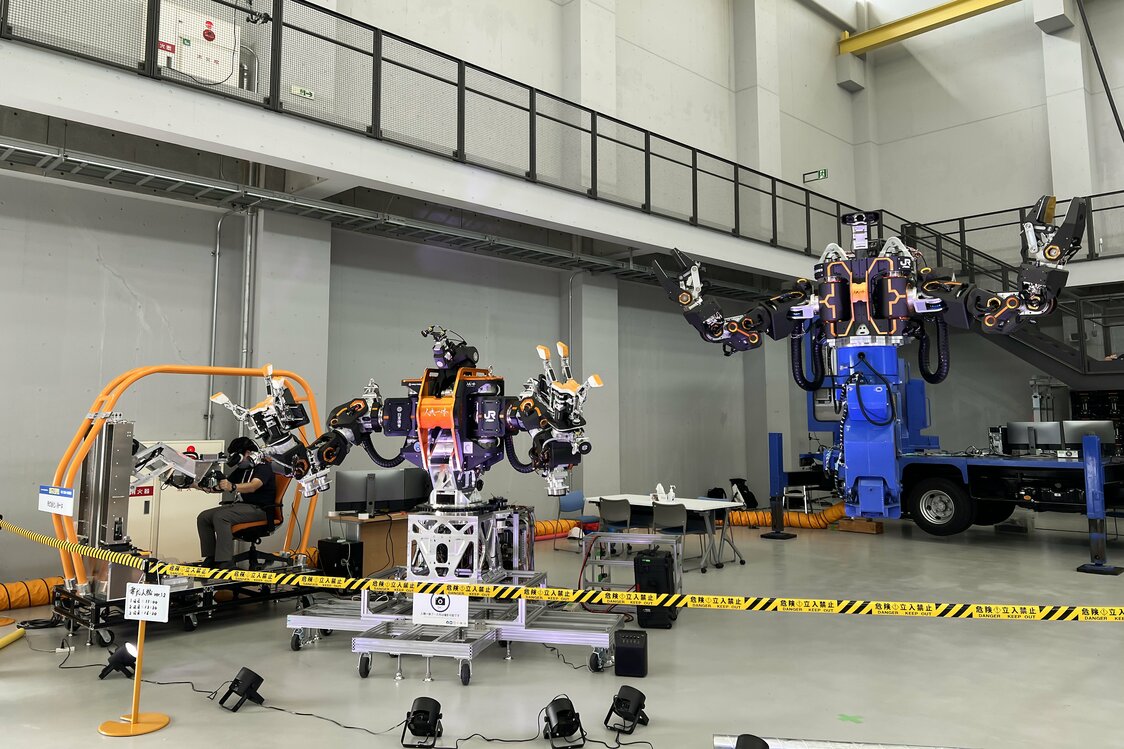
Two versions of JINKI on display at RoboTest Expo 2022. (© Man-Machine Synergy Effectors)


 Read in other languages