-
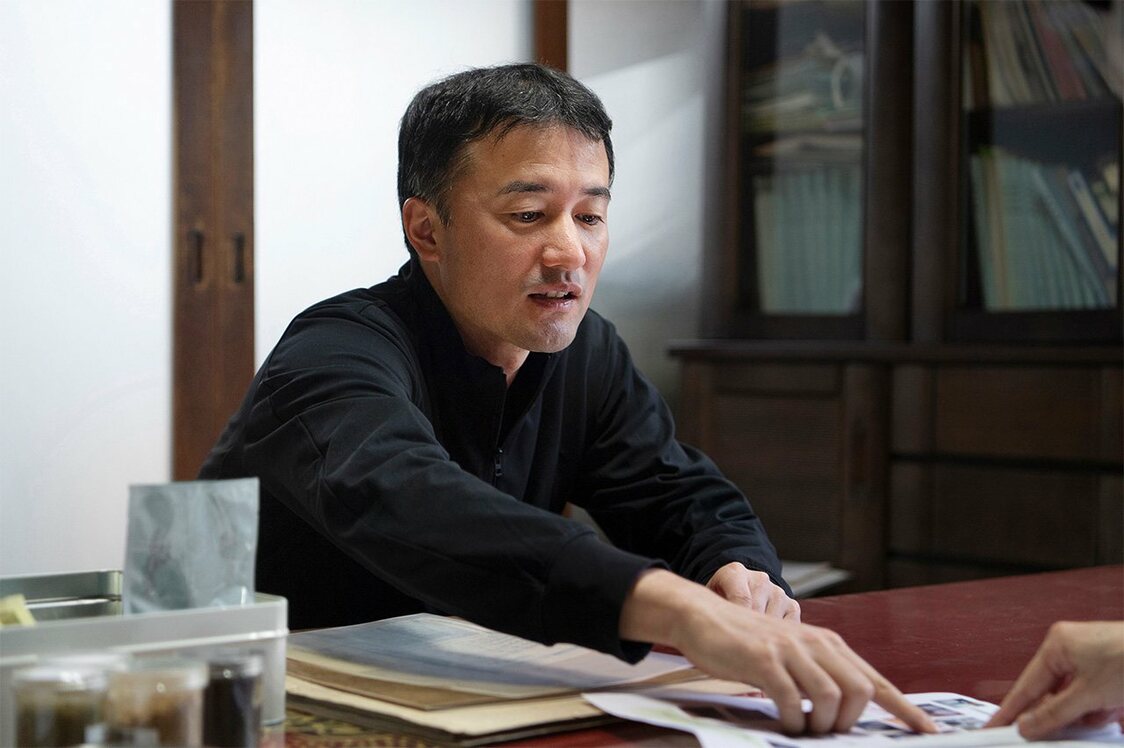
Sukeno Akihiko, president of Hishiroku, explains the history of seed kōji makers. (© Kuroiwa Masakazu of 96-Box)
-
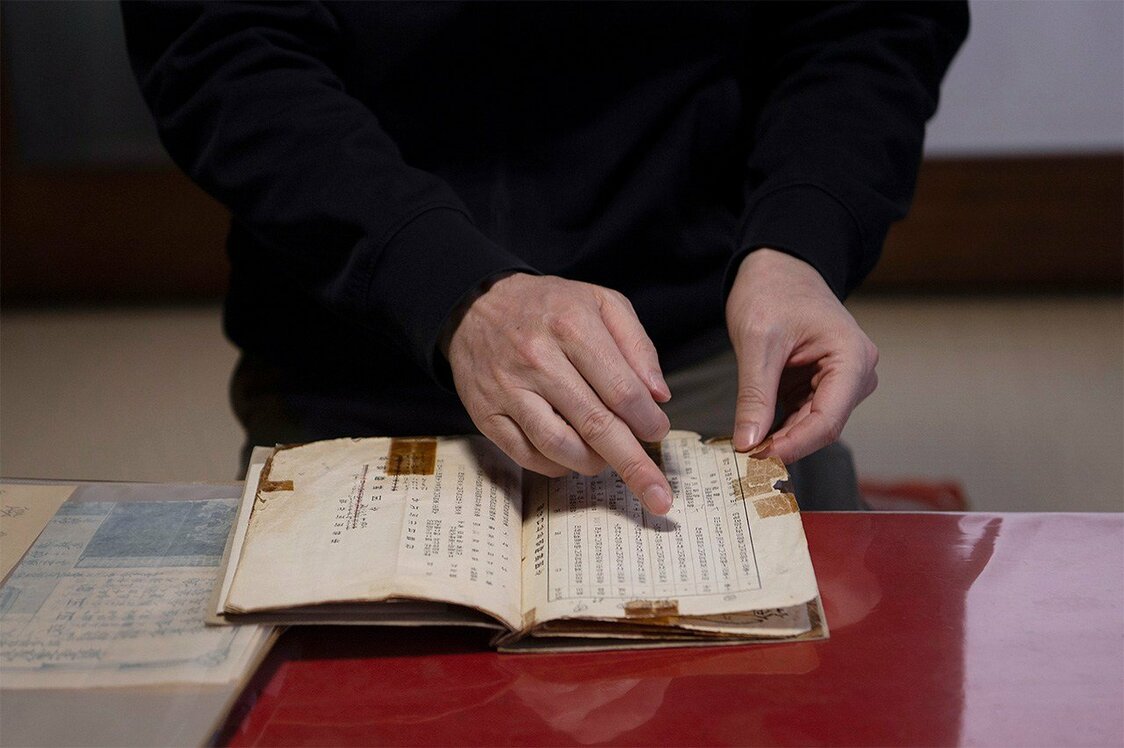
Sukeno carefully thumbs through the old list of makers in a document of the forerunner to today’s National Seed Kōji Association. (© Kuroiwa Masakazu of 96-Box)
-
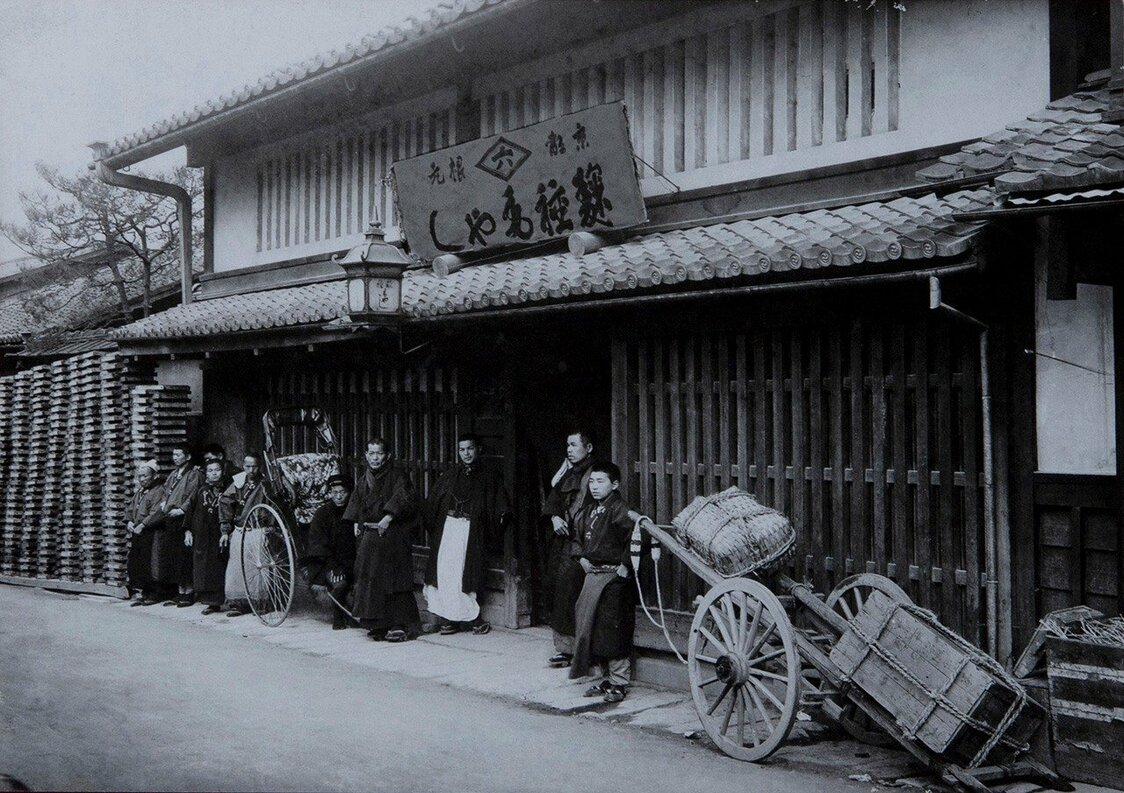
Photo of the Hishiroku store, most-likely taken either in the Meiji (1868–1912) or Taishō (1912–26) era. The signboard (written right to left) bears the logo for Hishiroku, the description kōji-moyashi, and the word for “origin,” perhaps a reference to the role of kōji as the root of Japanese food culture. (Courtesy Sukeno Akihiko)
-
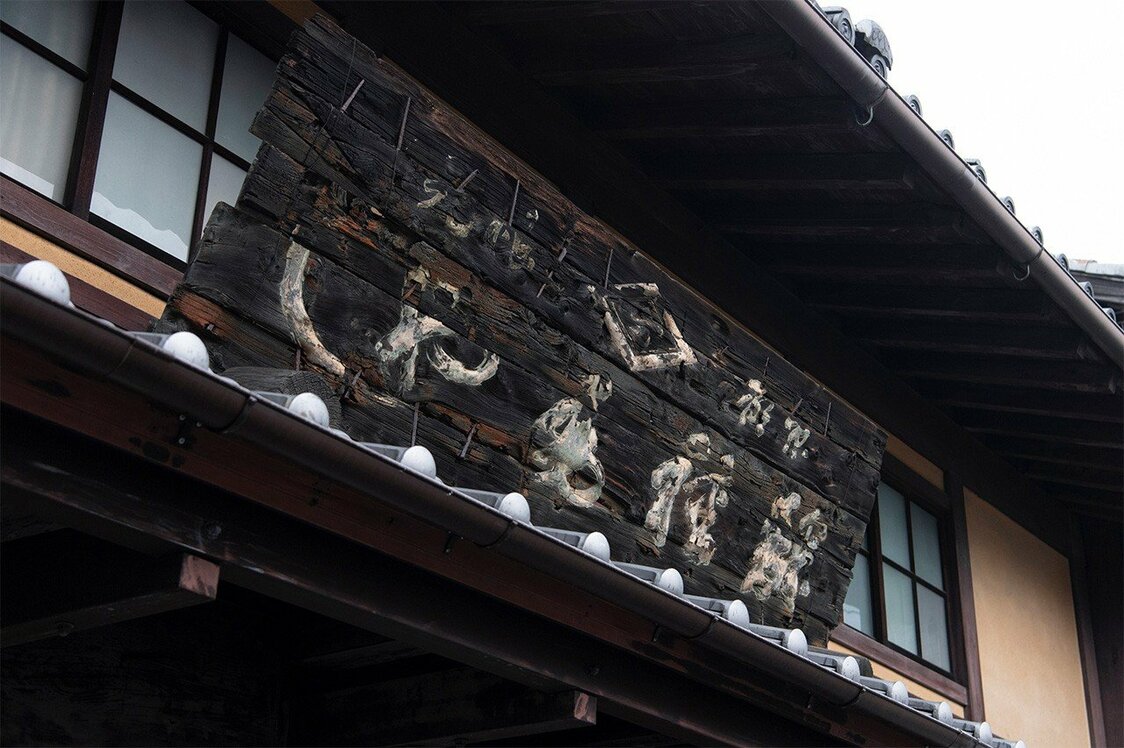
The shop still displays the old signboard, clearly showing the signs of 100 years of weathering. (© Kuroiwa Masakazu of 96-Box)
-
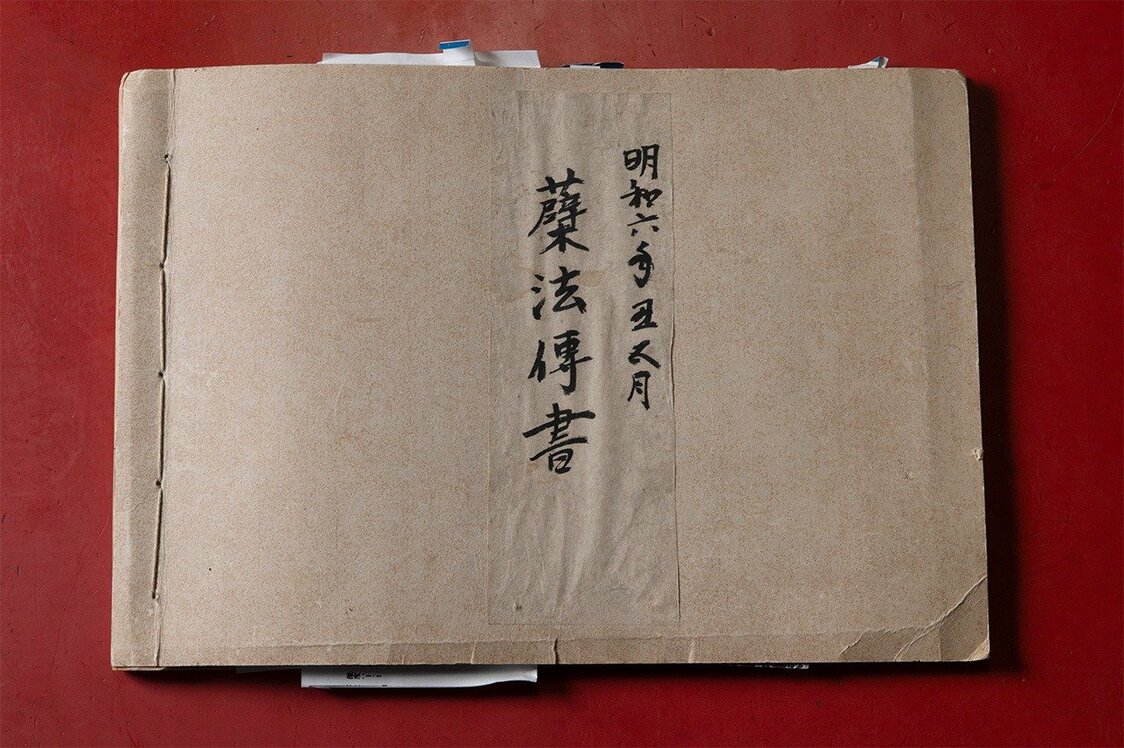
The copy of the document from 1769 in Sukeno’s safekeeping. (© Kuroiwa Masakazu of 96-Box)
-
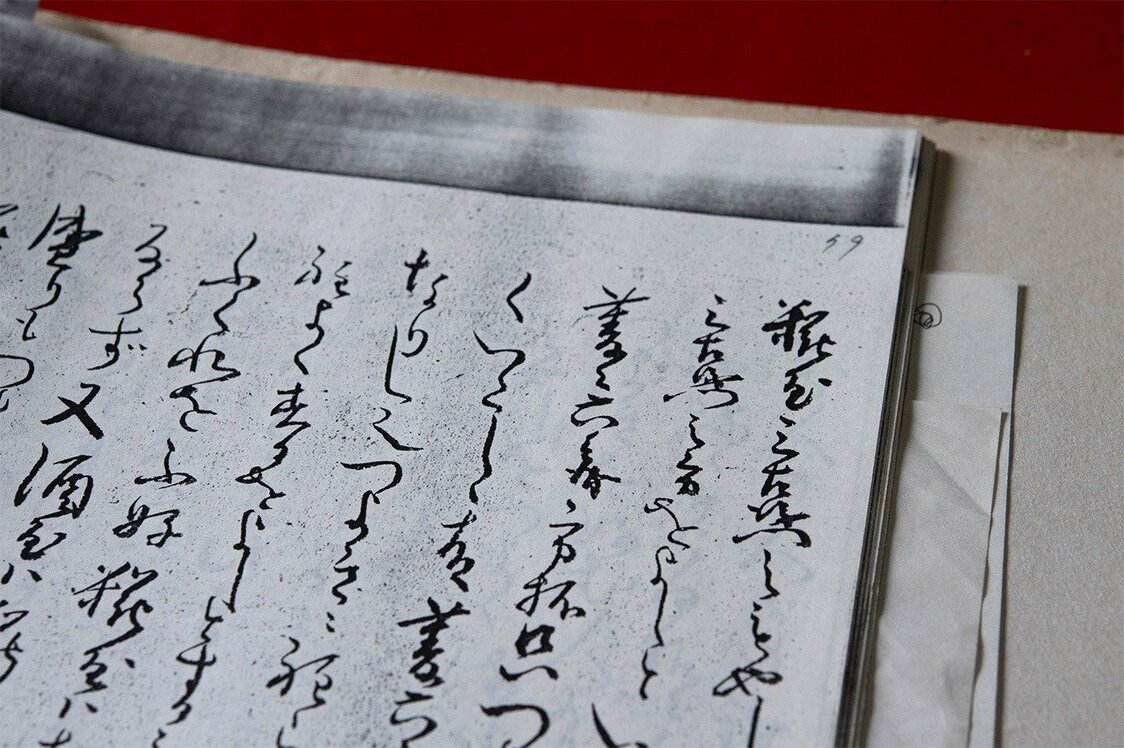
The name “Hishiroku” is legible on the third line. (© Kuroiwa Masakazu of 96-Box)
-
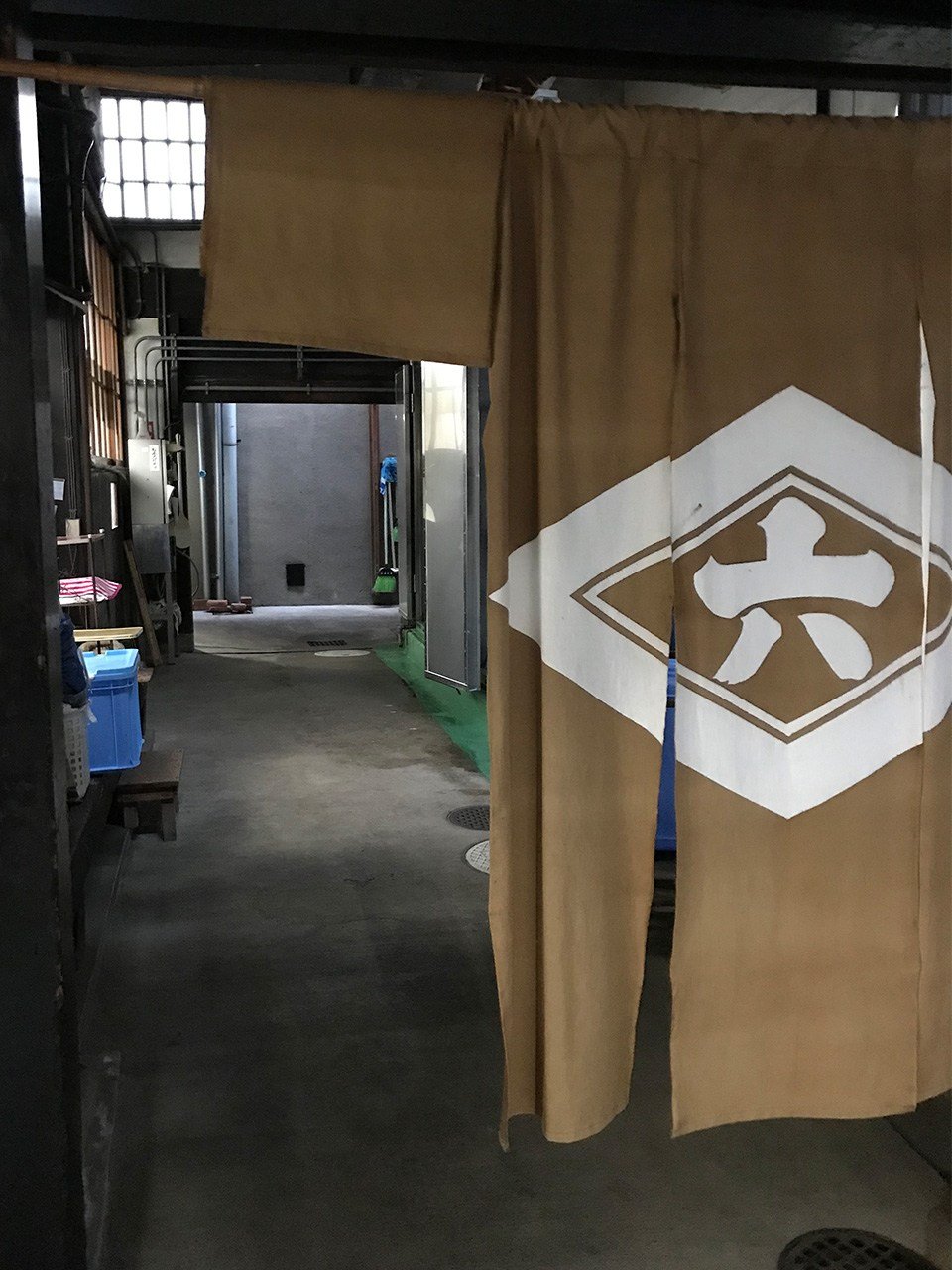
The area beyond the curtain is the kōji-muro, the room where the kōji is produced. (Courtesy Sukeno Akihiko)
-
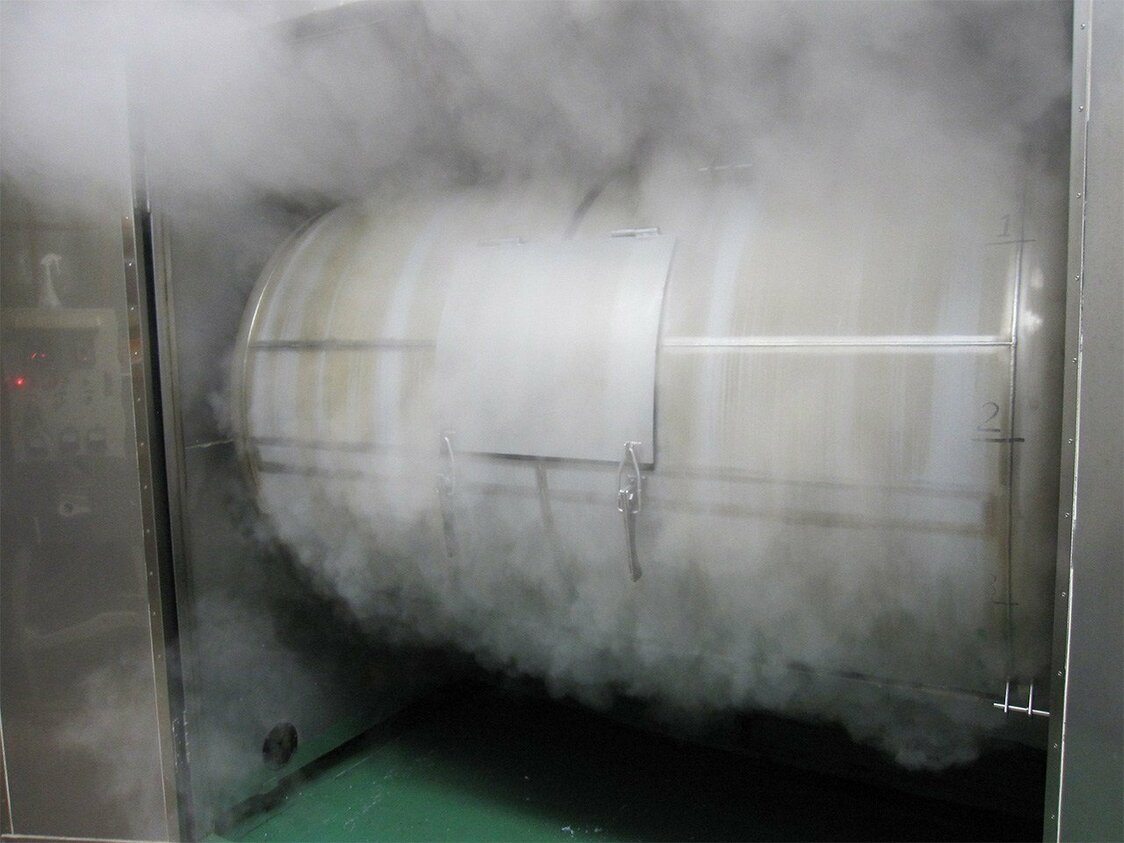
Rice is cooked in a large drum-shaped steamer in preparation for the addition of the mold. (Courtesy Sukeno Akihiko)
-

Kōji mold is cultivated in the kōji-muro, which is kept at a temperature of 30°C and 98% humidity. (© Kuroiwa Masakazu of 96-Box)
-
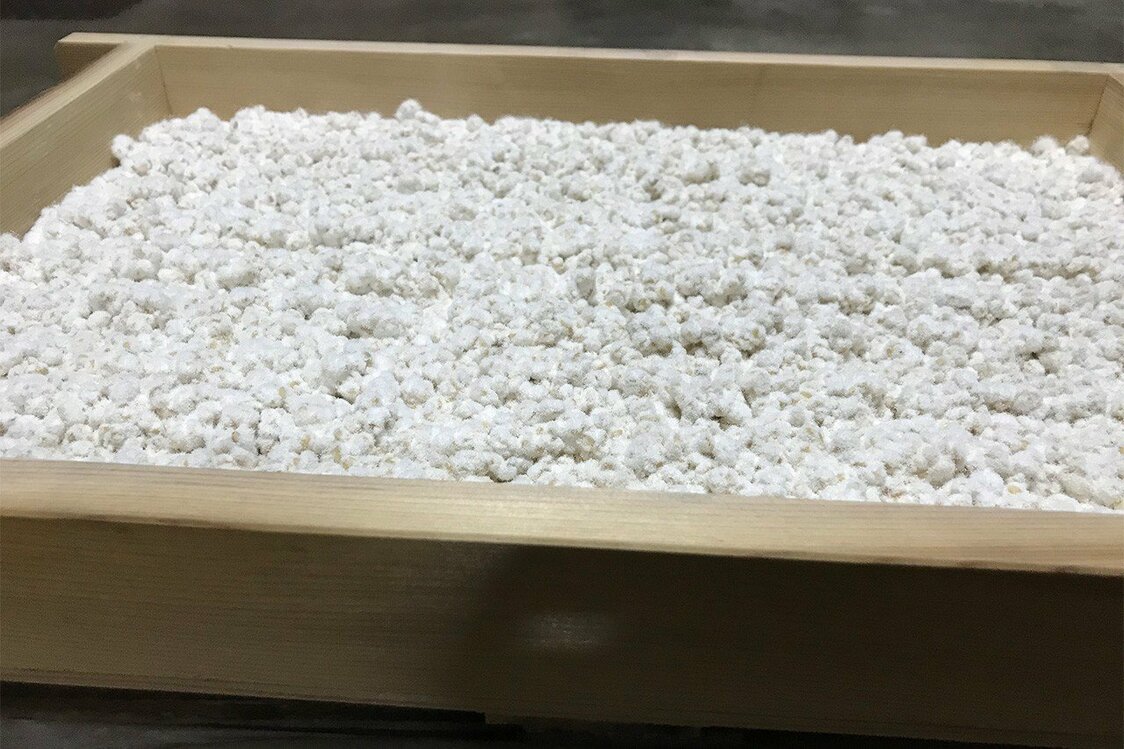
The finished seed kōji. Dense growth of kōji mold spores is visible on the rice. (Courtesy Sukeno Akihiko)
-
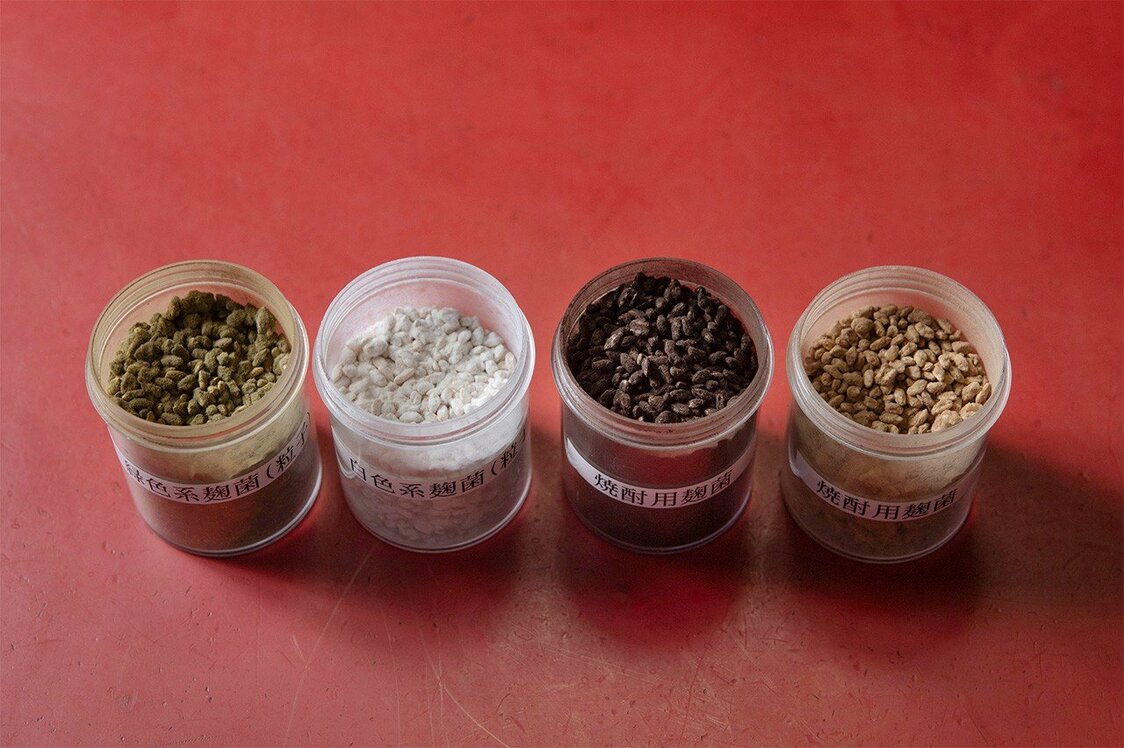
Seed kōji differs in color due to the different strains of mold used, chosen according to their intended application. (© Kuroiwa Masakazu of 96-Box)
-
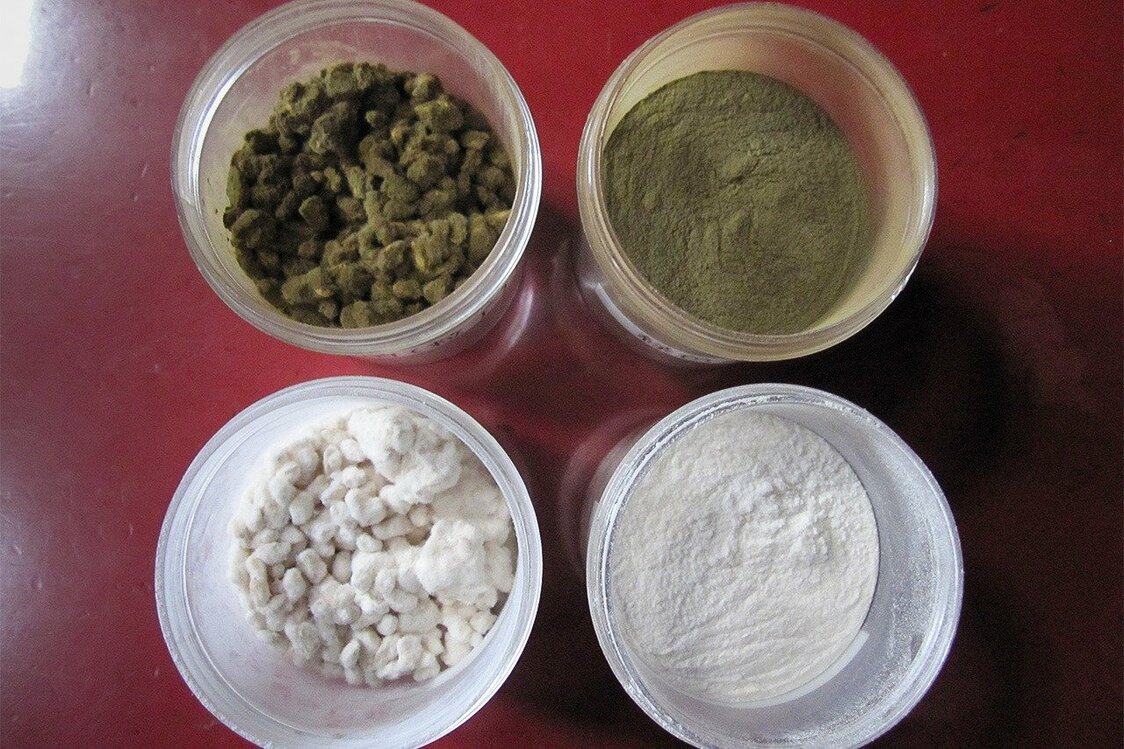
Green and white seed kōji in grain (left) and powder form. (Courtesy Sukeno Akihiko)
-
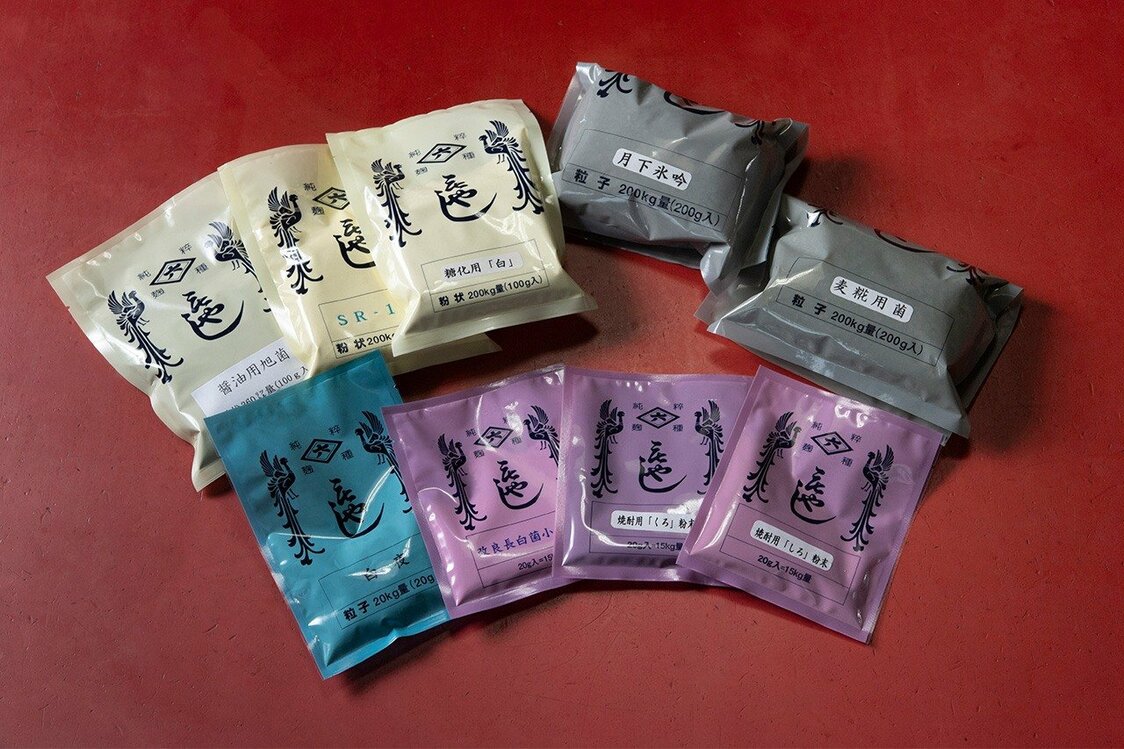
A selection of Hishiroku’s products. (© Kuroiwa Masakazu of 96-Box)
-
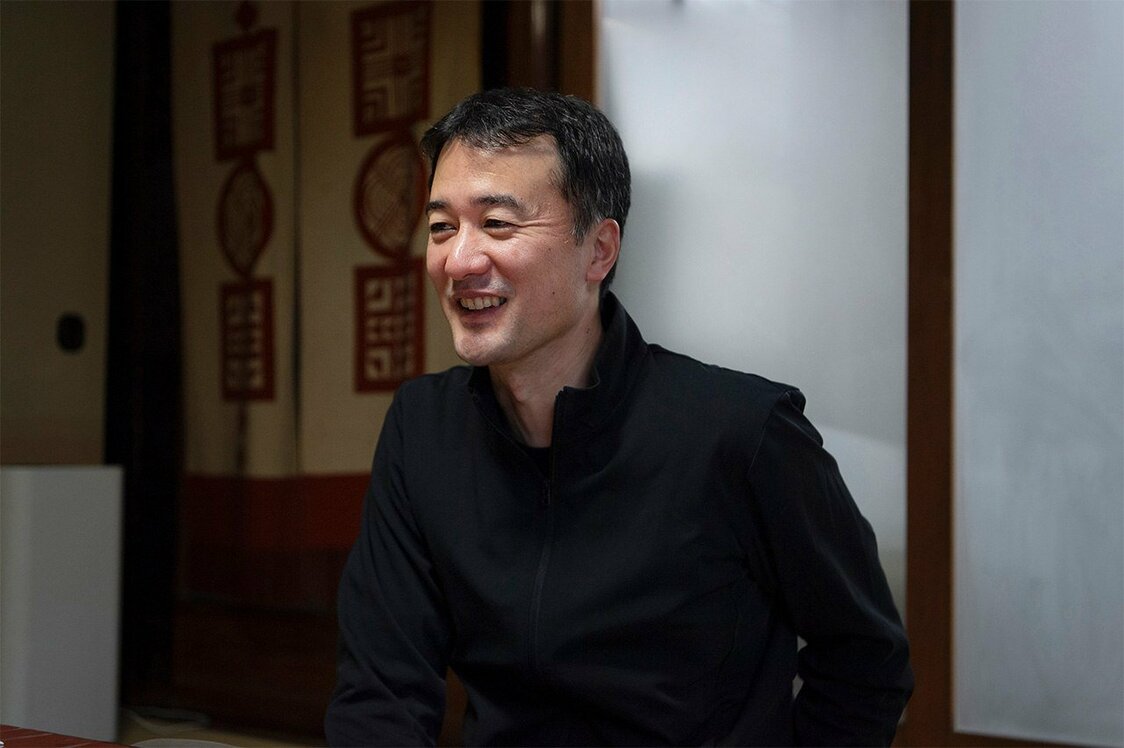
Sukeno believes efforts to raise awareness about kōji are paying off. (© Kuroiwa Masakazu of 96-Box)
-
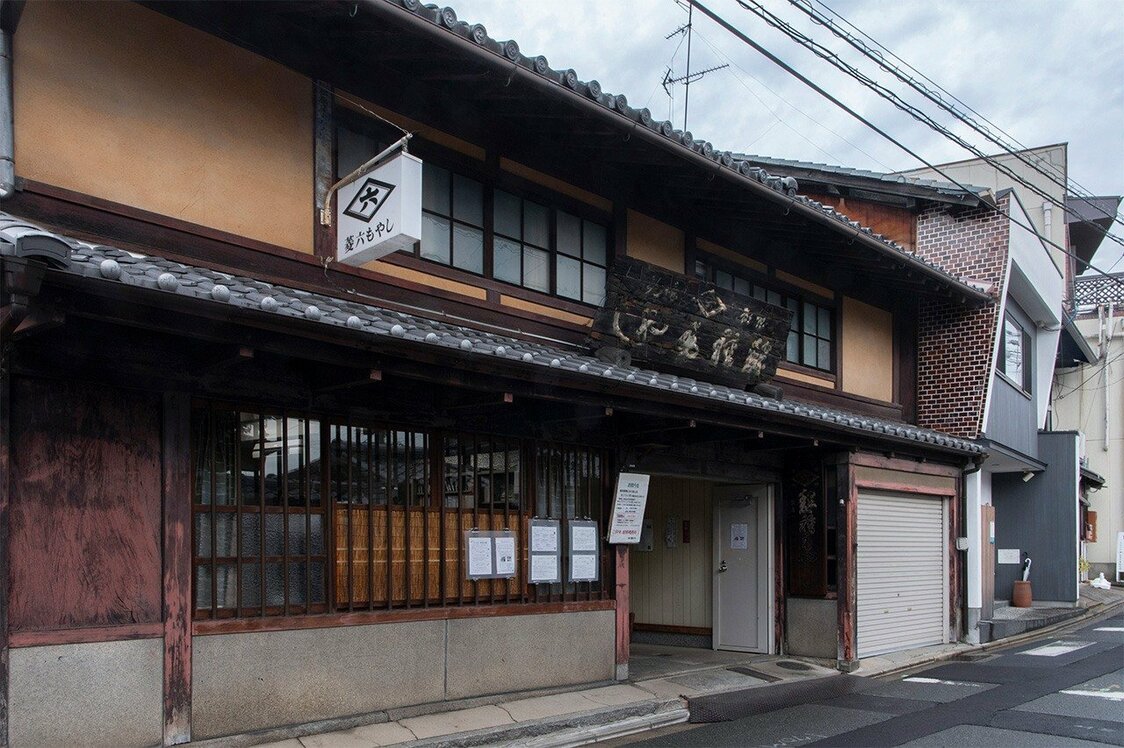
Some tourists have been attracted to the shop due to its charming exterior. (© Kuroiwa Masakazu of 96-Box)
-
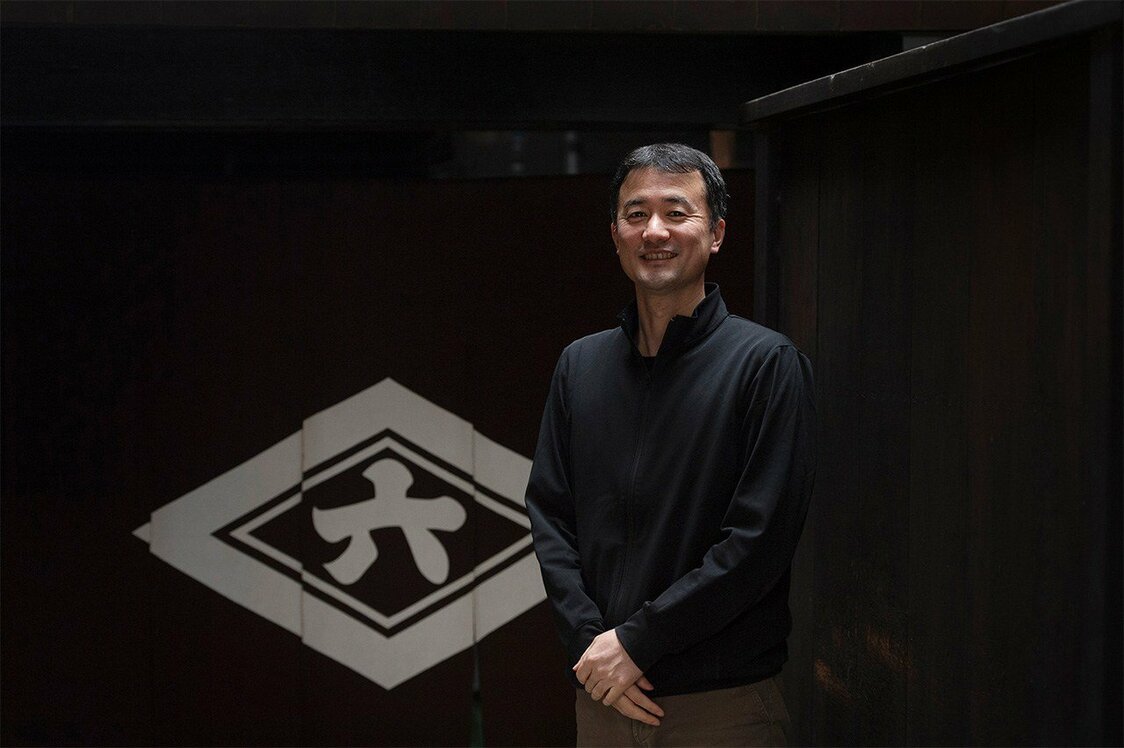
Sukeno stands by the curtain at his store’s entrance, which bears the Hishiroku logo. (© Kuroiwa Masakazu of 96-Box)


 Read in other languages