-
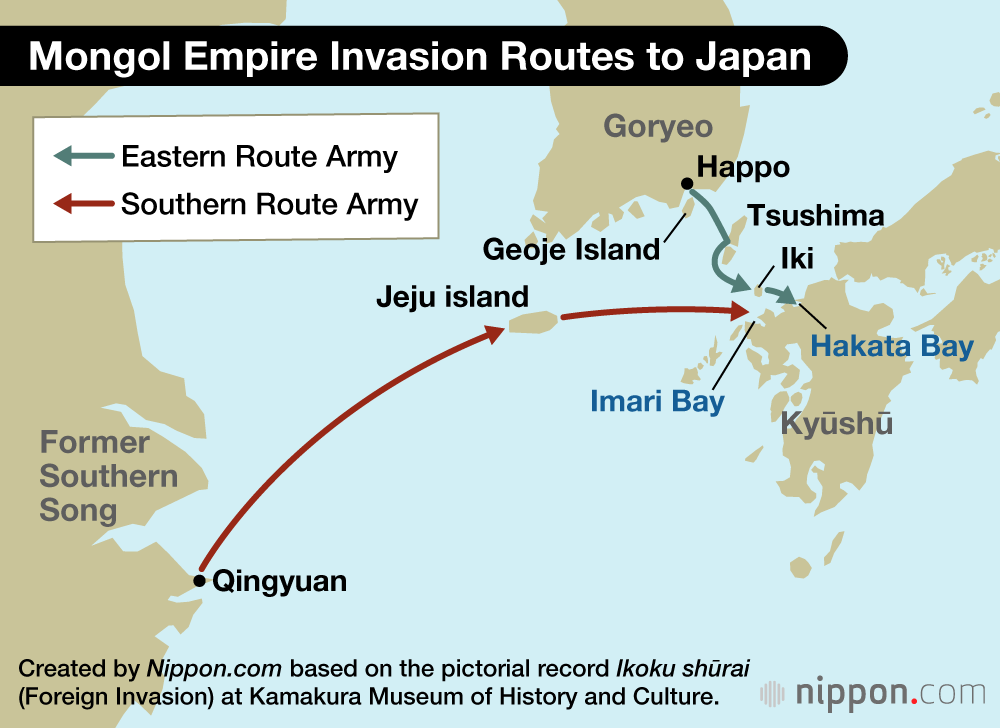
Mongol Empire Invasion Routes to Japan
-
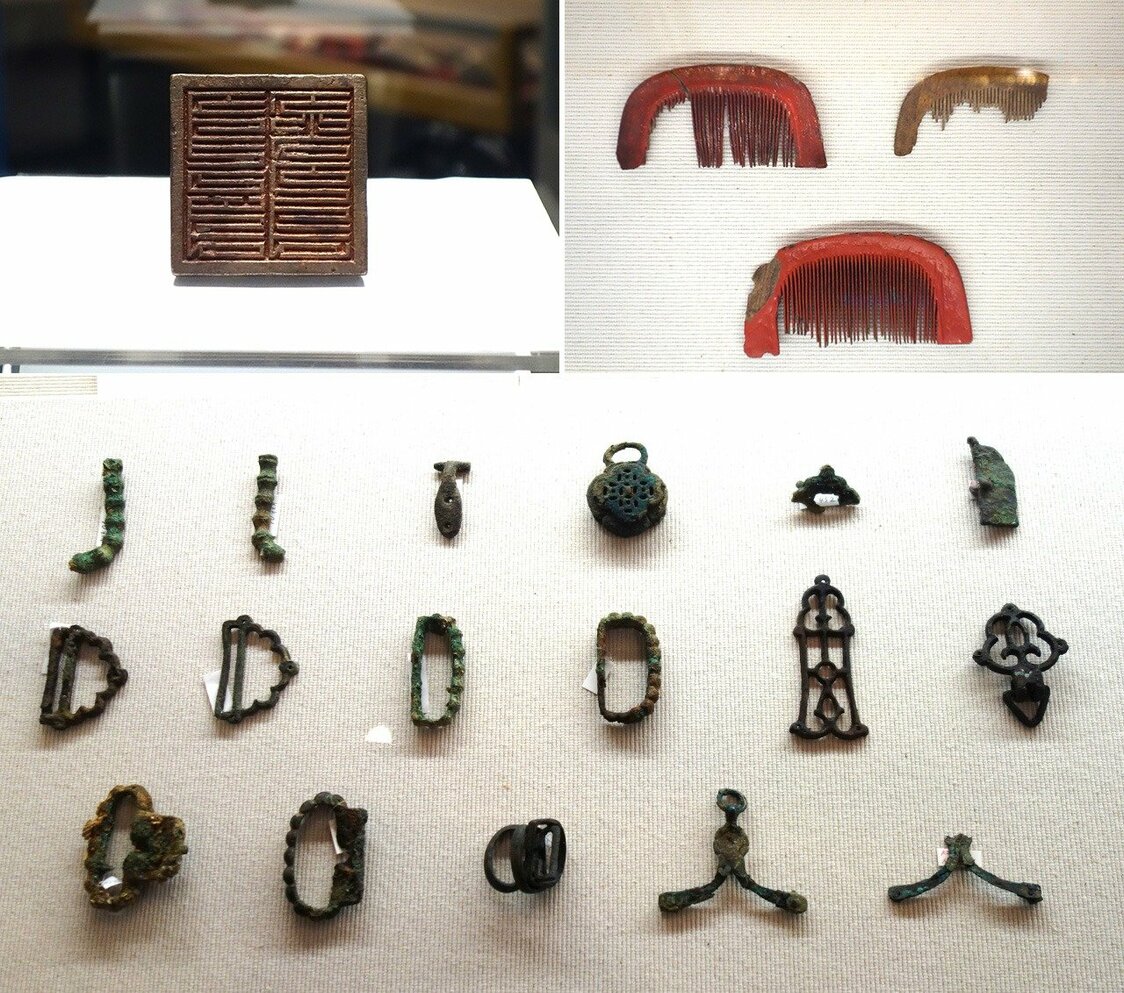
Clockwise from top left: A seal inscribed with Mongol script found at Takashima Kōzaki that is thought to belong to a company commander; lacquered combs; and bronze fixtures Mongol Empire soldiers attached to their belts from which to hang their weapons. (All courtesy Matsuura City Archaeological Center in Nagasaki Prefecture; © Nippon.com)
-
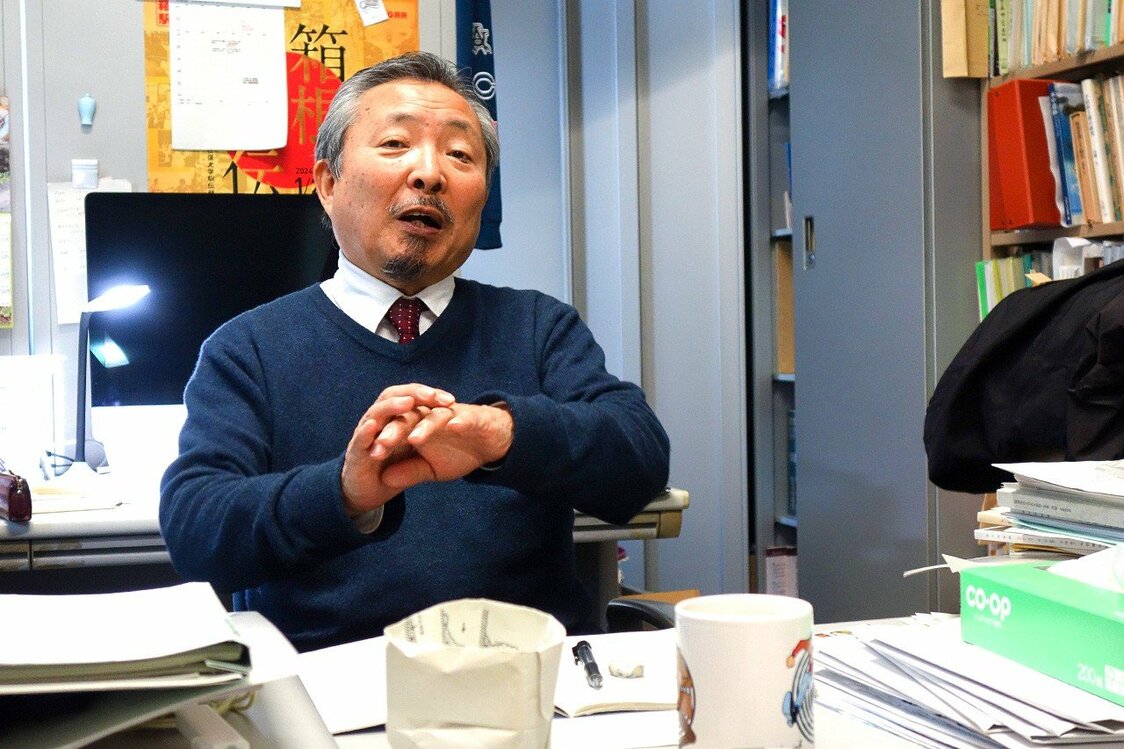
Professor Ikeda Yoshifumi of Kokugakuin University. (© Nippon.com)
-
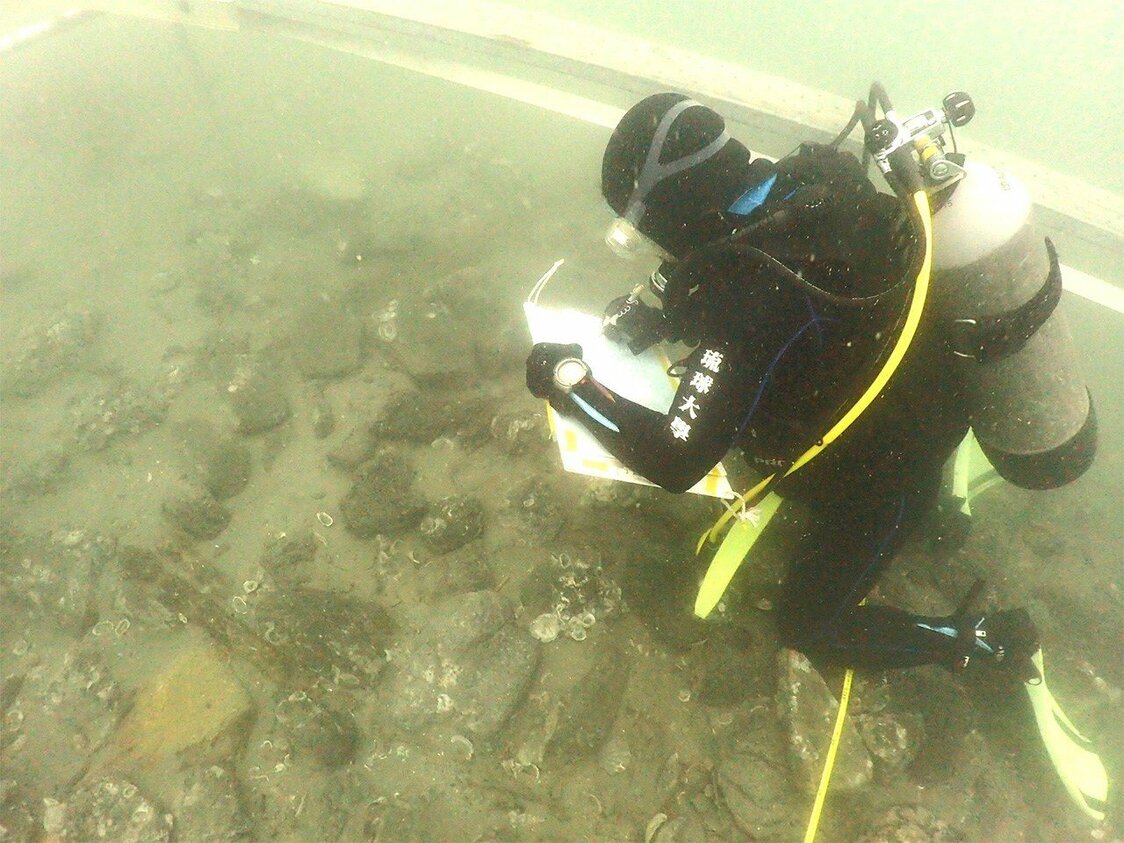
Ikeda investigates the seabed during the survey. (Courtesy Matsuura Board of Education)
-
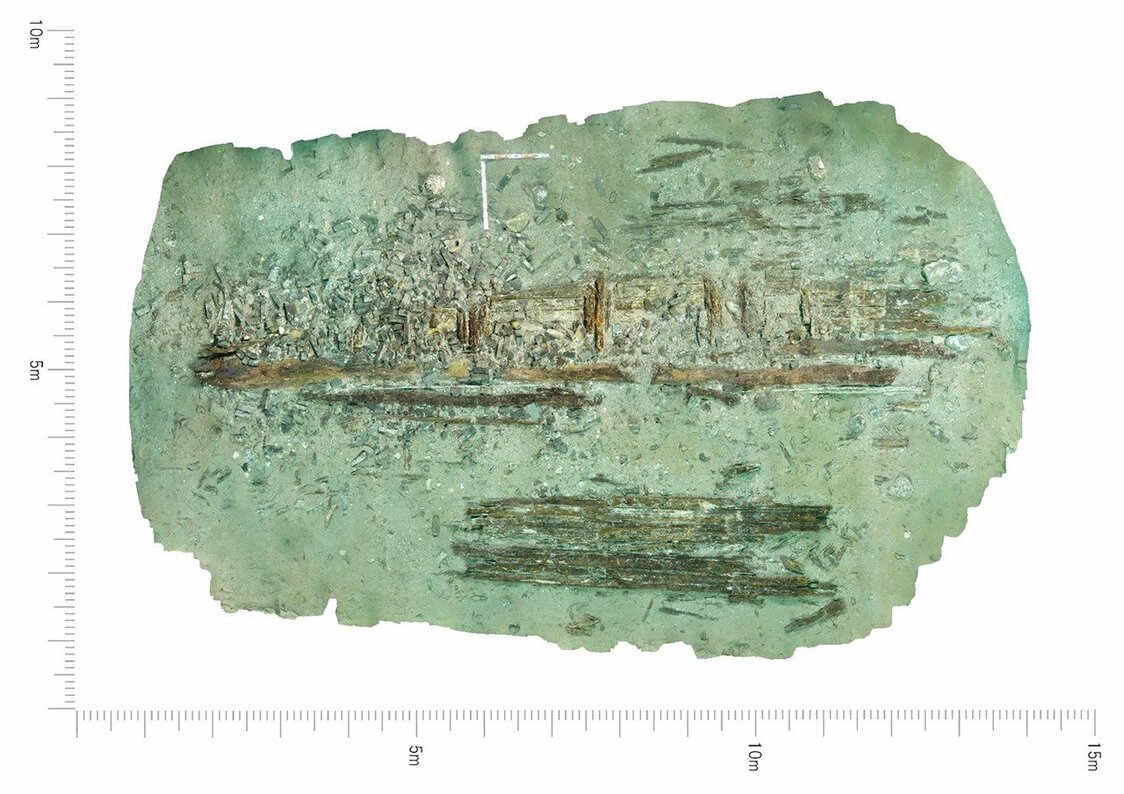
A view from above of the first sunken ship discovered. (Courtesy Matsuura Board of Education)
-

A computer-generated image shows how the Mongol warships are thought to have looked. (Courtesy Matsuura Board of Education)
-
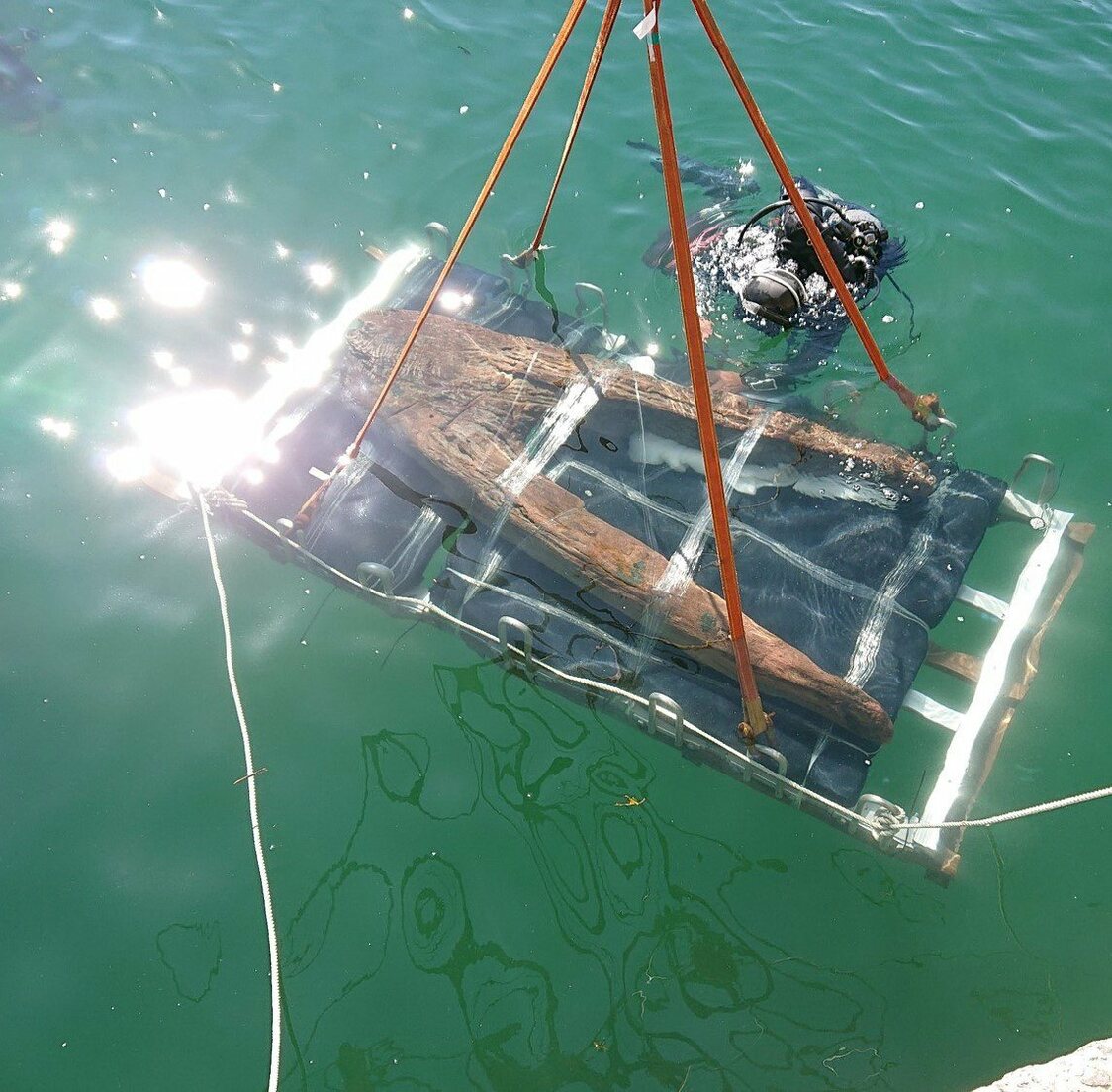
A stone and wood anchor salvaged in 2022. It is unusual as it has only one anchor stone. (Courtesy Matsuura Board of Education)
-
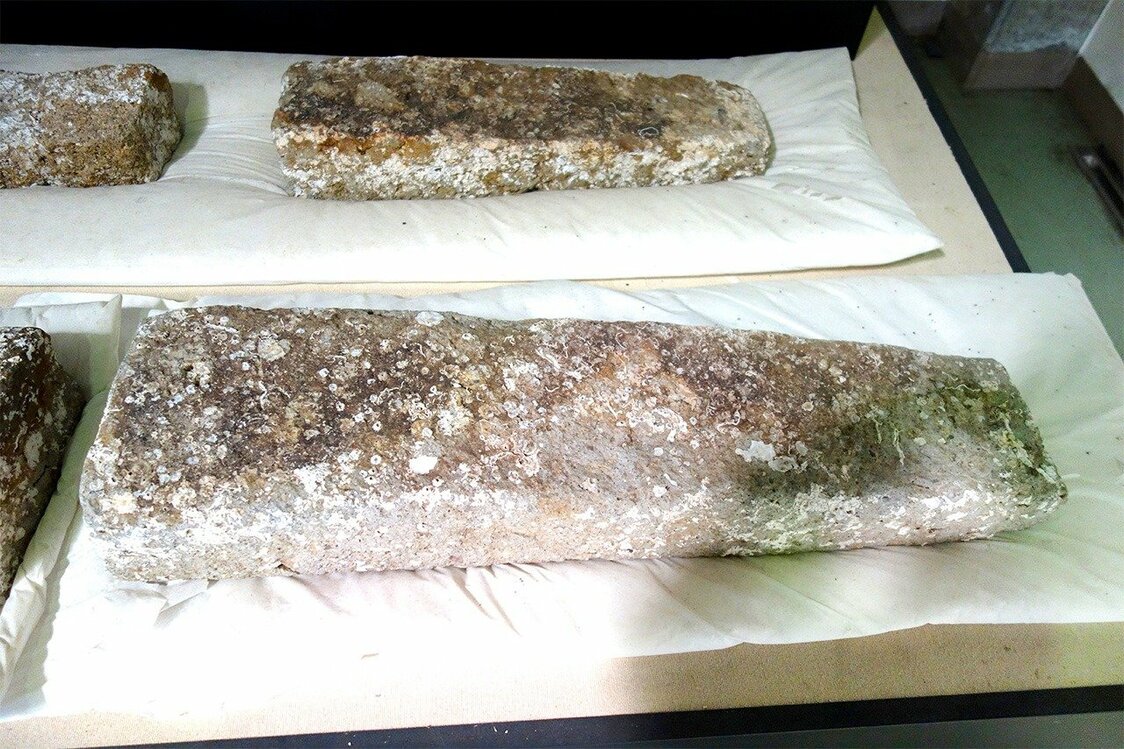
Anchor stones at Matsuura City Archaeological Center. (© Nippon.com)
-
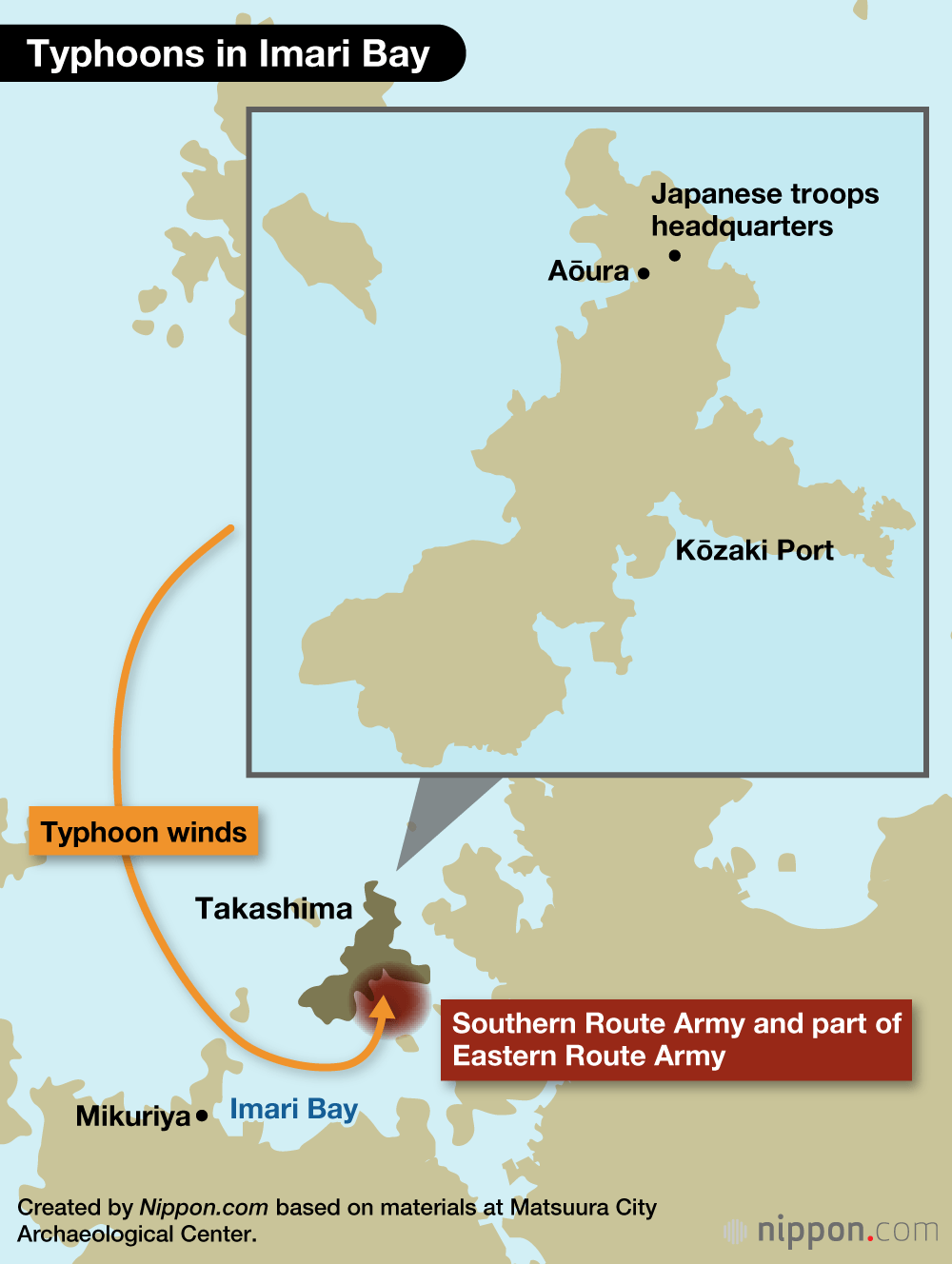
Typhoons in Imari Bay
-

A copy of Mōko shūrai ekotoba (Illustrated Story of the Mongol Invasions) depicts shogunate troops dispensing with the remnants of the shattered Yuan army. (Courtesy Kyūshū University Library)
-
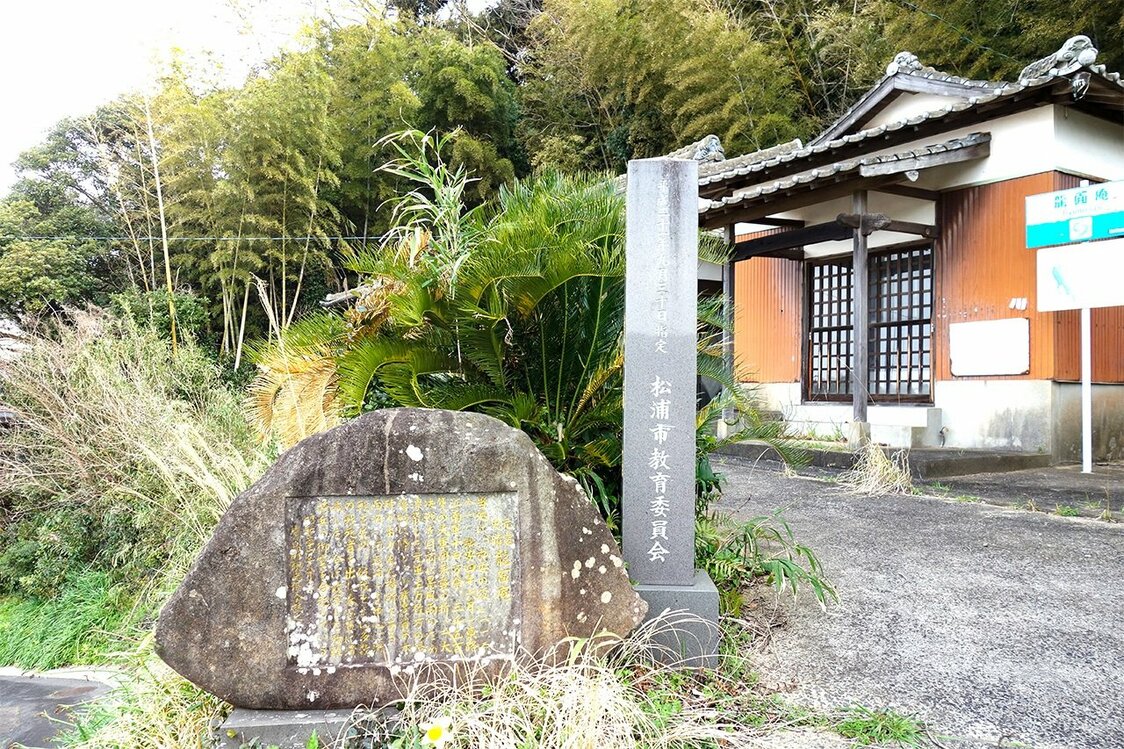
The Ryūmen’an hermitage was the shogunate headquarters. (© Nippon.com)
-
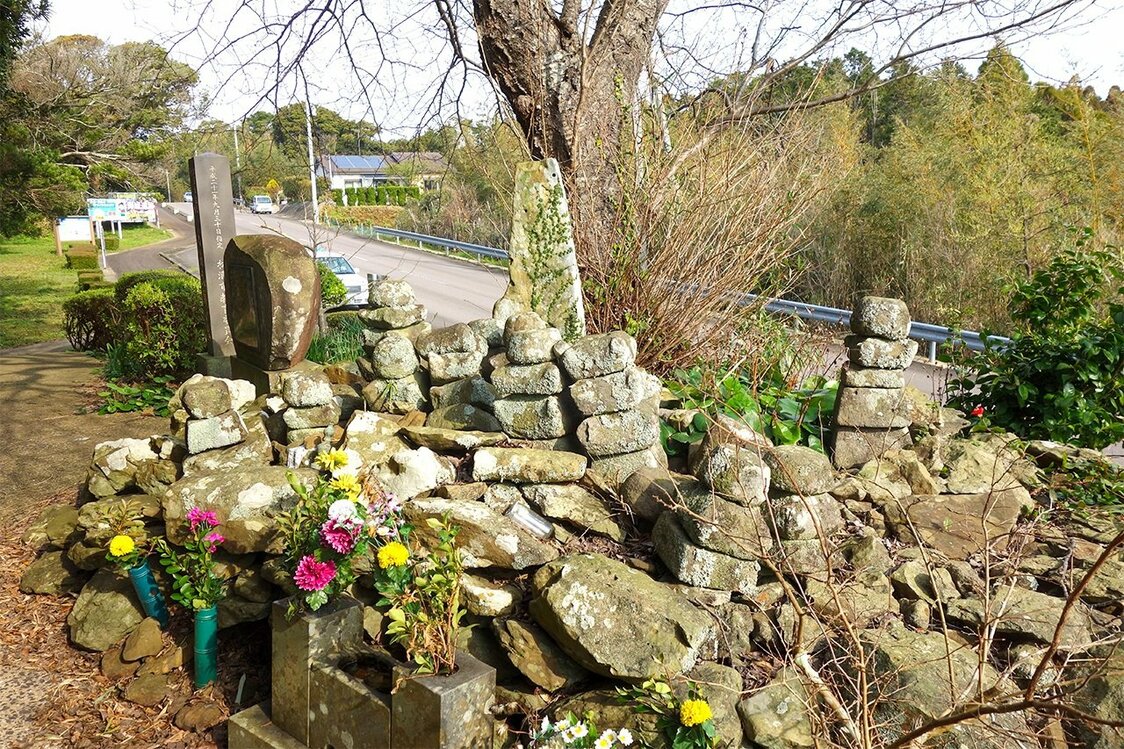
The grave of Hyōe Jirō. After traveling from Tsushima to warn the shogunate at Dazaifu of the Mongol attack, he died in battle on Takashima. (© Nippon.com)
-
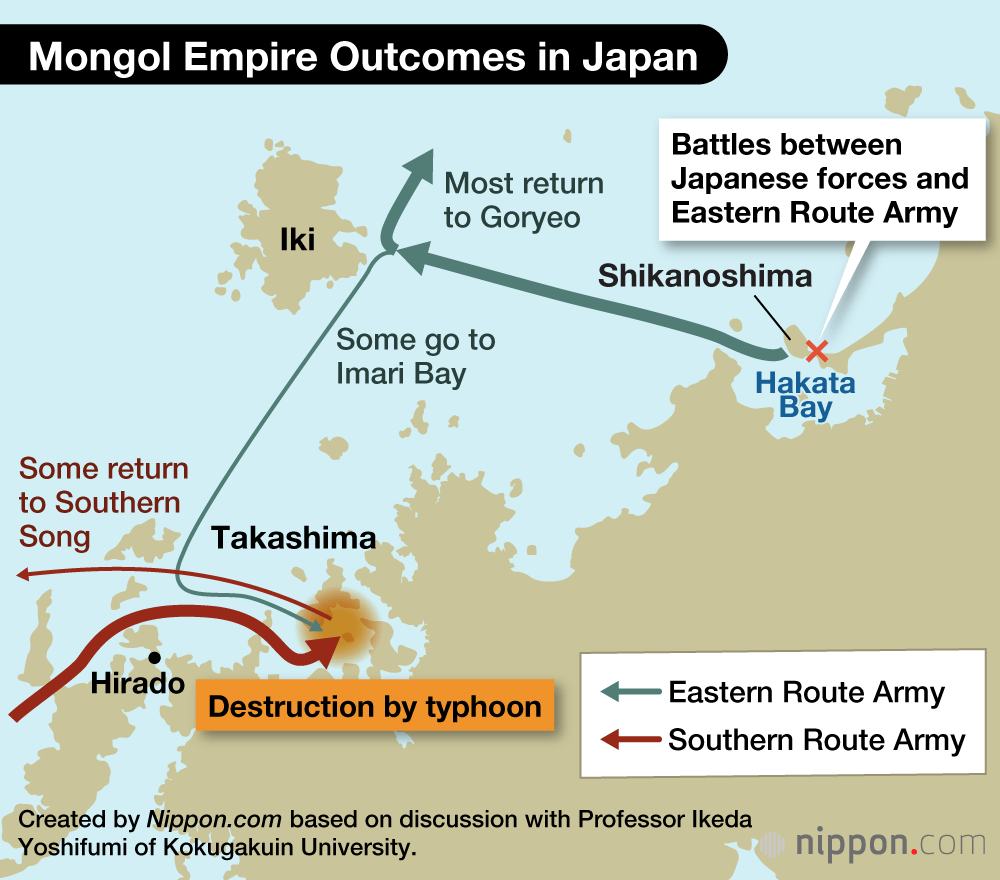
Mongol Empire Outcomes in Japan


 Read in other languages