-
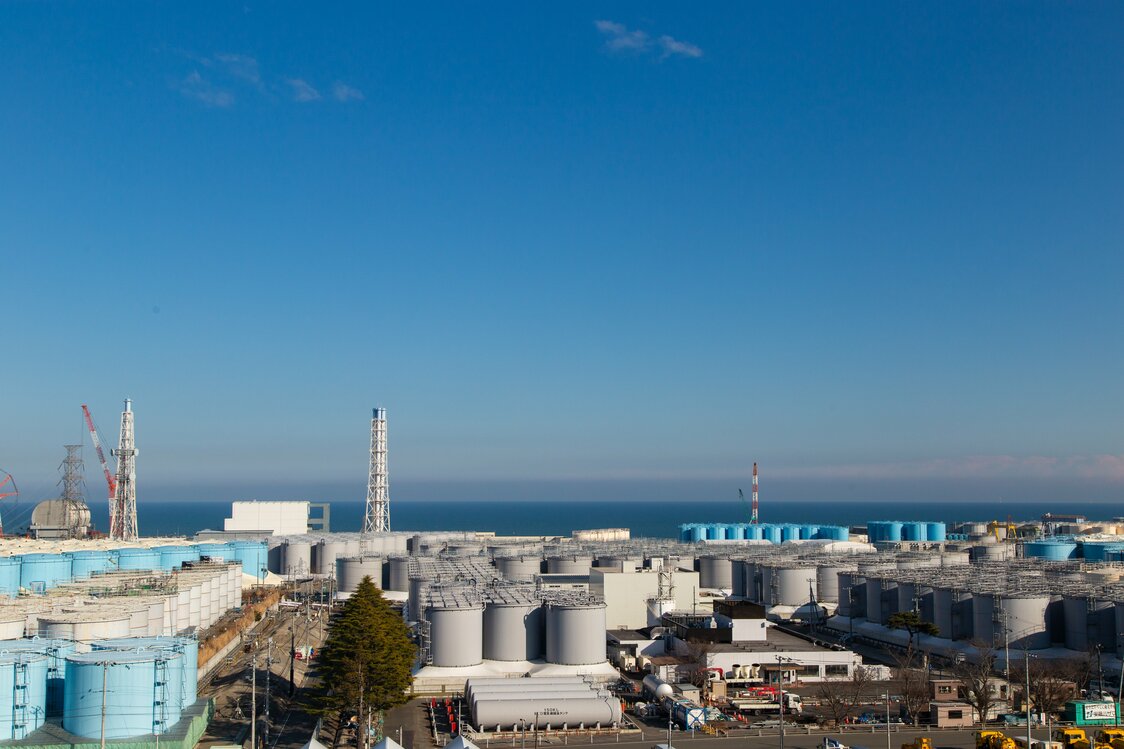
The Fukushima Daiichi site as it stands today. The tanks in the foreground contain water that has undergone decontamination processing; the Pacific Ocean lies beyond.
-
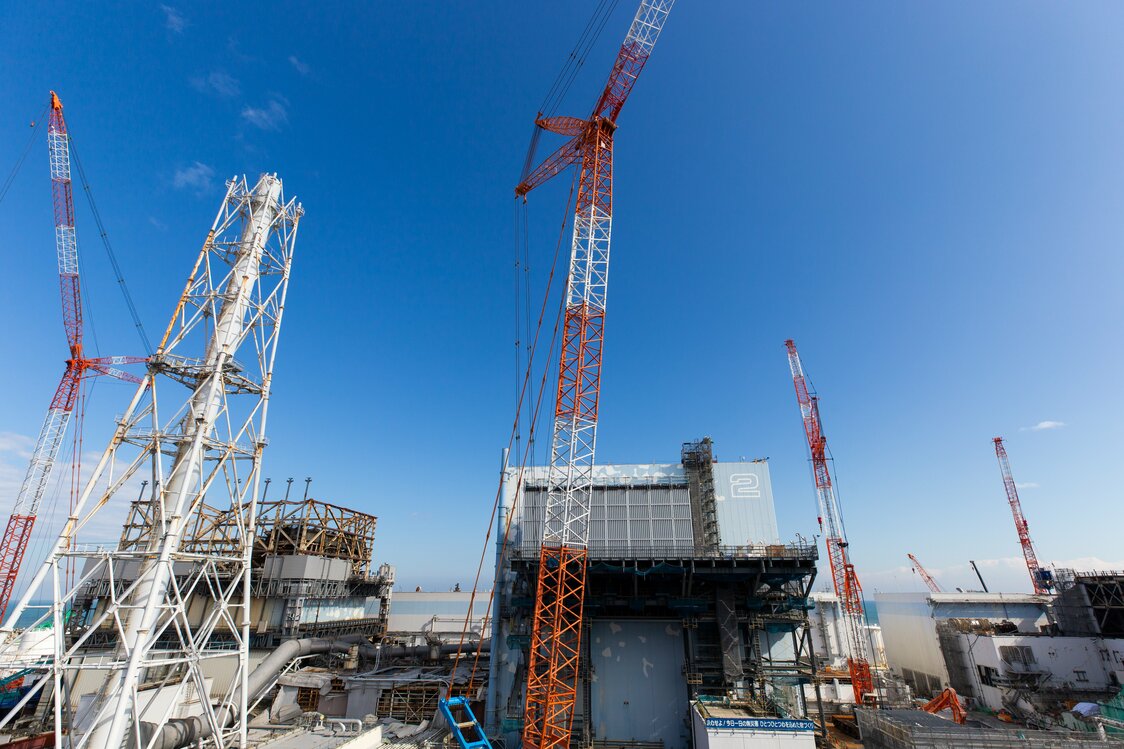
Dismantling work continues at the Unit 1 reactor building, at left, and the Unit 2 reactor structure.
-
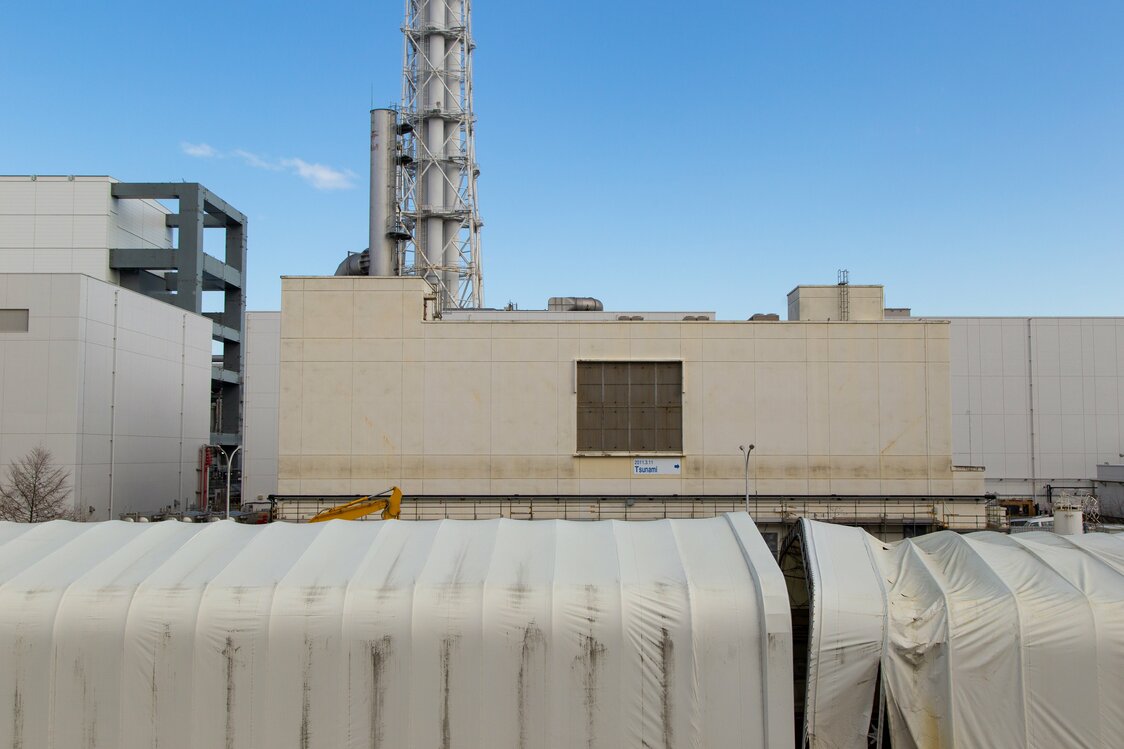
External walls at the power station still bear marks showing the height of the tsunami that struck nine years ago.
-
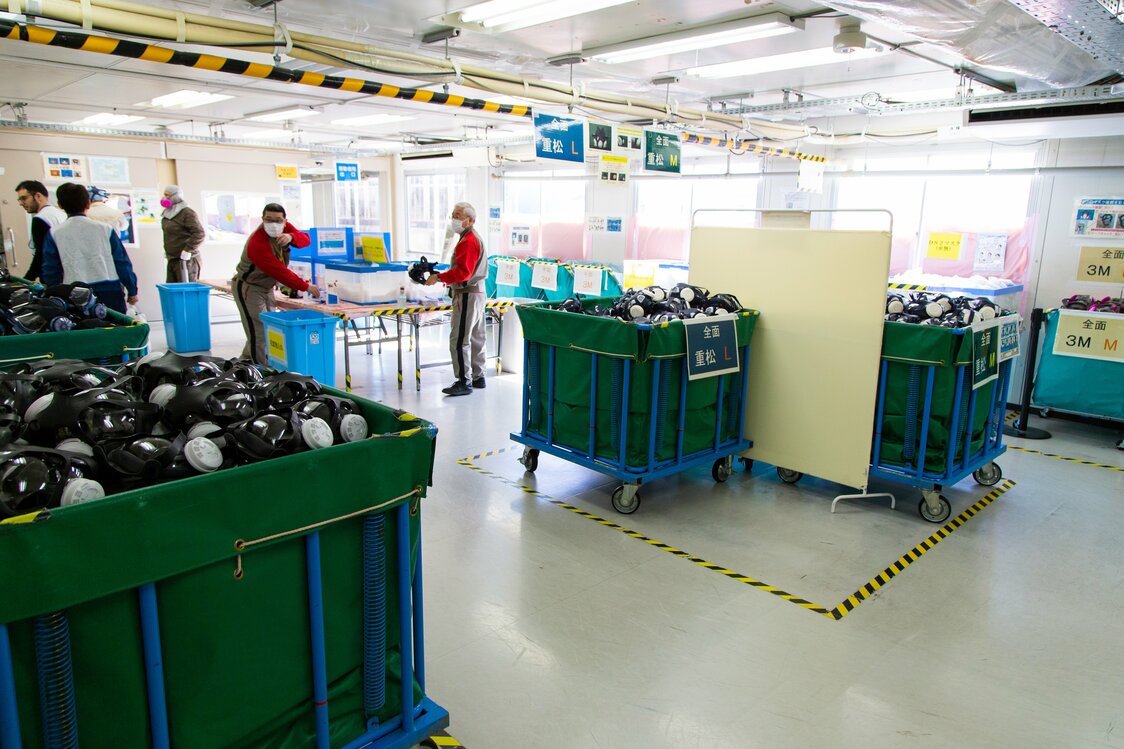
A room at the site where workers prepare and outfit themselves for the day’s tasks.
-
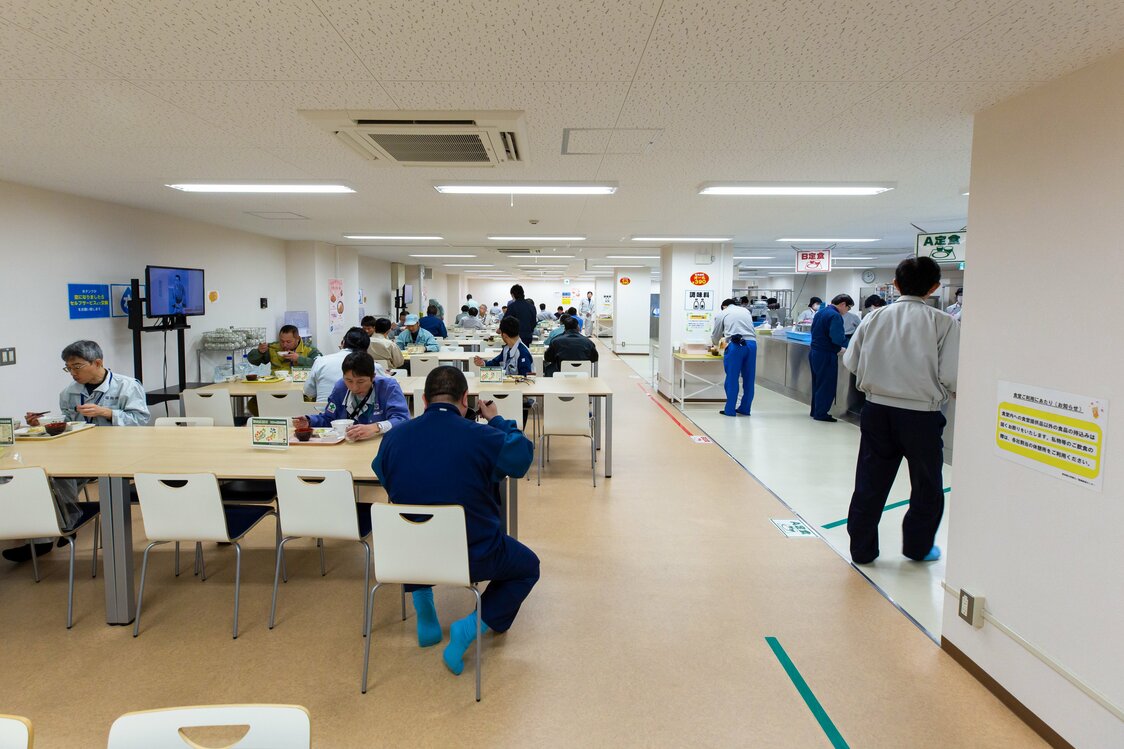
Except for the lack of women workers, the cafeteria looks much like one you’d see in a large company in Tokyo.
-
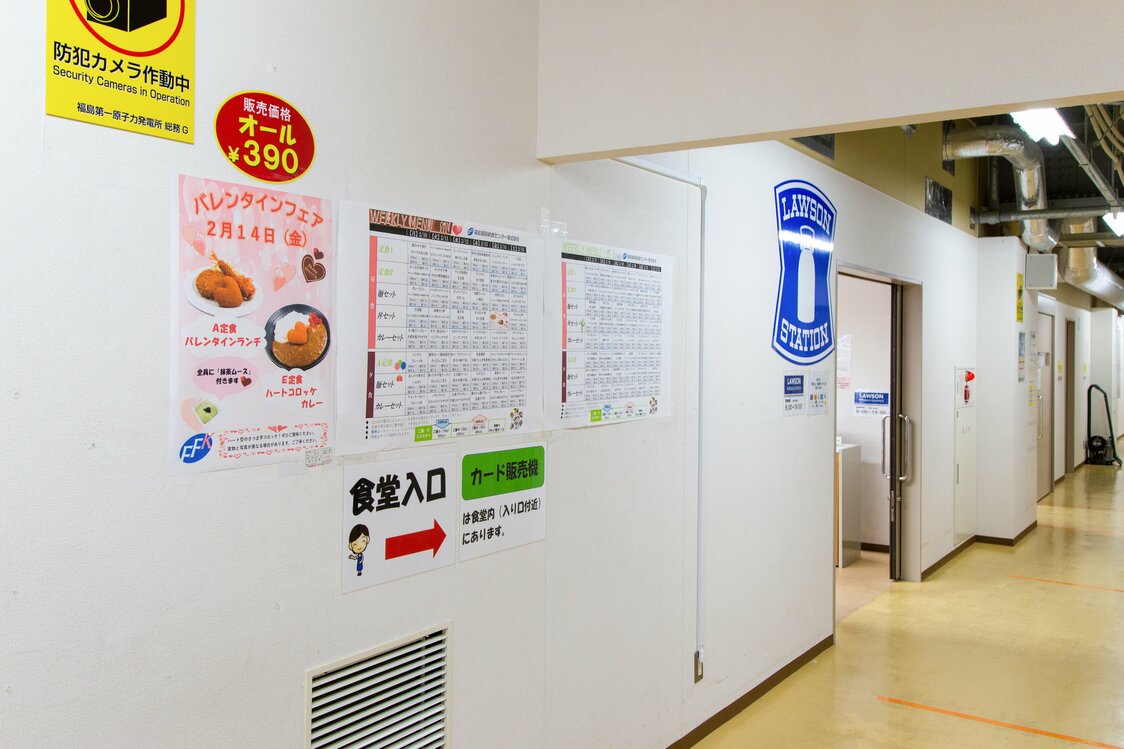
Posters on the cafeteria wall show the daily and special holiday menu options. Workers who want something extra to eat or drink head to the Lawson convenience store located right next door.
-
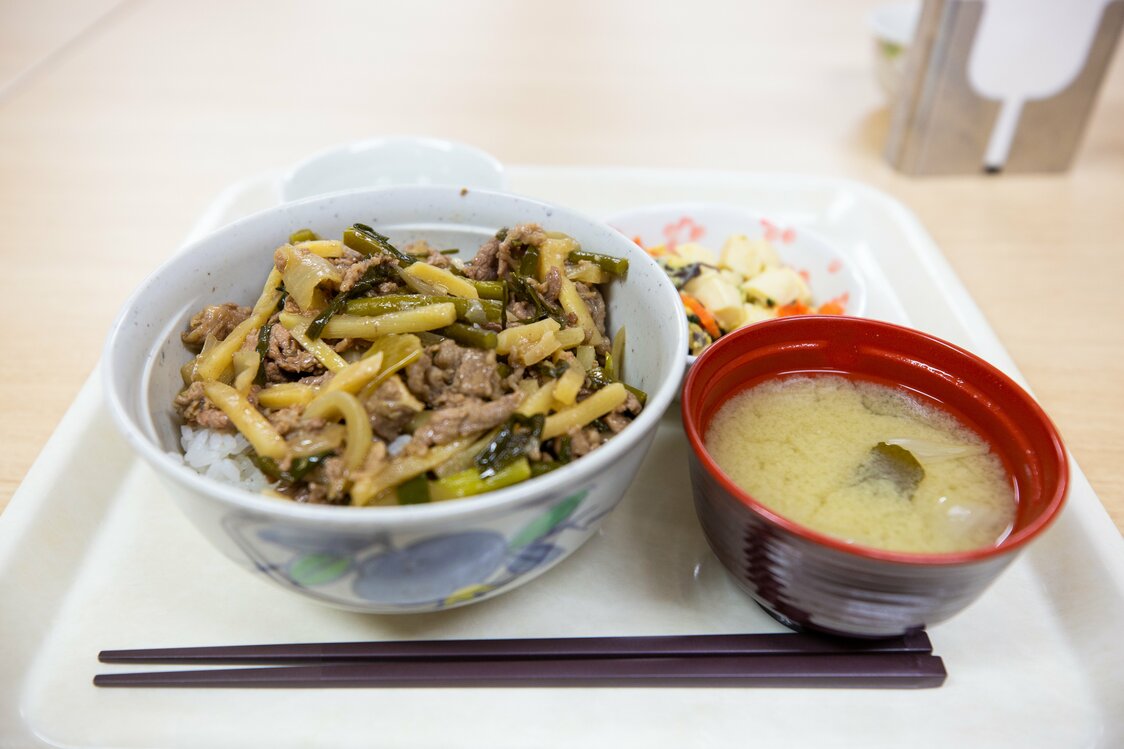
At just ¥390, like all choices on the lunch menu, the sutamina-don—fried meat and vegetables on rice, with salad and miso soup—fuels Fukushima Daiichi’s workers for an afternoon of labor.
-

On-site workers can bring in their own smartphones, but must cover their camera lenses with stickers to maintain site security.
-
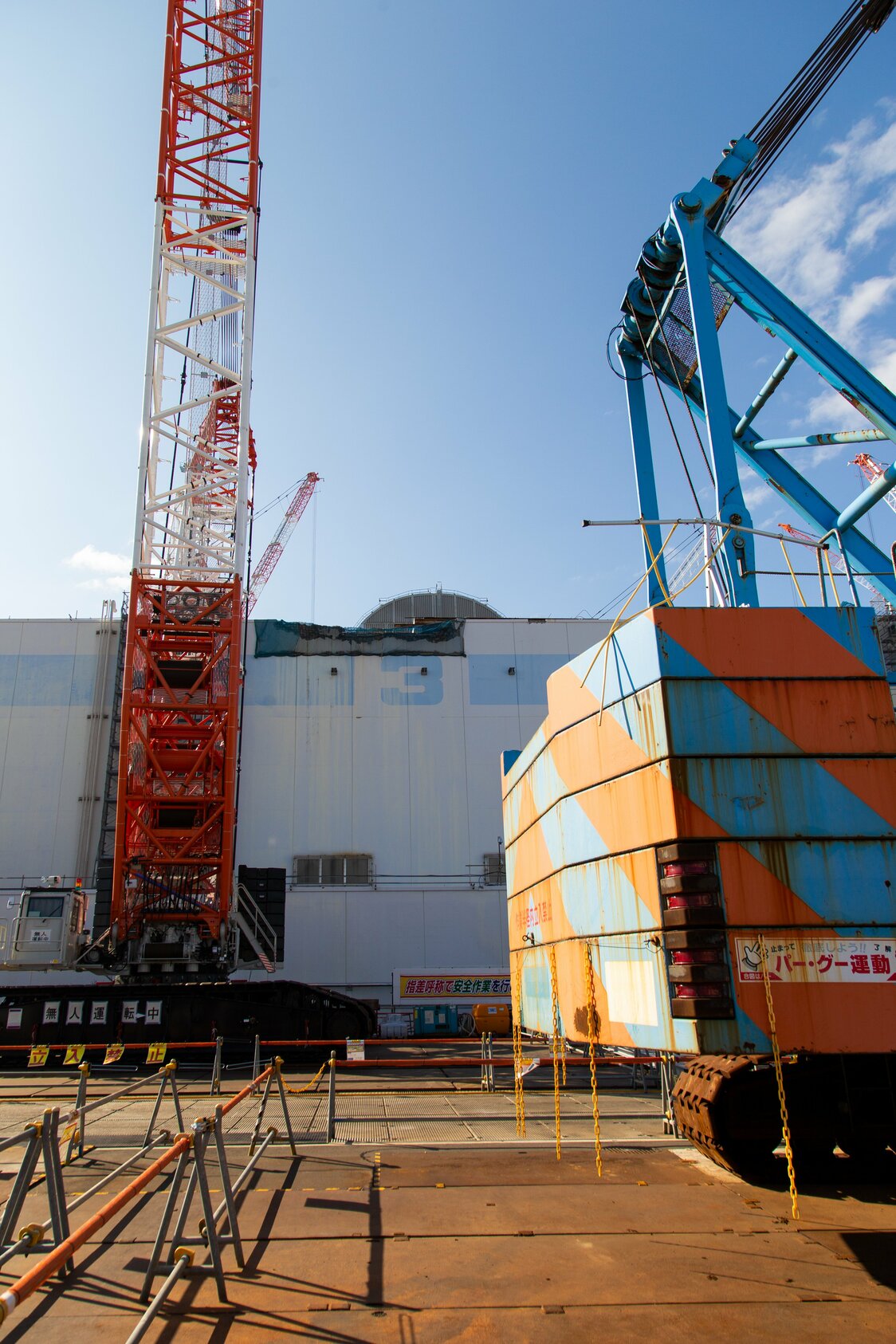
The worksite on the ocean-facing side of Unit 3. Dust masks are a standard part of gear worn by workers and visitors in areas like this.
-
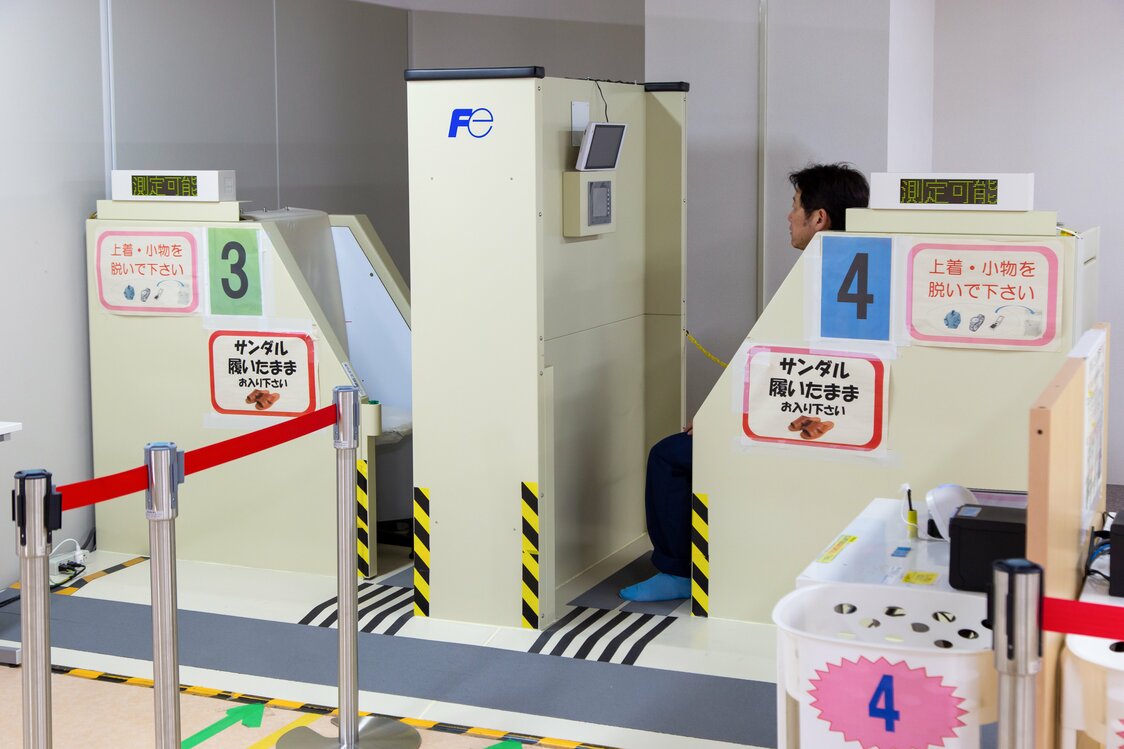
The “whole body counter” takes about a minute to scan a person’s body and provide a count of its internal radioactivity level.
-
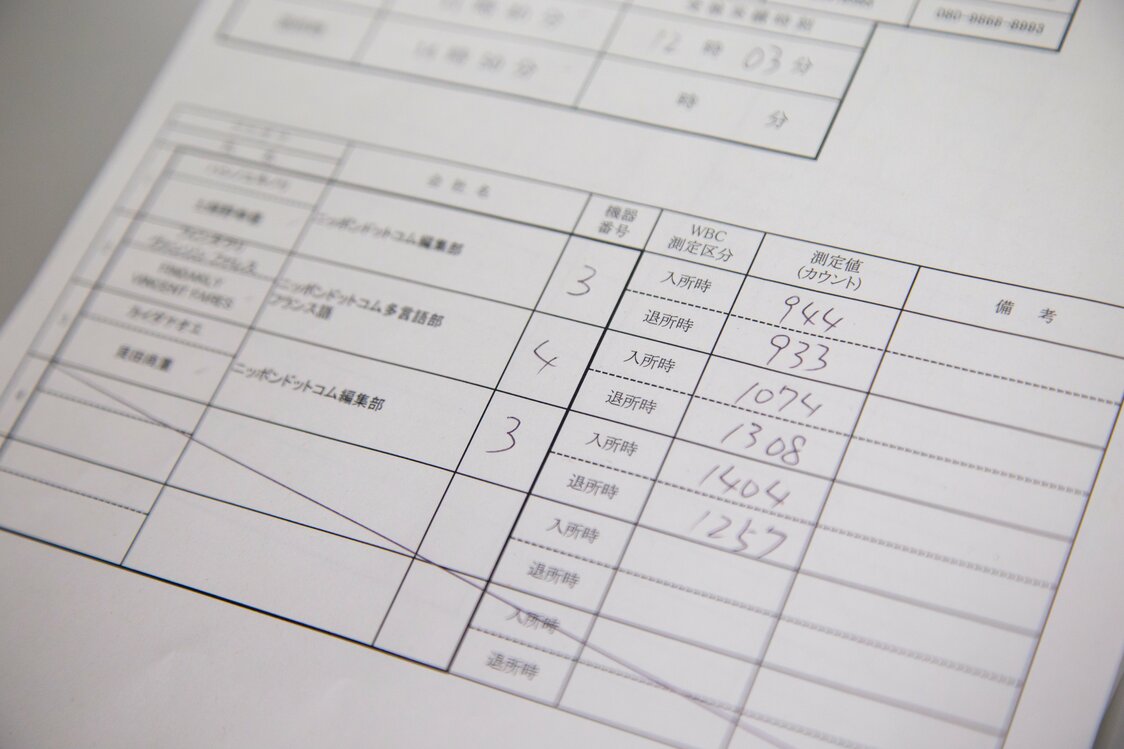
The results sheet for our team members’ radiation tests. The author, third on the list, saw her figure drop from 1,404 to 1,257 over the course of the day; her numbers are higher than the others’ perhaps due to her love of seaweed.
-
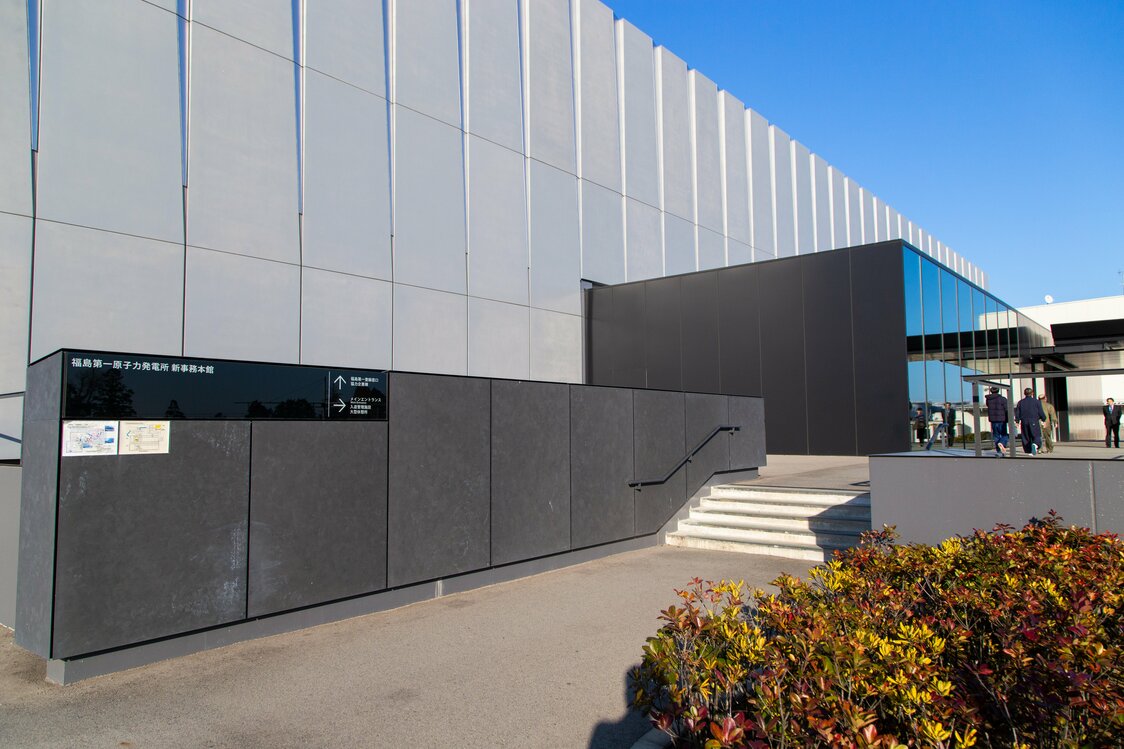
The new administration building at Fukushima Daiichi includes a first-floor space with plenty of natural light from the skylights in its ceiling, providing a comfortable, relaxing place for the workers.
-
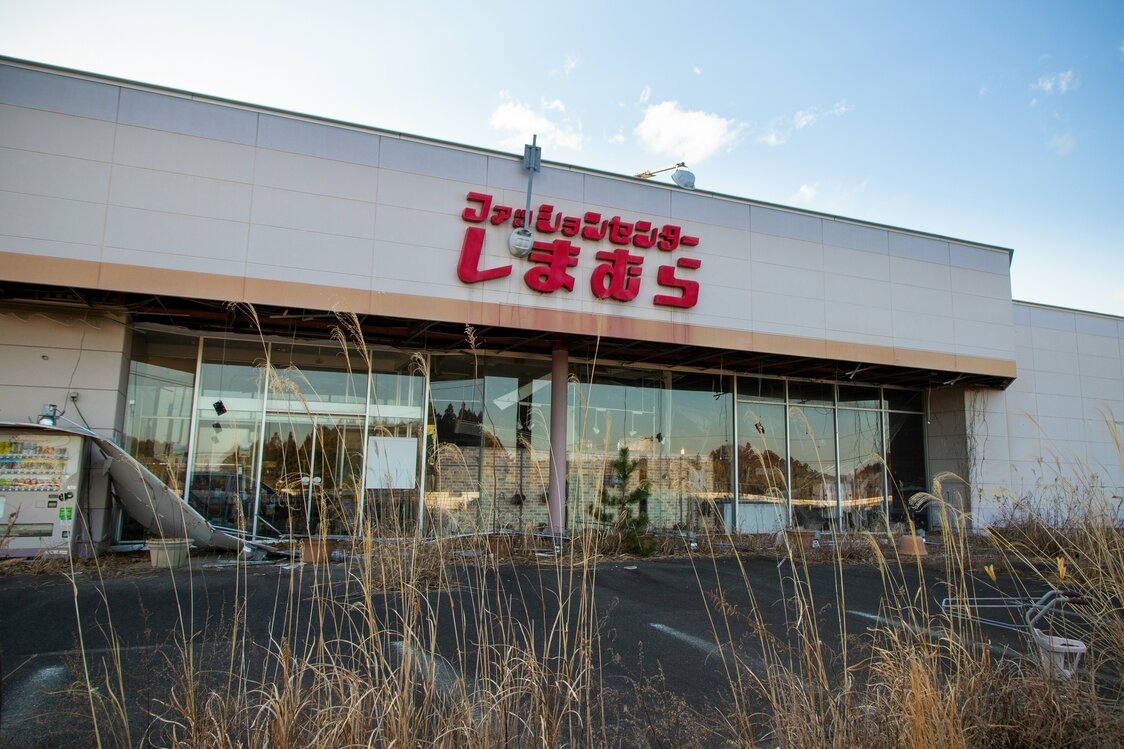
A local clothes store has seen no customers since 3/11, but still has items hanging on the racks, untouched for almost a decade.
-
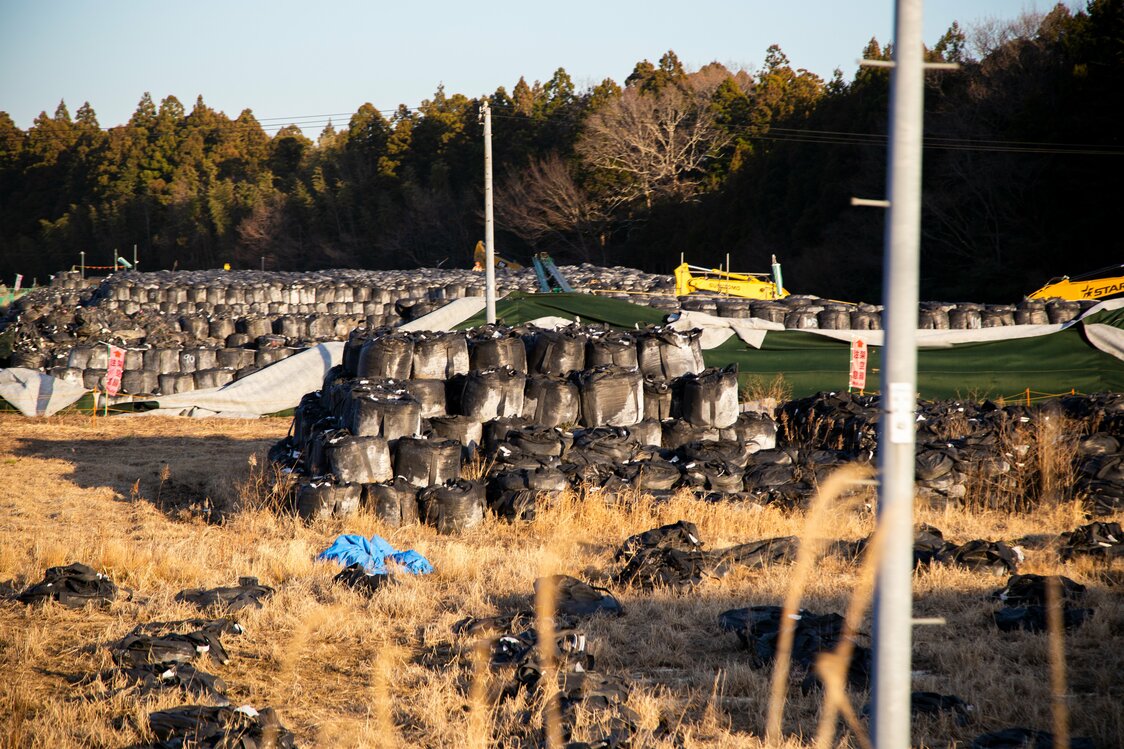
Across the road from the Shimamura stand mounds of bagged topsoil, collected as part of decontamination efforts.


 Read in other languages