-
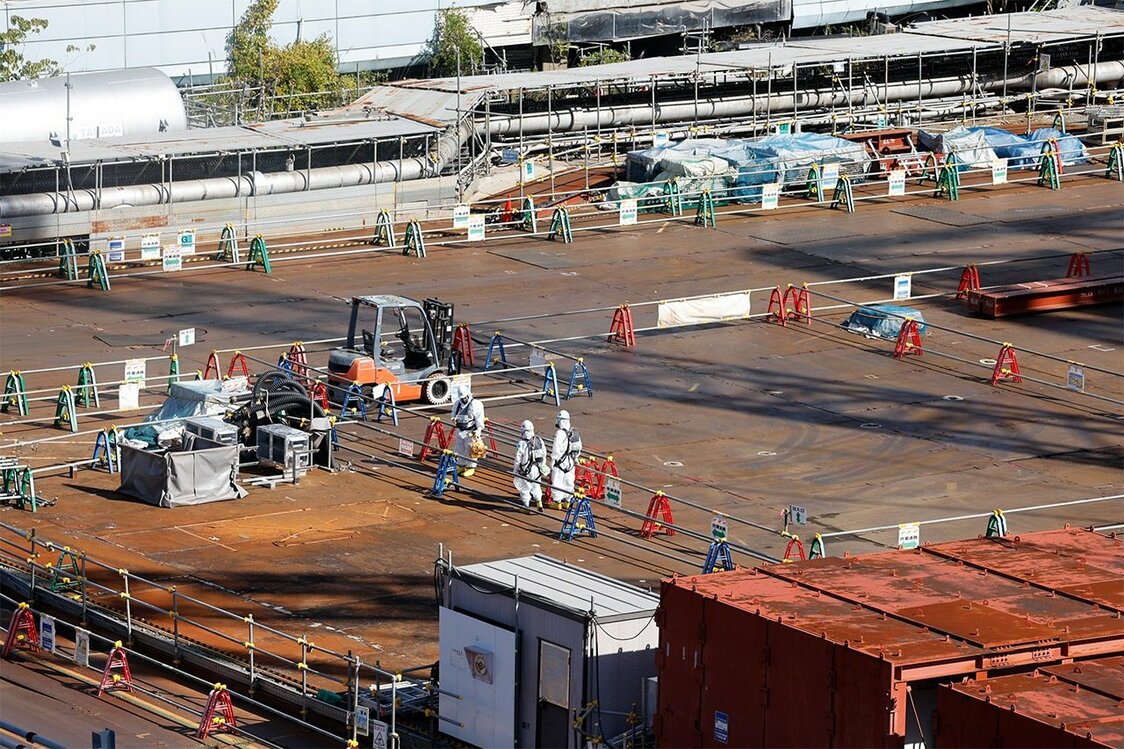
Workers at Fukushima Daiichi wearing full-body protective clothing on October 21, 2024. Such measures are still mandatory for entering areas with high radiation levels. (© Hashino Yukinori)
-
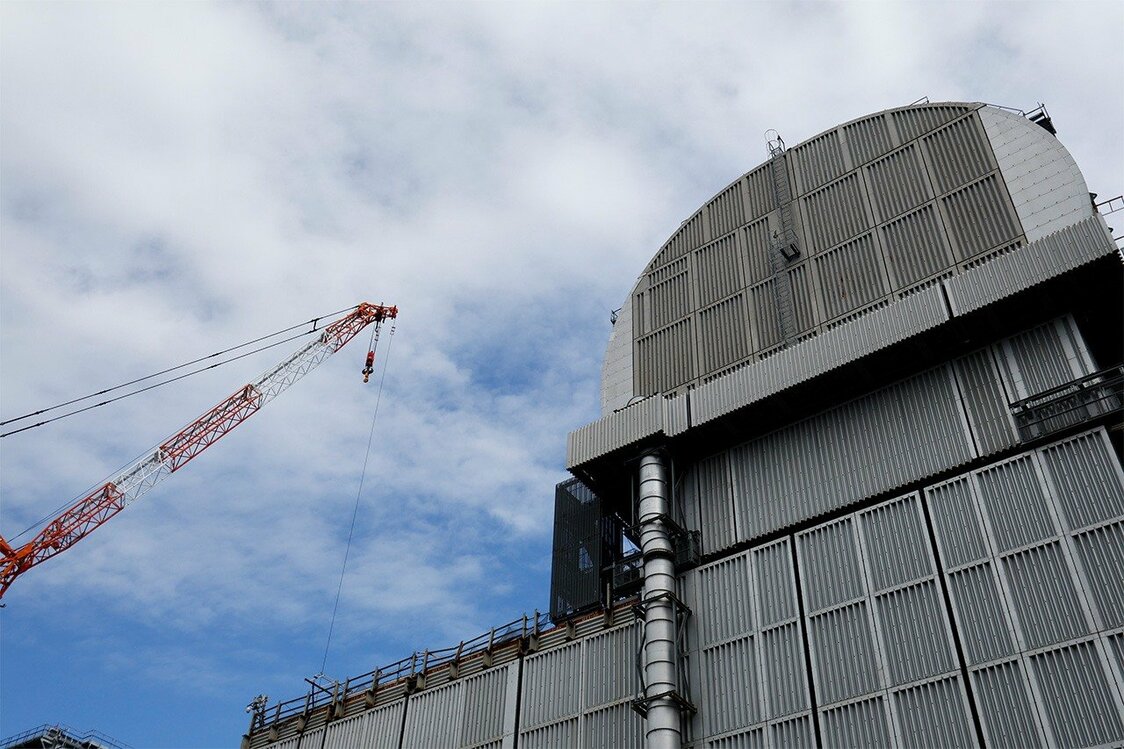
A dome-shaped roof built over Unit Three of the reactor for the removal of spent nuclear fuel at TEPCO’s Fukushima Daiichi Nuclear Power Station. (© Hashino Yukinori)
-
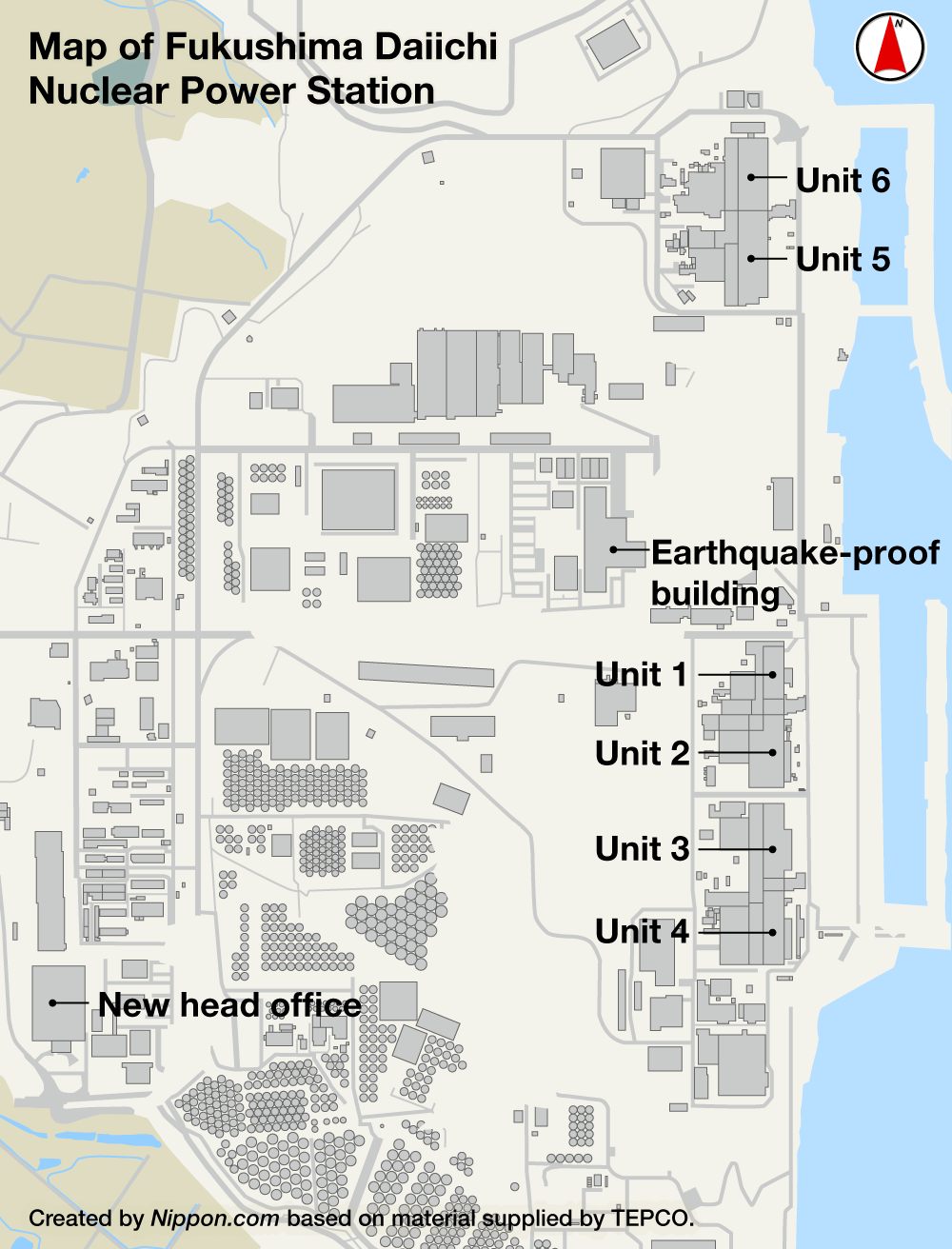
Map of Fukushima Daiichi Nuclear Power Station
-
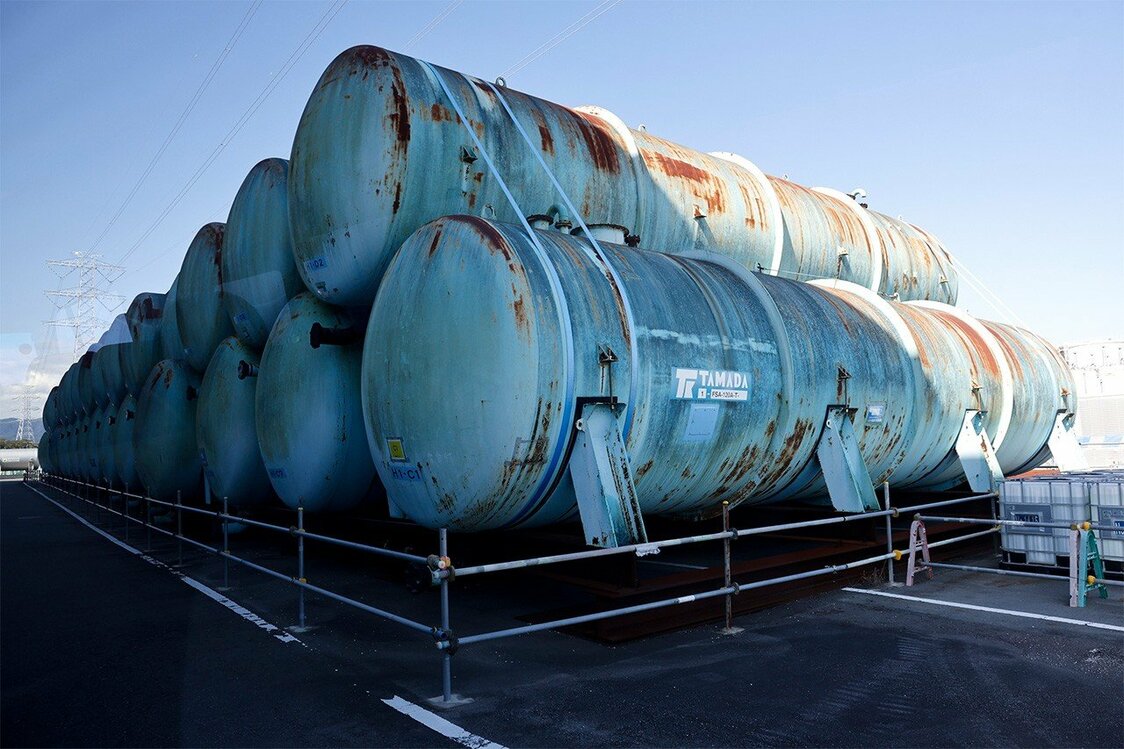
Tanks used to temporarily store treated wastewater at Fukushima Daiichi immediately after the accident. They are no longer required now that permanent tanks have been installed. (© Hashino Yukinori)
-
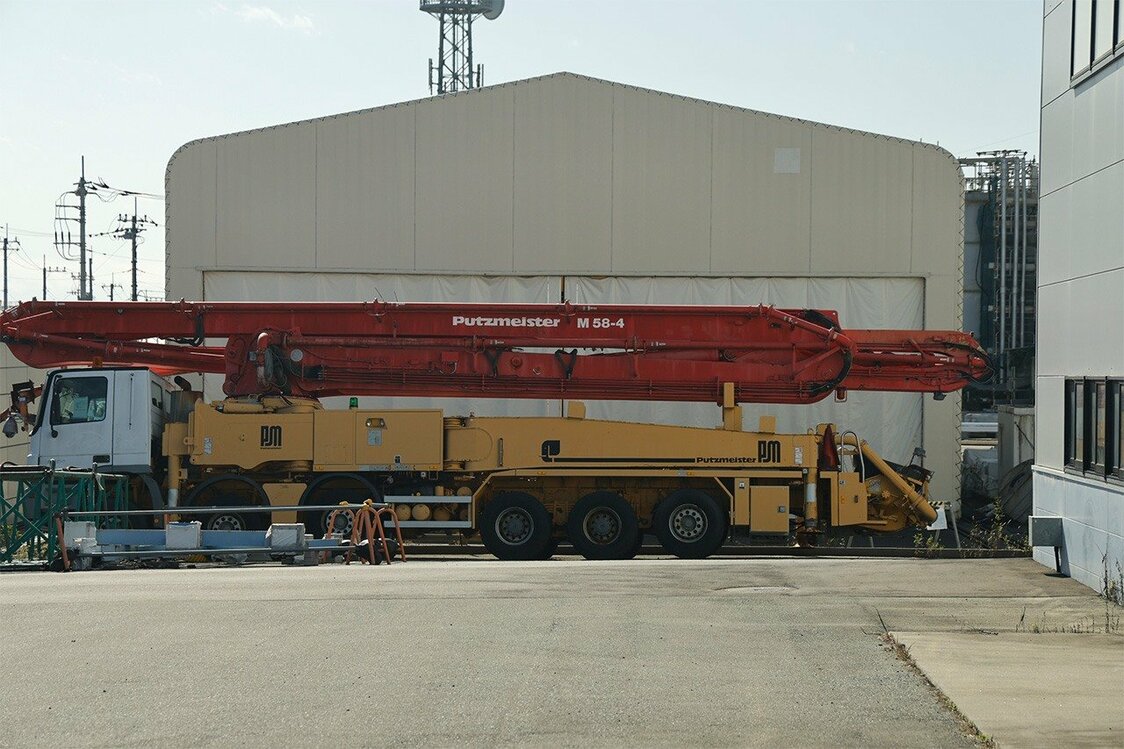
A vehicle used in cooling spent fuel pools in the reactor buildings immediately after the accident. It was nicknamed kirin (giraffe) and was used to spray water from high up into the structures. (© Hashino Yukinori)
-
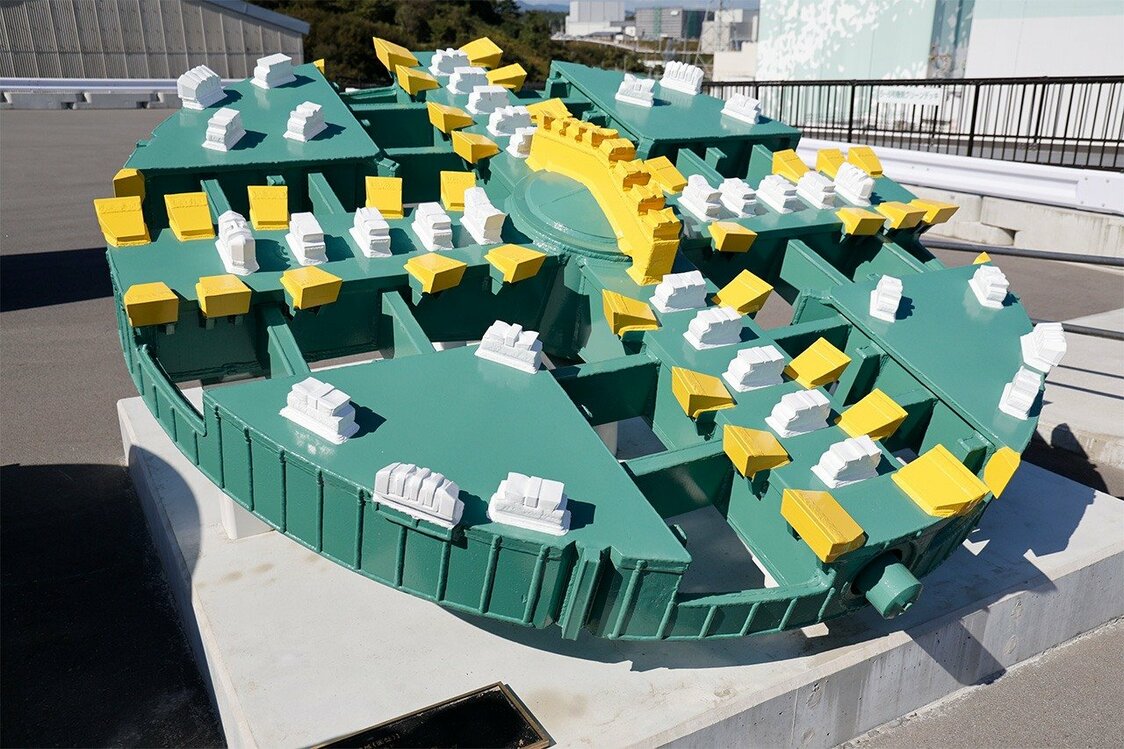
A part of the shield machine used to excavate the undersea tunnel used to carry treated wastewater to the ocean. (© Hashino Yukinori)
-
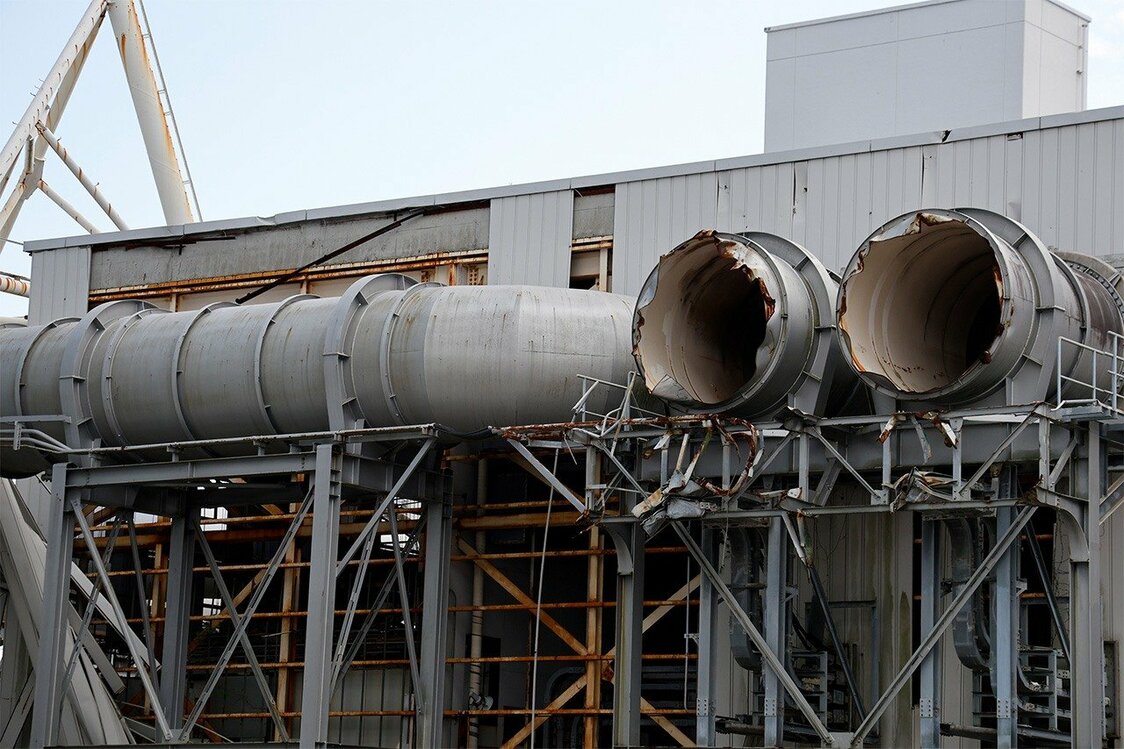
Enormous exhaust ducts cut off to allow access for the decommissioning work. They once connected units one to four with exhaust towers. (© Hashino Yukinori)
-
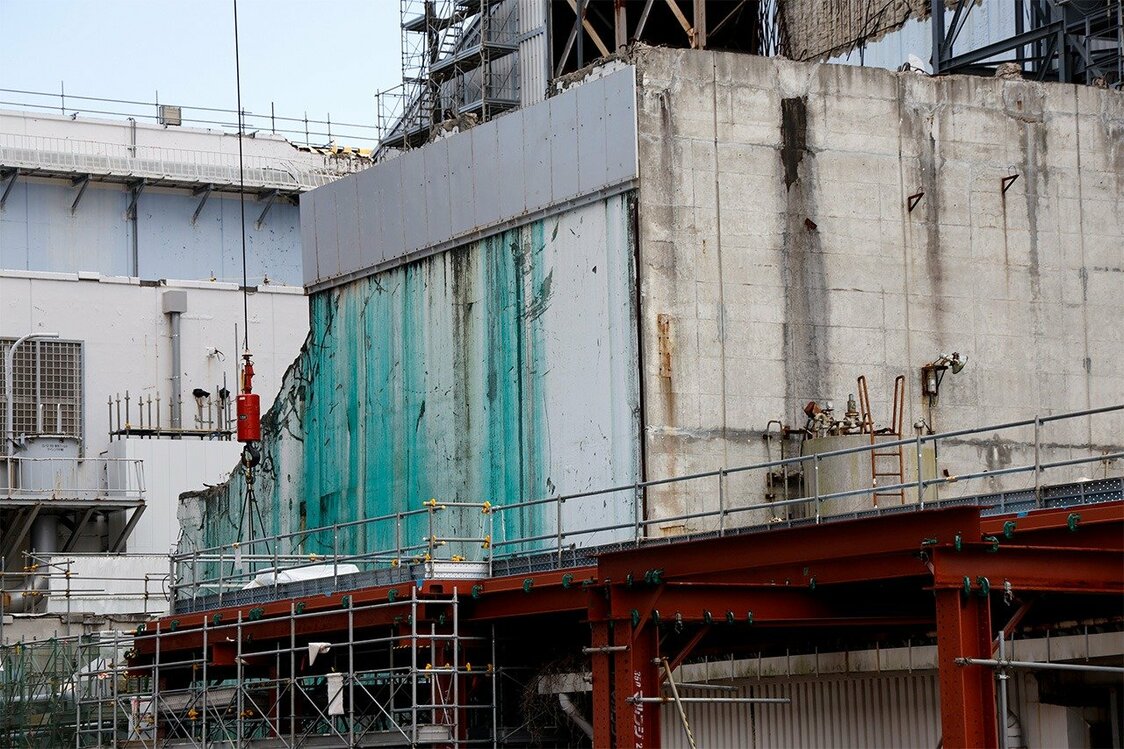
The chemicals sprayed on Unit Three to prevent dispersal of radioactive material stuck to the structure are still visible. (© Hashino Yukinori)
-
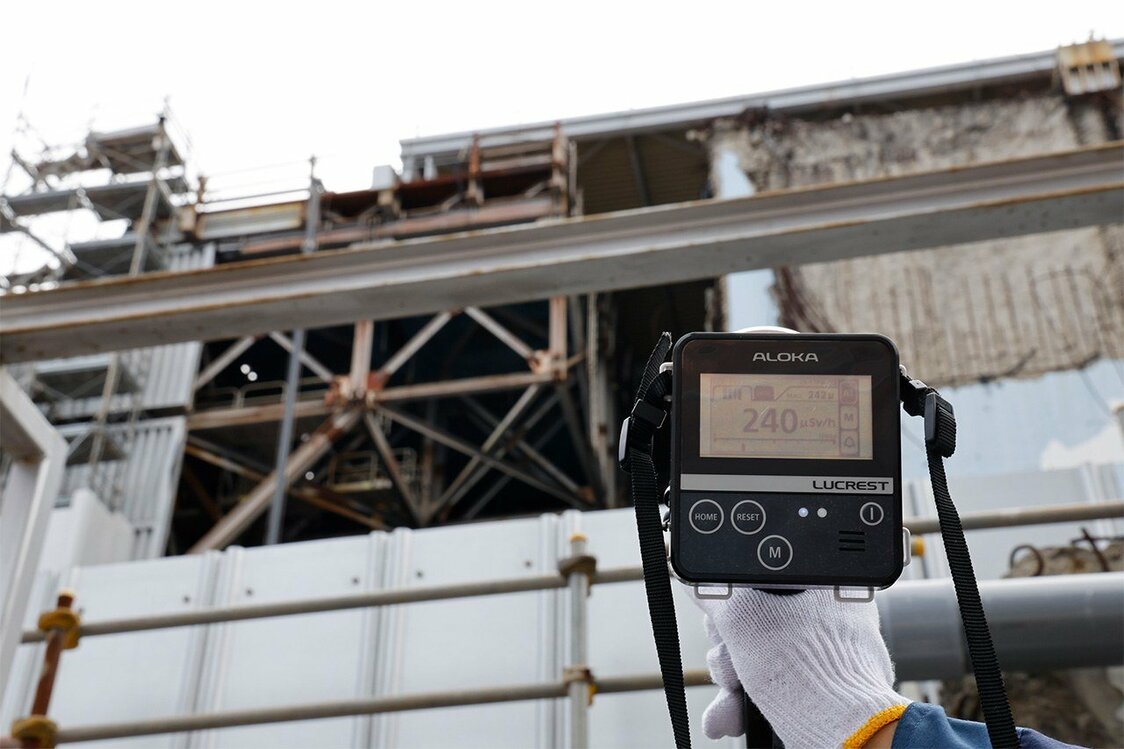
The level of radiation increased between Units Two and Three to 240 microsieverts per hour on October 21, 2024. (© Hashino Yukinori)
-
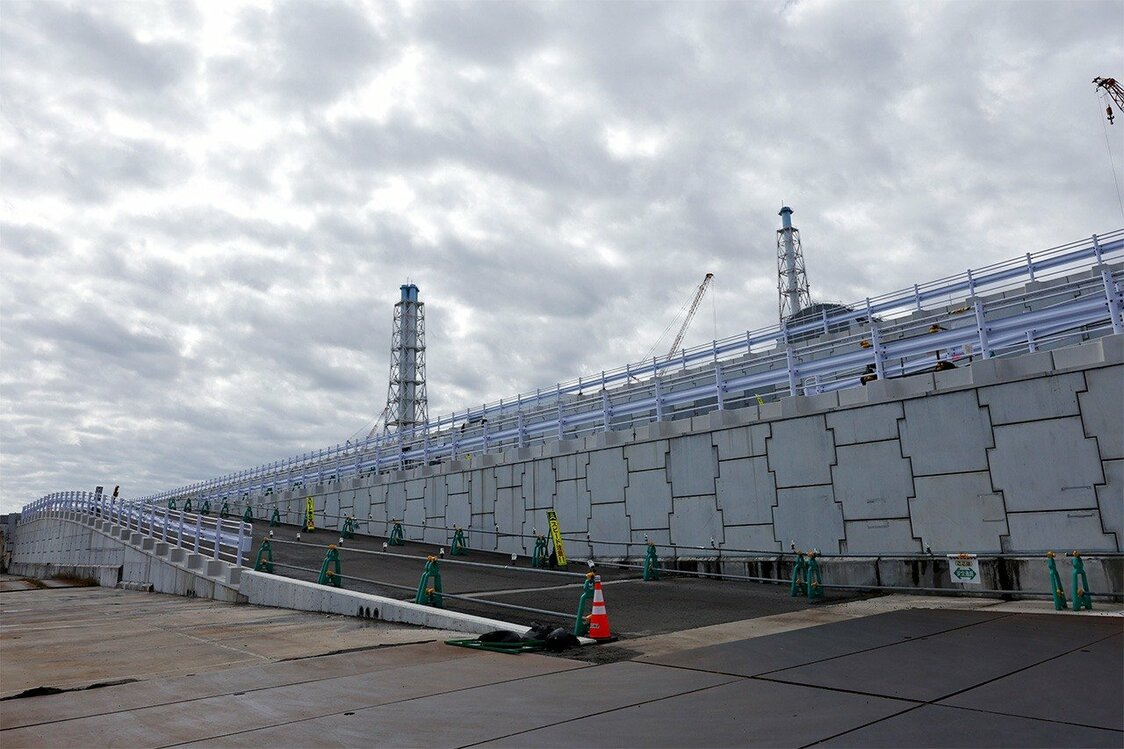
The seawall constructed for tsunami protection is approximately a kilometer long. (© Hashino Yukinori)
-
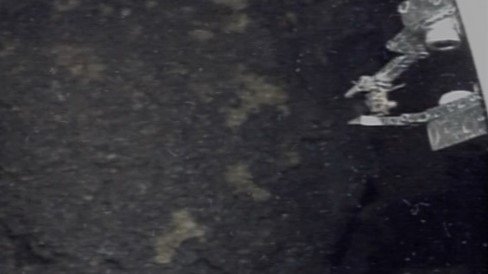
Removal of fuel debris from the containment vessel inside Unit Two using specialized equipment. The pincer-like object is holding debris. October 30, 2024. (Courtesy TEPCO)
-
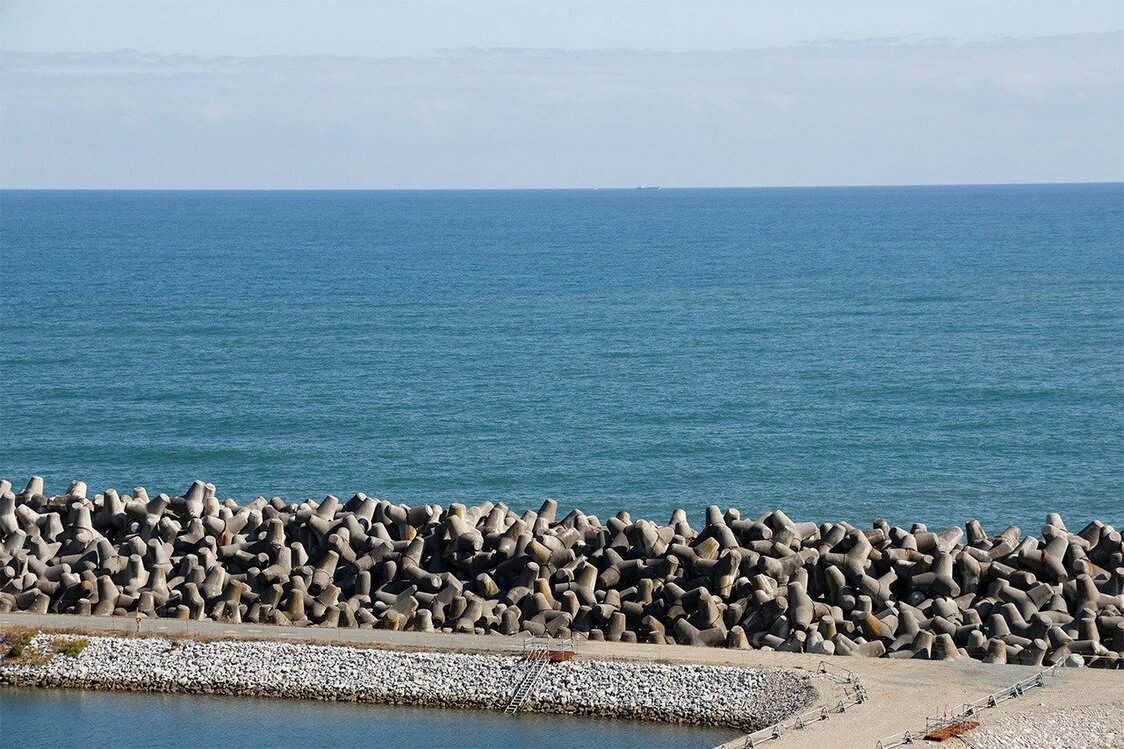
Looking out to the Pacific Ocean from Fukushima Daiichi Nuclear Power Station. The outlet for the pipe carrying treated wastewater is approximately one kilometer out to sea. (© Hashino Yukinori)


 Read in other languages