-
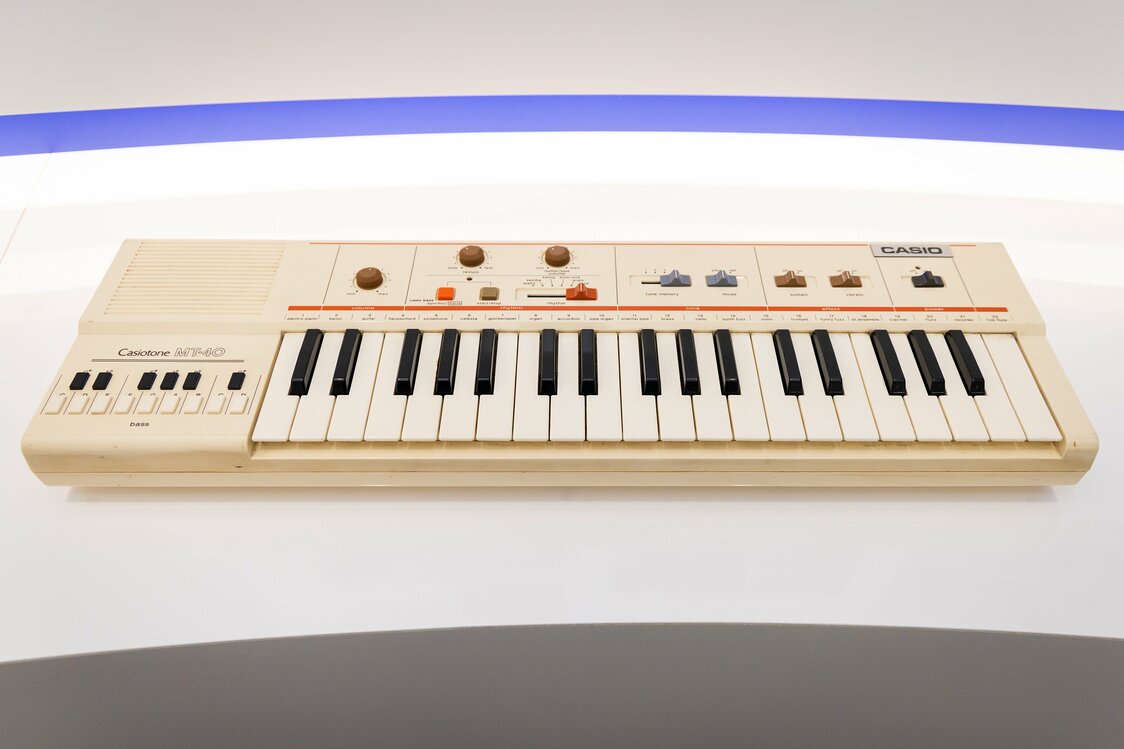
The Casiotone MT-40, which sold for ¥35,000. (Courtesy Okuda Hiroko)
-
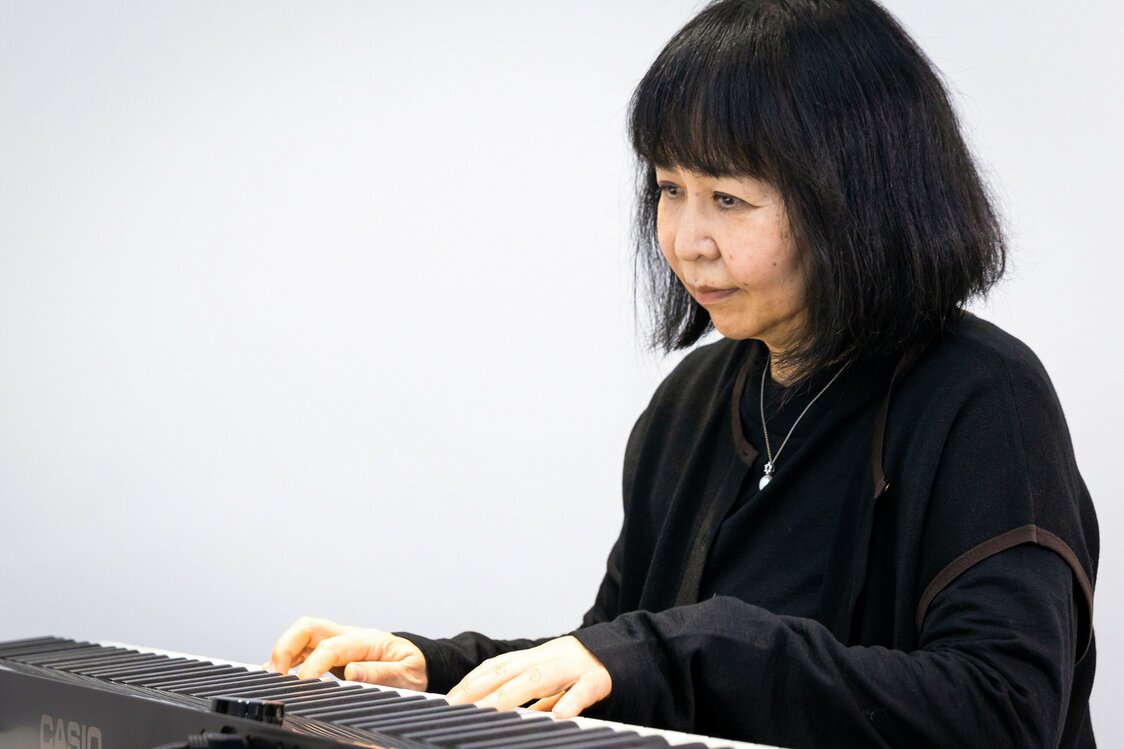
Okuda Hiroko plays a Casio electric piano.
-
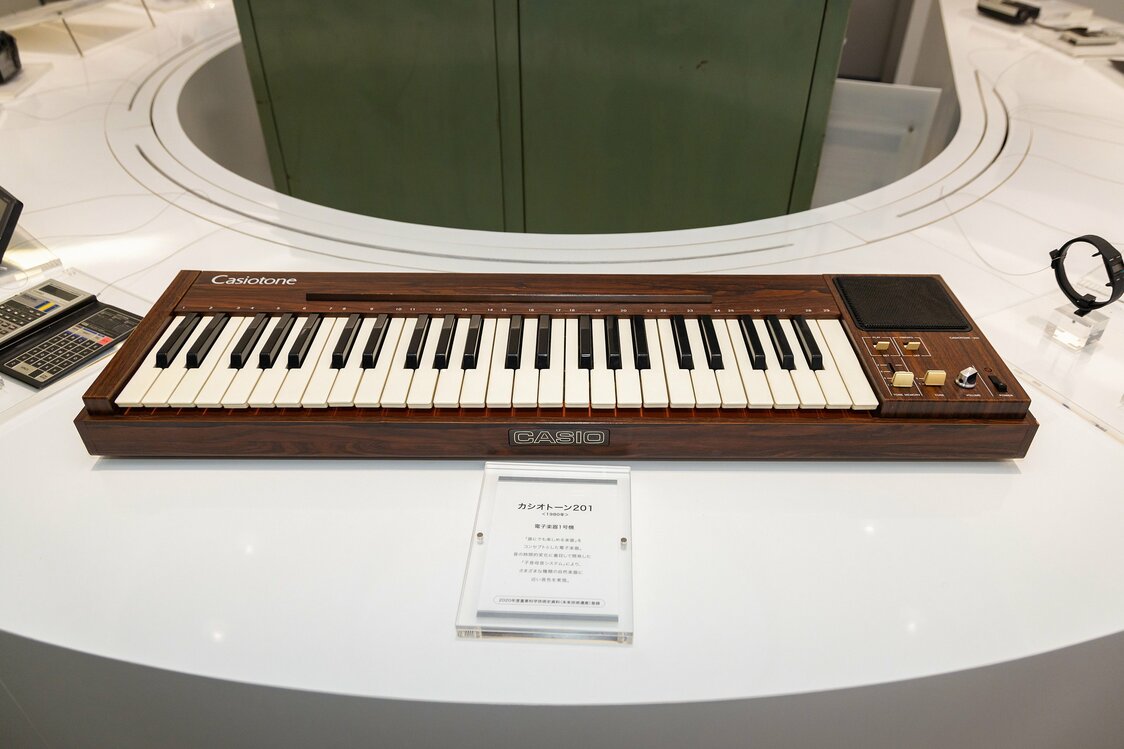
A Casiotone 201 on display in the showroom at Casio head office. The company’s first electronic instrument could reproduce the sounds of 29 different musical instruments.
-
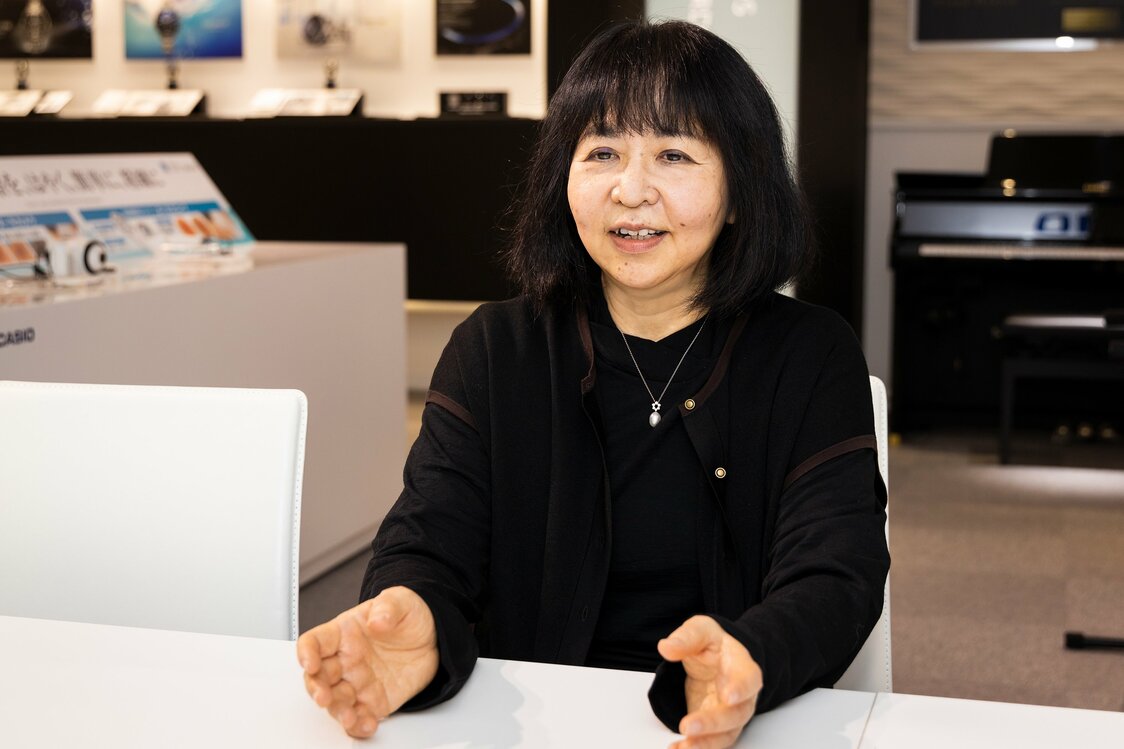
For this interview, Okuda met us at Casio head office in Shibuya, but normally she works out of the company’s R&D Center in Hamura on the outskirts of greater Tokyo.
-

Okuda during her first six months at Casio, just before she started work on developing tracks for the MT-40. (Courtesy Okuda Hiroko)
-
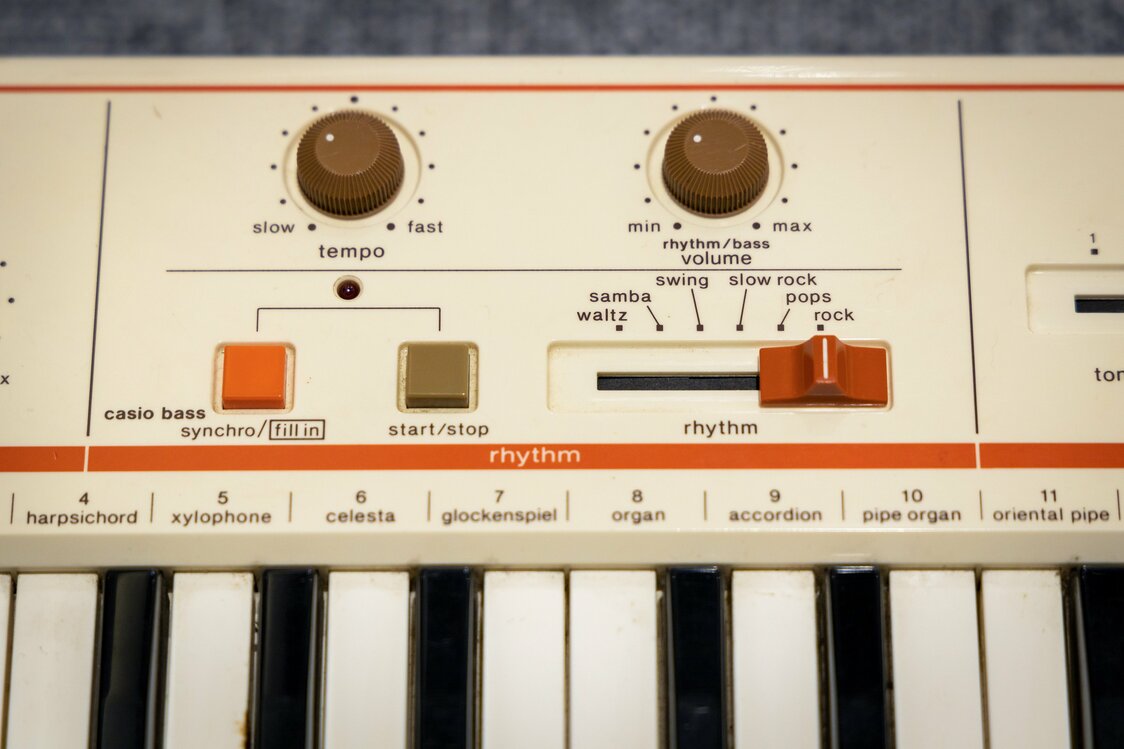
The preset buttons on the Casiotone MT-40. The number of switches was limited, which made selecting and using the presets less than straightforward. Noel Davey remembered having “lost the rhythm” at one stage during the songwriting process.
-
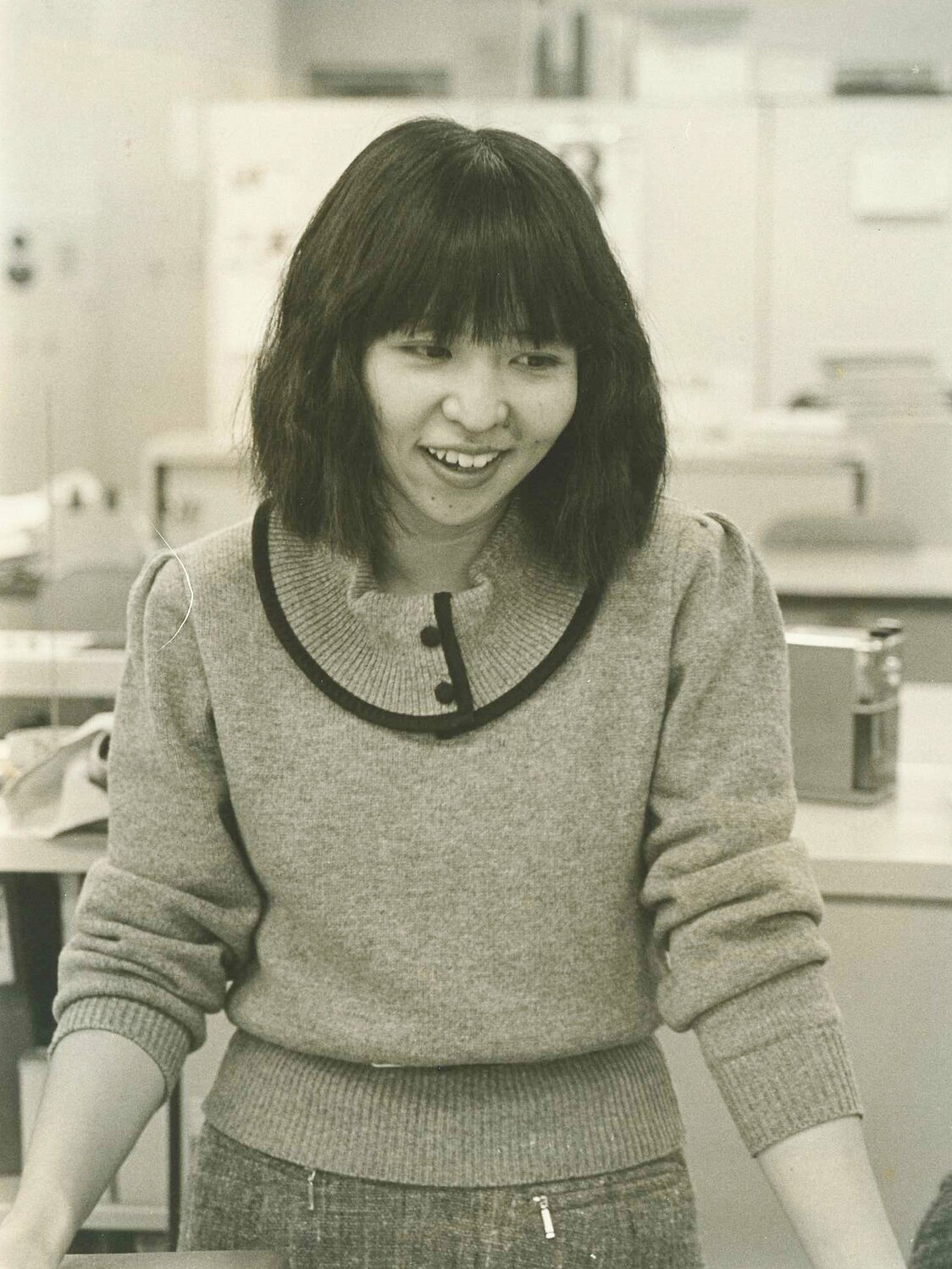
Okuda at work at Casio’s Hamura R&D Center around the time she learned of the Sleng Teng craze her preset rhythm had inspired. (Courtesy of Okuda Hiroko)
-
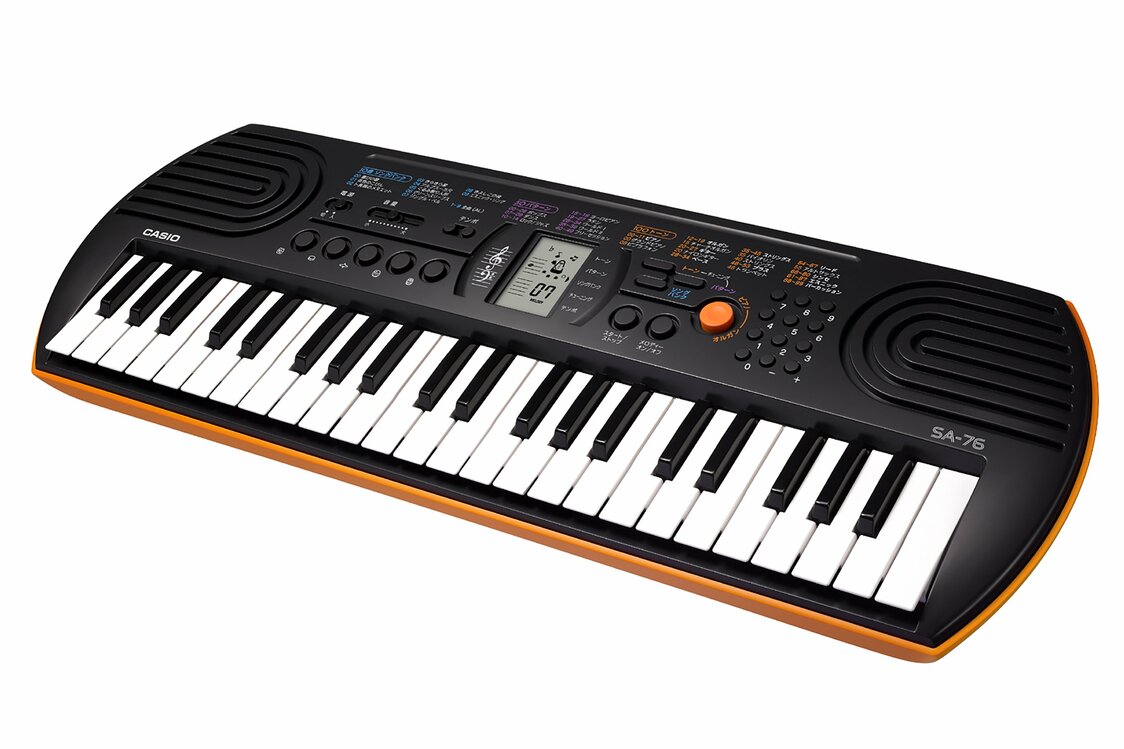
The original “MT-40 riddim” is installed in the current model of the Casiotone Mini-keyboard SA-76, allowing users to listen to and use the classic “rock” preset pattern. (Courtesy Casio)
-

The artwork created at the end of a demonstration performance using the Music Tapestry technology. A wide variety of colorful creations can be seen on the official Instagram page for the new technology. (Courtesy Casio)


 Read in other languages