-
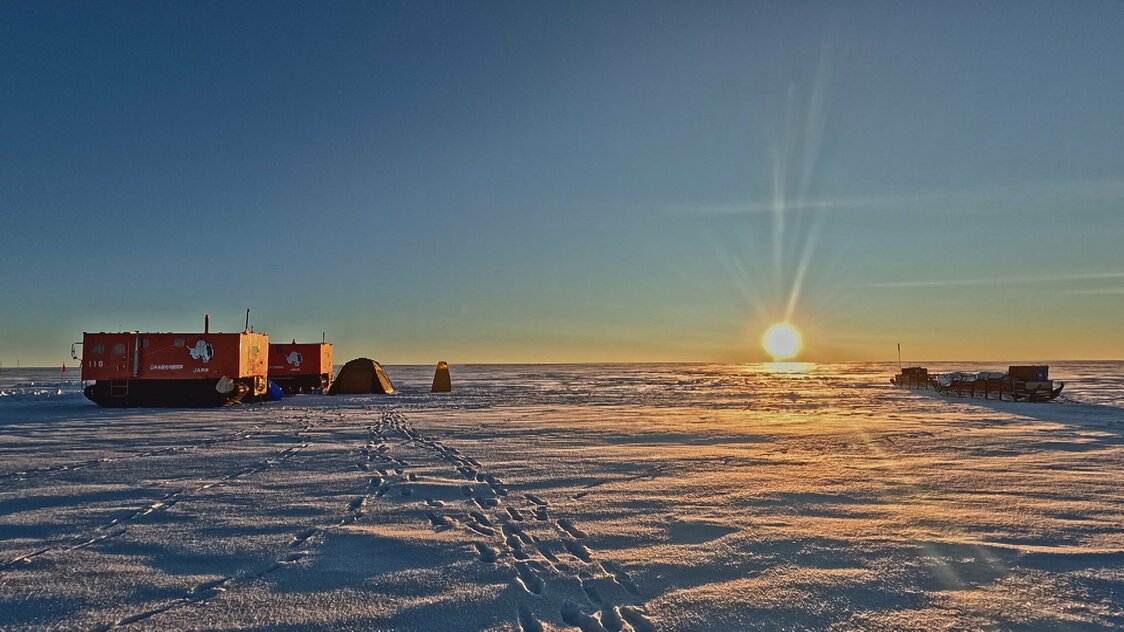
While scientists once used dog sleds to travel to the inner reaches of Antarctica, these days they chiefly use snowcats, sometimes spending months at a time camped inside their vehicles. (Courtesy Fuji Television)
-
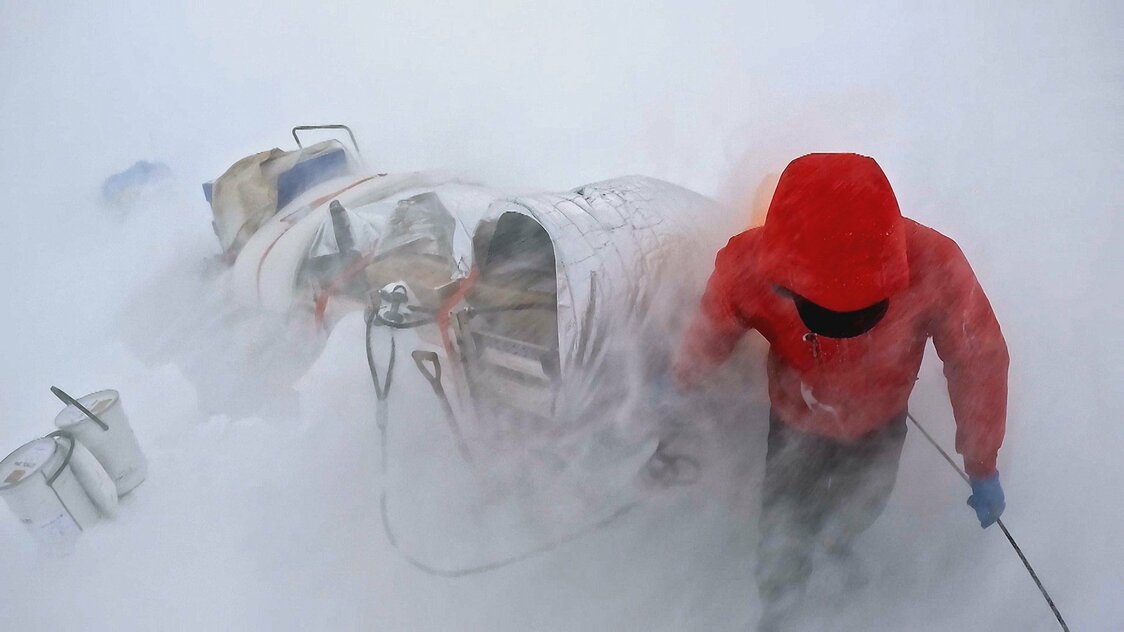
A researcher clings to a rope during a blizzard. (Courtesy Fuji Television)
-
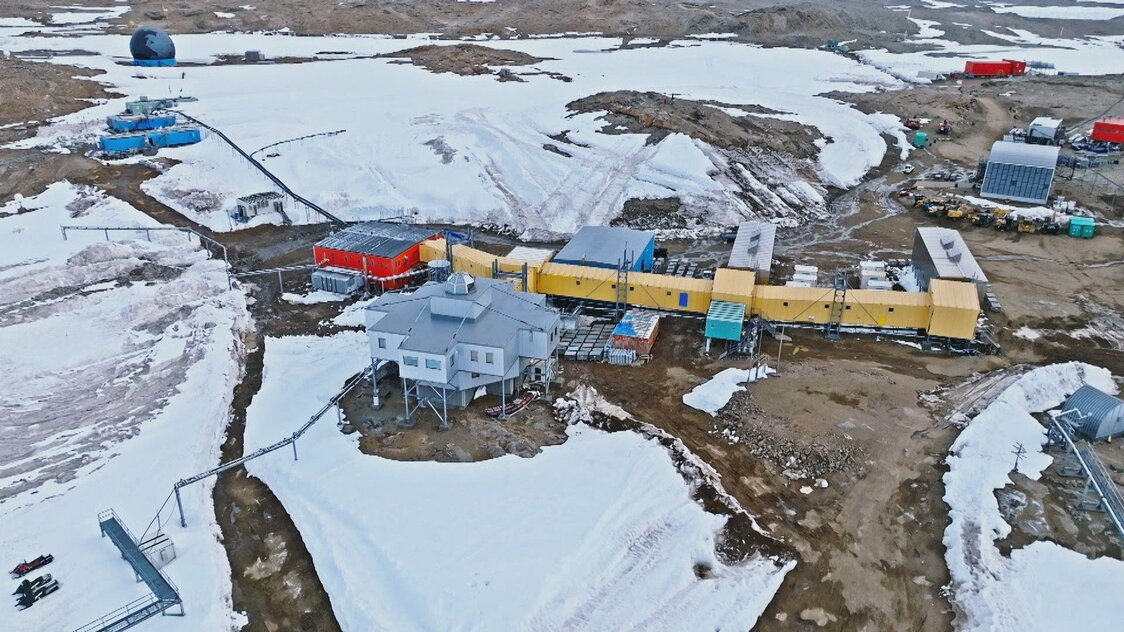
Japan’s Shōwa Station in Queen Maud Land, Antarctica. (Courtesy Fuji Television)
-

Japanese research stations in Antarctica
-
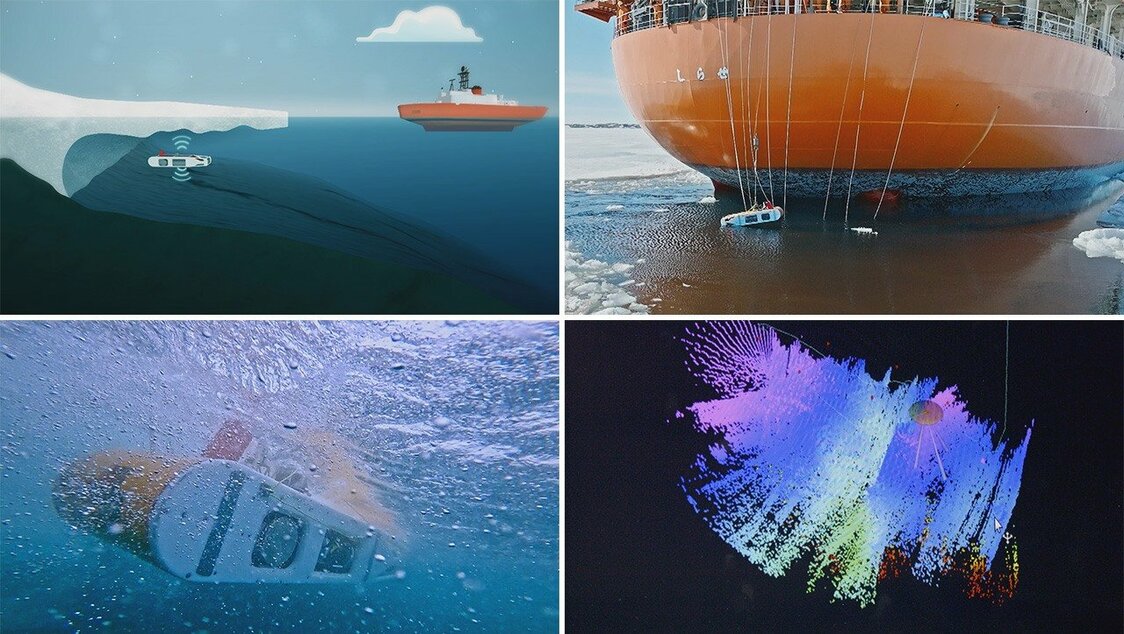
On the sixty-fourth expedition, ice melt research was performed using the MONACA (Mobility Oriented Nadir AntarctiC Adventurer) autonomous submersible robot. After the submersible has been lowered into the sea from the Antarctic observation vessel Shirase, it dives under the ice and gathers data on the terrain of the sea floor (bottom right). (Courtesy Fuji Television)
-
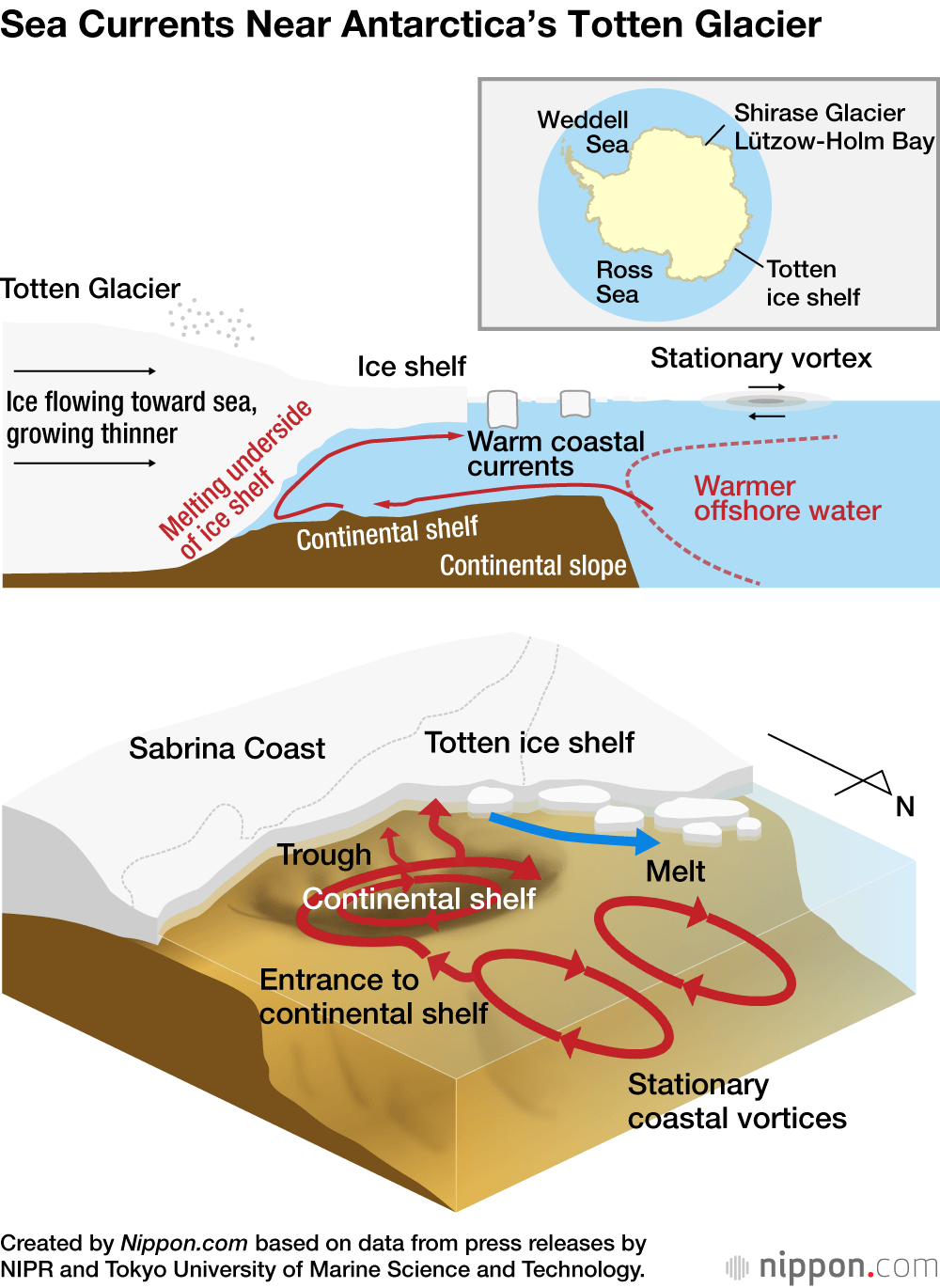
Sea Currents Near Antarctica’s Totten Glacier
-
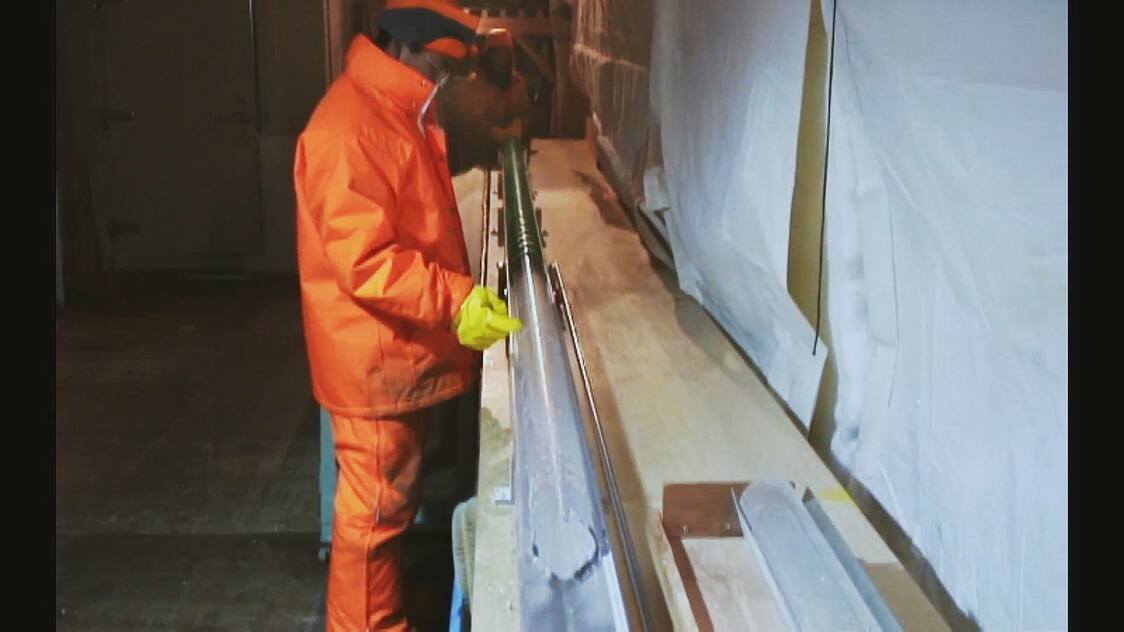
Sampling a 720,000-year-old ice core. (© NIPR)
-
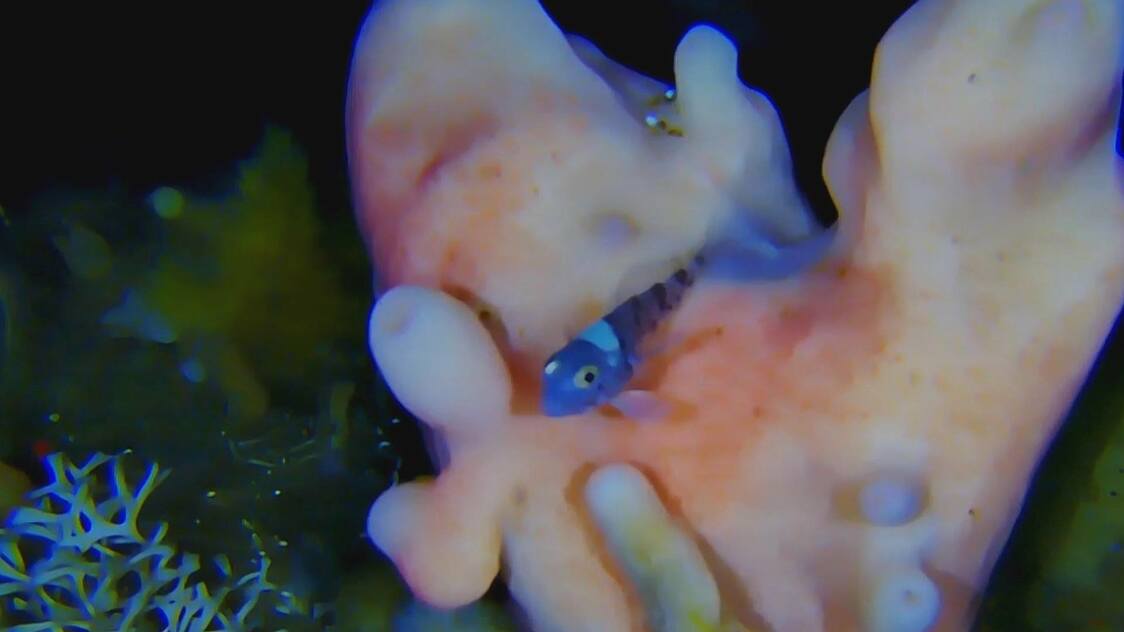
An emerald rock cod in the waters near the Shōwa station. (Courtesy Fuji Television)
-
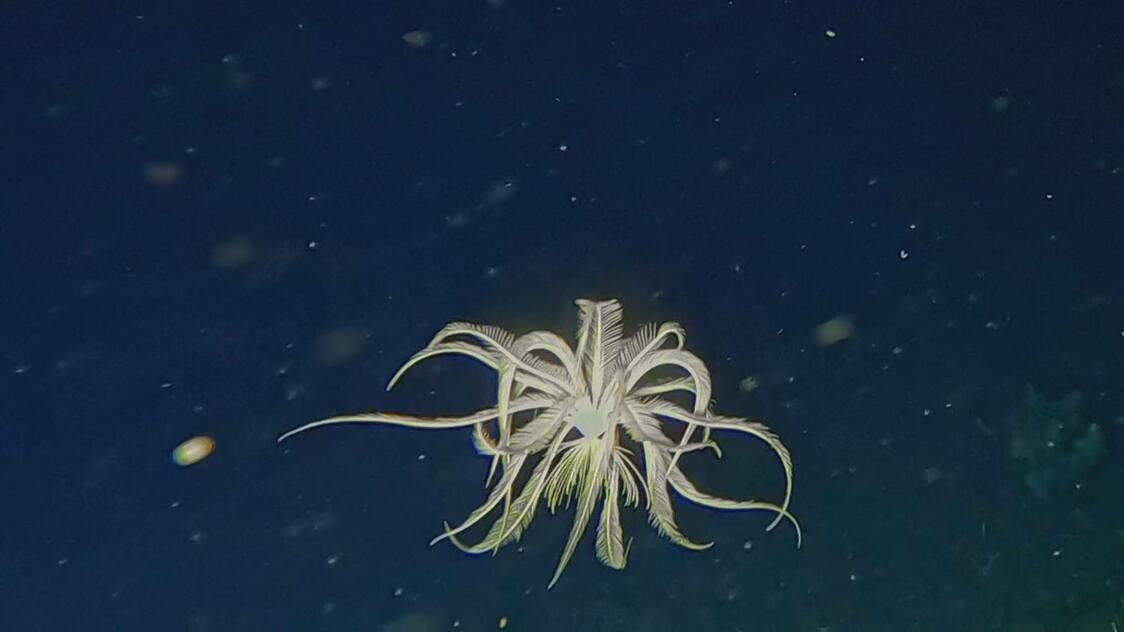
This relative of the starfish swims by extending its arms like a flower. (Courtesy Fuji Television)
-
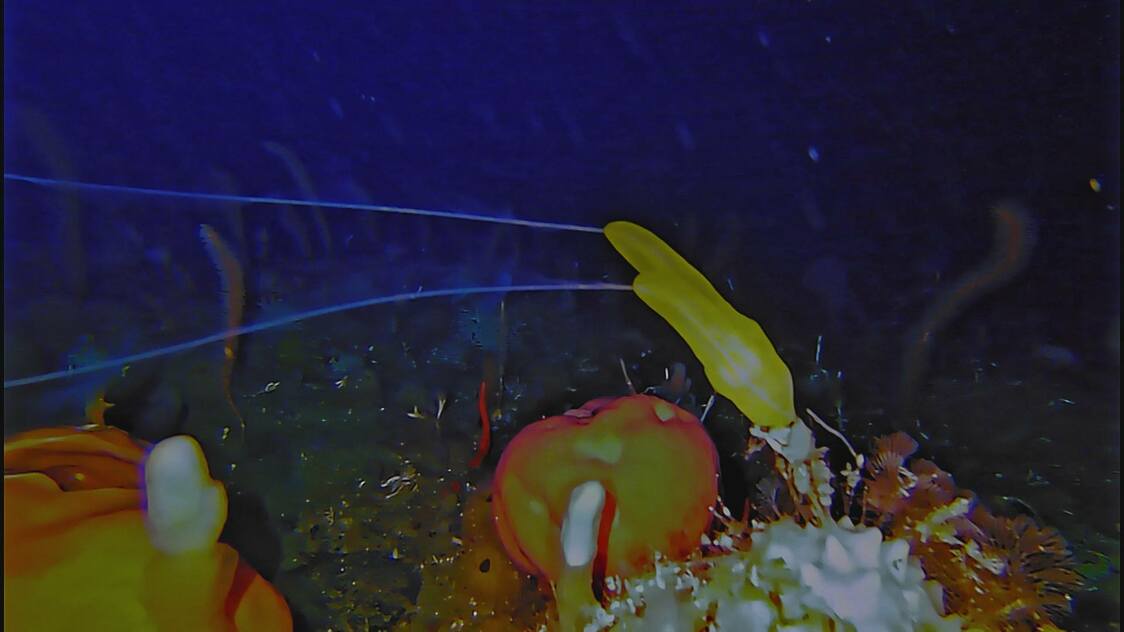
This jellyfish never swims, instead catching prey using the white tentacles that extend from its yellow body. (Courtesy Fuji Television)
-
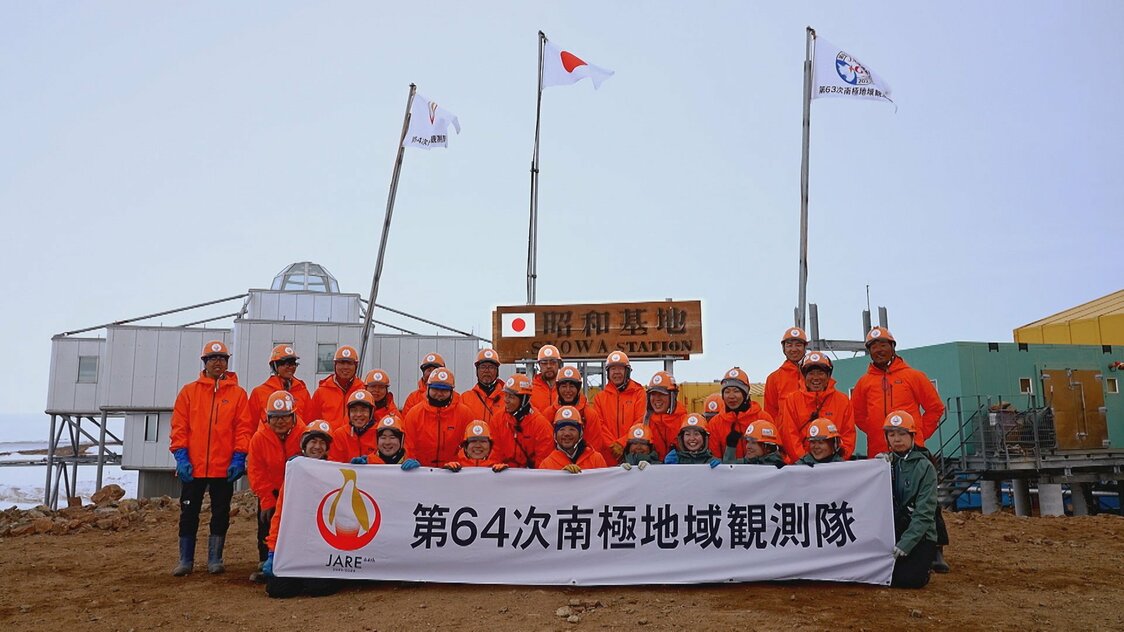
Part of the sixty-fourth Antarctic expedition: Around 30 members of the team wintered in Antarctica until they were relieved over a year later. (Courtesy Fuji Television)


 Read in other languages