-
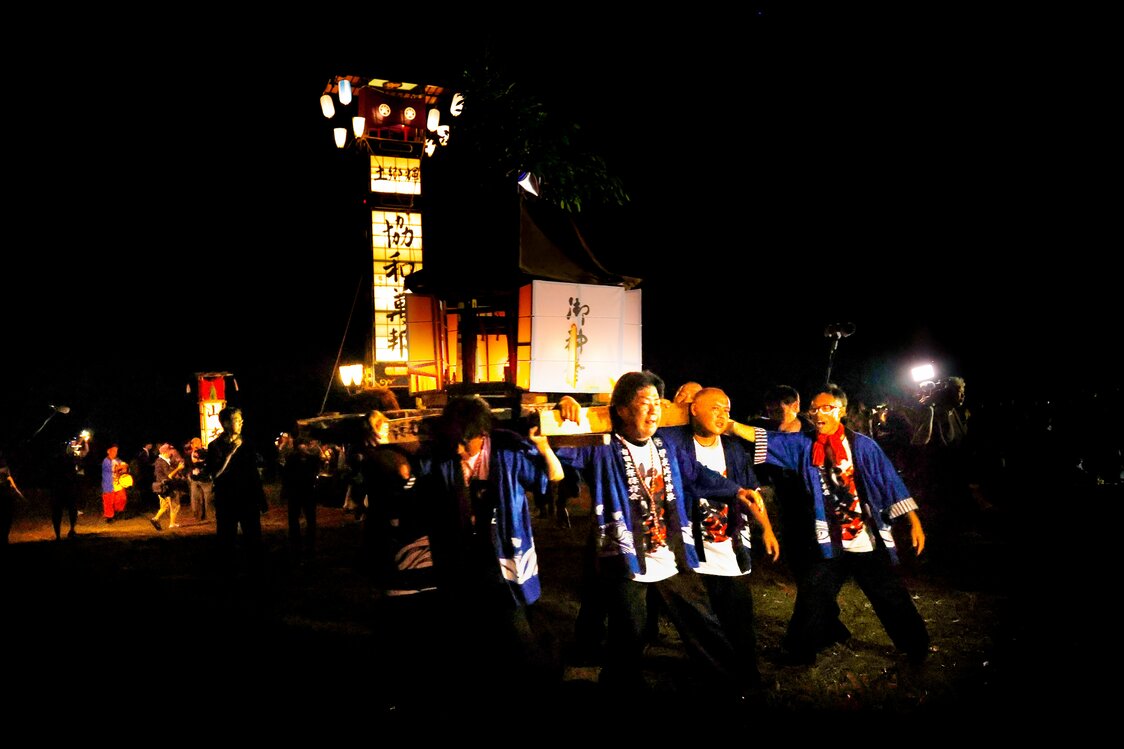
Considered one of the most epic of the kiriko festivals, the Kōda Fire Festival took place on July 27, 2024, in Nanao, Ishikawa Prefecture. This is despite the region being one where recovery from the New Year’s Day earthquake has been delayed. (© Haga Library)
-
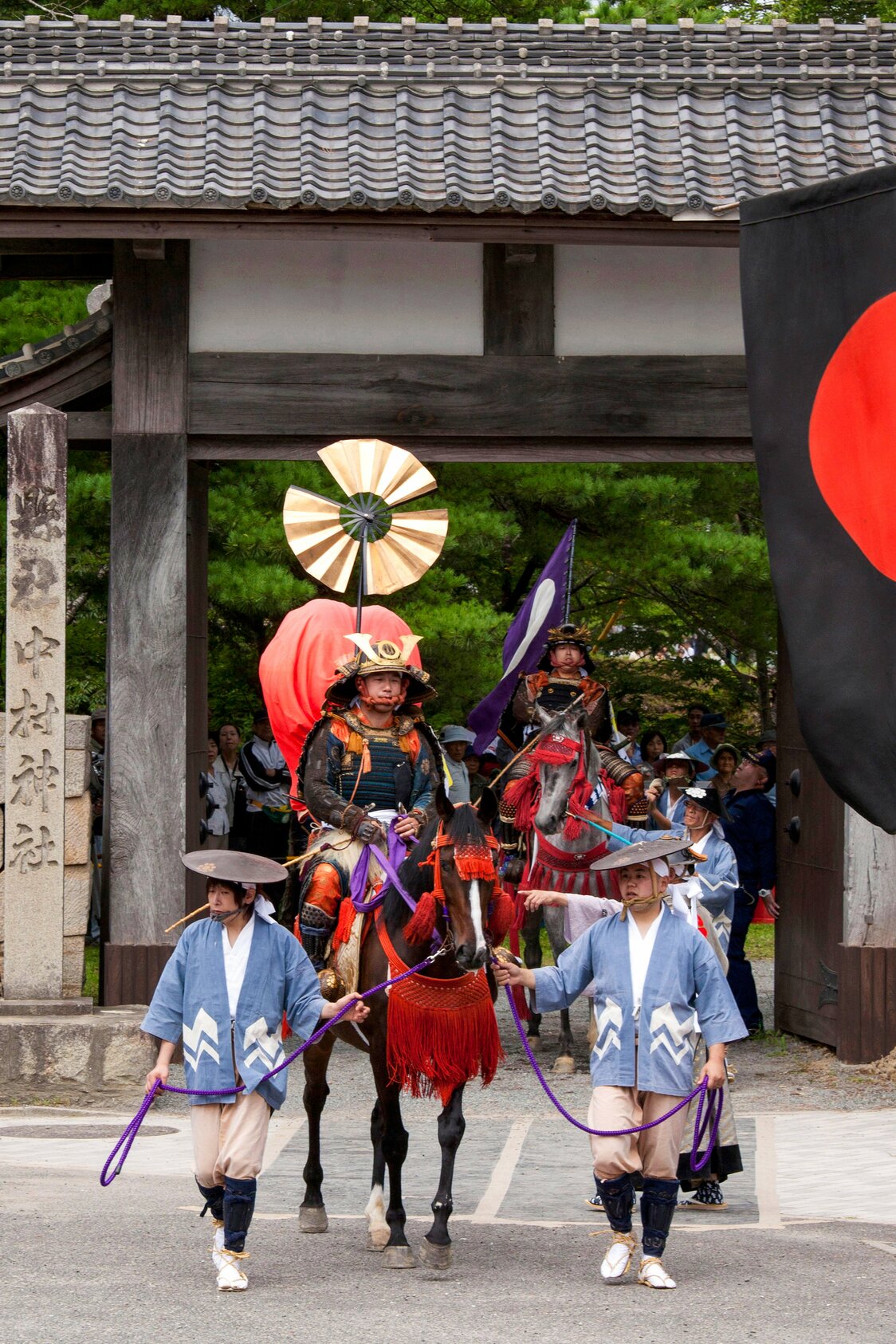
The Sōma Nomaoi festival’s sending-off ceremony on July 23, 2011 (generally held in late May). (© Haga Library)
-
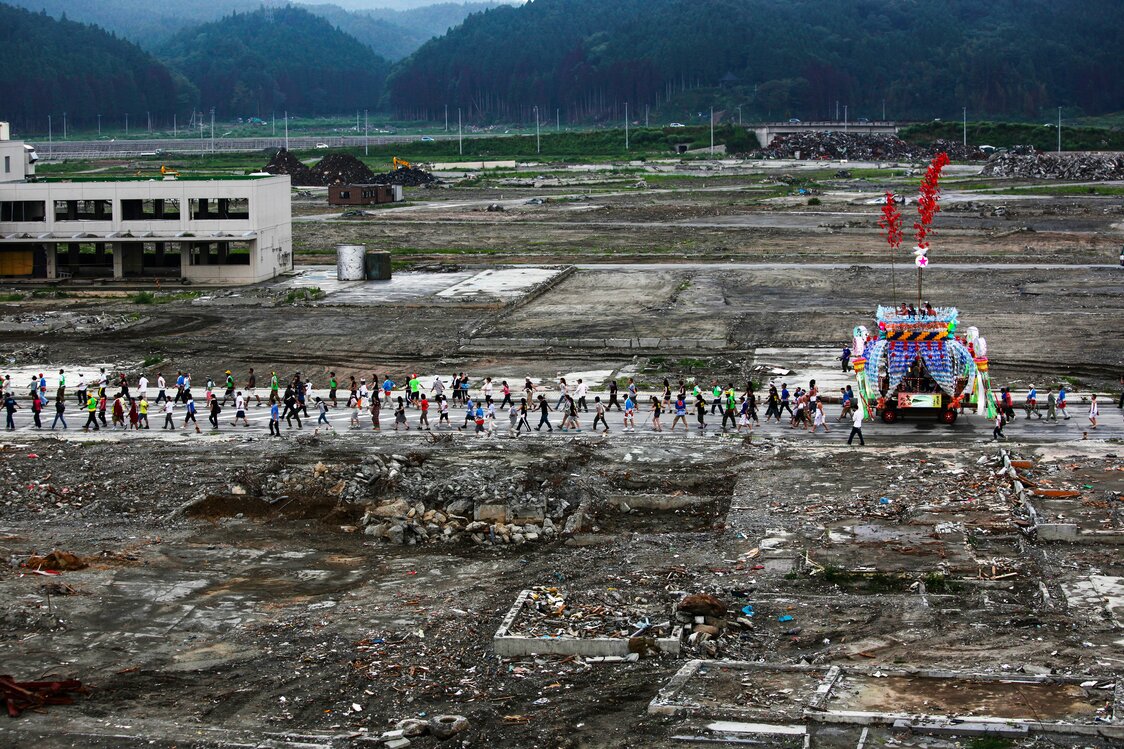
Floats carried through the debris of the Rikuzentakata township during the Ugoku Tanabata festival held on August 6–7, 2011. (© Haga Library)
-
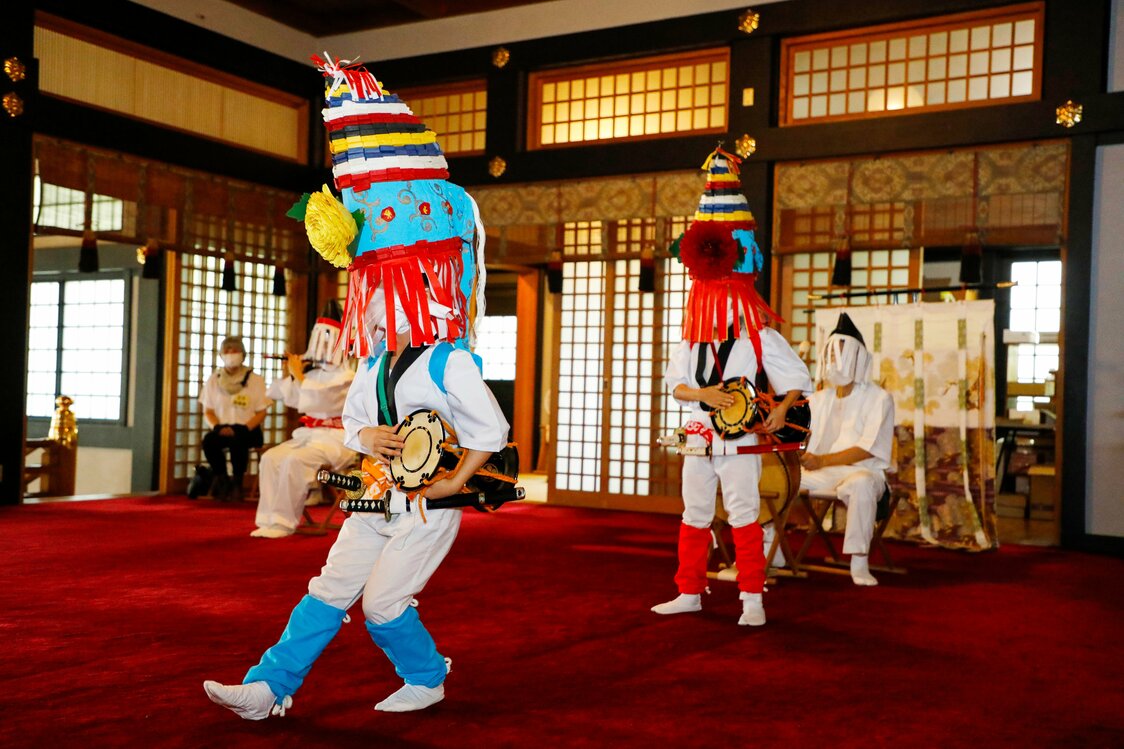
The 2020 Ōji Dengaku was held with no spectators in early August. Indeed, the shrine posted a notice saying it would be cancelled if even one spectator showed up. (© Haga Library)
-
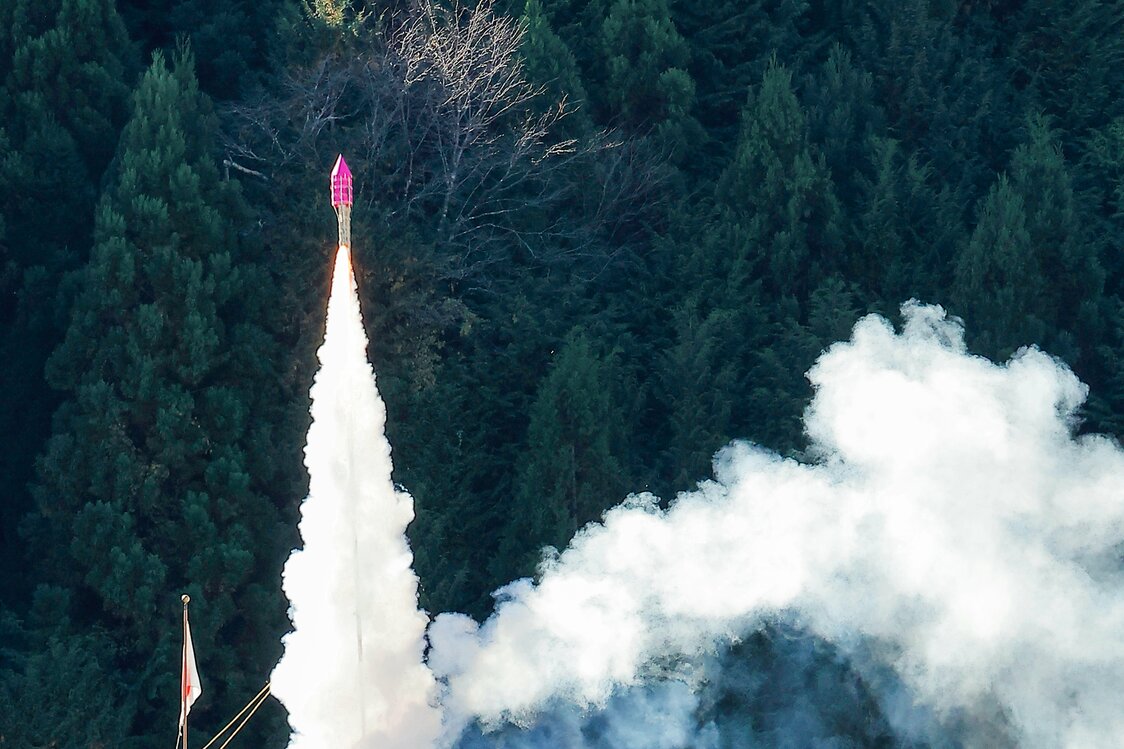
The Asahina Dairyūsei is held in autumn every other year. It was held on November 13, 2021, with no audience. (© Haga Library)
-
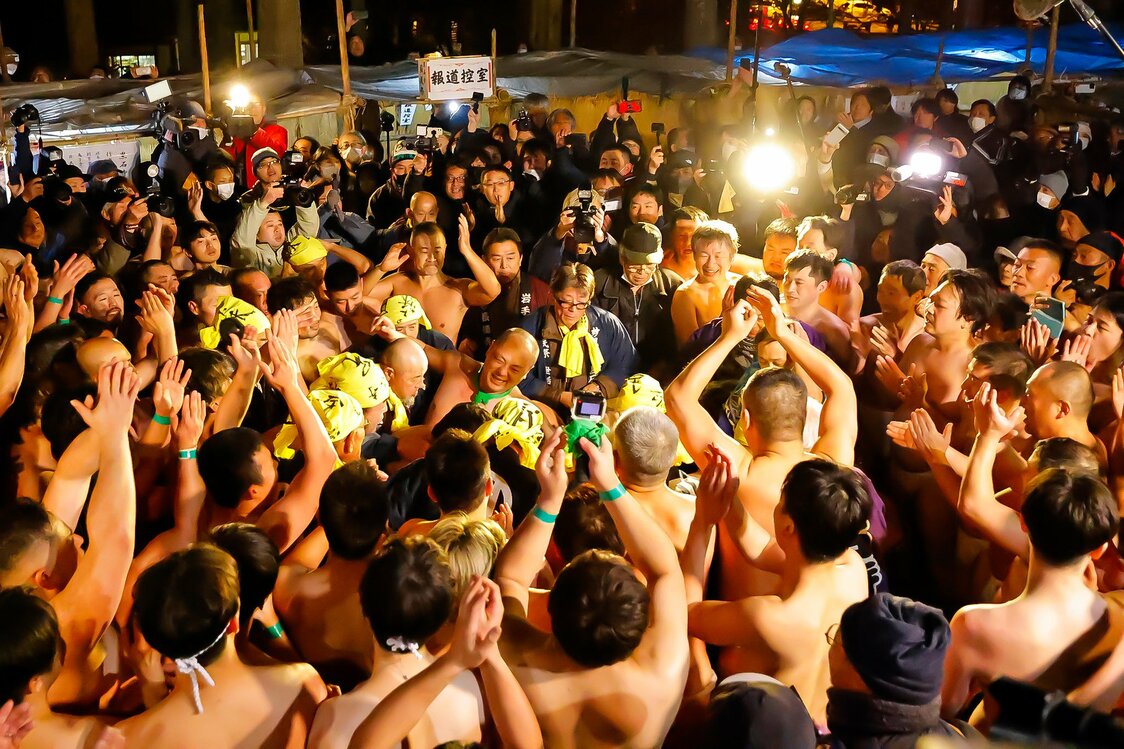
Some 270 naked men and 400 members of the press at the end of the final Sōminsai festival, exceeding the numbers of previous years. (© Haga Library)
-
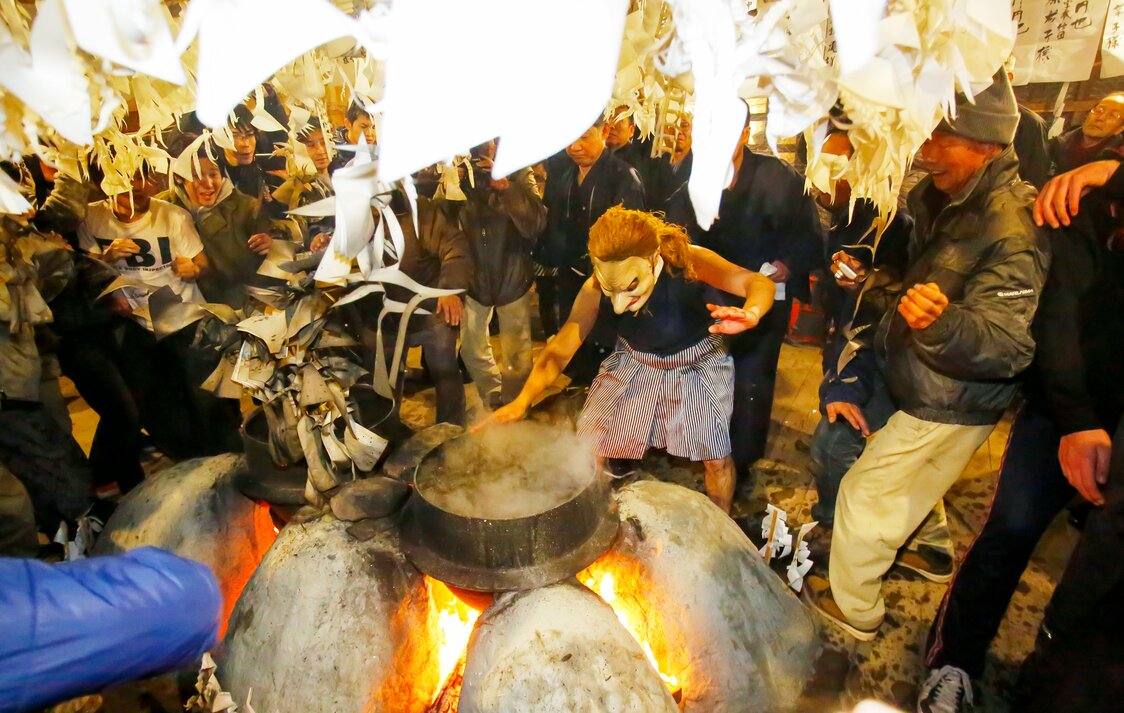
The Shimotsuki Matsuri takes place on the second Saturday in December in the Kizawa district. The leadership of the festival has slowly been transformed by people from their teens through their forties. (© Haga Library)
-
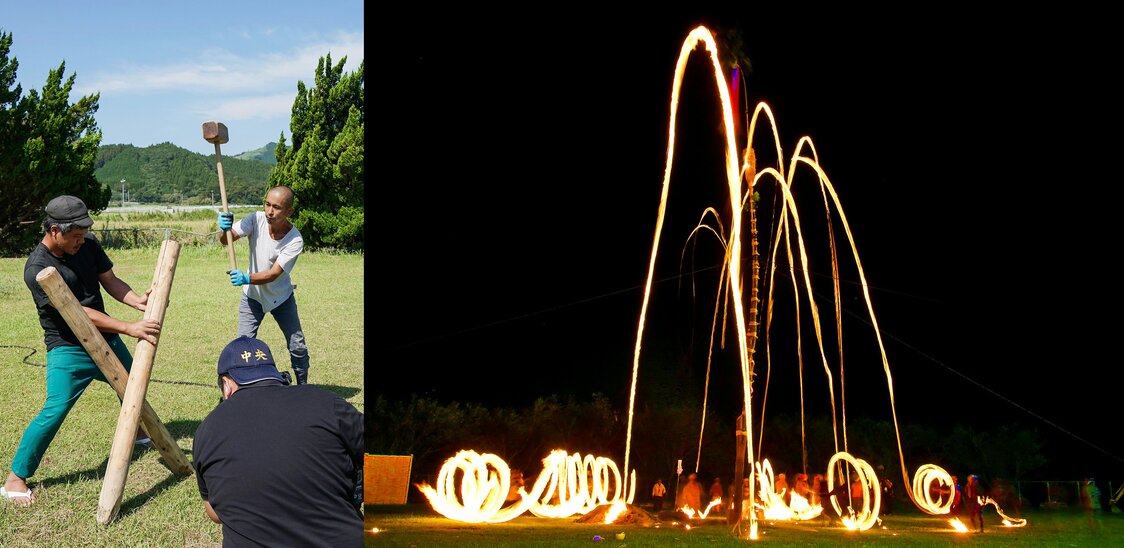
Scenes from the Ichiki Koshiki Jūgoya Hashiramatsu Shinji, literally the “Ichiki traditional-style pine pillar festival on the fifteenth evening.” (© Haga Library)
-
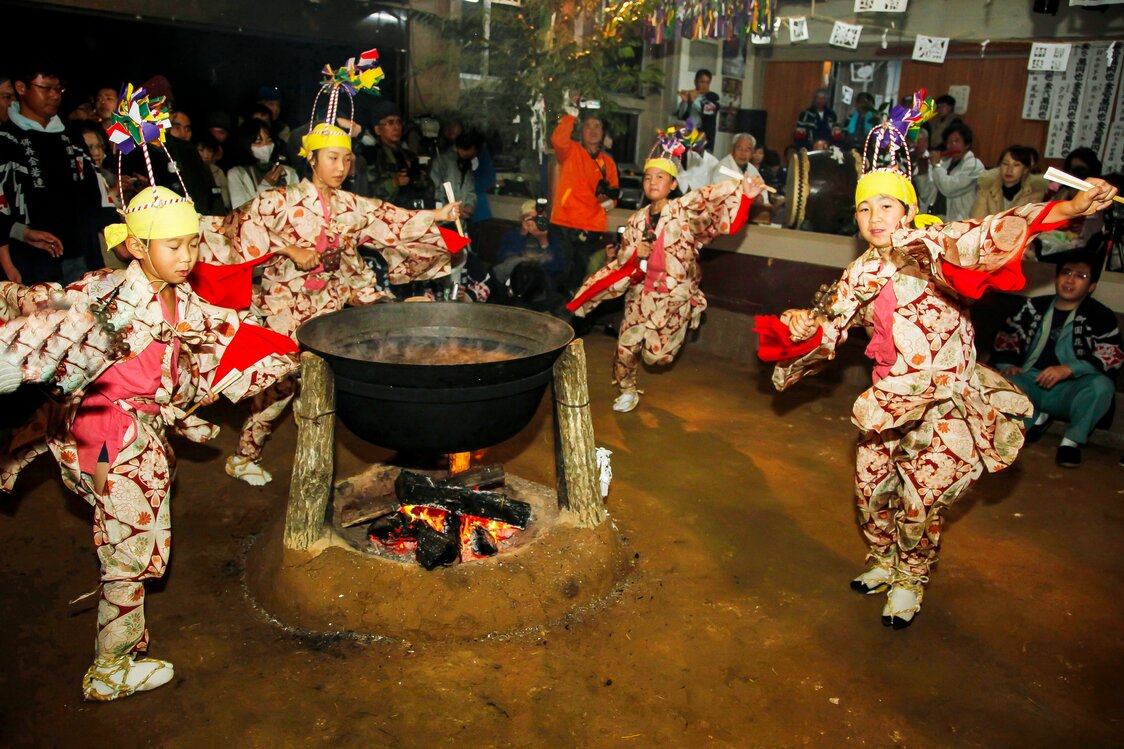
The dances performed by chigo around hot water at flower festival in the Okumikawa region of Aichi Prefecure usually take place from November to January. (© Haga Library)
-
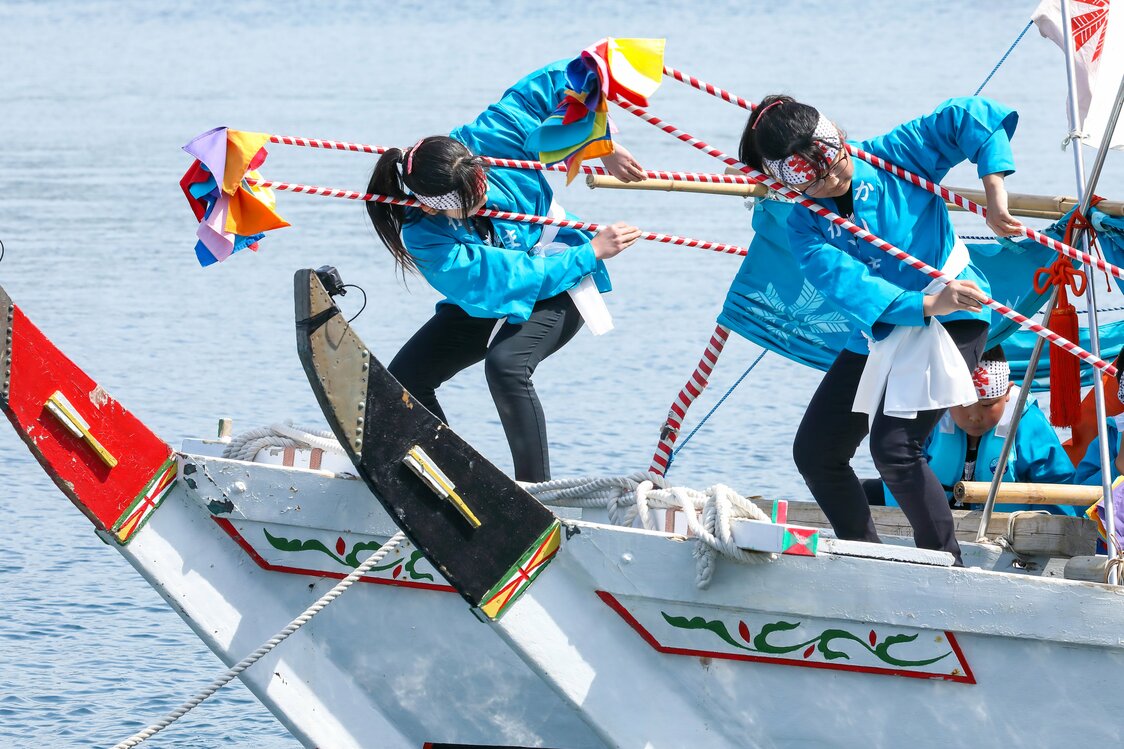
Scenes from on the sea during the Kashima Oar Parade, generally held May 3–4. (© Haga Library)
-

Girls take part in sumō matches outside the main ring during the Takahama Hachiman Shrine Shūki Taisai. (© Haga Library)


 Read in other languages