-
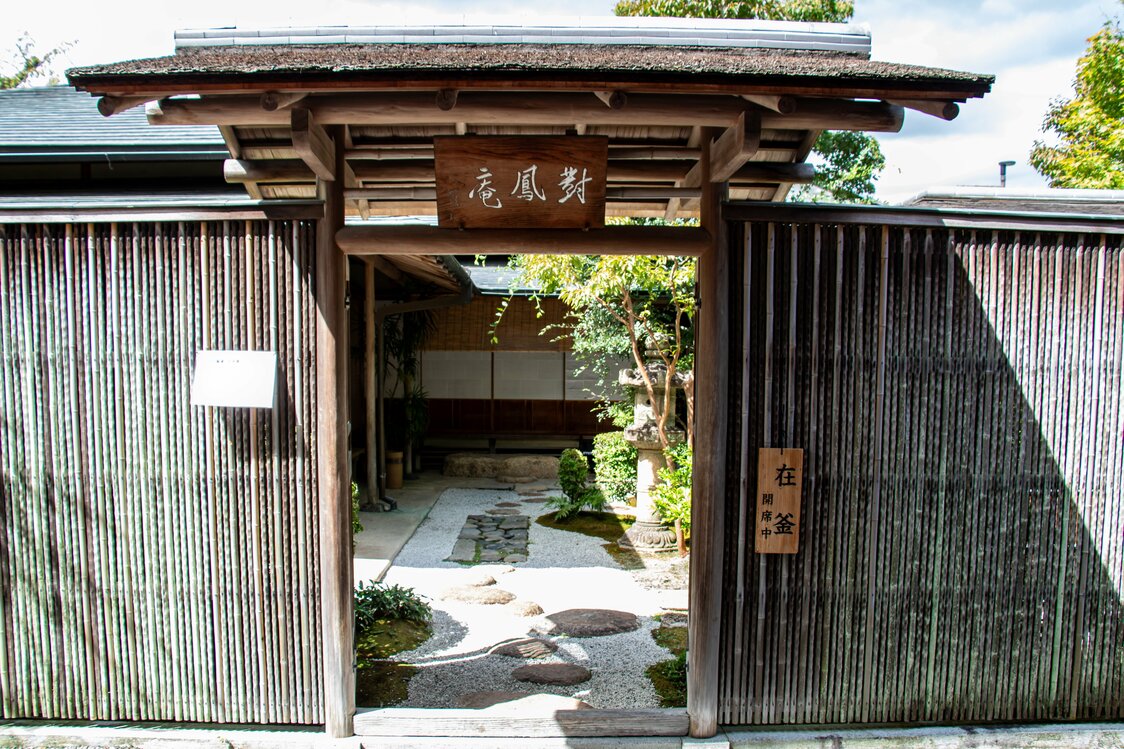
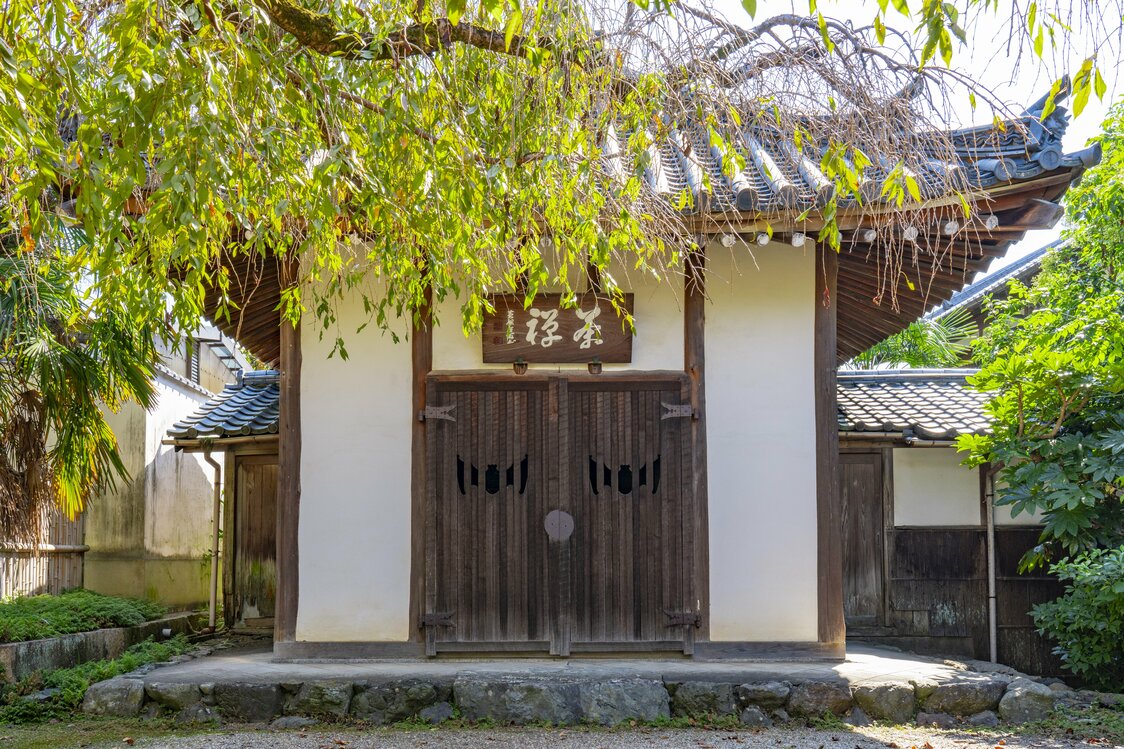
Visitors pass through a rustic gate to reach Taihōan. (© Fujiwara Tomoyuki)
-
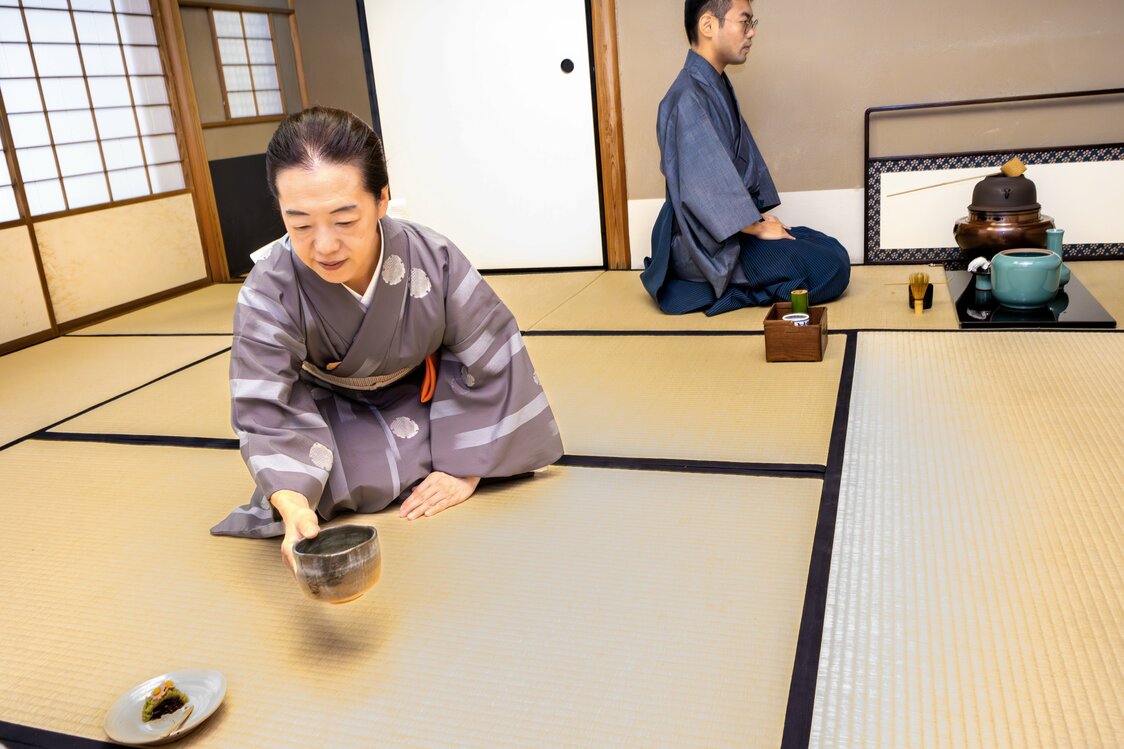
A bowl of matcha is served at Taihōan. (© Fujiwara Tomoyuki)
-
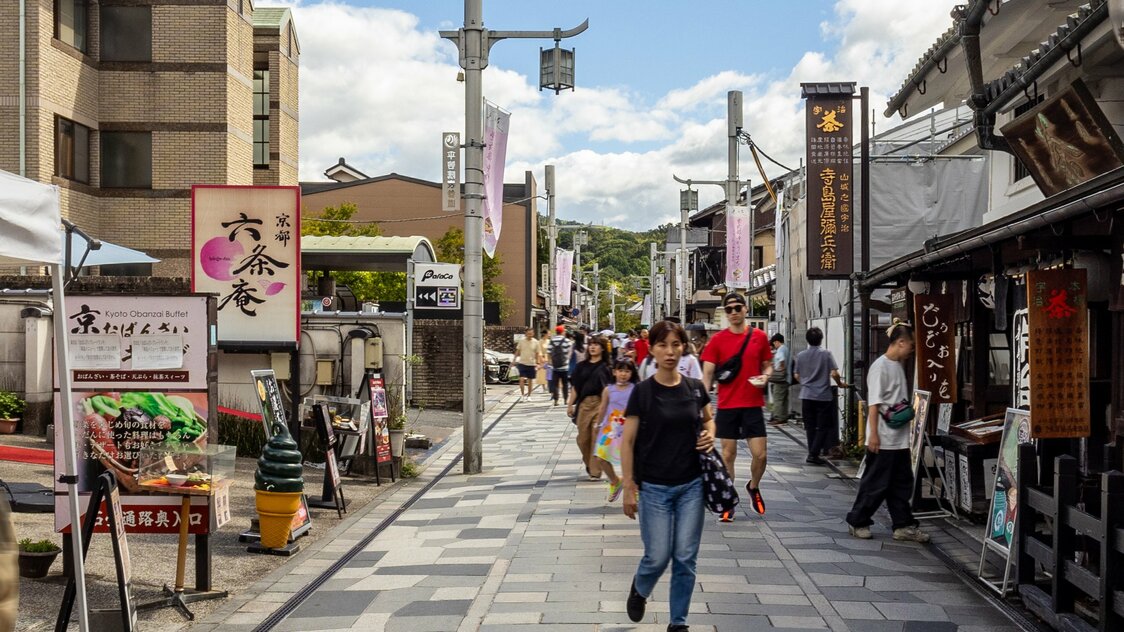
The street approaching Byōdōin is lined with tea houses and traditional confectioners. (© Fujiwara Tomoyuki)
-
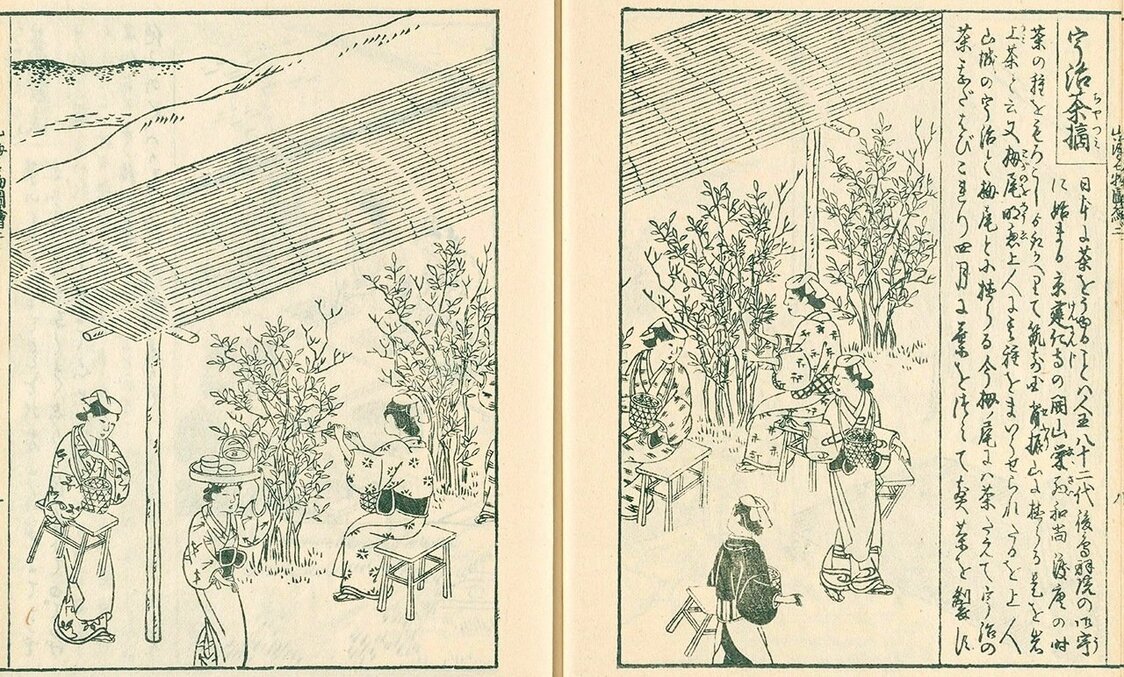
“Picking tea in Uji” from Nihon sankai meibutsu zue. (Courtesy National Diet Library digital collection)
-
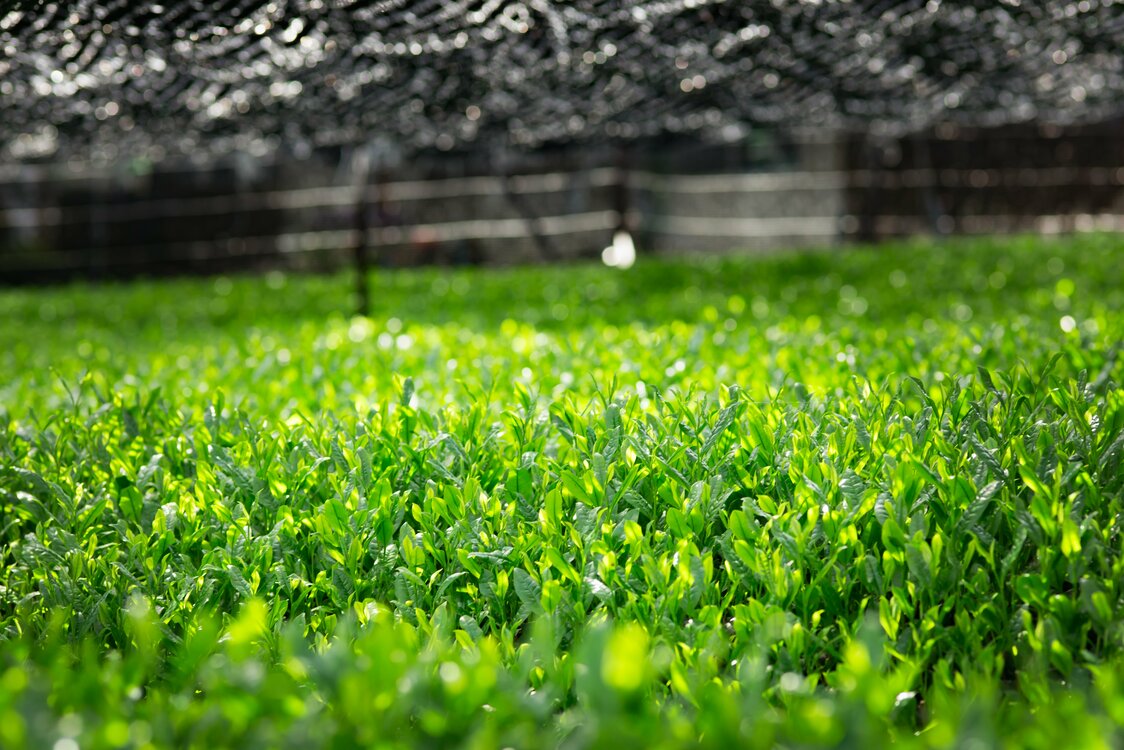
Tencha, tea grown in the shade of traditionally woven straw matting, for making matcha. (© Pixta)
-
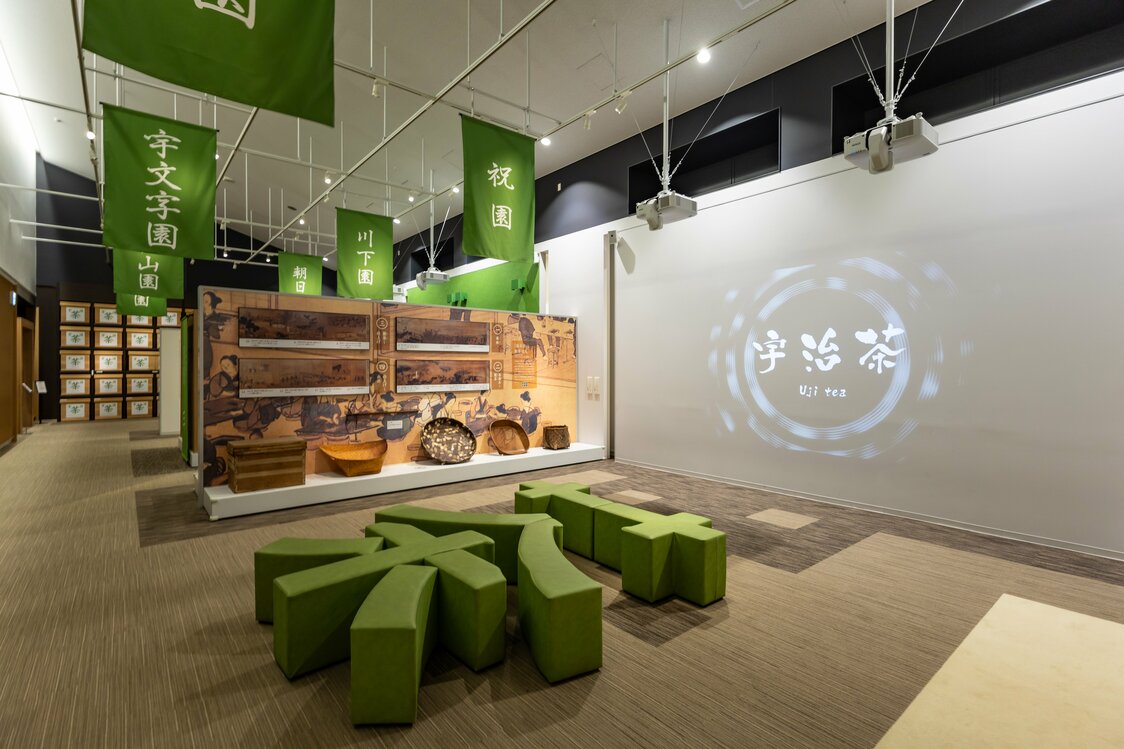
Chazuna features digital exhibits explaining the history of tea. (© Fujiwara Tomoyuki)
-
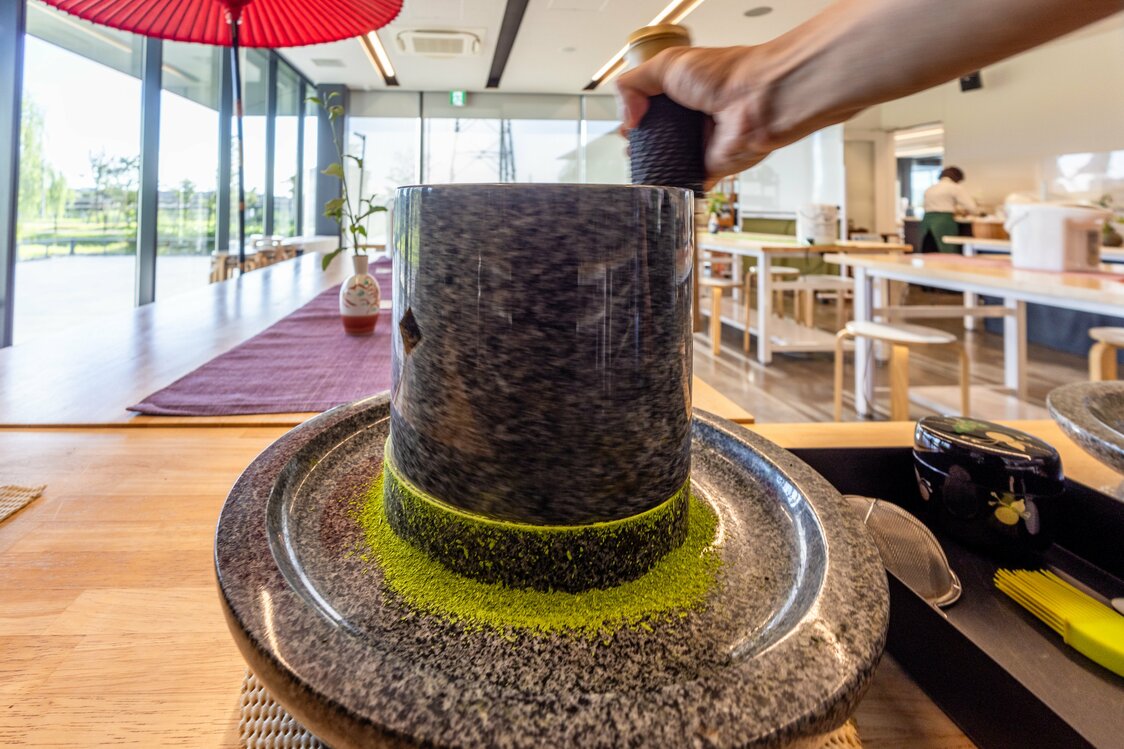
At Chazuna, you can try using a millstone to grind tencha. (© Fujiwara Tomoyuki)
-
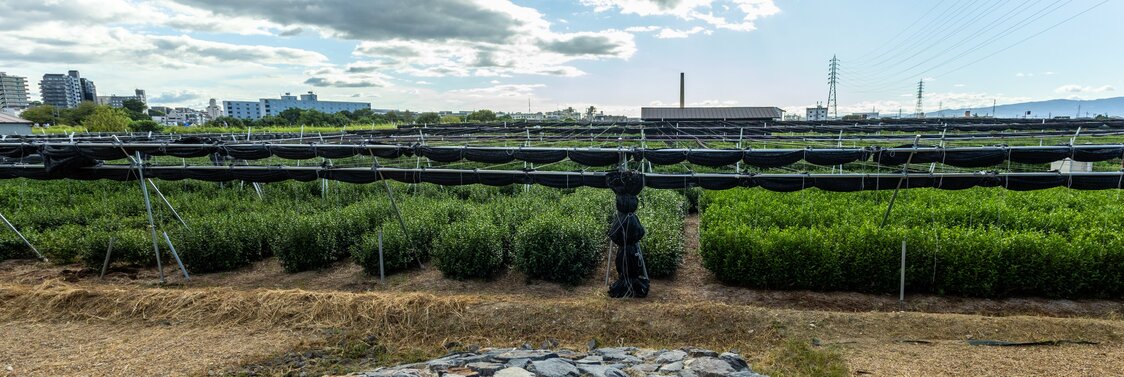
Tea fields in Uji. The plants are grown under shading to avoid direct sunlight. (© Fujiwara Tomoyuki)
-
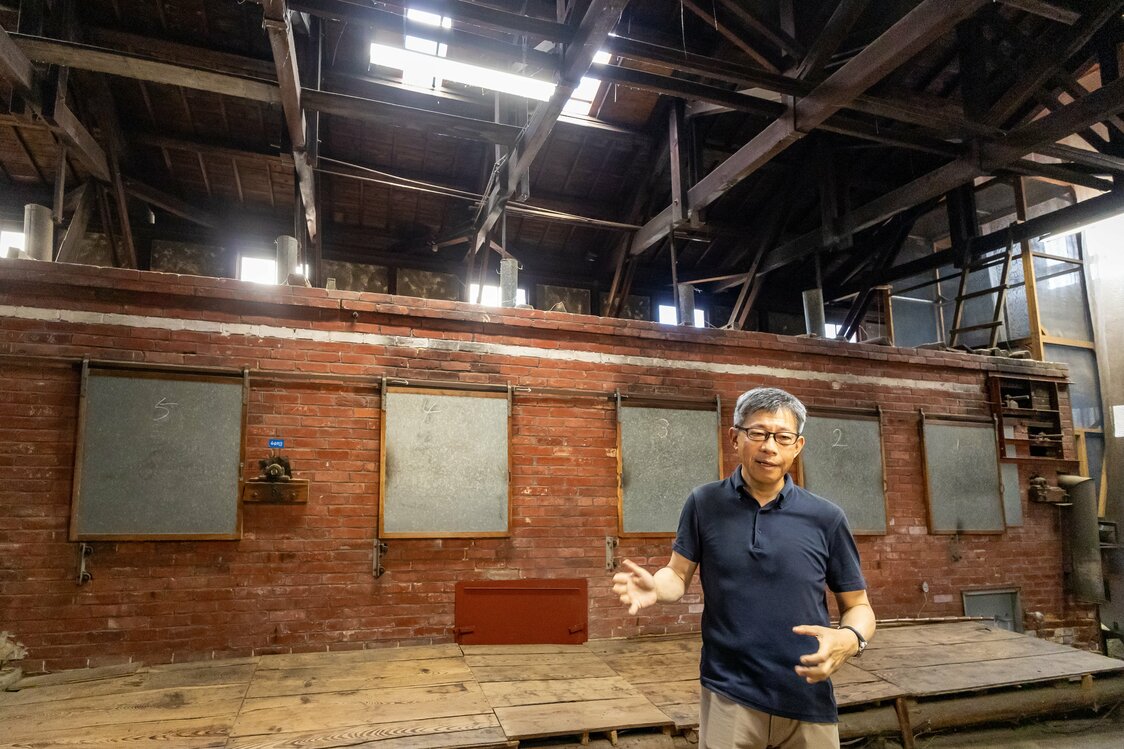
Fukui Keiichi of Fukubun Seichajō explains how their historic factory uses heat and wind to produce full-flavored tencha from Uji-grown tea. (© Fujiwara Tomoyuki)
-
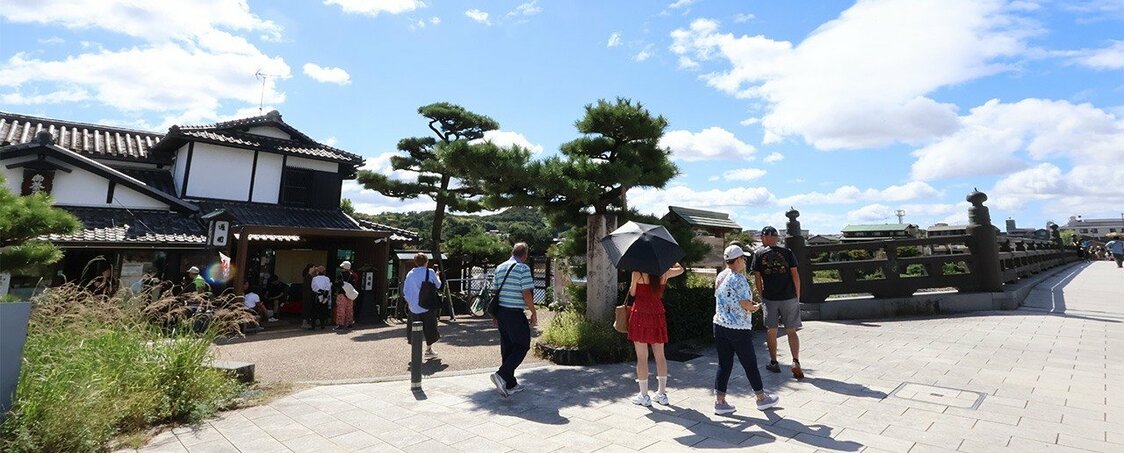
Tsūen, near Uji Bridge, is Japan’s oldest tea house, tracing its history back to 1160. (© Fujiwara Tomoyuki)
-
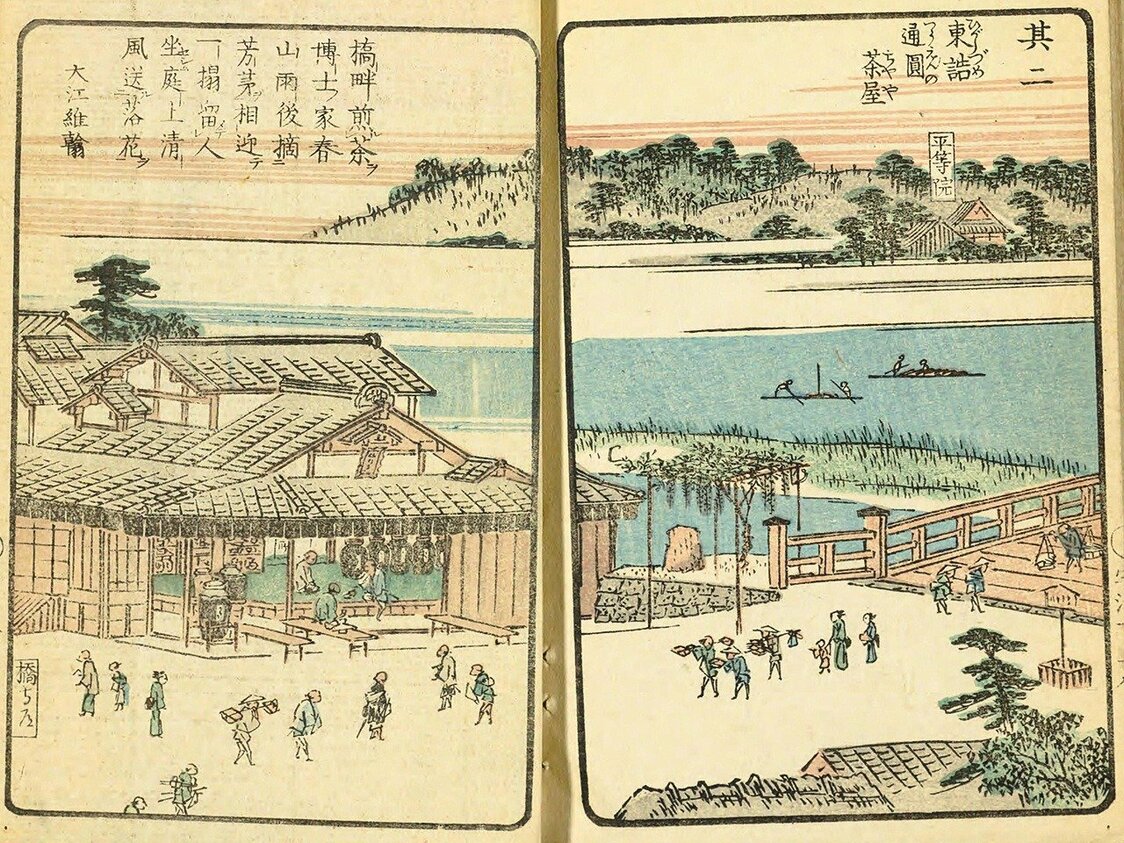
Tsūen tea house, seen in the Ujigawa ryōgan ichiran (Sights on the Banks of the Uji River), printed in 1863. (Courtesy the National Diet Library digital collection)
-
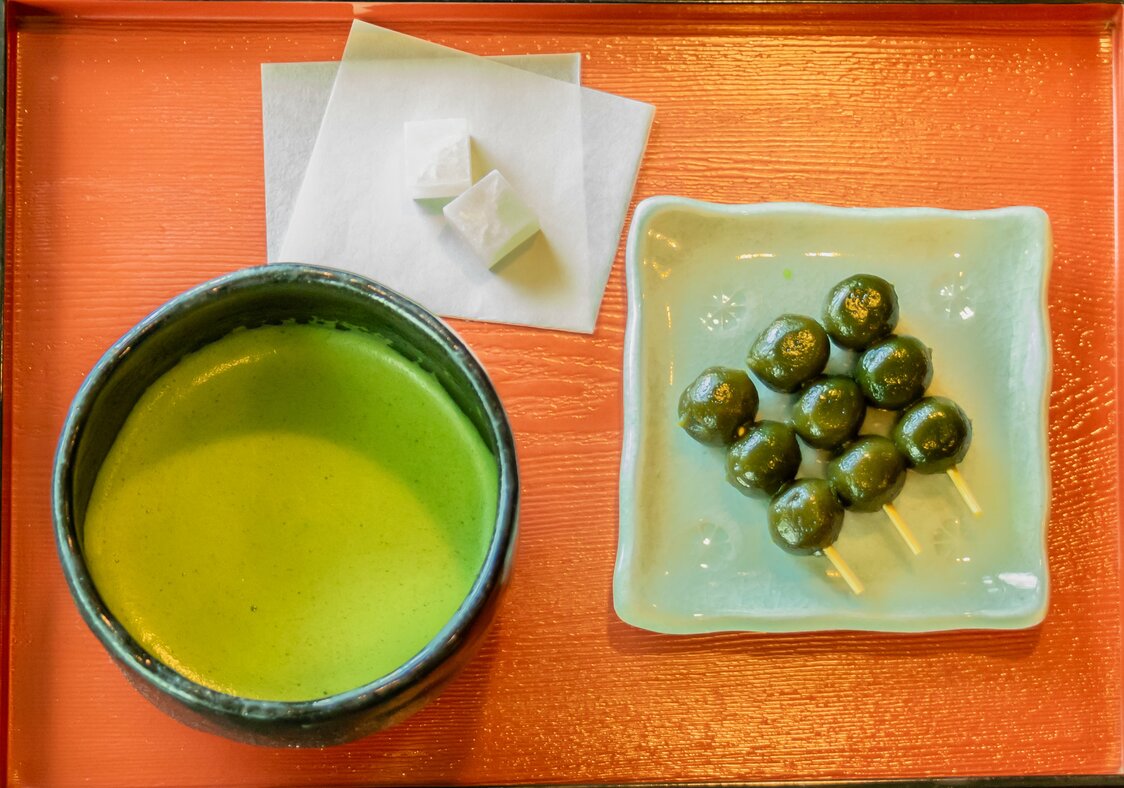
Matcha served with dango dumplings at Tsūen tea house, Uji. (© Fujiwara Tomoyuki)
-
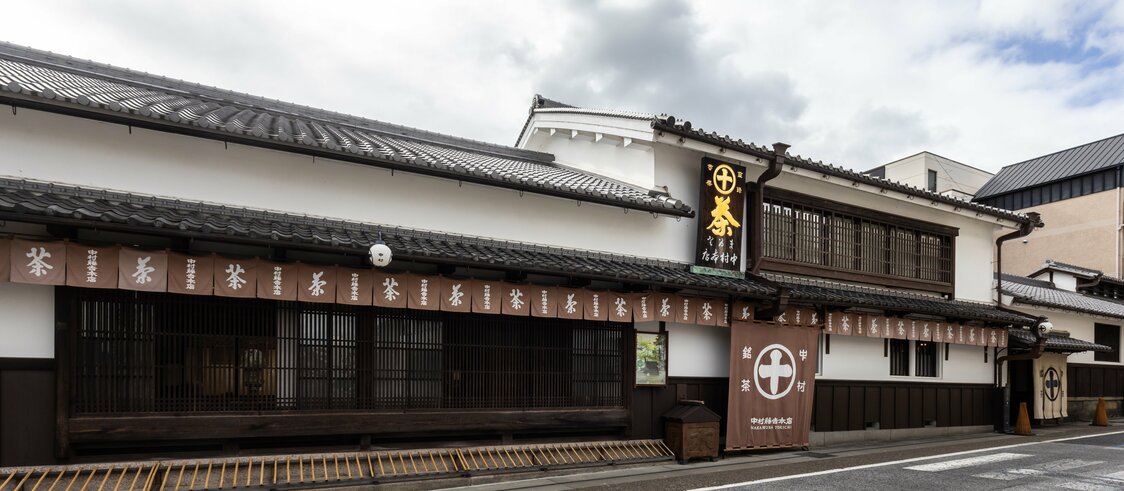
Nakamura Tōkichi Main Store, close to JR Uji Station. The shop building was originally a tea wholesaler. (© Fujiwara Tomoyuki)
-
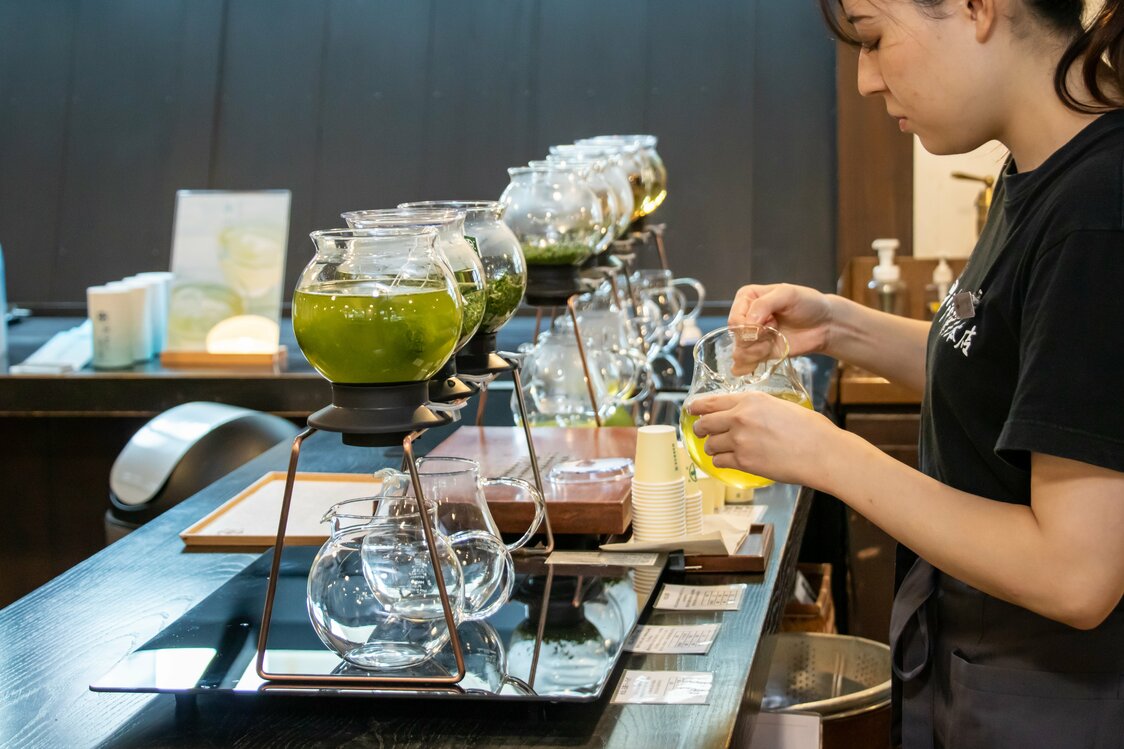
Nakamura Tōkichi Main Store offers a range of seasonal products and has a tasting corner. Visitors can compare the different colors, aromas and flavors of the teas for sale. (© Fujiwara Tomoyuki)
-
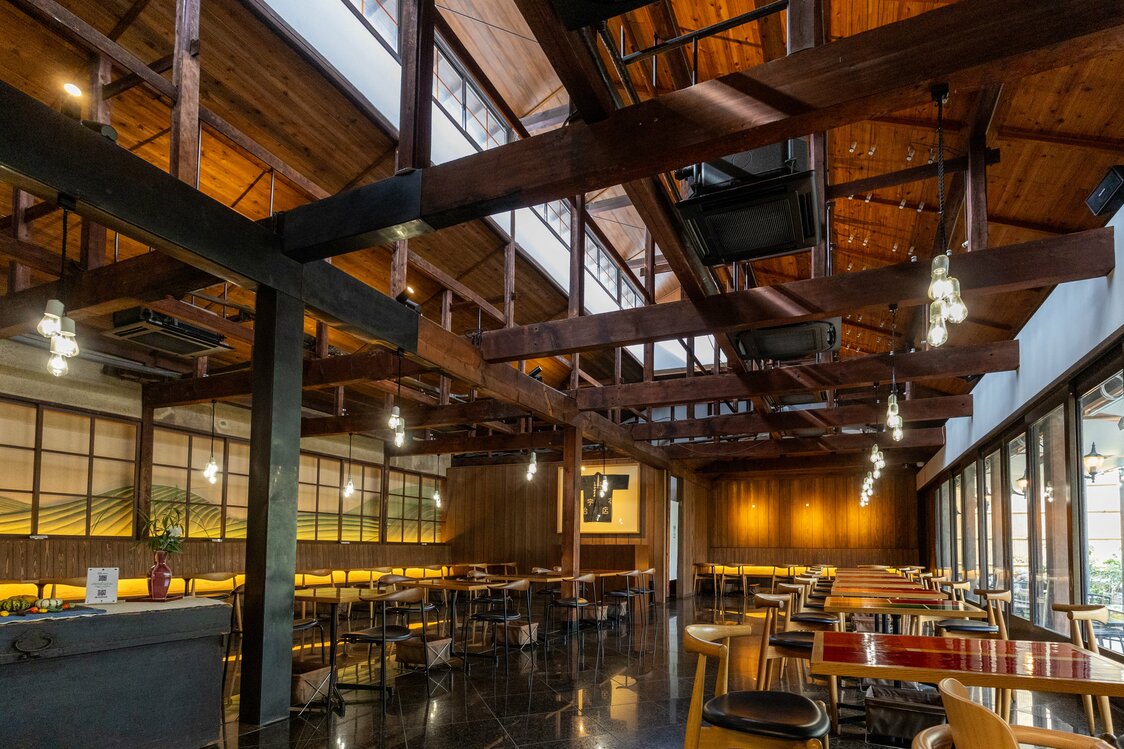
The Nakamura Tōkichi Main Store café is inside a refurbished former tea processing factory. Its attractive garden is another delight. (© Fujiwara Tomoyuki)
-
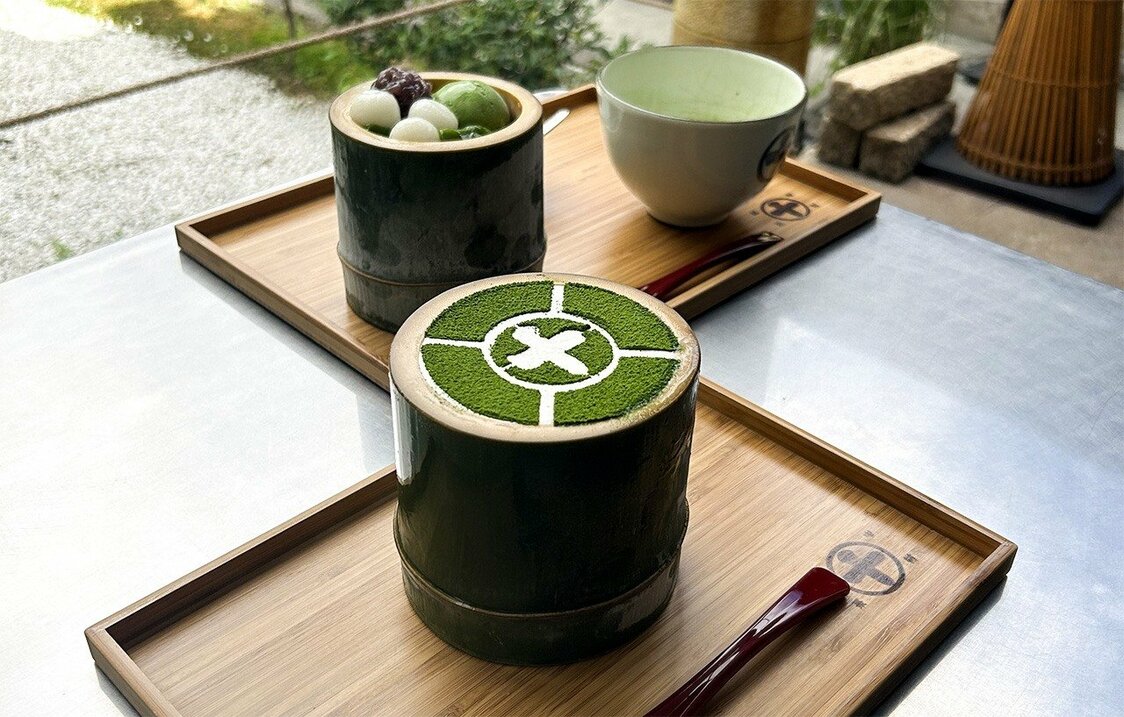
Popular sweets at Nakamura Tōkichi Main Store include Maruto parfait (foreground) and namacha jelly. (© Matsumoto Sōichi)」
-

An endless range of matcha-related souvenirs is available in Uji. (© Matsumoto Sōichi)
-
Baisadō, built in honor of the monk Baisaō, who trained at Manpukuji. (© Pixta)


 Read in other languages