-
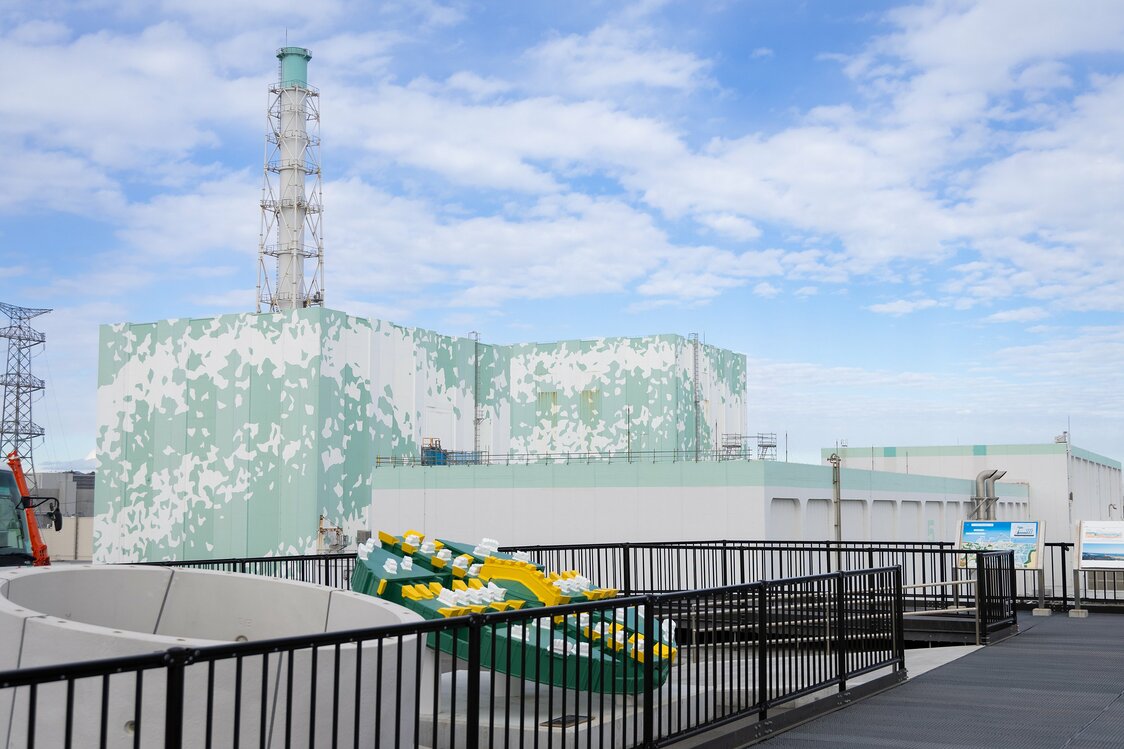
Units 5 (left) and 6 are built on a high-lying coastal area in the town of Futaba, to the north of the other four reactors. (© Hashino Yukinori)
-
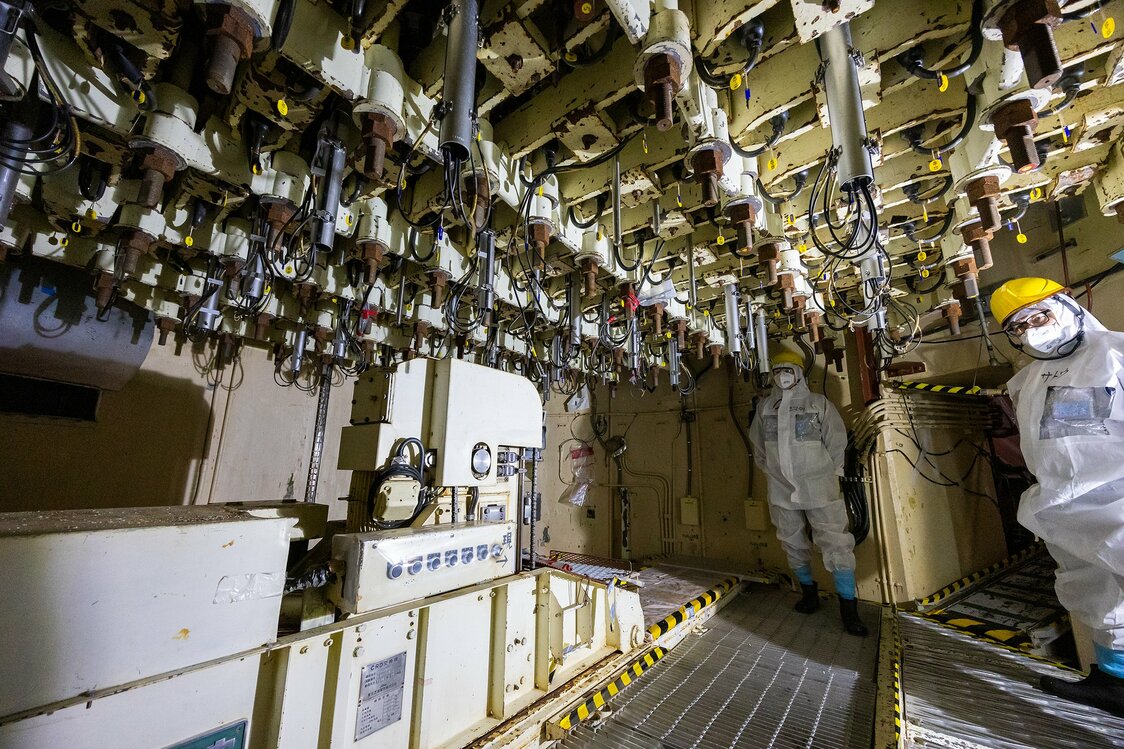
This space is used to perform maintenance on the control rod drive systems and other apparatus that hang from the Unit 5 pressure vessel. (© Hashino Yukinori)
-
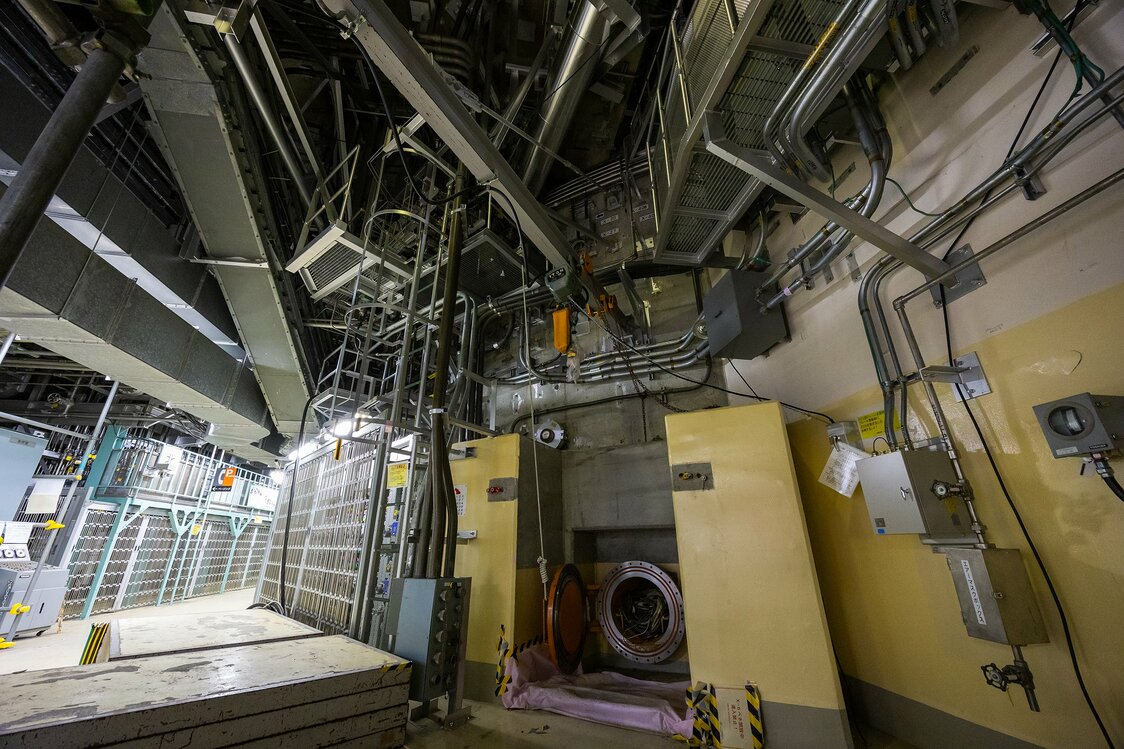
The “X-6 penetration” conduit is visible at the bottom of this photo, taken in the corridor encircling the containment vessel. (© Hashino Yukinori)
-
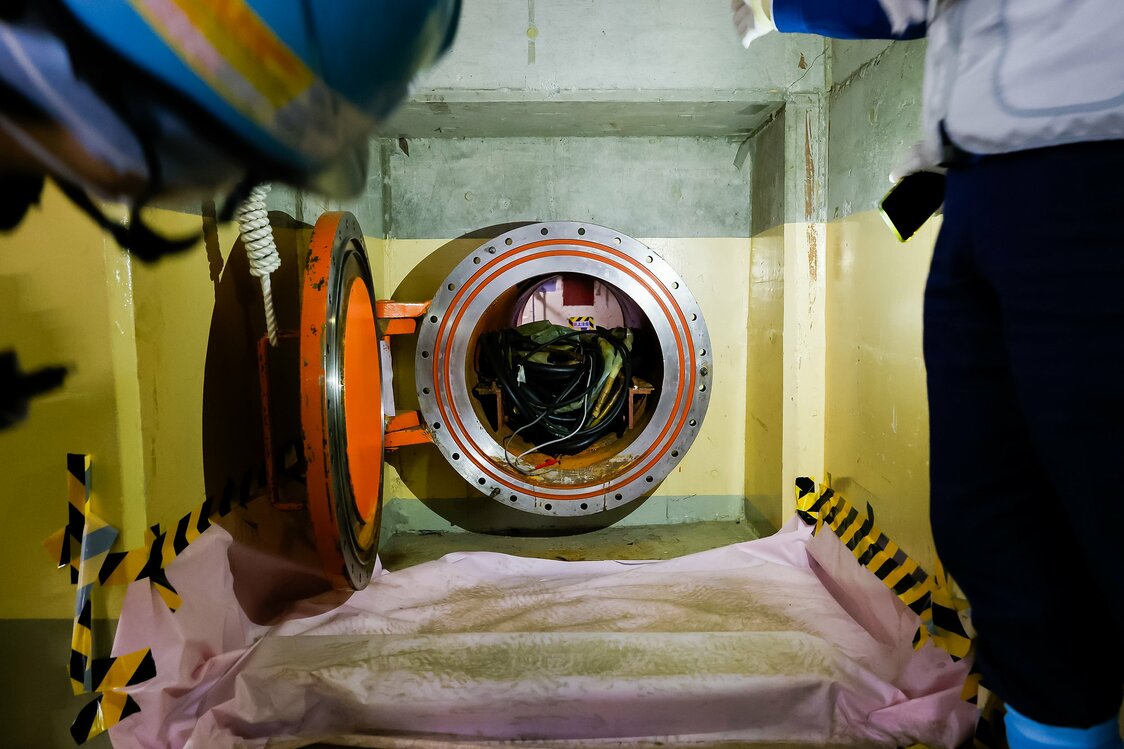
The “X-6 penetration” shaft with its hatch open. Stowed machinery is visible inside. The white semicircular area beyond that is the interior of the containment vessel. (© Hashino Yukinori)
-
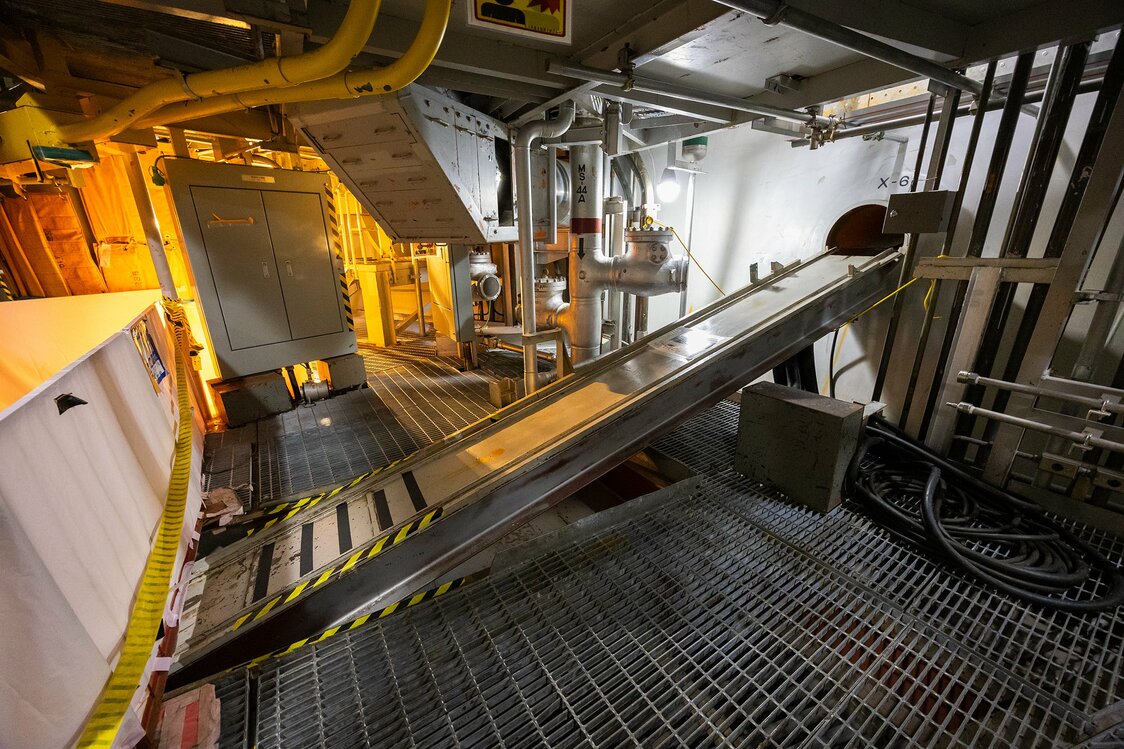
The semicircle on the wall at right is the penetration conduit, as seen from the inside of the containment vessel. (© Hashino Yukinori)
-

The grate in the workspace under the Unit 5 pressure vessel. (© Hashino Yukinori)
-
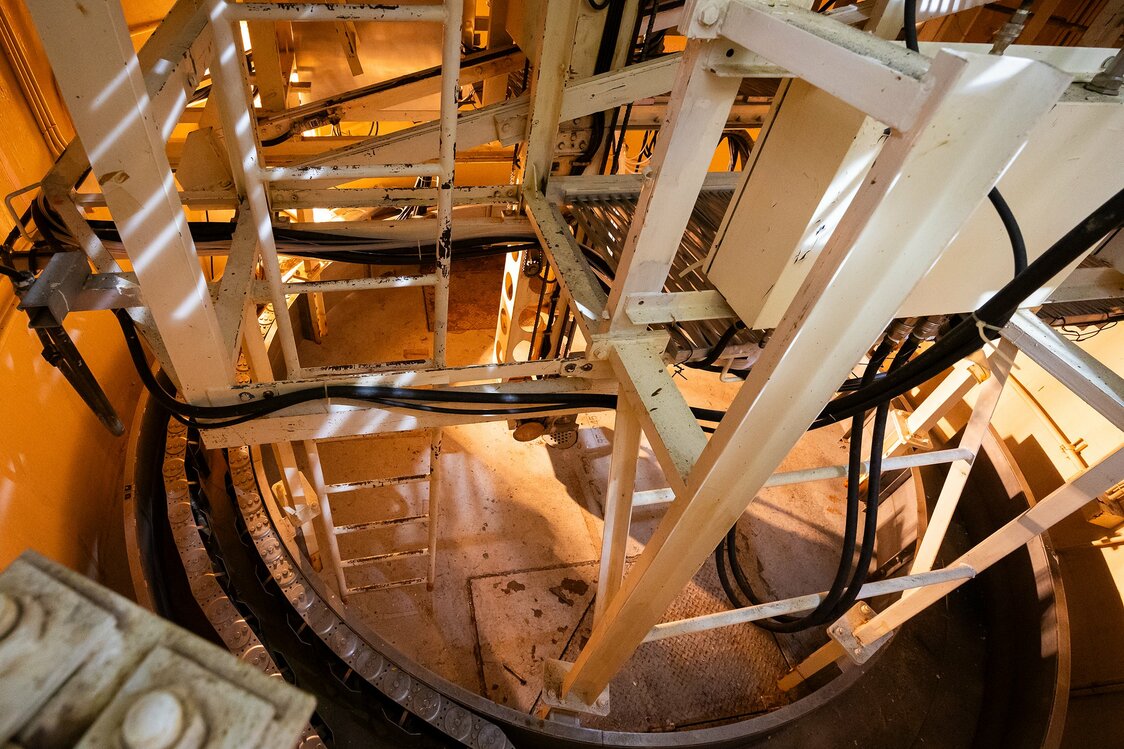
The bottom of the pressure vessel under the grating. In the Unit 2 reactor, it is believed that the molten fuel rods that burned through the base of the pressure vessel ripped out the internal structure, creating a pool of debris. (© Hashino Yukinori)
-
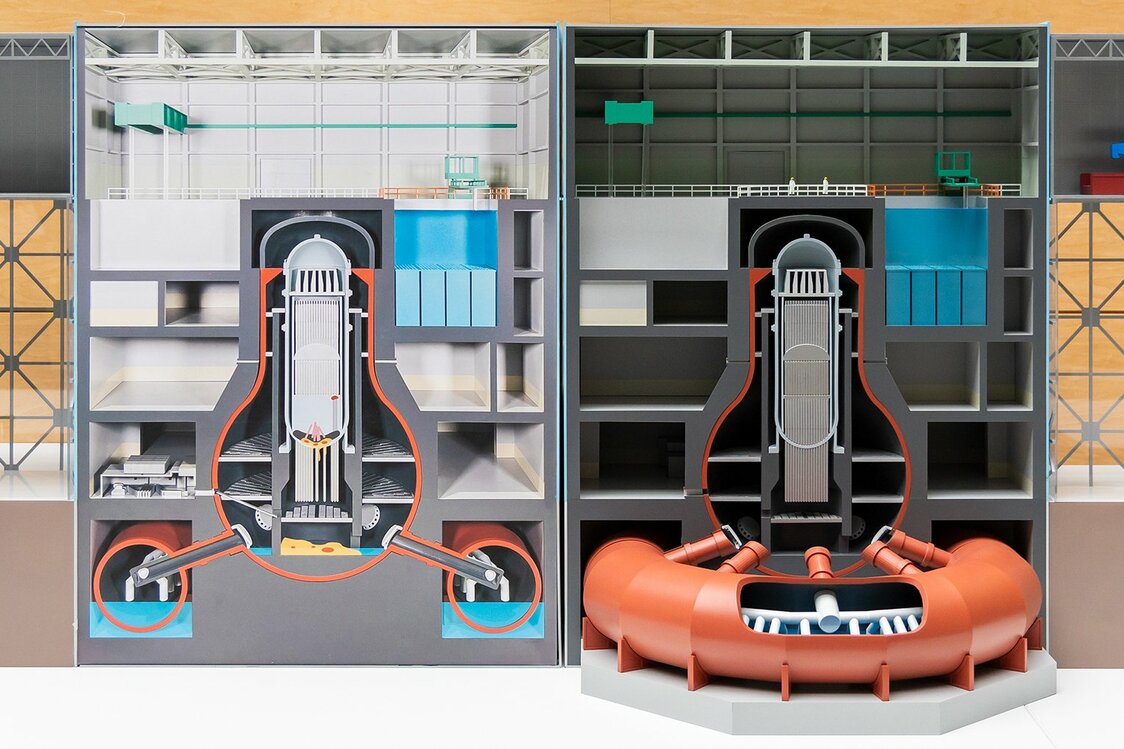
A model of the Unit 2 reactor in the new main building of the Fukushima Daiichi Nuclear Power Station. The approach through the X-6 penetration and fuel rod debris are visible at bottom left. (© Hashino Yukinori)
-
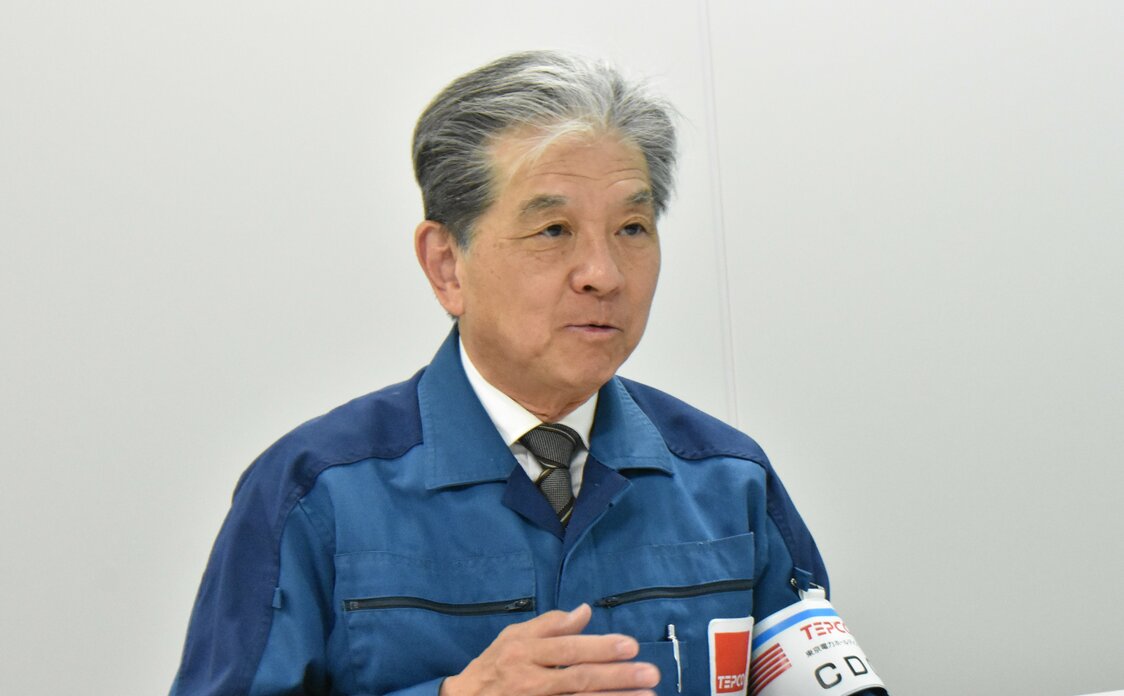
Ono Akira, CEO of TEPCO’s Fukushima Daiichi Decontamination and Decommissioning Engineering Company. (Courtesy TEPCO Holdings)
-
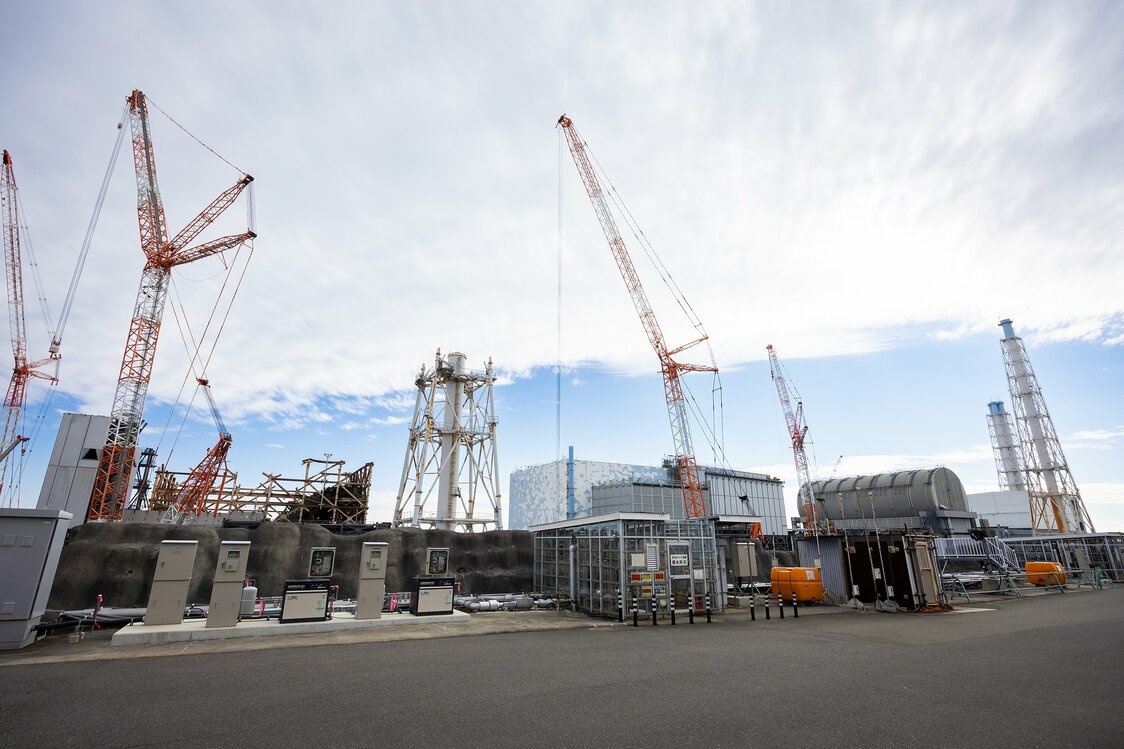
Units 1 to 3 seen from an observation deck: Around 880 tons of debris awaits collection. (© Hashino Yukinori)


 Read in other languages