-
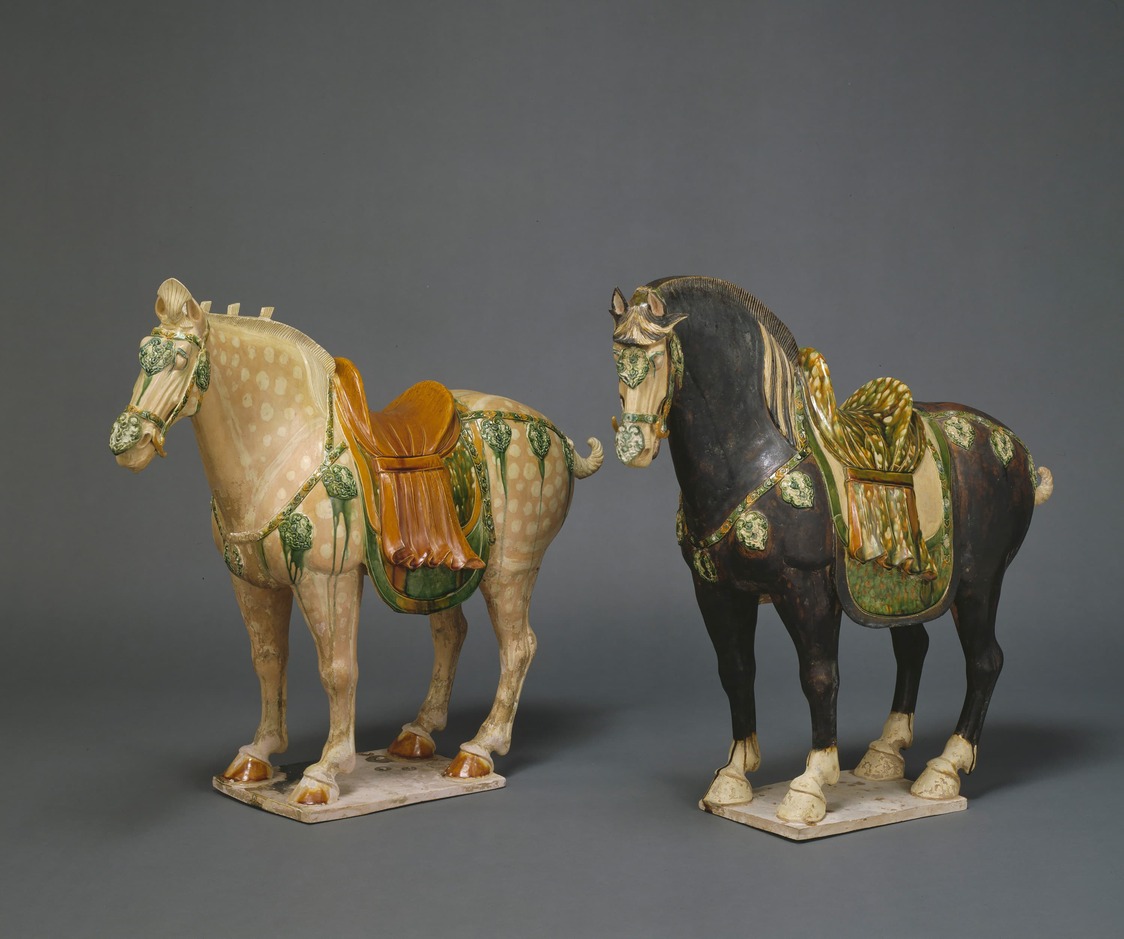
Pair of Horse Tomb Figures with Three-Color Glaze (Important Art Object). Tang Sancai (three-color glaze) ceramics were produced as grave goods for the tombs of the upper classes in China from around the second half of the seventh century to the mid-eighth century, during the flourishing of the Tang Dynasty. They had a major influence on Japan’s pottery culture. (© Kyoto National Museum).
-
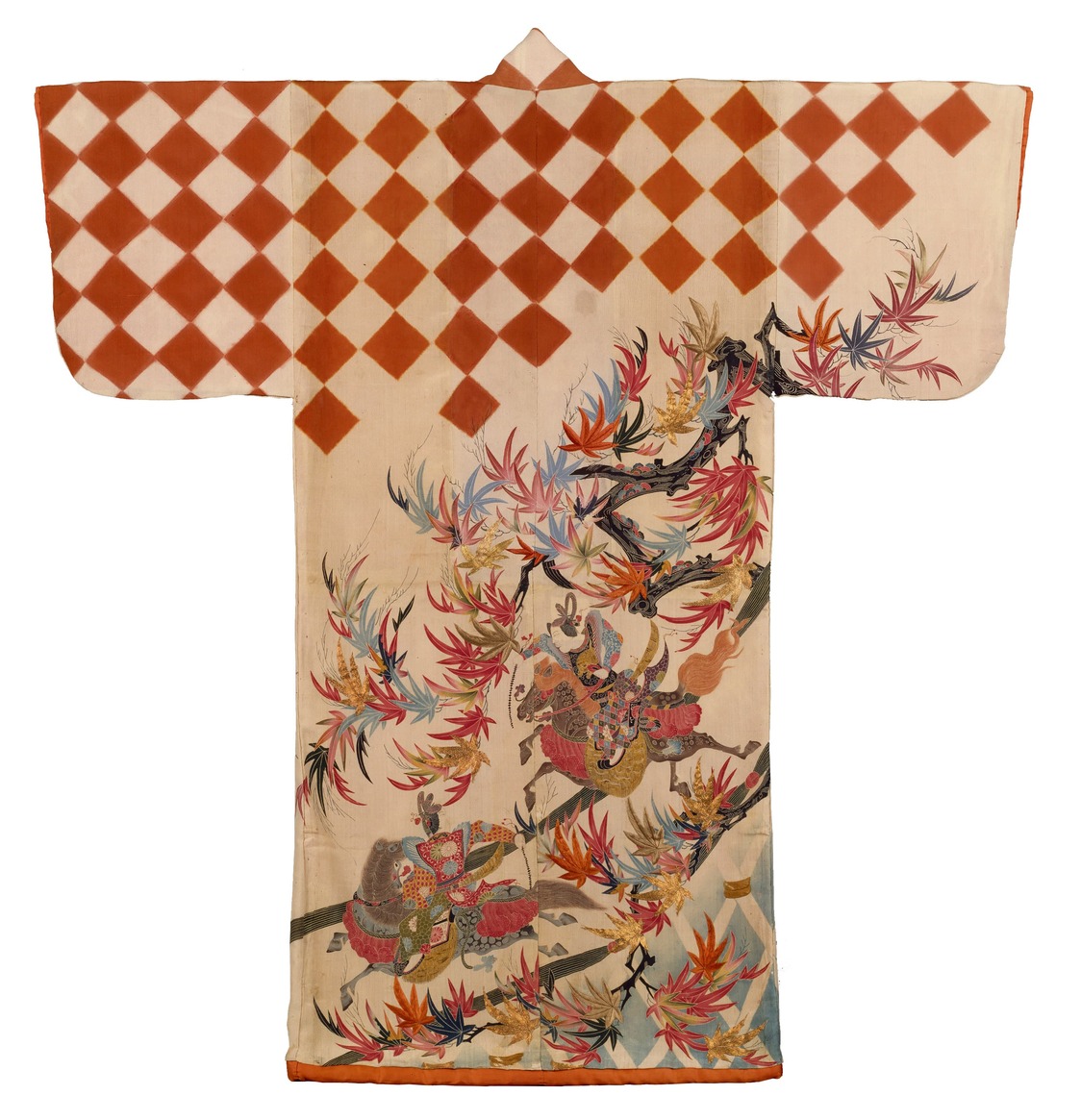
Kosode (Kimono) with Scene of Kamo Horse Racing Ritual. A kosode kimono from the Edo period (1603–1868) with a yūzen-dyed design depicting Kyoto’s Kamigamo Shrine Kurabeuma horse-racing ritual. (© Kyoto National Museum)
-
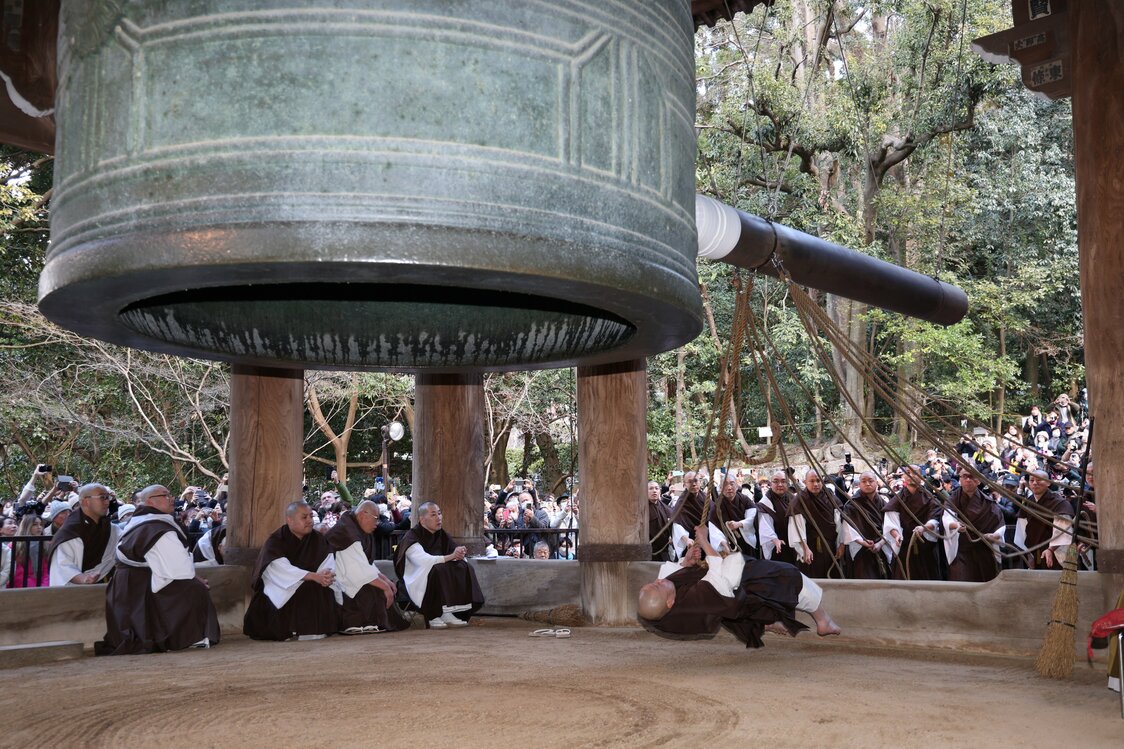
The bell at Kyoto’s Chion’in. (© Jiji)
-
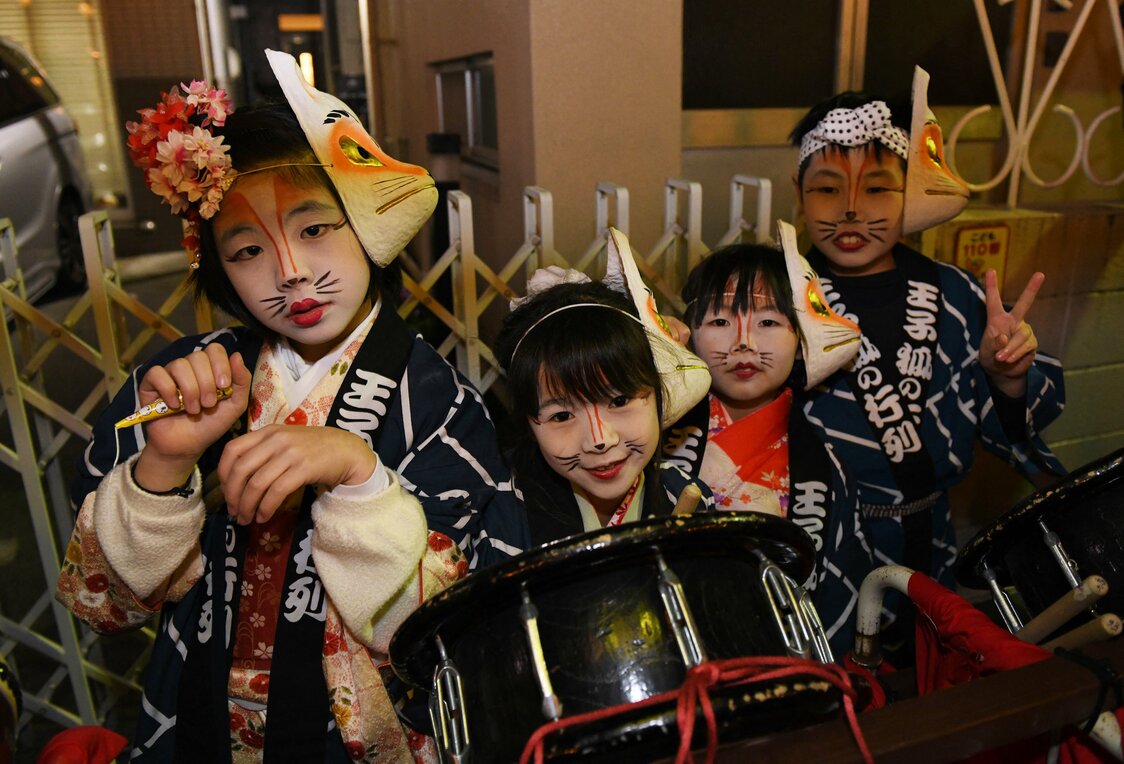
Children participating in the Fox Parade. (© AFP/Jiji)
-
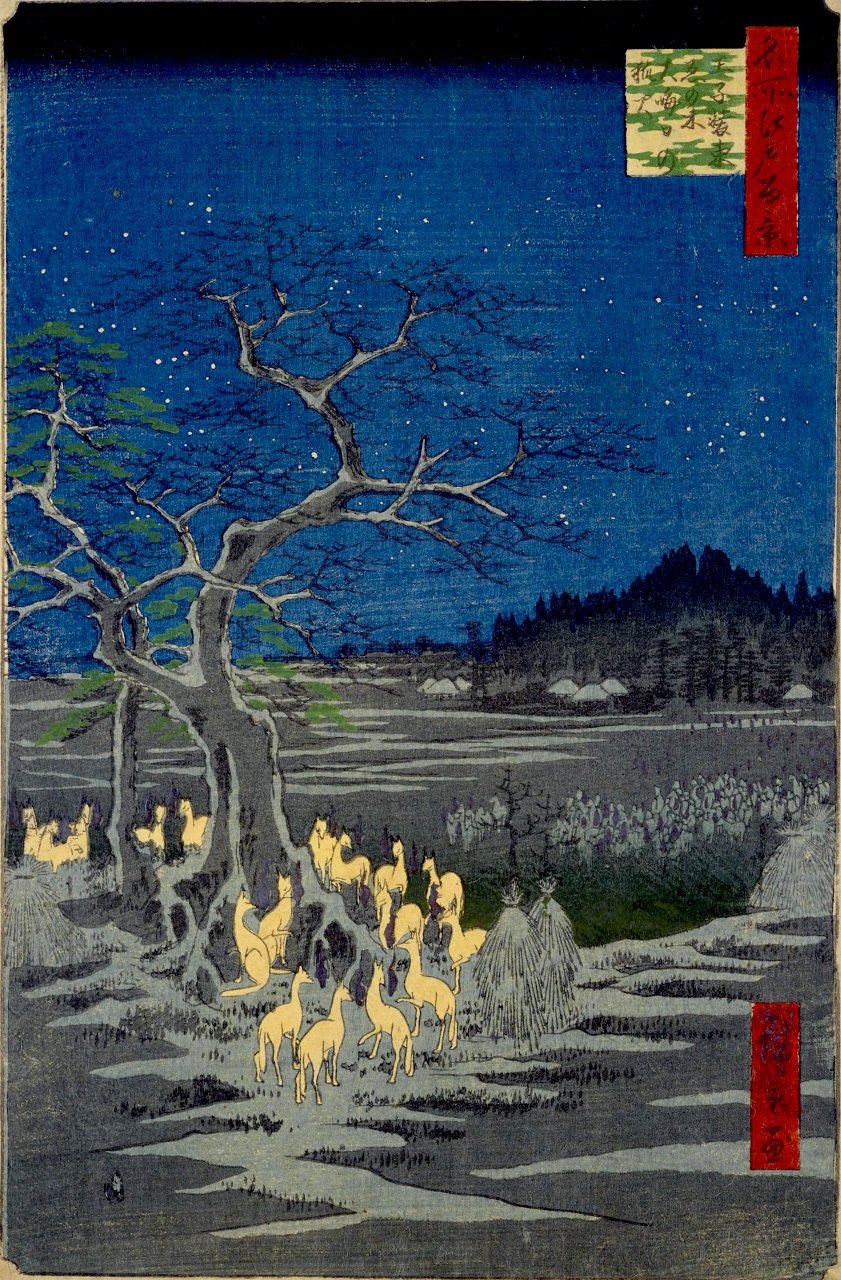
Ōji shōzoku enoki Ōmisoka no kitsunebi (Fox Fires on New Year’s Eve at the Changing Tree in Ōji) from Meisho Edo hyakkei (One Hundred Famous Views of Edo) by Utagawa Hiroshige. (Courtesy National Diet Library)
-
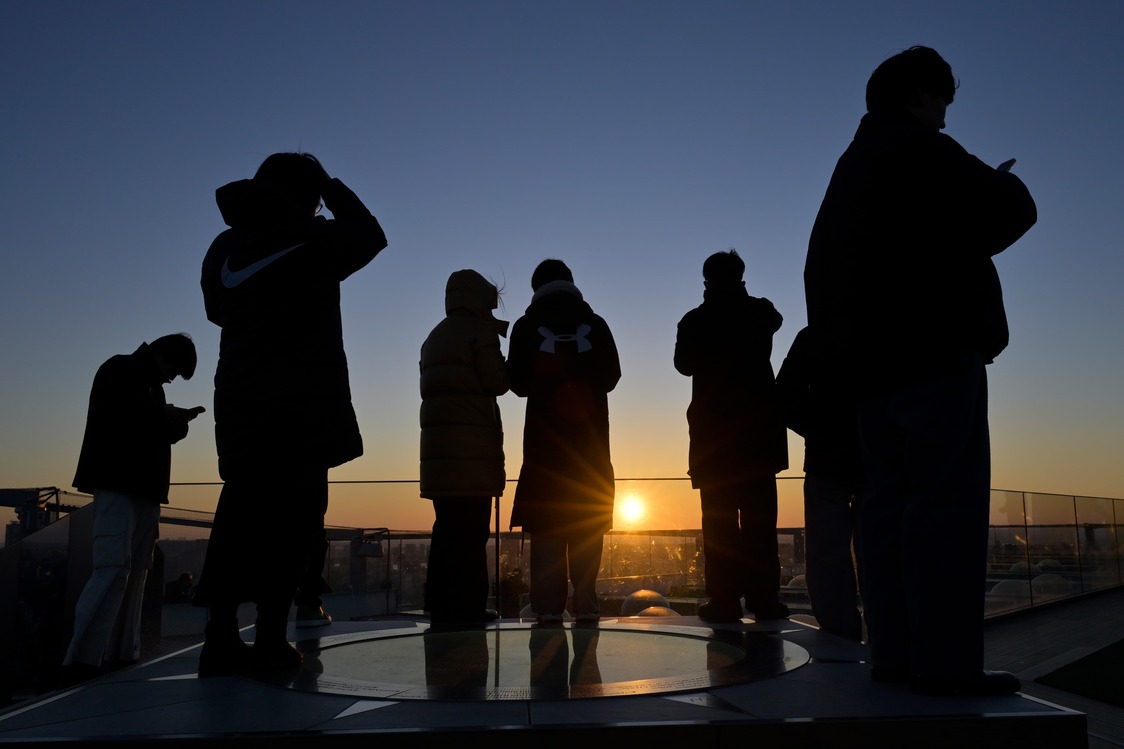
The first sunrise, as viewed from Shibuya Sky. (© Jiji)
-
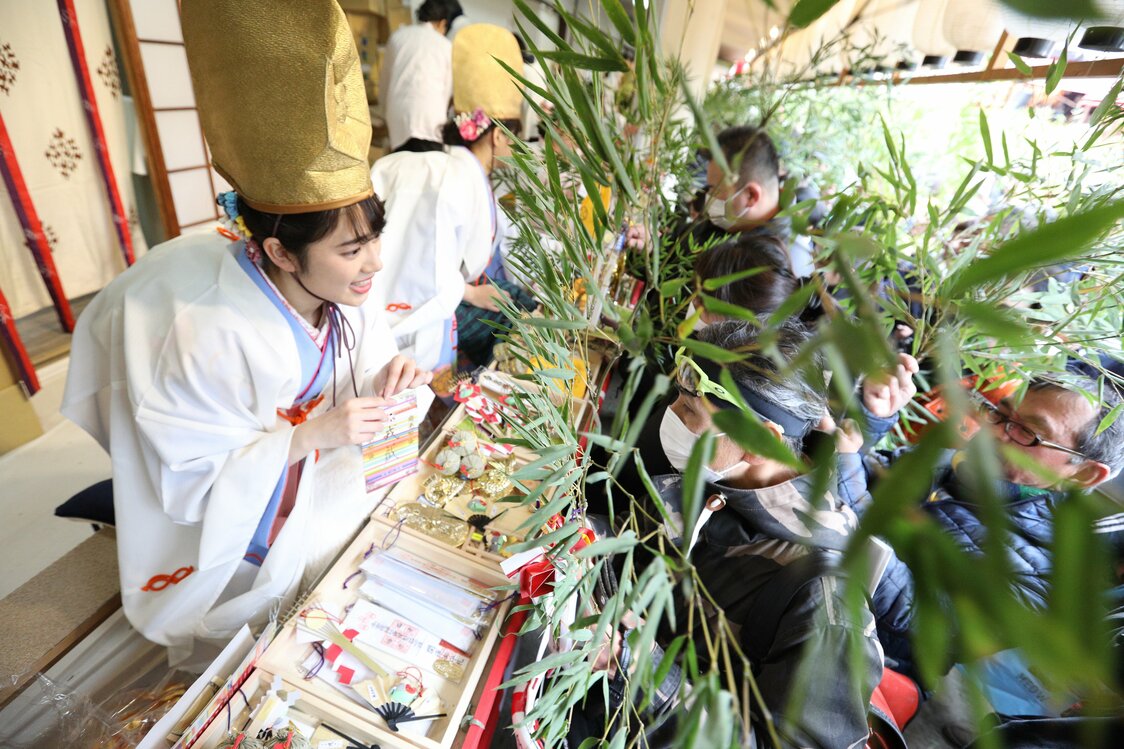
Women in distinctive hats give out the lucky bamboo. (© Jiji)
-
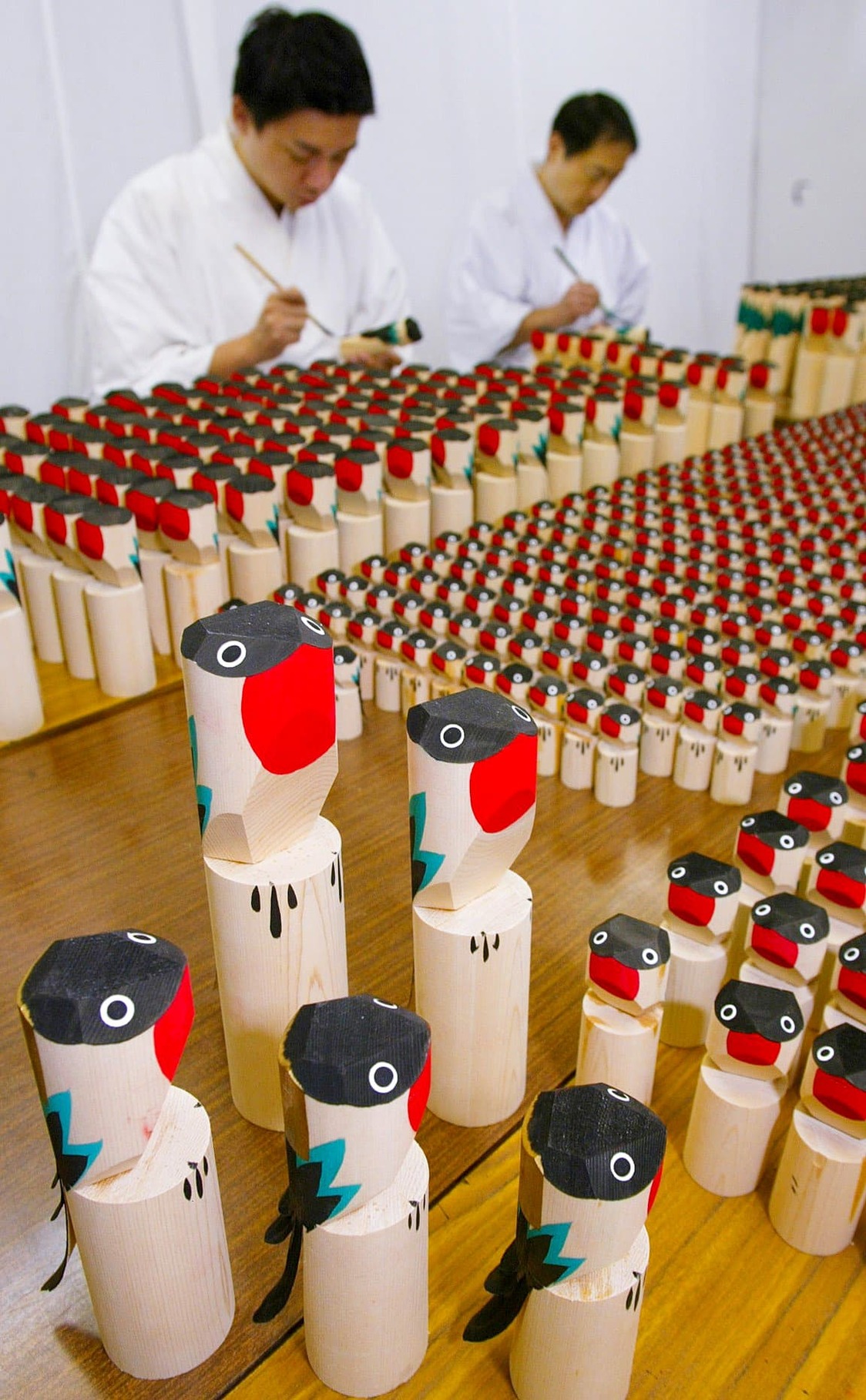
Preparing wooden bullfinch figures at Kameido Tenjin Shrine. These are almost the same as those sold in the Edo period. (© Jiji)
-
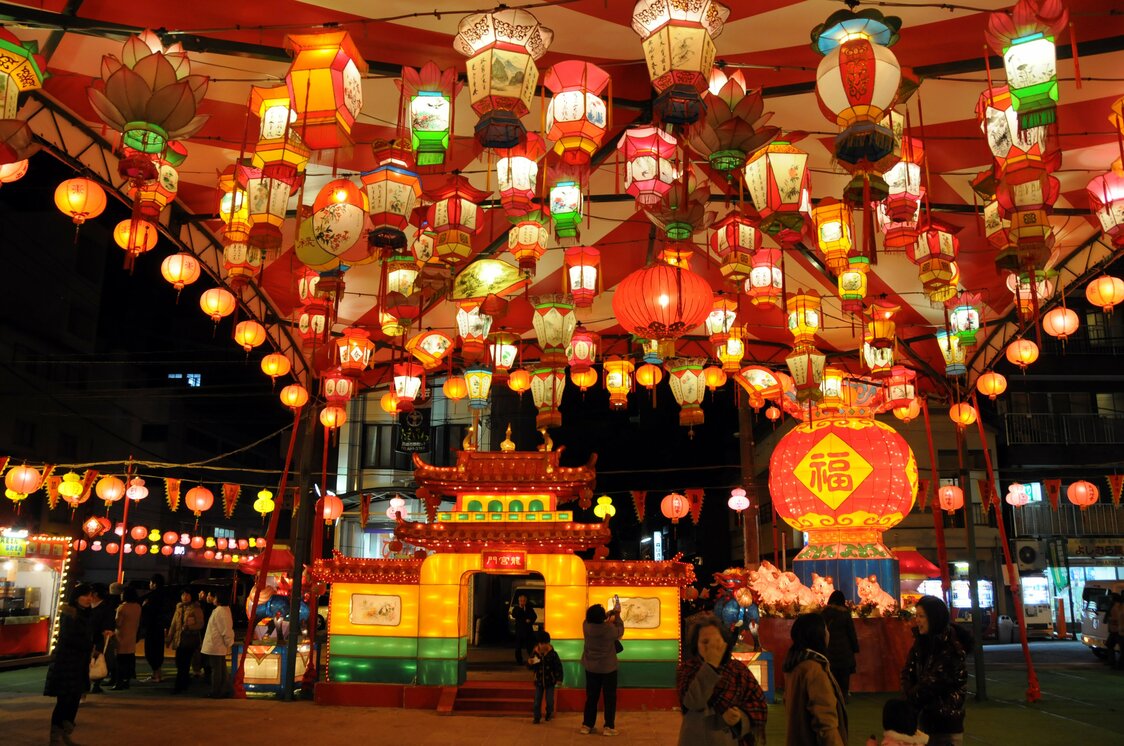
The main Minato Park venue of the Nagasaki Lantern Festival. (© Nagasaki Prefecture Tourism Association)
-
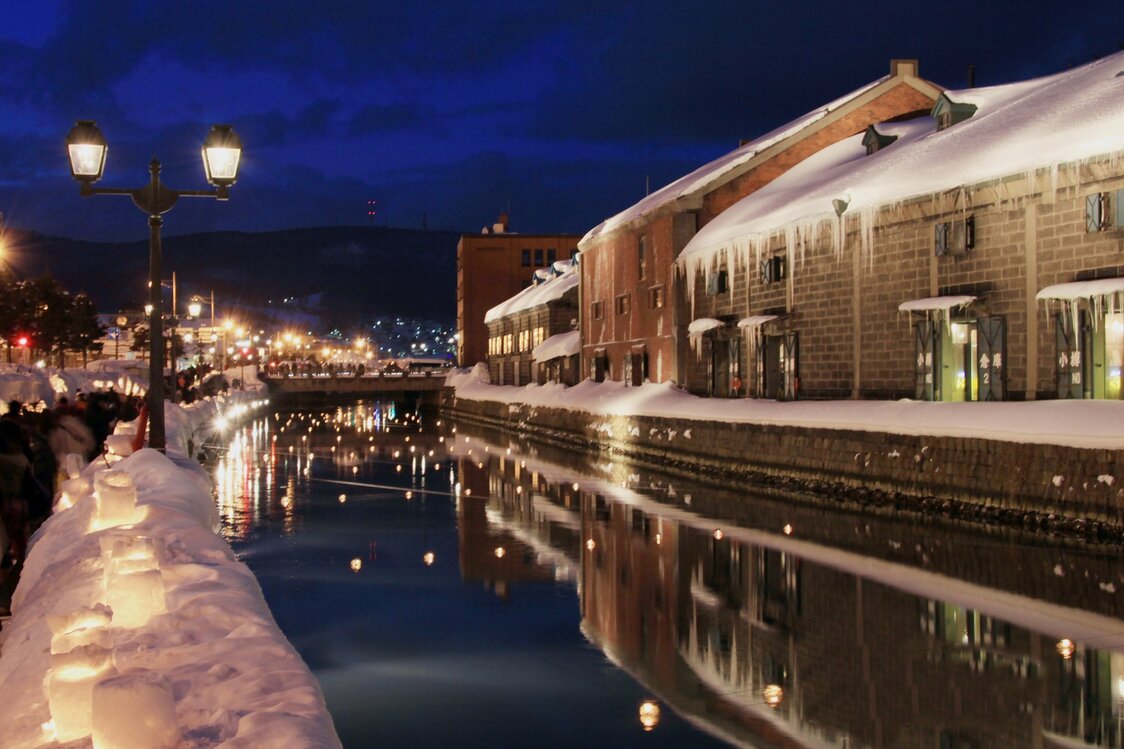
The canal lit up at the Otaru Snow Light Path Festival. (© Otaru Tourism Photo Library)
-
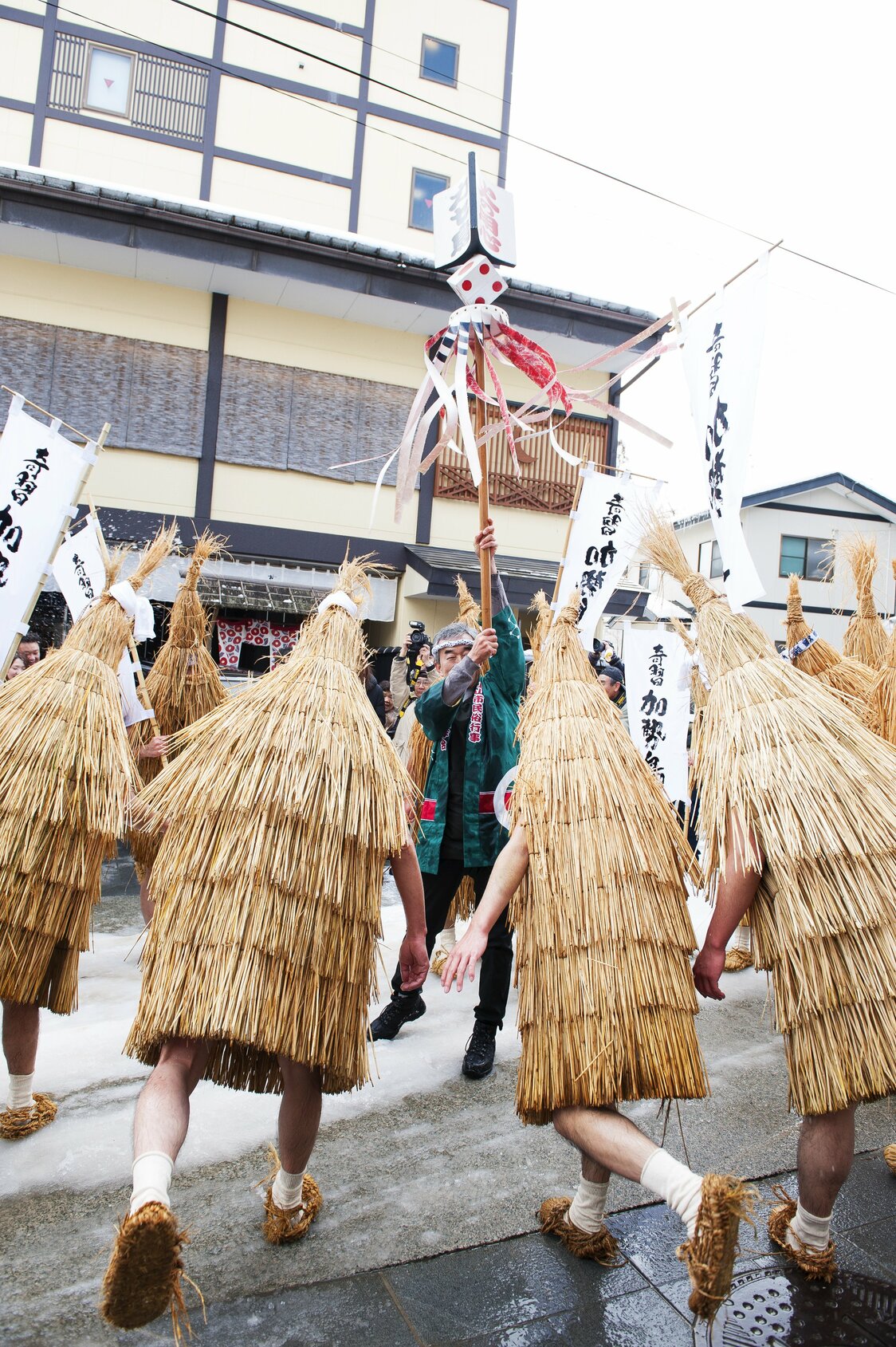
The Kasedori Festival. (© Stay Yamagata)


 Read in other languages