-
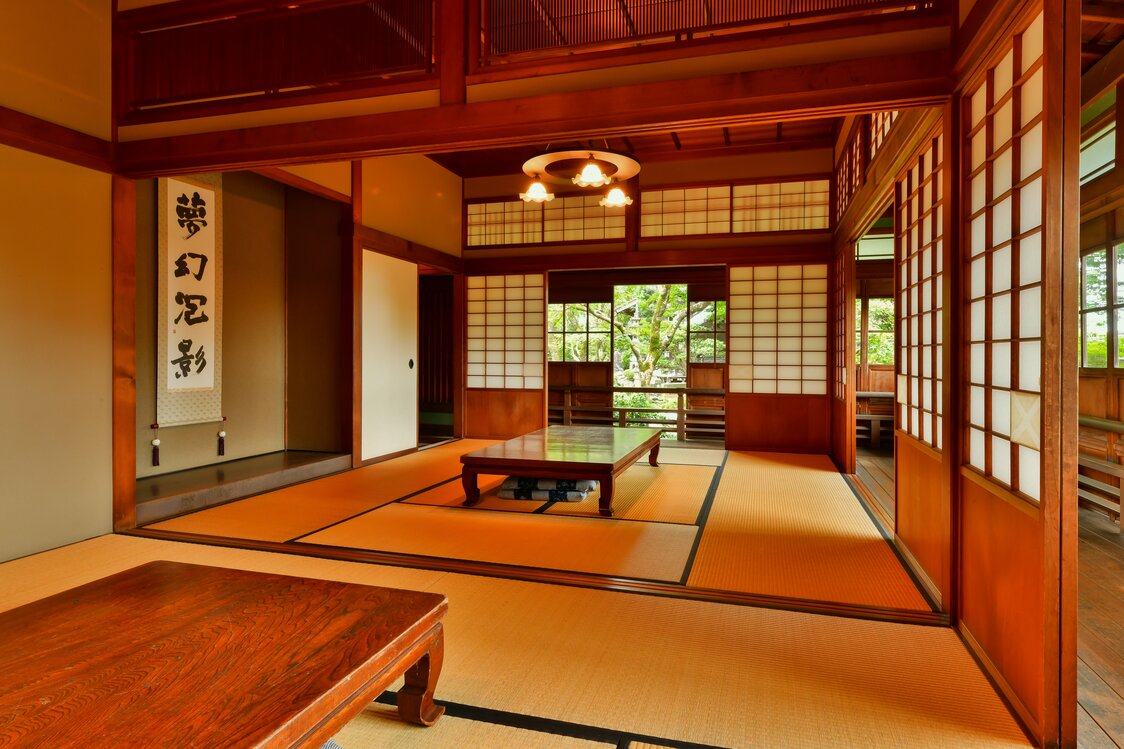
The zashiki at Chinjusō, the former home of a wealthy farmer in Tagami, Niigata Prefecture. (© Pixta)
-
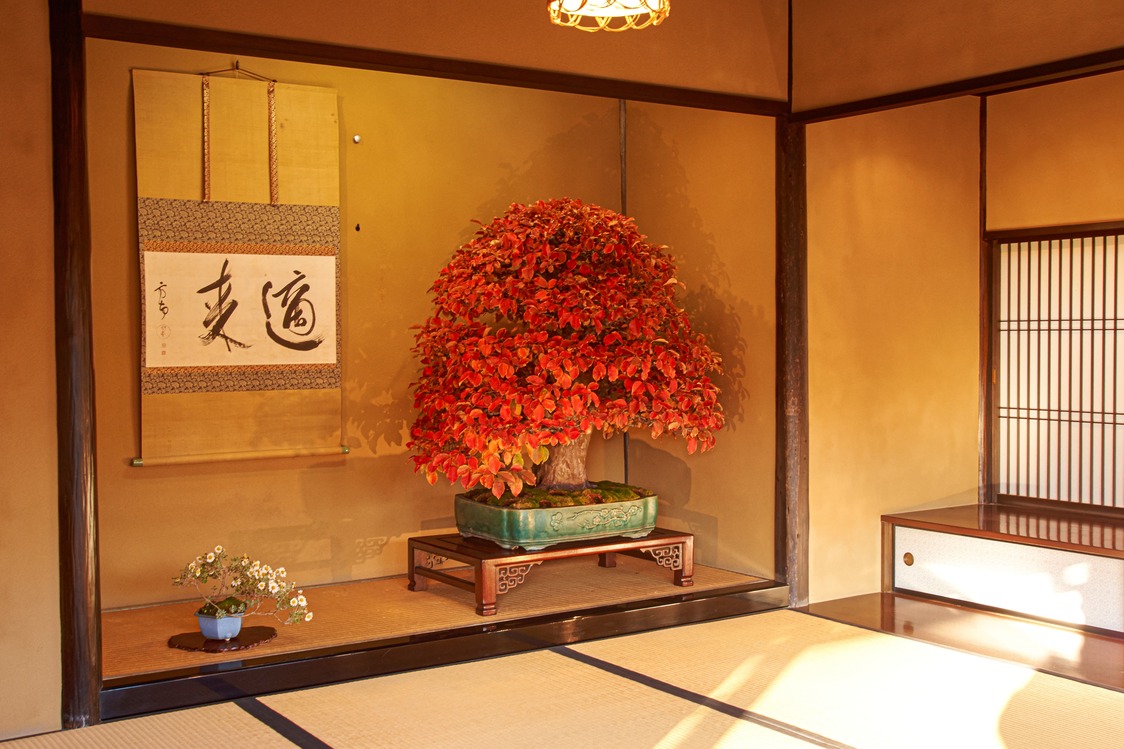
The tokonoma, where a hanging scroll, a prized bonsai, or an ikebana flower arrangement was displayed. (© Pixta)
-

Freshly-laid tatami have a greenish tinge. (© Pixta)
-
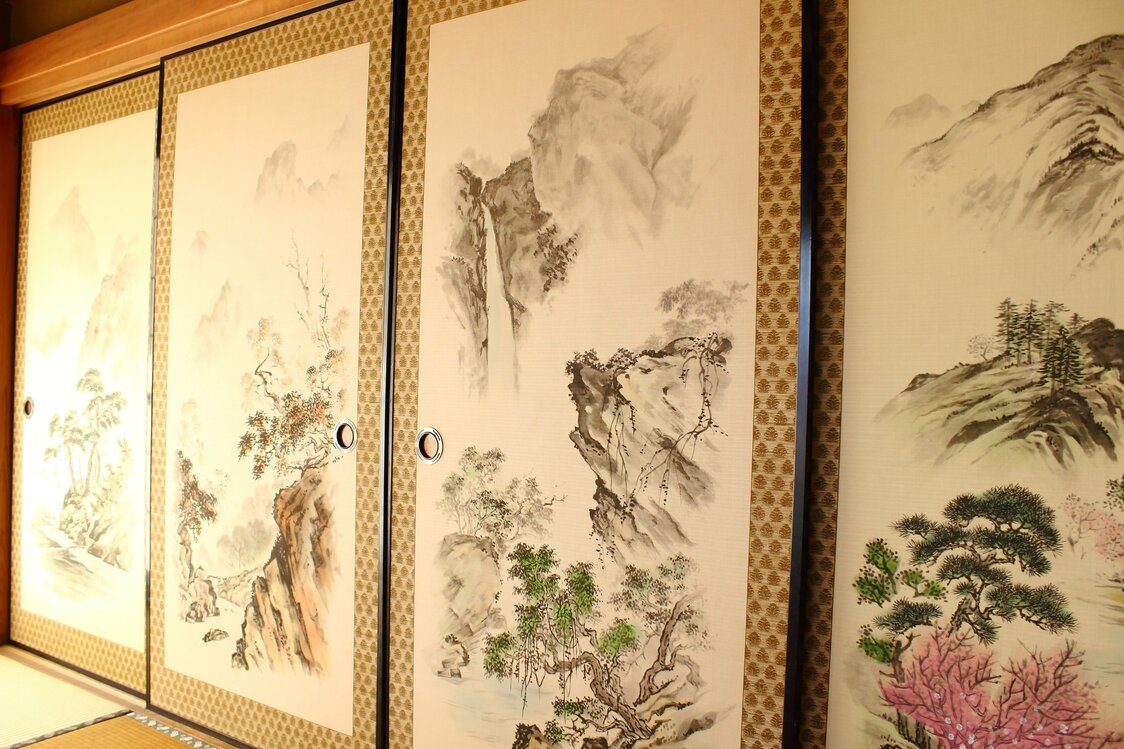
Fusuma in a washitsu decorated with landscapes or designs. (© Pixta)
-
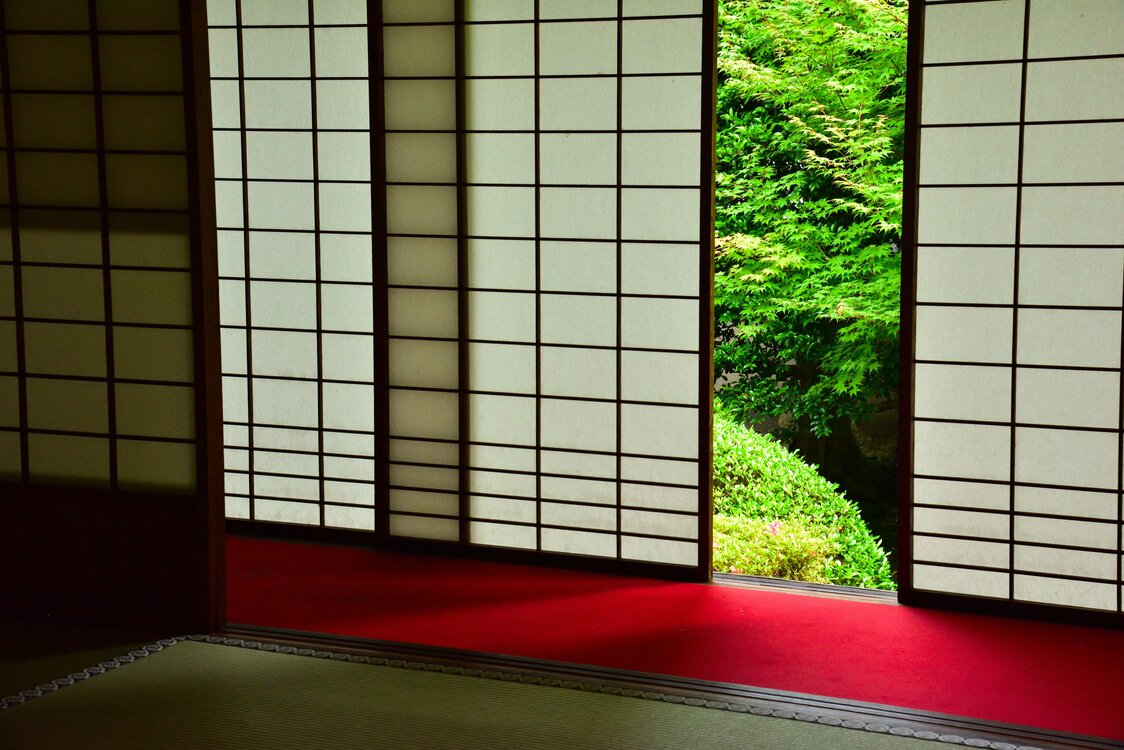
A glimpse of the garden at Unryūin, a branch temple of Sennyūji, Kyoto, through partially open shōji. (© Pixta)
-

The en facing the garden at the former Mikami family home in Miyazu, Kyoto Prefecture. The structure is designated an important cultural property. (© Pixta)
-

Sudo hanging from the eaves let air through while screening against the sun and providing privacy. (© Pixta)
-
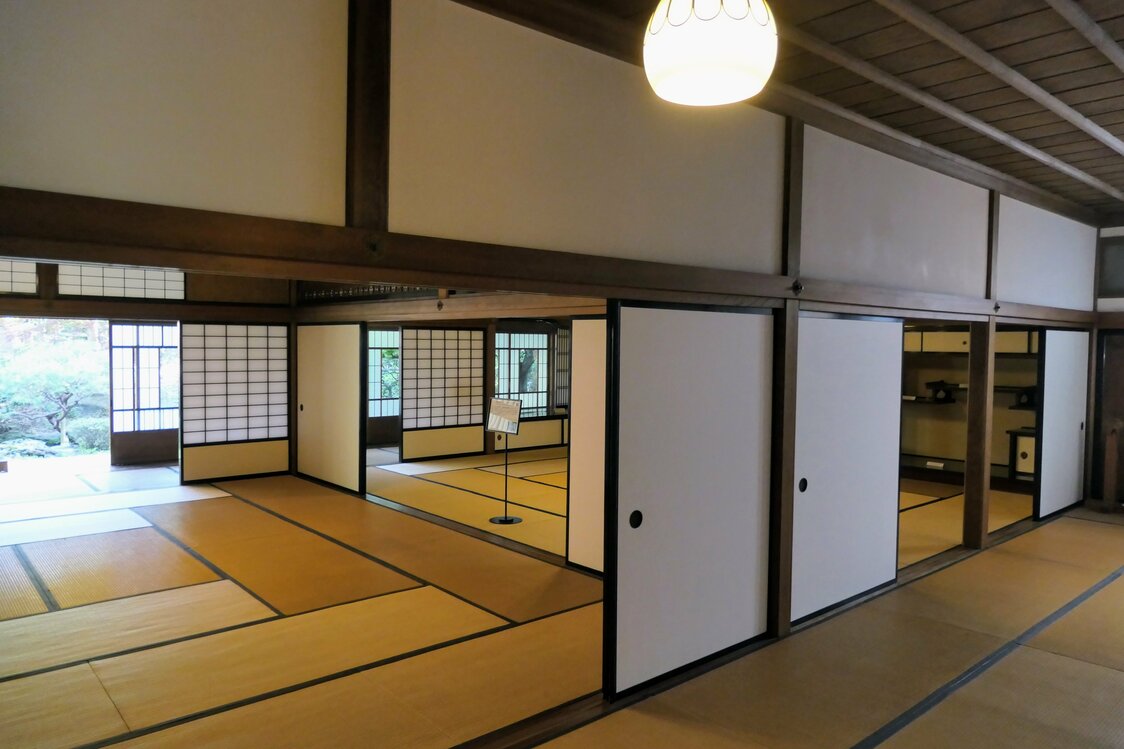
Adjoining tatami rooms can be turned into one large space by opening or removing fusuma or shōji. (© Pixta)
-
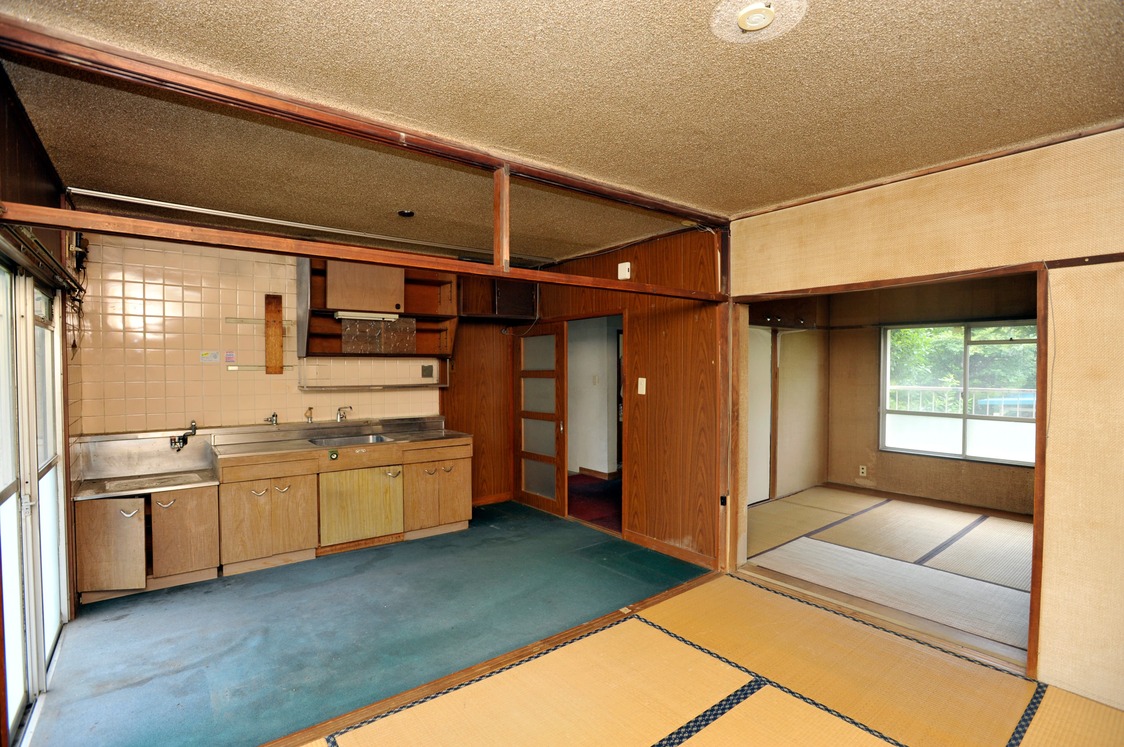
A tatami space in a danchi apartment, the dream home for many an urban family in the 1960s and 1970s. Suwa 2-chōme Apartments, Tama New Town, Tokyo, July 23, 2011. (© Jiji)
-
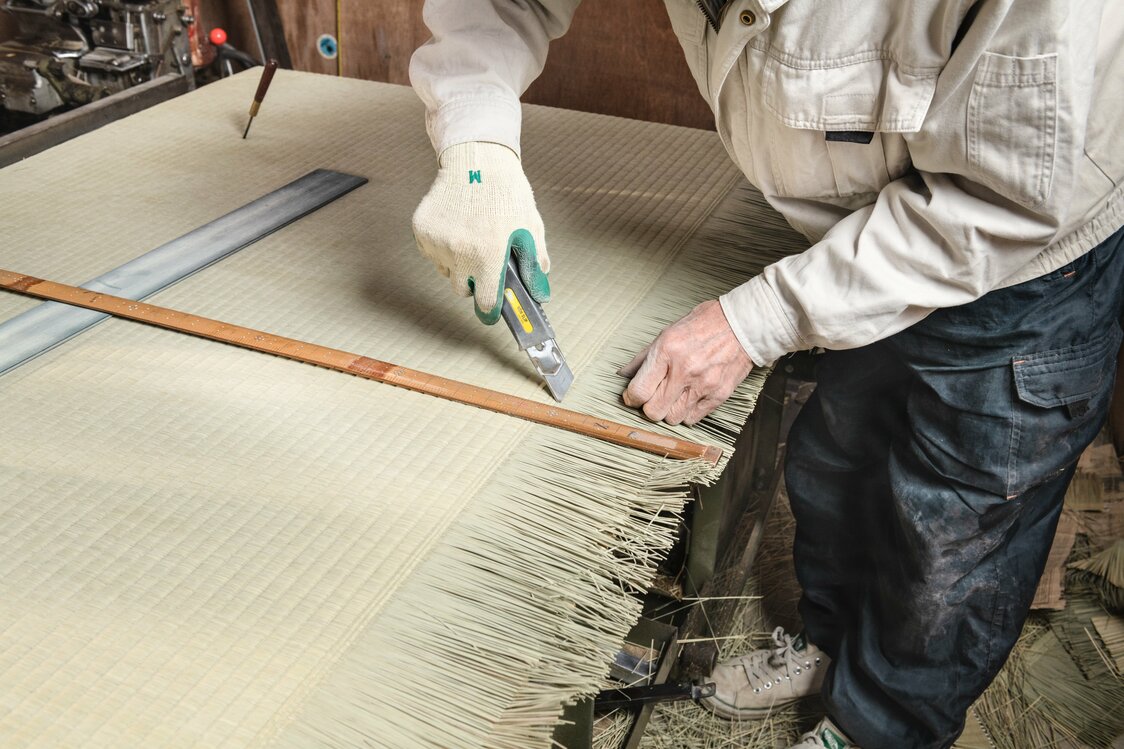
Refurbishing a tatami with a new igusa rush covering. (© Pixta)
-
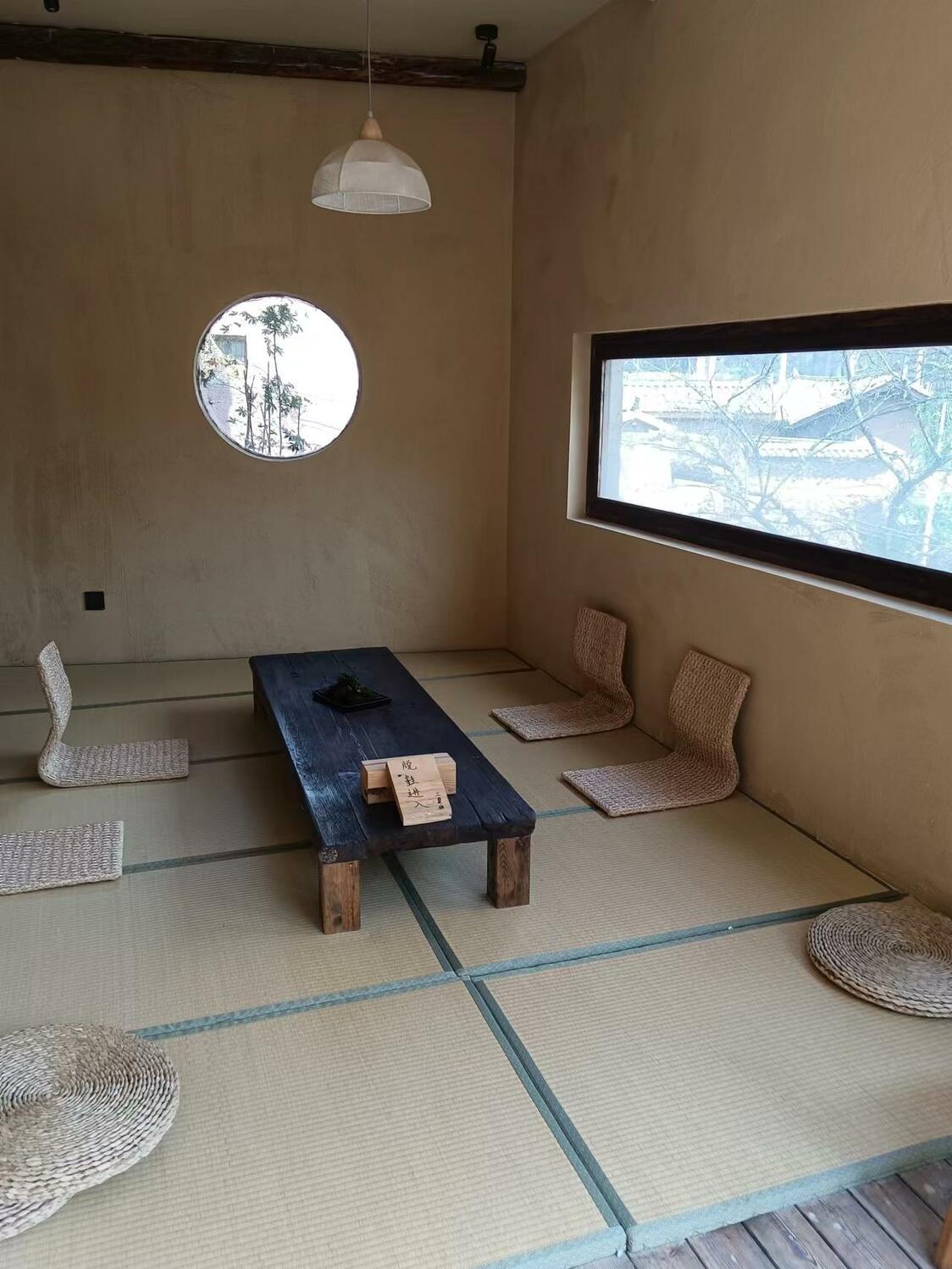
This café in Kunming, Yunnan Province, features a space with tatami, a zataku table, and zaisu seats. (© Lu Gao)


 Read in other languages