-
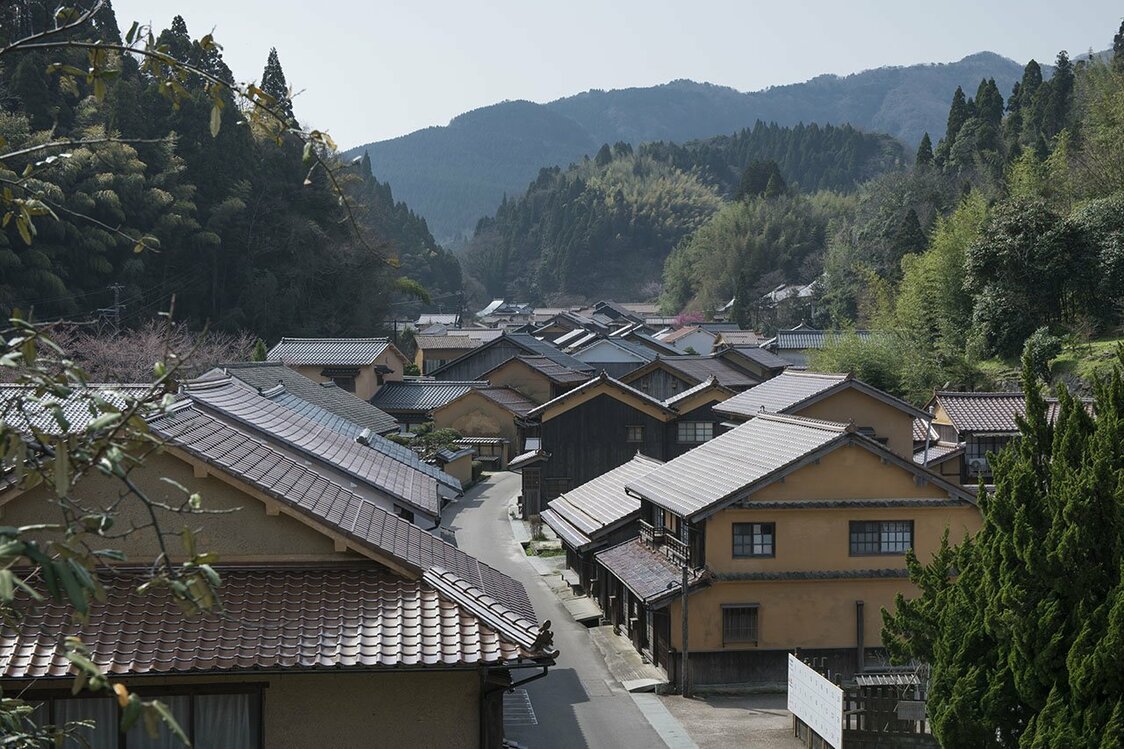
Built along an old highway through the mountains, the town of Ōmori has remained largely unchanged since the Edo period, when the Iwami Ginzan silver mine supported a thriving economy.
-
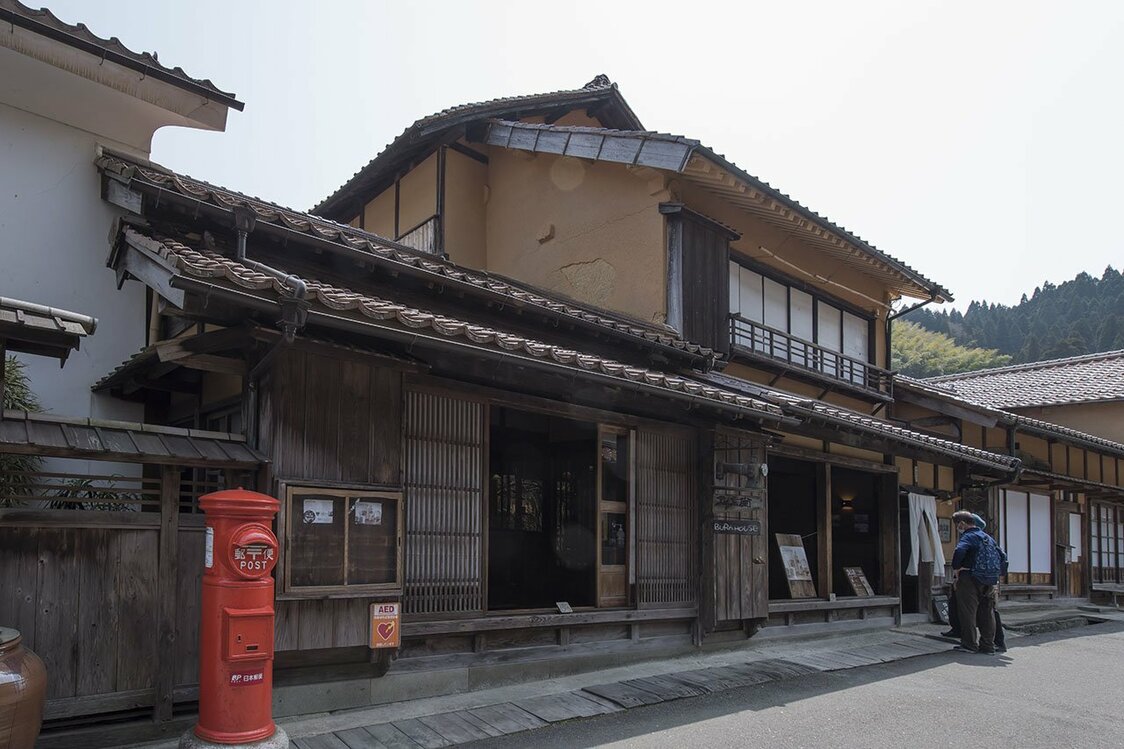
Gungendō’s Iwami Ginzan flagship store is situated along the old highway that runs through the center of Ōmori.
-
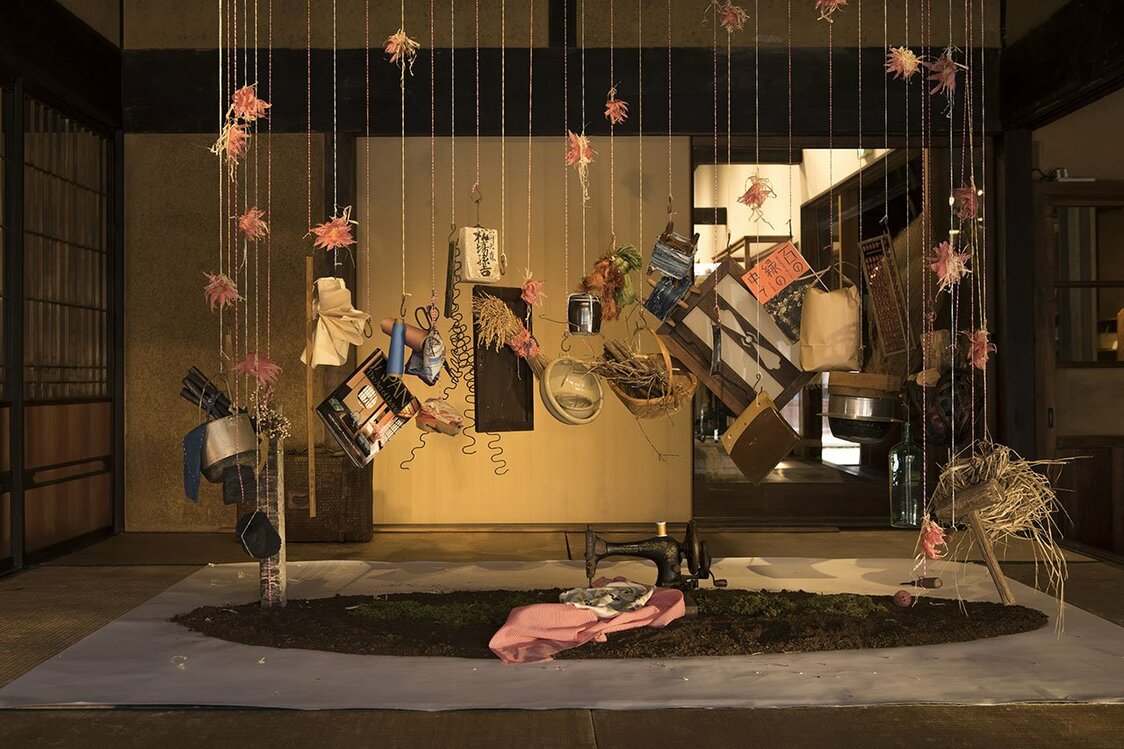
Display in the entryway of the Gungendō flagship store.
-
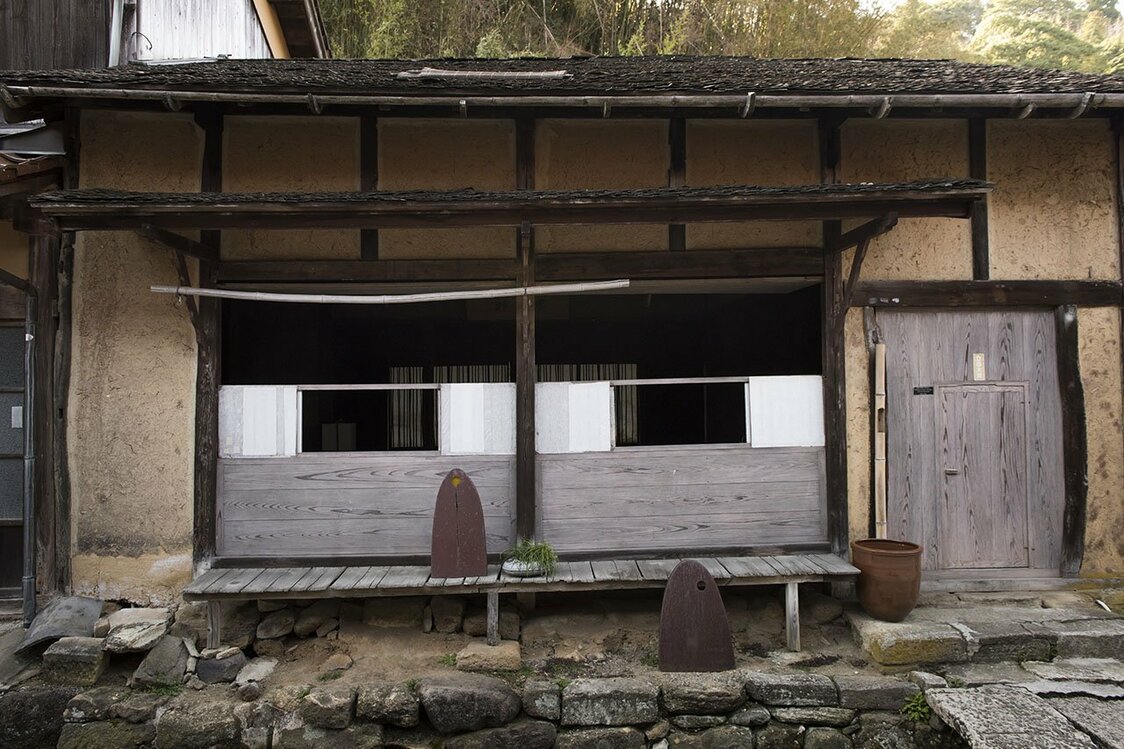
The traditional Japanese home across from the Gungendō is used as a drawing room. Matsuba deliberately left it without such modern amenities as electricity, gas, or running water.
-
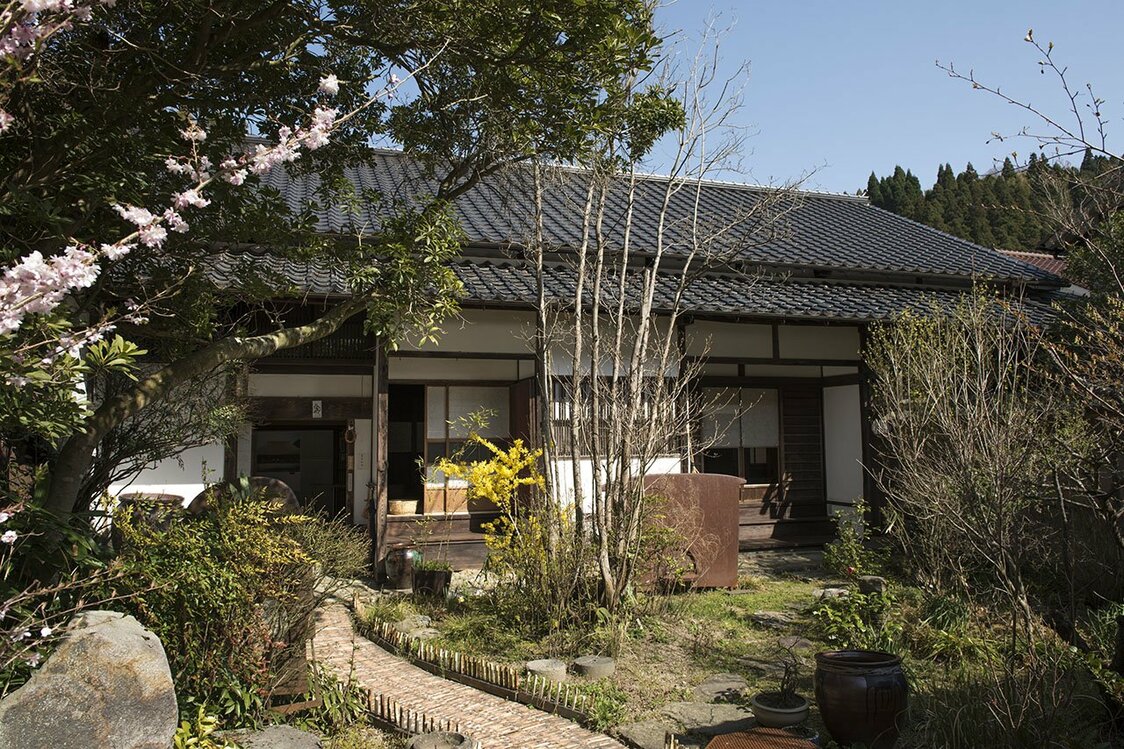
The front entrance to Takyō Abeke.
-
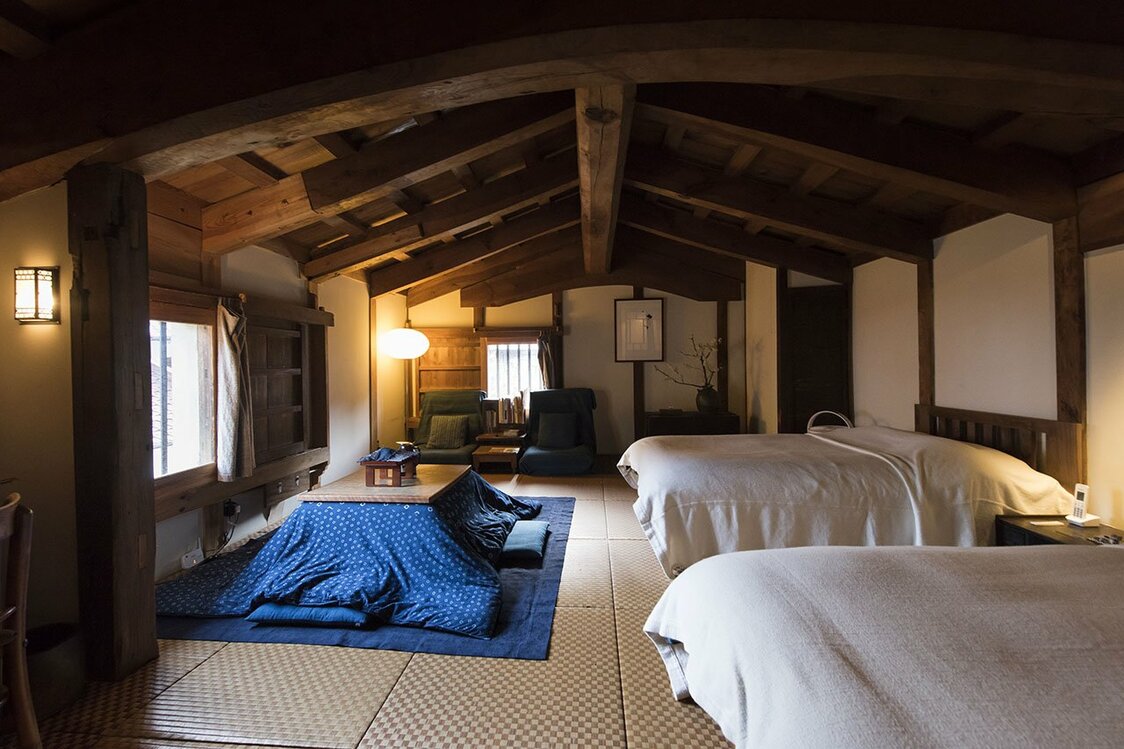
The old house’s large clothing-storage room was converted into a guest room.
-
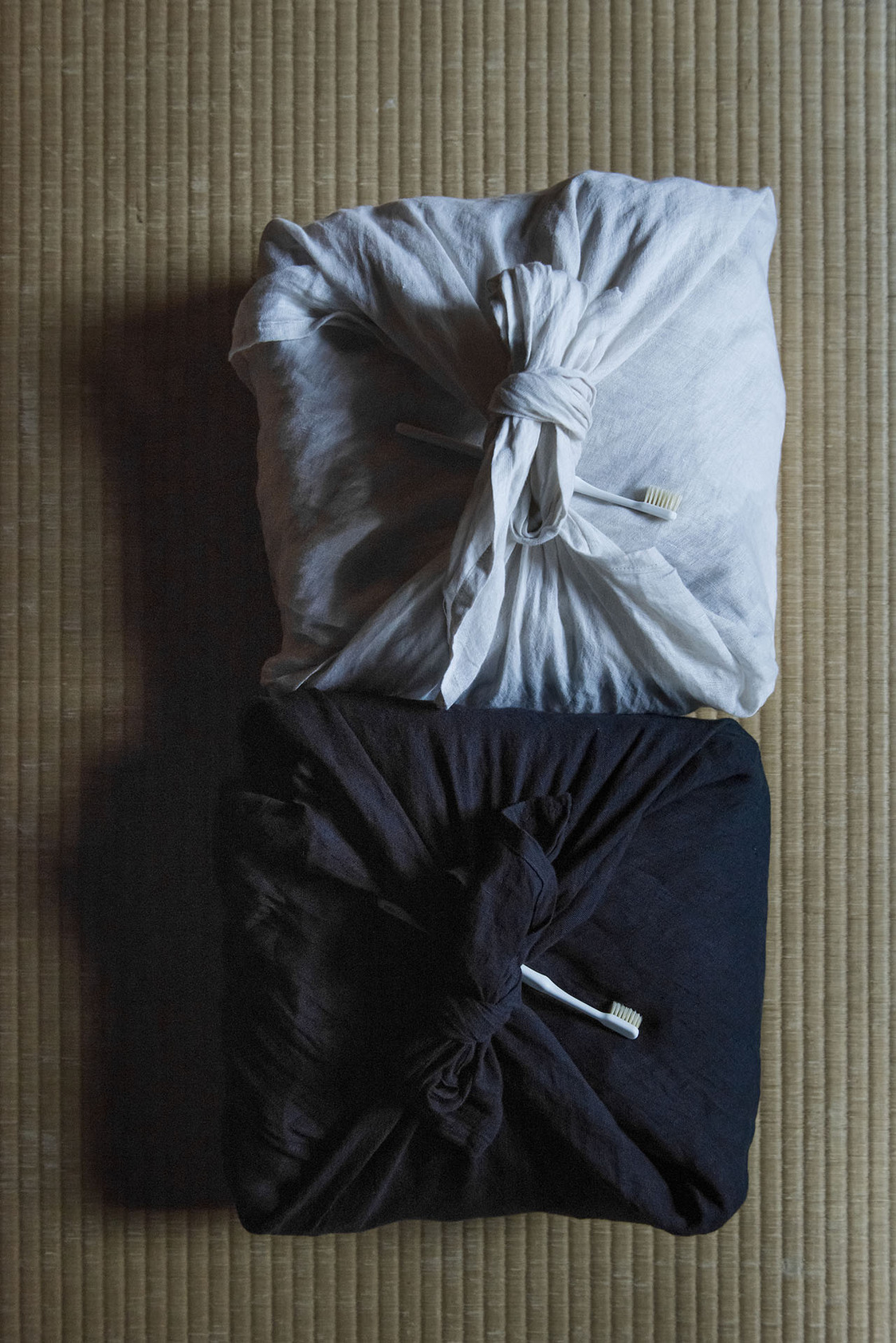
On arrival, each guest receives a package of overnight items, including pajamas and a boar-bristle toothbrush.
-
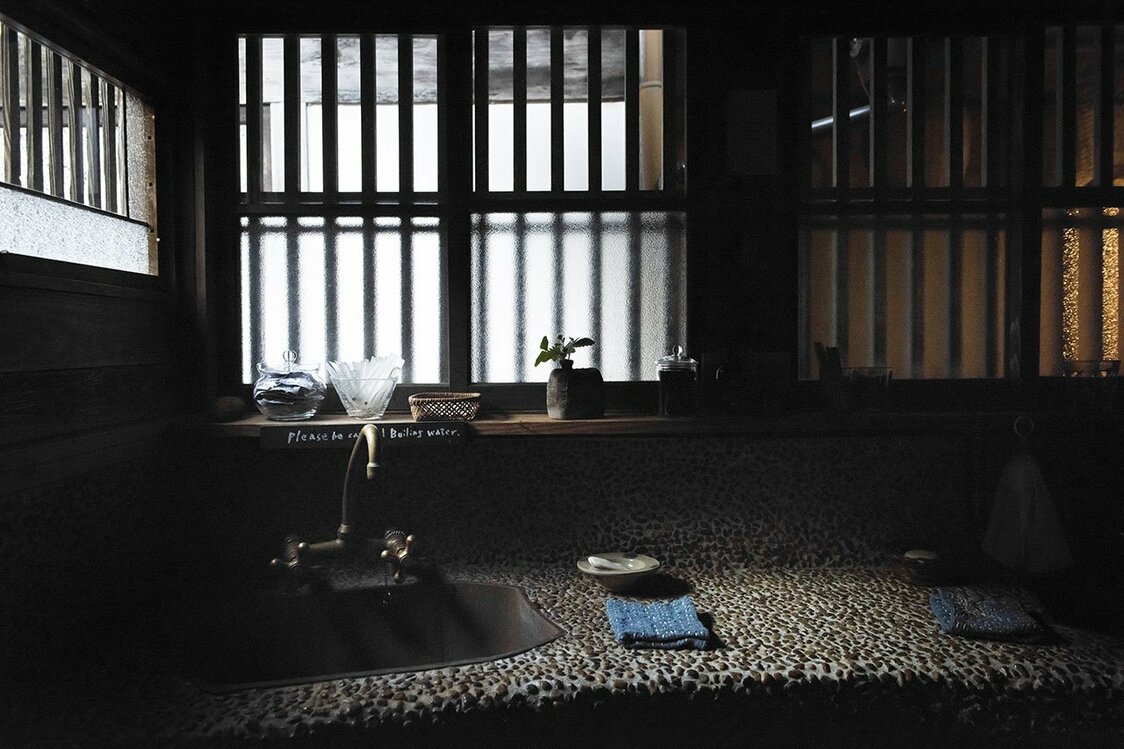
The common washroom.
-
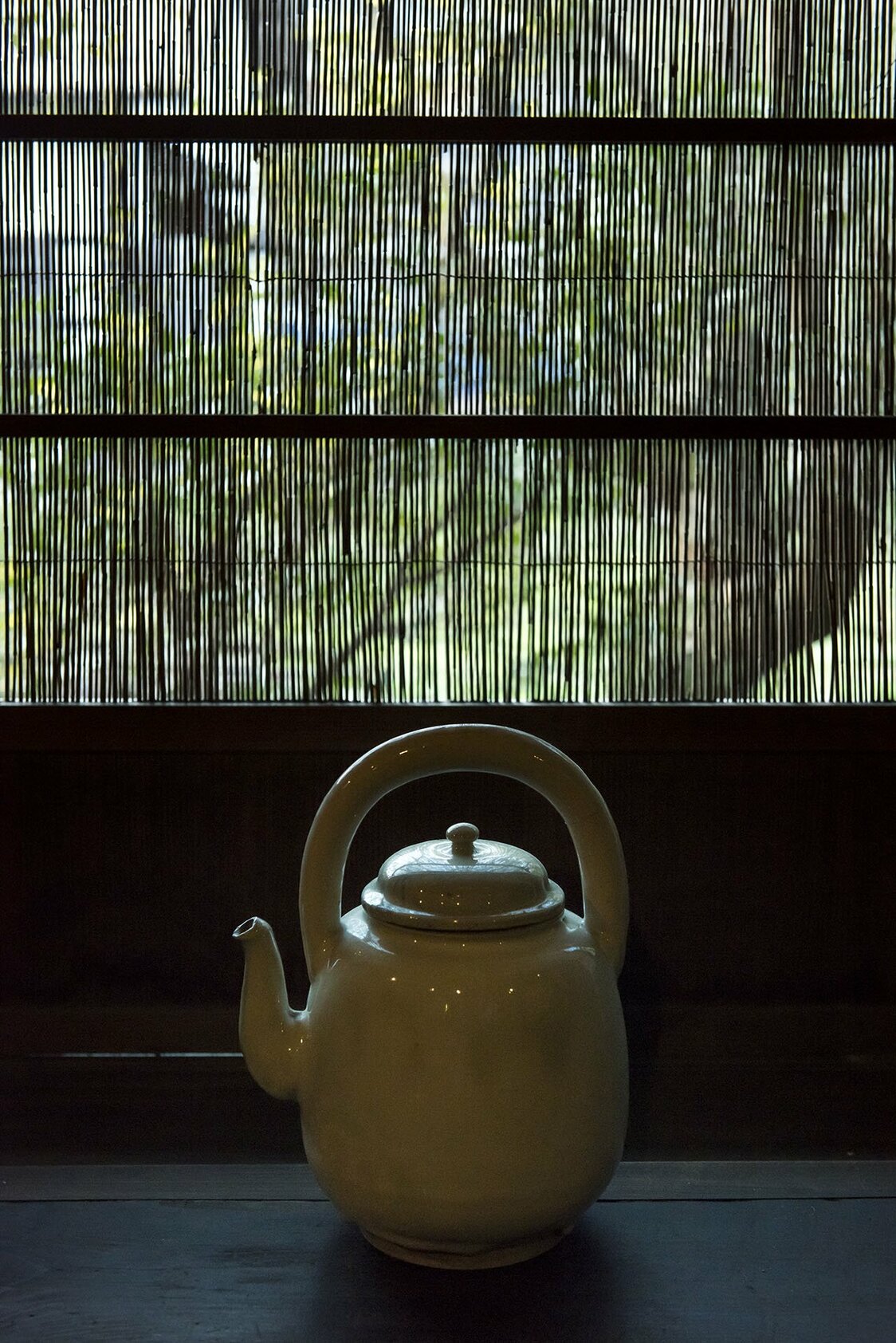
The soft light and deep shadows of an old Japanese house have a beauty all their own.
-
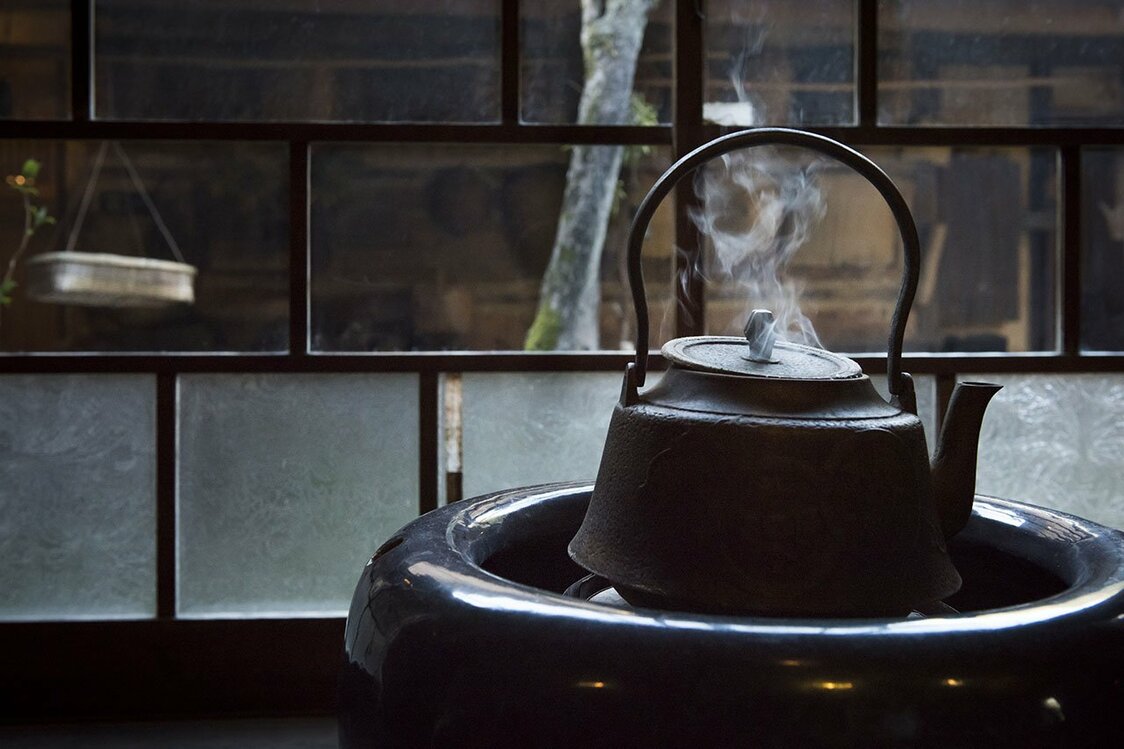
From autumn to early spring, a hibachi brazier keeps the cold at bay.
-
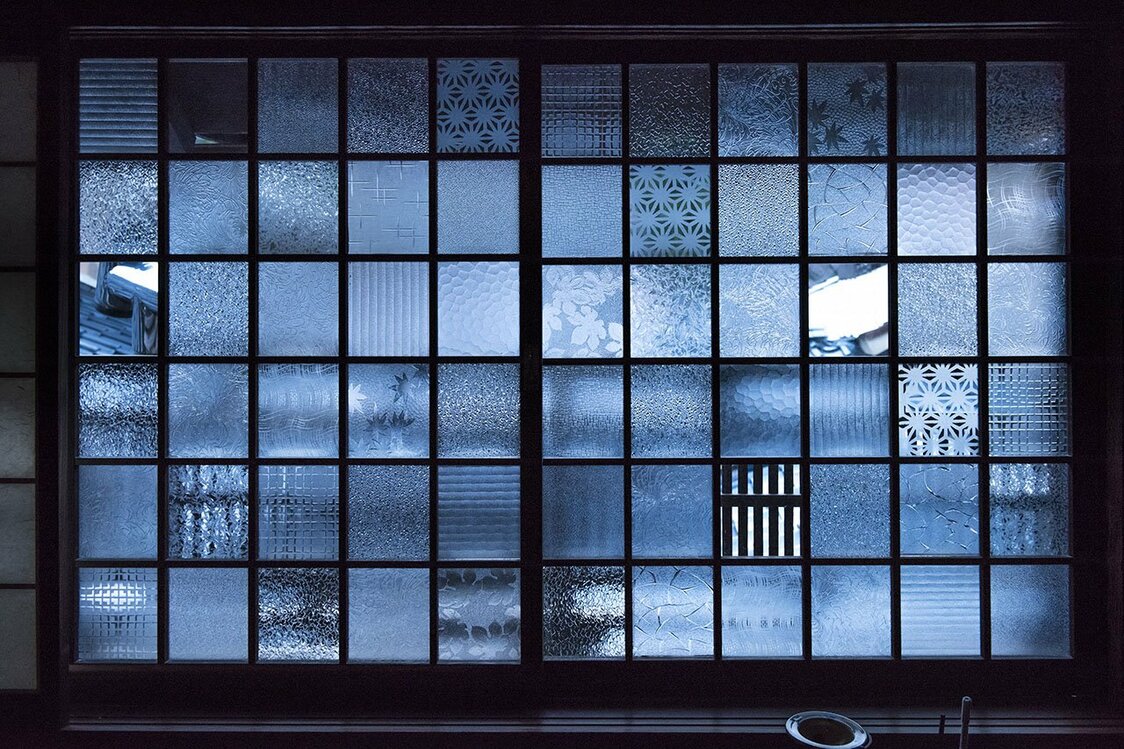
These lattice doors have been fitted with a patchwork of old glass recovered from discarded building materials.
-
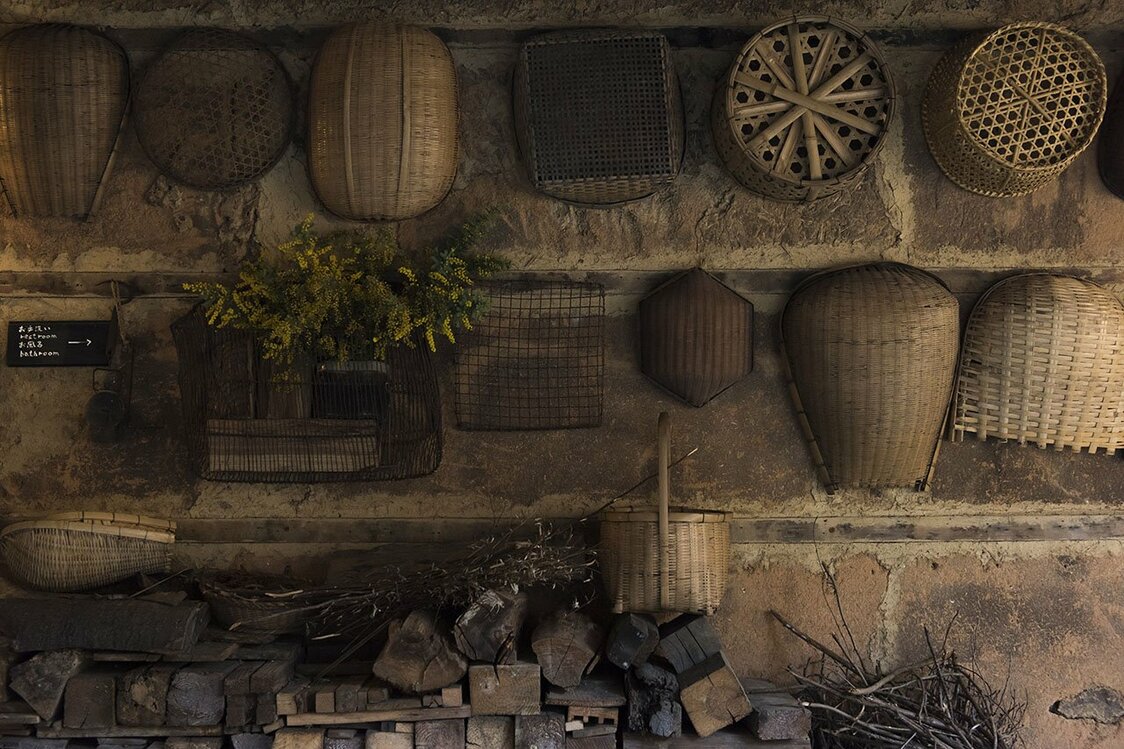
Traditional Japanese basketry hangs from the plaster walls of the storehouse.
-
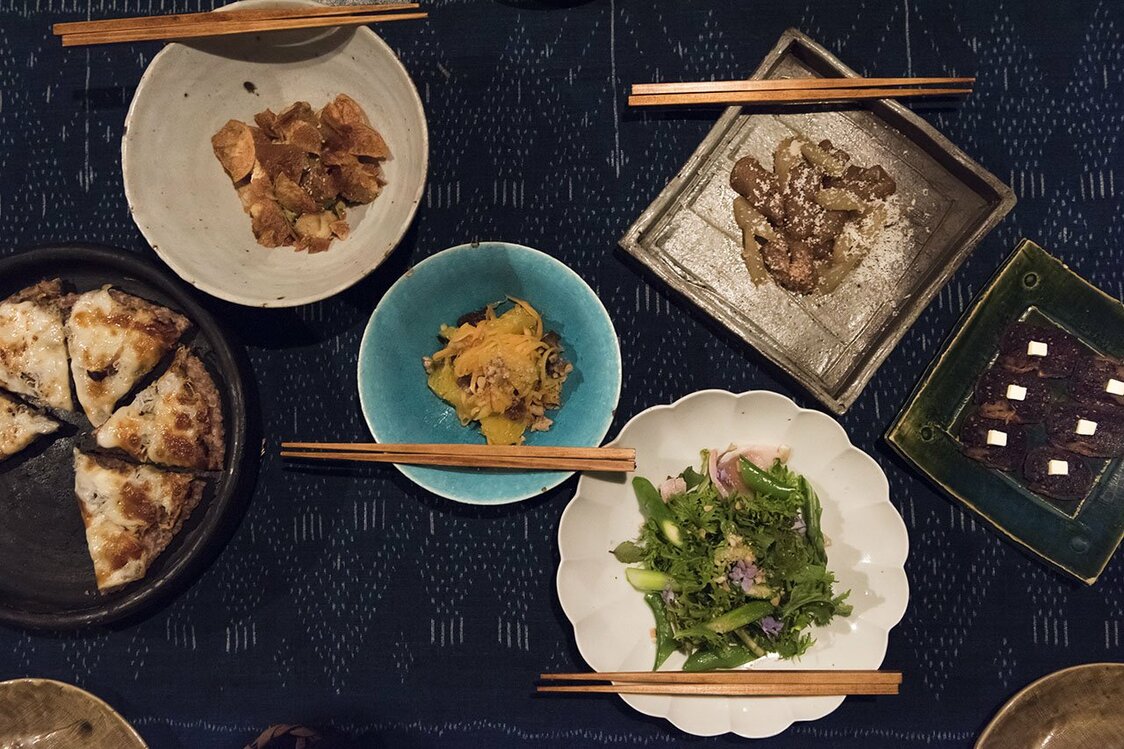
For dinner, a dizzying array of homestyle dishes featuring local and seasonal ingredients.
-
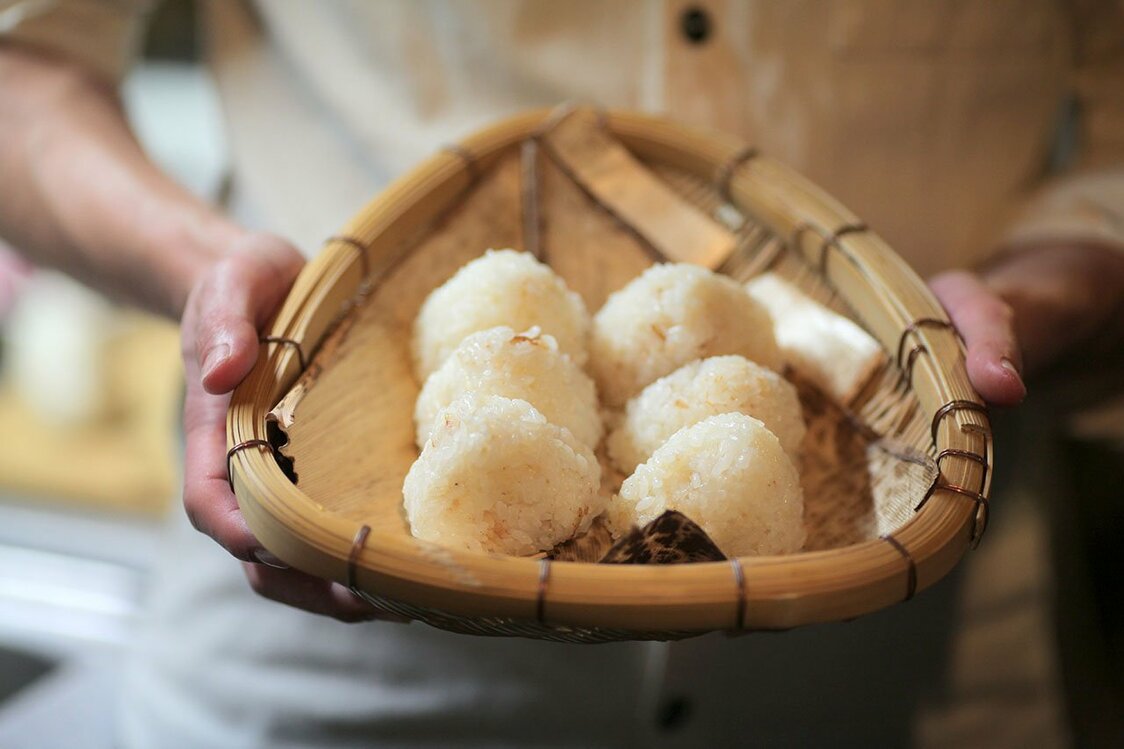
Nothing says “home sweet home” like these old-fashioned musubi, made from rice cooked in the kamado. (© Takyō Abeke)
-
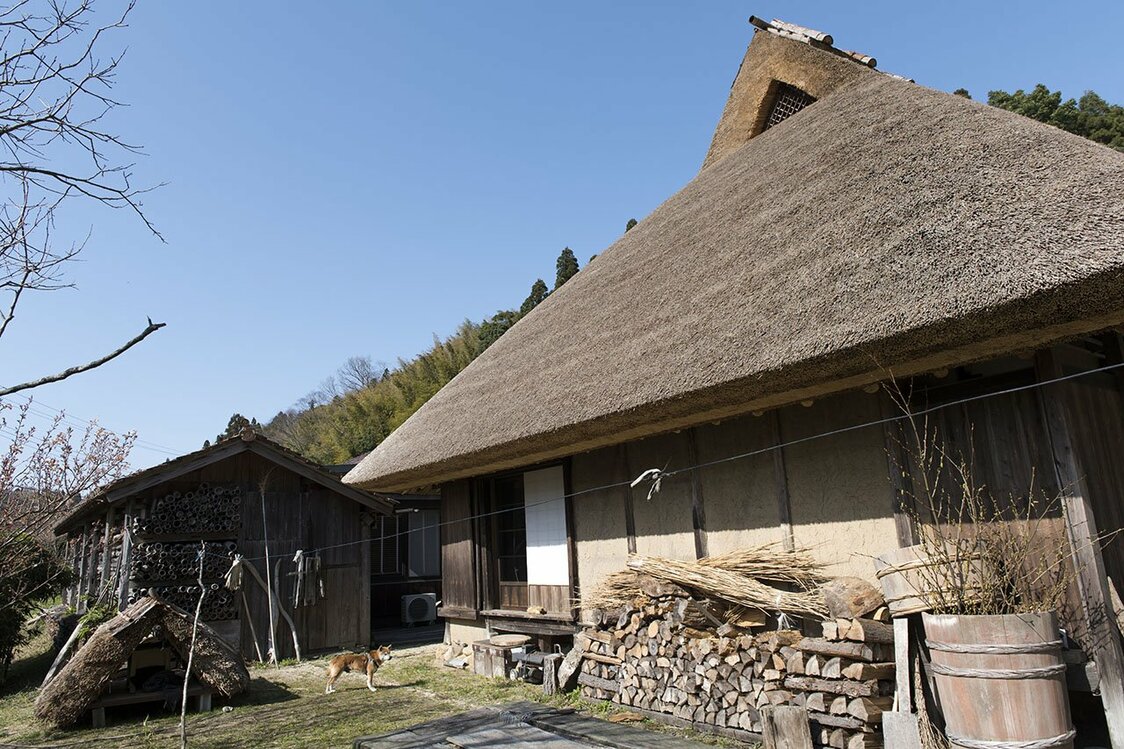
An old thatched-roof farmhouse lends atmosphere to the headquarters of Iwami Ginzan Seikatsu Bunka Kenkyūsho.
-
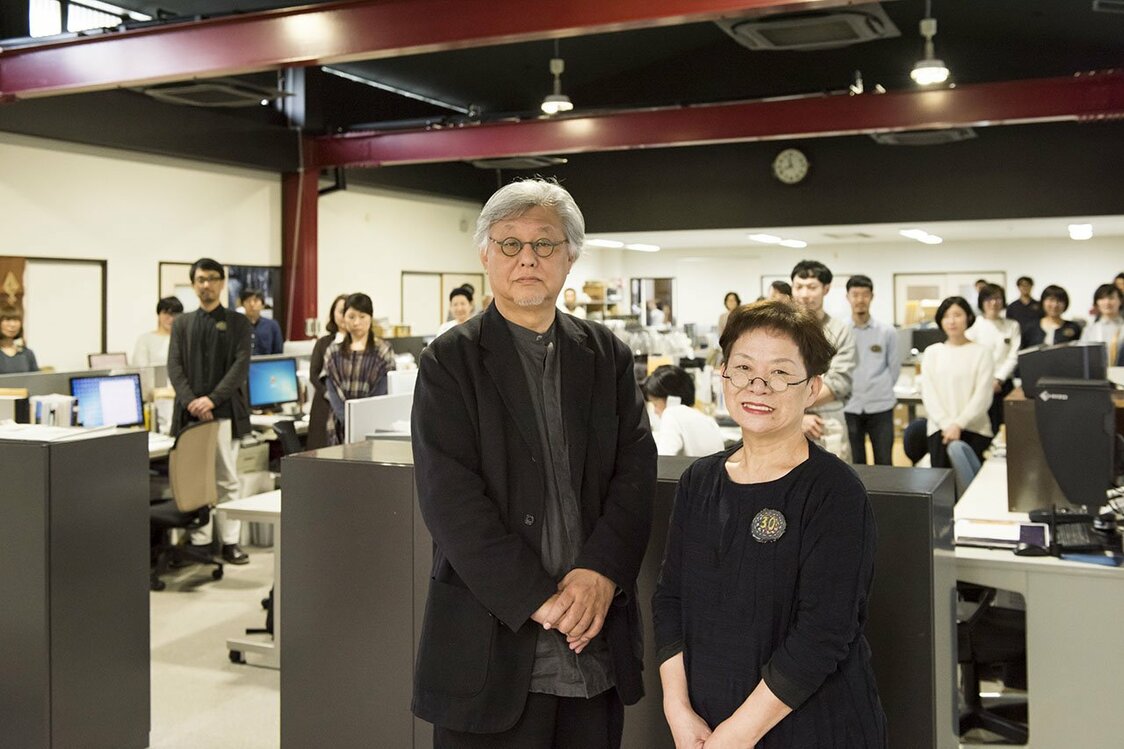
Matsuba Tomi (right) and her husband Daikichi with staff at the head office of Iwami Ginzan Seikatsu Bunka Kenkyūsho.


 Read in other languages