-
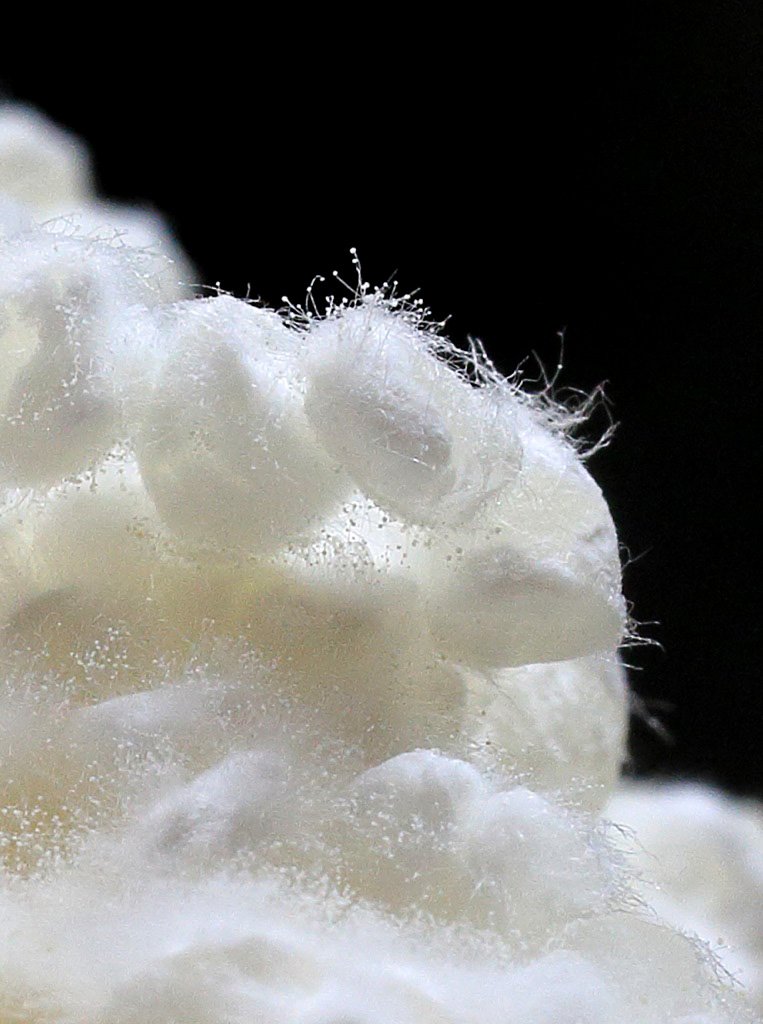
The “fur” on the surface of this rice is Aspergillus oryzae. In a mature kōji culture like this one, the fungus filaments (hyphae) penetrate into each grain of steamed rice. (© Kiyashō Brewery)
-
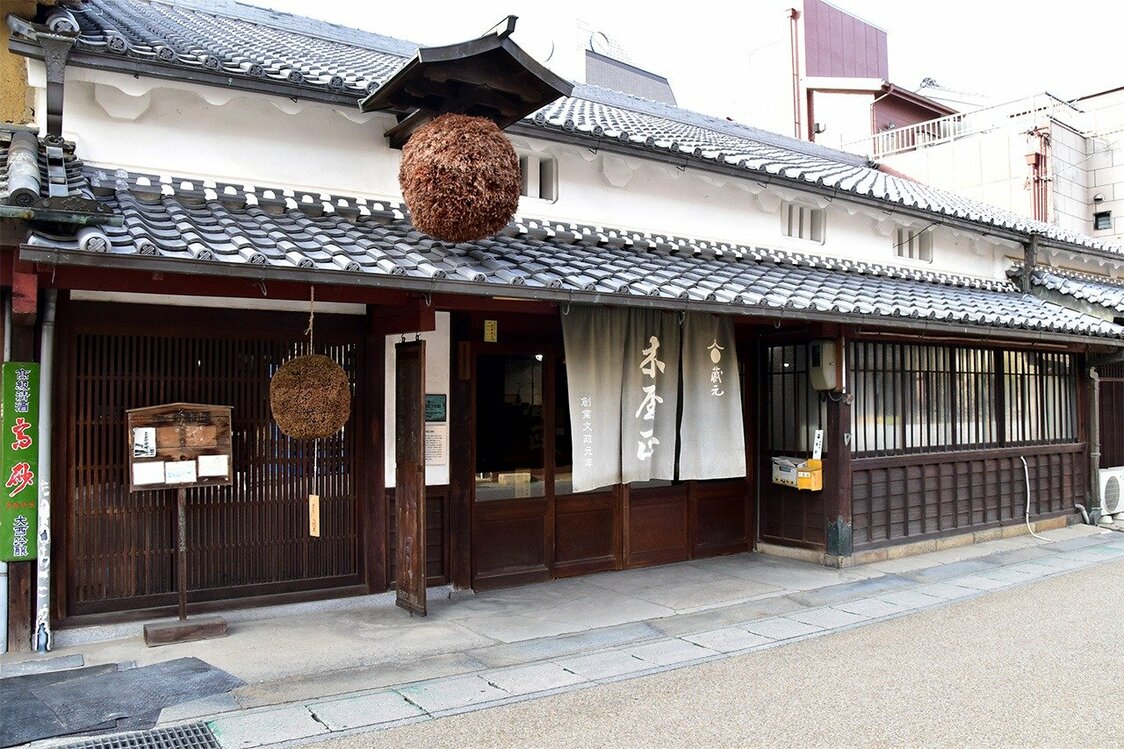
Kiyashō Brewery was established in 1818 along the historic Hase Kaidō leading to Ise Shrine.
-
-
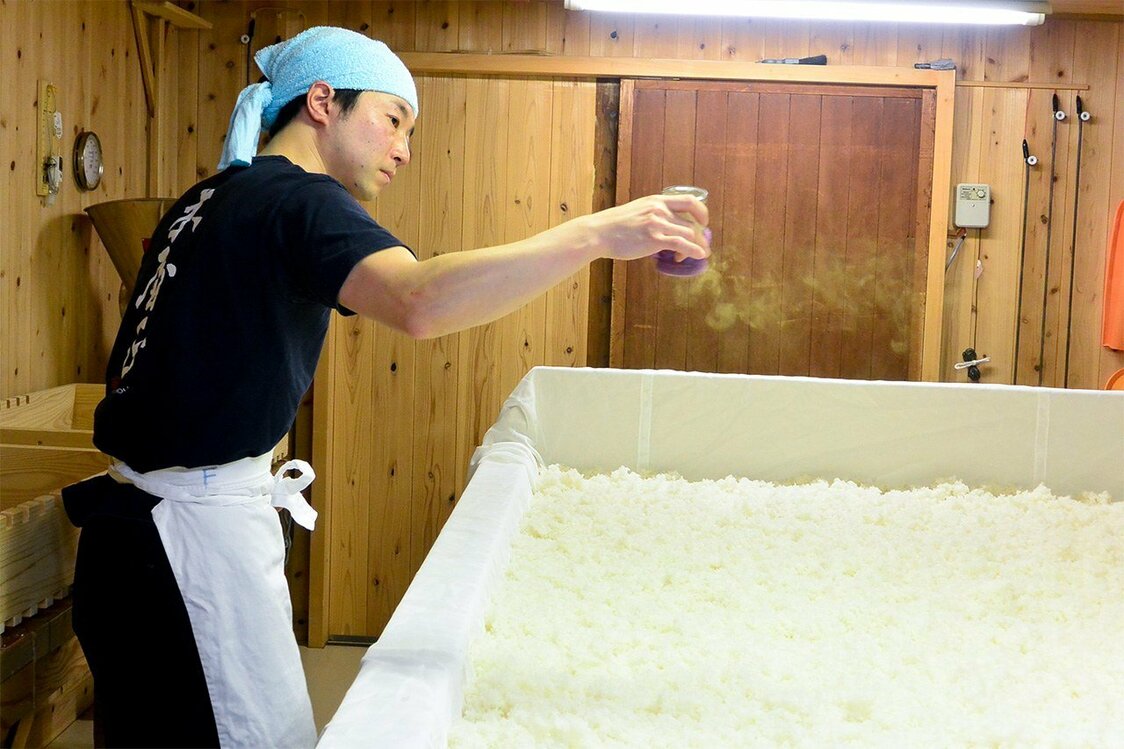
Owner-brewmaster Ōnishi sprinkles kōji spores over steamed rice as he starts a new batch of rice kōji. Kōji making is regarded by many as the most critical and technically demanding step in the sake-brewing process.
-
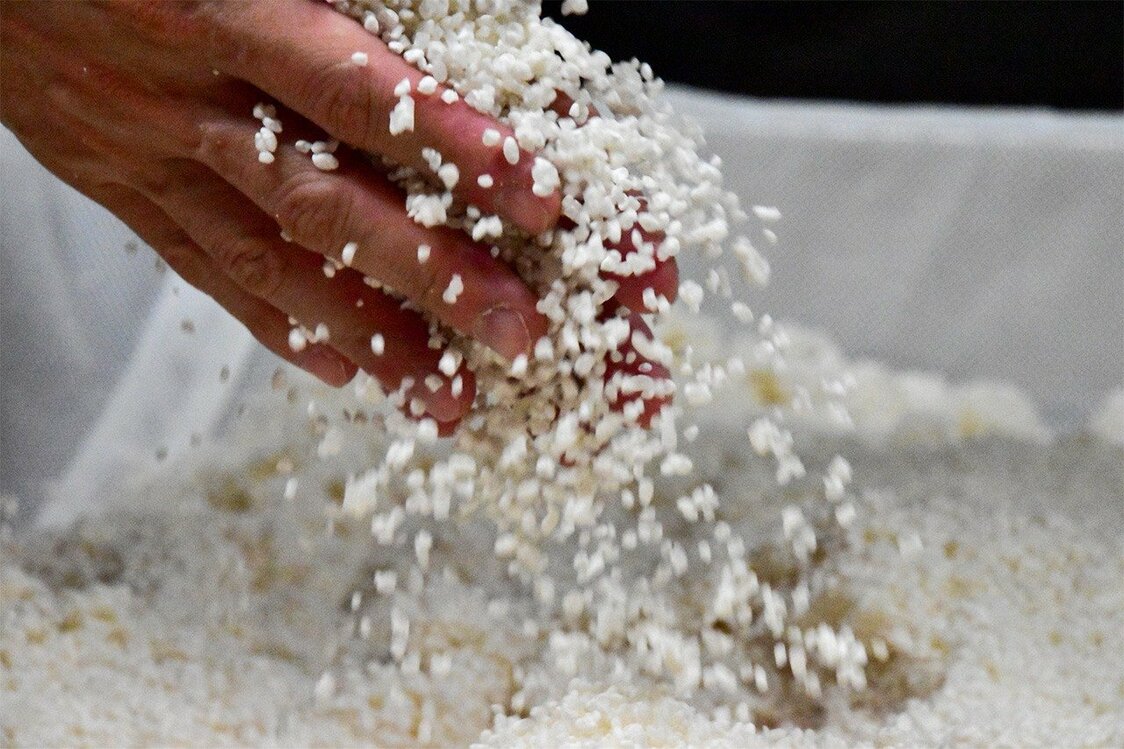
The rice kōji is cultured by hand in a special room called a kōji-muro.
-
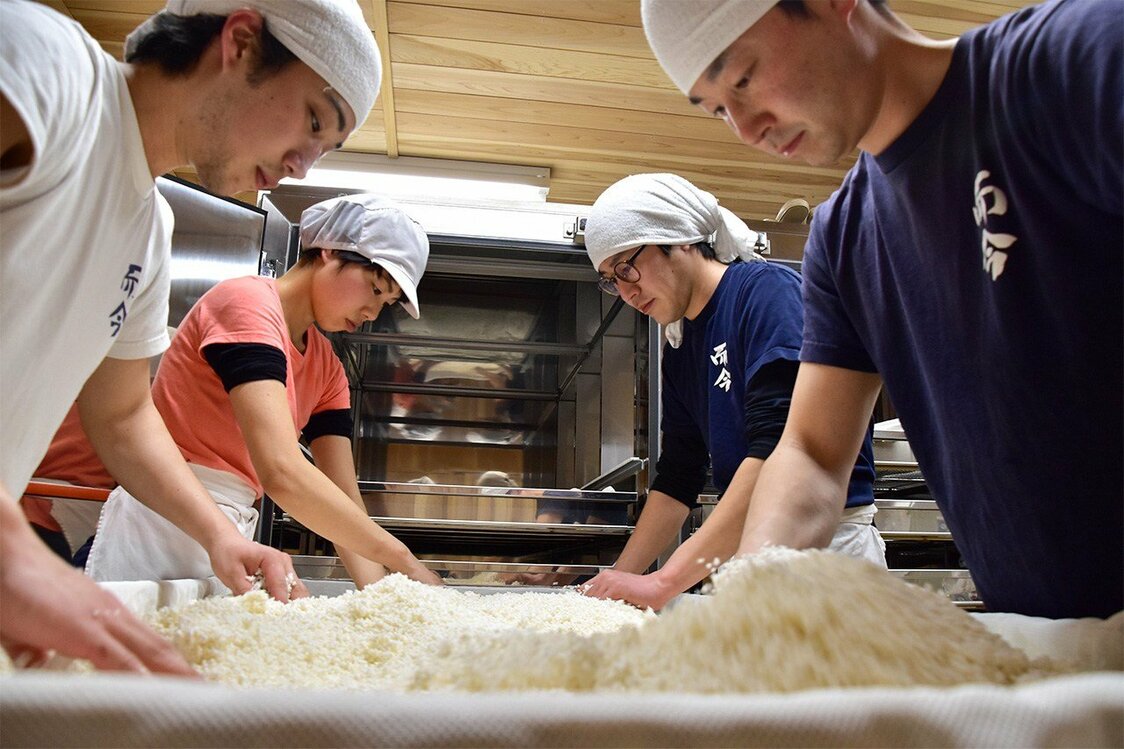
In the kōji-muro, the brewers carefully monitor and control conditions at each stage of growth with the help of precision instruments, as well as their own sense of sight, touch, and smell. Good rice kōji has a rich, sweet aroma, similar to chestnuts.
-
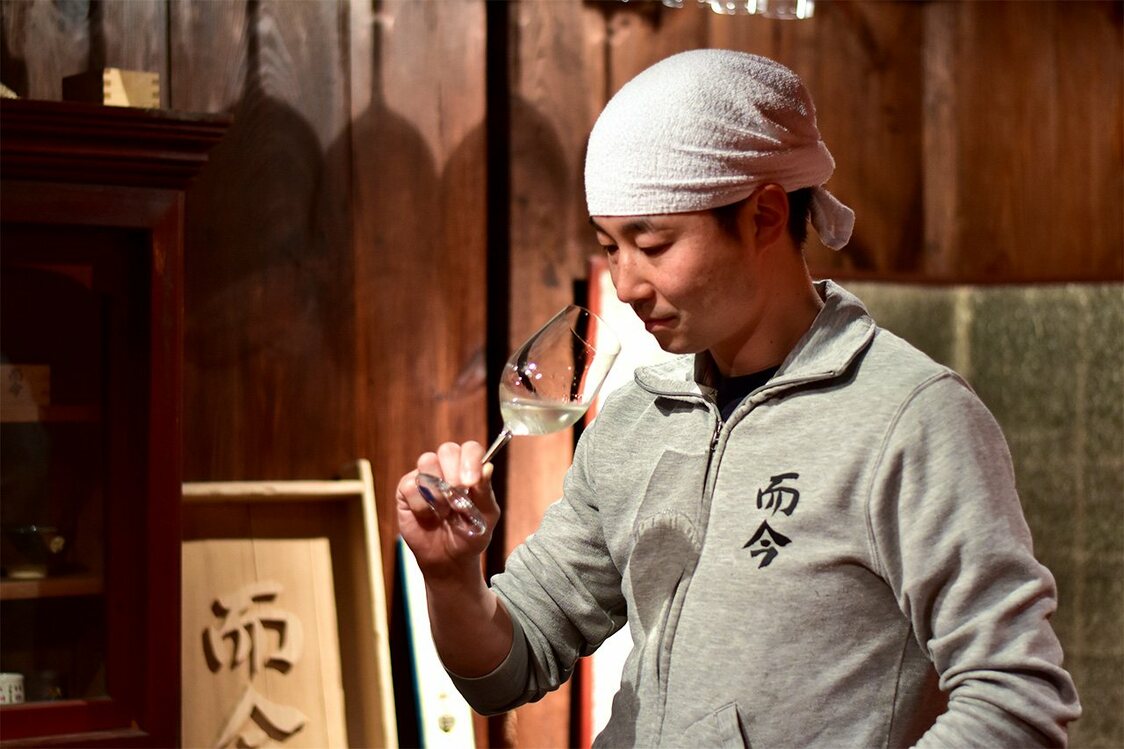
Ōnishi samples freshly pressed sake in his brewery’s tasting room
-
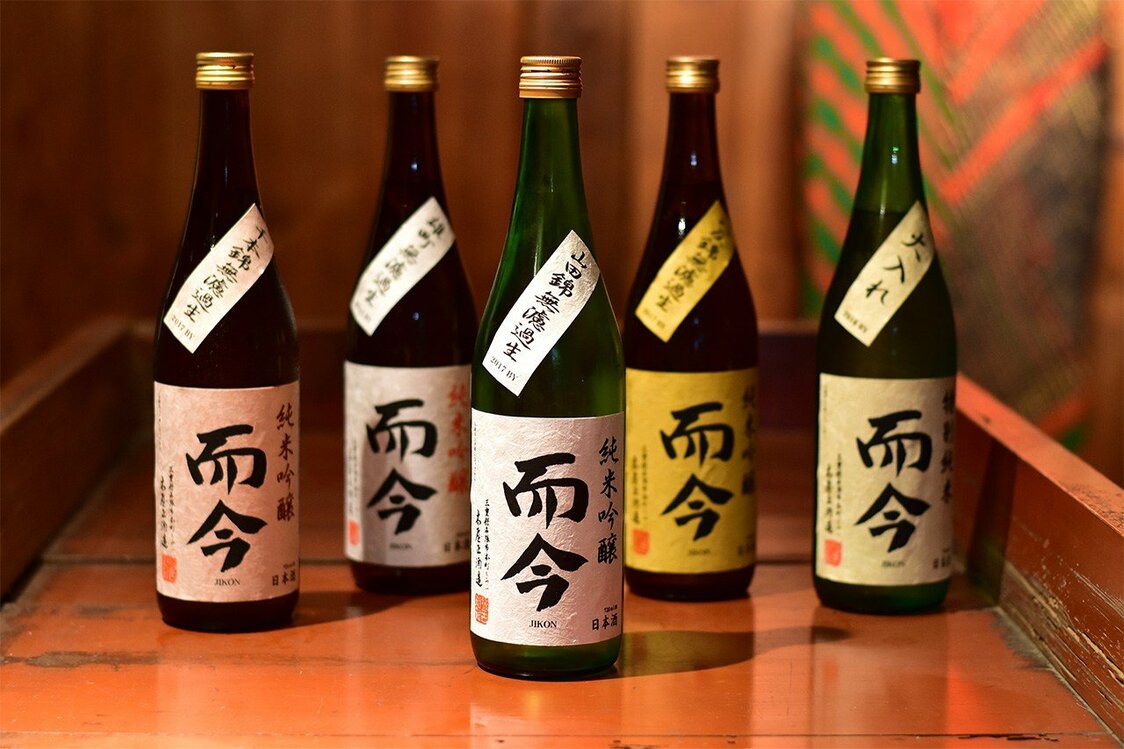
The name Jikon is a reference to the Zen concept of living in the here-and-now.


 Read in other languages