-
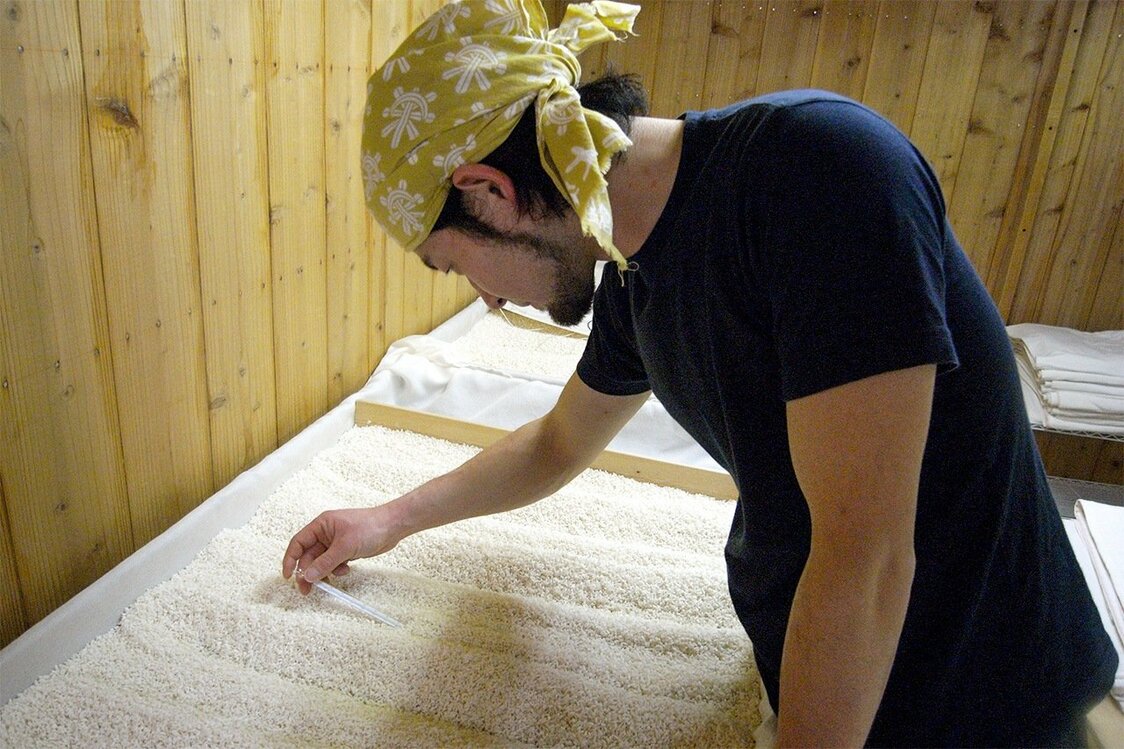
Brewer-owner Tomita Yasunobu checks the temperature of steamed rice on which kōji mold is cultured. Kōji, which is needed to break the rice’s starch down into fermentable sugars, also produces amino acids responsible for the distinctive umami of nihonshu.
-
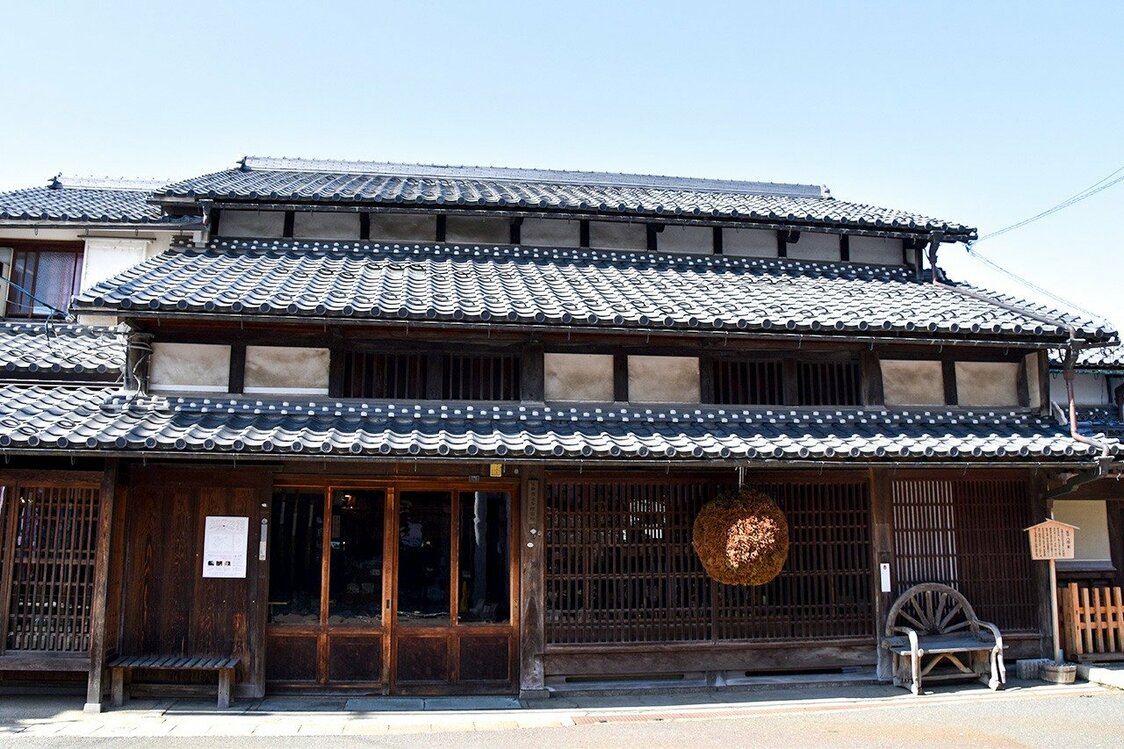
The vintage storefront of Tomita Shuzō in Nagahama, Shiga Prefecture, testifies to the brewery’s rich history.
-
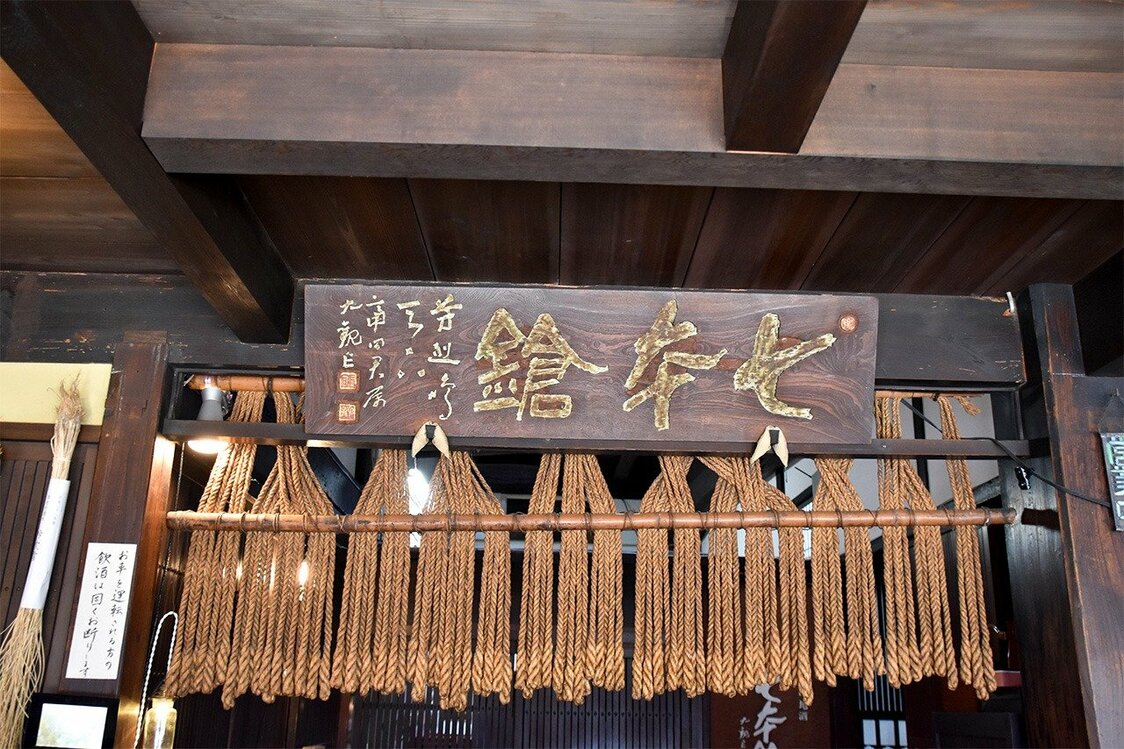
The wooden plaque carved by calligrapher and epicure Kitaōji Rosanjin, which inspired the Shichihon-yari label.
-
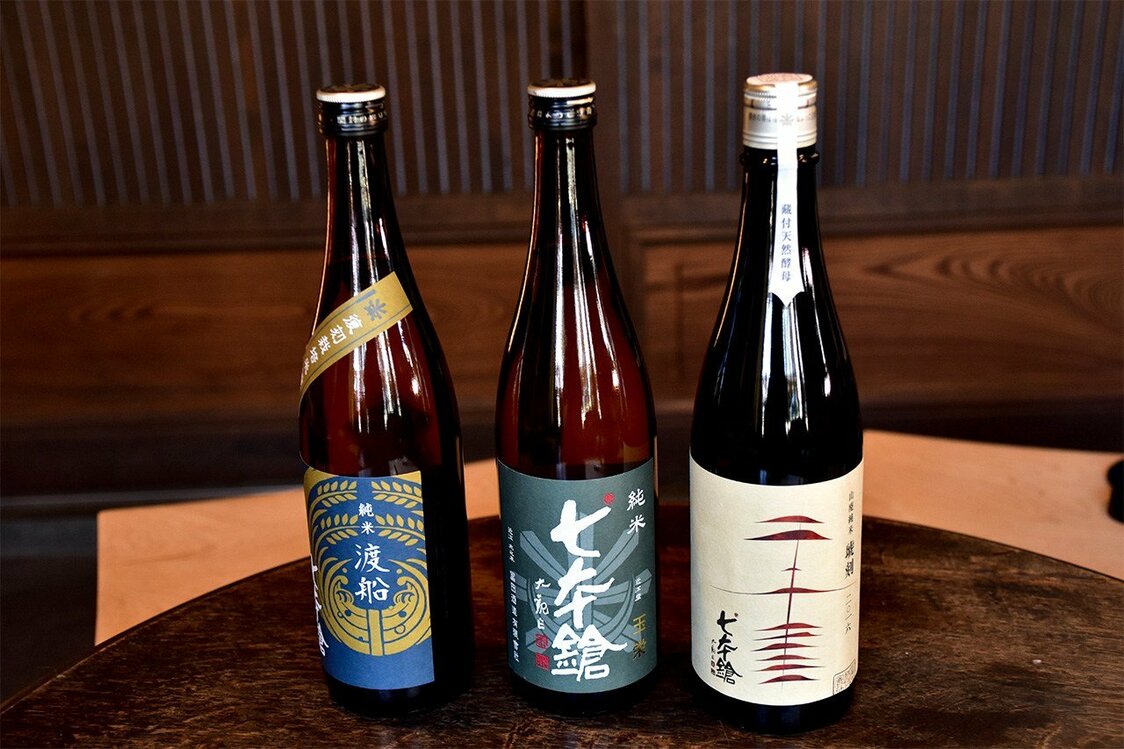
Tomita Shuzō’s flagship junmai-shu Shichihon-yari (center), made with local Tamasakae rice, is flanked by the brewery’s yamahai junmai-shu Kokoku (left), brewed with wild yeast only, and its prize-winning junmai-shu Shiga Wataribune, made from a rare local heirloom variety of sake rice.
-
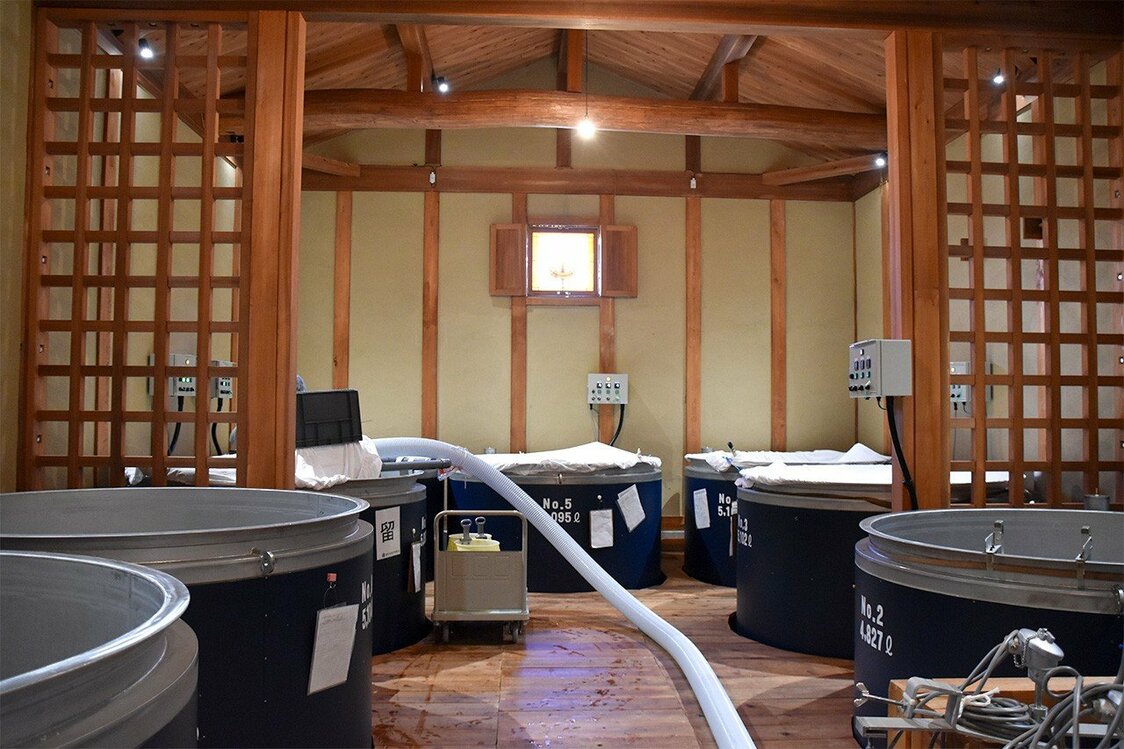
The interior of Tomita Shuzō’s new state-of-the-art mashing room, added in 2015. (The old facility dates to the late Edo period.)
-
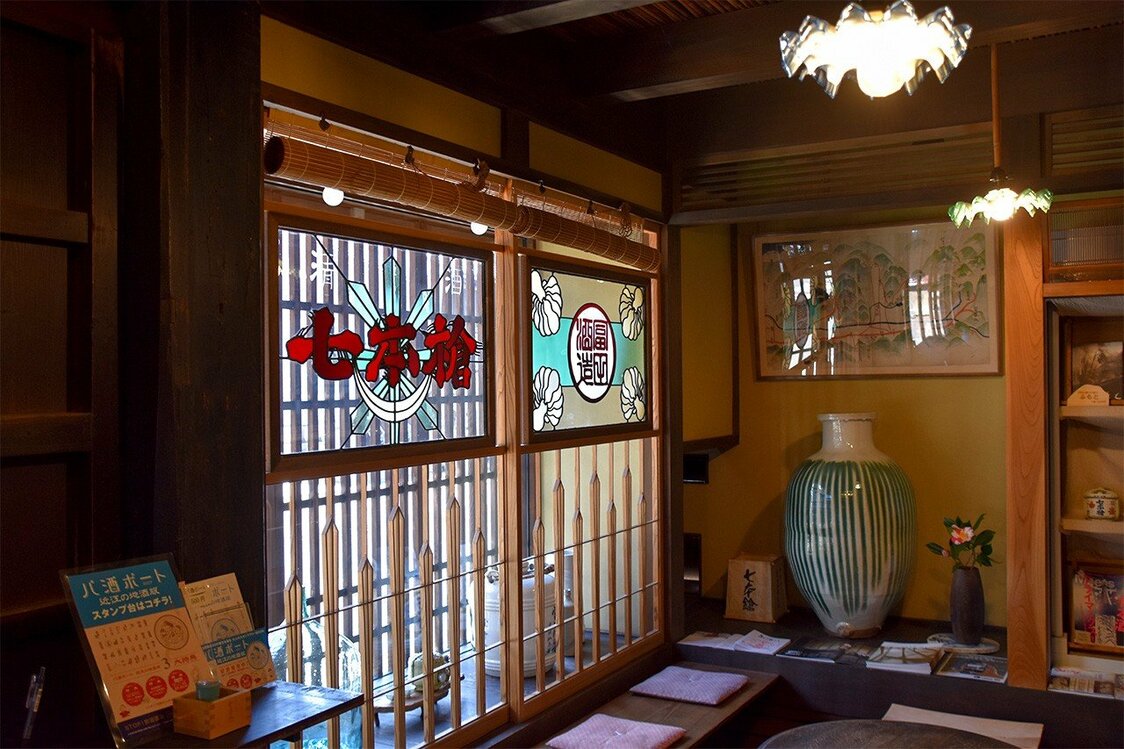
A view from the brewery shop just inside the main building, constructed in 1744. (The stained-glass windows are a modern touch.)
-
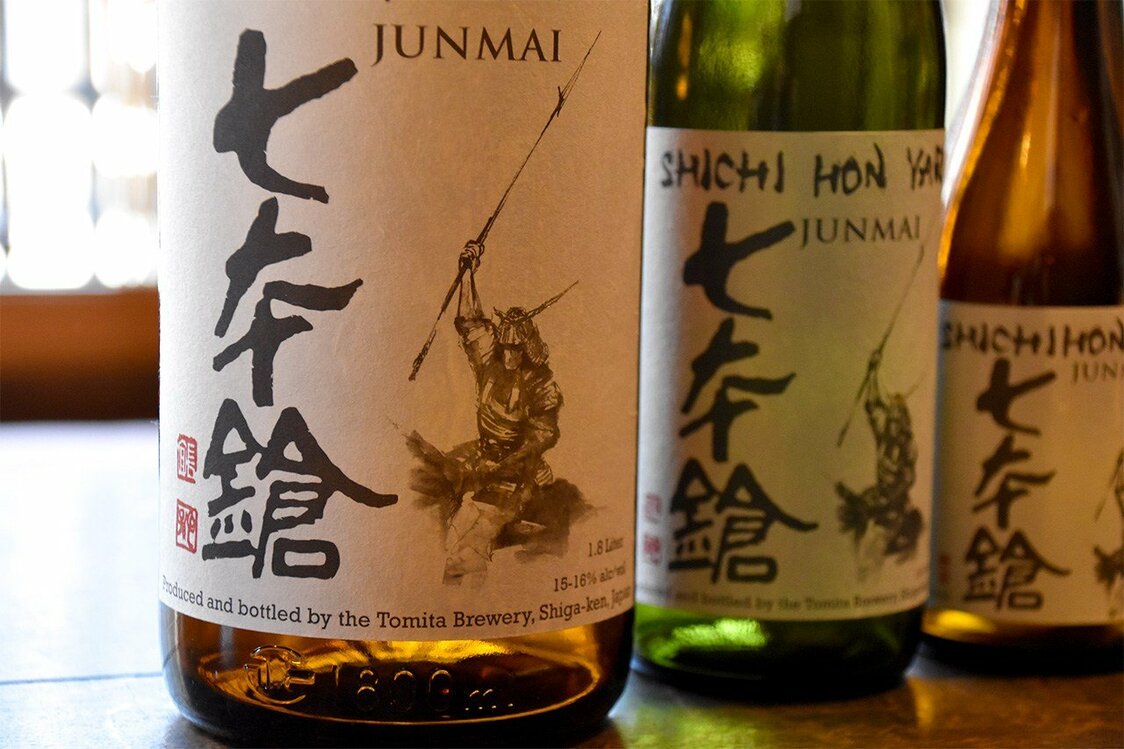
Tomita Shuzō's Shichihon-yari junmai-shu bottled for export.


 Read in other languages