-
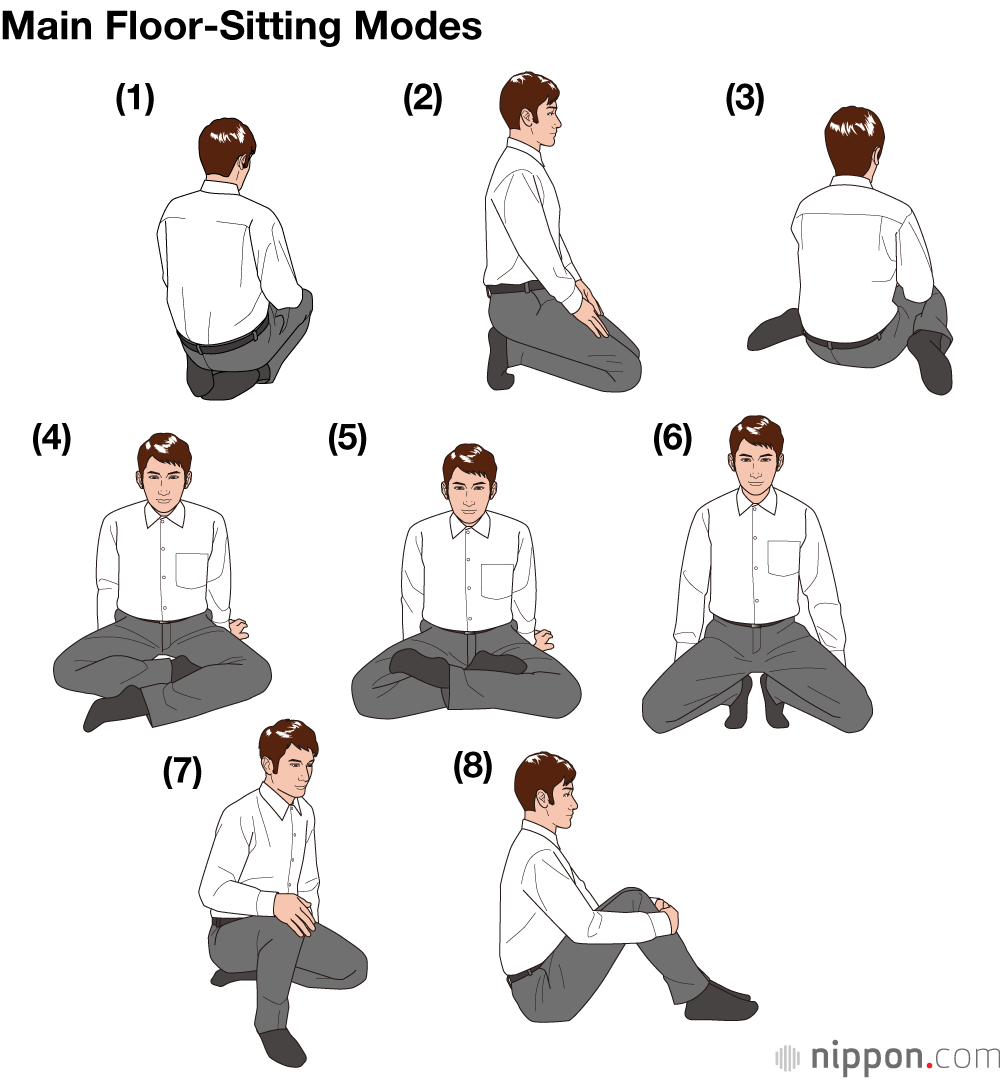
Main Floor-Sitting Modes
-
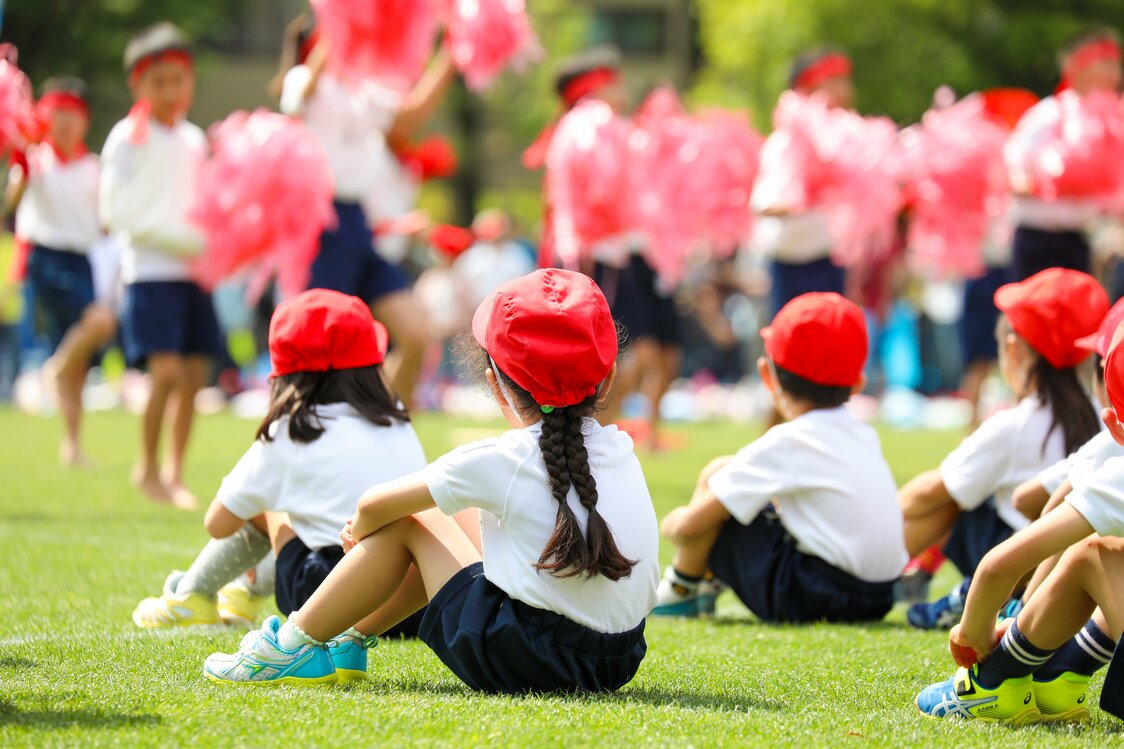
Elementary schoolchildren sit in the taiiku-zuwari style in the schoolyard or the gym. (© Pixta)
-
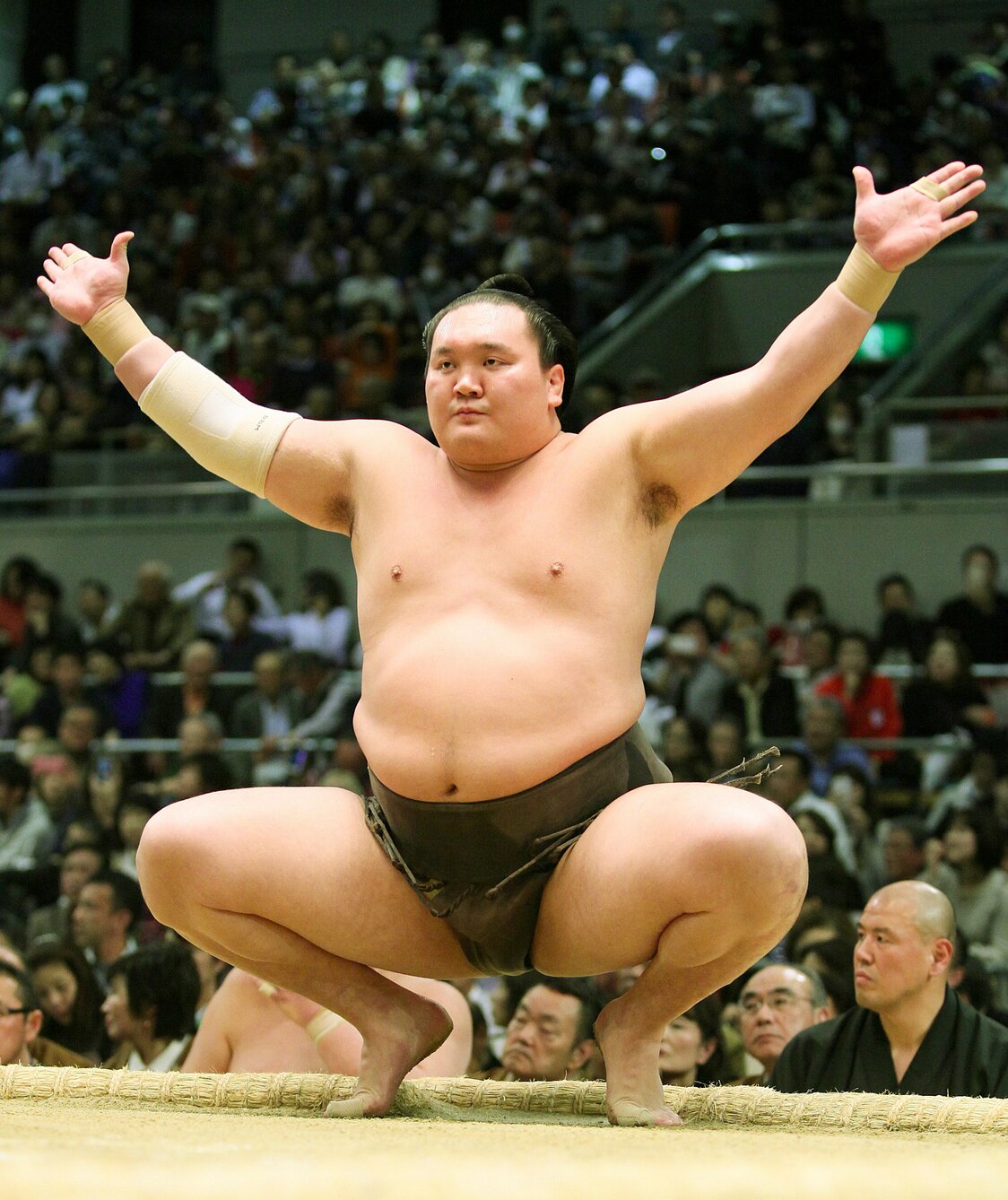
In sumō and other martial arts, sonkyo is an expression of gratitude. Here, yokozuna Hakuhō ( now retired) is pictured entering the dohyō ring on March 23, 2016. (© Jiji)
-
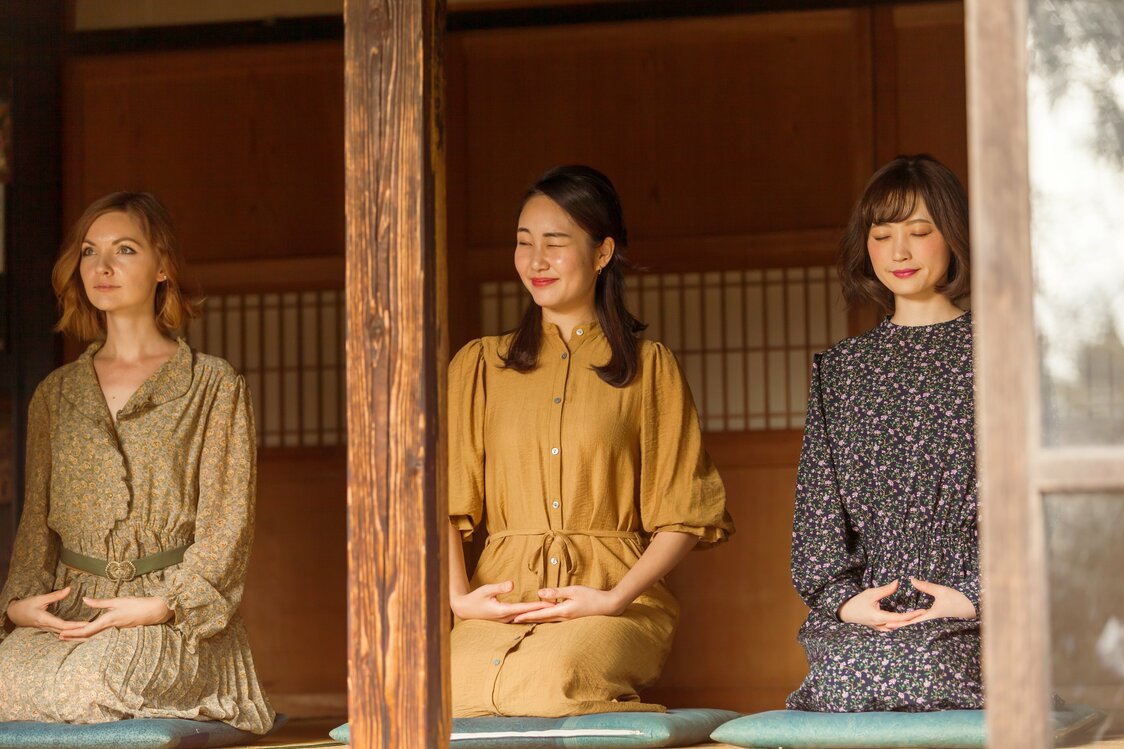
If your legs go numb while sitting seiza, shifting to the kiza posture can bring blood circulation back. (© Pixta)
-
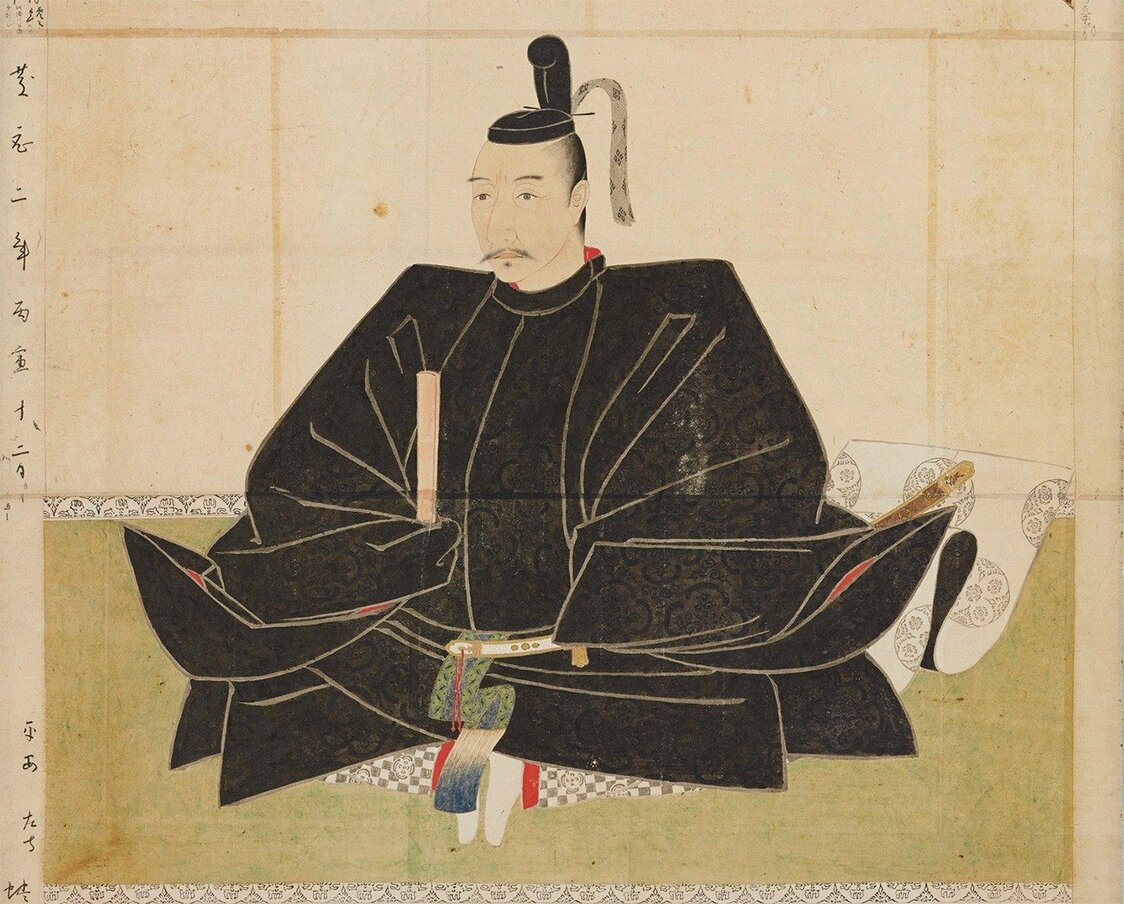
Paintings depicting court nobles or warriors often show them sitting with the soles of the feet touching together. Called rakuza (comfortable pose), this way of sitting may not strike modern folks as especially easy to assume. (Copy of an original painting of Oda Nobunaga at Tokyo National Museum. Courtesy ColBase)
-
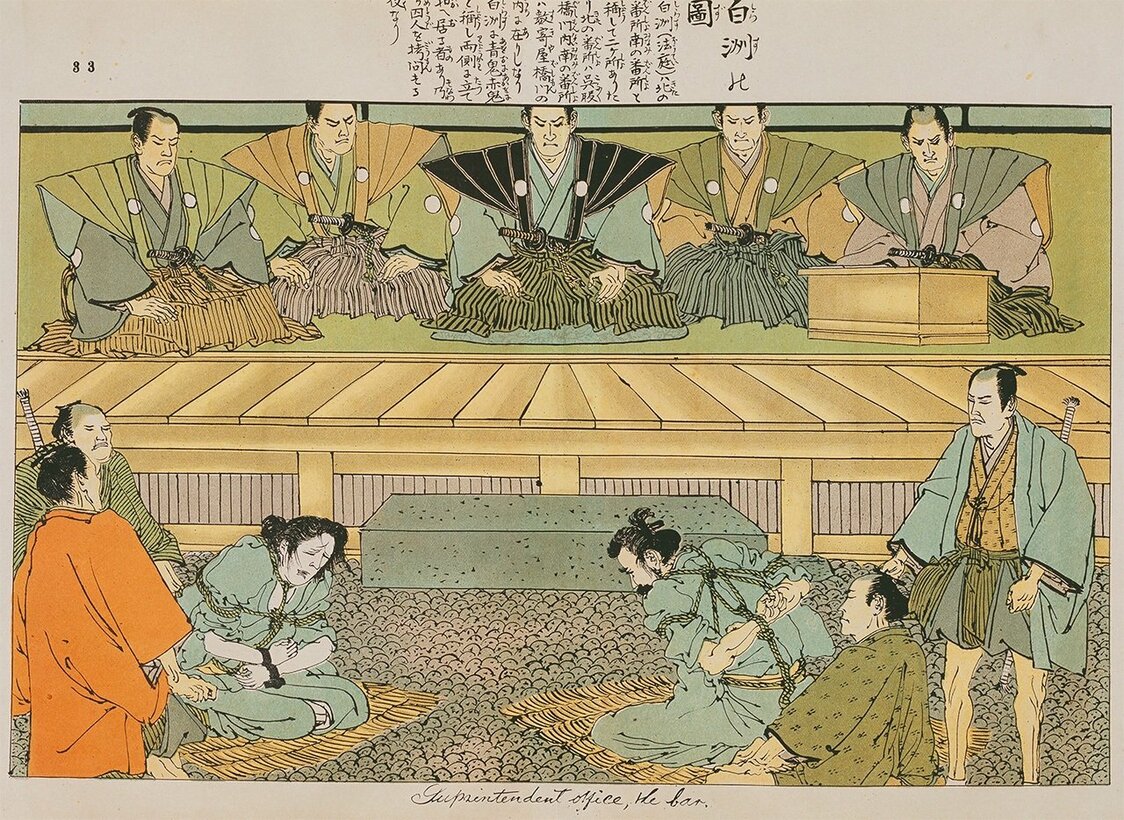
An Edo period (1603–1868) court where those being tried knelt seiza-style on gravel. From Tokugawa keijizufu (An Illustrated Reference Book of Tokugawa Criminal Cases) (Courtesy the Meiji University Museum)
-
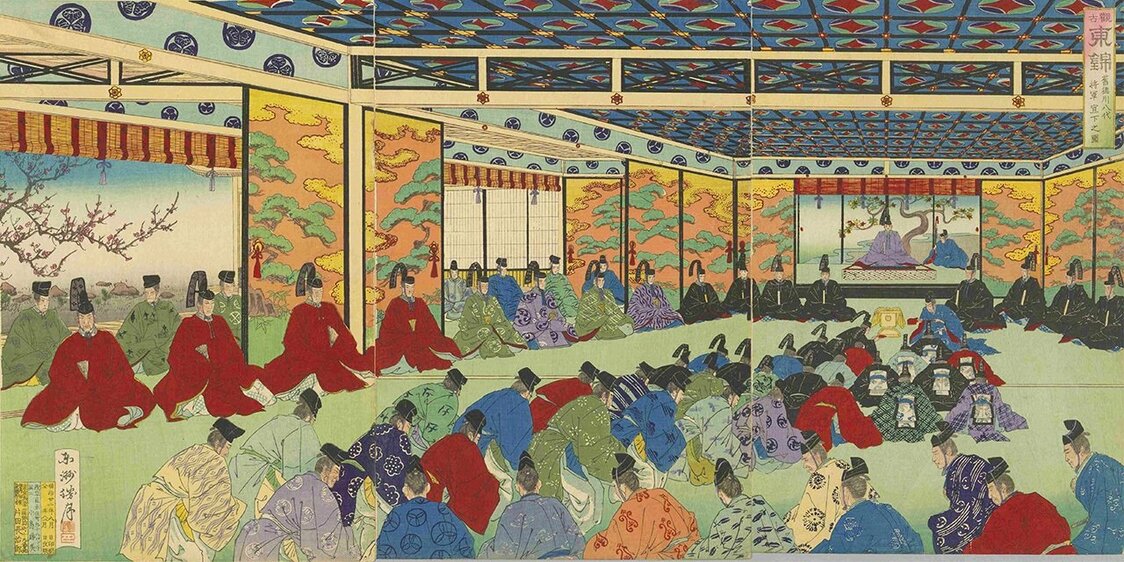
The scene at Tokugawa Yoshimune’s accession ceremony as eighth Tokugawa shōgun, in Kanko azuma nishiki: Kyū Tokugawa hachidai shōgun senge no zu (Colored Woodblock Print of the Declaration of the Eighth Tokugawa Shōgun). (Courtesy the Tokyo Metropolitan Central Library Special Collection Room)
-

Comfortable to sit or nap on, tatami’s moisture-absorbing function helps prevent mold. (© Pixta)
-
The “front” of the zabuton is the side without any stitching, and the tassel in the middle indicates the cushion’s right side up. (© Pixta)


 Read in other languages