-
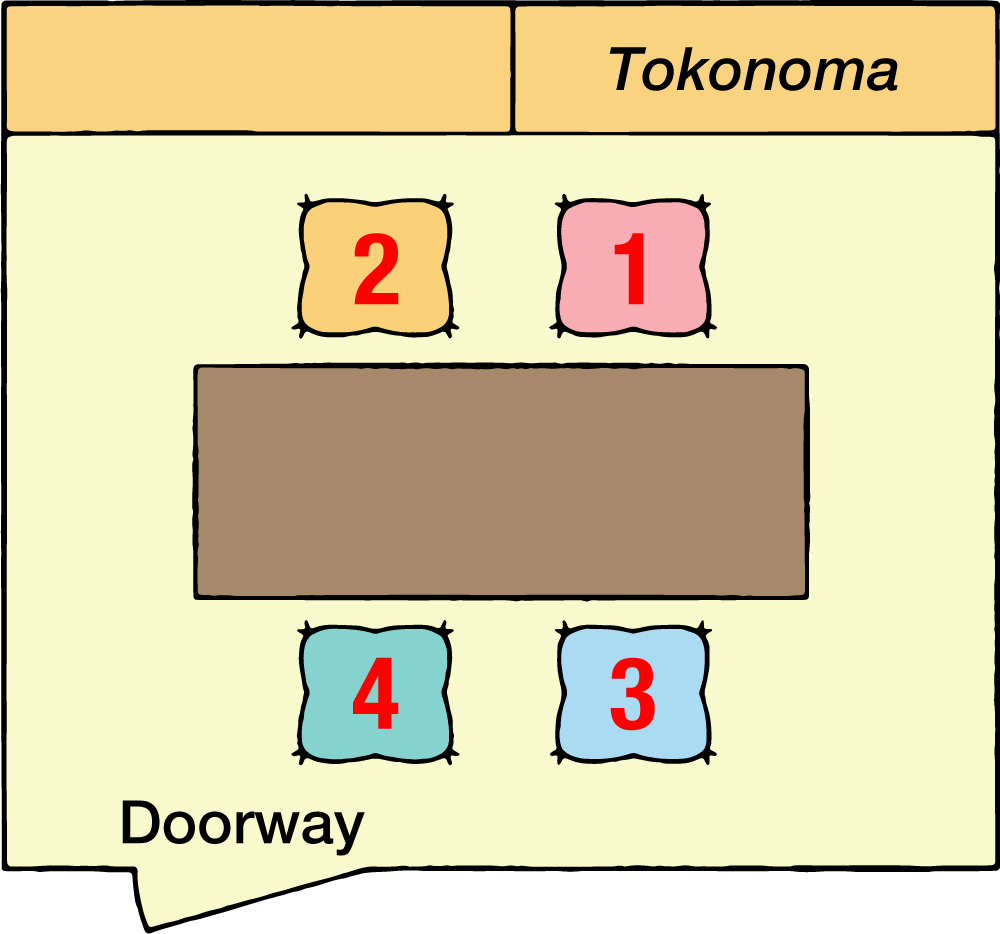
The basics: The most important person sits in front of the tokonoma (ornamental alcove) and the least important near the doorway. (© Pixta, edited by Nippon.com)
-
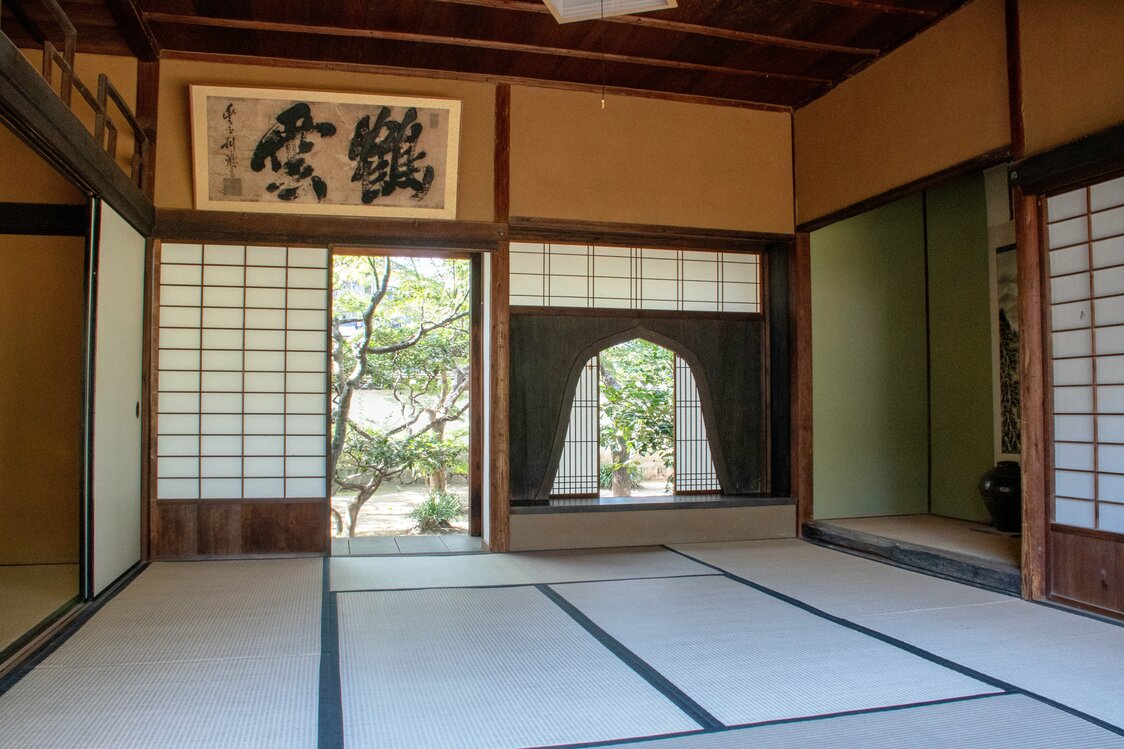
In the shoin style of traditional architecture, a writing desk with an oriel window is adjacent to the tokonoma. This is a room in the former Ashimori samurai residence, erected sometime during the seventeenth to eighteenth century, located in Okayama, Okayama Prefecture. (© Pixta)
-
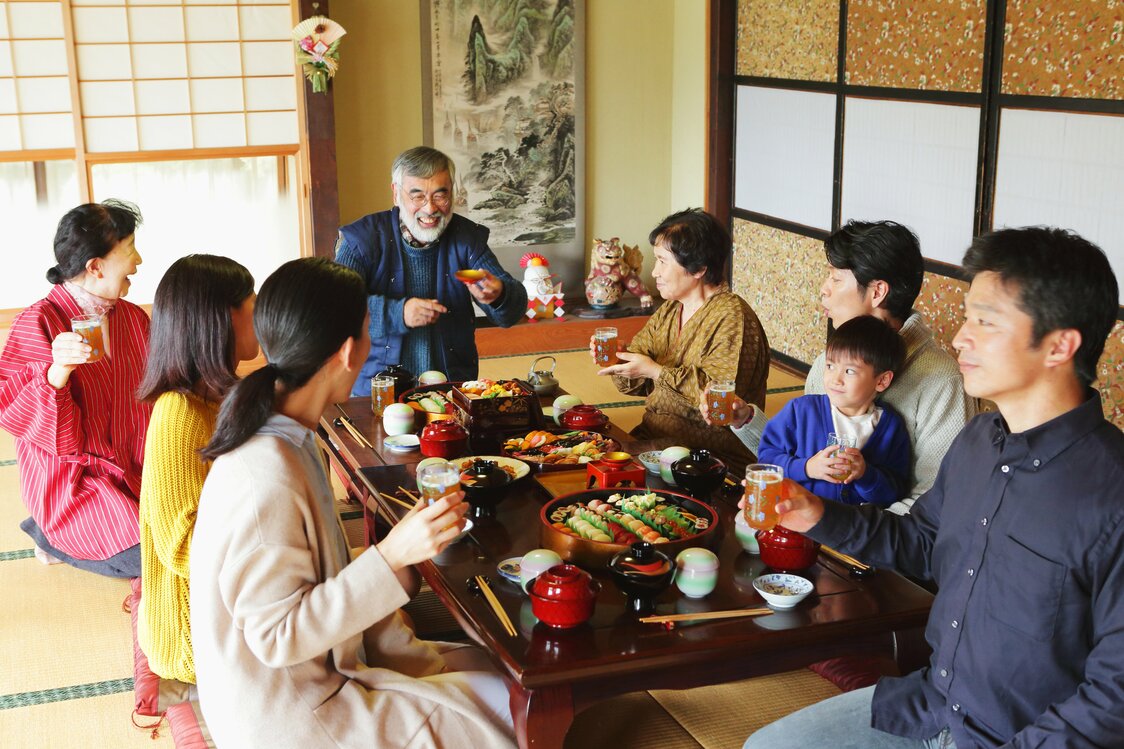
When families gather, the patriarch occupies the farthest-most seat, and the seating order of precedence, as seen from the head of the table, is left, right, and left. (© Pixta)
-
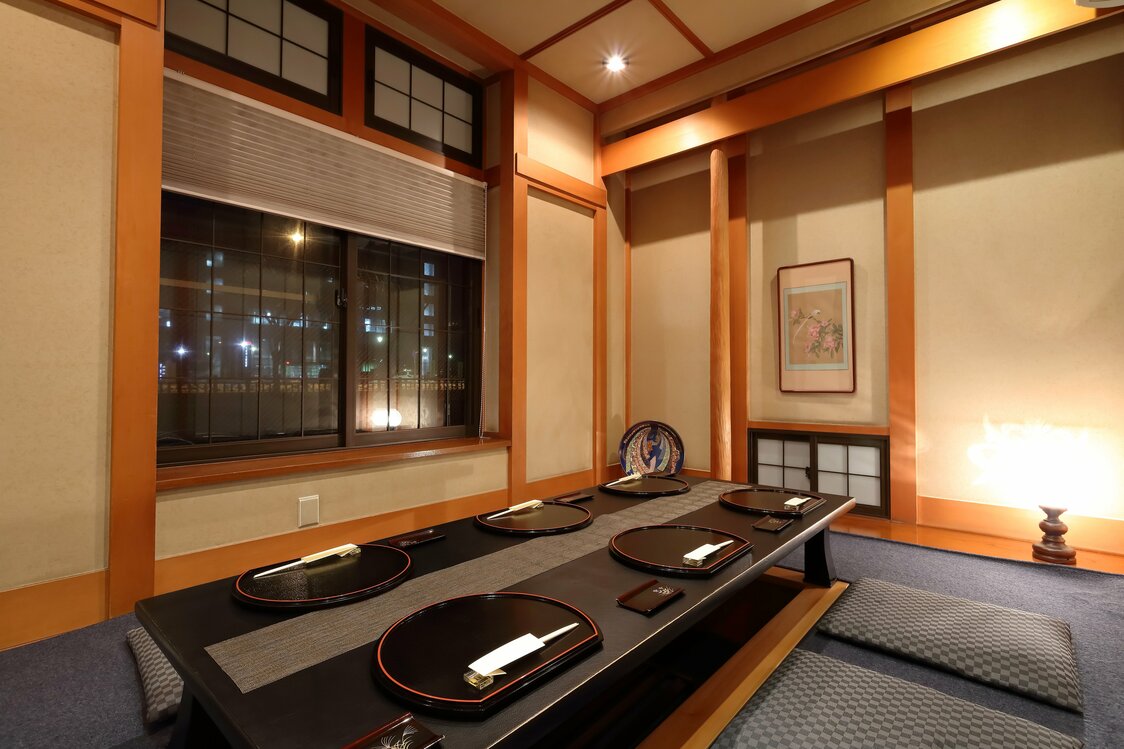
When entertaining in this type of tatami room, the most practical arrangement is to seat guests with their backs to the wall on the far side of the room. (© Pixta)
-
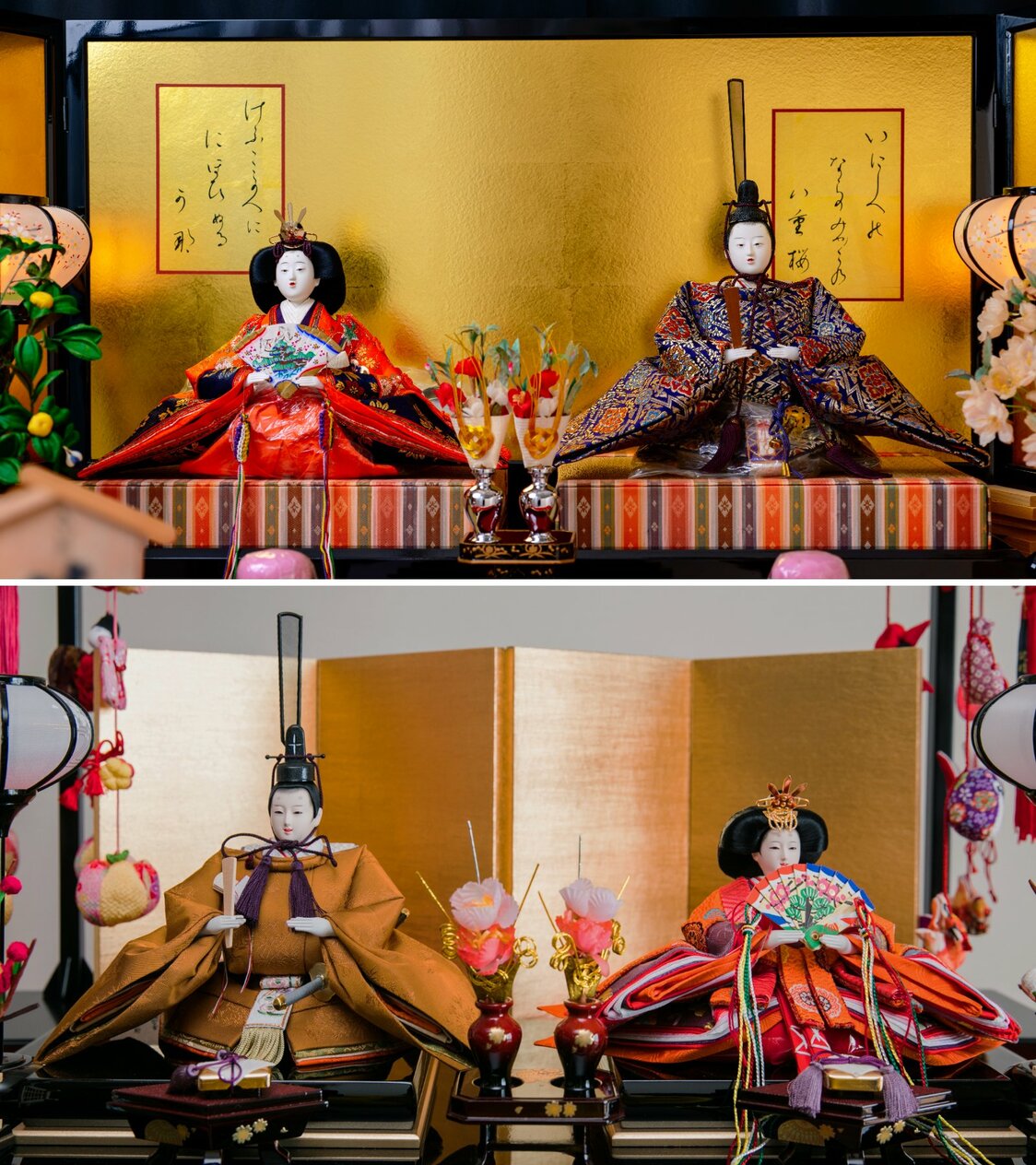
Hina dolls displayed in traditional Kyoto style, with the male doll on the left (top). Nowadays, this positioning is usually reversed. (© Pixta)
-
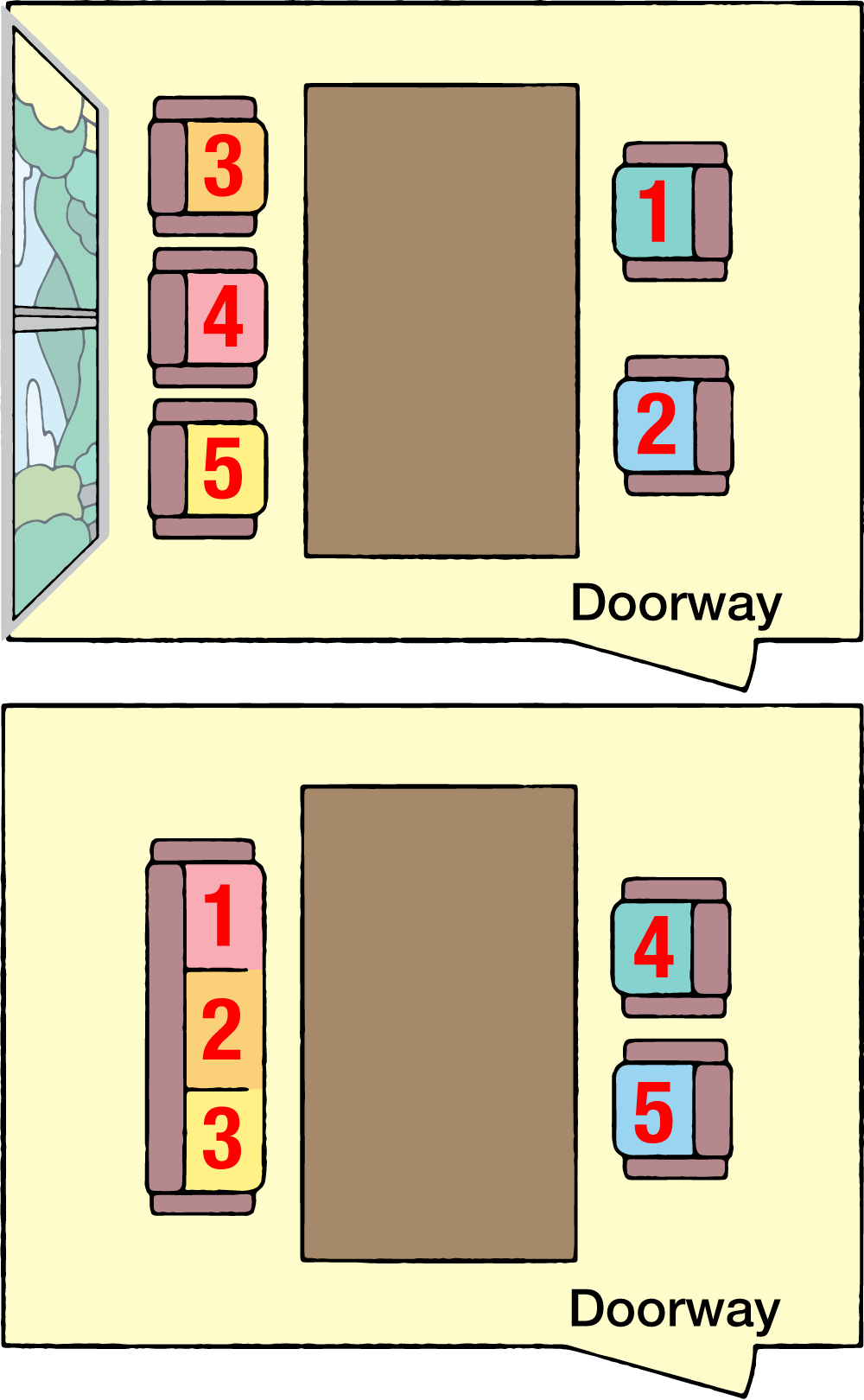
If there is a nice view from the window, it is acceptable for the top seats to be on the doorway side of the room (top illustration). Even if there is only one guest, that person occupies the sofa (bottom illustration). (© Pixta, edited by Nippon.com)
-
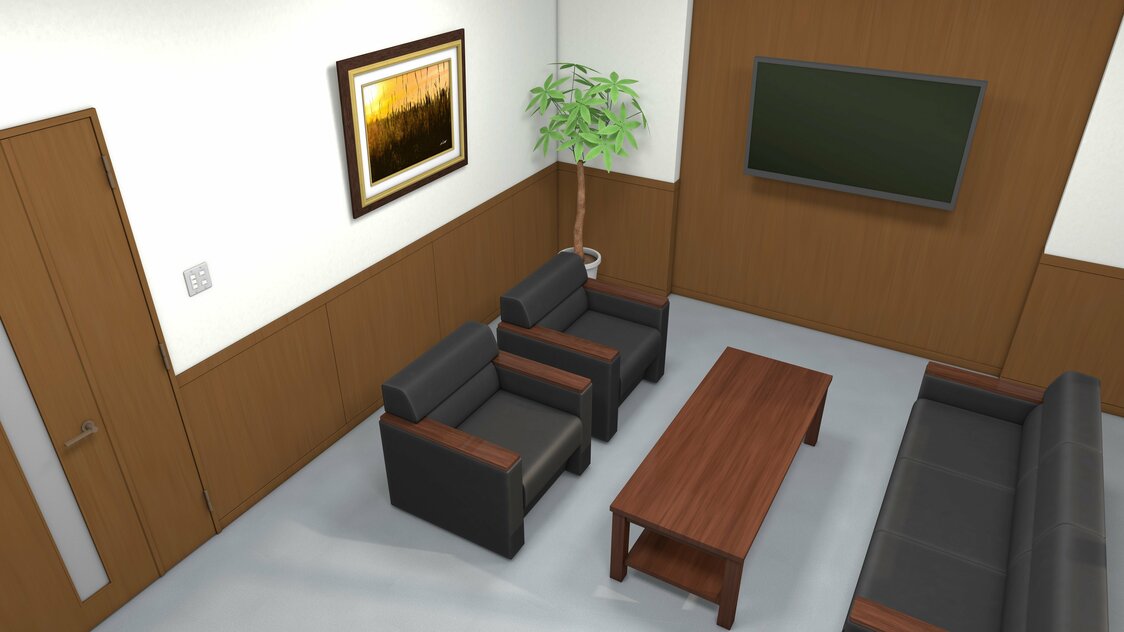
In a reception room, the sofa is positioned farthest from the doorway, and an artwork or indoor plant is placed in view of the guests. (© Pixta)
-
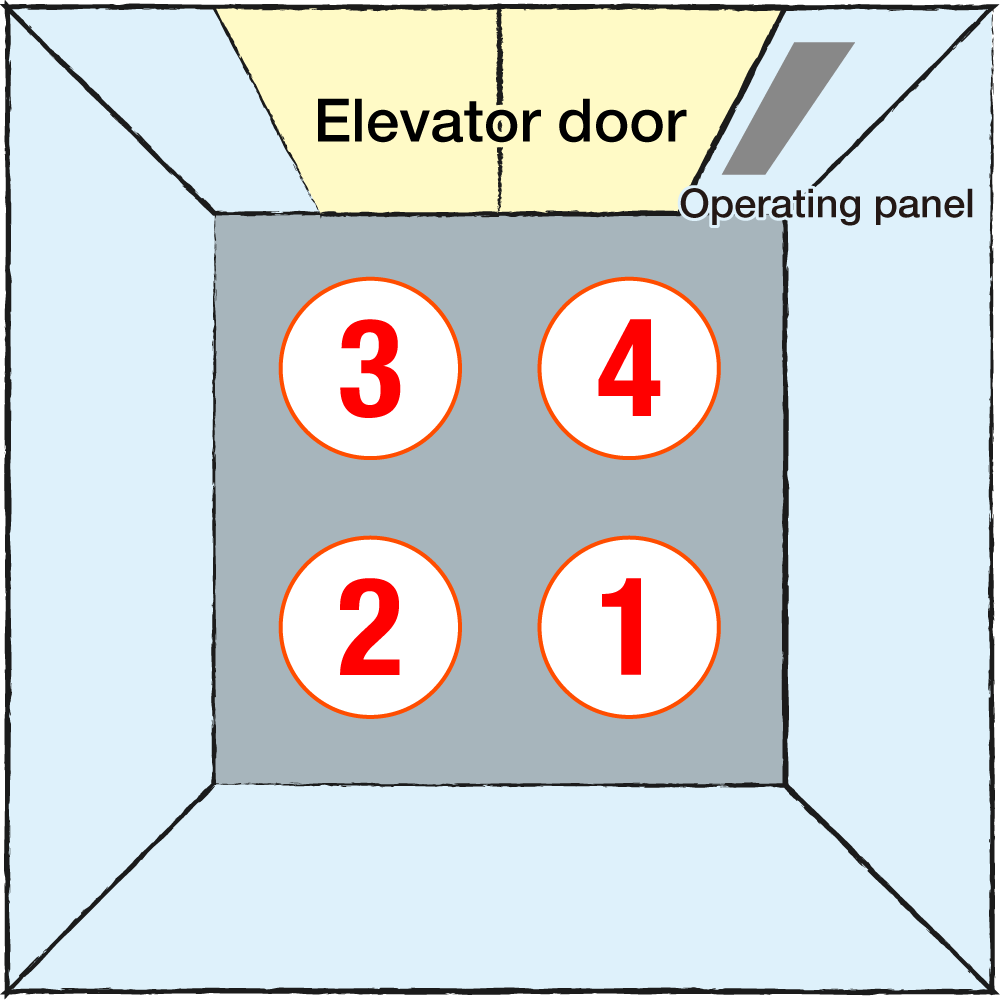
Someone in the host party stands where they can push the elevator buttons. (© Pixta, edited by Nippon.com)
-

Rather than repeatedly jabbing the “open” button, use a hand to hold the door open to avoid having it close unexpectedly while someone is alighting. (© Pixta)
-
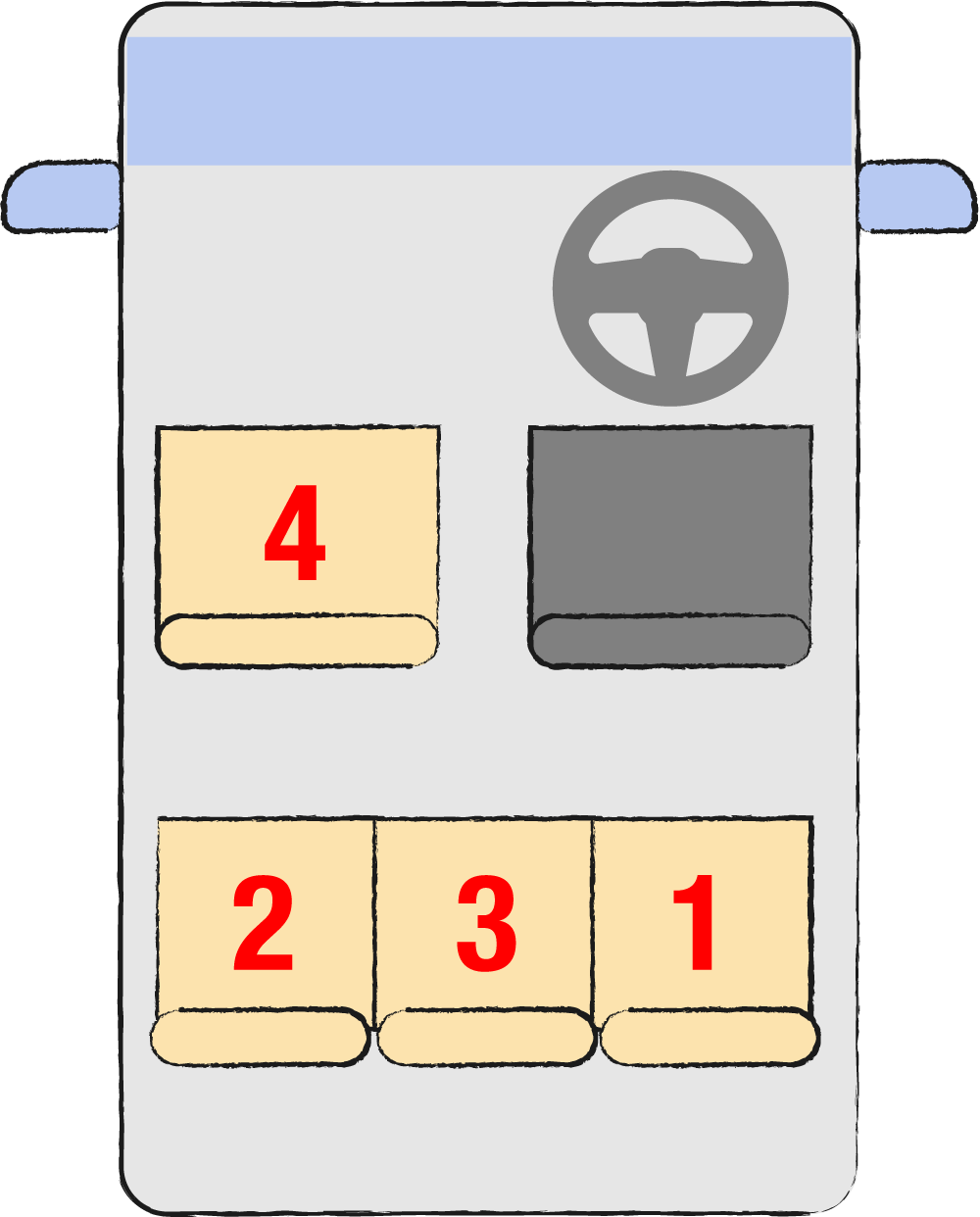
Seating order in a taxi or hired car. (© Pixta, edited by Nippon.com)
-
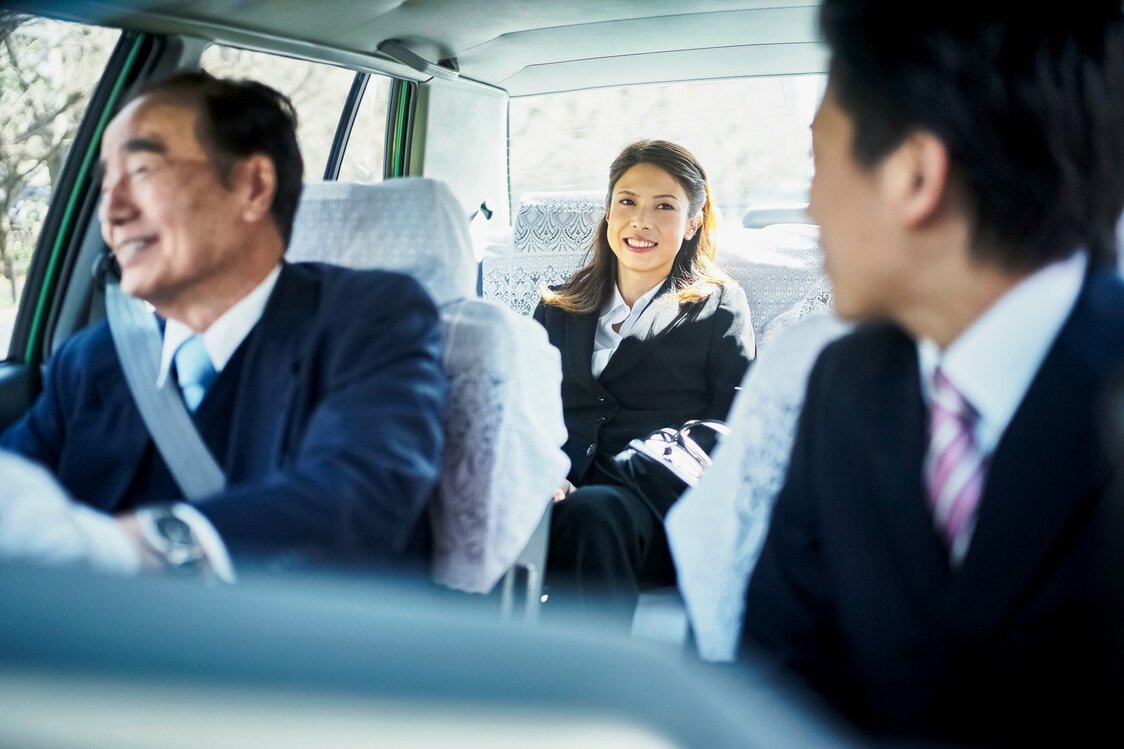
When boarding a taxi with just one other person, it is considerate to ride in the front passenger seat to give the driver directions or pay the fare smoothly. (© Pixta)


 Read in other languages