-
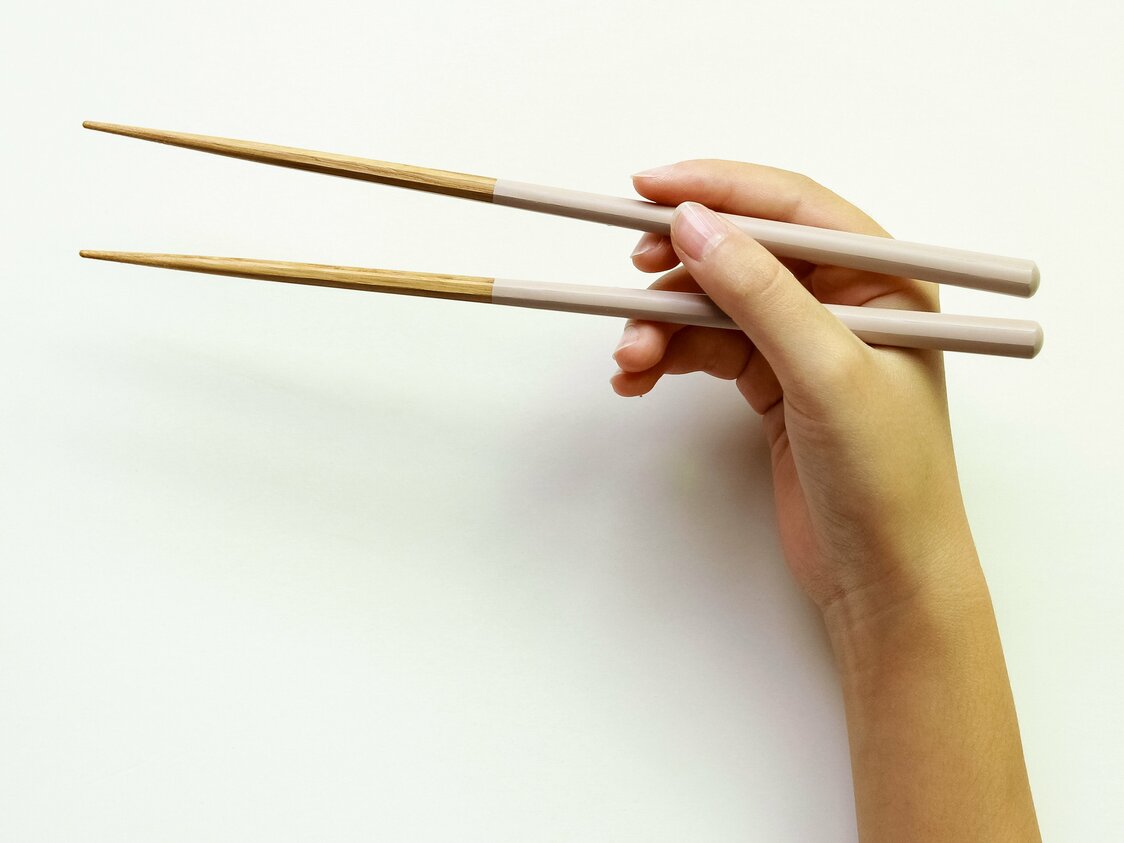
Hold the top of the pair as you would a pencil, between thumb and forefinger, and lightly rest the bottom one between the base of your thumb and against your ring finger. (© Pixta)
-

Next, bring the tips of the chopsticks together so that they meet neatly. (© Pixta)
-
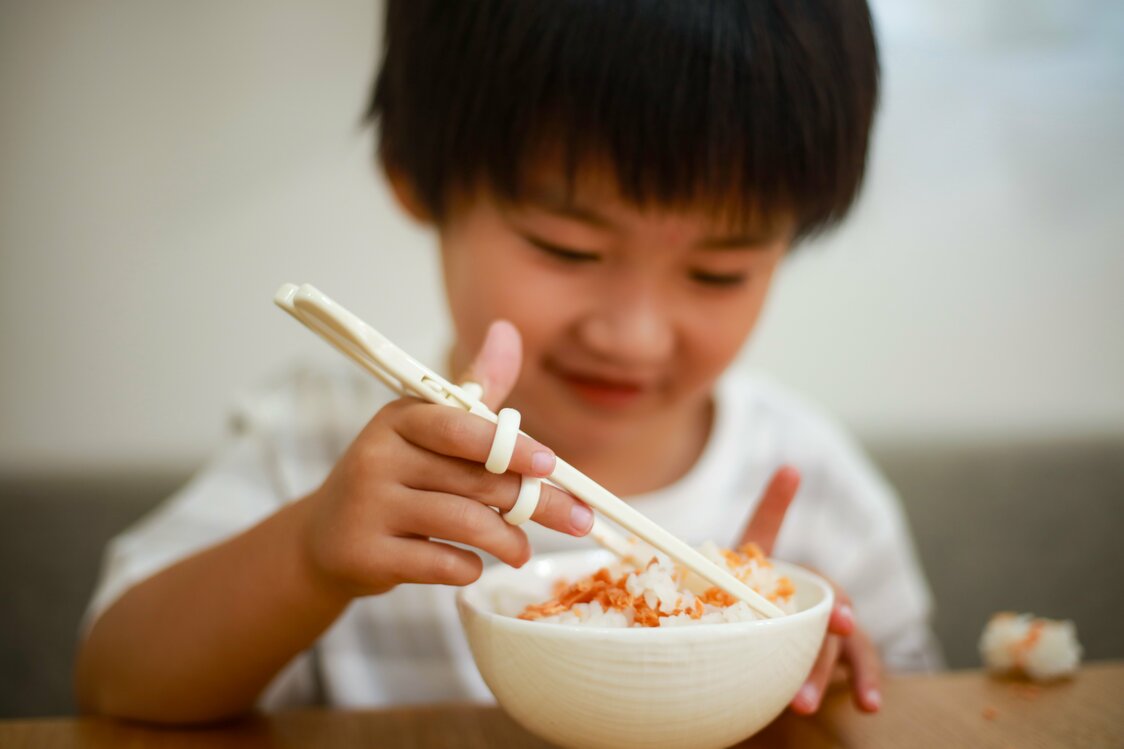
Children often learn how to use hashi properly with training chopsticks. (© Pixta)
-
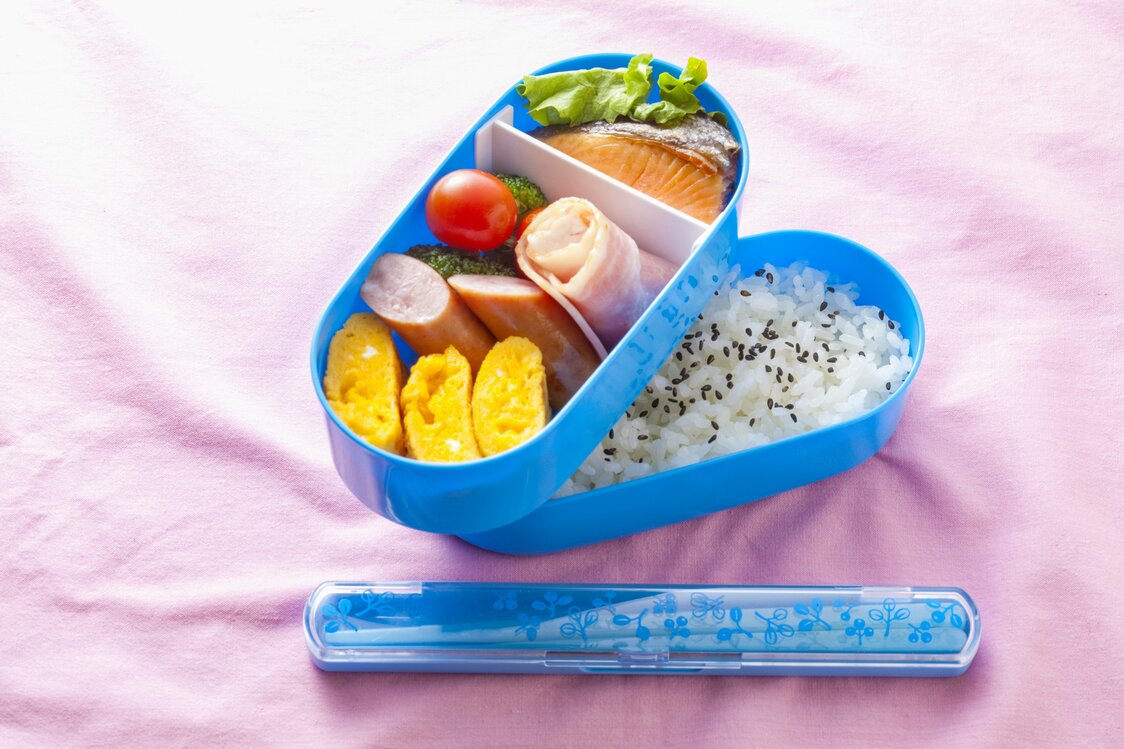
Box lunch containers usually come with a matching set of chopsticks. Everything in the meal, from rice to the main item, can be eaten with chopsticks. (© Pixta)
-
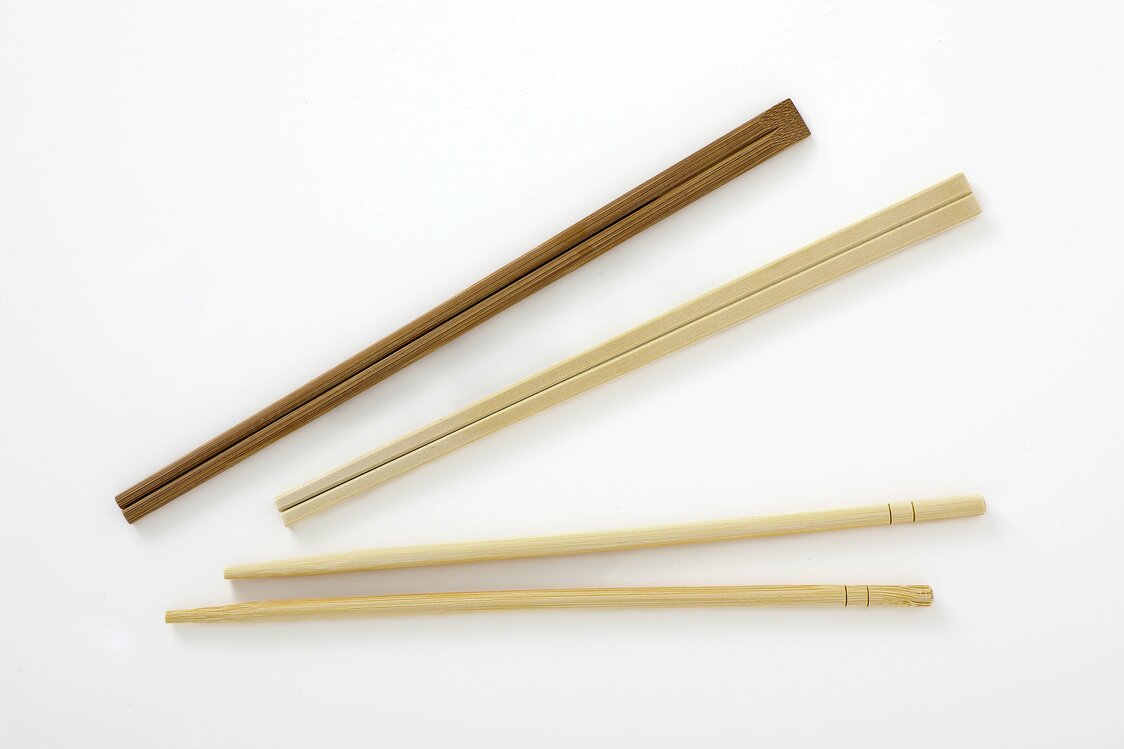
Disposable chopsticks are mass-produced using culled timber or offcuts. (© Pixta)
-
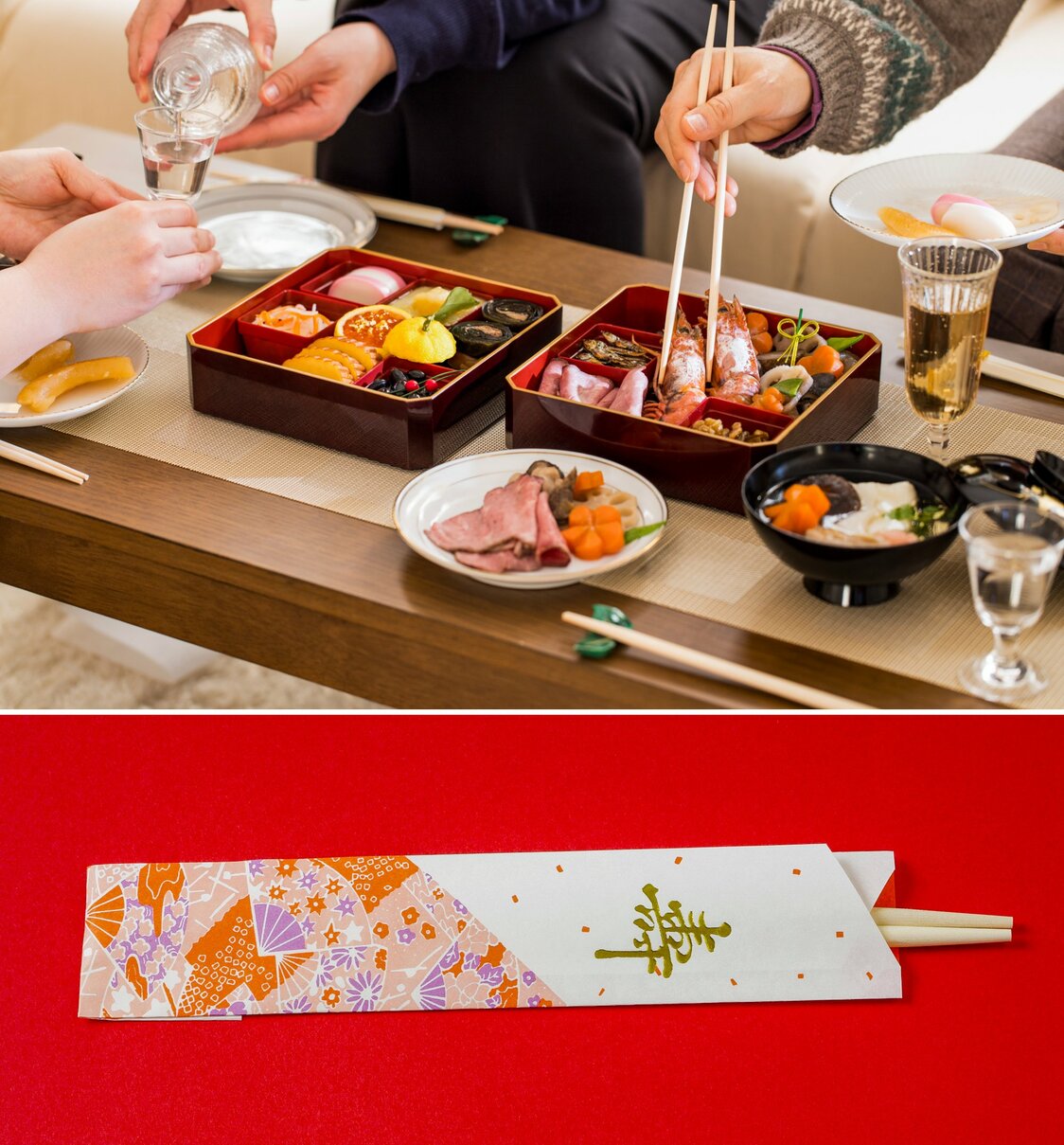
Yanagibashi are made of plain wood, which is considered free from impurities. These chopsticks are tapered at both ends. (© Pixta)
-
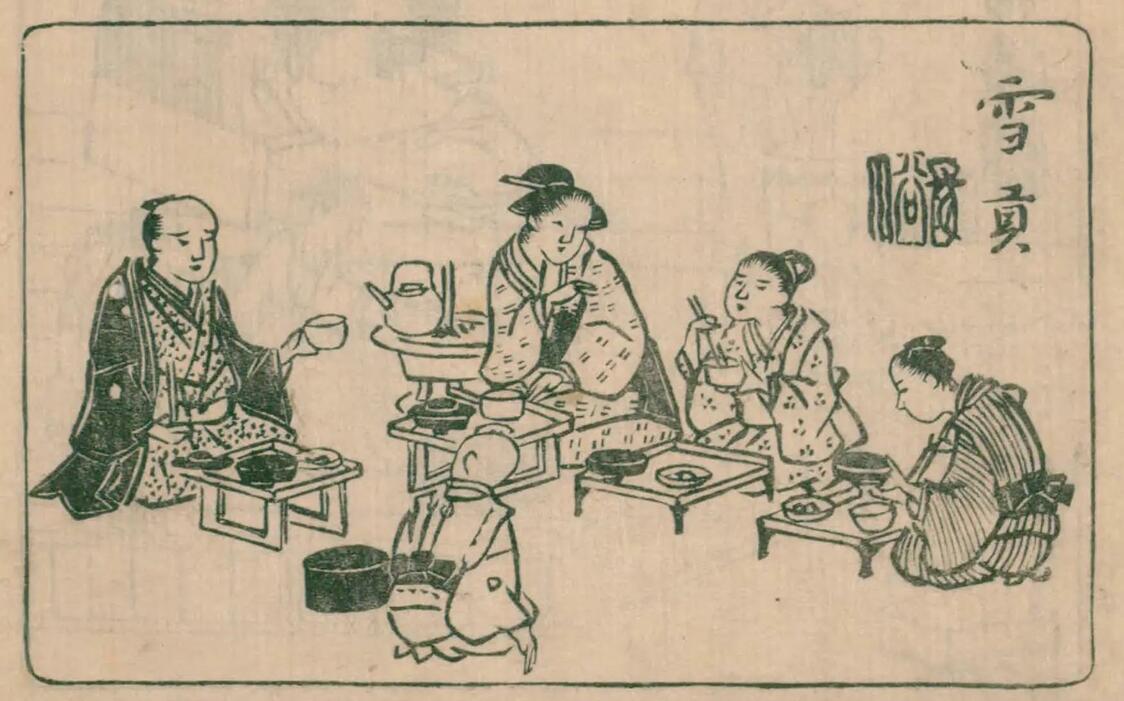
Serving food on individual trays was the norm until modern times, but even now, in some families everyone has their own chopsticks and rice bowl. Higoto no kokoroe (Everyday Knowledge), 1833. (Courtesy the National Diet Library)
-
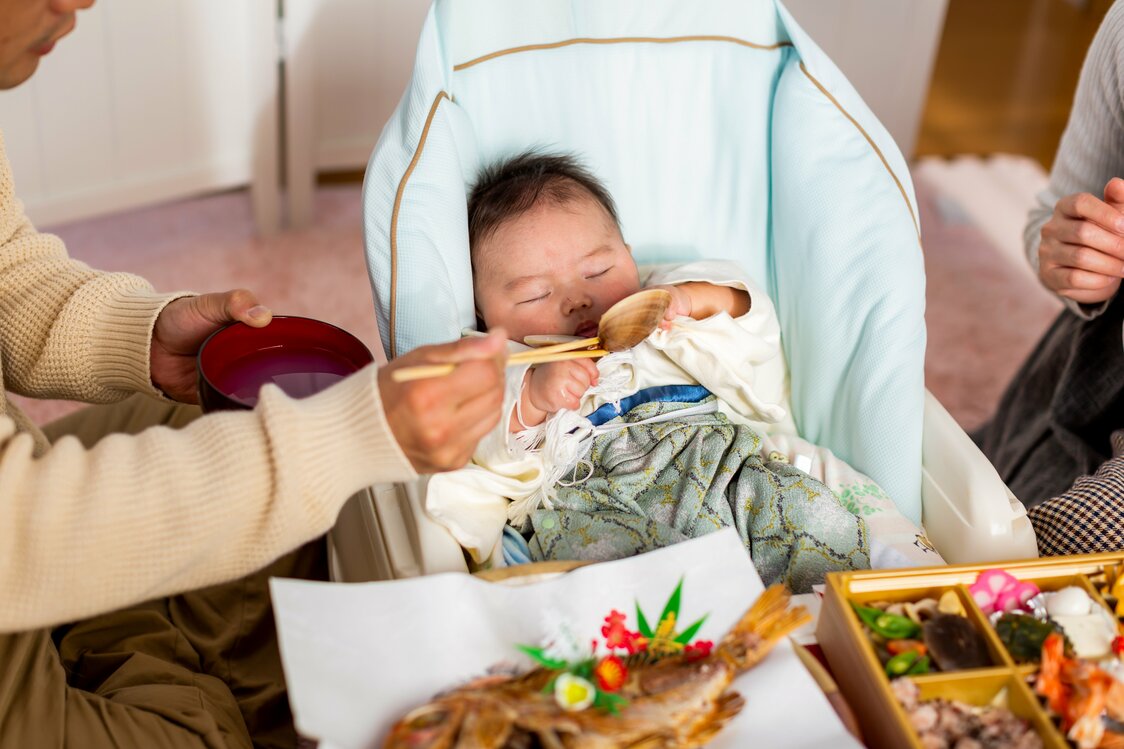
Okuizome celebrates the one-hundredth day after a baby’s birth. Felicitous foods are symbolically offered to the child, to ensure that it will never go hungry. (© Pixta)
-
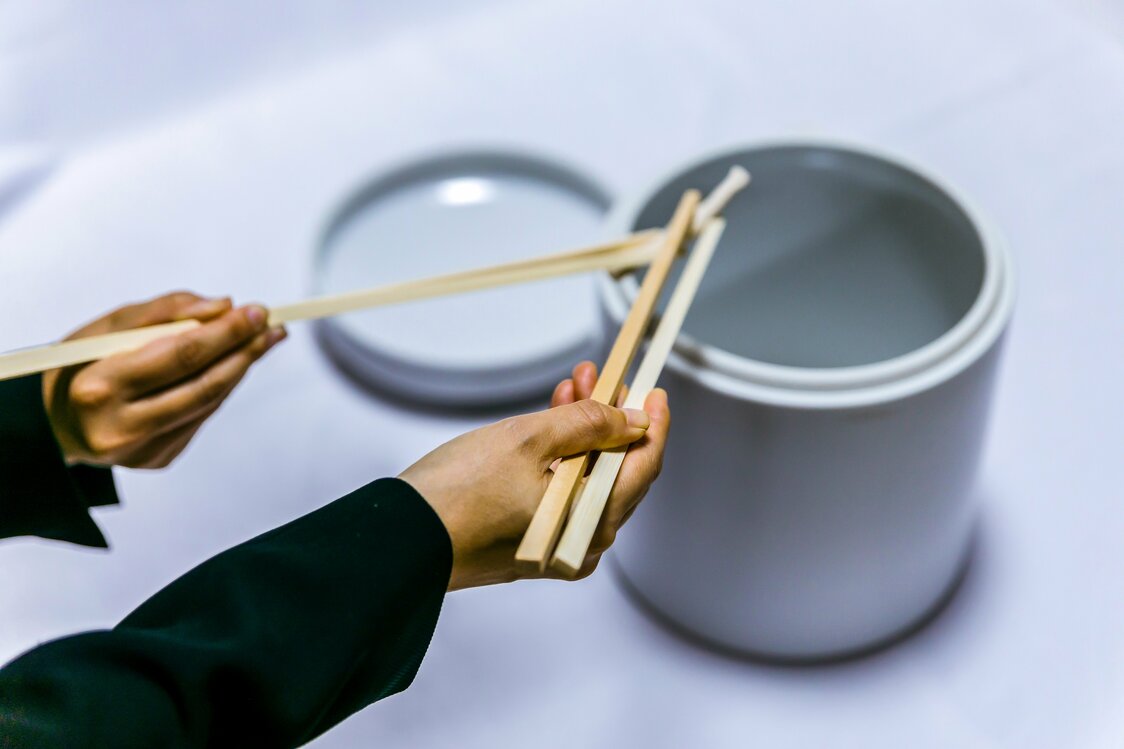
Okotsuage: After the deceased is cremated, family members and other attendees take turns, in pairs, to place the bones in an urn using long chopsticks. (© Pixta)
-
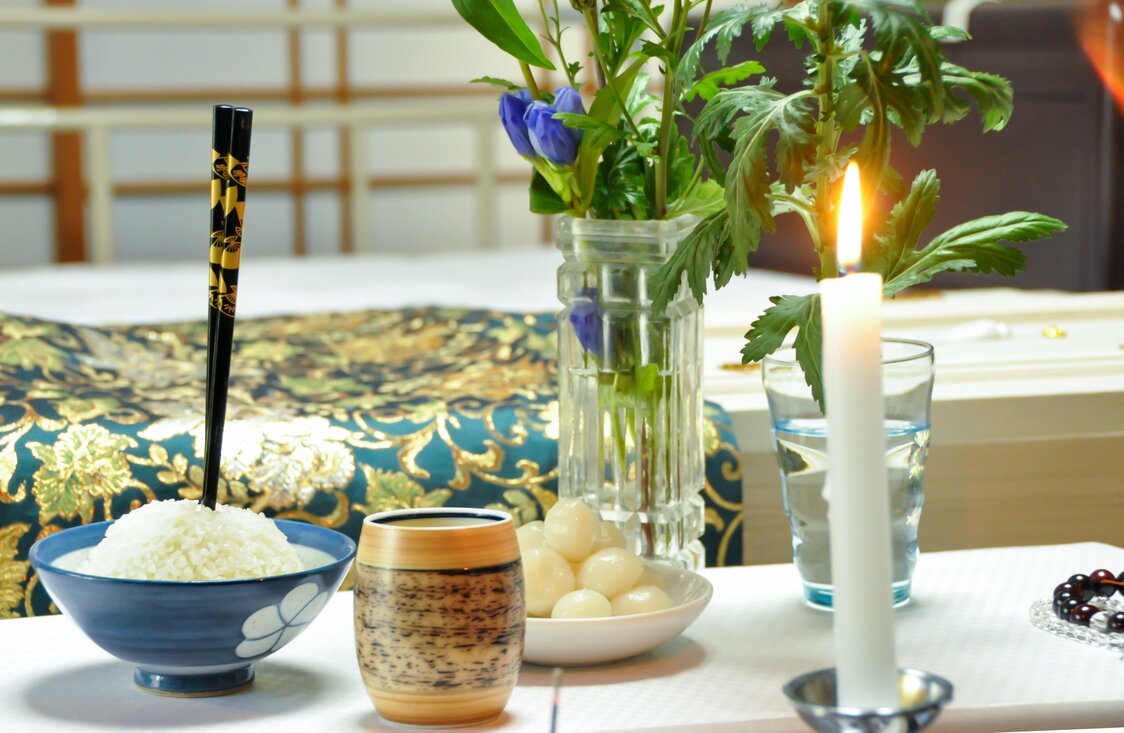
An offering to the deceased, with chopsticks upright in a bowl of rice. (© Pixta)
-
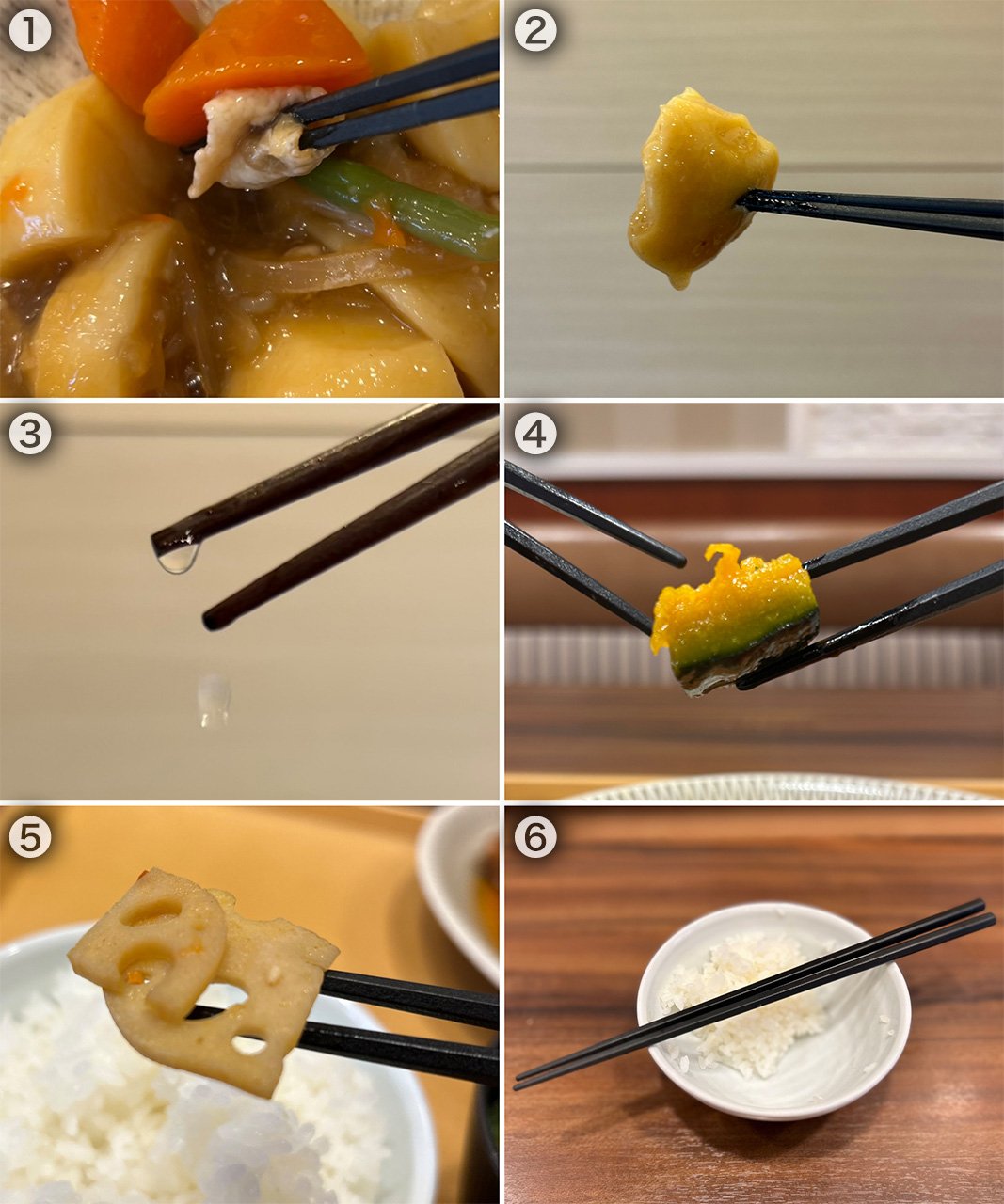
Avoid these common missteps when using chopsticks. (© Nippon.com)
-
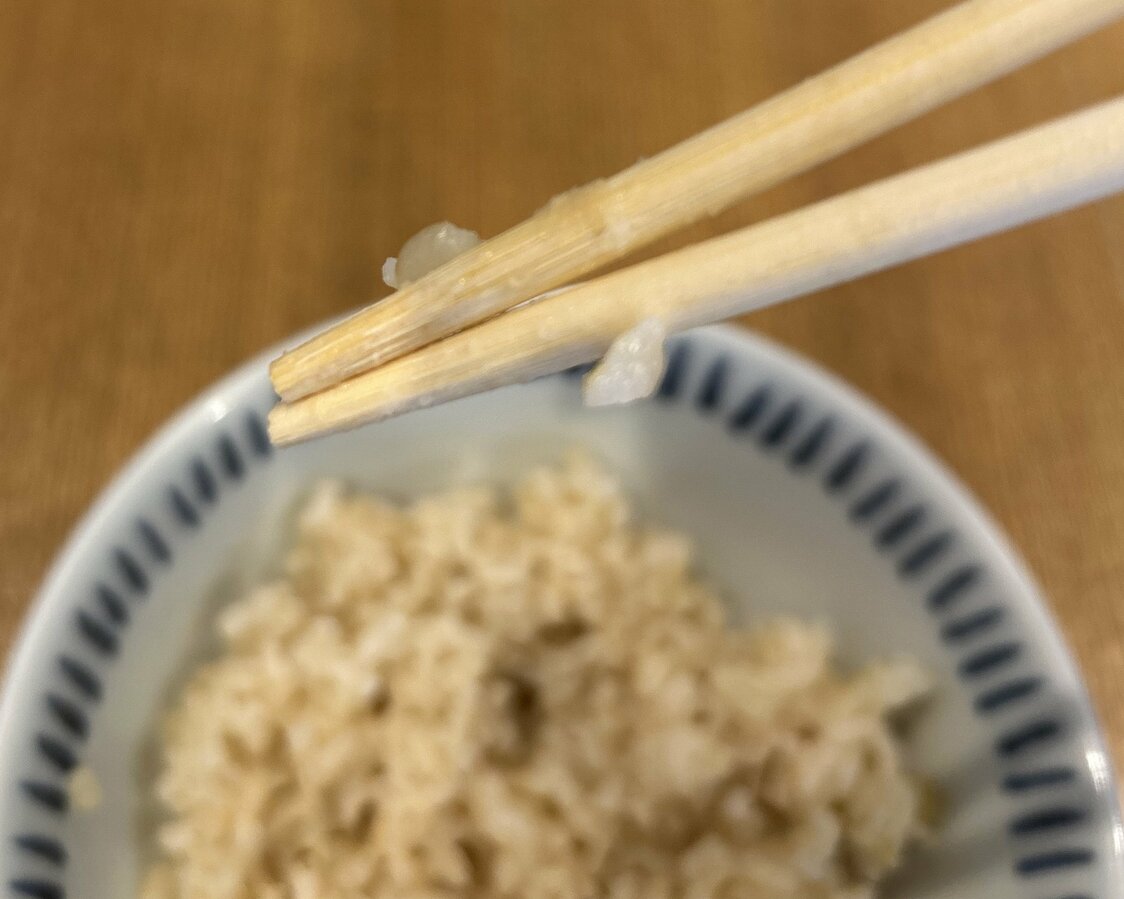
Grains of rice stuck to a chopstick are unsightly. If that happens, don’t try removing them with your lips. Simply reload your chopsticks with rice and bring the full portion to your mouth. (© Nippon.com)
-
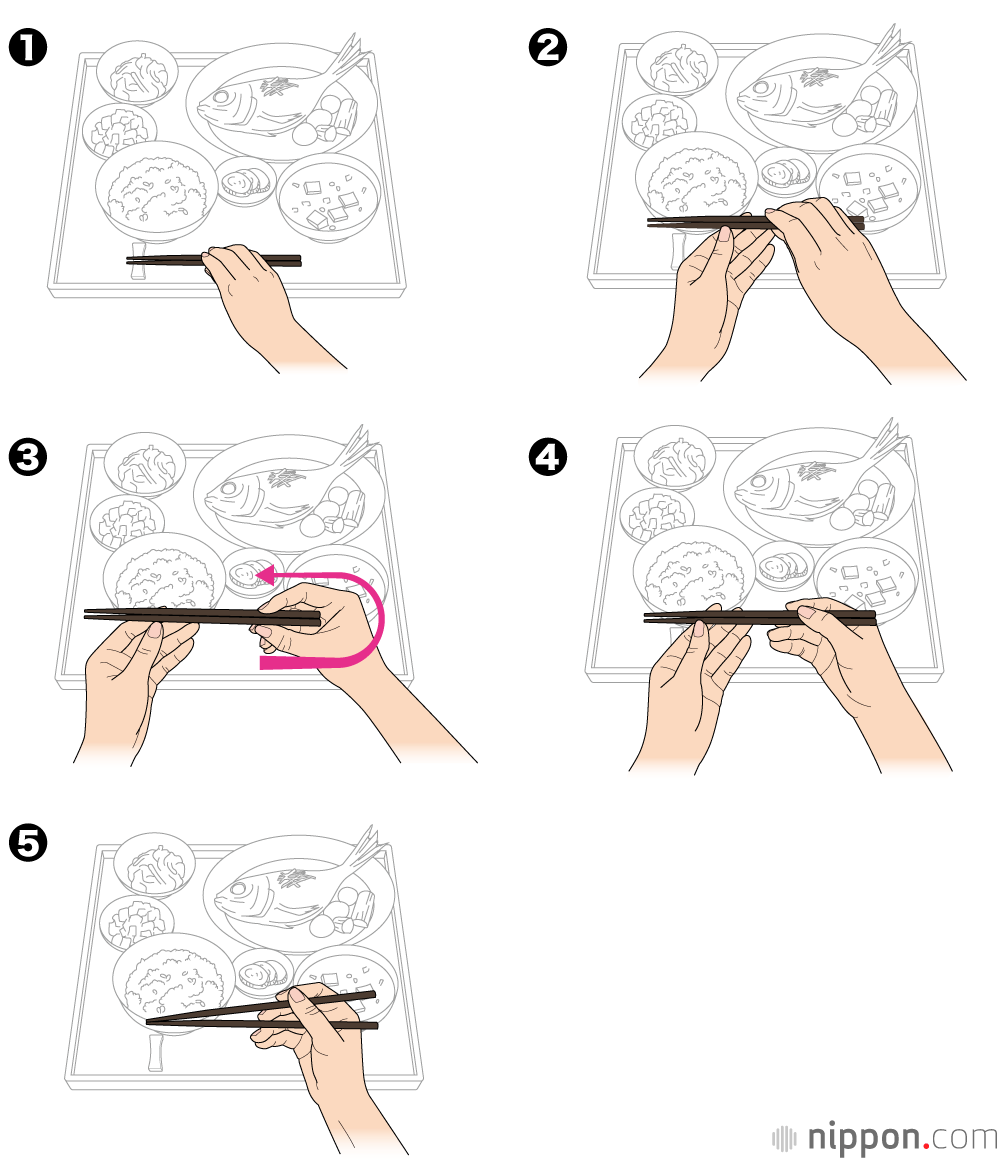
Illustration by Satō Tadashi


 Read in other languages