-
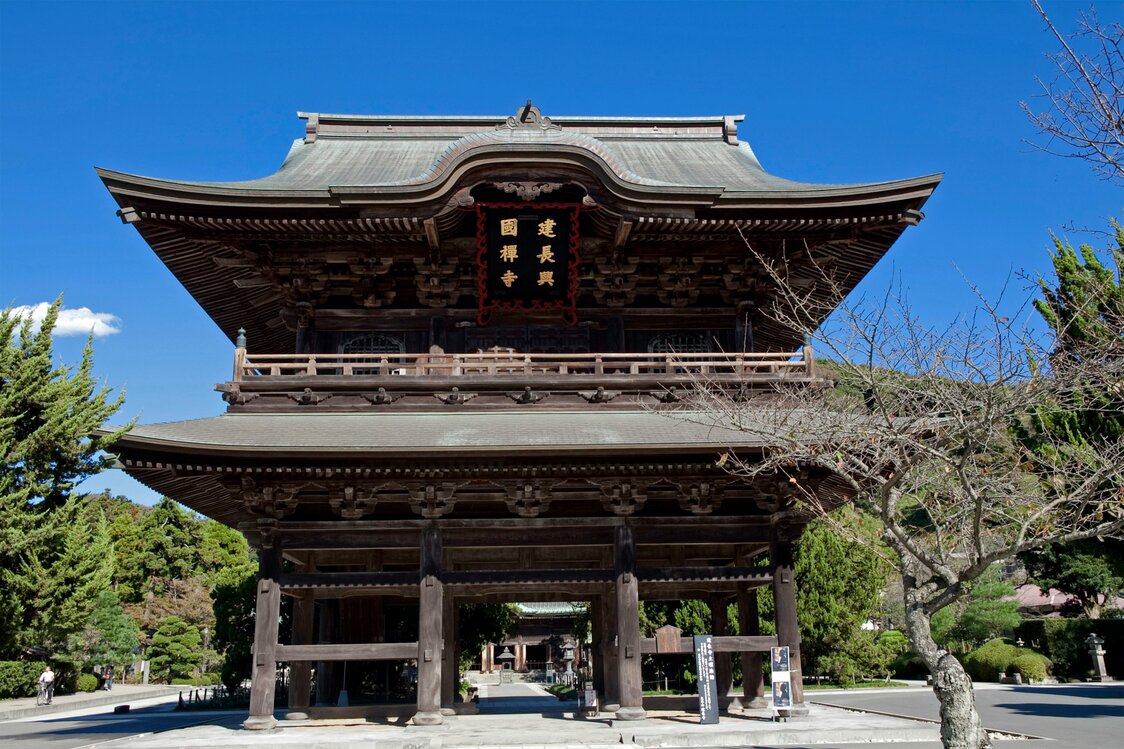
The main gate of Kenchōji is designated a National Important Cultural Property, along with the main hall, lecture hall, and elaborately decorated karamon gate behind it. (© Harada Hiroshi)
-
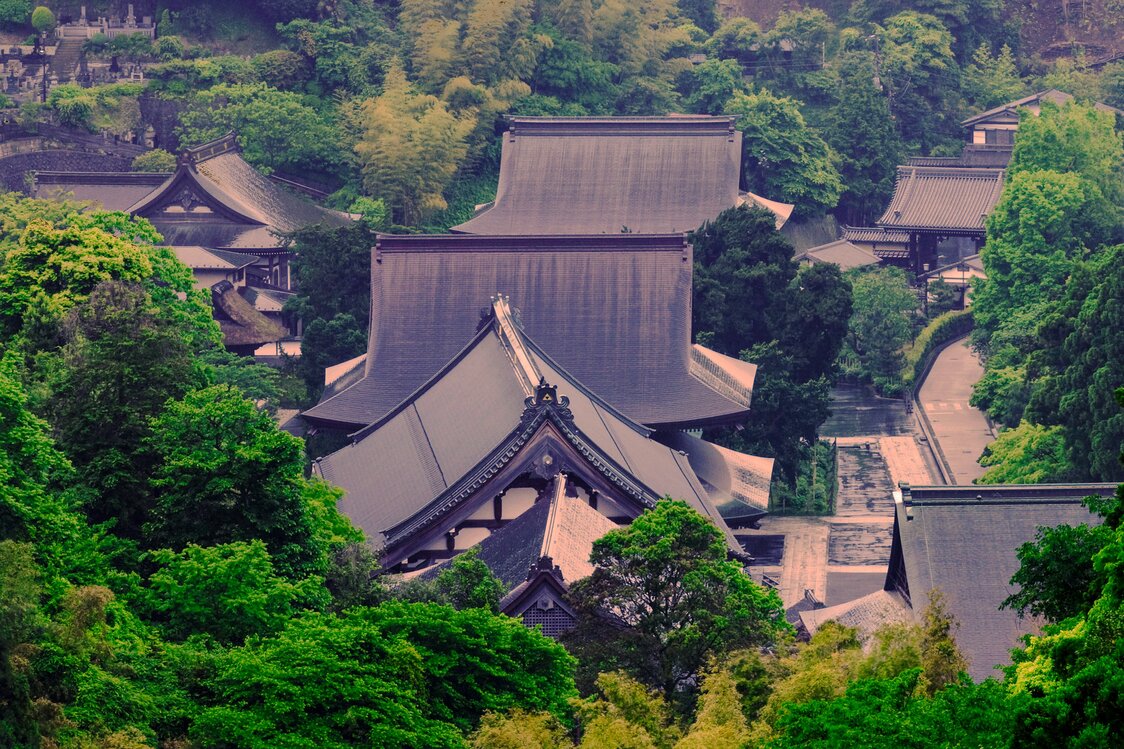
The row of temple buildings viewed from the elevated, far back area of Kenchōji’s grounds. (© Harada Hiroshi)
-
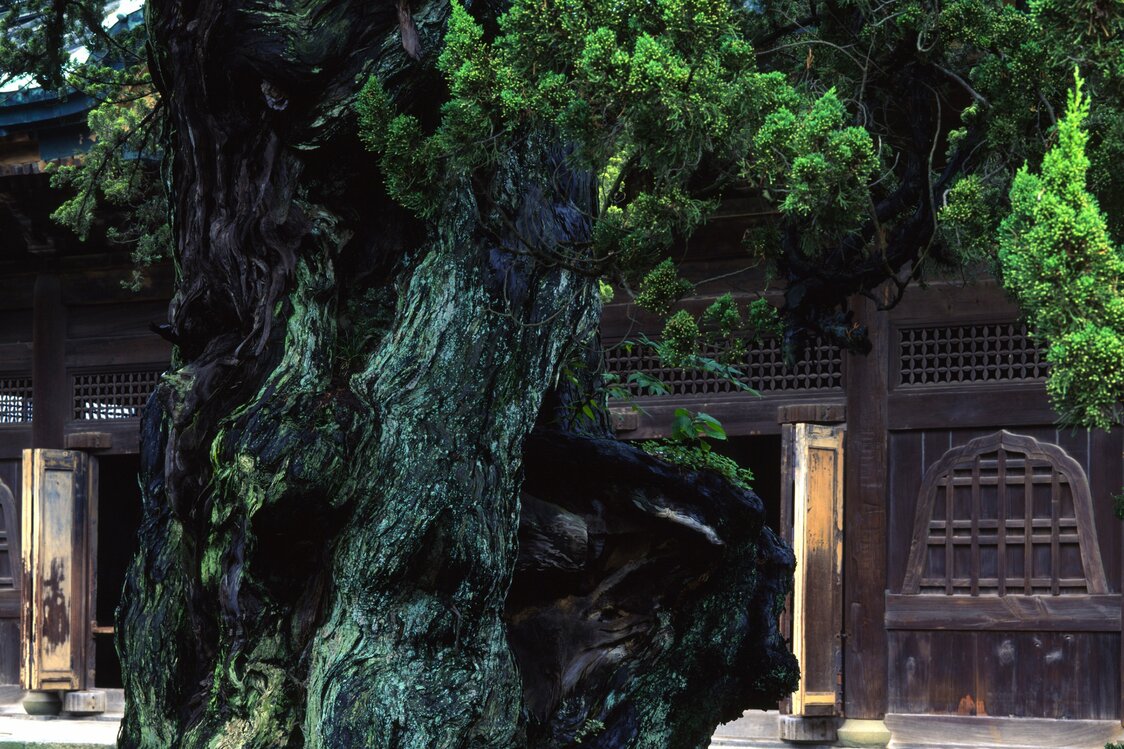
Giant Chinese juniper trees line the temple’s approach. (© Harada Hiroshi)
-
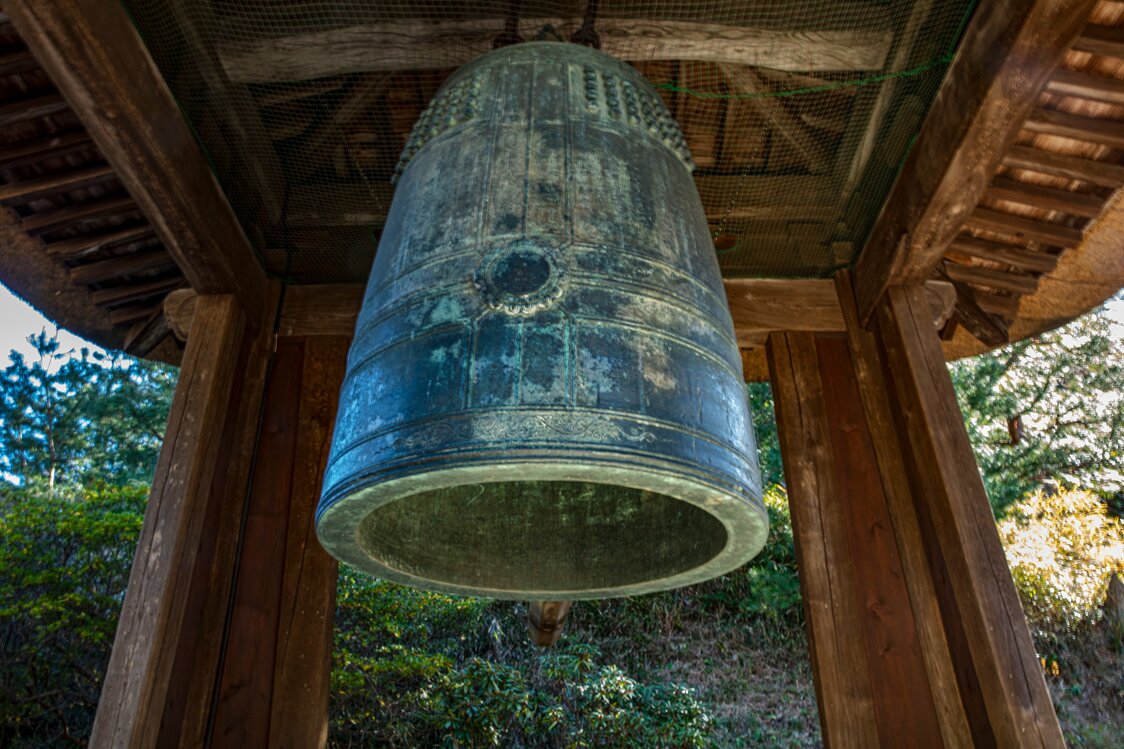
The thatched-roof belfry and its national treasure bell. (© Harada Hiroshi)
-
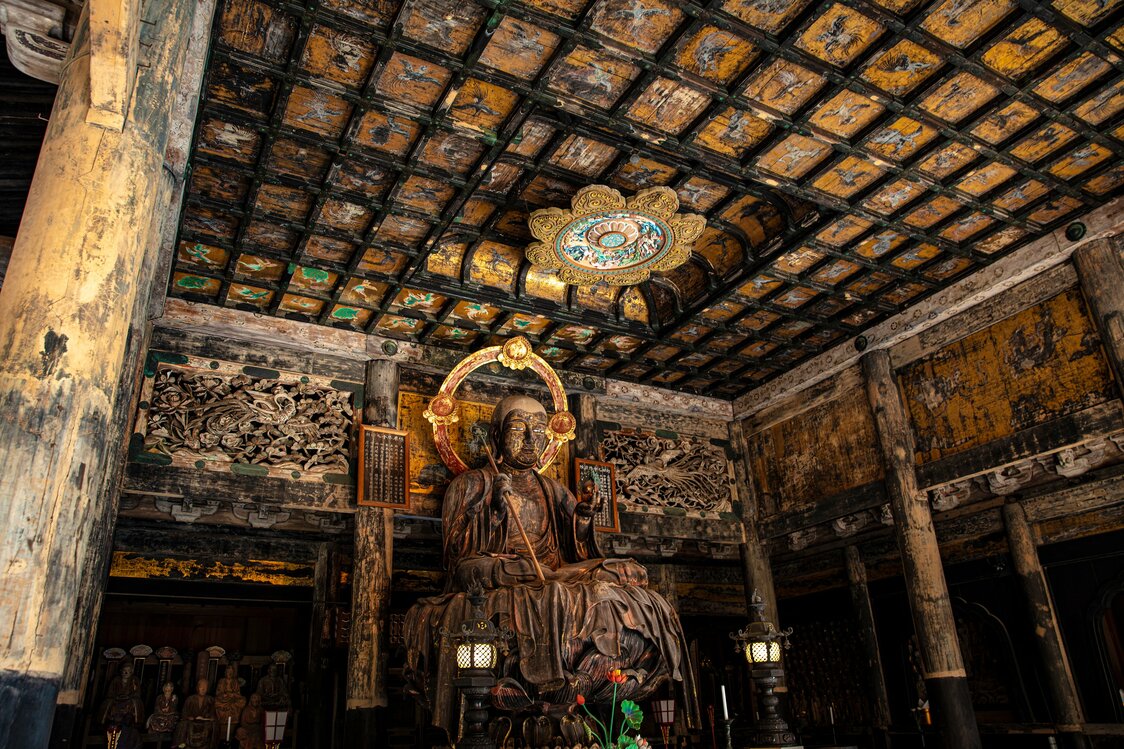
The Jizō statue in the butsuden is around 5 meters tall, including the pedestal. (Note: The hall is currently closed for repairs through July 2027.) (© Harada Hiroshi)
-
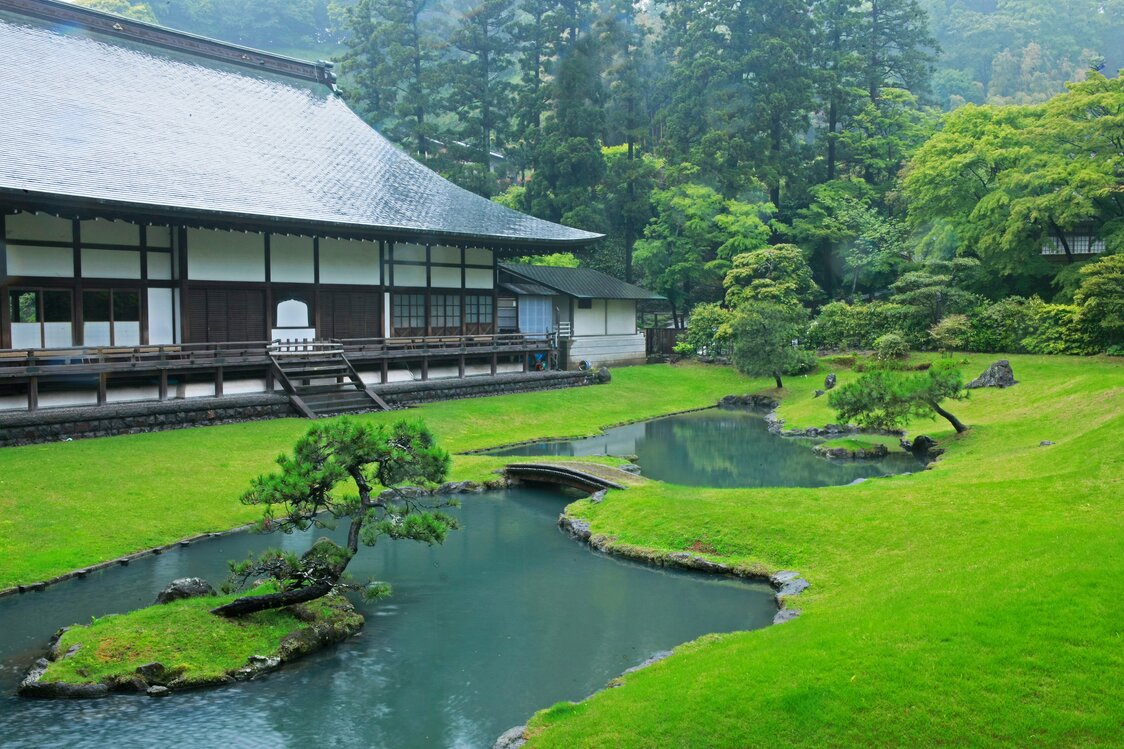
Kenchōji’s garden, centered on a pond, is a nationally recognized landmark. The bridge in the photo has since been removed. (© Harada Hiroshi)
-
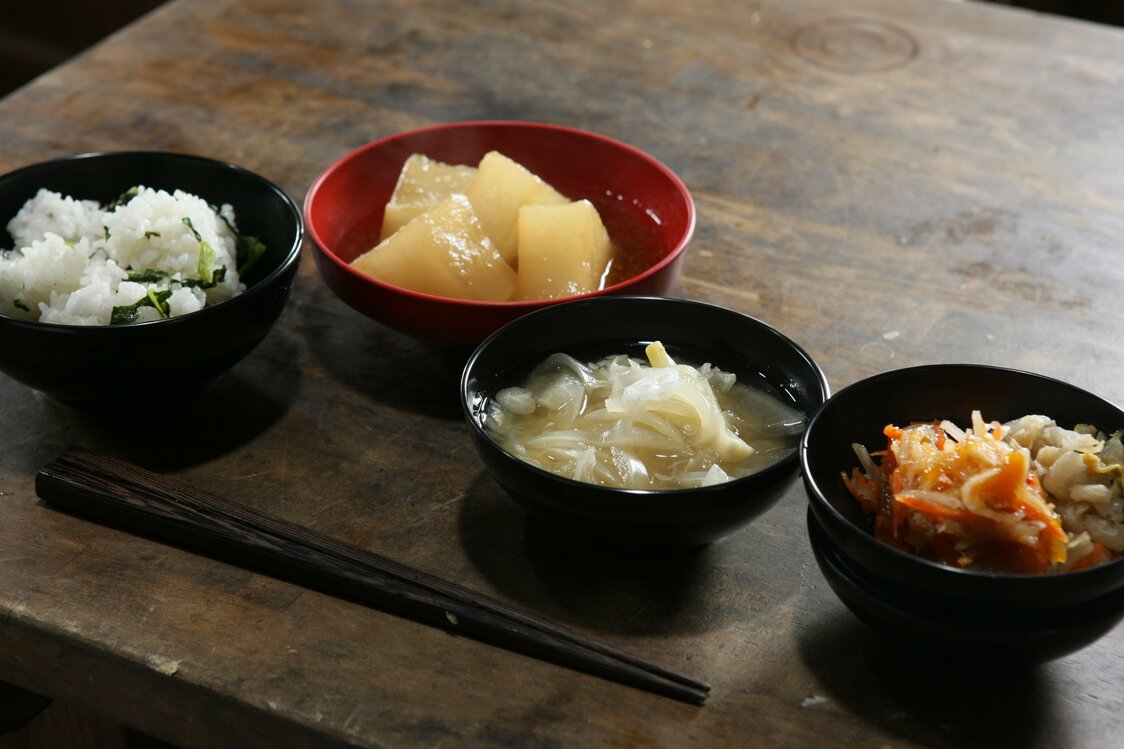
Daikon is another staple in the monks’ simple meals. (© Harada Hiroshi)
-
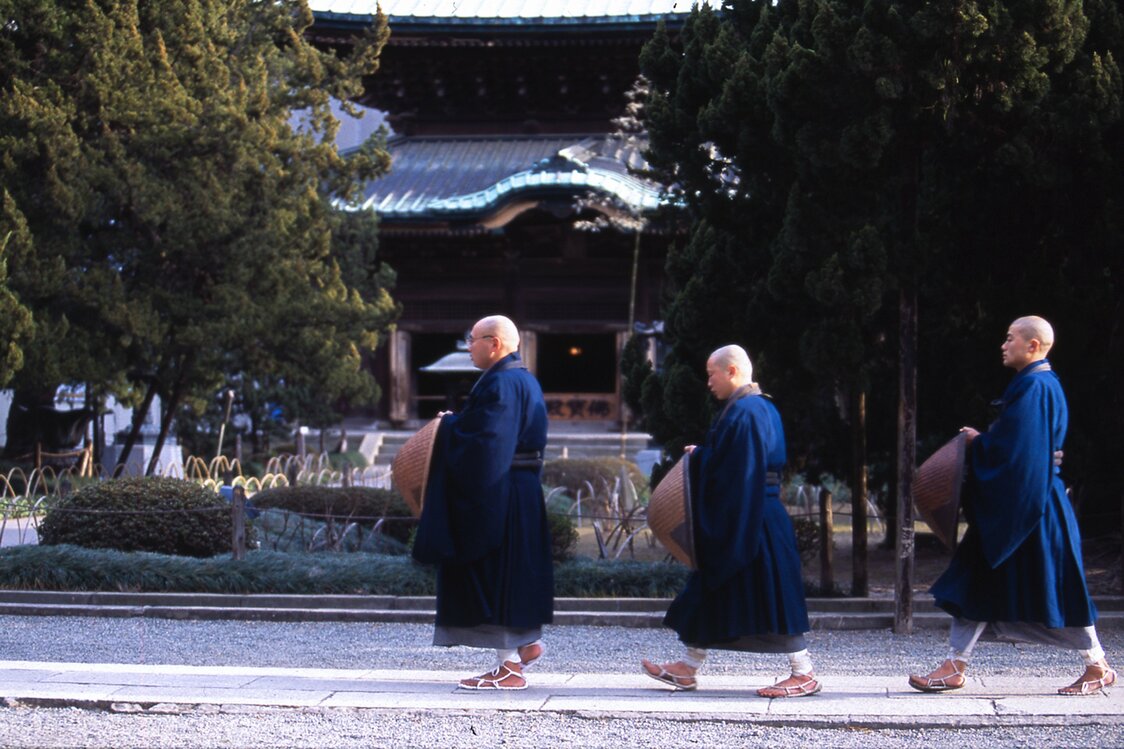
Takuan is made from daikon donated to visiting monks each January by farmers in nearby Miura Peninsula. (© Harada Hiroshi)
-
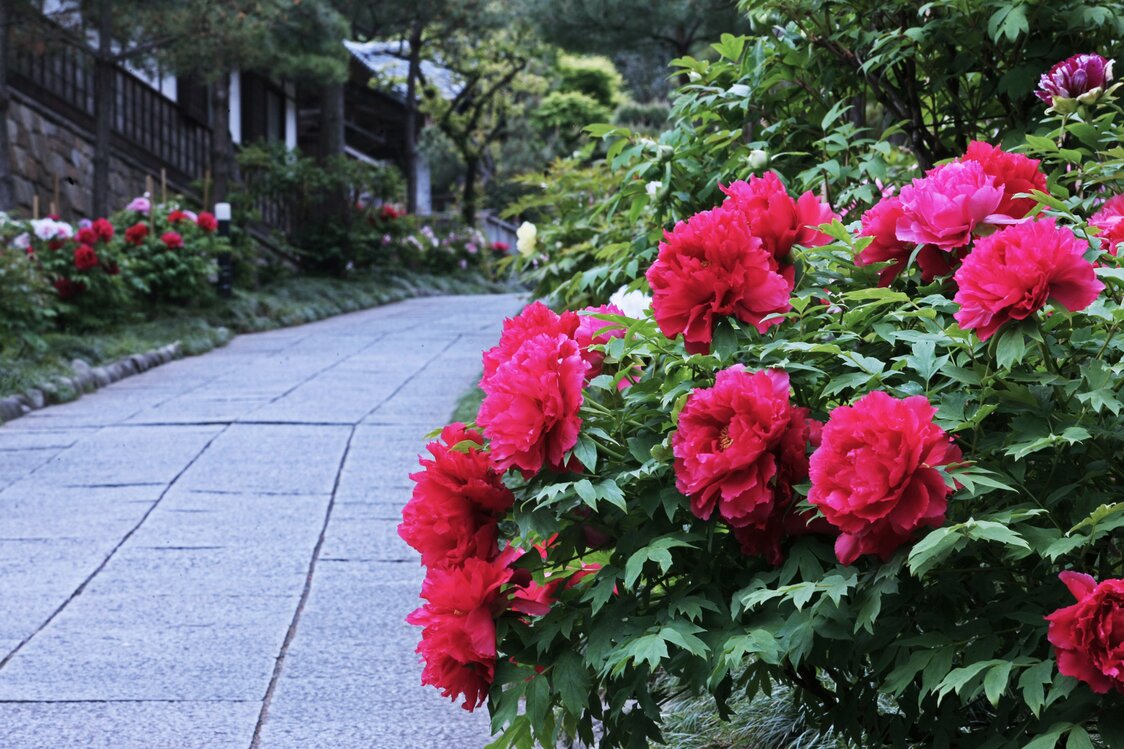
The path to the meditation hall opens to the public briefly in spring when the tree peonies are in bloom, allowing visitors a rare view of this usually private space. (© Harada Hiroshi)
-
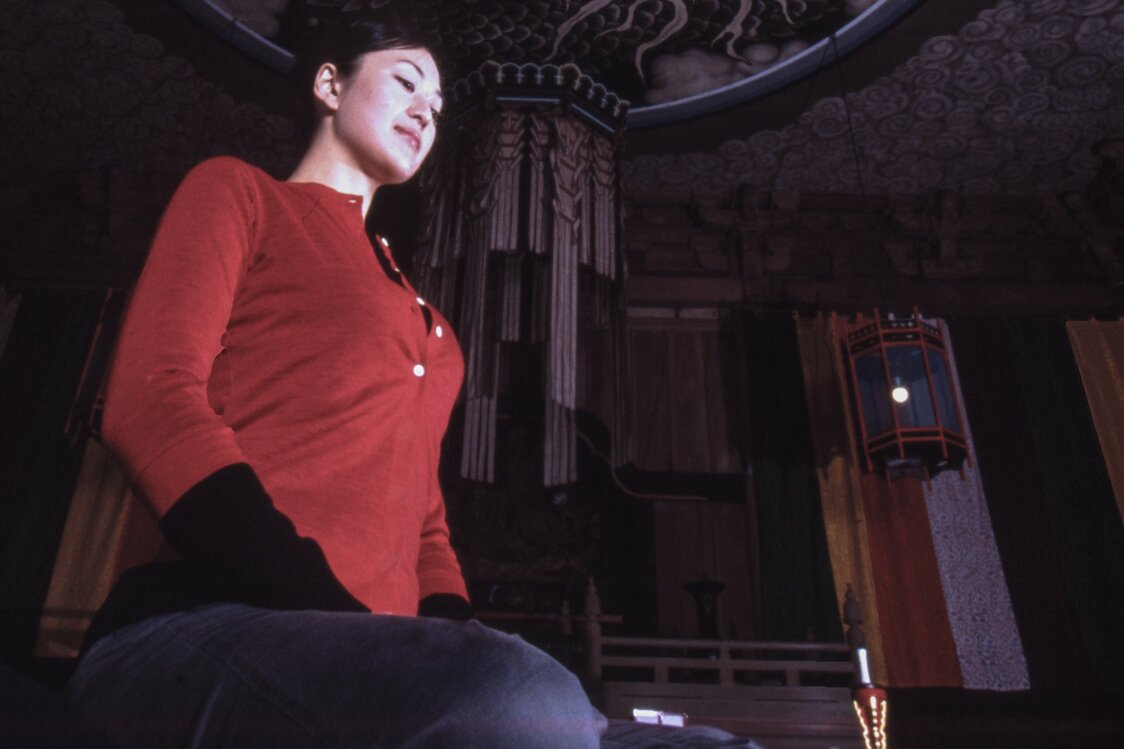
Zazen sessions are held from 3:30 pm each Friday and Saturday (arrive 15 minutes early). No reservations required; only the temple entry fee applies. Chair seating for those unable to sit on the tatami flooring is available upon request. (© Harada Hiroshi)


 Read in other languages