-
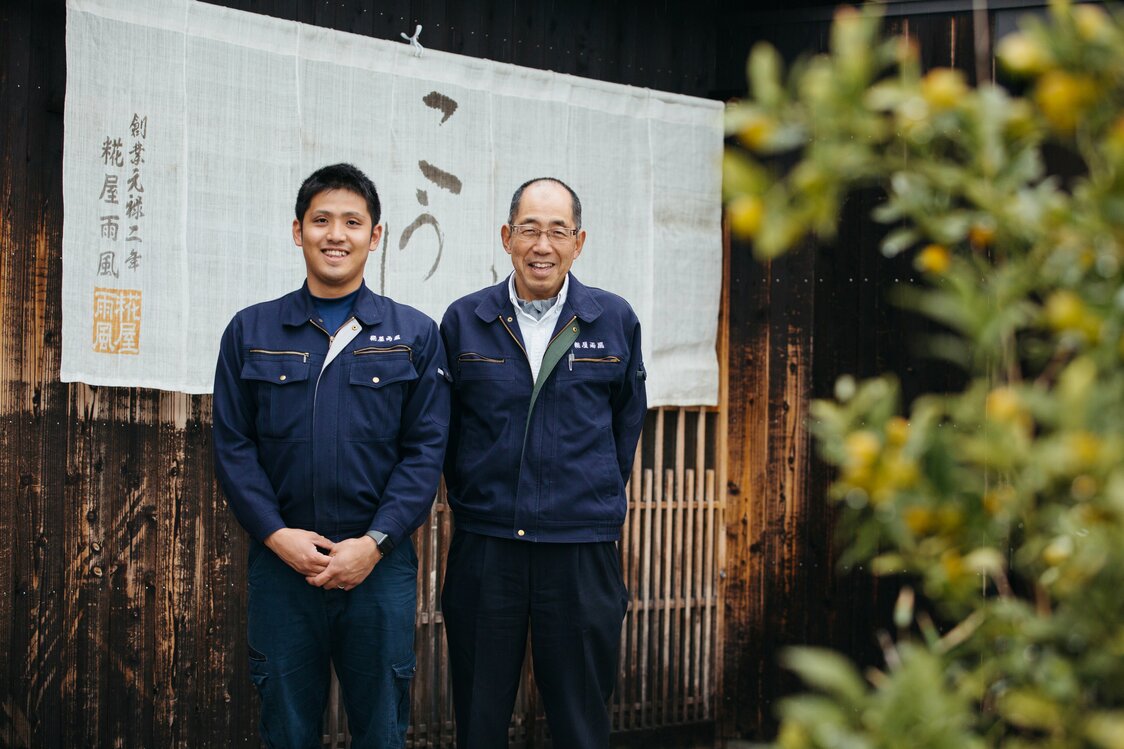
Toyoda Minoru (right), the fifteenth-generation proprietor of Kōjiya Amekaze, with his son Nobuhiro. The store is a family-run business. (© Yamazaki Yoshinori)
-
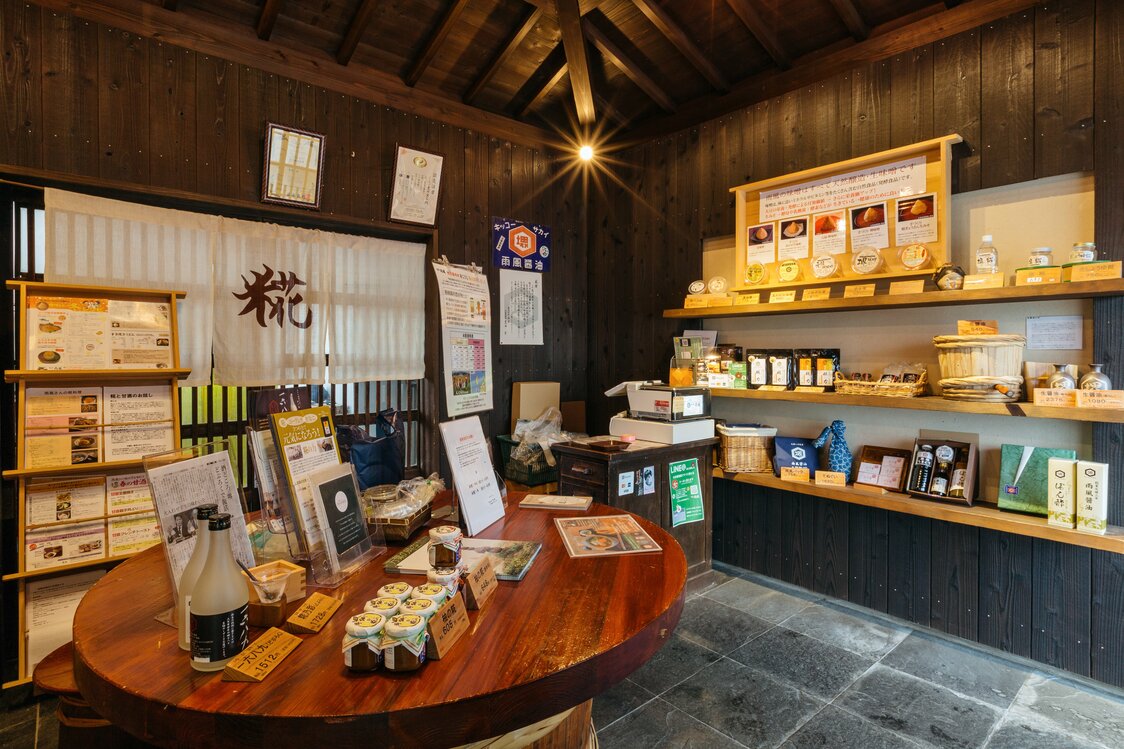
Inside the Kōjiya Amekaze store, food products made with kōji cultured on the premises, including miso, soy sauce, and amazake (a sweet fermented rice drink), line the shelves. (© Yamazaki Yoshinori)
-
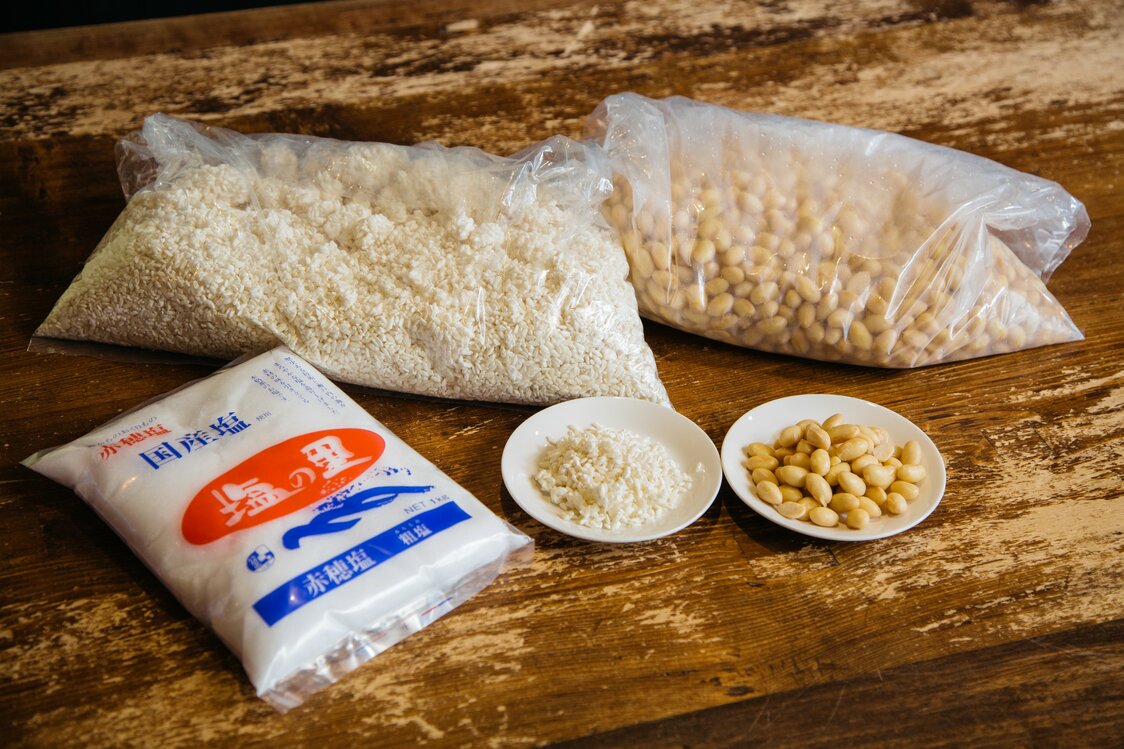
In the interest of safety and customer assurance, only made-in-Japan ingredients are used. (© Yamazaki Yoshinori)
-
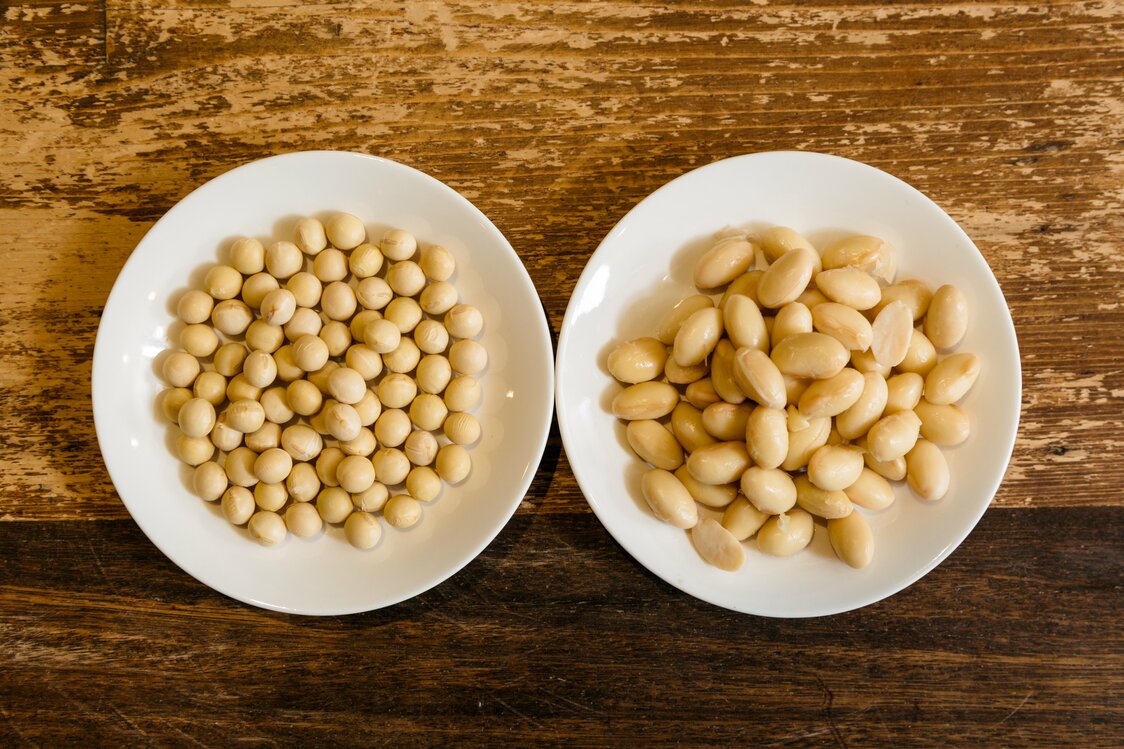
The soybeans are of a large, sweet Hokkaidō variety called Tsuru-musume. (© Yamazaki Yoshinori)
-
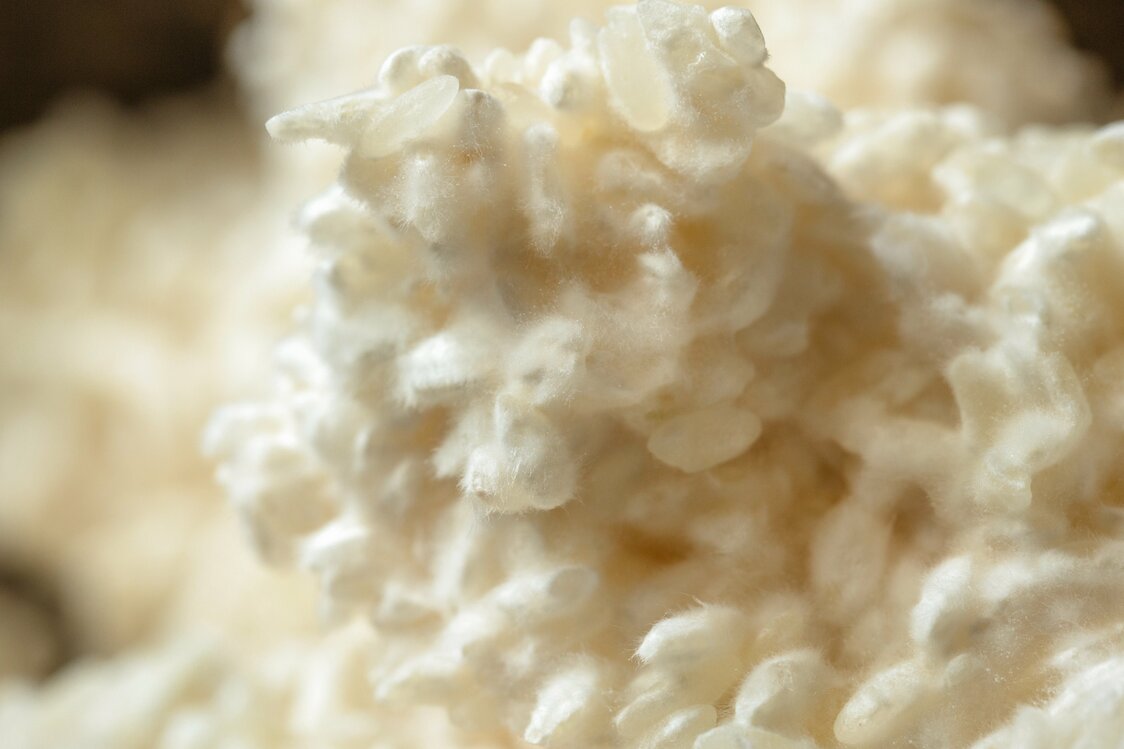
Rice kōji is made by growing the mold on steamed rice. The white fluff enveloping the rice consists of fungal filaments. (© Yamazaki Yoshinori)
-
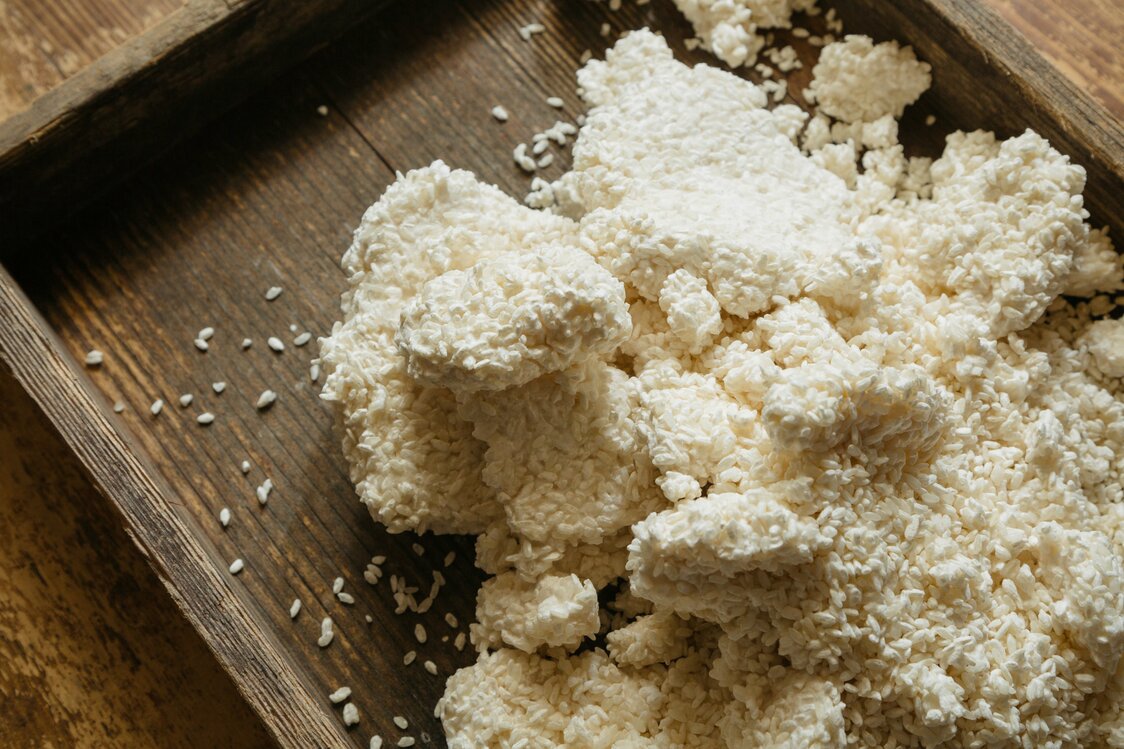
Kōji is indispensable in the production of not just miso but also sake, vinegar, and soy sauce. (© Yamazaki Yoshinori)
-
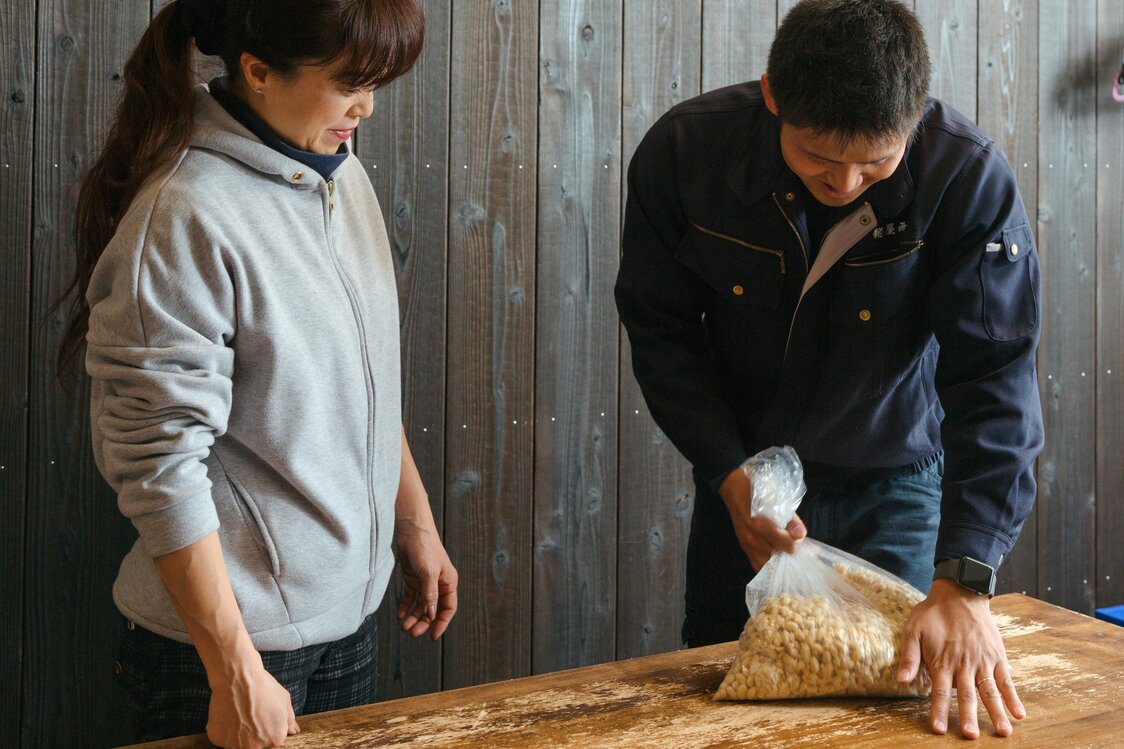
Boiled soybeans are mashed by hand in a plastic bag until the contents are smooth. (© Yamazaki Yoshinori)
-
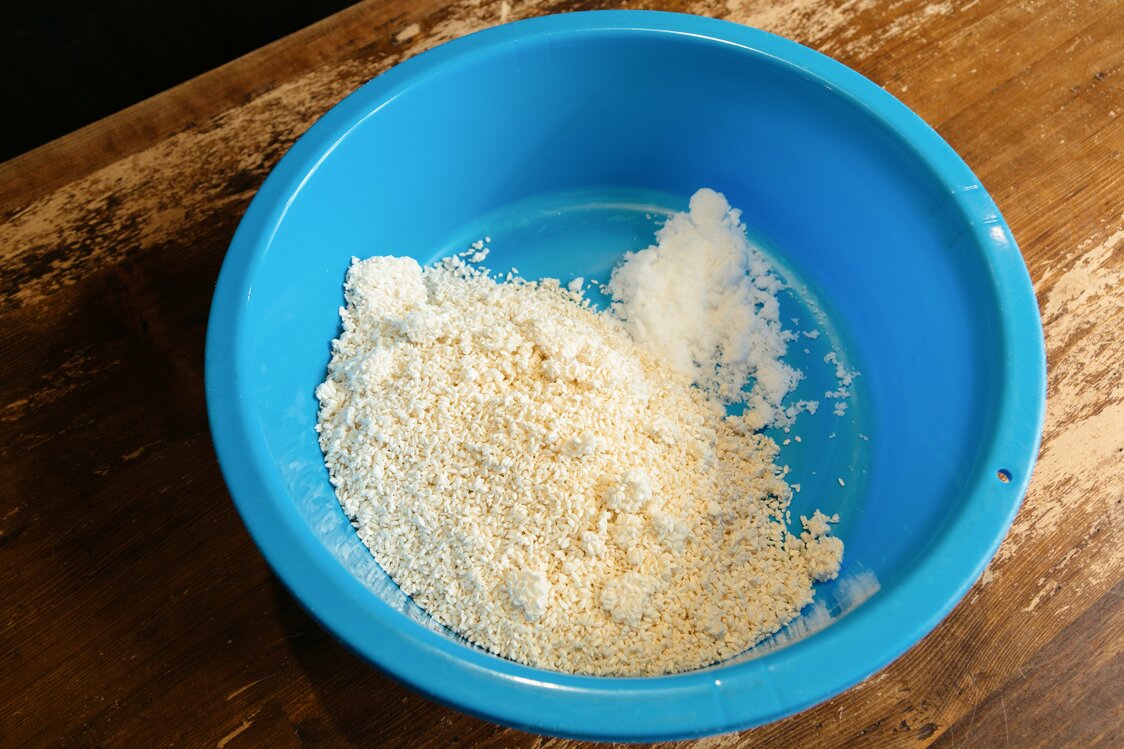
Rice kōji and salt are stirred together in a basin. (© Yamazaki Yoshinori)
-
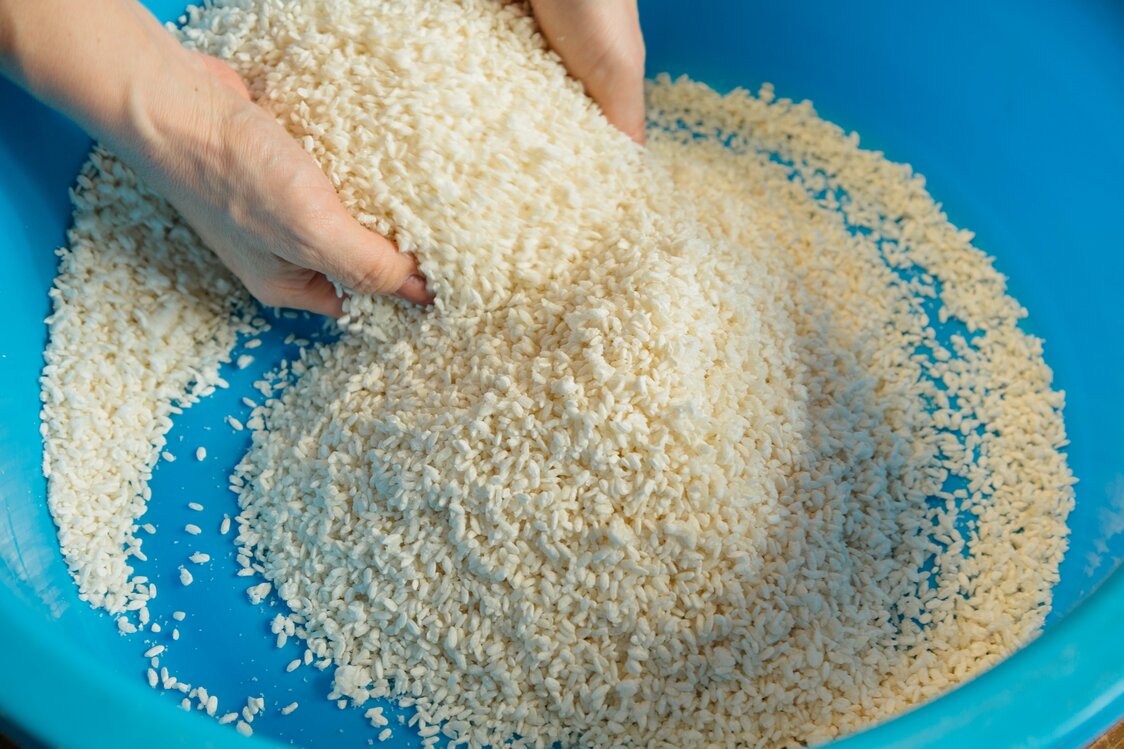
The mashed soybeans are added to the mixture. (© Yamazaki Yoshinori)
-
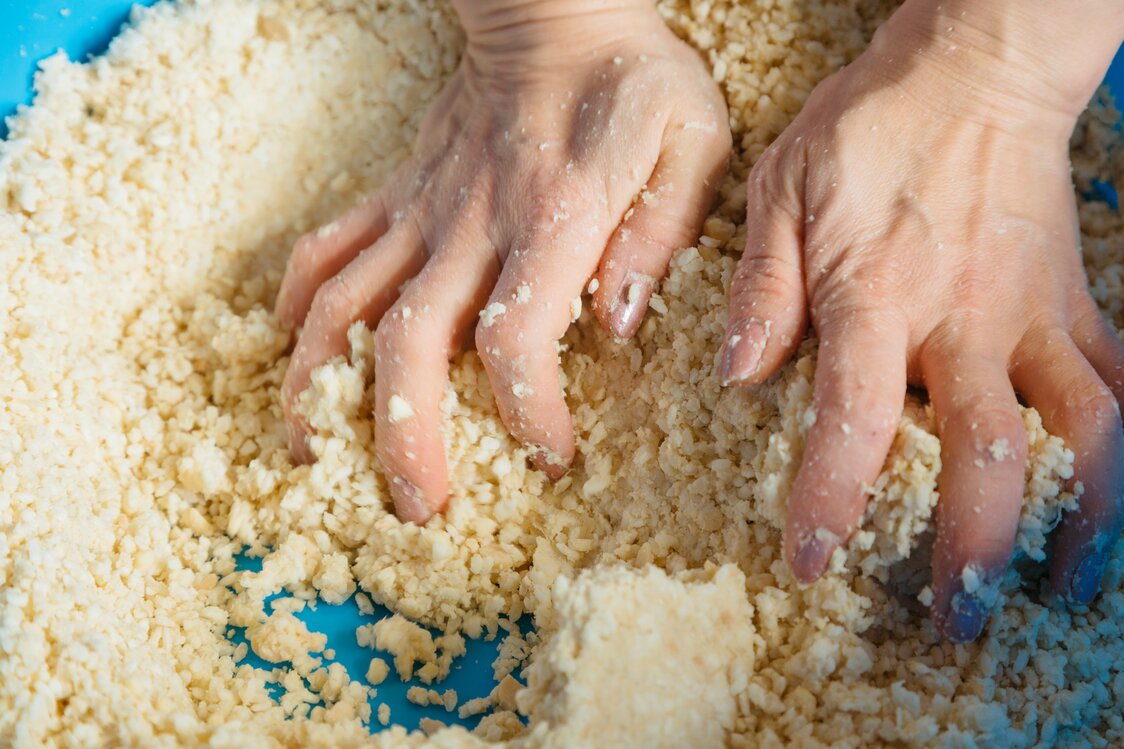
Mixing the ingredients very well is the key to making delicious miso. (© Yamazaki Yoshinori)
-
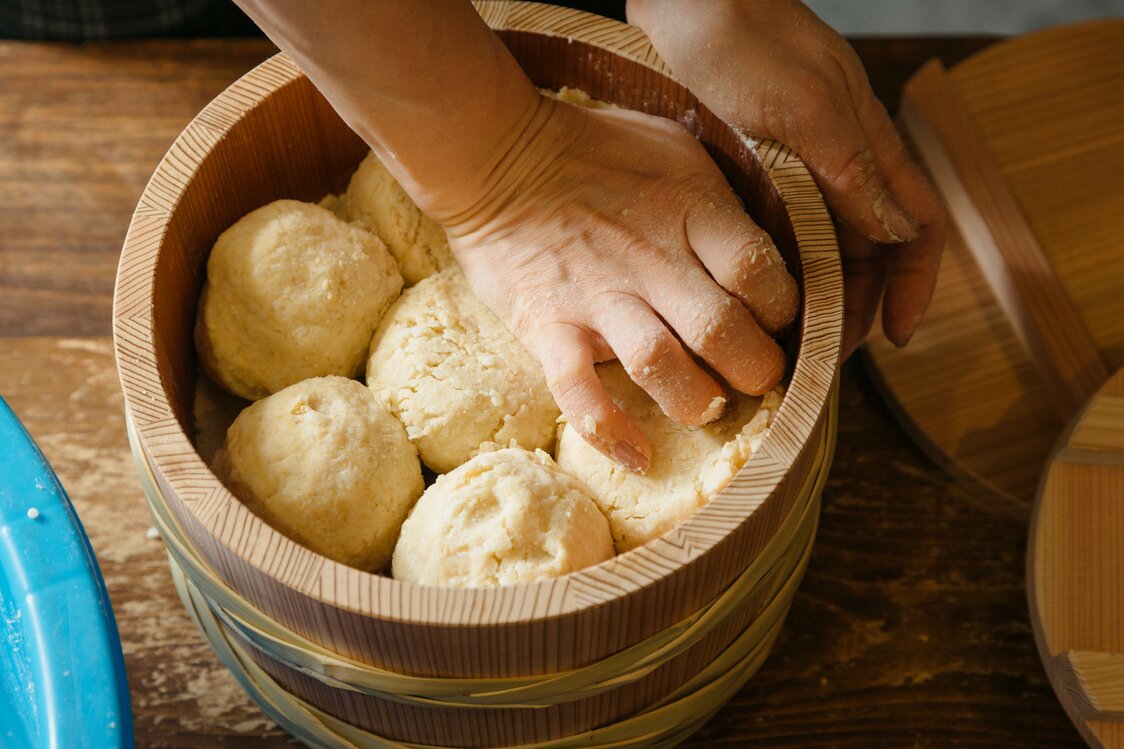
Molding the ingredients into “miso balls” helps remove air. The balls are then flattened in the container so as to keep air pockets from forming. (© Yamazaki Yoshinori)
-
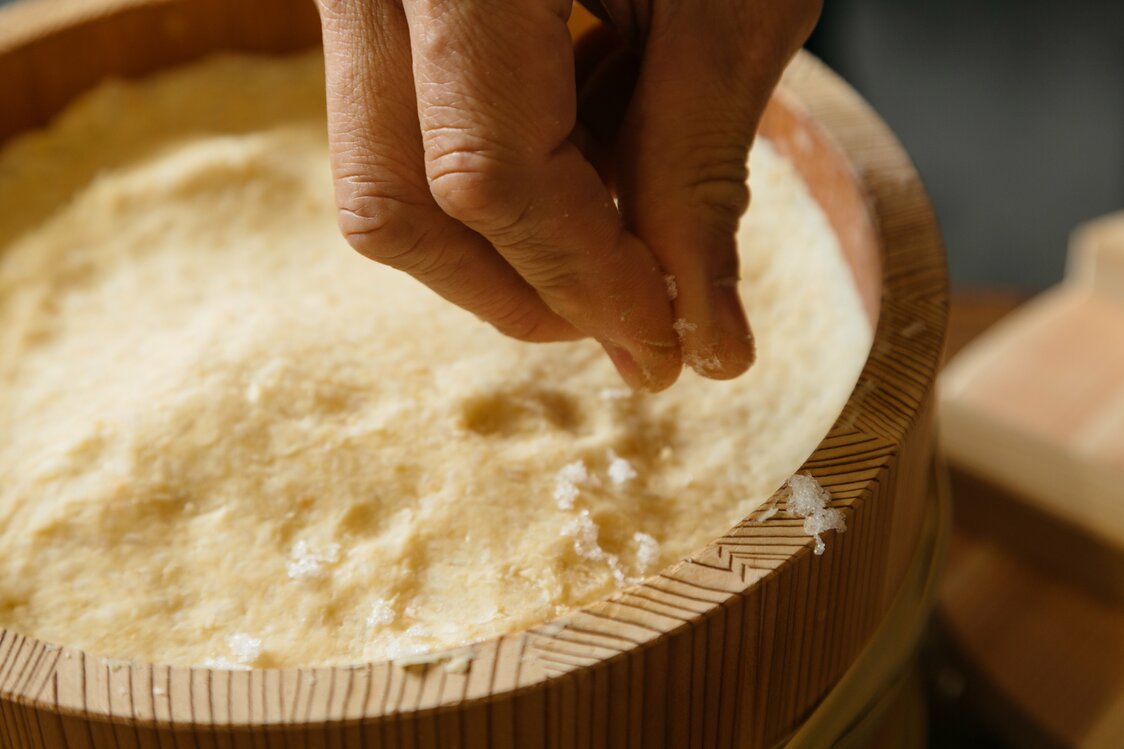
Salt is sprinkled over the top to finish. (© Yamazaki Yoshinori)
-
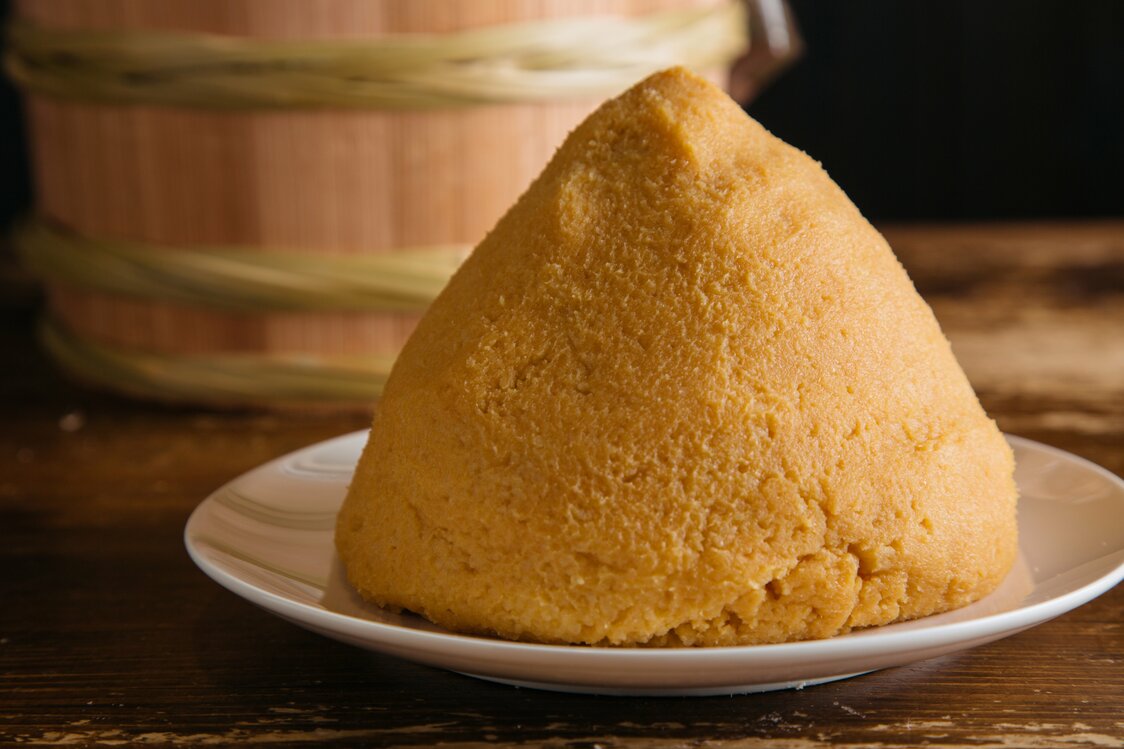
About six months of maturing will yield delicious miso. (© Yamazaki Yoshinori)
-
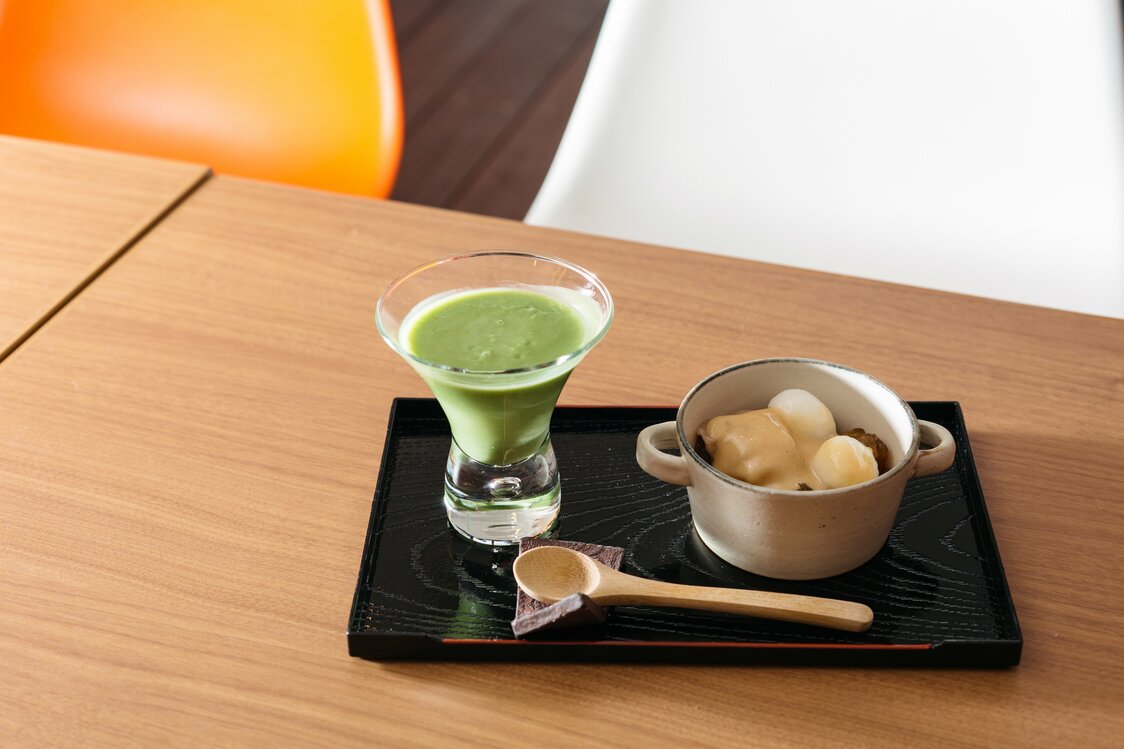
Dessert and drink set: anmitsu-style amazake shiratama (rice flour dumplings) with a matcha kōji drink. (© Yamazaki Yoshinori)
-


 Read in other languages