-
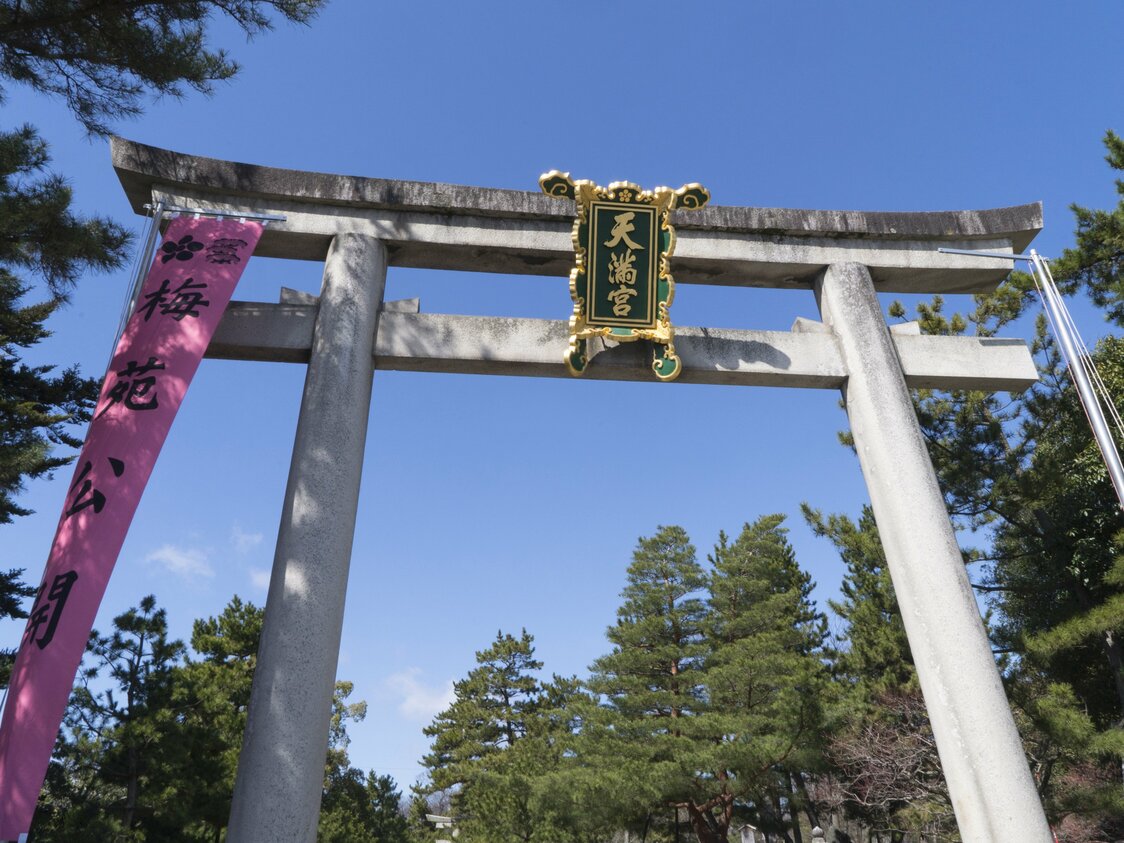
A banner hanging from the left of the torii announces that ume are in bloom at Kitano Tenmangū.
-
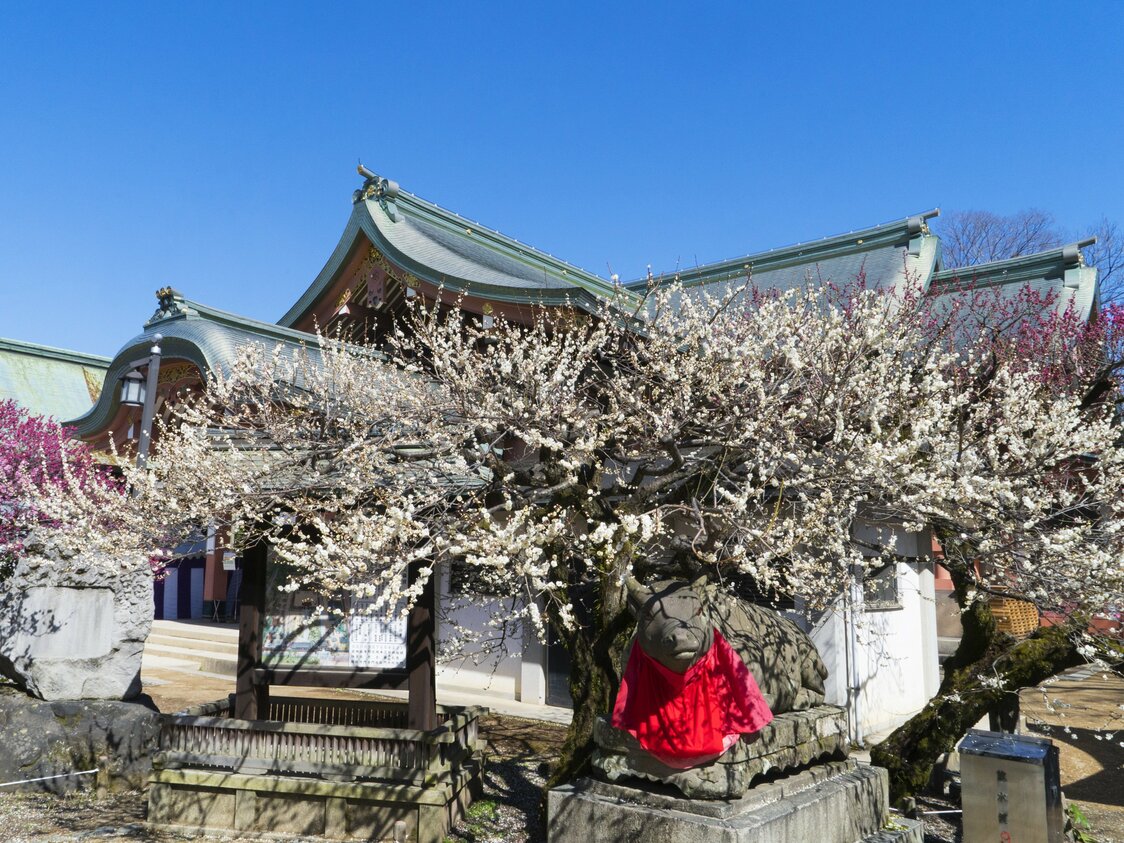
A flowering ume spreads its blooms over a stone statue of a reclining ox, near the shrine’s Treasure House.
-
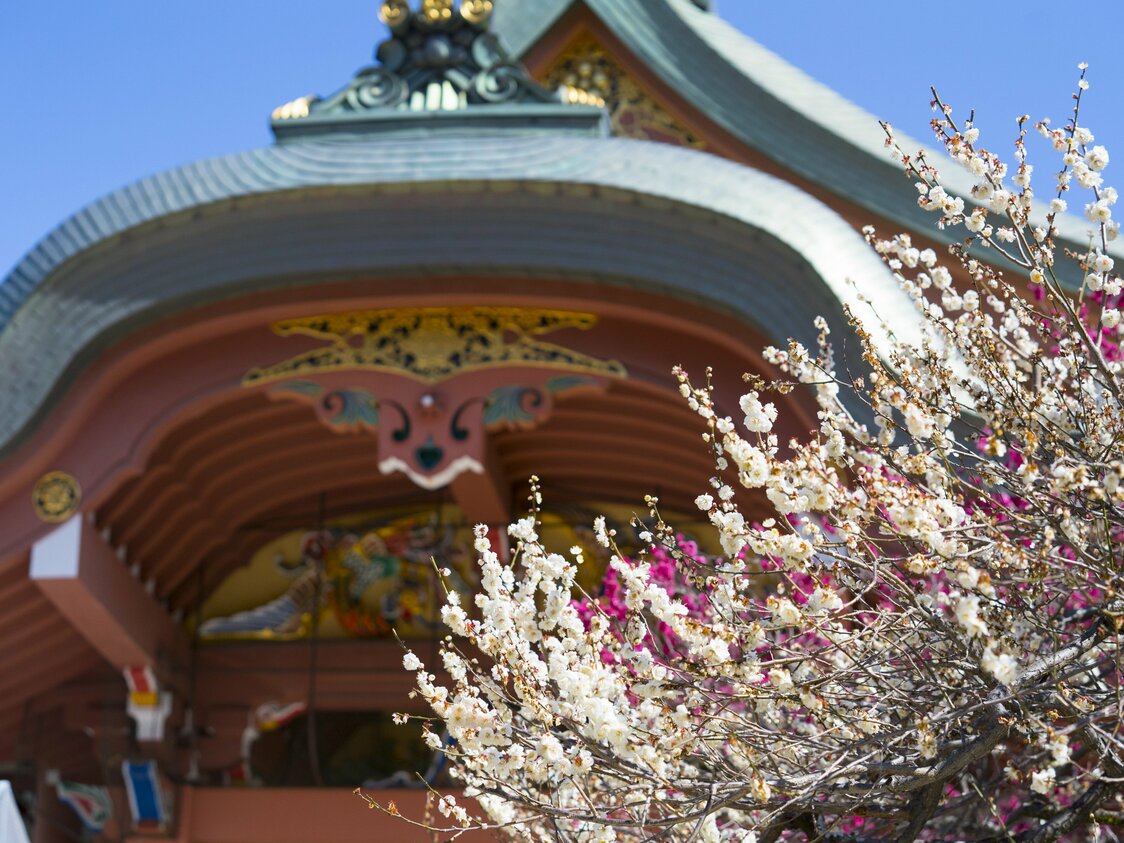
Ume make a beautiful contrast against the Treasure House.
-
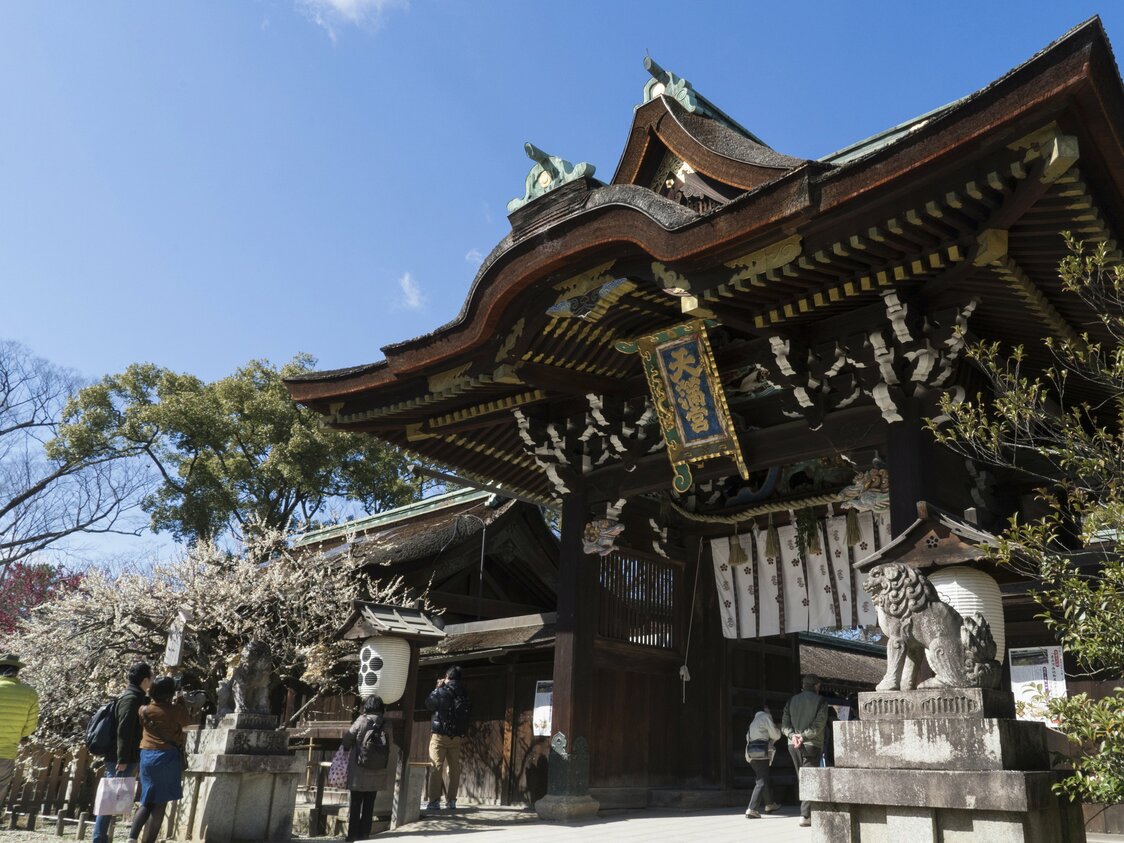
White umeu bloom in front of the Sankōmon, an Important Cultural Property.
-
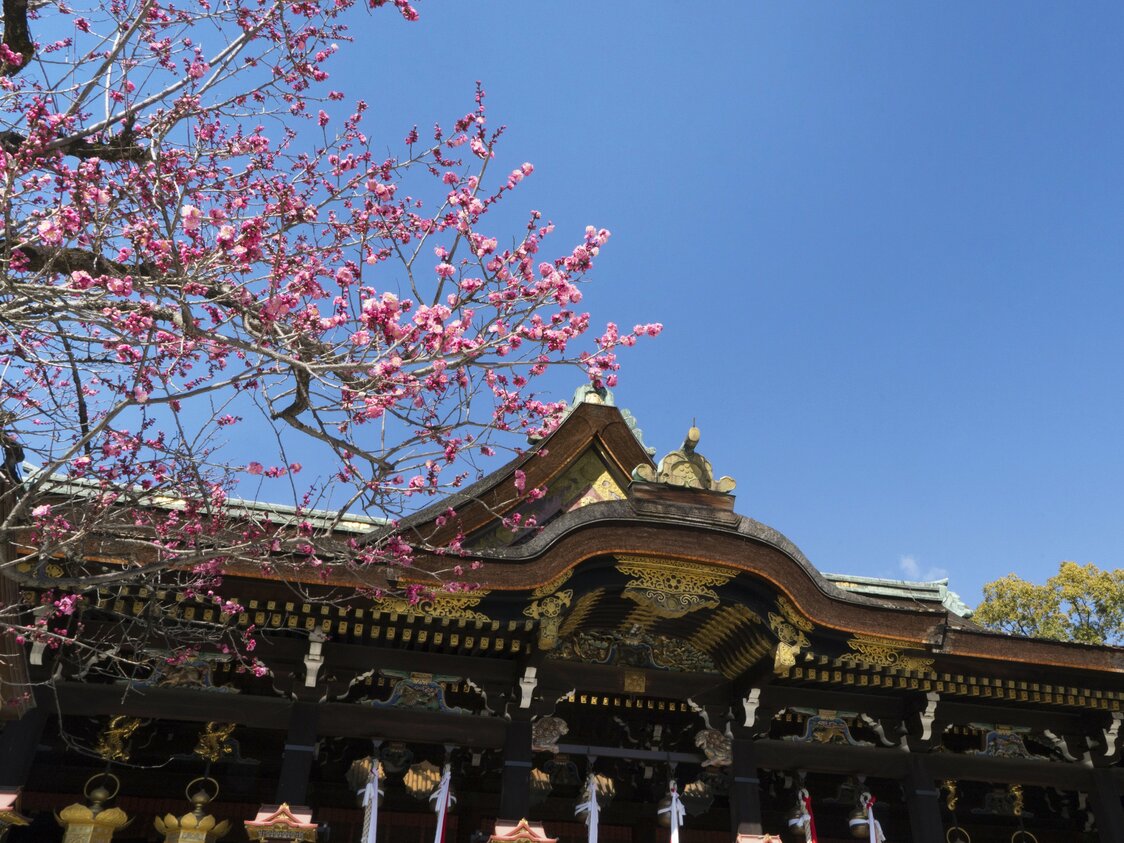
The beniwakonbai in bloom in front of the Main Hall, a building designated a National Treasure.
-
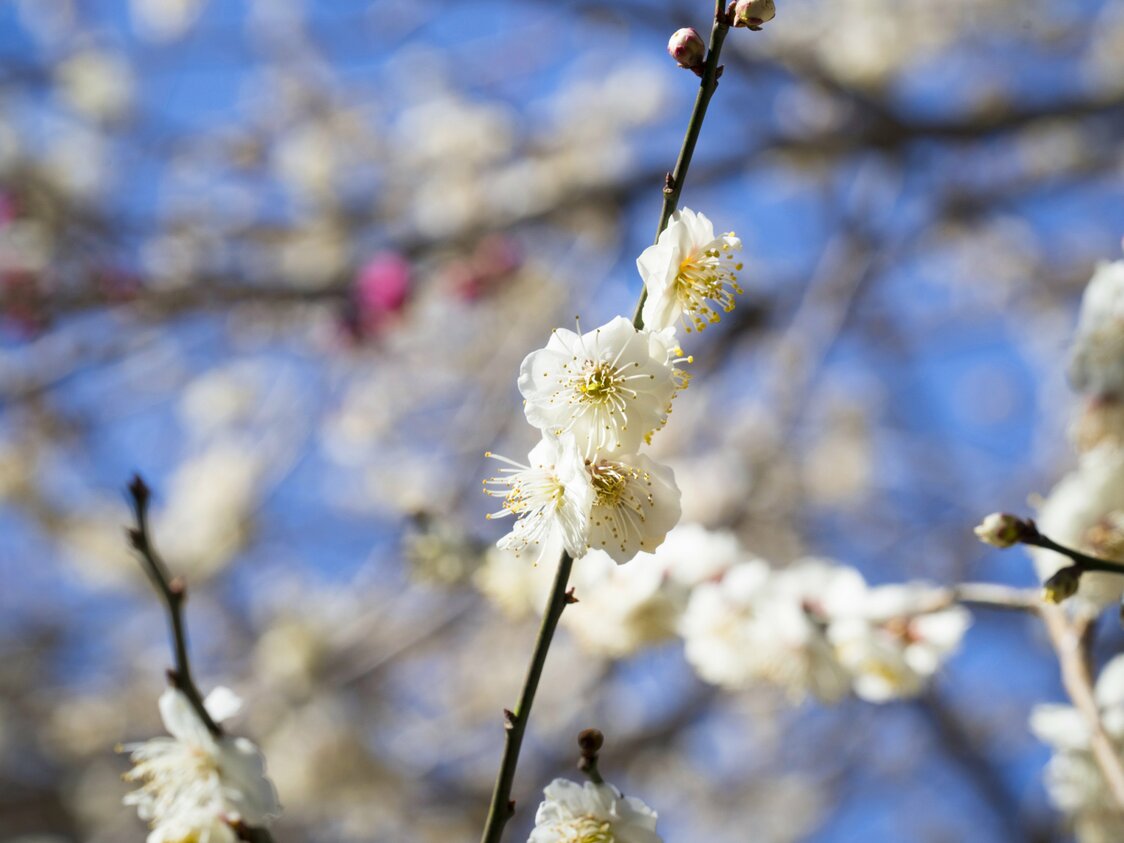
The sweet scent of ume means that spring is near.
-
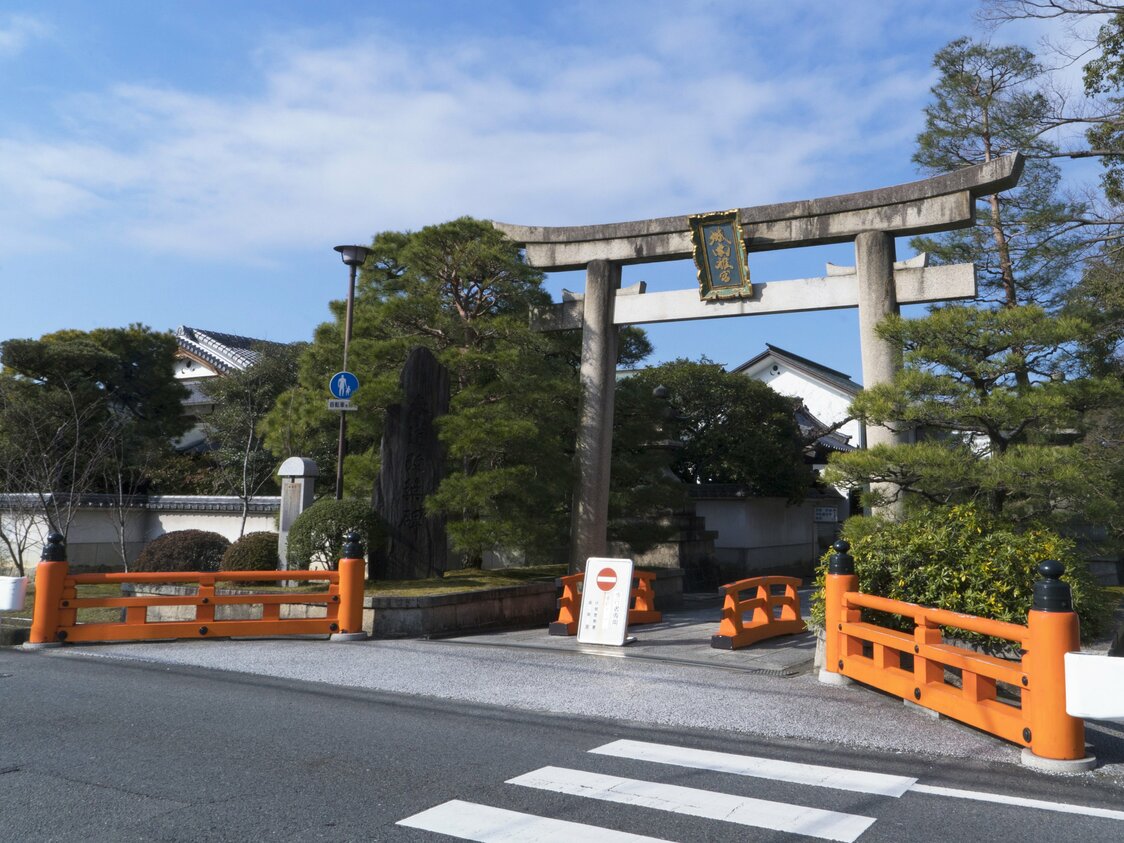
Jōnangū, protector shrine of Kyoto’s southern approaches.
-
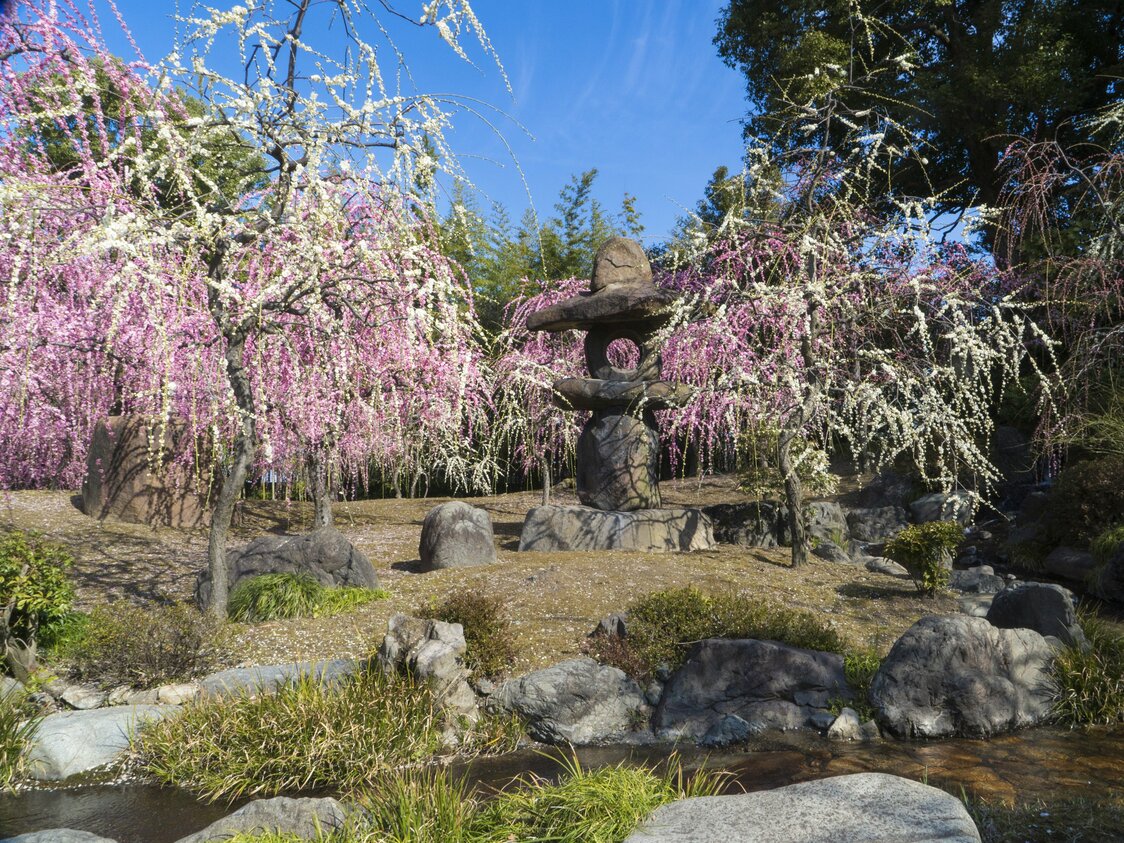
The artistically laid-out Haru no Yama garden, with a stream, garden stones, and weeping trees in bloom.
-
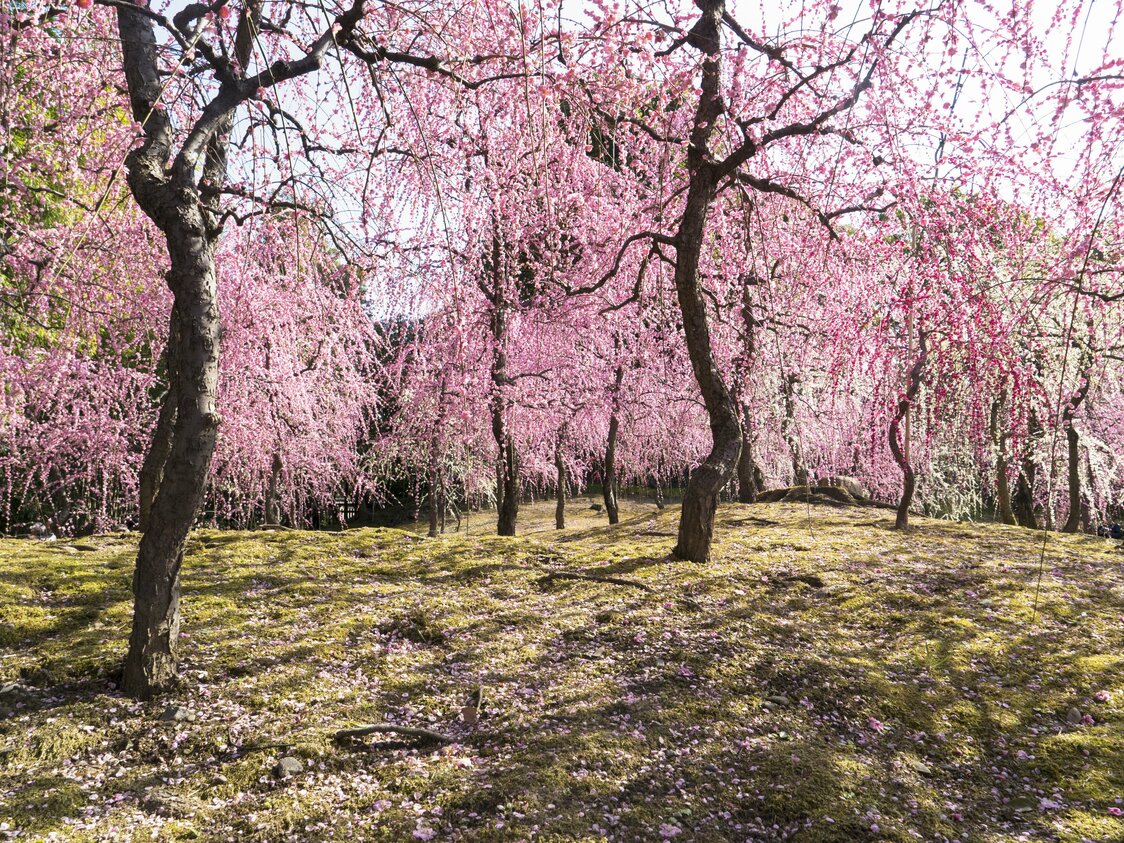
The overlapping branches of weeping ume create a curtain of different shades of pink.
-
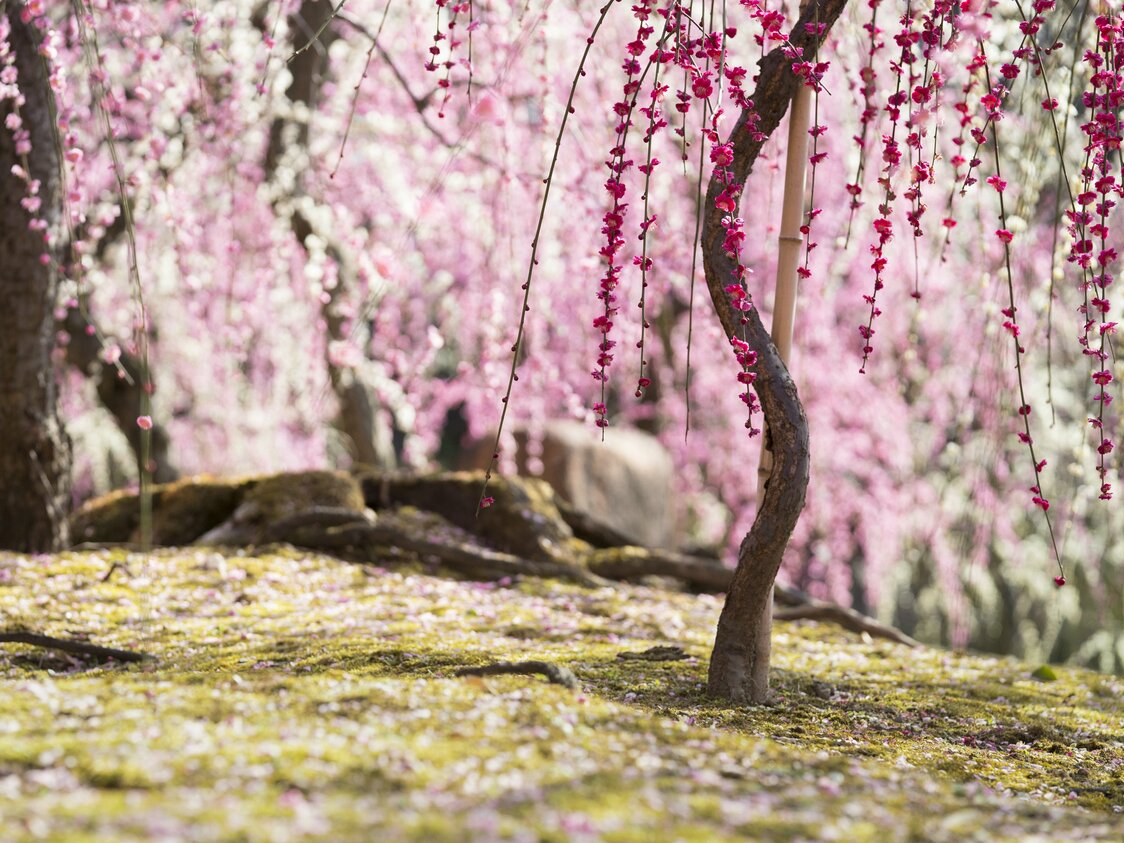
Moss carpeted with fallen ume petals attracts many who come especially for this sight when the flowers are past their peak.
-
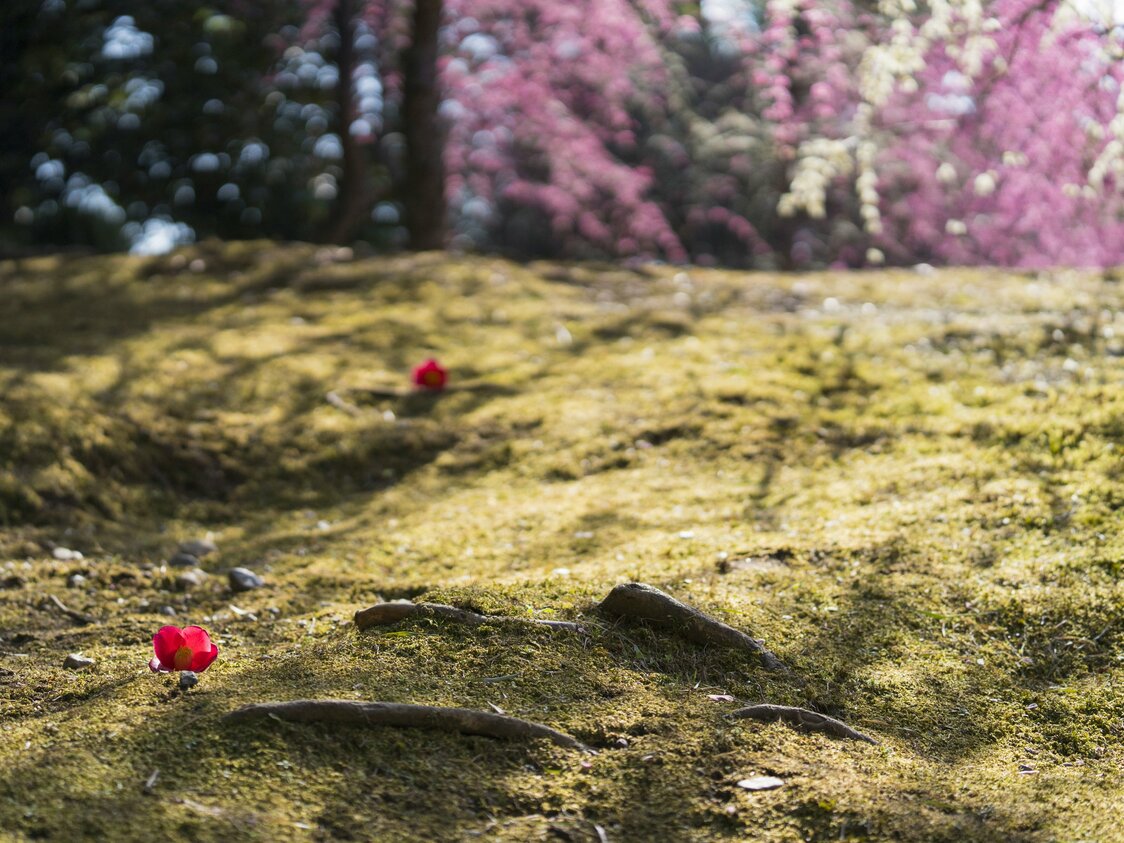
A mossy carpet, with camellias and ume adding color.
-
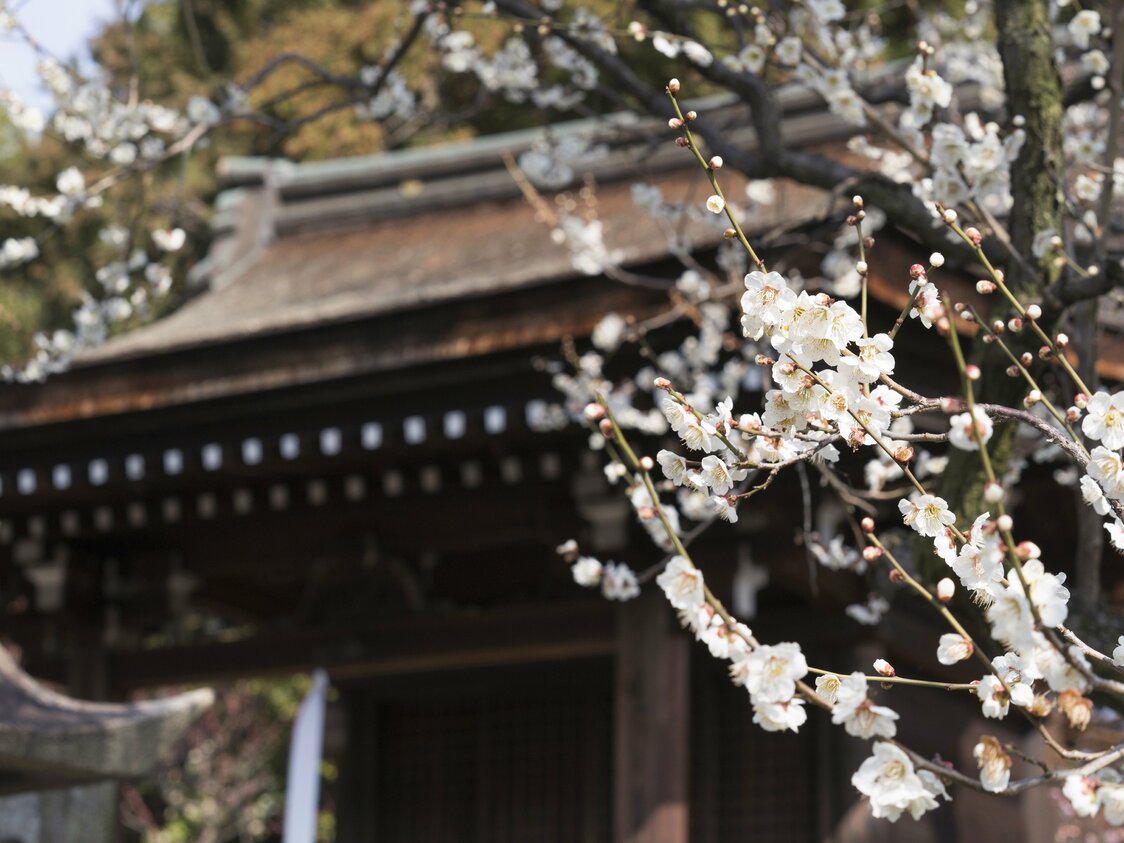
Delicate white ume bloom in front of Serikawa Tenmangū.
-

Votive tablets with a play on the word ume to pray for children and safe childbirth.
-
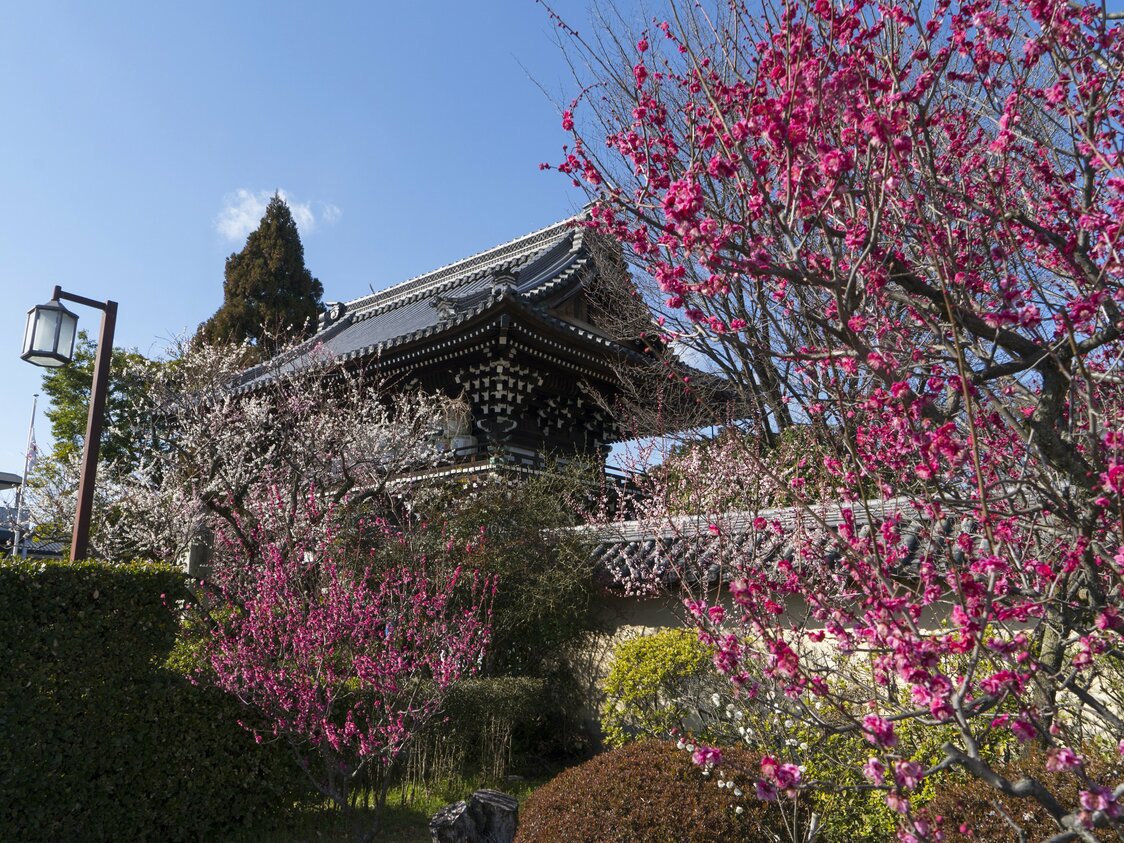
Red and white plum blossoms in front of the Rōmon.
-
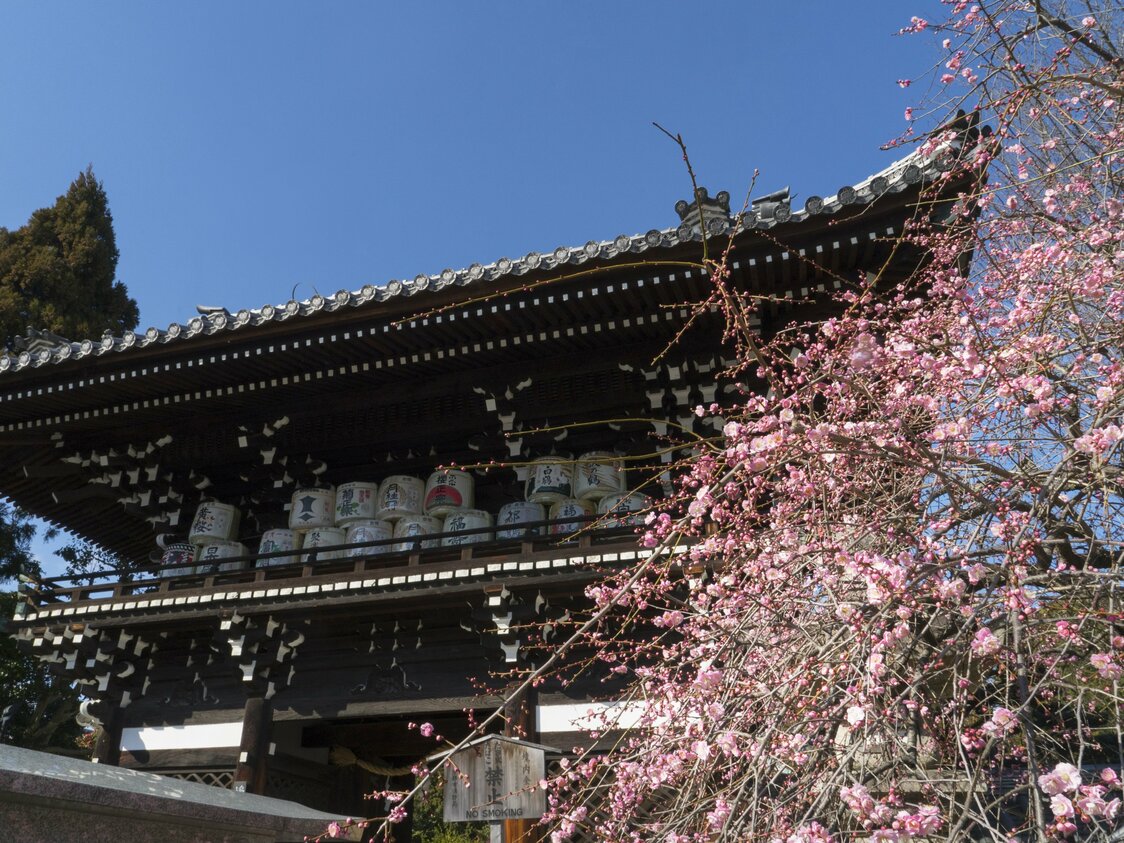
Umenomiya Taisha is the protector of sake brewers; large sake barrels are visible atop the Rōmon.
-
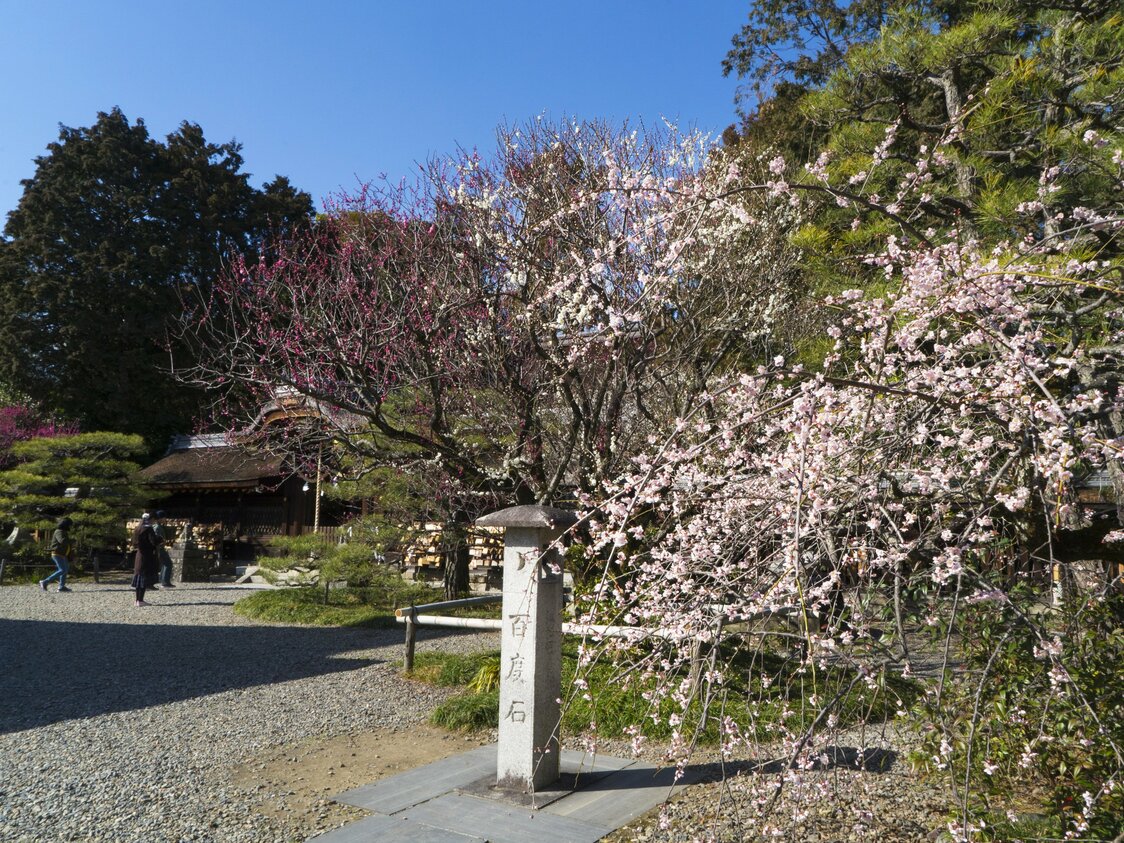
Ume in full bloom next to the shrine’s Worship Hall.
-
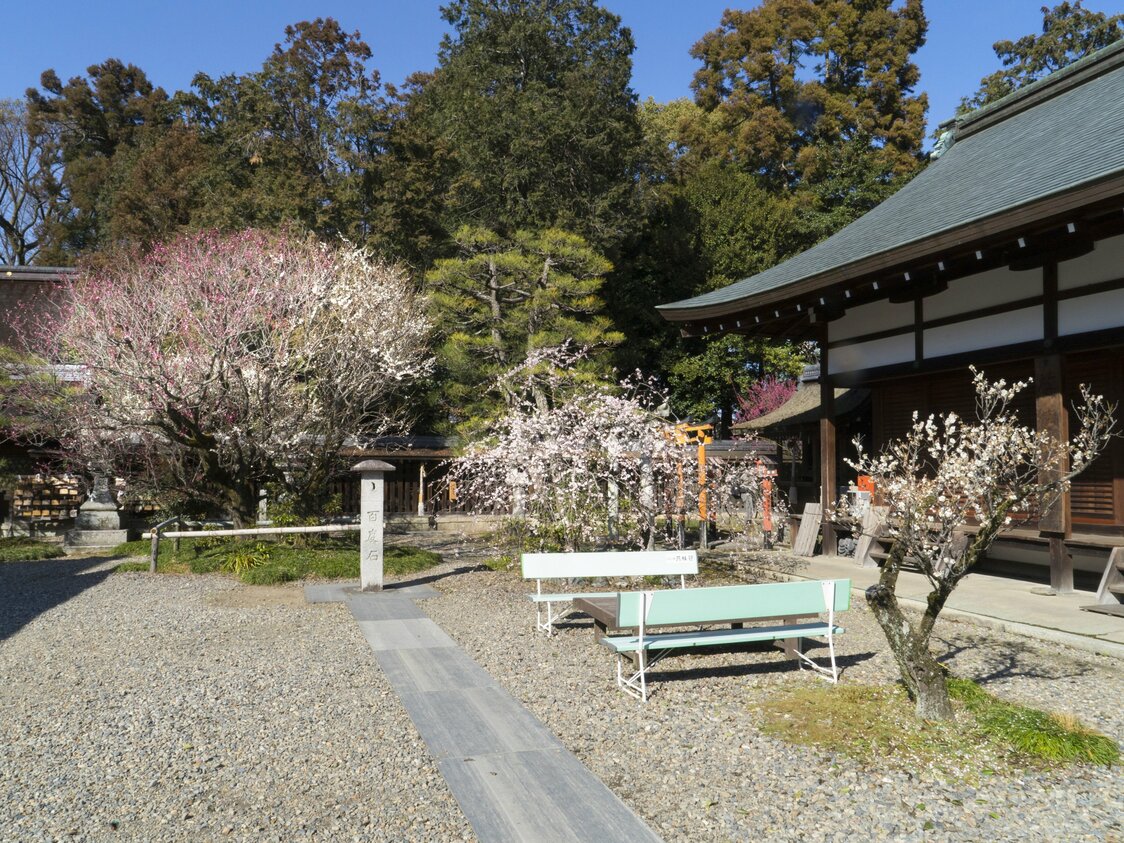
Benches await visitors near the hyakudo ishi.
-
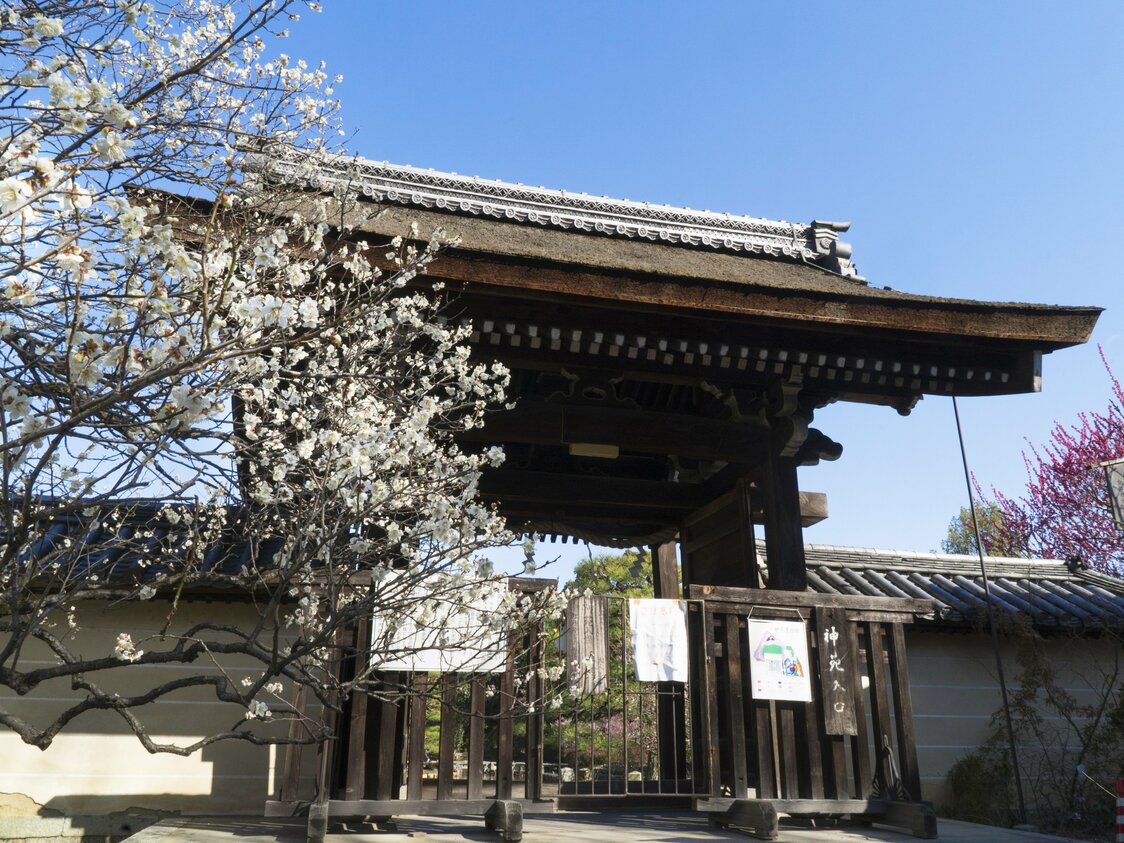
The entrance to the shrine gardens. Admission is ¥550 for adults and ¥350 for children.
-
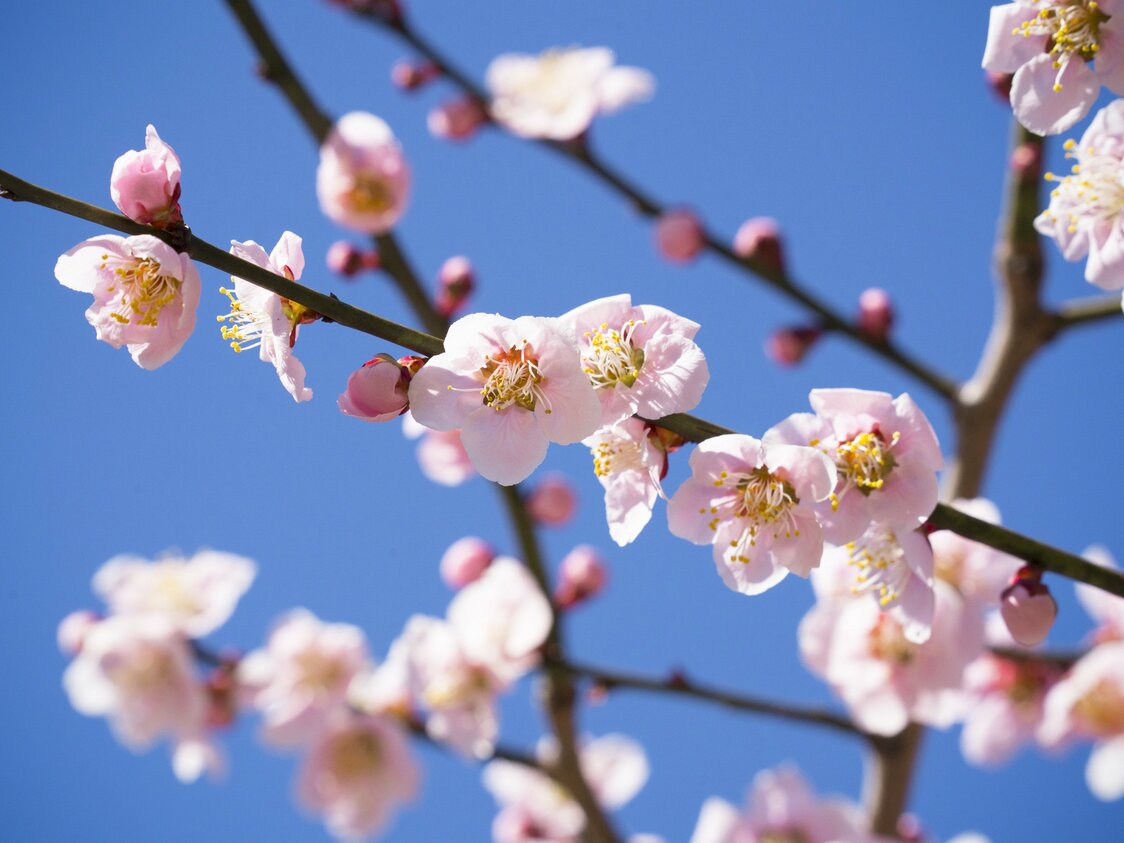
There are 450 Japanese apricot trees belonging to 35 species in the shrine precincts, including in the gardens.


 Read in other languages