-
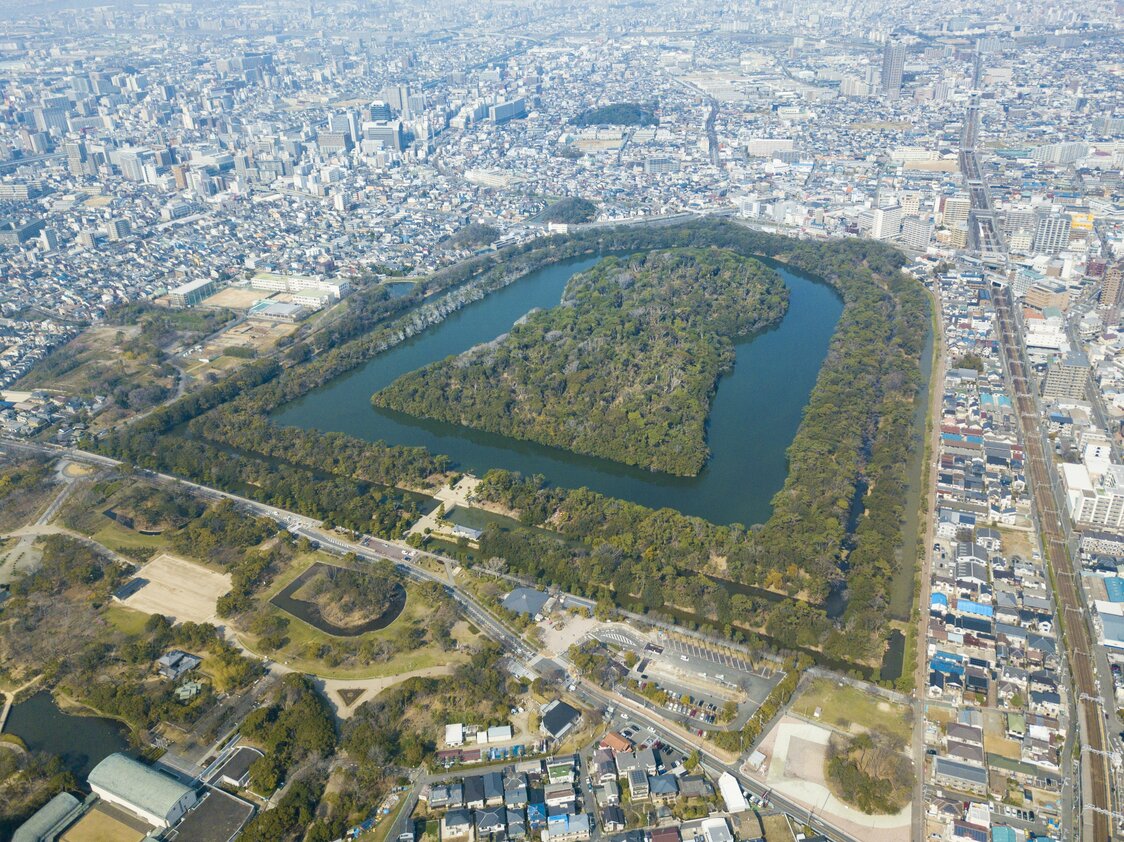
The Emperor Nintoku Burial Mound has three concentric moats. To the south of the site, in the lower part of the photo, is Daisen Park, which abuts the larger burial mound site.
-
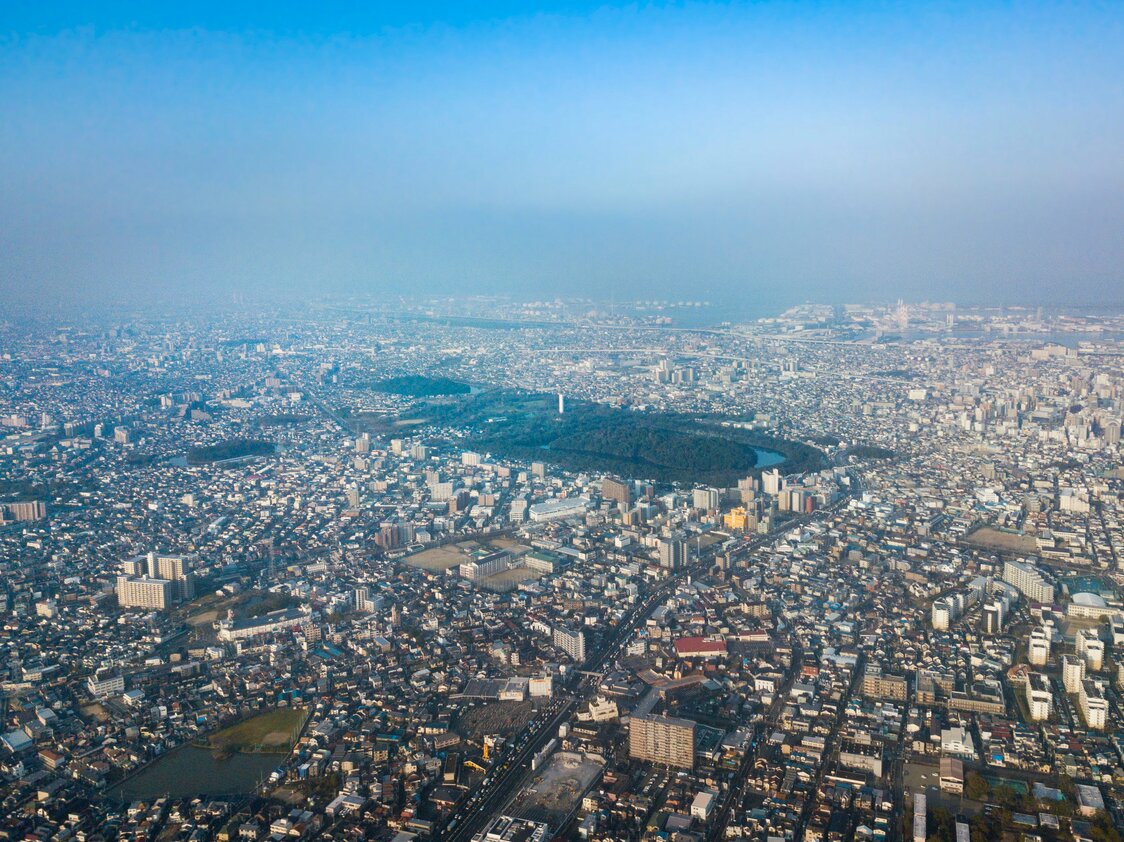
At center in the photo above is the tomb of Emperor Nintoku, with Daisen Park abutting the grounds at upper left. At far upper left is the tomb of Emperor Richū, seventeenth in the traditional lineage of Japanese emperors. The Itasuke and Gobyōyama burial mounds are visible at left as well.
-
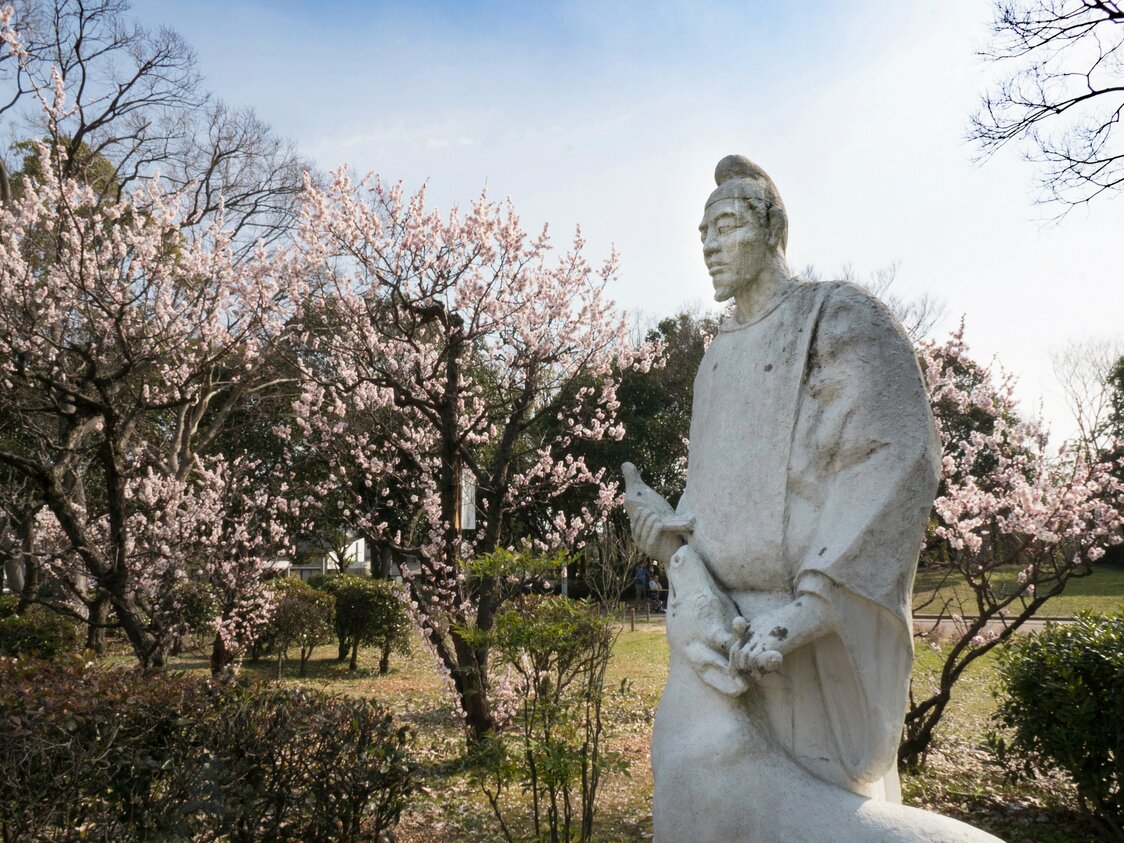
Japanese apricot trees in bloom at Daisen Park.
-
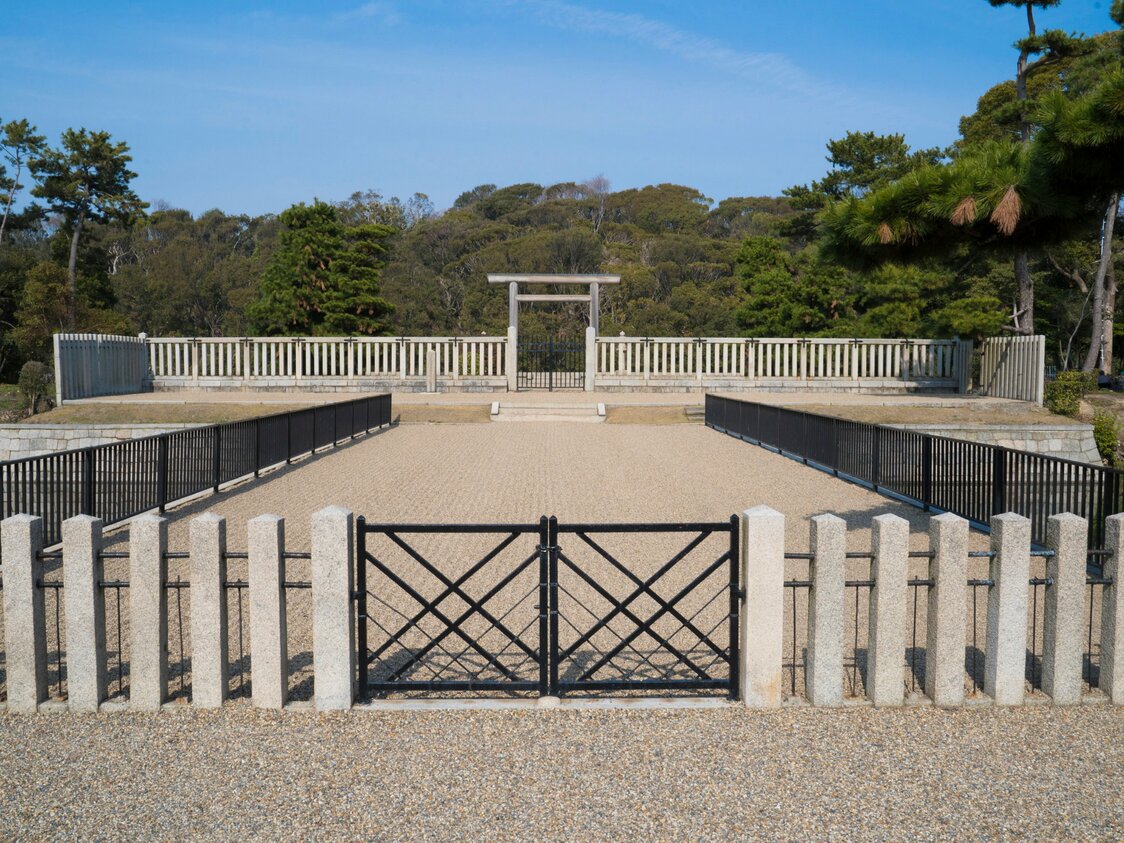
The Emperor Nintoku burial mound prayer space is the only spot where you can directly view the circular, aft part of the keyhole-shaped tumulus.
-
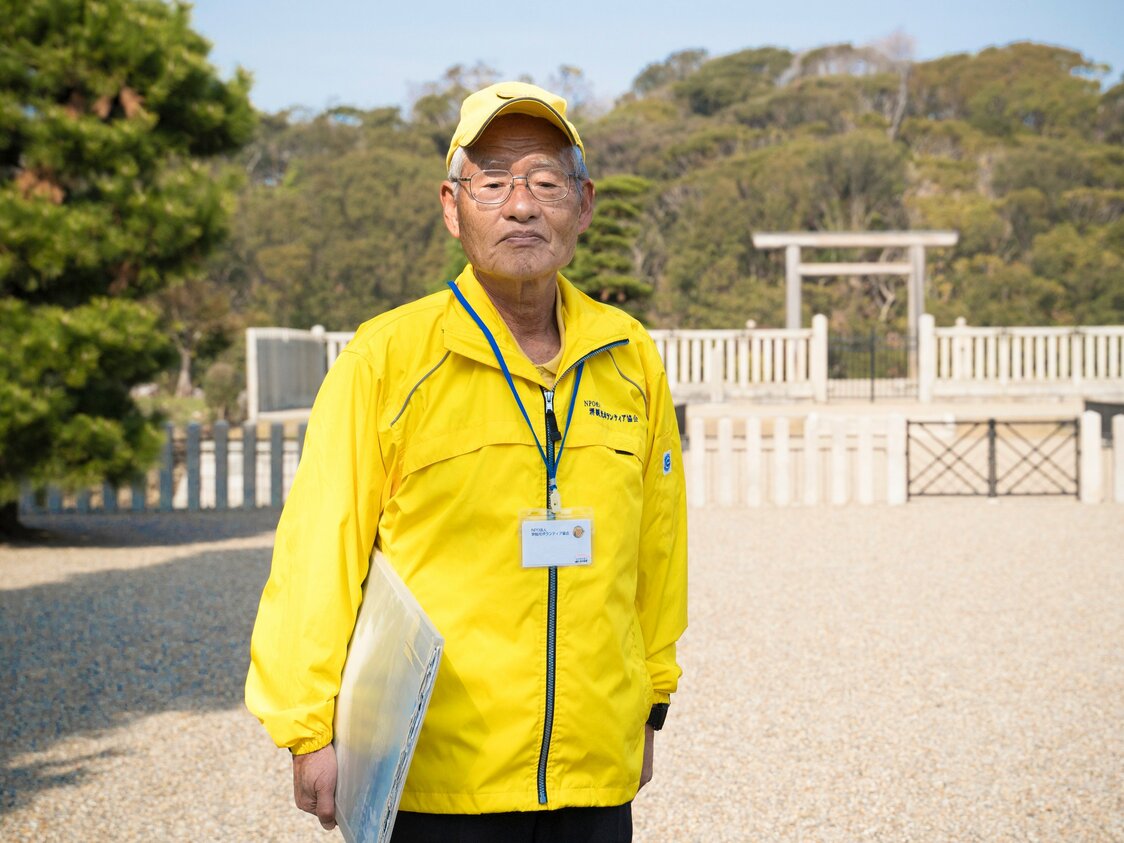
Locals serving as volunteer guides average over 70 years of age, and can be identified by their distinctive yellow caps and windbreakers.
-
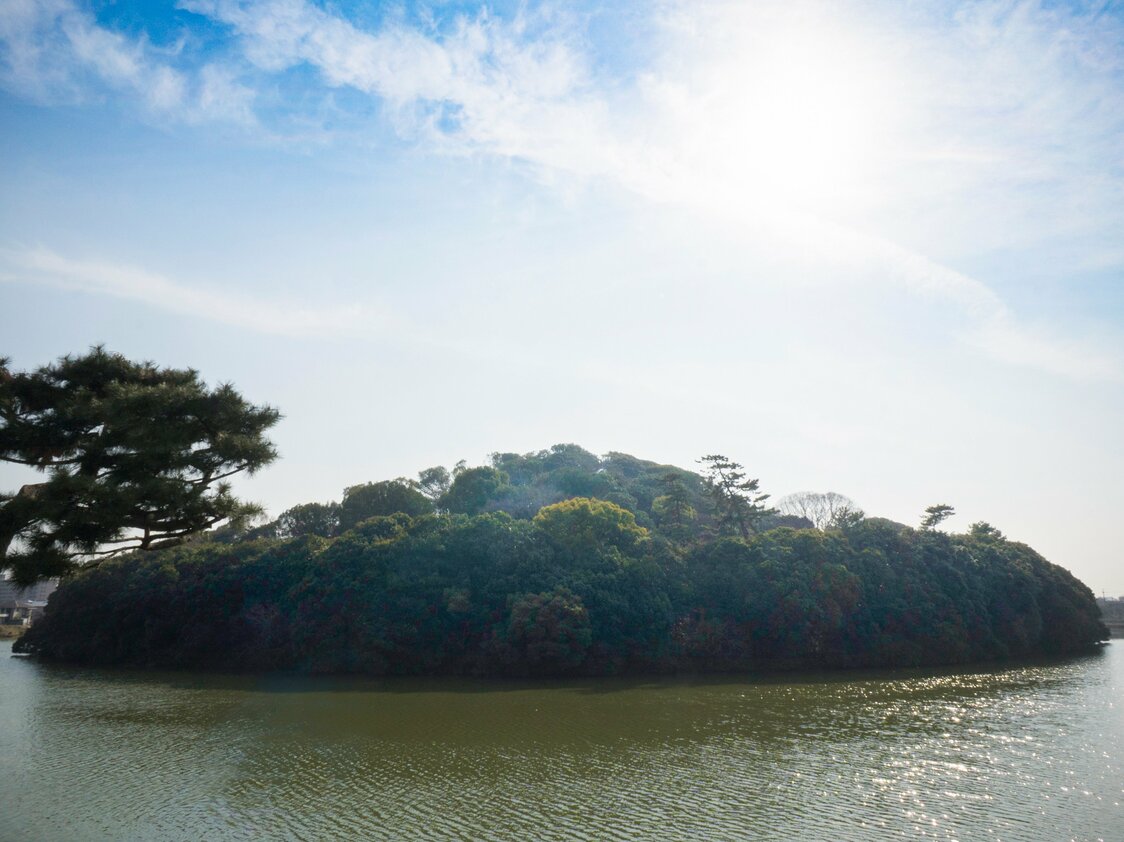
The circular rear portion of the tomb of Emperor Richū as seen from Daisen Park.
-
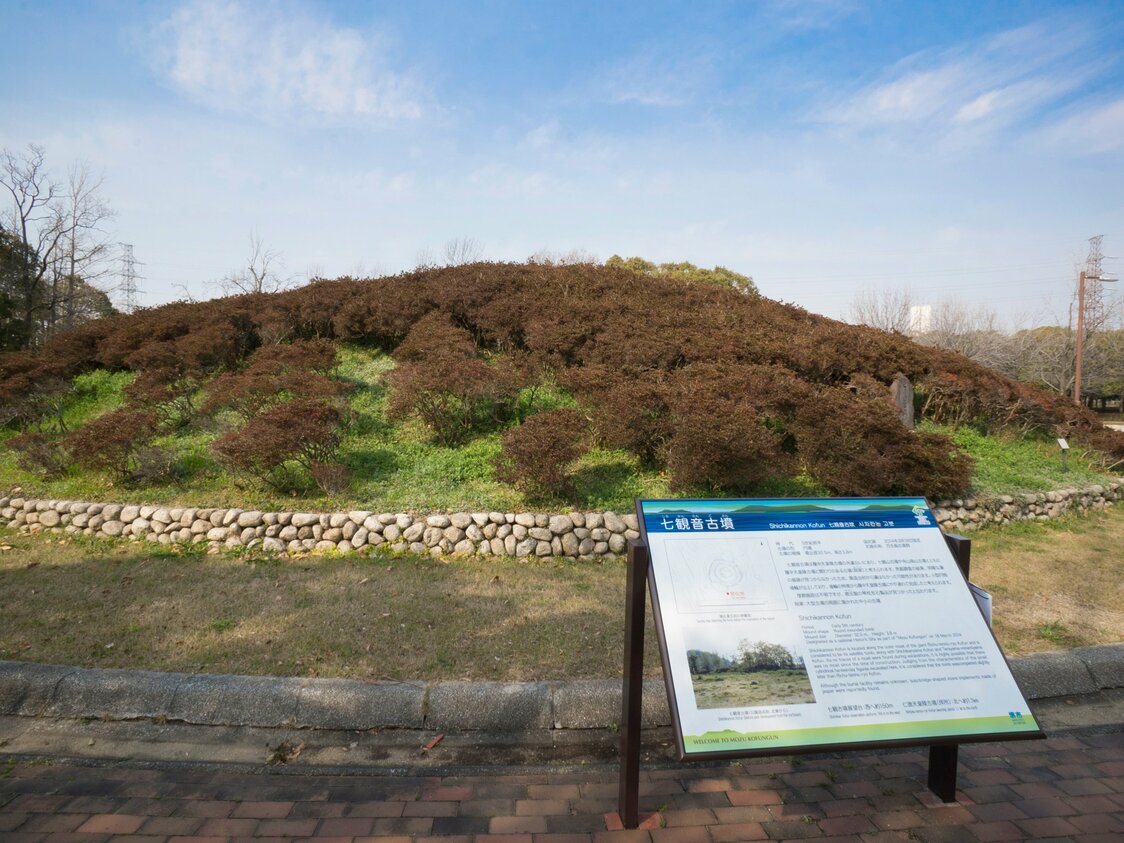
There are a number of smaller burial mounds within Daisen Park itself.
-
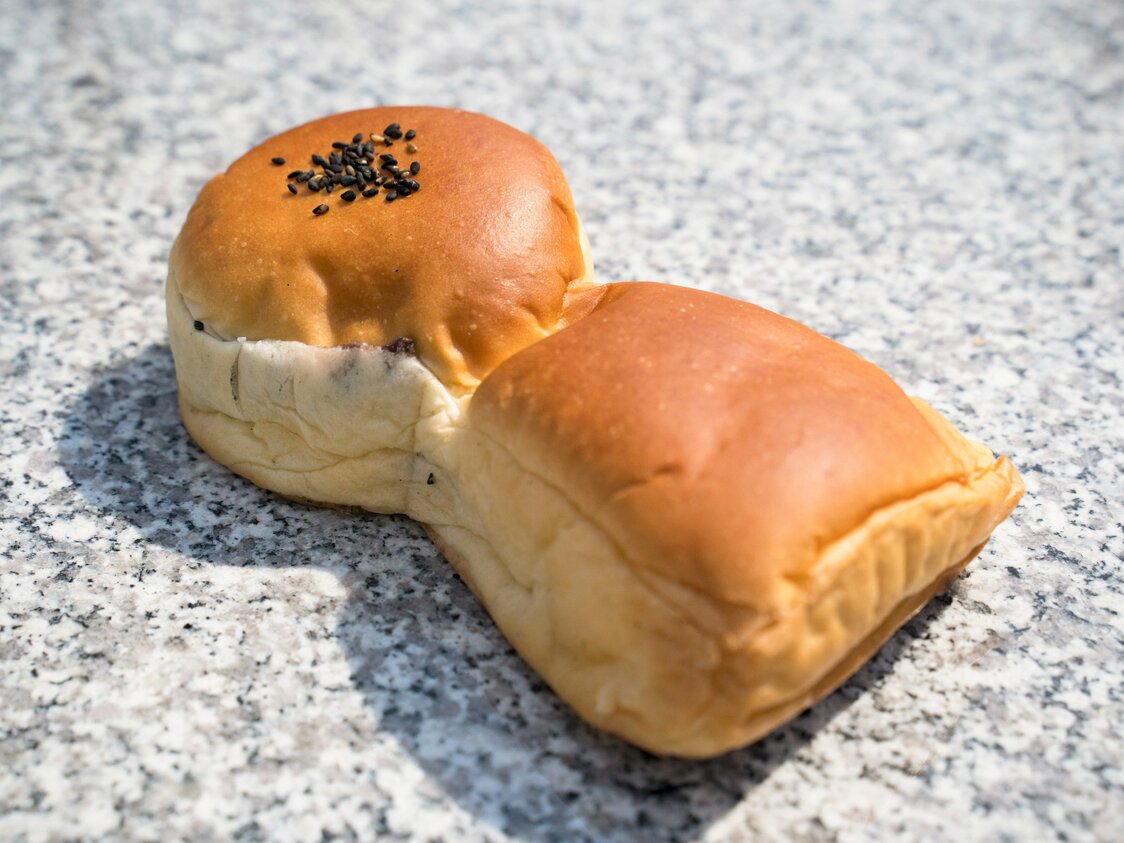
Goryō anpan, a signature product of the Loire bakery.
-
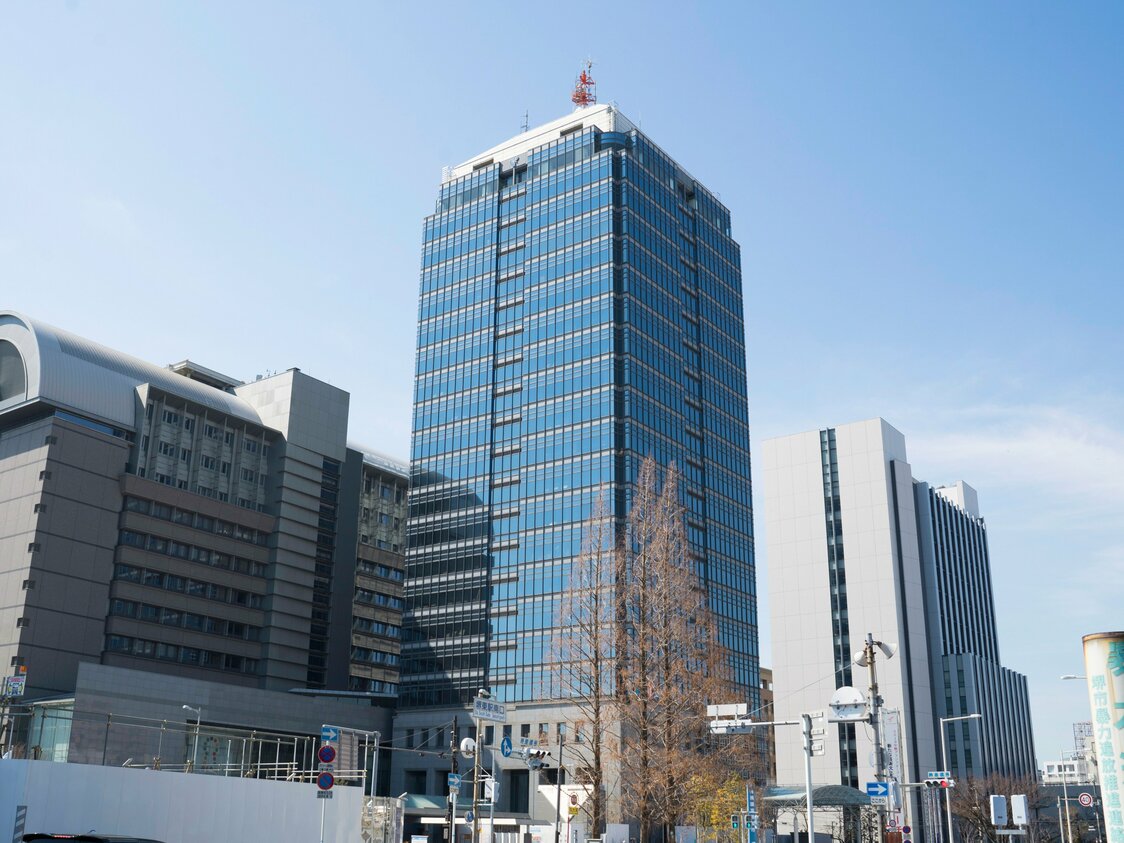
The Sakai City Hall tower is easy to spot and offers a free observation deck on its top floor.
-
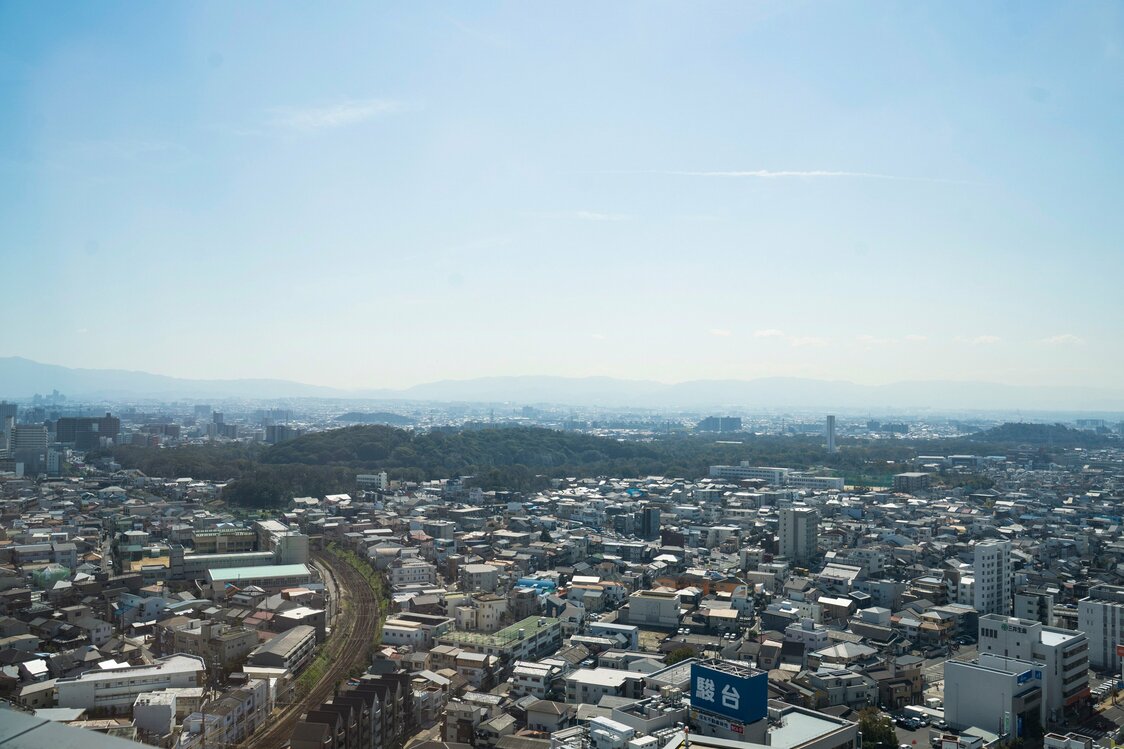
Surrounded by urban landscapes, the tomb of Emperor Nintoku appears from afar like a patch of primeval forest.
-
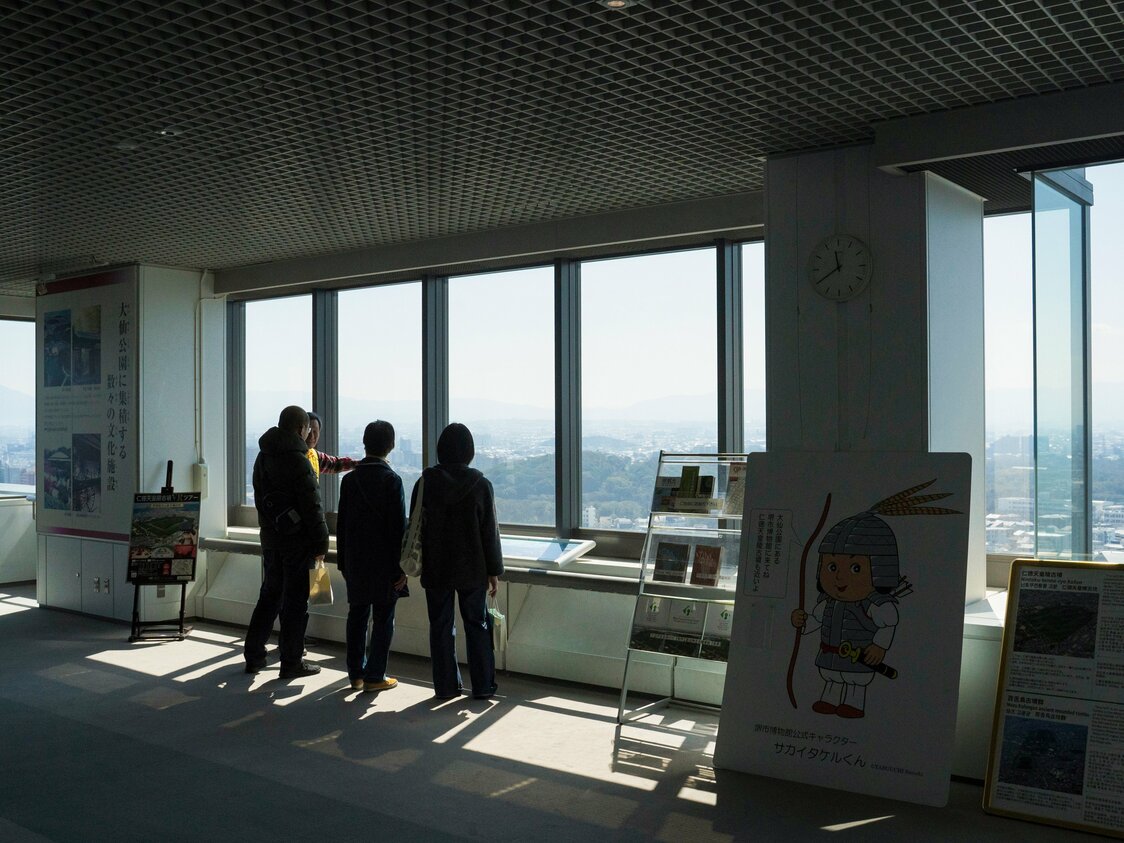
Display panels and descriptions given by tour guides make for an enjoyable visit to the Sakai City Hall observation deck. Admission is free.


 Read in other languages