-
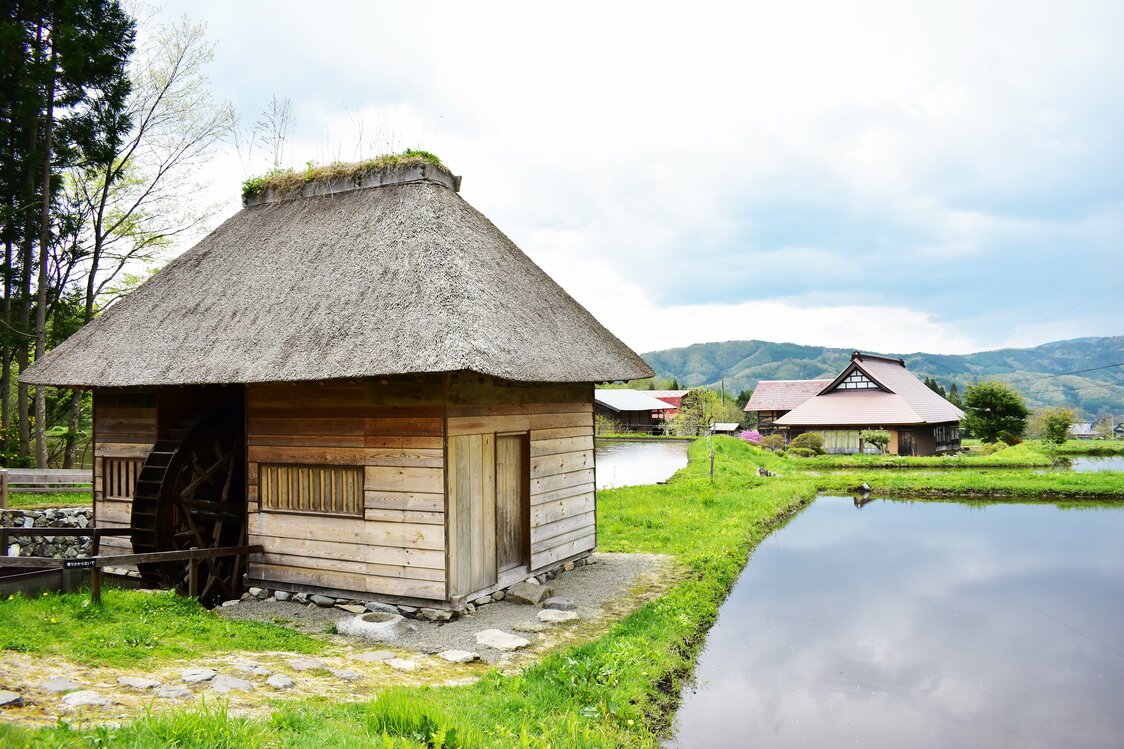
The Yamaguchi waterwheel, one of the distinctive sights of Tōno, was once actually used for threshing and milling of grain.
-
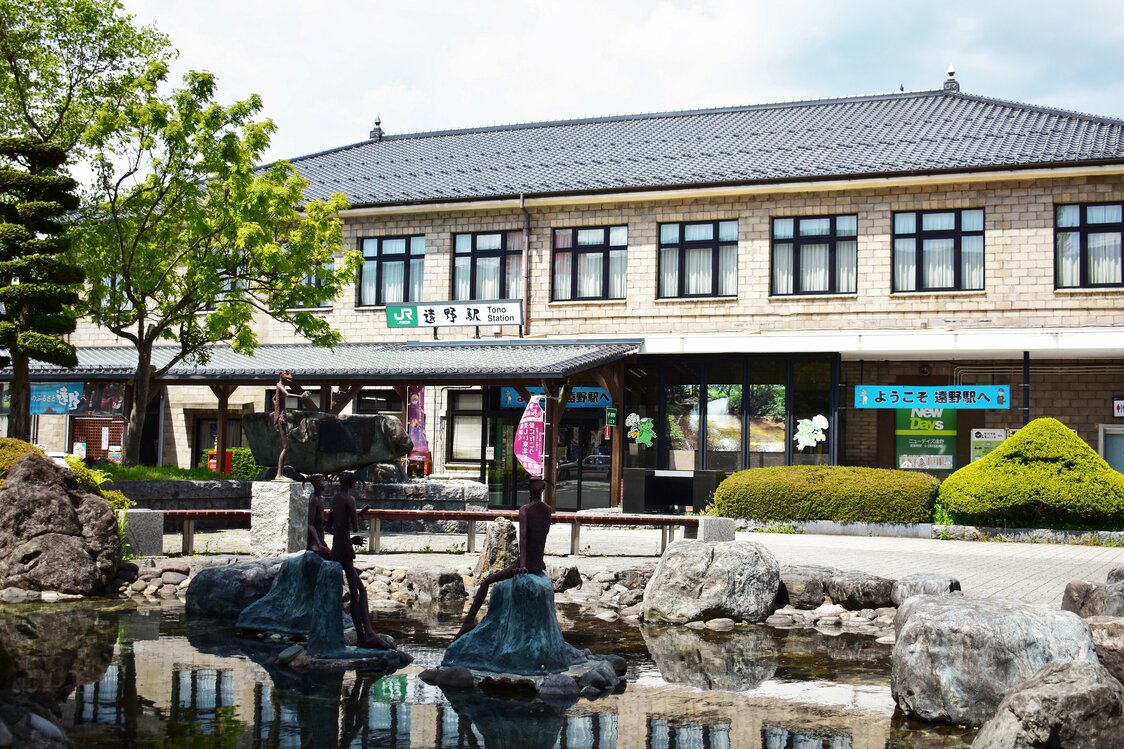
Outside JR Tōno Station is the Kappa Pond, with four kappa statues positioned to welcome visitors.
-
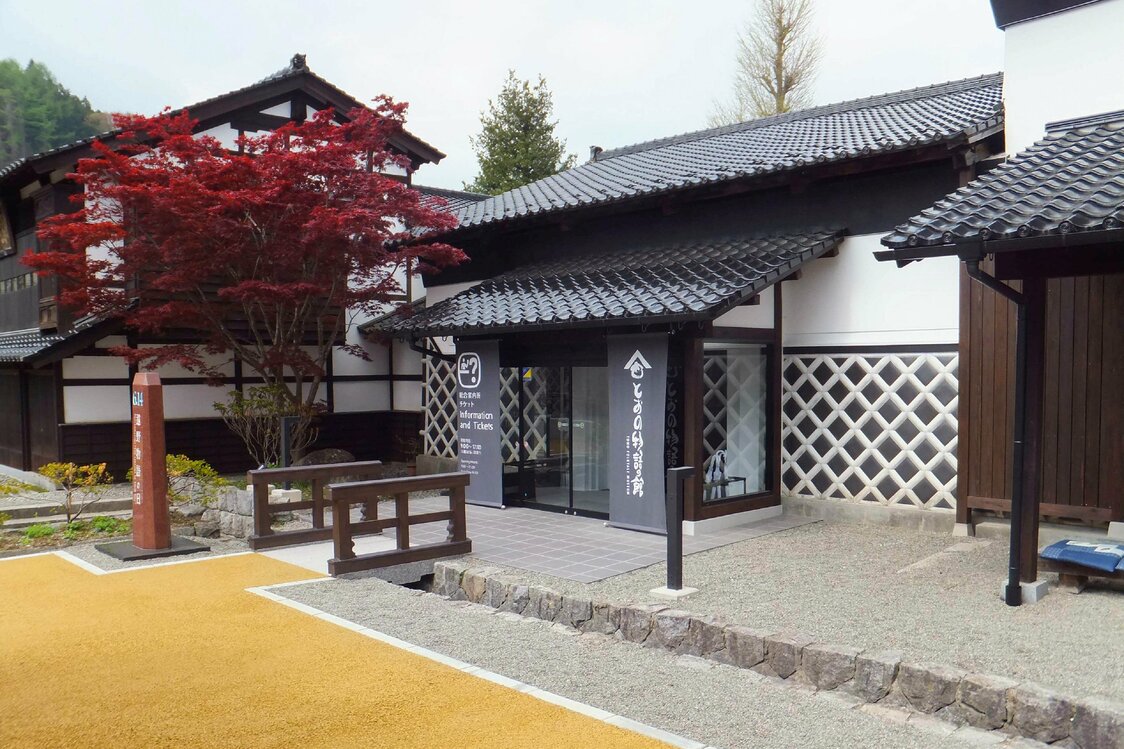
The Mukashi-banashi-gura is a repurposed sake storehouse. (Courtesy of the Tōno Folktale Museum)
-
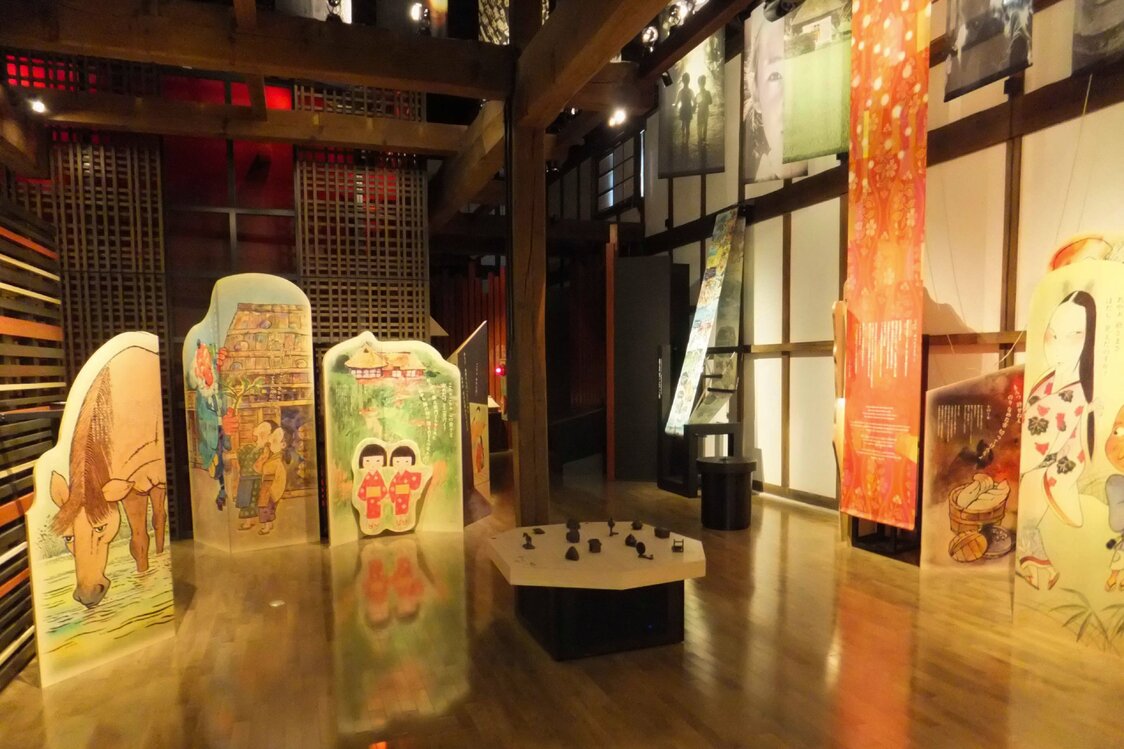
At the Mukashi-banashi-gura, visitors are treated to audio and video presentations of Japanese folktales. (Courtesy of the Tōno Folktale Museum)
-
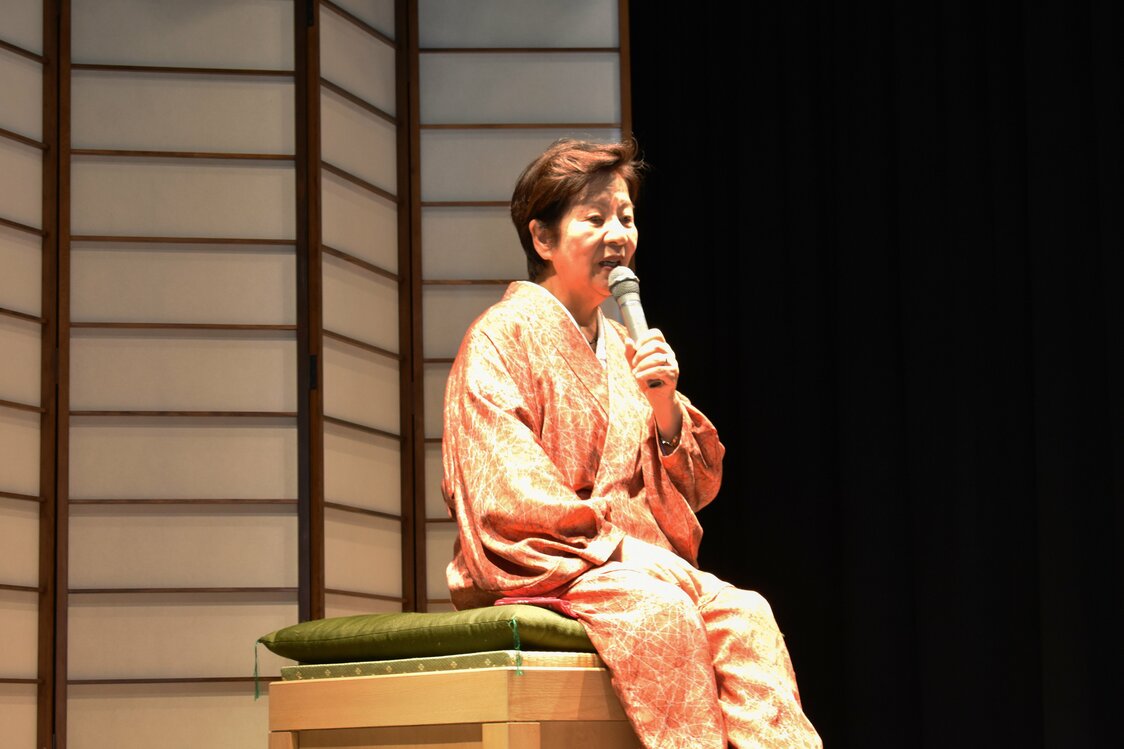
The Tōno-za features recitations of Japanese folktales in various dialects.
-

An exhibit at the Yanagita Kunio pavilion. (Courtesy of the Tōno Folktale Museum)
-
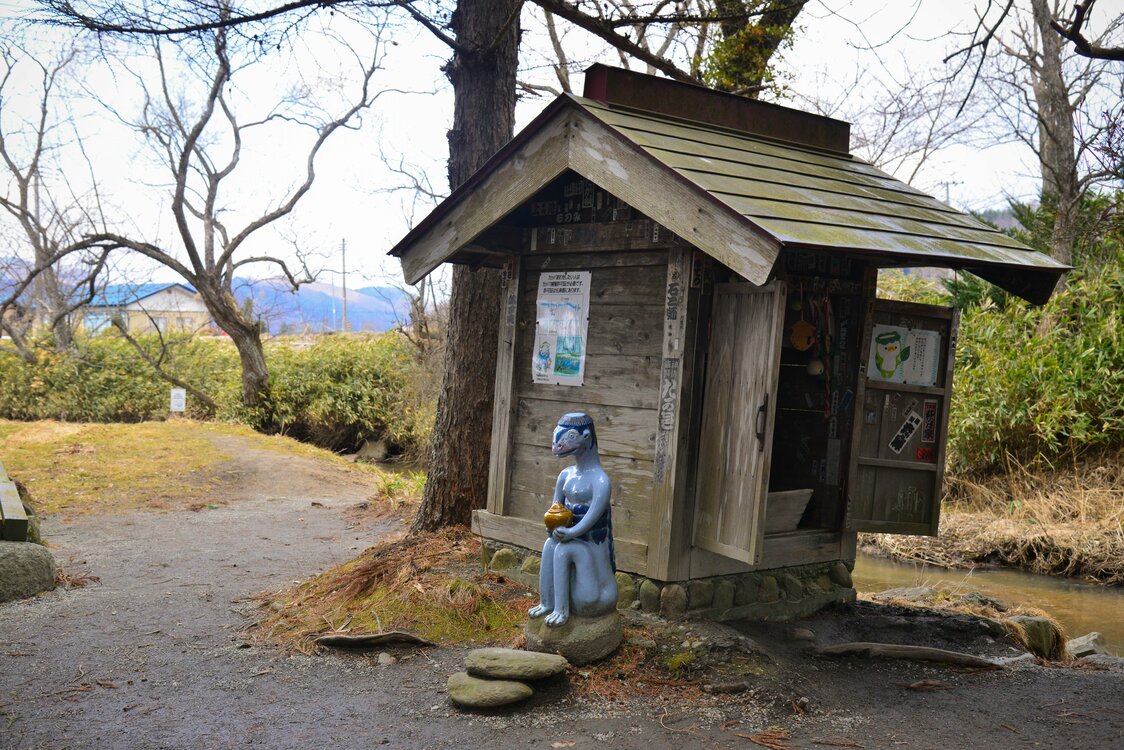
A small structure on the Jōken Temple grounds near Kappa-buchi Pool. Fishing for kappa is best done using cucumber as bait.
-
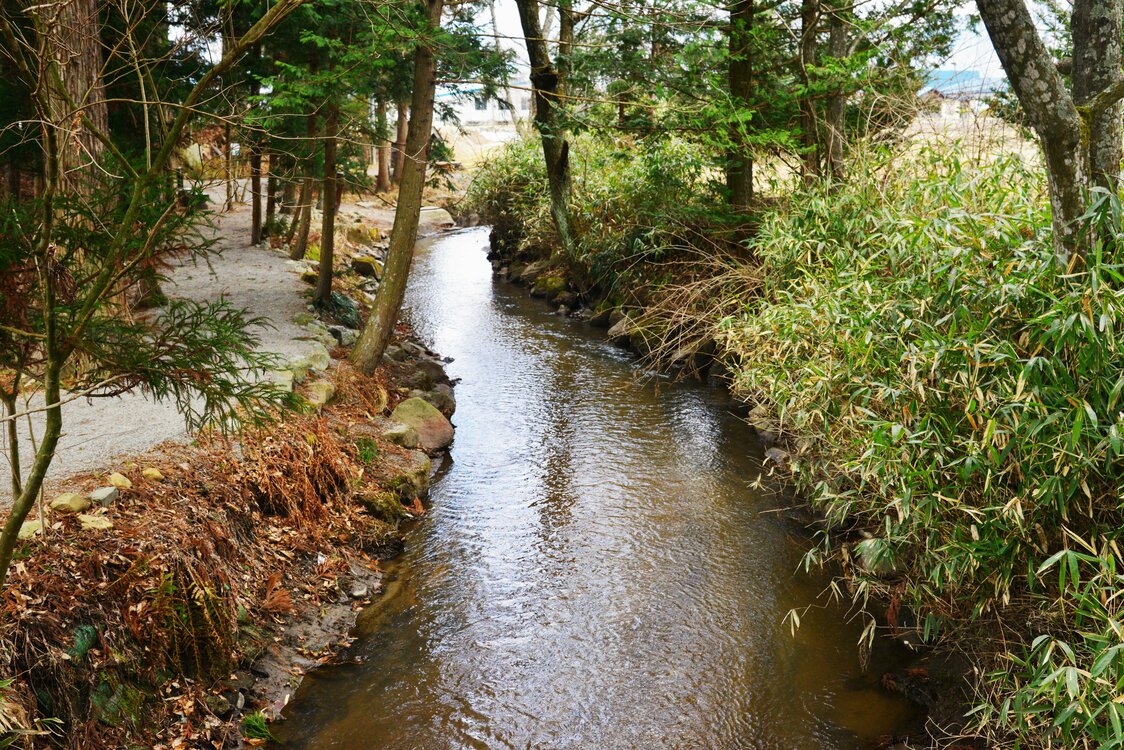
The clear waters of Kappa-buchi Pool flow through tranquil pastoral surroundings.
-
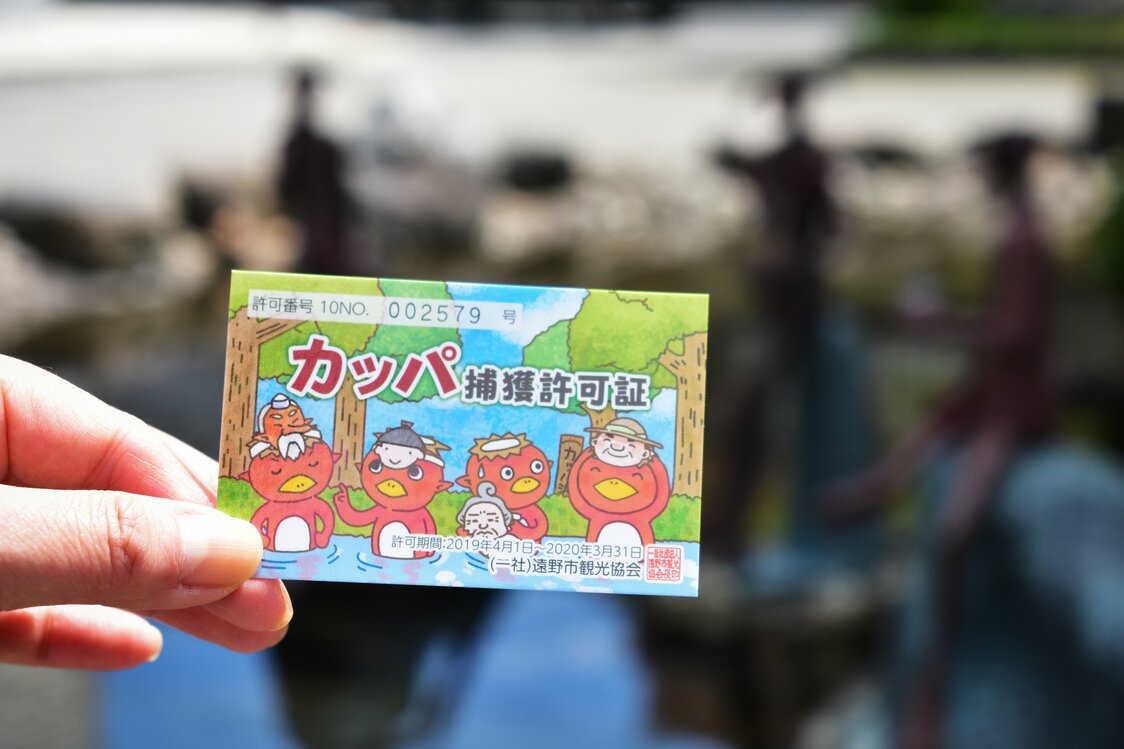
A kappa hunting license, with the seven rules for hunting written on the back, is required if one is going fishing for Kappa.
-
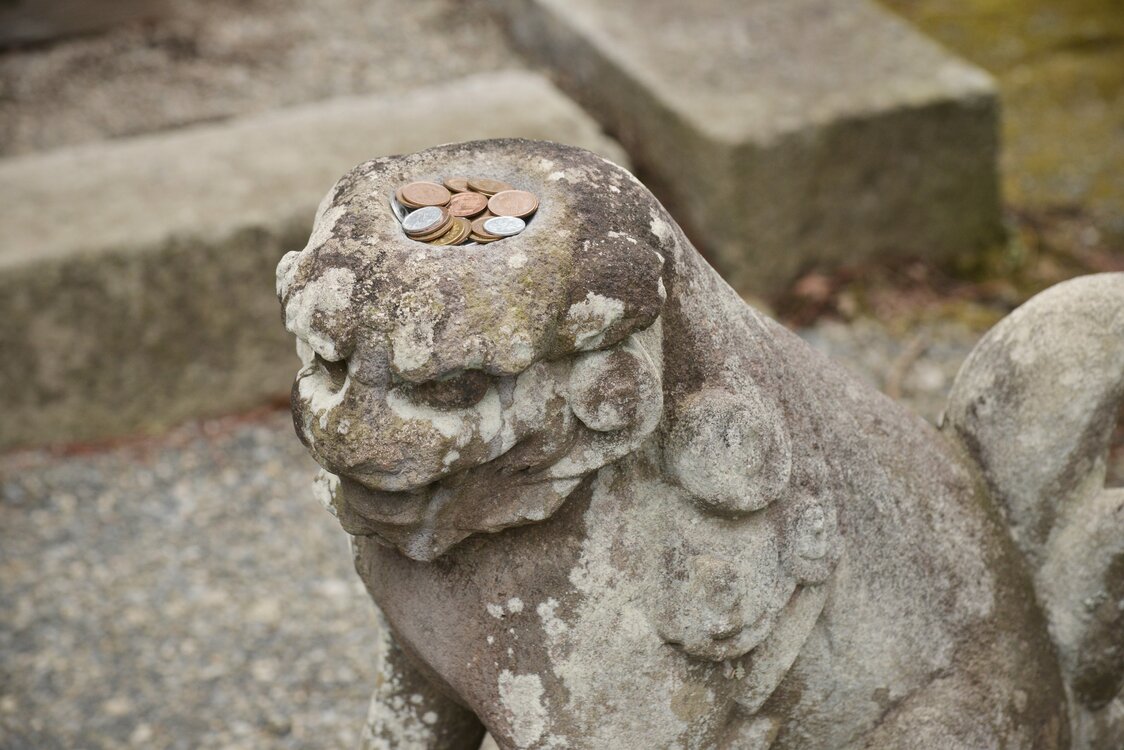
A kappa koma-inu stands to the side as you pass through the temple gate into the grounds.
-
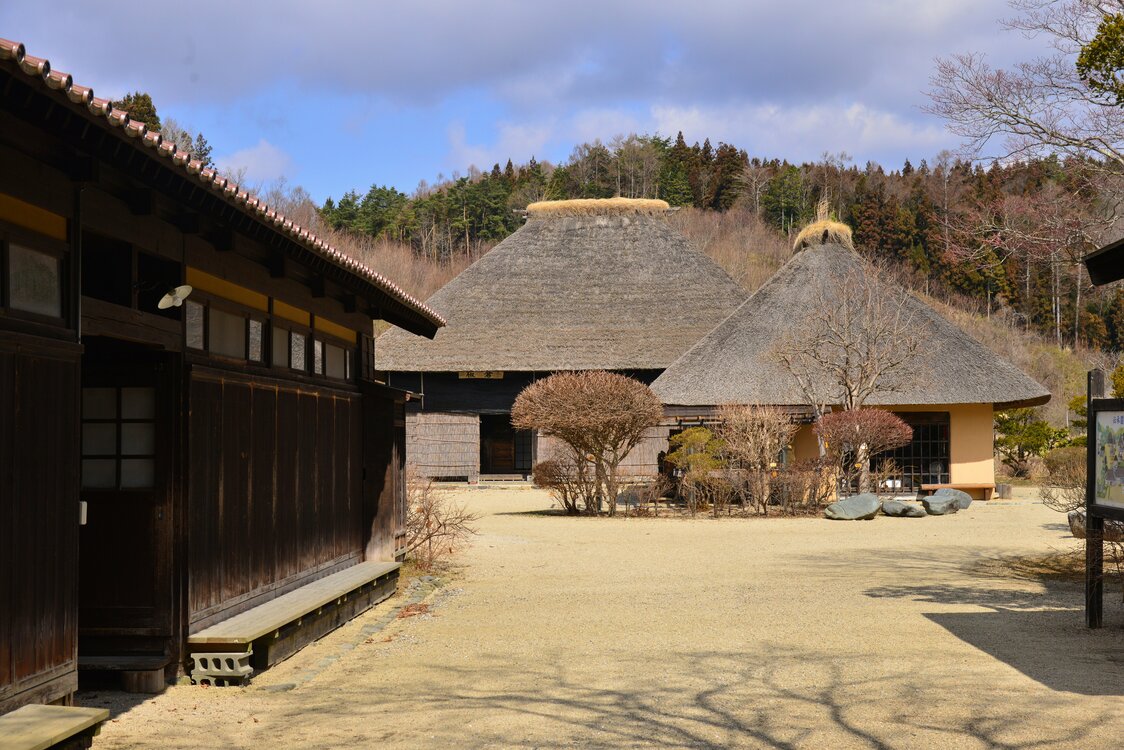
This bucolic atmosphere gives a sense of the way things used to be in Japan.
-
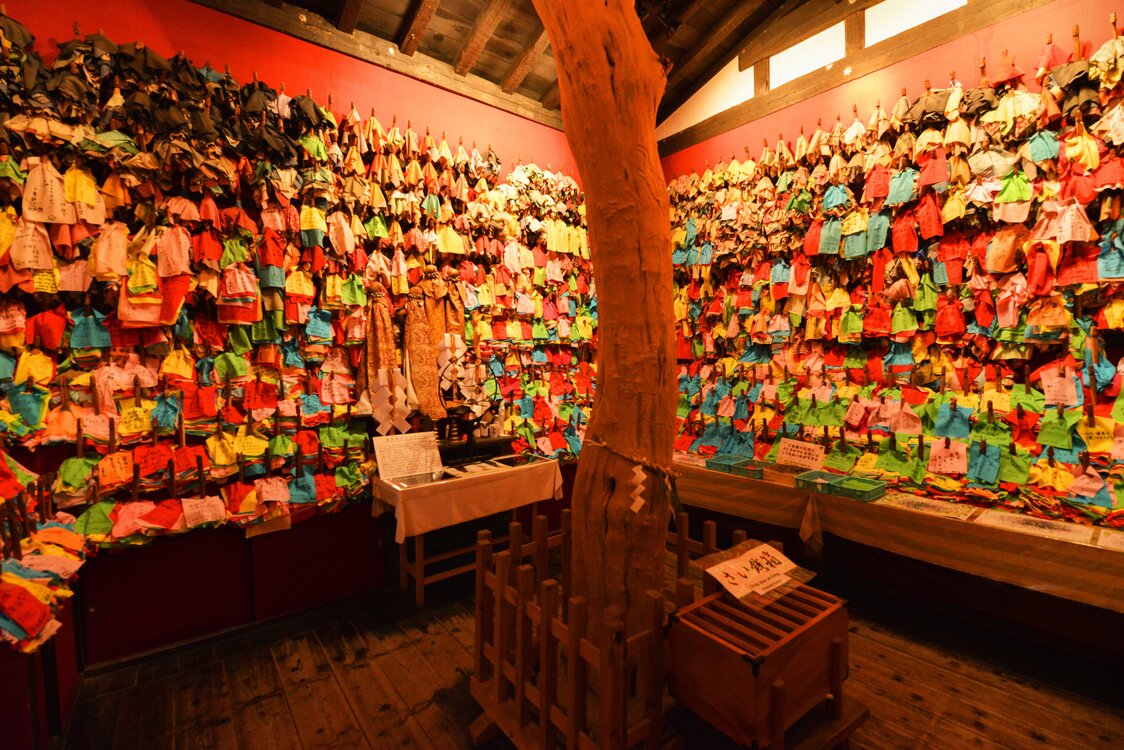
Red walls surrounding a goshinboku (sacred tree) are decorated entirely with images of household deities.
-
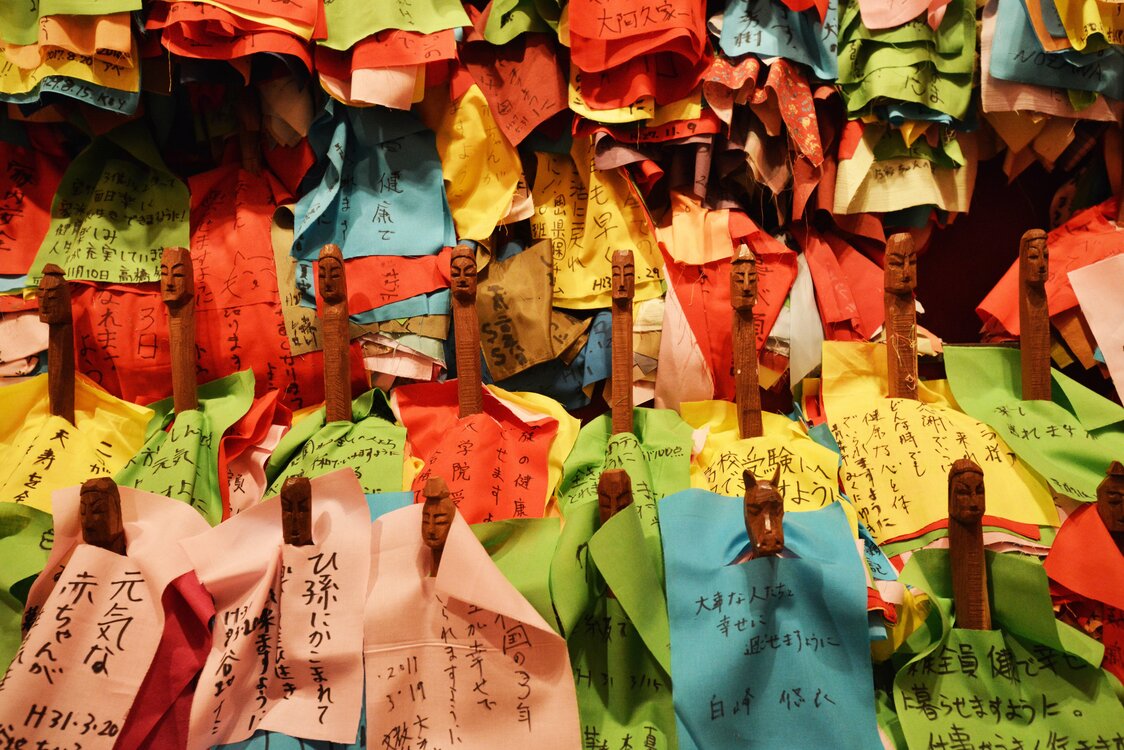
Wood-carved figurines are covered with prayers written on cloth.
-

Tōno Furusato Village reproduces the way Tōno looked in the Edo period (1603–1868). (Courtesy of the Tōno Furusato Village)


 Read in other languages