-
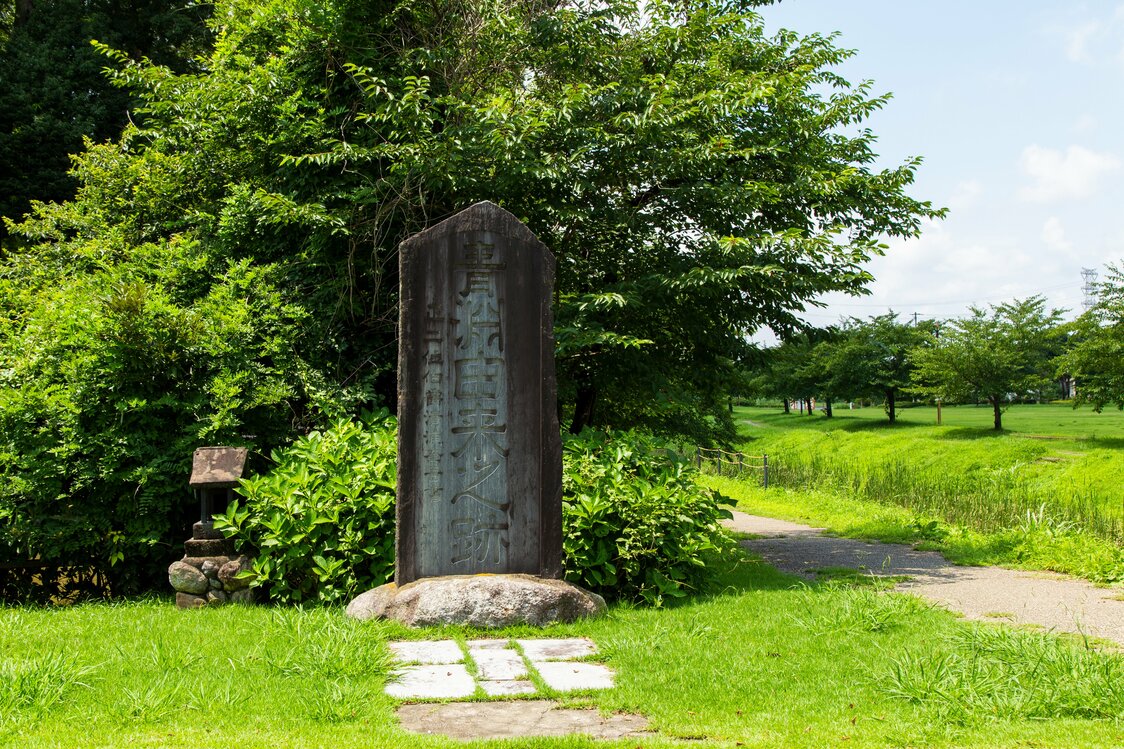
A stone monument in the southwest of the garden explains the origin of the name Seien. The inscription is calligraphy by the twenty-third prime minister of Japan, Kiyoura Keigo, with whom Shibusawa was on good terms.
-
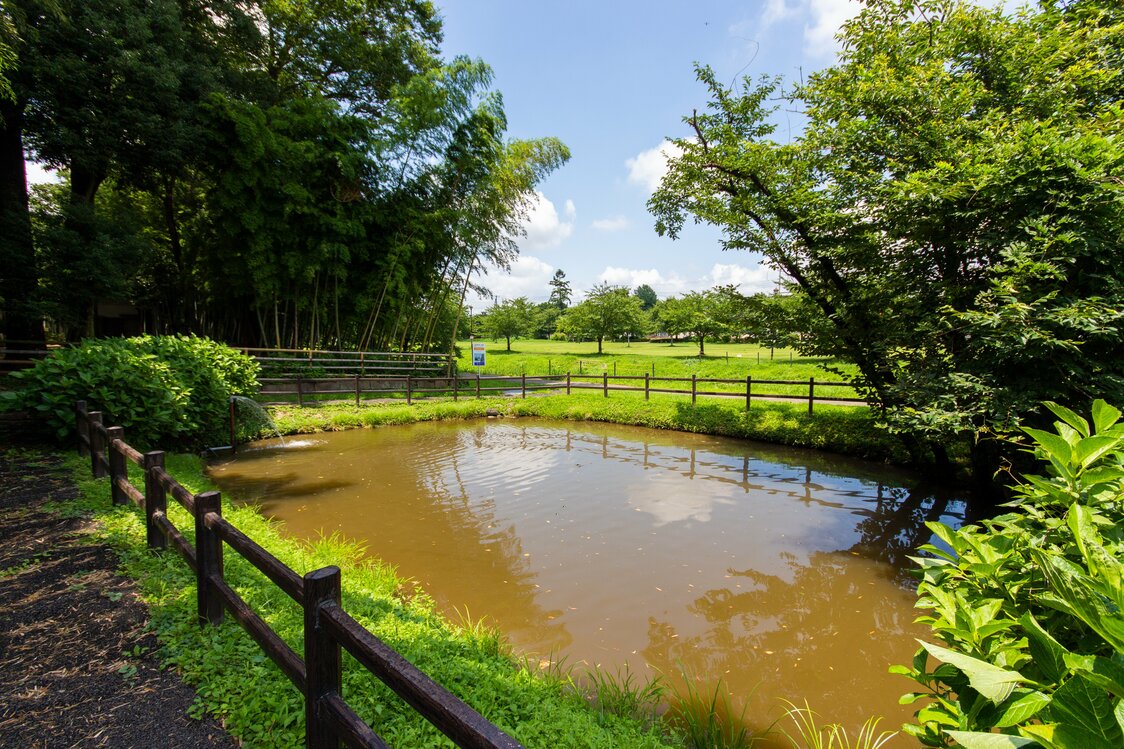
Seien Pond, which was constructed at the time the park was created. Once there was an attractive spring in the vicinity.
-
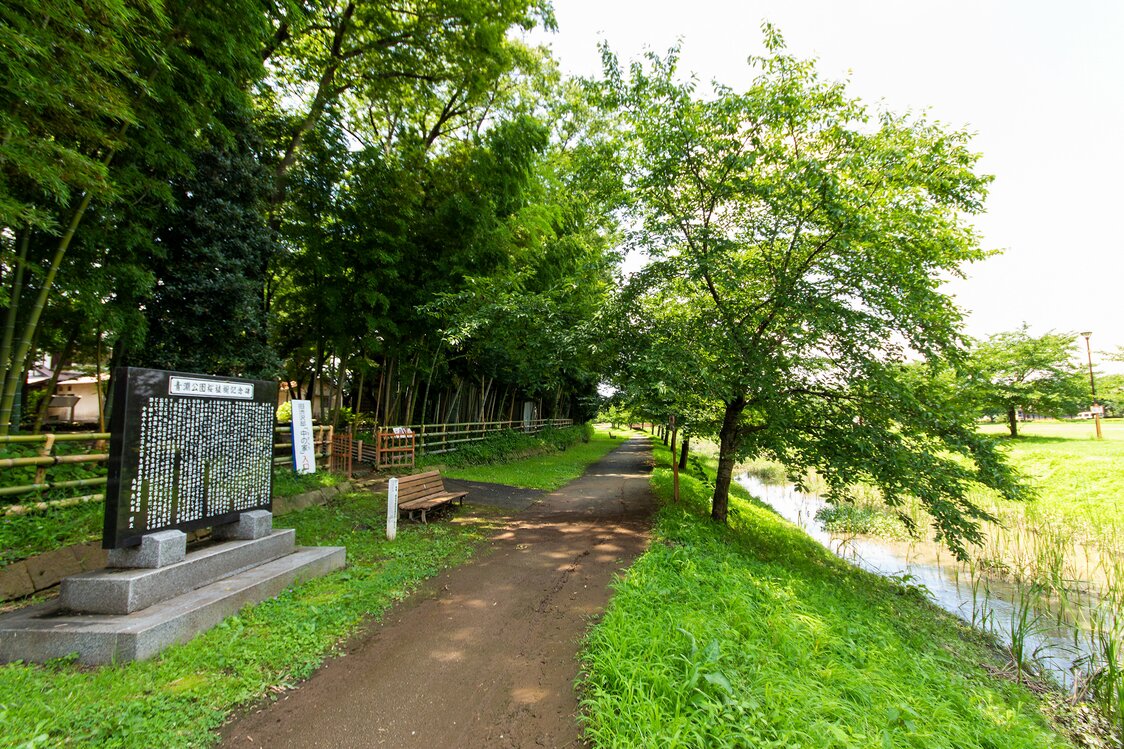
The rear garden of Nakanchi is directly accessible from the park. The entrance is near a stone monument describing the planting of cherry trees in Seien Park.
-
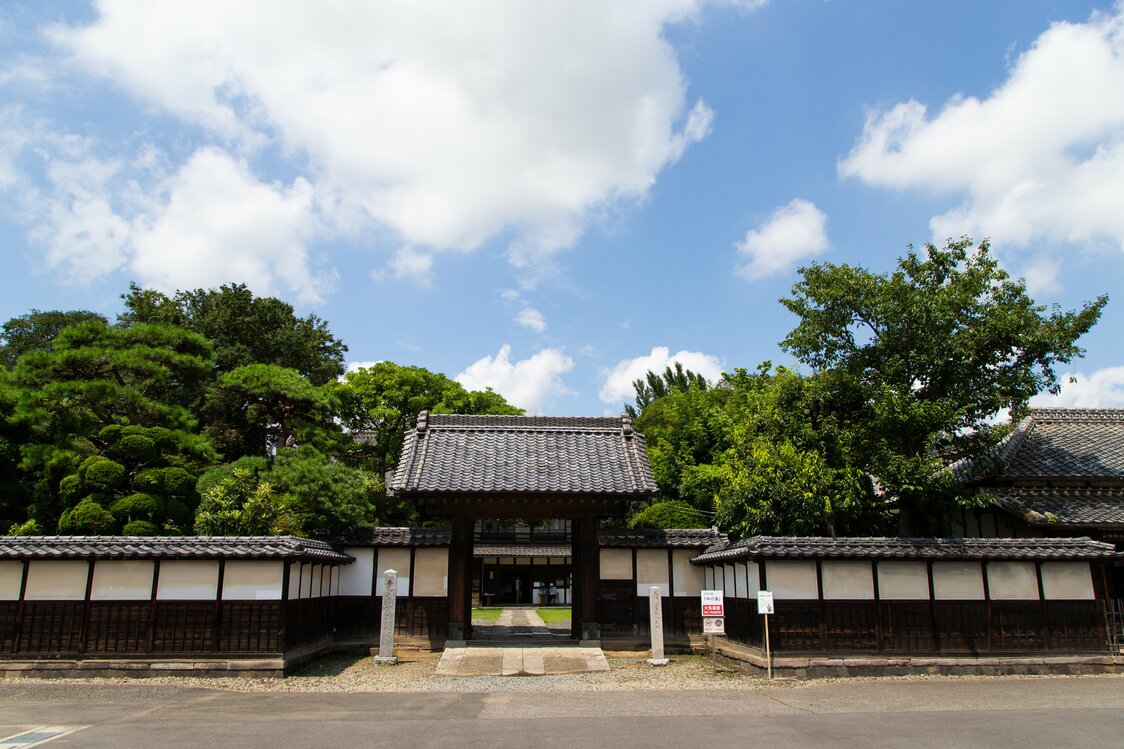
The main entrance features an auspicious yakuimon roofed-gate, a common feature for samurai residences. The gate door is made from a single plank of Japanese zelkova.
-
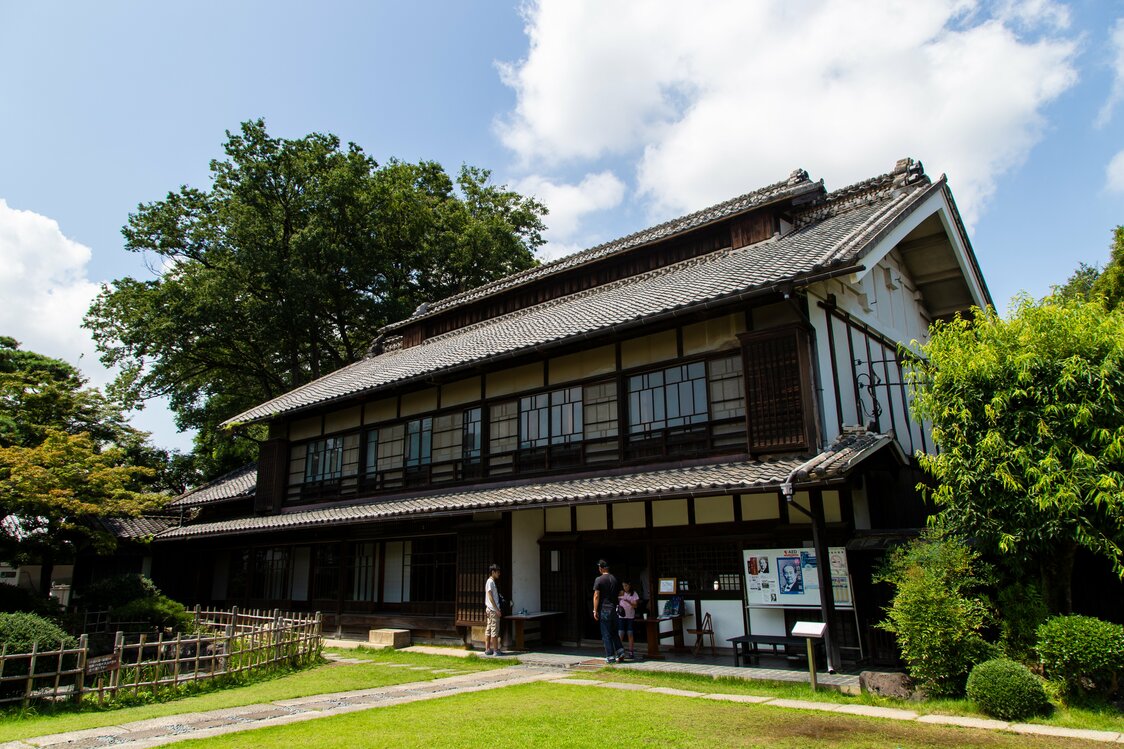
The large roof of the magnificent main house has a rooftop opening typical of silkworm farmers’ houses.
-
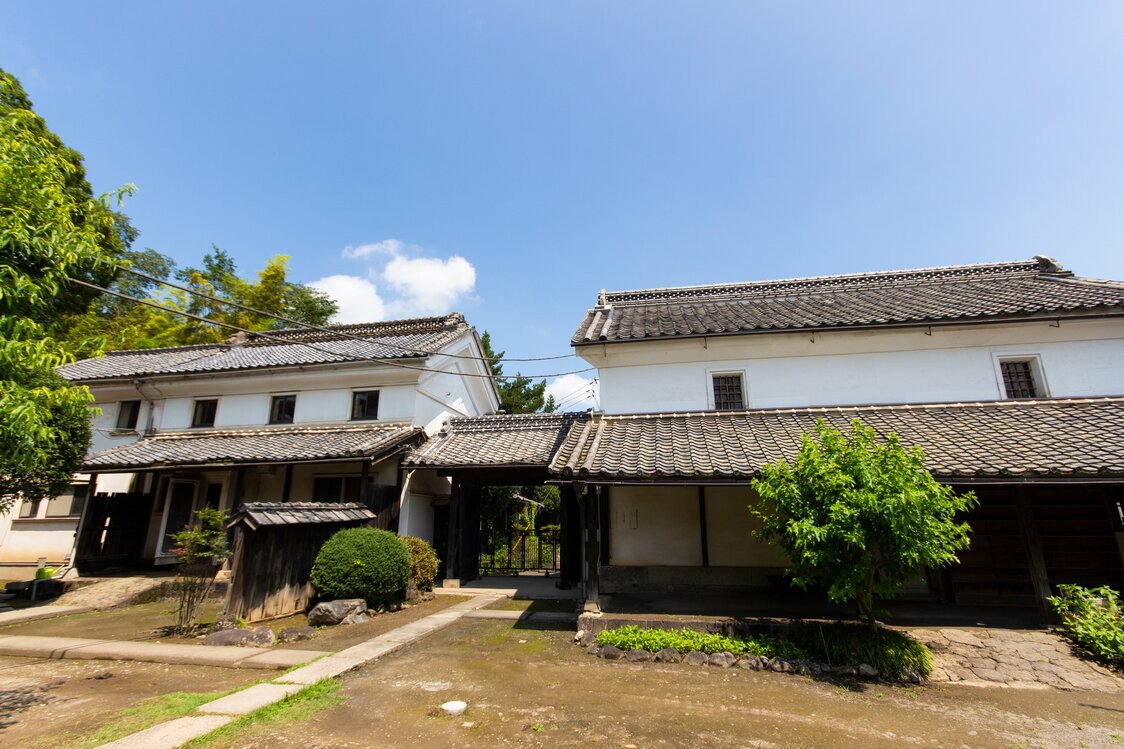
Earthen warehouses, each as large as a house. The right-hand warehouse stored rice and the one on the left was used for production and storage of indigo.
-
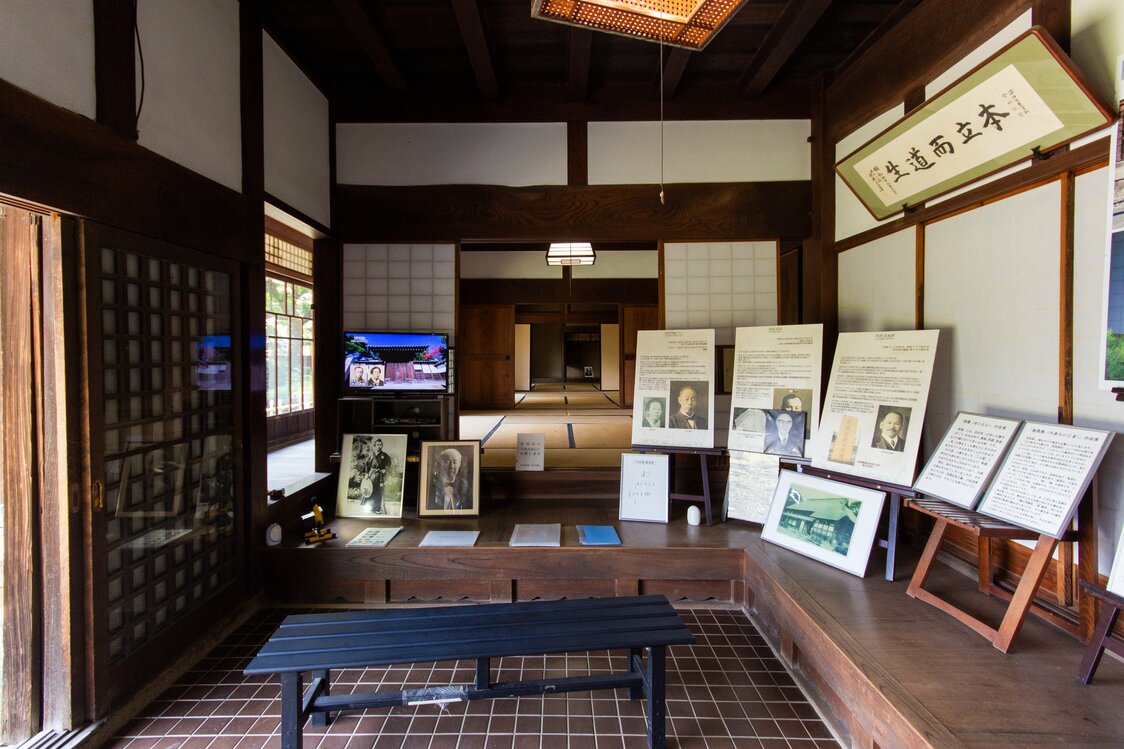
A display of historical materials in the entrance to the main house. A guide is available free of charge for group bookings of 10 persons or more.
-
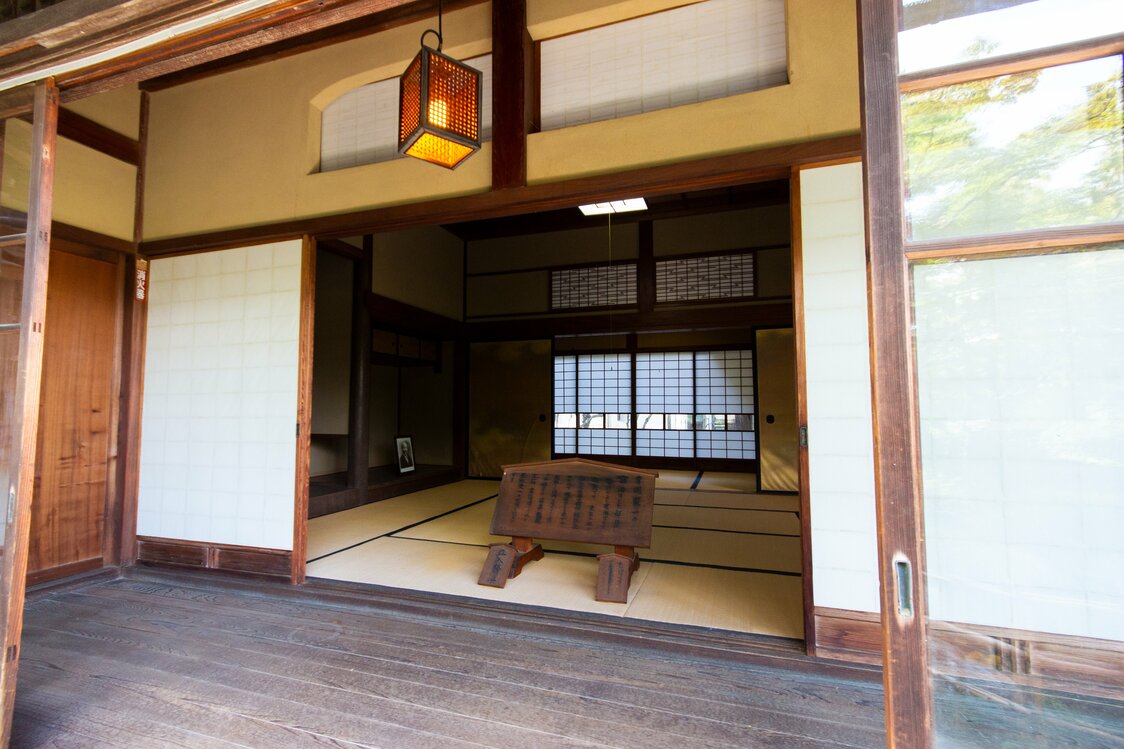
Beyond the veranda lies the formal Japanese kamizashiki room created for Shibusawa. To allow for peaceful relaxation, a second floor was not built above this room.
-

Shibusawa donated to the construction of the hall of worship at the Suwa Shrine located five minutes’ walk from Nakanchi. A stone monument in the shrine grounds commemorates Shibusawa’s seventy-seventh birthday.
-
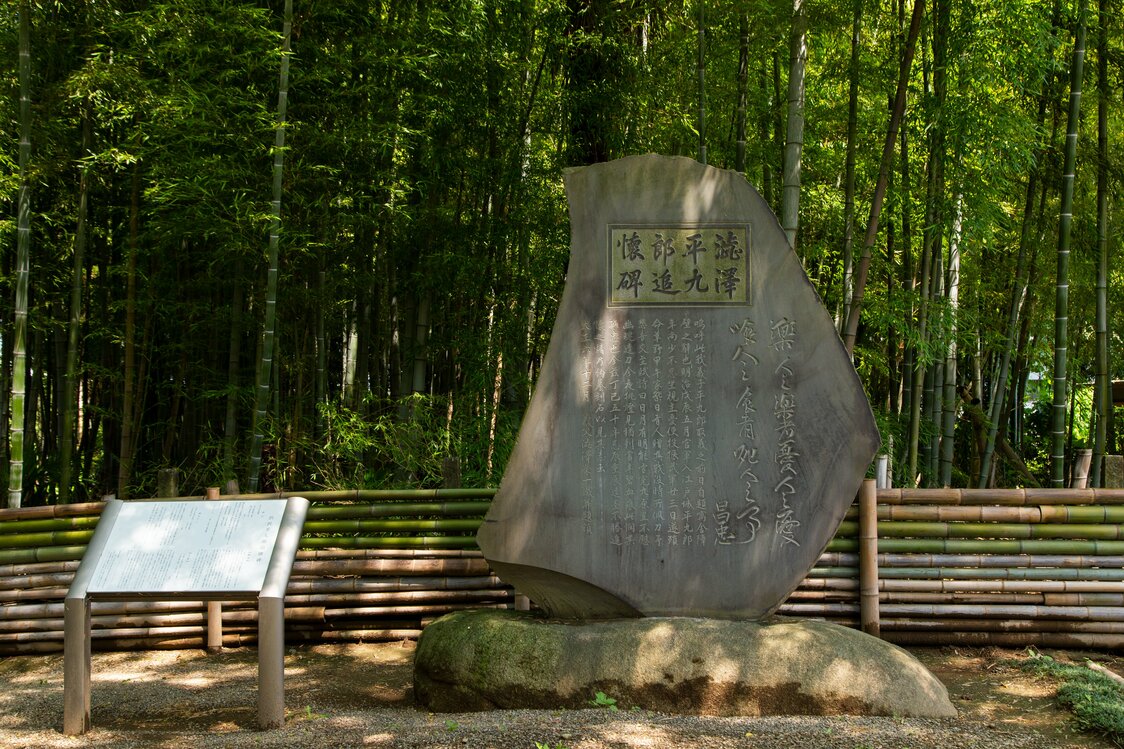
A monument for Heikurō was erected at the Shibusawa family grave in Yanaka, Tokyo, on the fiftieth anniversary of his death. It was relocated to Nakanchi in 2014. The memorial stone is inscribed with a poem composed by Heikurō and a eulogy from Shibusawa Eiichi.
-
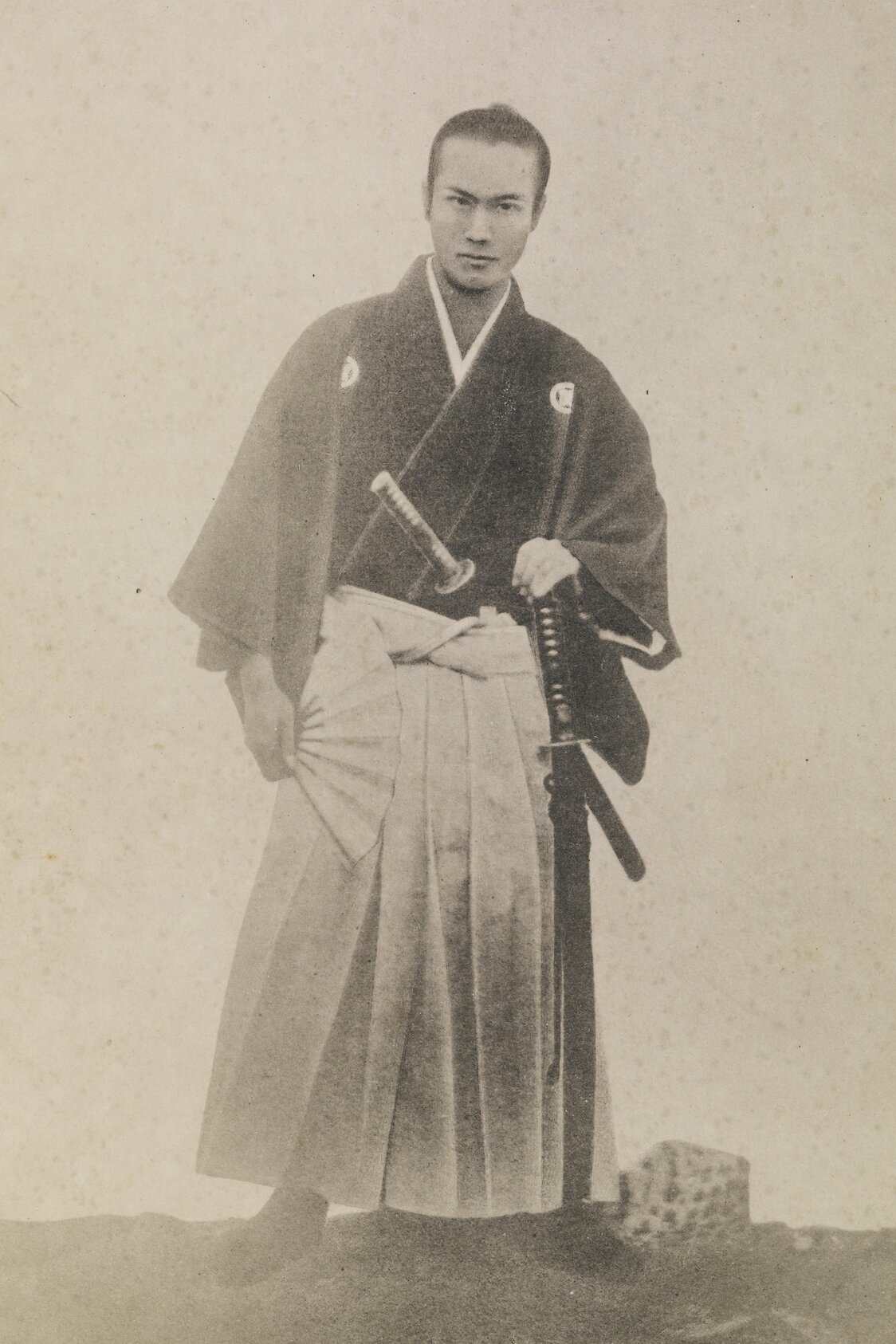
Heikurō was reputedly tall and handsome. (© Shibusawa Memorial Museum)
-
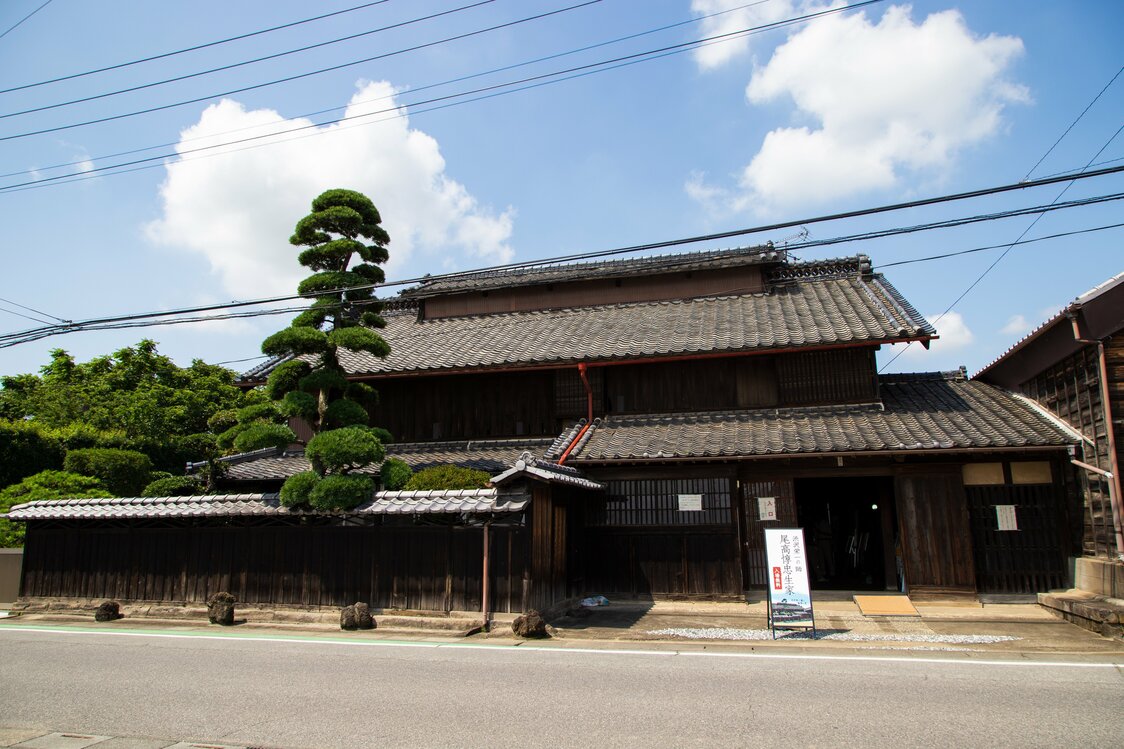
The home where Odaka Junchū was born, probably built by his great-grandfather in the late Edo period.
-
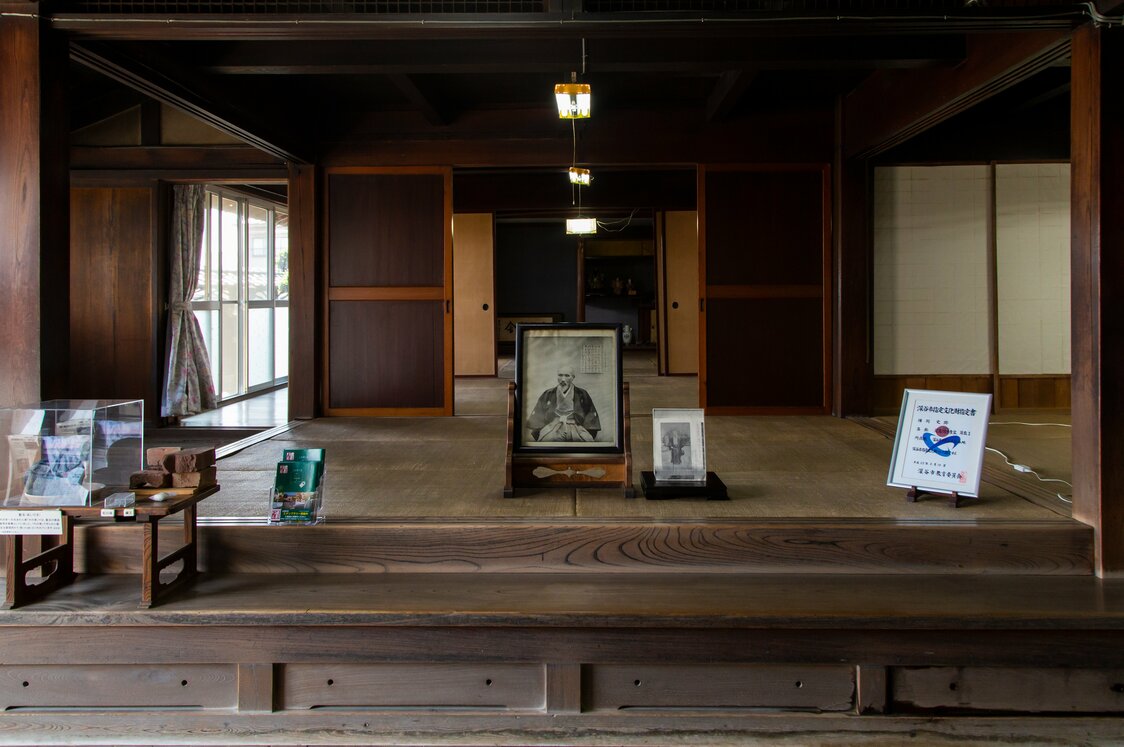
A film is shown that portrays the relationship between Shibusawa and Odaka, in addition to other materials on display.


 Read in other languages