-
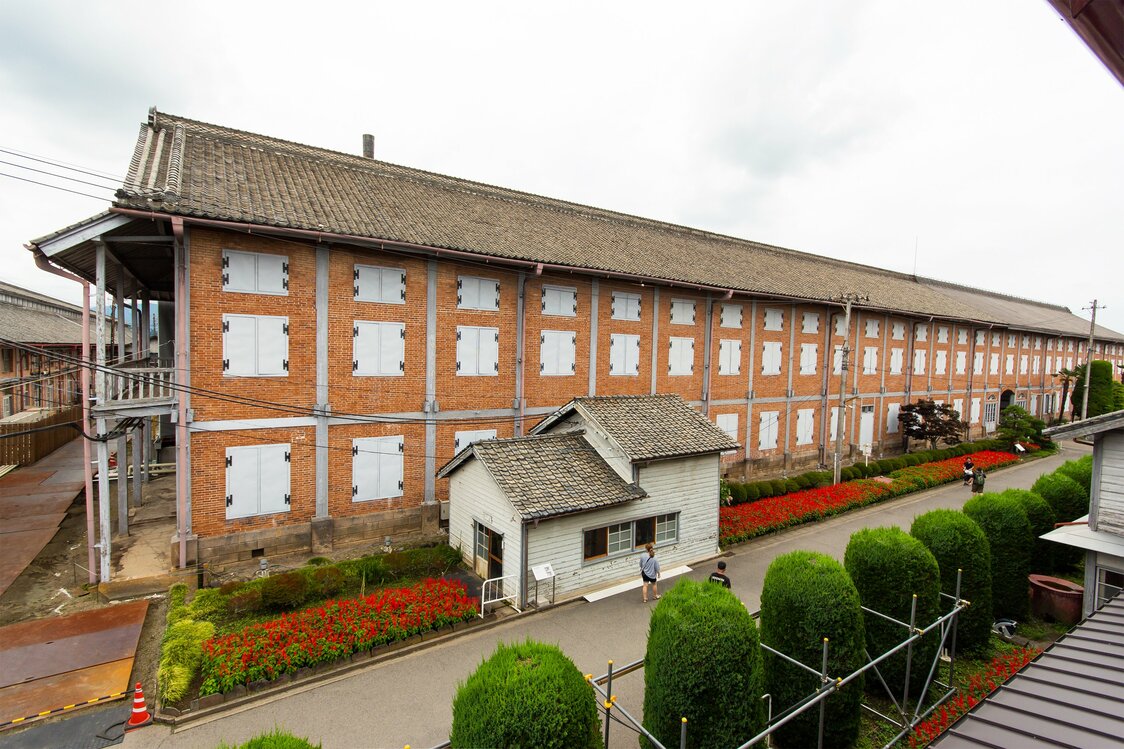
The tiled roof of the East Cocoon Warehouse viewed from the second floor of the dormitory for French silk-reeling instructors.
-
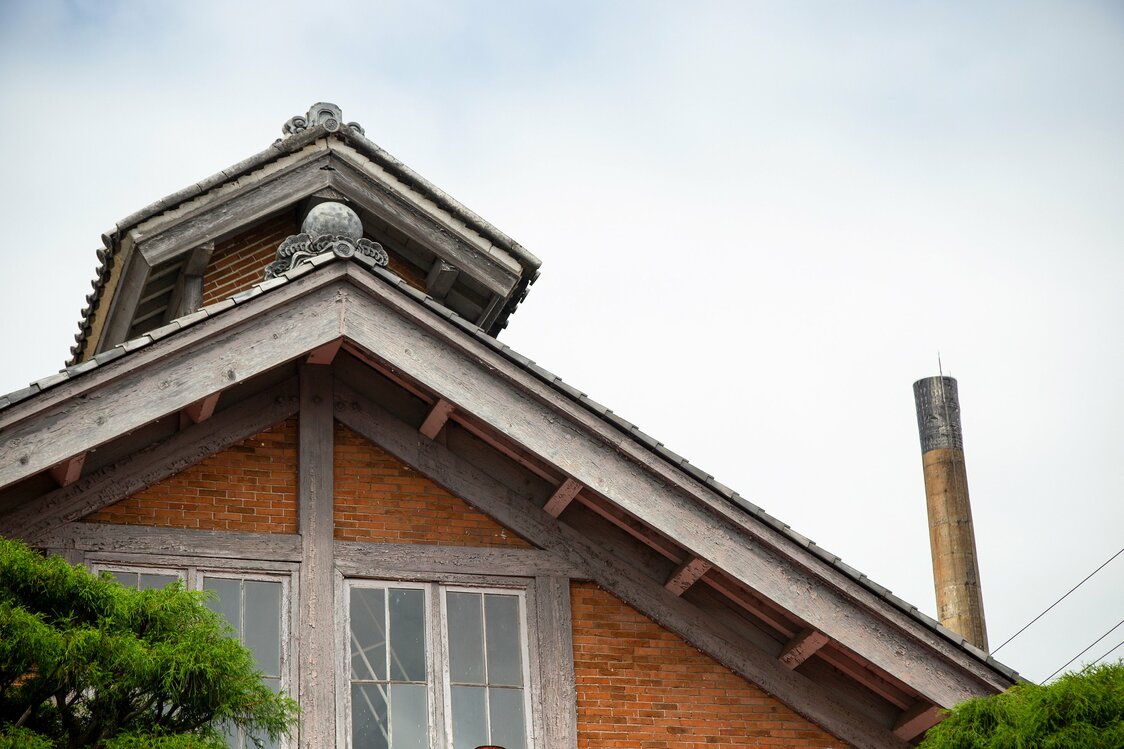
The roof peak on the silk-reeling plant is embellished with a decorative tile endpiece depicting the sun rising above waves.
-
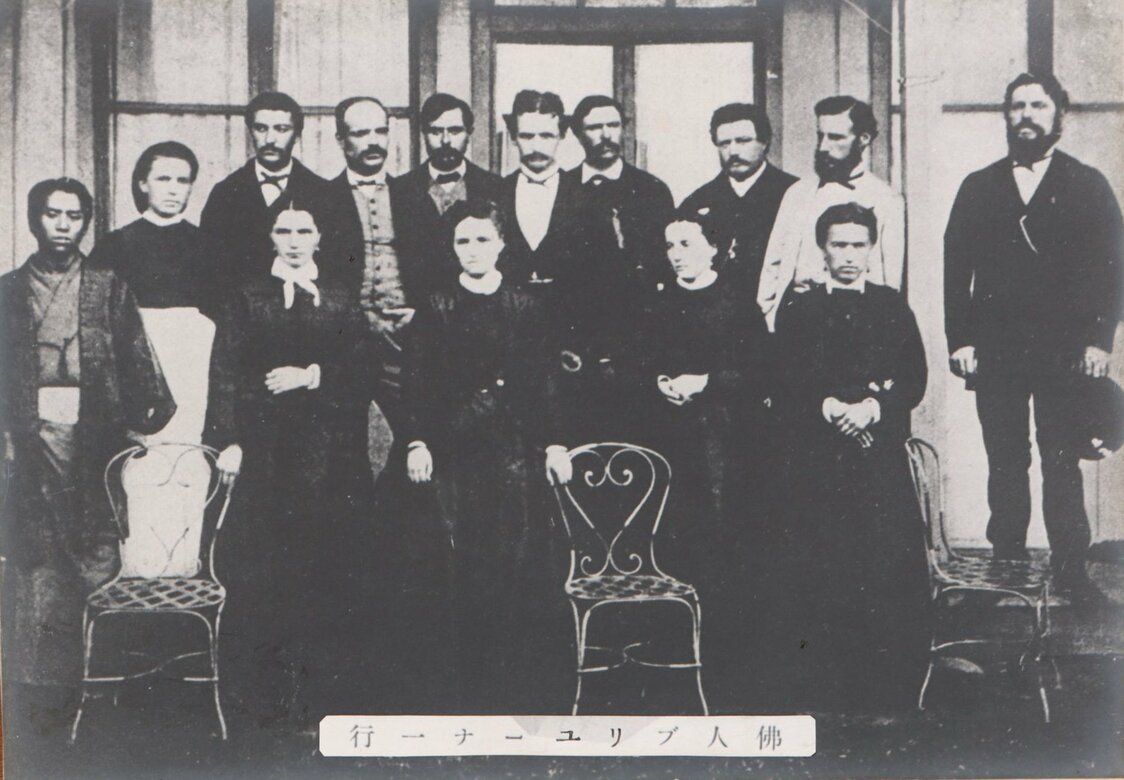
Paul Brunat wearing a white jacket, back row, second from right. (Courtesy Tomioka Silk Mill)
-
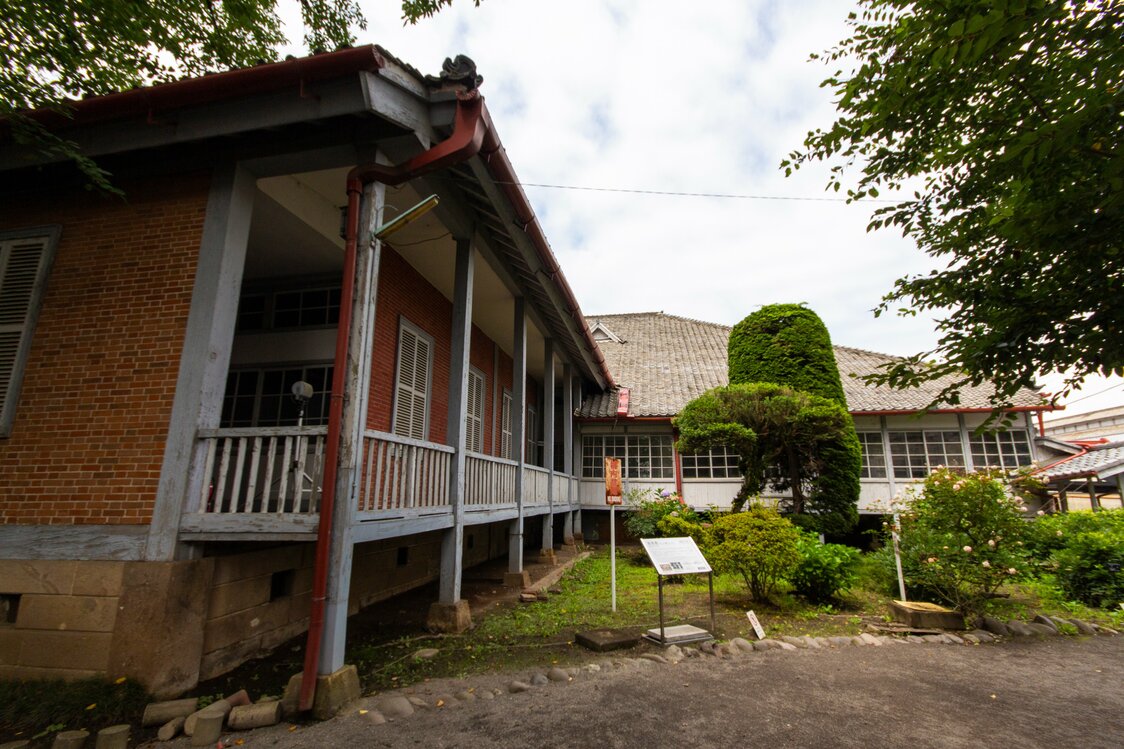
The director’s residence built for Brunat. Also known as the Brunat House.
-
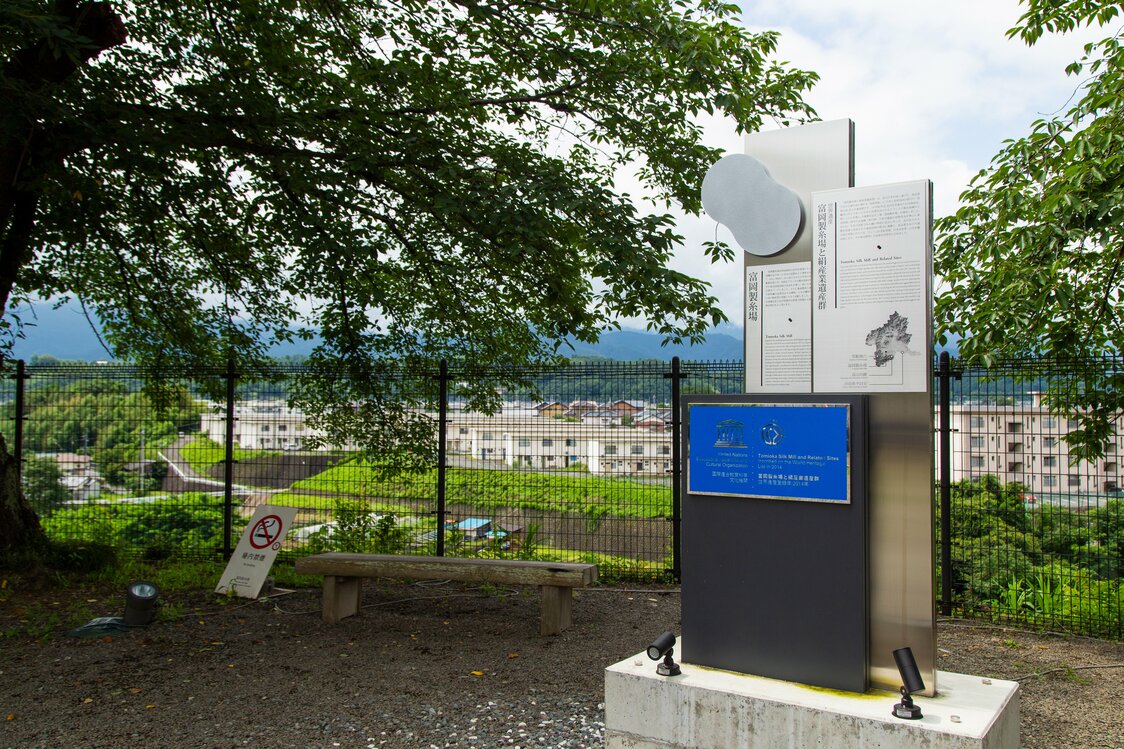
World Heritage monument in the back yard of the Brunat House. Beyond the fence is the Kabura River, the source of water needed to operate the mill.
-
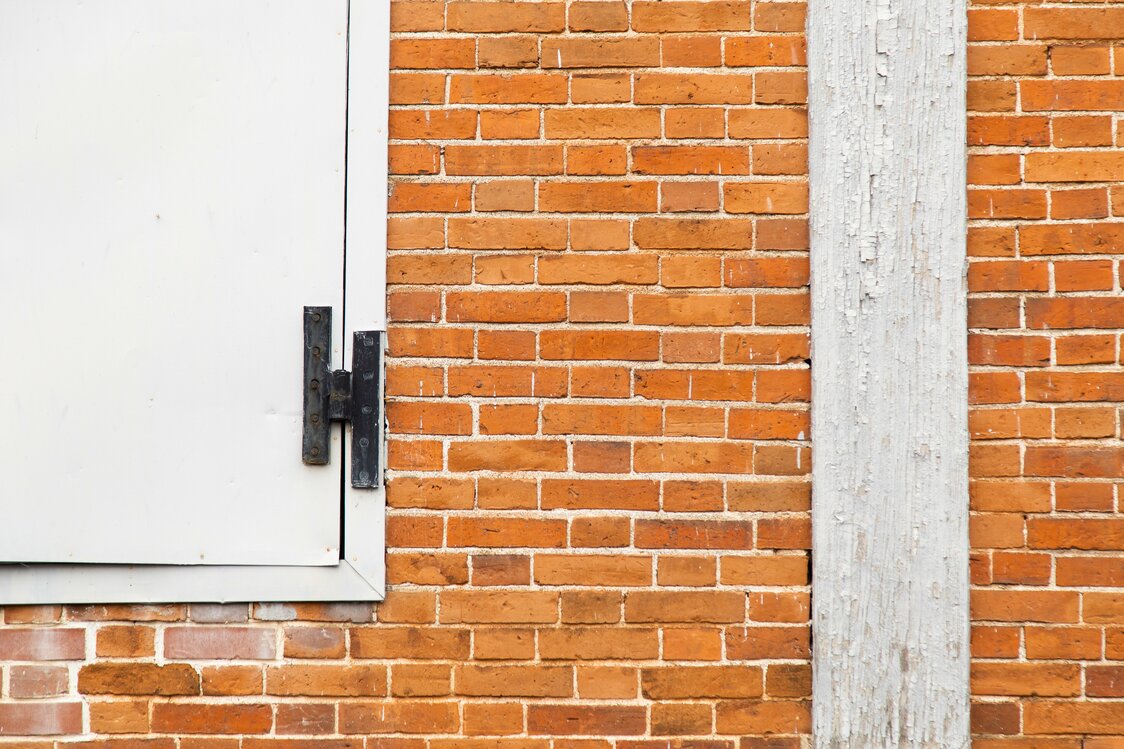
Bricks are laid between wooden posts and beams in a style known as timber framing.
-
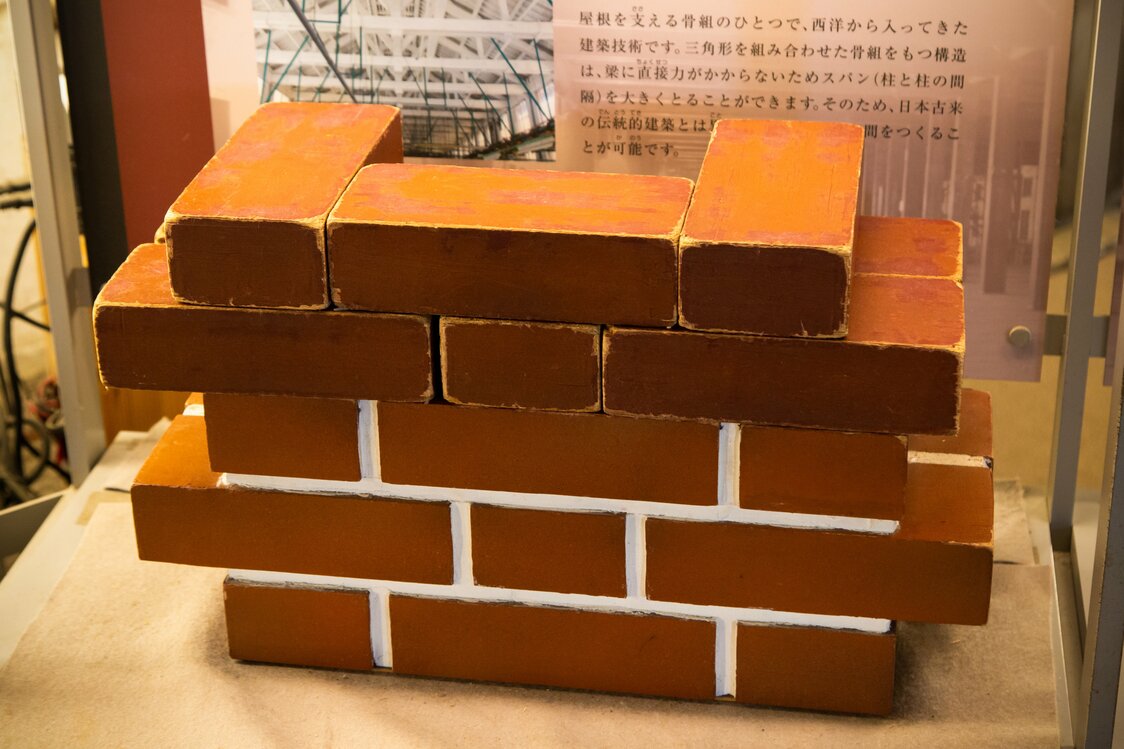
The bricks were staggered in a bricklaying style known as French bond, or Flemish bond.
-
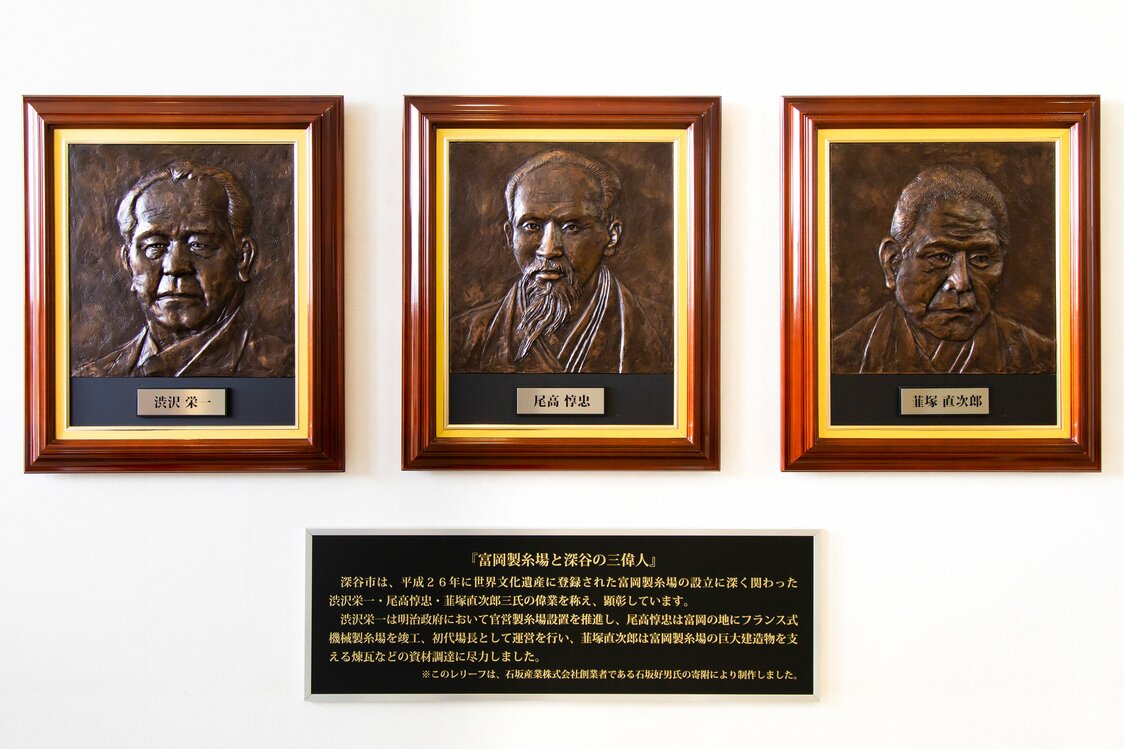
At the entrance to the Shibusawa Eiichi Memorial Museum in Fukaya are relief portraits of the three “native sons” who played major roles in establishing the Tomioka Silk Mill and promoting the prosperity of the town. Left to right: Shibusawa, Odaka, and Nirazuka. (Courtesy Shibusawa Eiichi Memorial Museum)
-

A postcard of the Tomioka Silk Mill around 1908, when it was owned by the Hara Company. (Courtesy Tomioka Silk Mill)
-
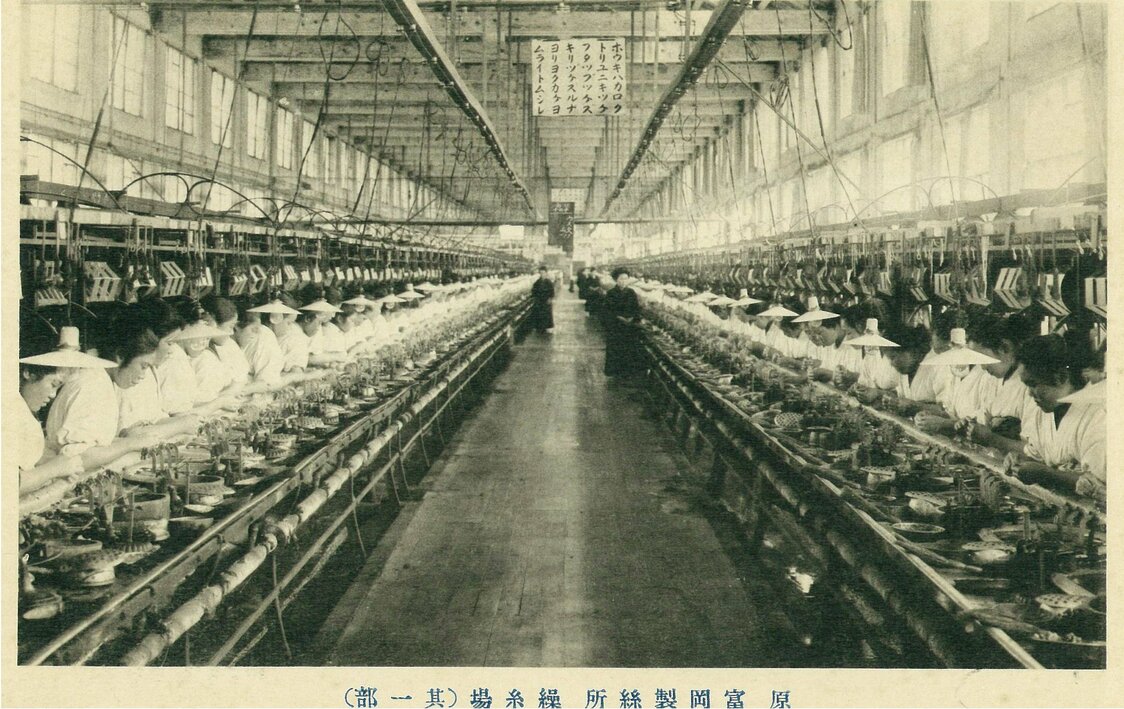
A postcard showing women workers at the Tomioka Silk Mill during the time it was owned and managed by the Hara Company. (Courtesy Tomioka Silk Mill)
-
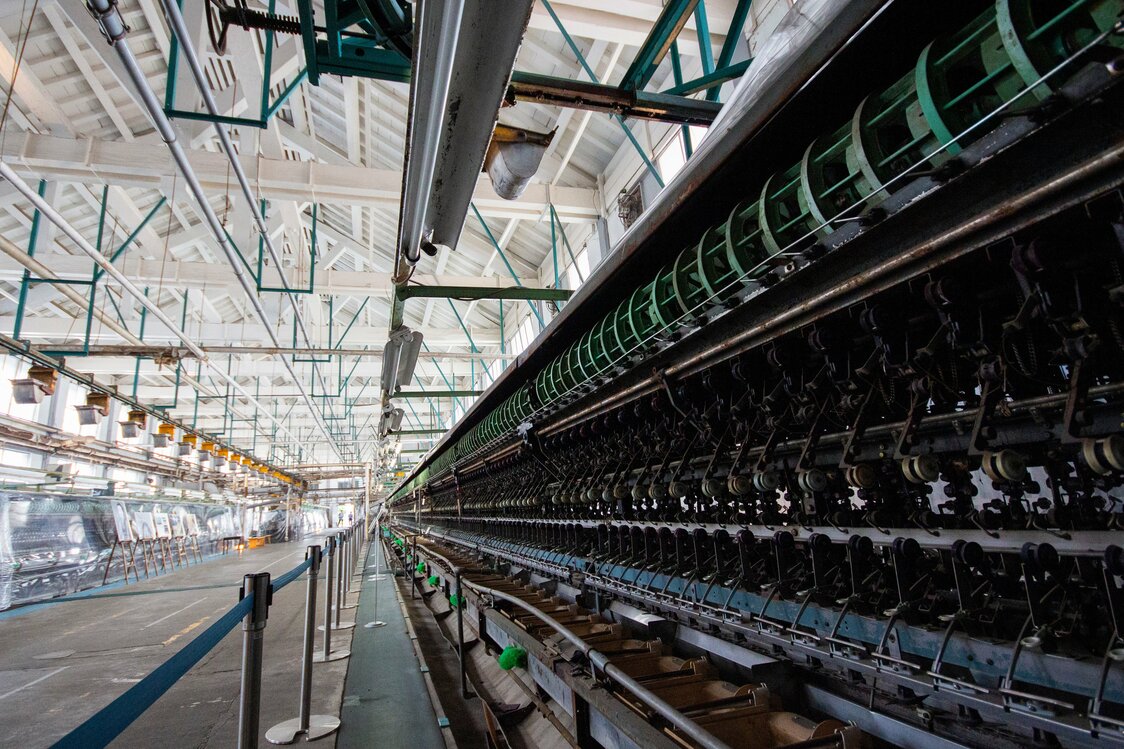
The automatic silk-reeling machines that can be seen in the silk reeling plant were made by Nissan Motor and installed around 1966, when the mill was operated by Katakura Industries.
-
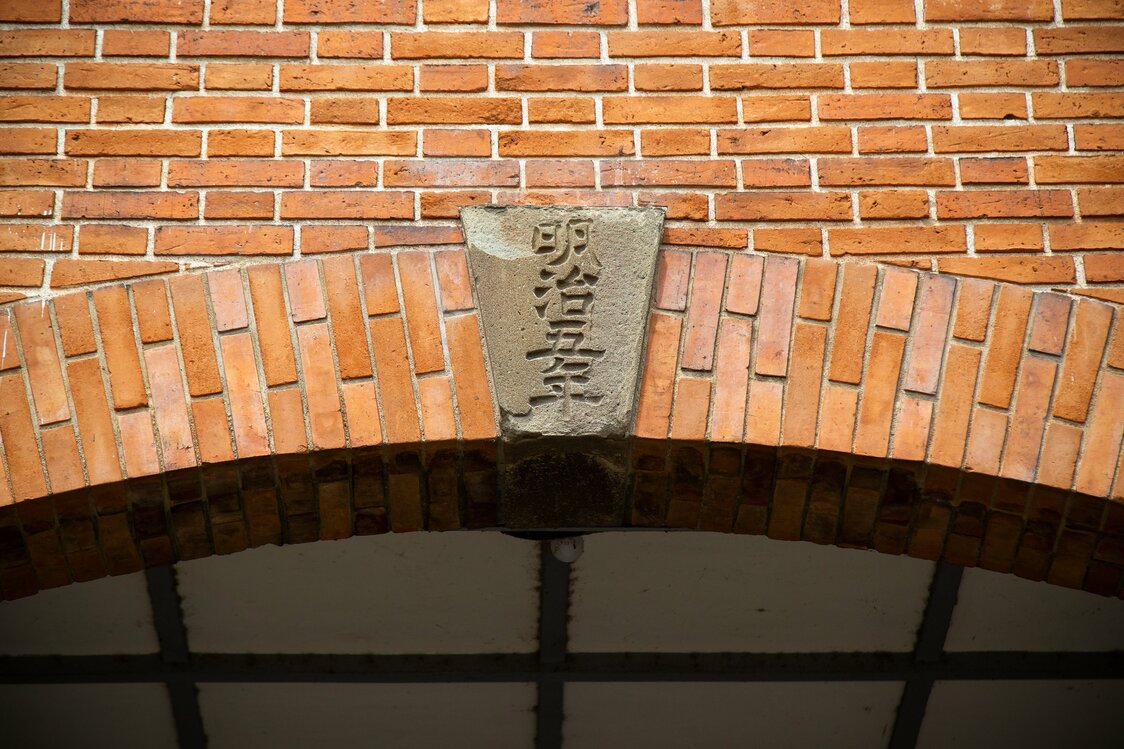
The keystone on the East Cocoon Warehouse is engraved with the characters for “Meiji 5” (1872), the year the building was completed.


 Read in other languages