-
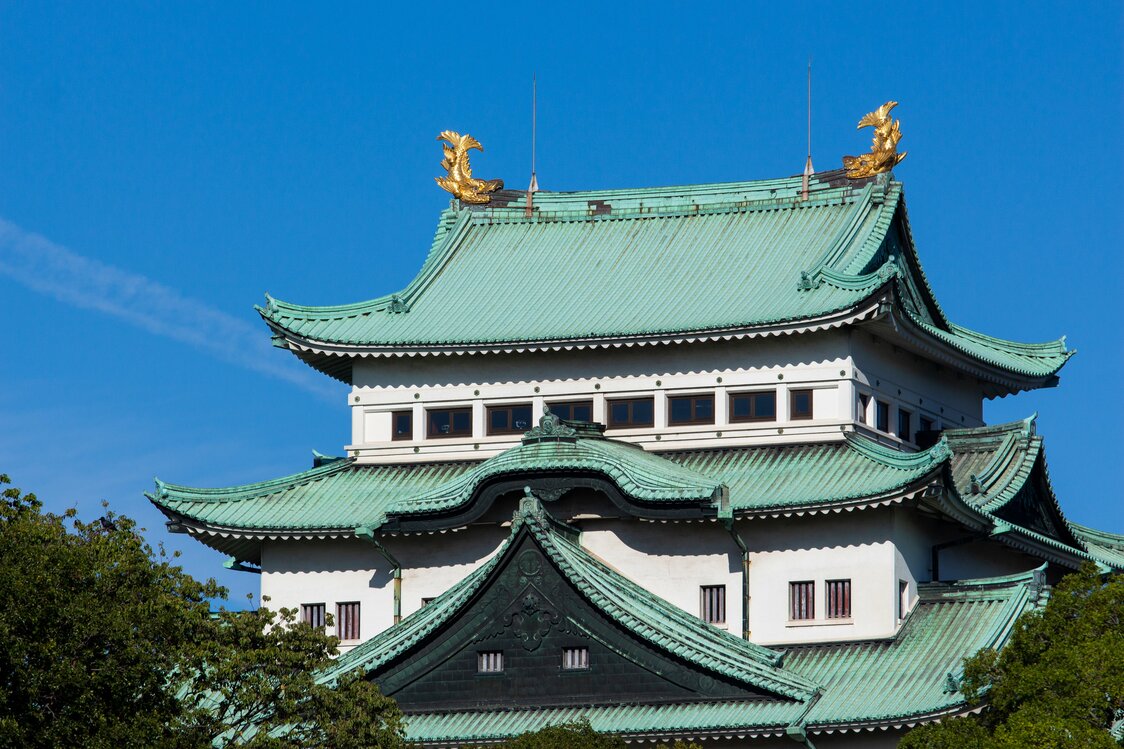
Golden shachihoko (tiger-fish), the symbol of Nagoya Castle, soar majestically above its main tower. The male shachihoko is to the north (left) and the female is on the south.
-
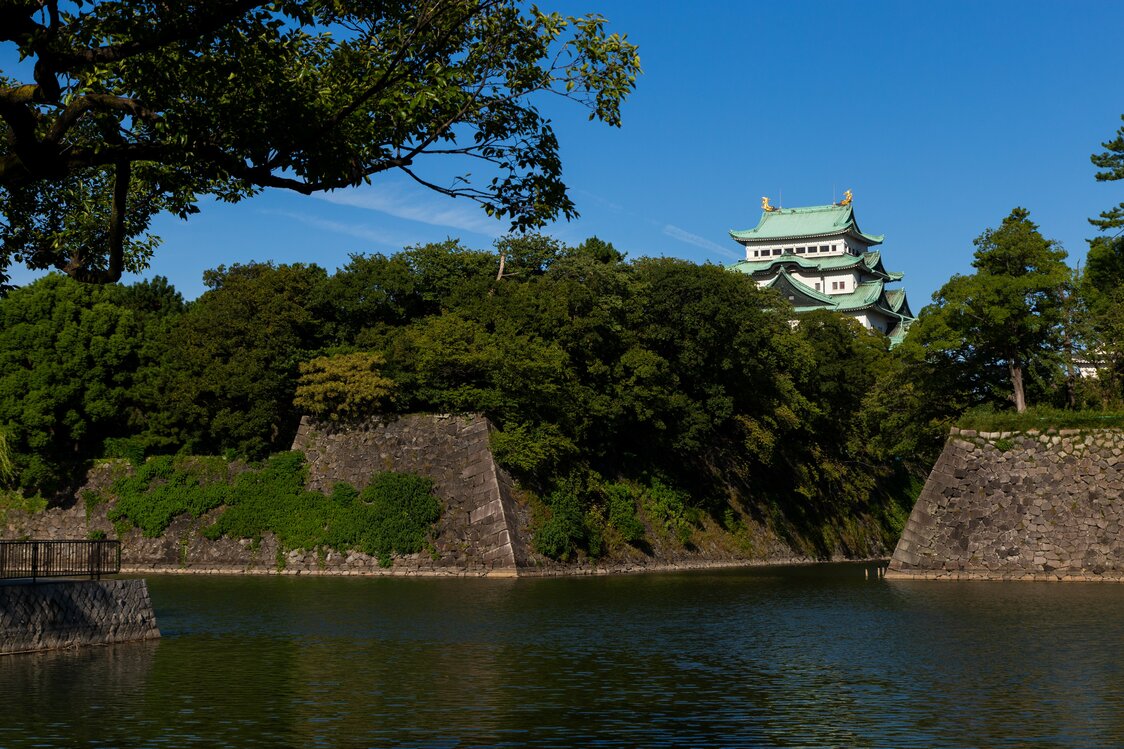
The view of Nagoya Castle’s tower from the moat on the western side.
-
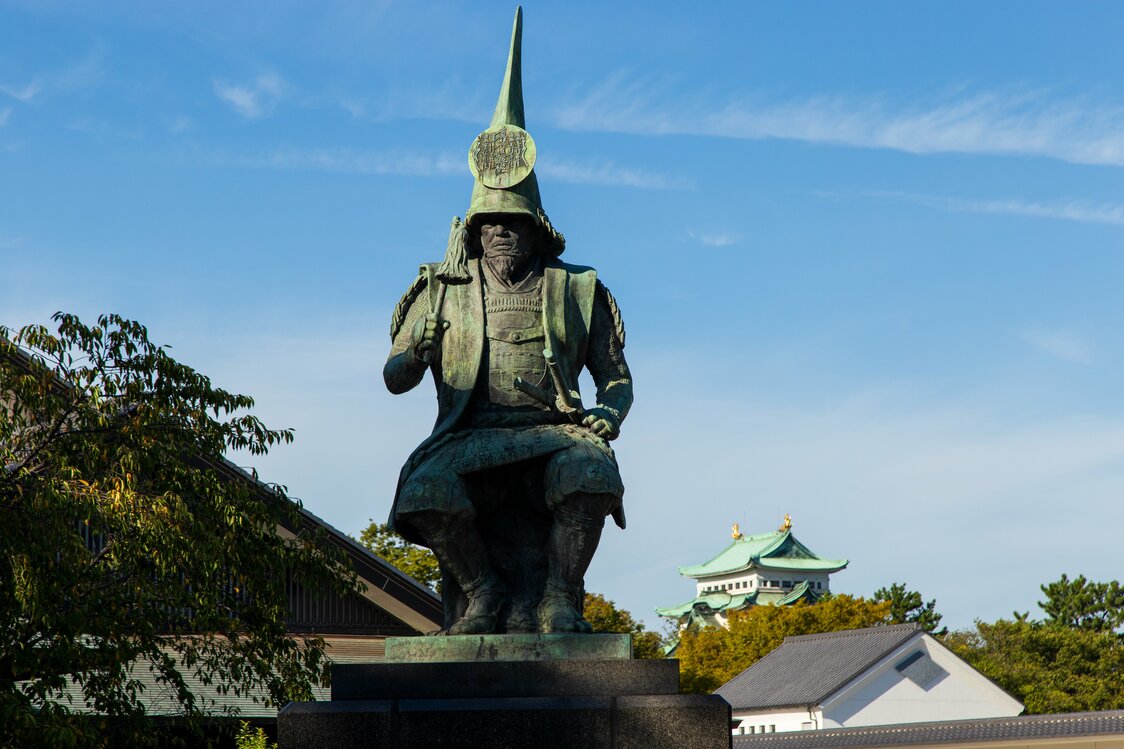
A statue of Katō Kiyomasa stands outside Nagoya Nō Theater, close to Nagoya Castle’s main entrance.
-
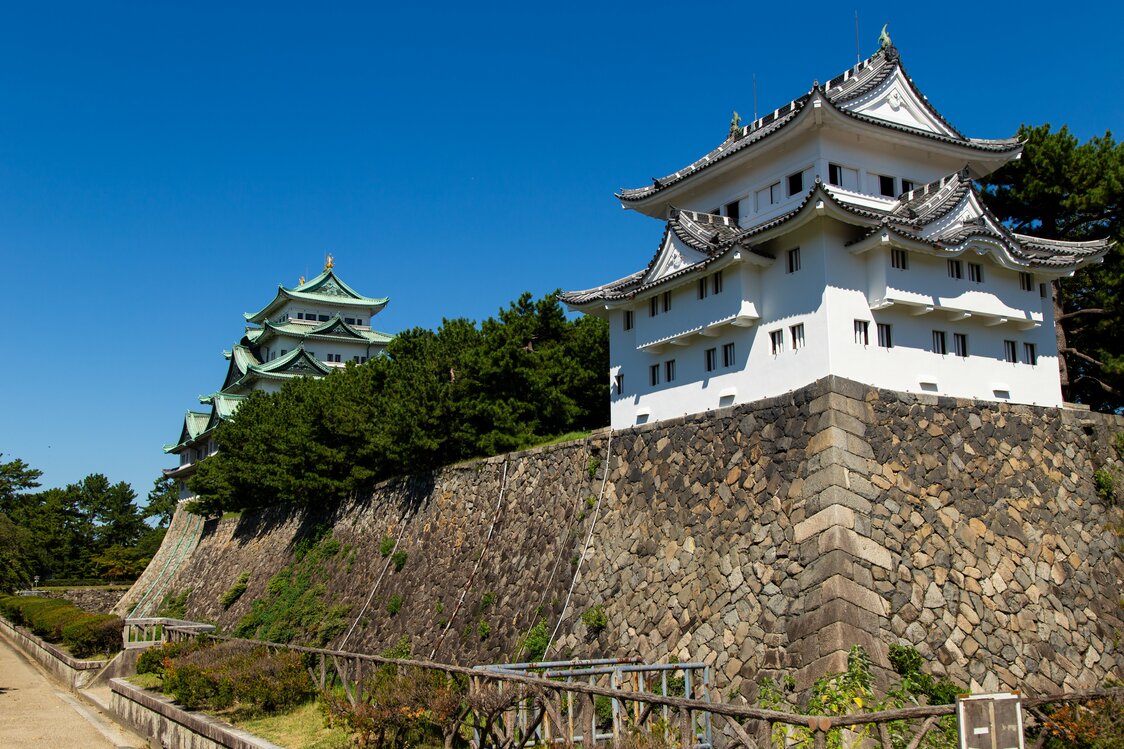
The Seinan-sumi Yagura (Southwest Corner Watchtower) with the main tower keep in the background. Non-Tokugawa daimyō were responsible for construction of the stone walls.
-
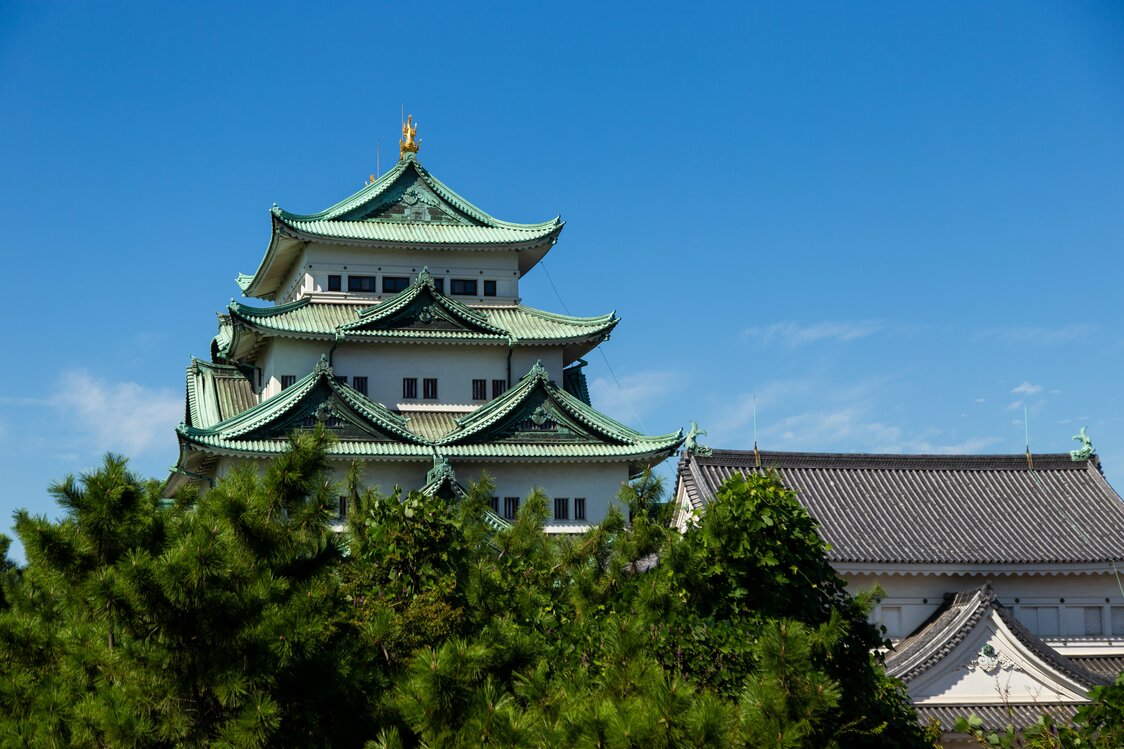
The large and small towers seen from the window of the Seinan-sumi Yagura.
-

Take this opportunity to visit the site for a last look at the current keep.
-
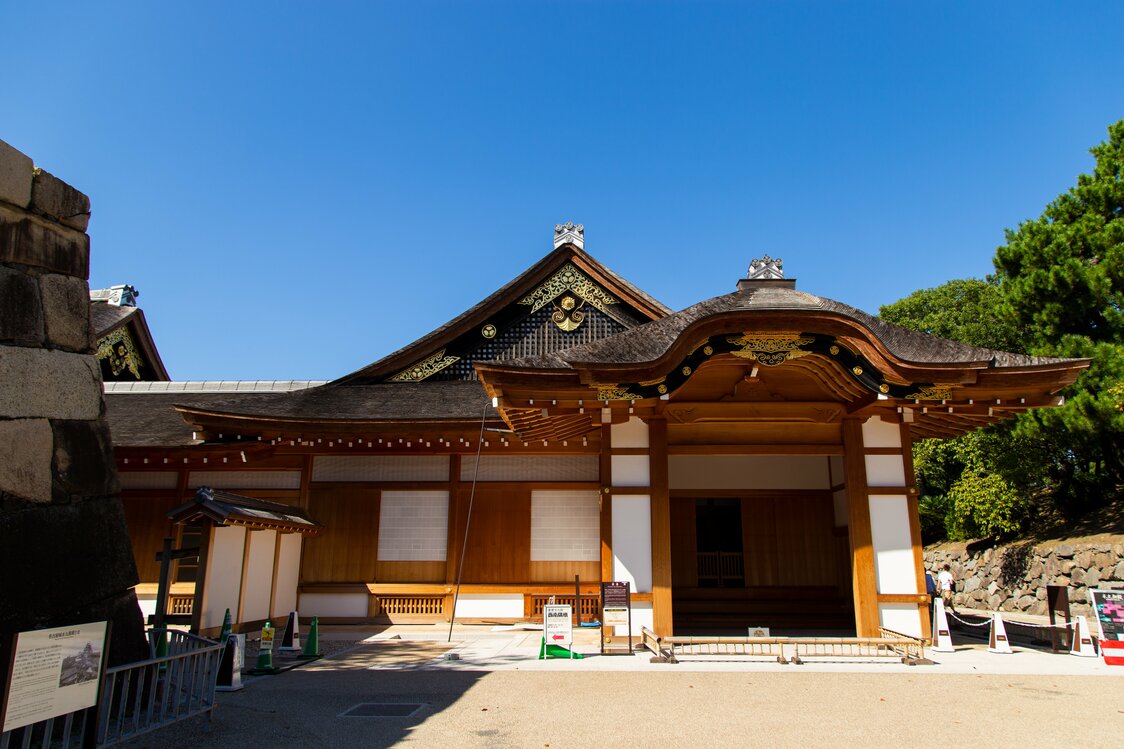
Entrance to the Honmaru Palace. The attractively decorated cusped porch gables are in a Chinese style.
-
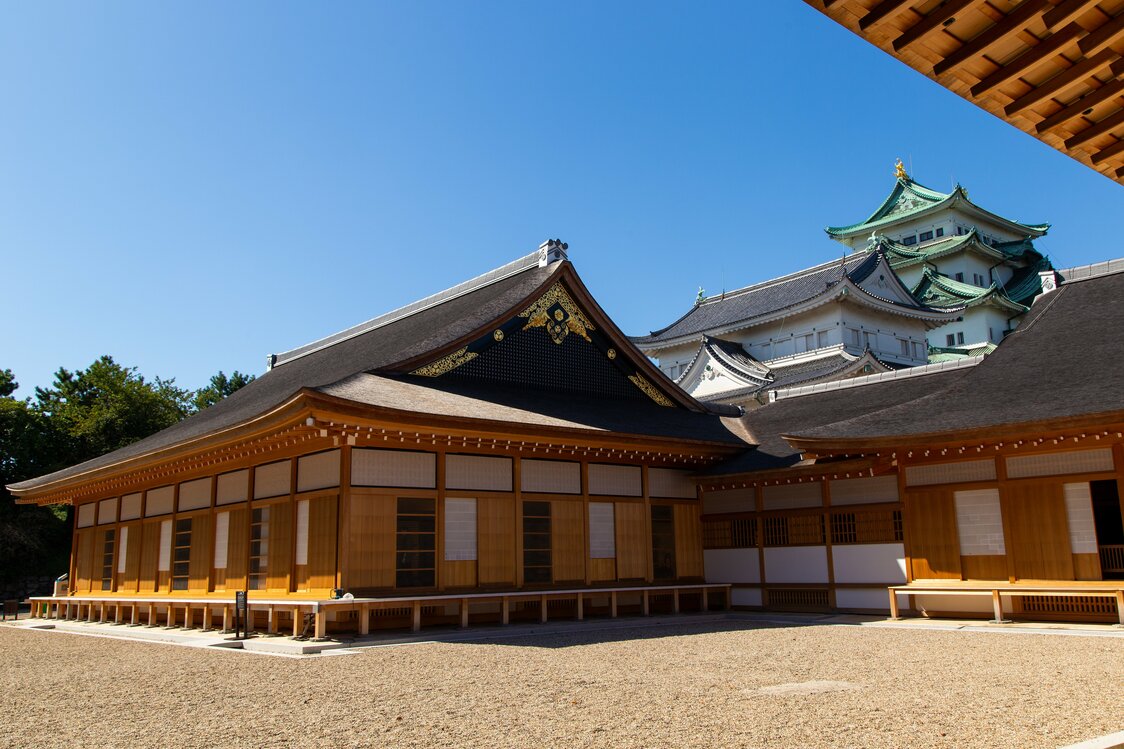
The Jōrakuden (shogun’s quarters), built by Tokugawa Iemitsu, the third Tokugawa shogun. The large and small towers are visible to the rear. The elegant roof of the palace is finished with fine timber shingles.
-
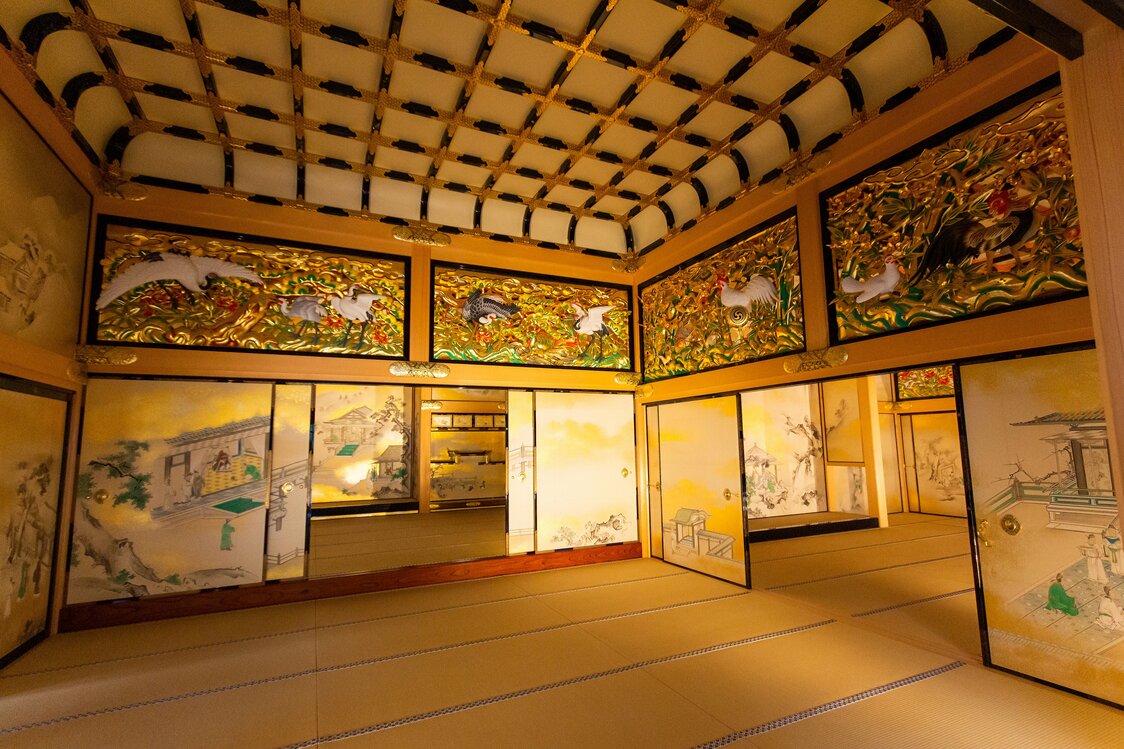
The Jōrakuden. The interior room to the left was Iemitsu’s, decorated with wall paintings by Kanō Tan’yū and gaily colored crosspieces.
-
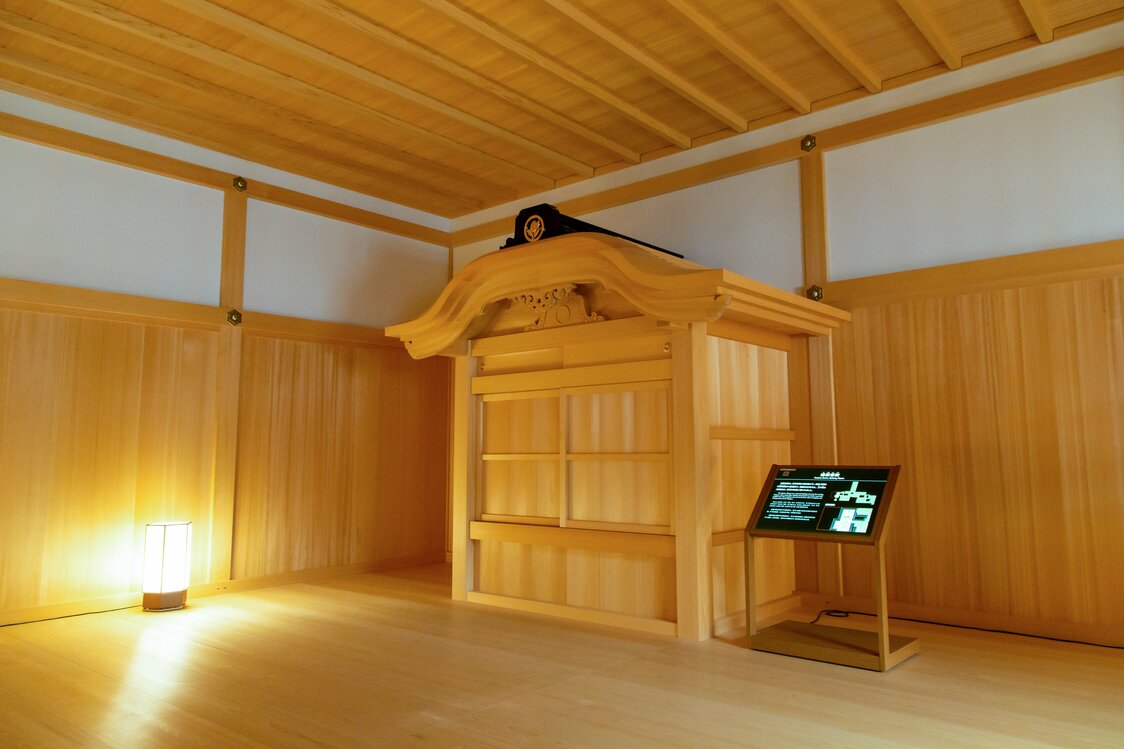
The Yudono Shoin (shogun’s bathing room). This was a steam bath not outfitted with a bathtub.
-
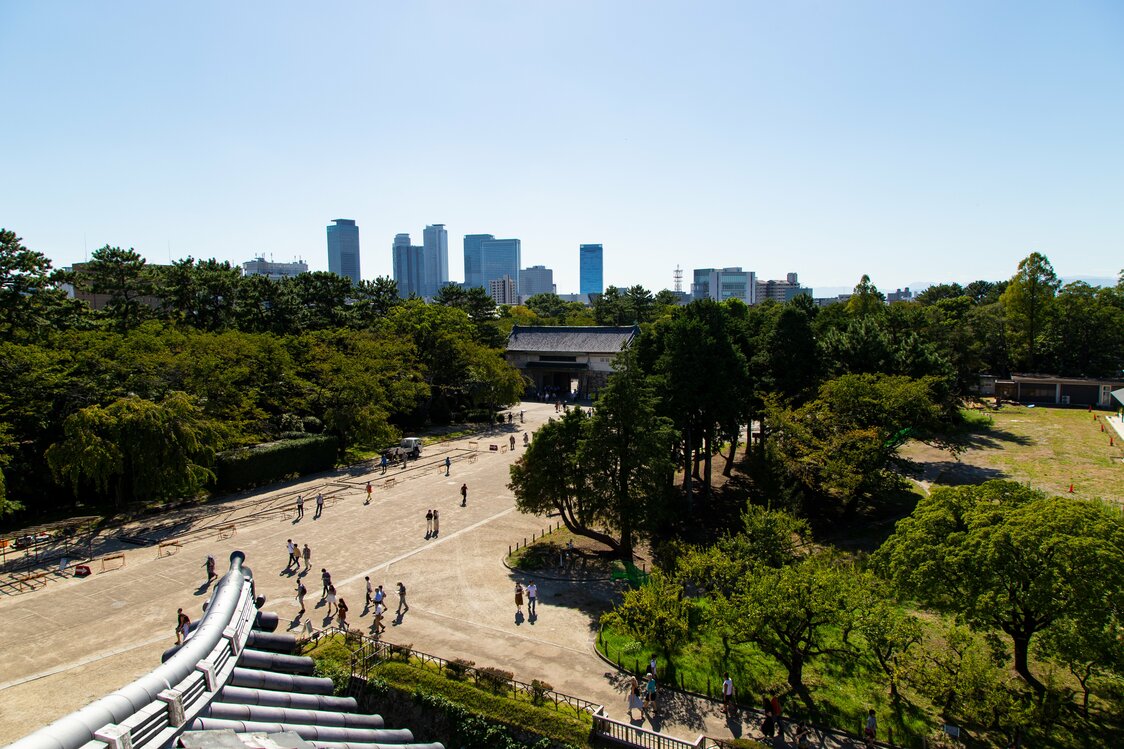
View of downtown Nagoya from the Seinan-sumi Yagura.
-
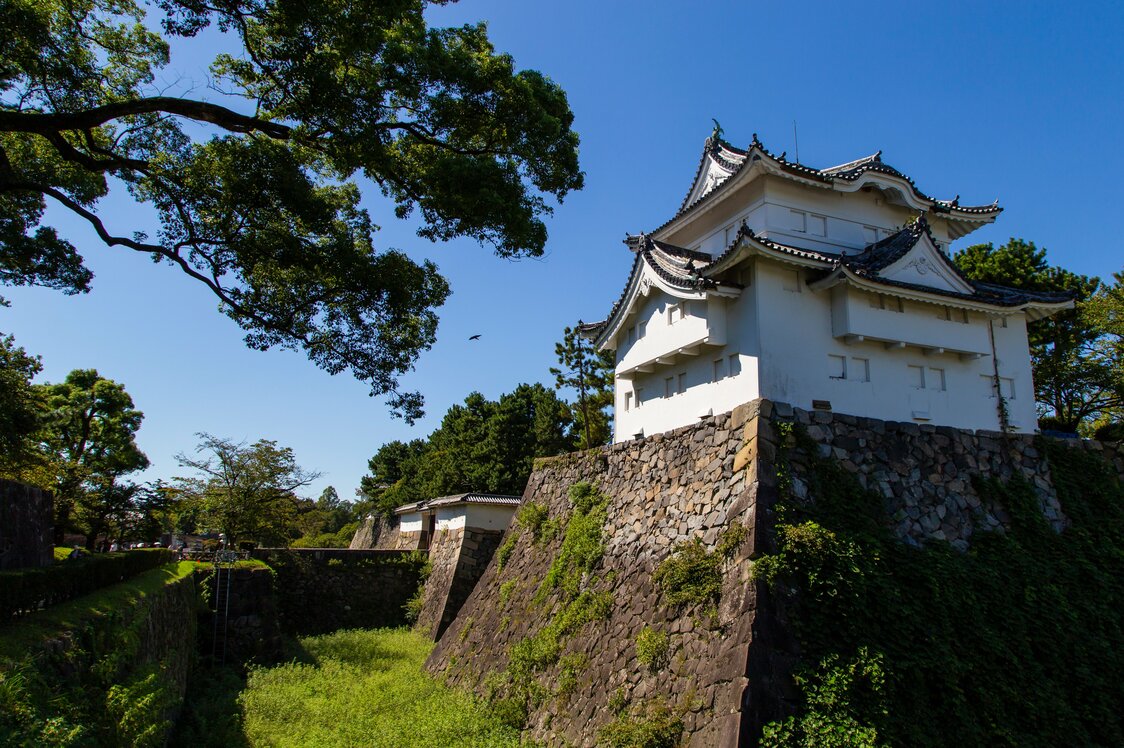
The Tōnan-sumi Yagura was built around 1612, at the same time as the Seinan-sumi Yagura. The Omote Ni-no-mon (Second Front Gate) is on the left.
-
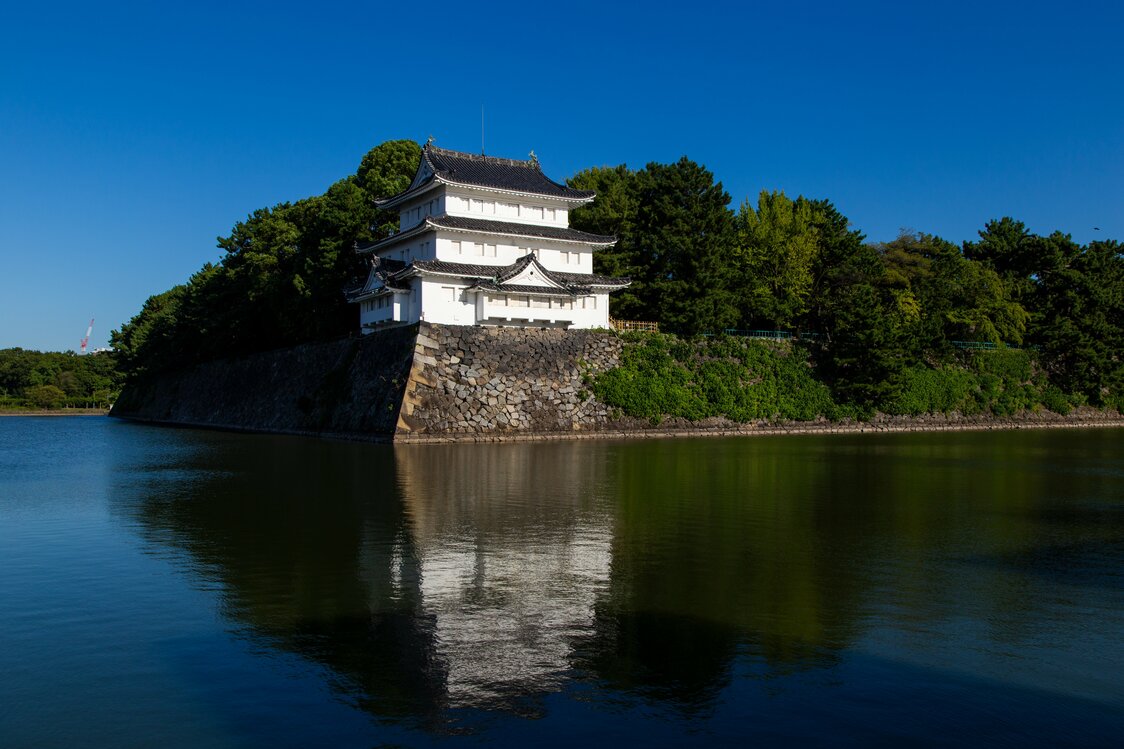
The Seihoku-sumi Yagura (ca. 1619) viewed from across the outer moat.
-
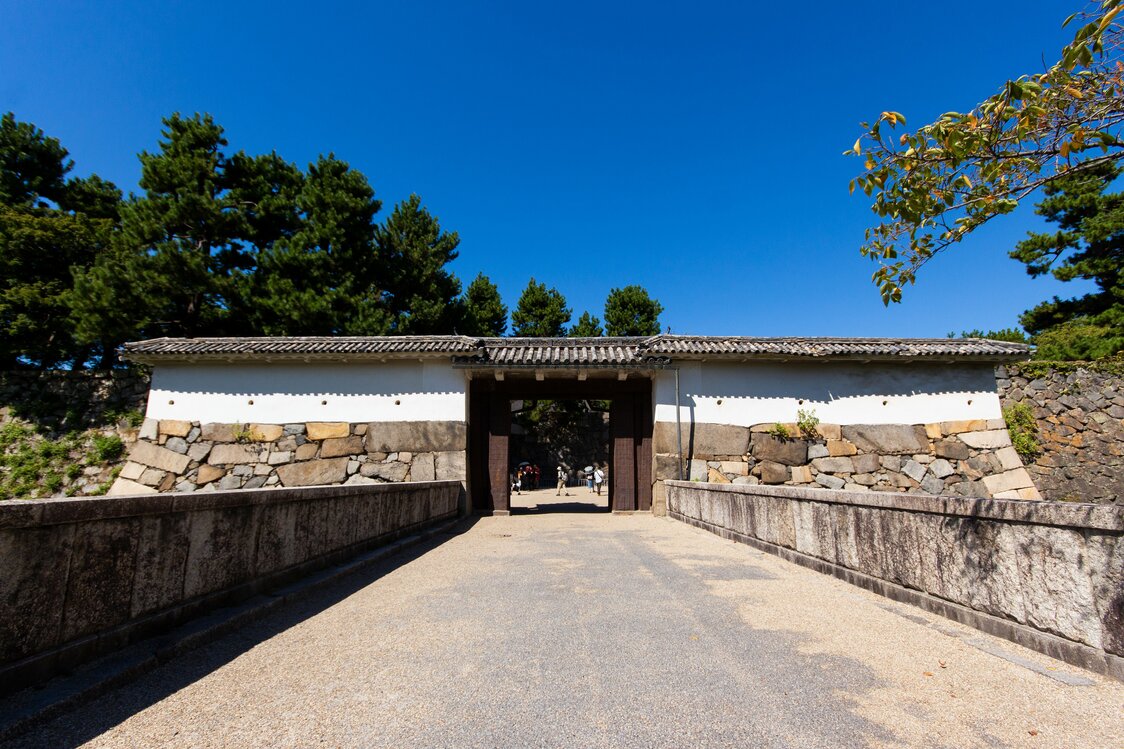
Omote Ni-no-mon, an Important Cultural Property, is south of the main keep. Embrasures (gun holes) are visible in the plastered walls each side of the gate.
-
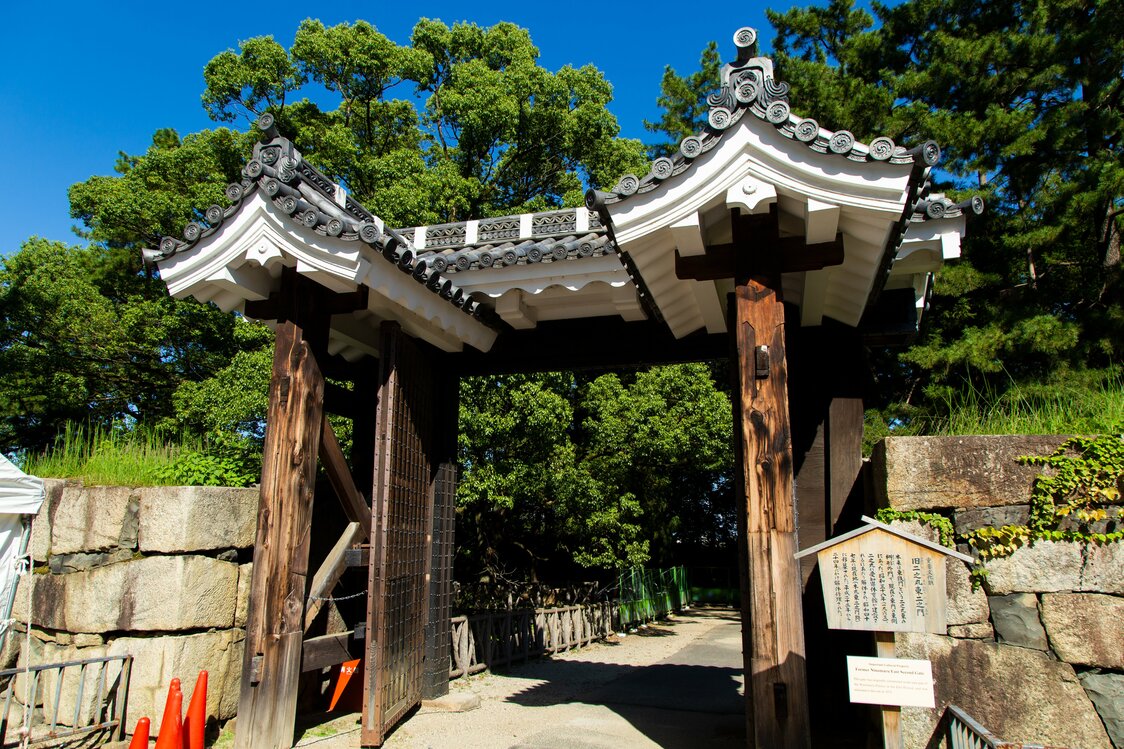
The former Ni-no-maru Higashi Ni-no-mon (Second East Gate, ca. 1612) was moved to the Honmaru in 1972.
-
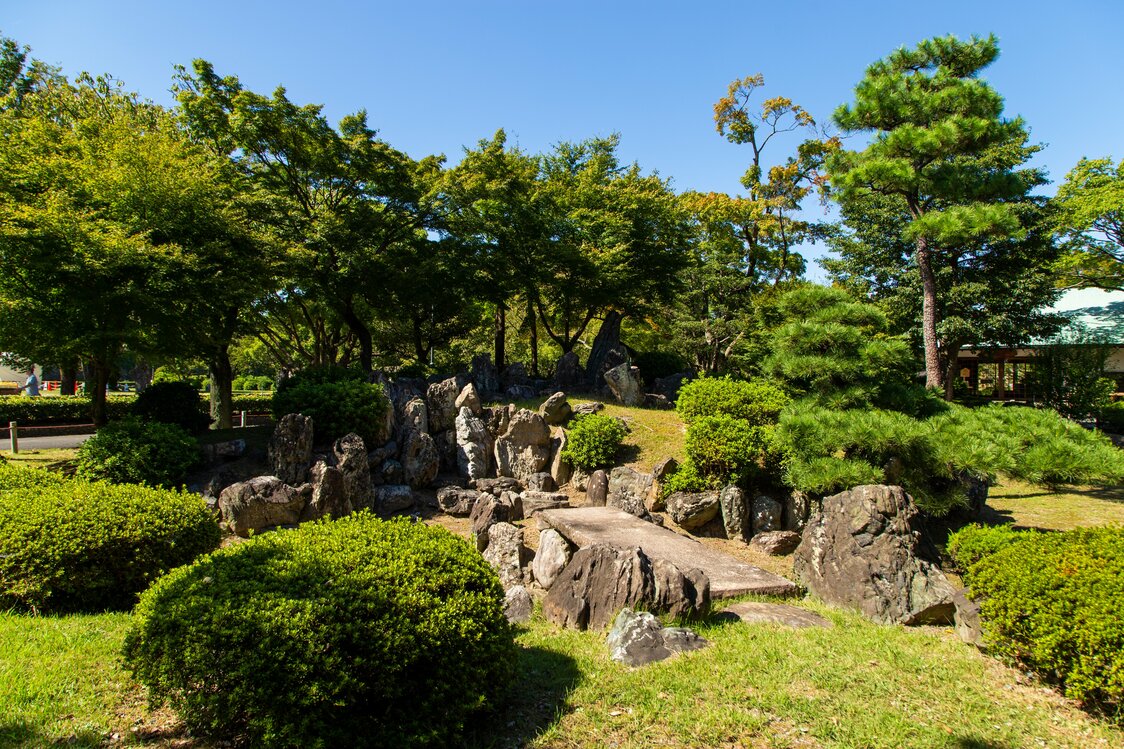
The Ni-no-maru Garden was the largest garden adjoining a lord's residence in Japan. Ruins of an earlier castle, where Oda Nobunaga lived until 1555, are in the south of the garden.
-
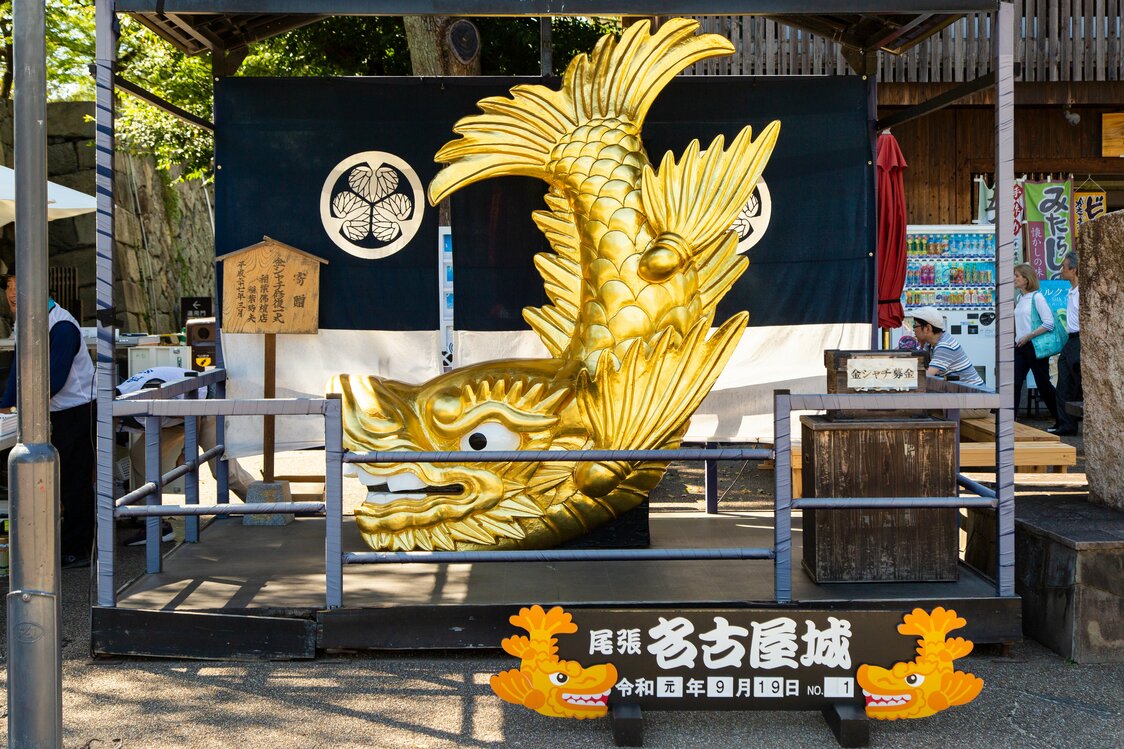
A golden shachihoko reproduction near the Main Gate is used for souvenir photos.


 Read in other languages