-
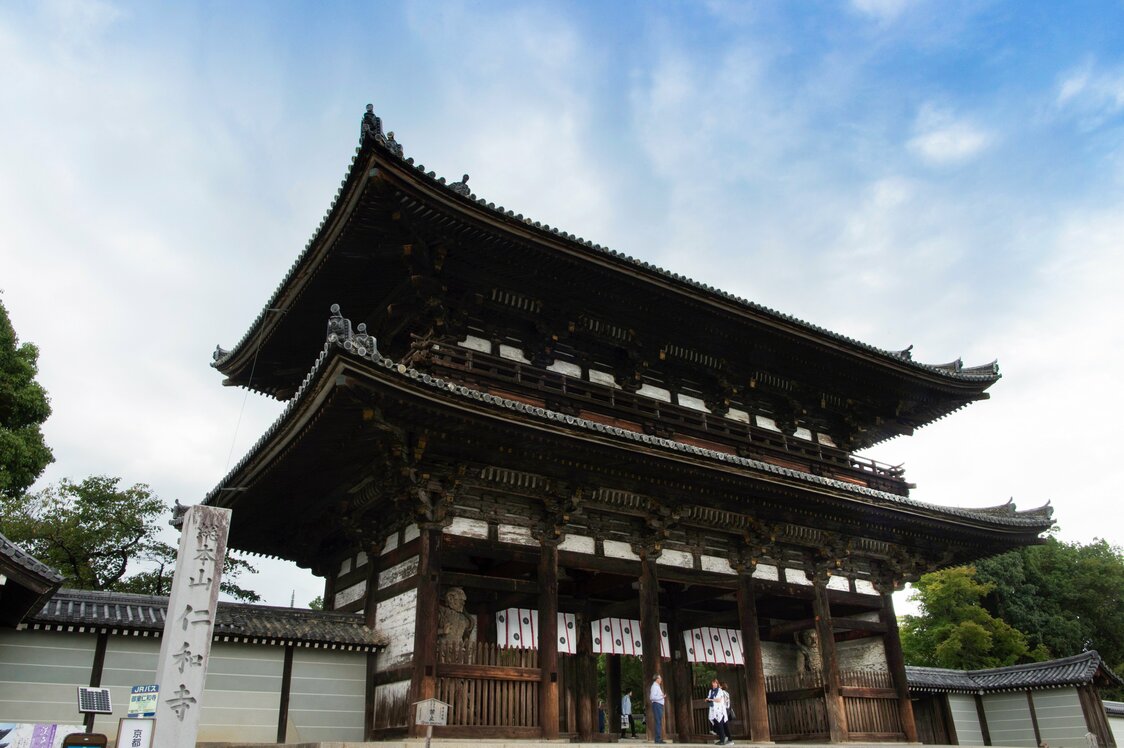
The Niōmon is an important cultural property. Soaring 18.7 meters high, it is the imposing entrance to Ninnaji.
-
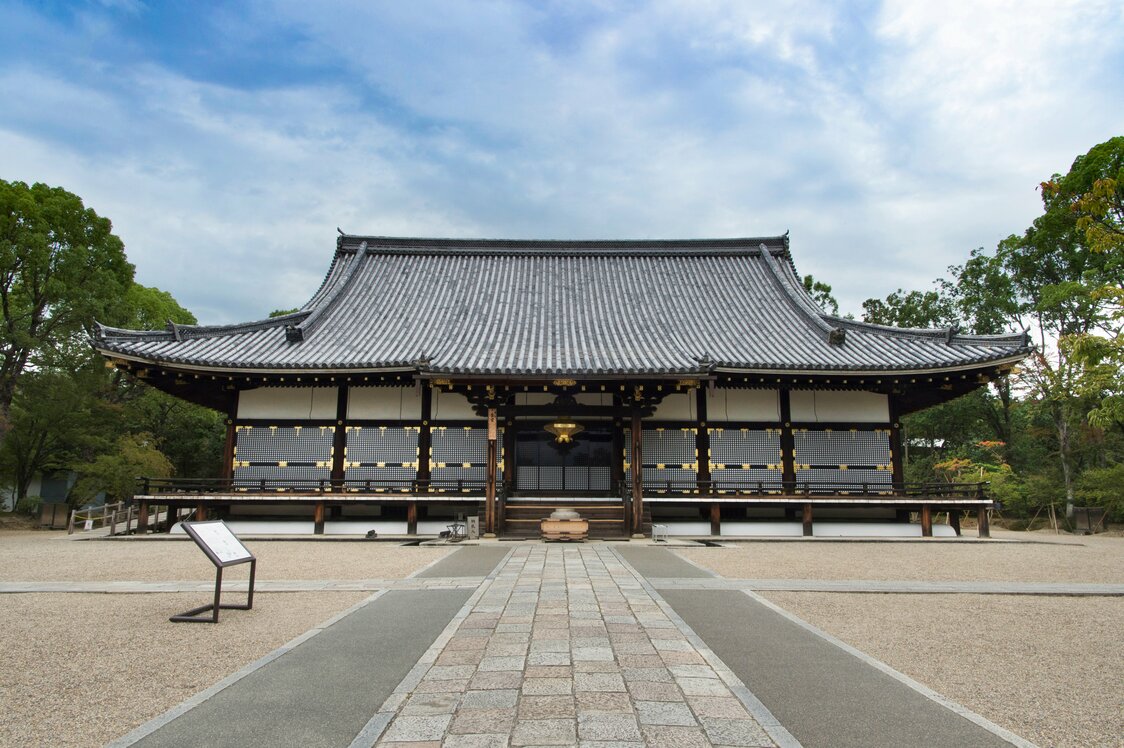
The principal figure in the Kondō Hall is a statue of Amitabha (Amida). The Seiden and the Shishinden, structures designated national treasures, were moved to Ninnaji during the Kan’ei period (1624–44).
-
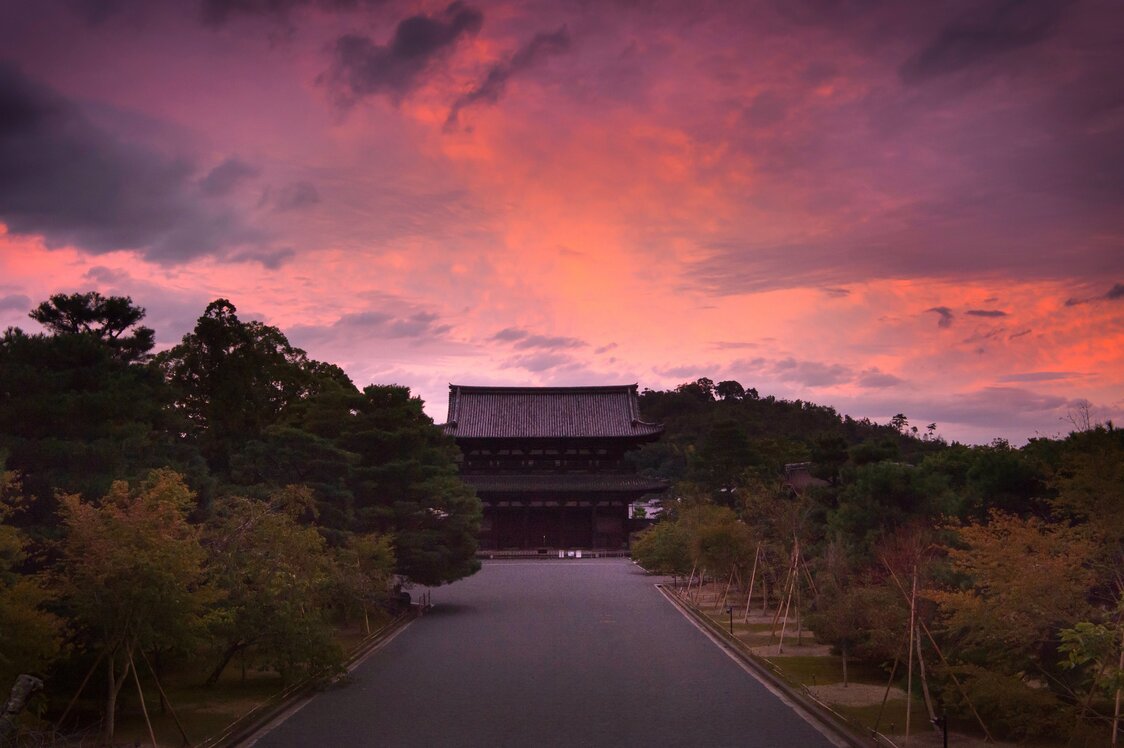
The Niōmon Gate has closed and all visitors have left. Guests can enjoy this spectacular sunset all to themselves.
-
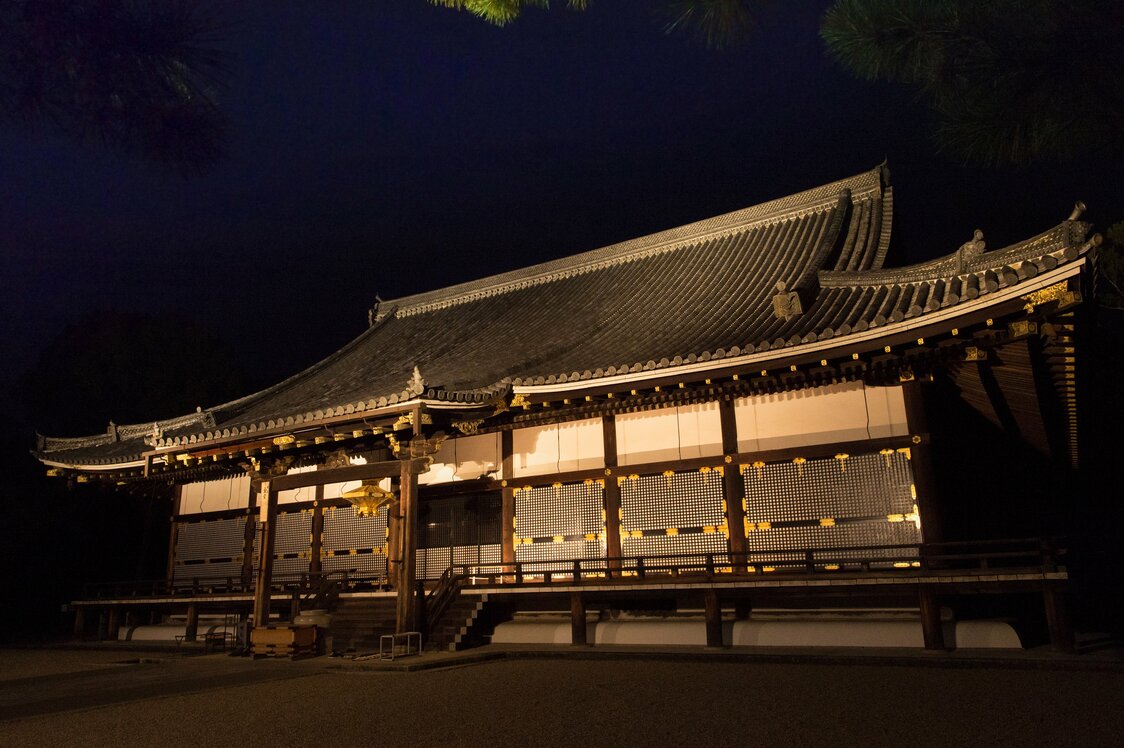
A close-up view of the Kondō Hall, illuminated for the evening, is a special experience.
-

The omuro-zakura of Ninnaji bloom late, closing out the cherry blossom season. The temple’s five-story pagoda, an important cultural property, provides a picturesque backdrop.
-
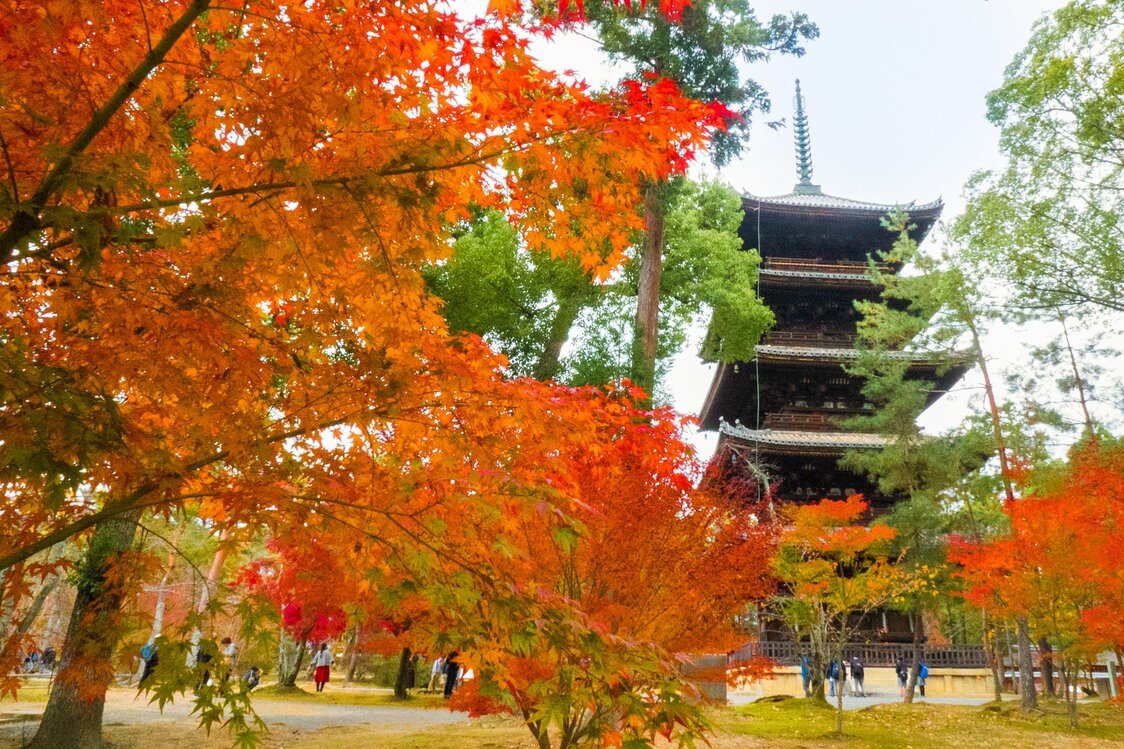
In autumn, the fiery colors of maples add atmosphere to Ninnaji.
-
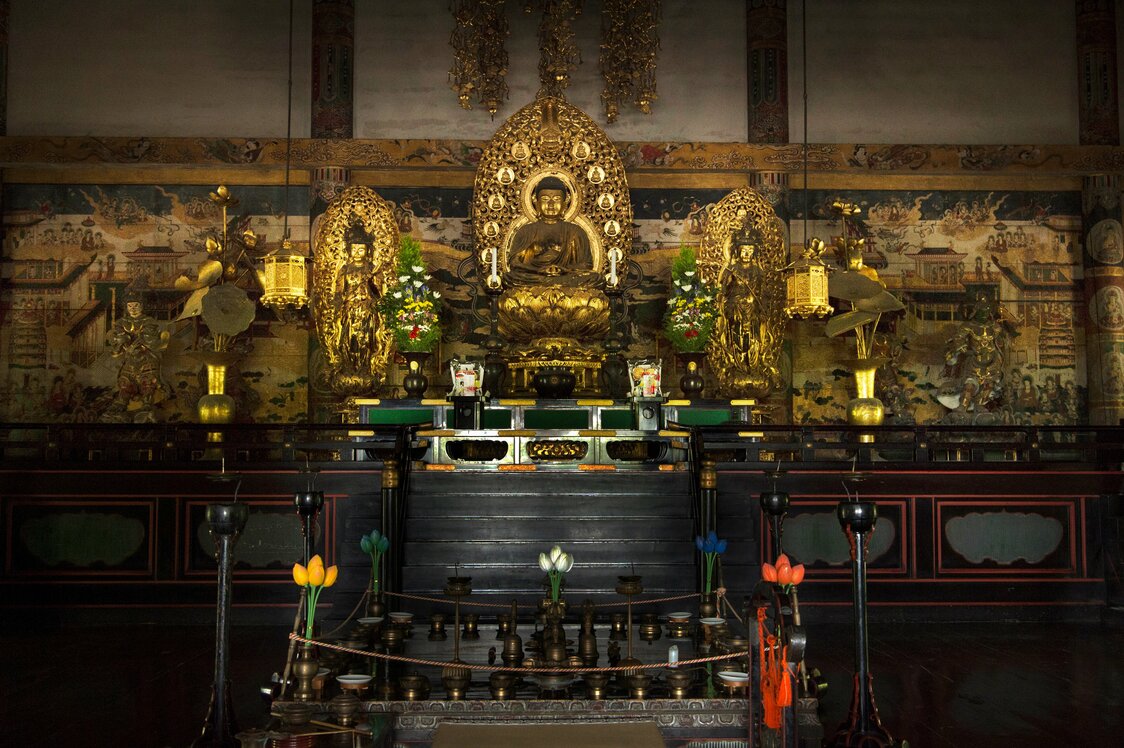
A figure of Amitabha (Amida), flanked by Avalokitesvara (Kannon) on the left and Mahasthamaprapta (Daiseishi Bosatsu) on the right, is the principal figure in the Kondō Hall.
-
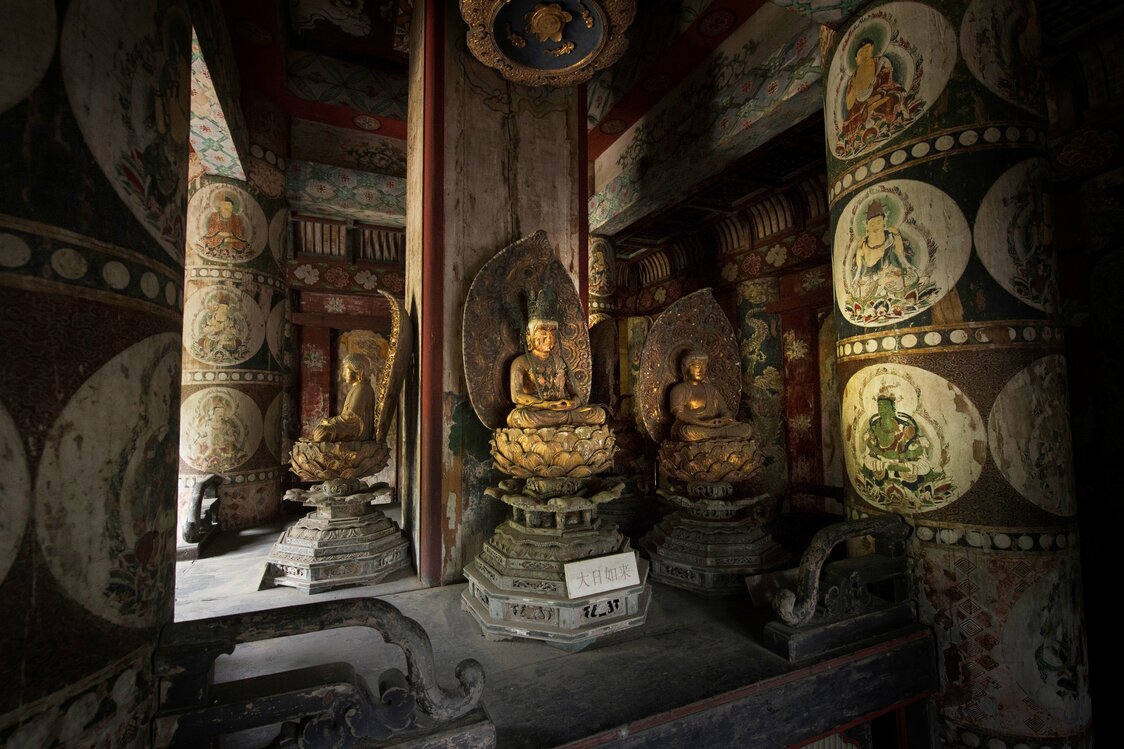
The inside of the pagoda, normally closed to the public, can be viewed by the overnight guests. The central figure here is Vairocana (Dainichi Nyorai).
-
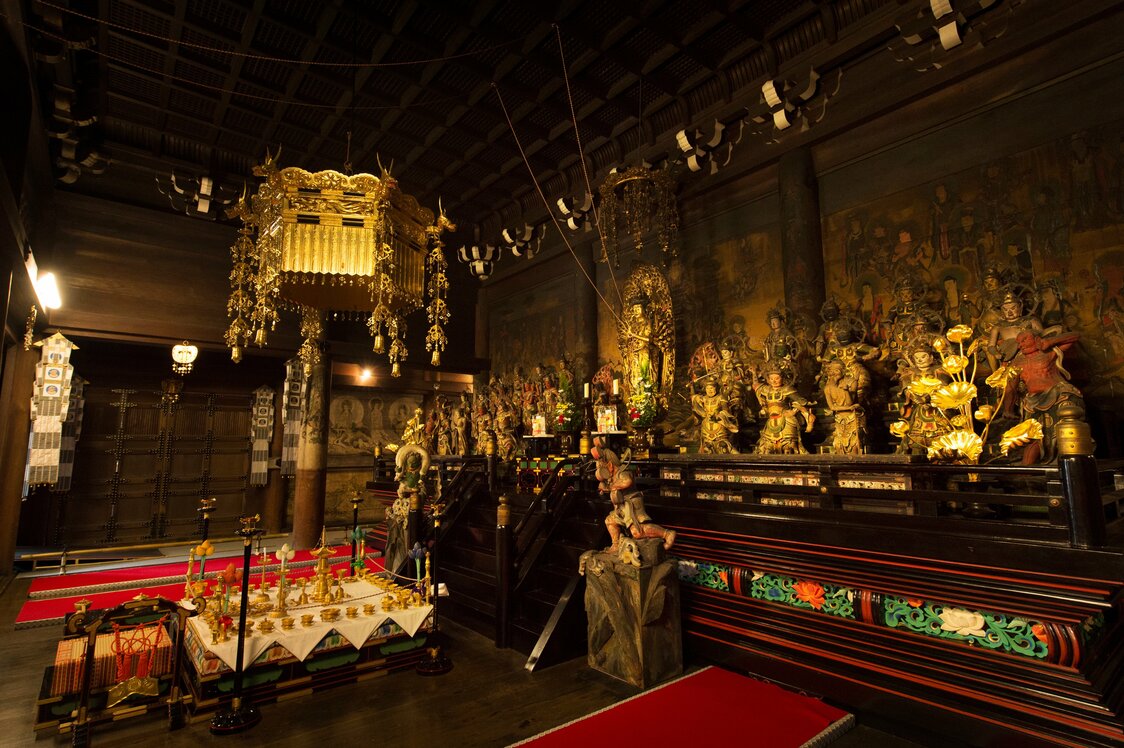
The Kannon Hall recently completed a six-year refurbishment. This is where the priests’ religious practice takes place, and the hall is normally not open to the public.
-
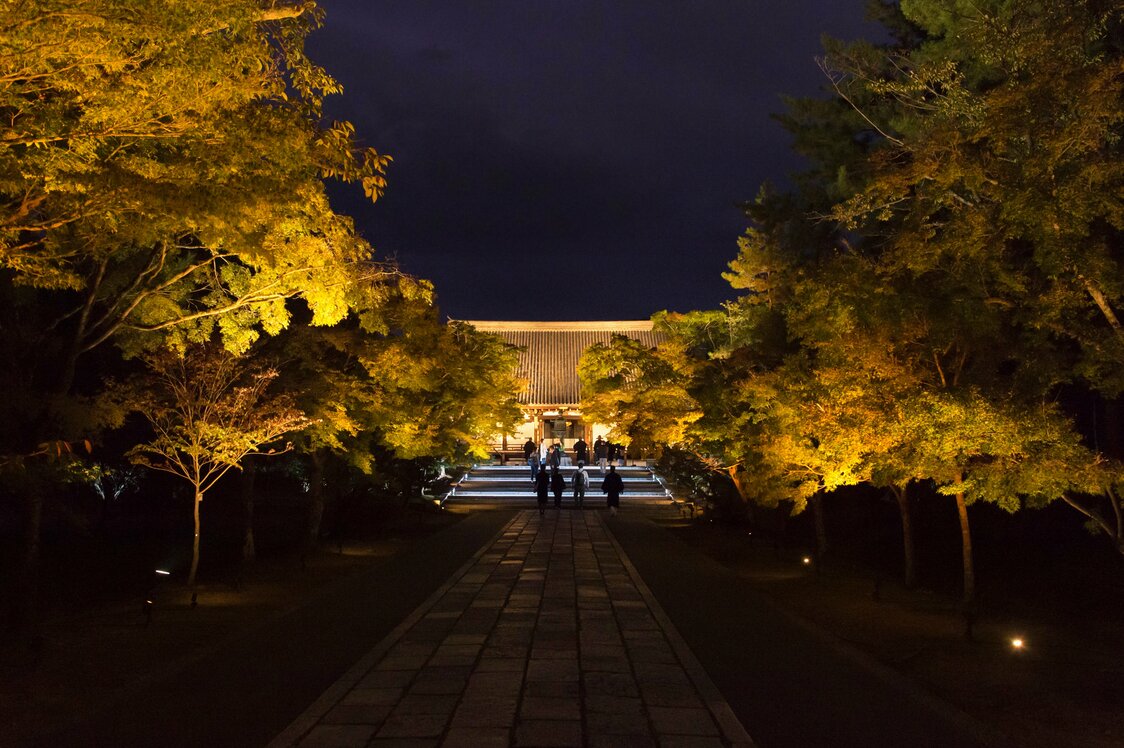
Guests take a private tour of the grounds, which at nighttime are suffused in a mysterious atmosphere.
-
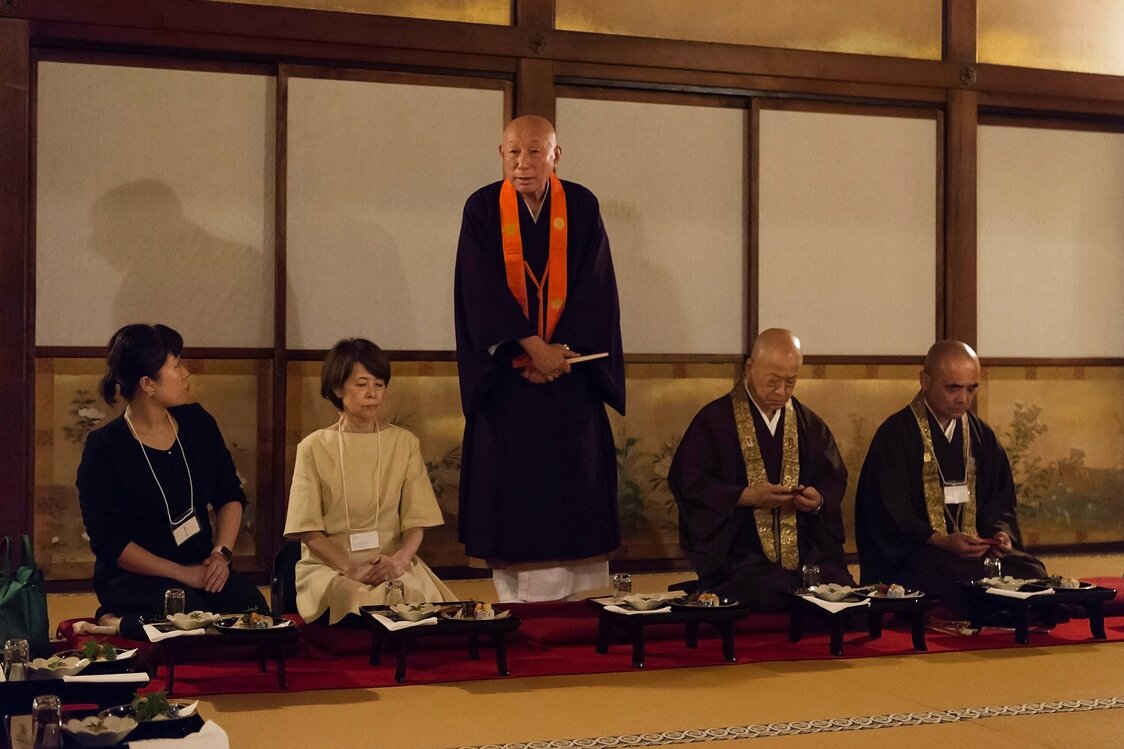
Head priest Segawa Taishū addresses guests before dinner in the Shinden Hall.
-
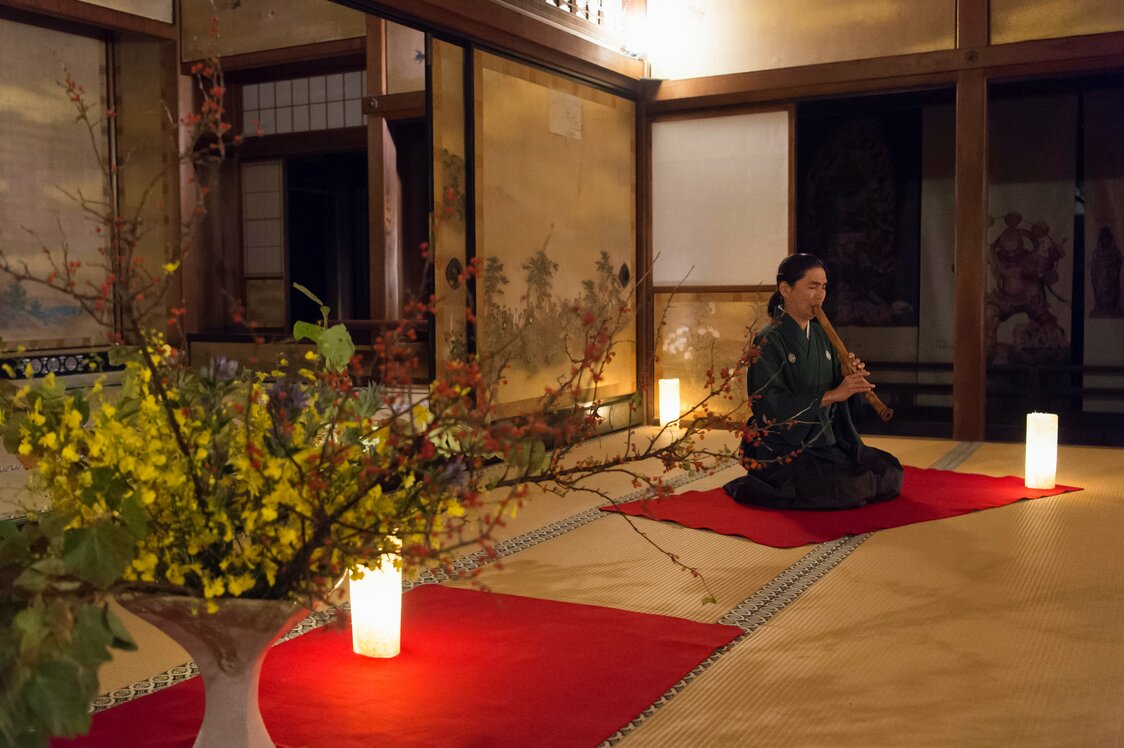
Flower arrangements of the Omuro school of ikebana add a touch of color in the Shinden Hall, where guests can dine to the sounds of gagaku imperial court music and shakuhachi bamboo flute.
-
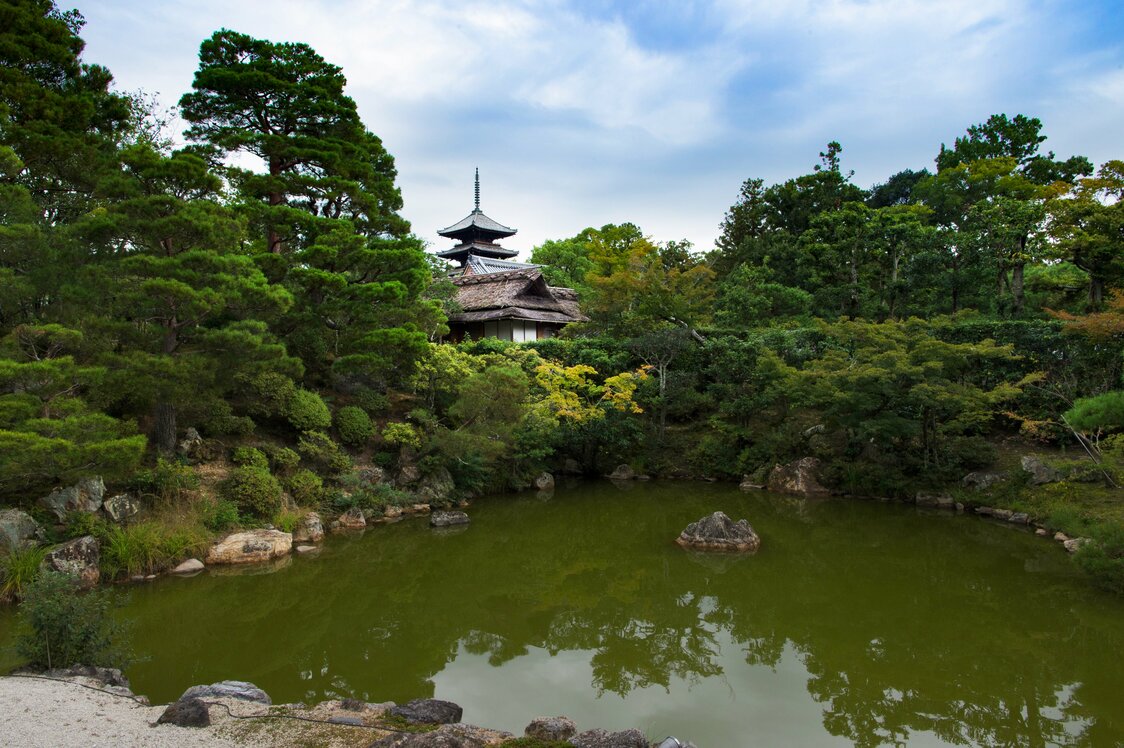
Hitōtei, near the pagoda, is the site for tea ceremonies and the morning meal.
-
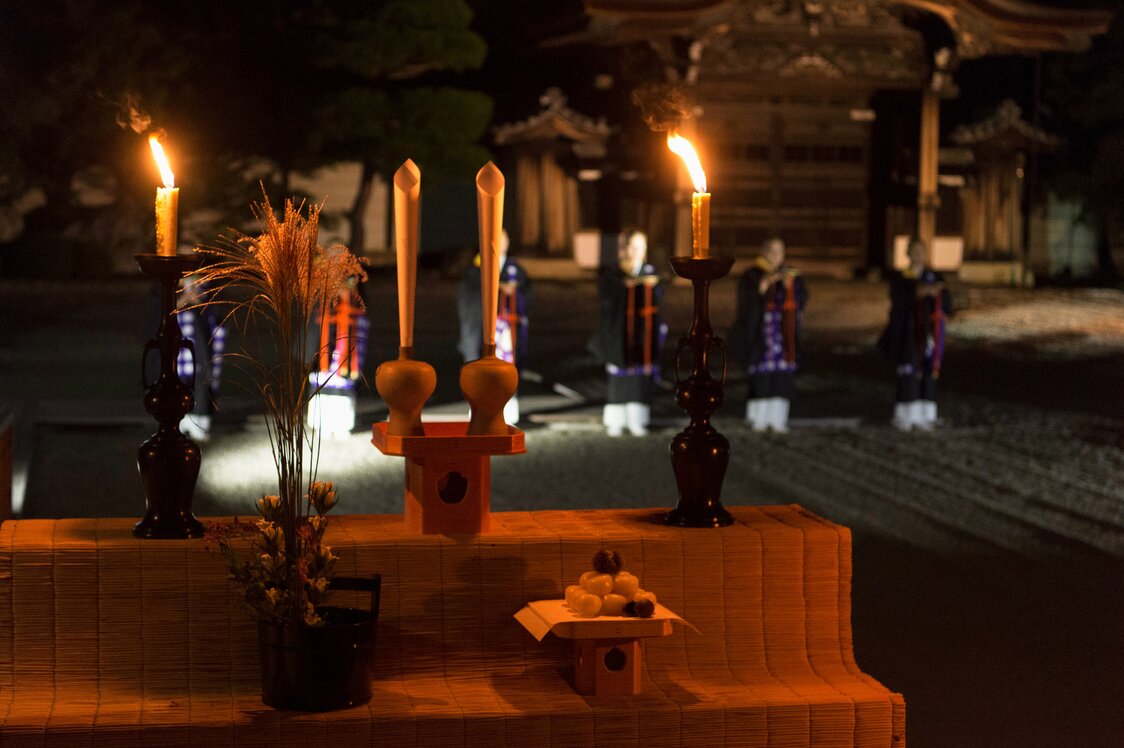
Moon viewing to the sound of priests’ chanting is an unparalleled experience that can savored to the full in a temple setting.
-

The wall paintings in the Kannon Hall, dating from the seventeenth century, are open to the public during special viewings only.
-
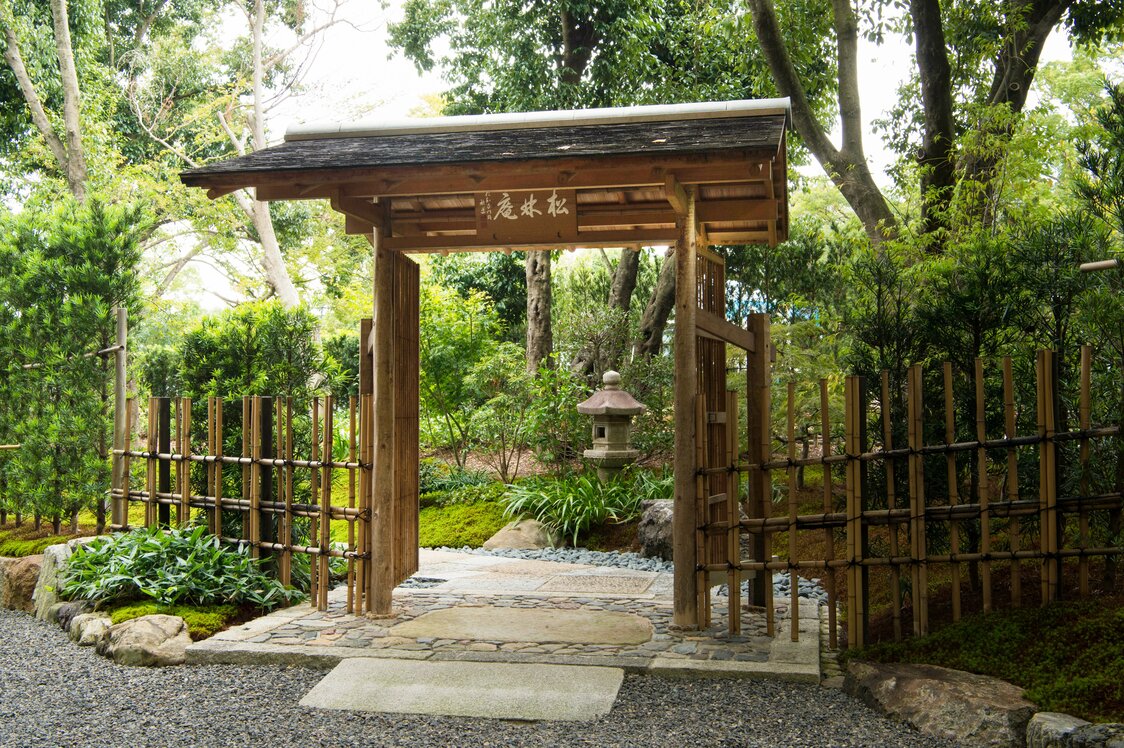
The entrance to Shōrin’an.
-
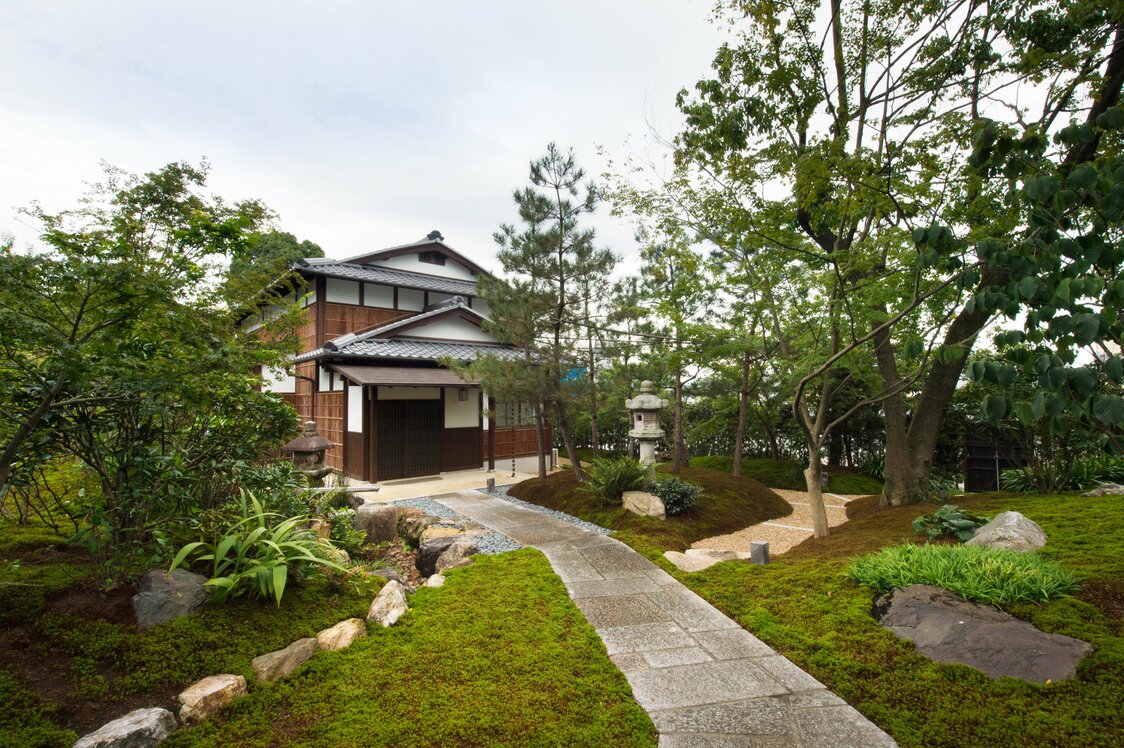
The two-story structure sits in an atmospheric Japanese garden.
-
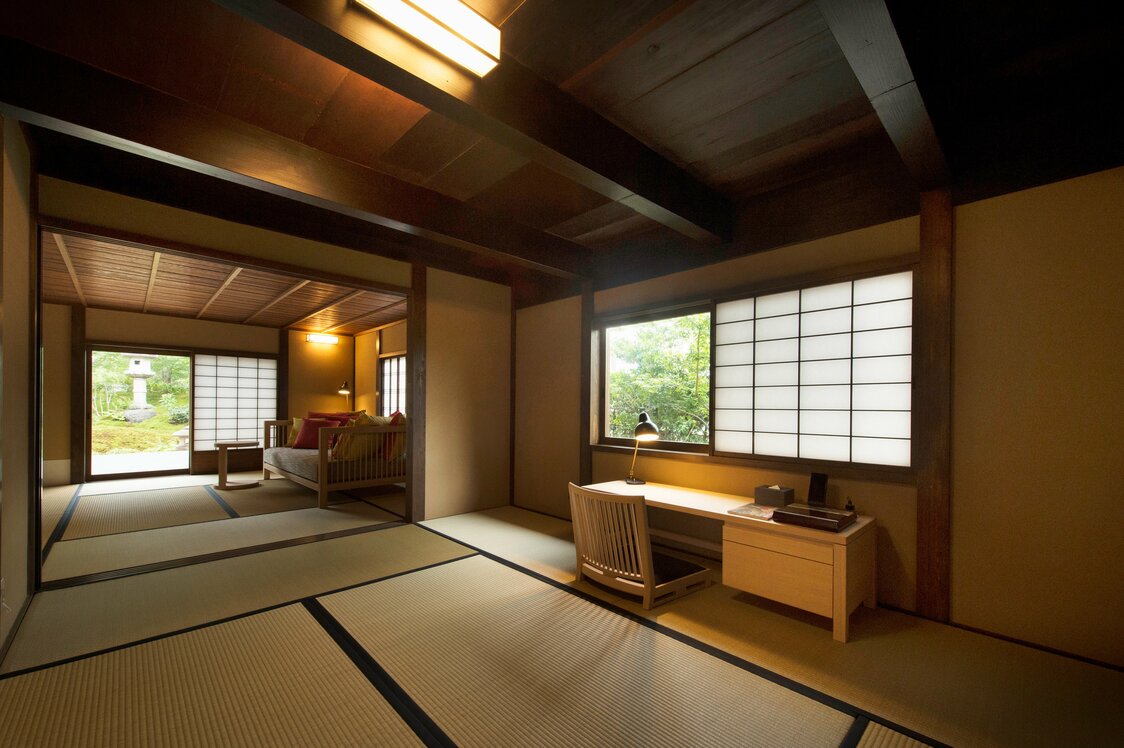
Guests sleep on futon in the rooms. Special attention has been lavished on the furniture, all of which is made in Japan.
-
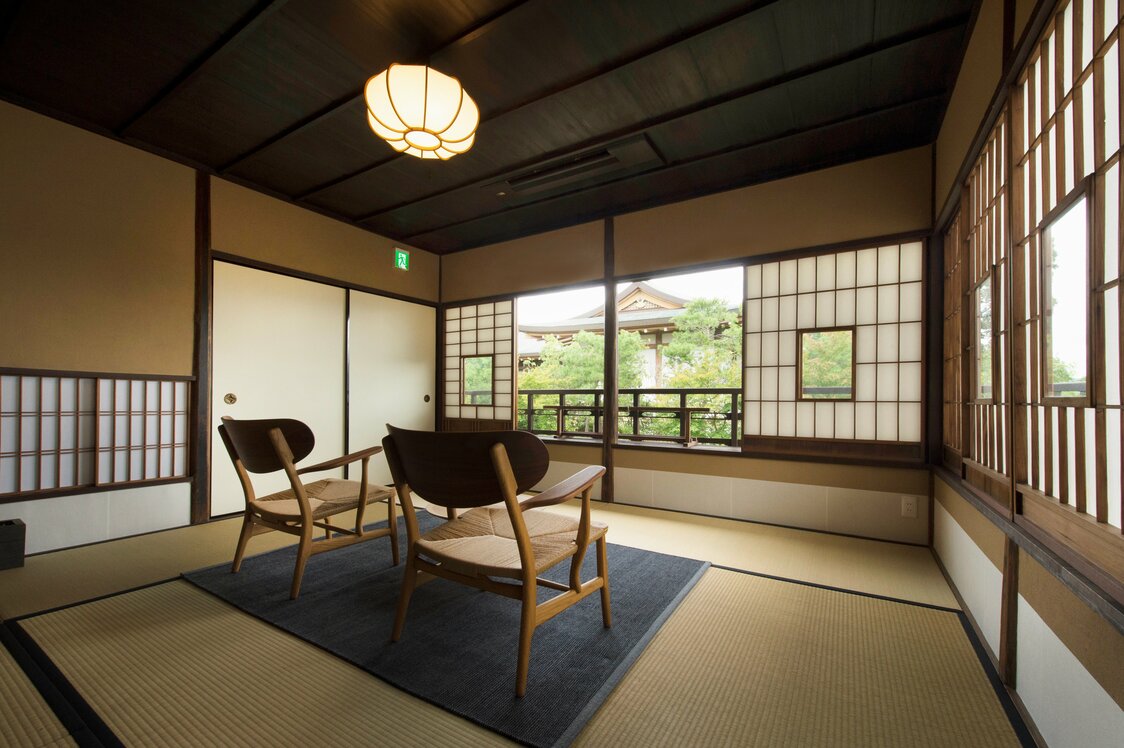
The garden can also be viewed from the second floor.
-
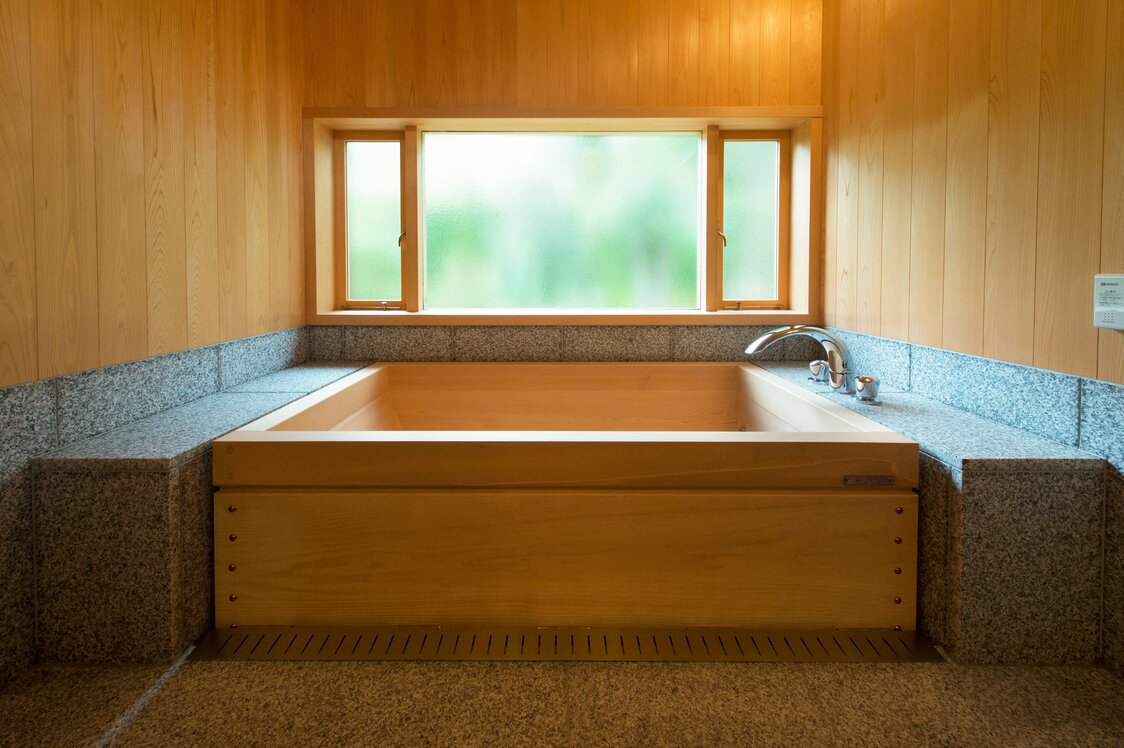
The traditional Japanese bath makes abundant use of wood.
-
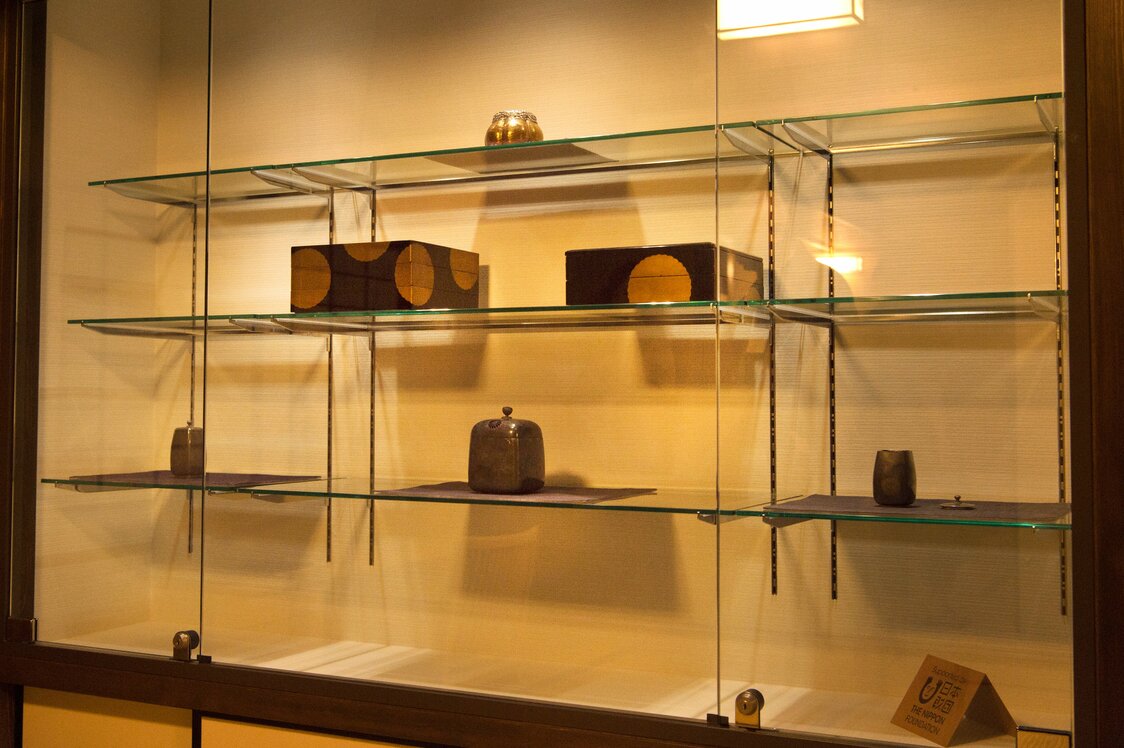
Temple treasures, including some objects associated with the imperial family, are displayed in a showcase.
-
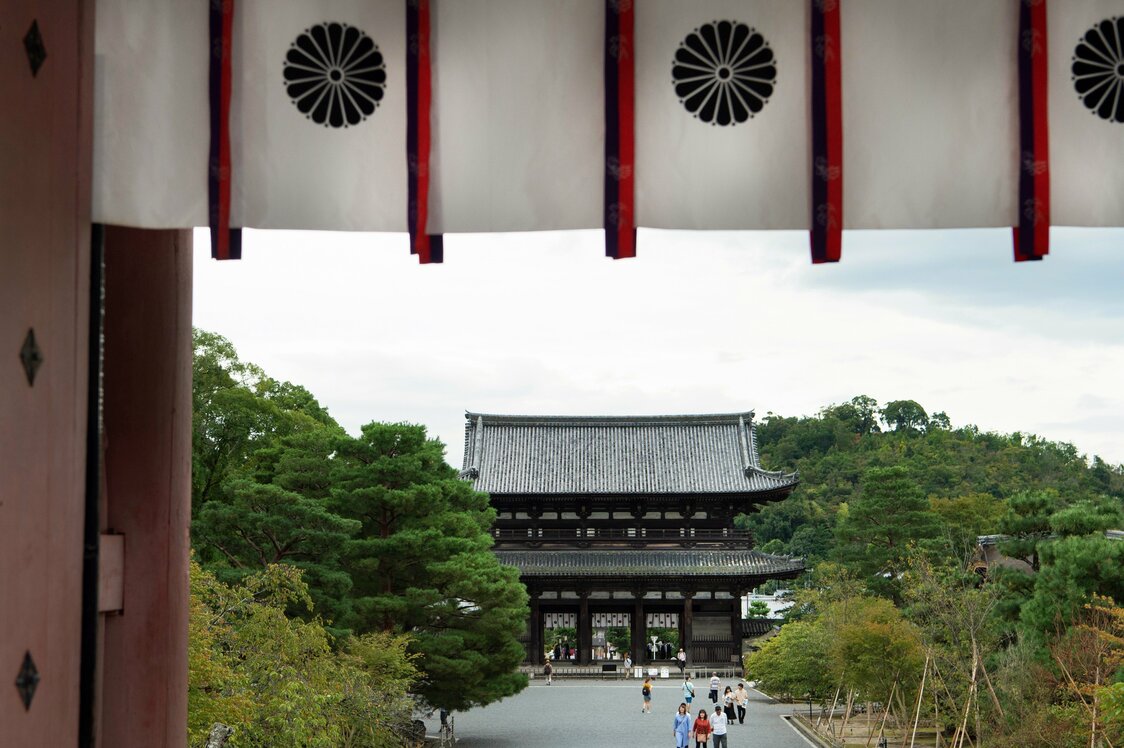
The chrysanthemum crest, symbol of the imperial family, appears on the short curtain across the top of the Niōmon Gate. Access to the grounds is free, but there is a fee for viewing the Goten imperial residence and the Reihōkan Treasure Hall and for special viewings.
-
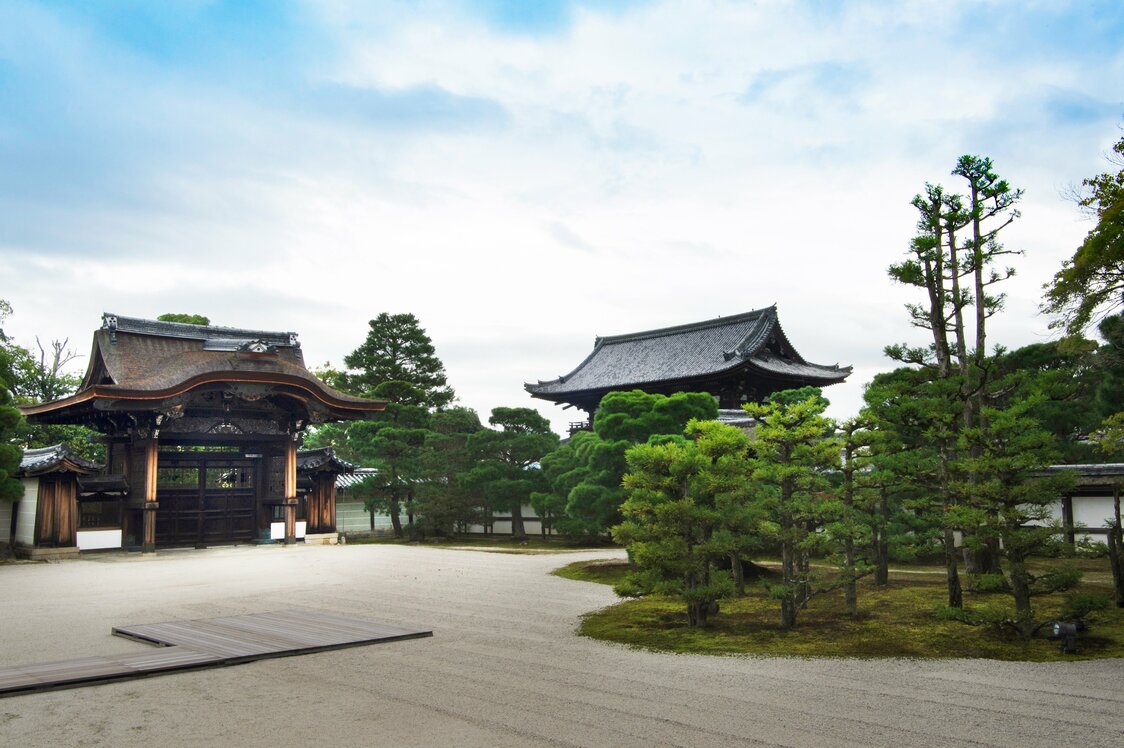
The South Garden of the Goten imperial residence and the Chokushimon Imperial Messenger Gate.
-
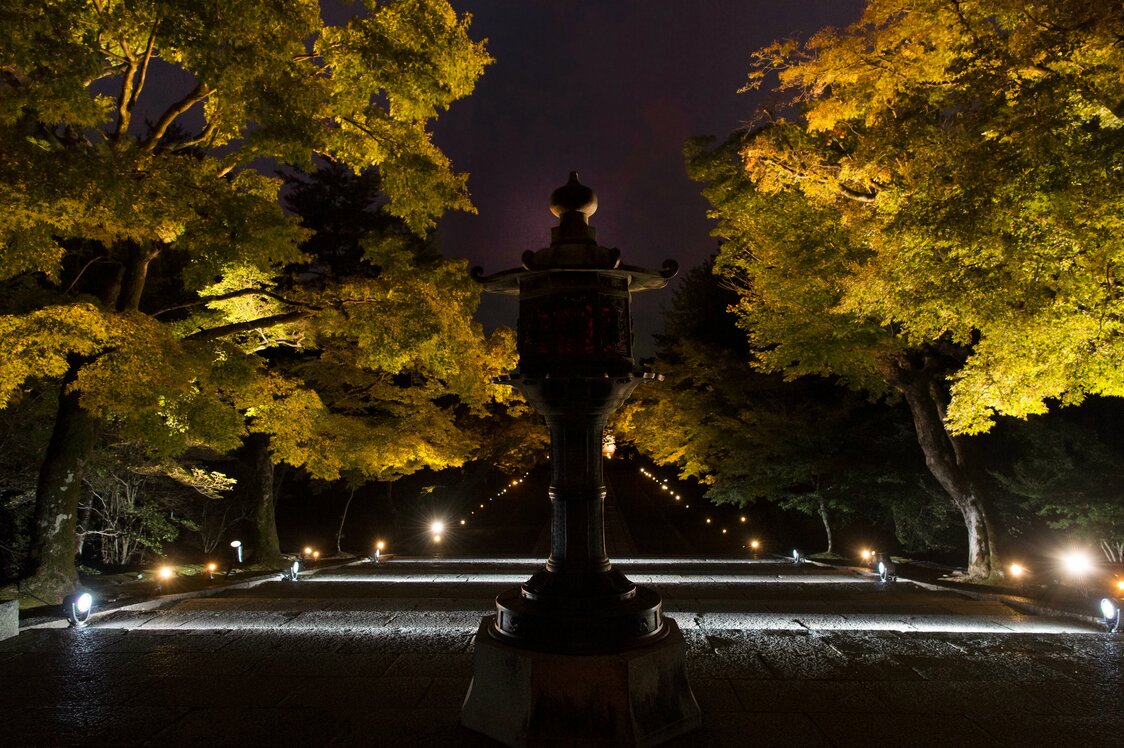
The grounds at Ninnaji, lit up at night.


 Read in other languages