-
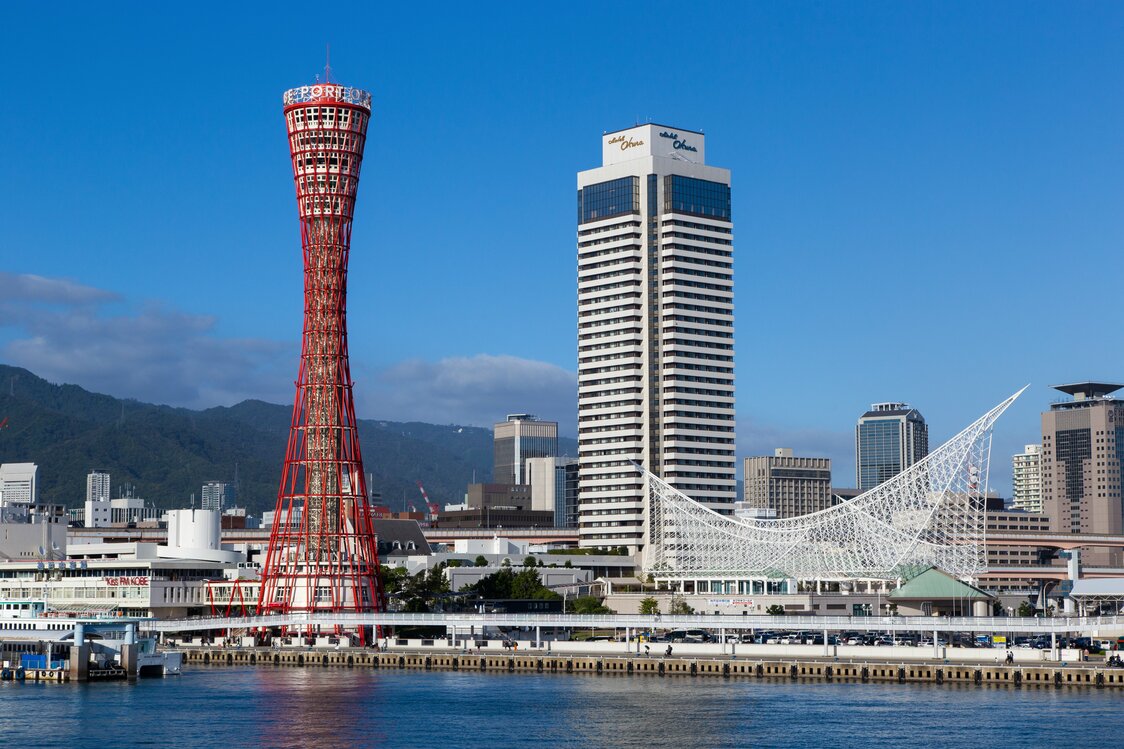
The red Kobe Port Tower (left) is a local landmark; Kobe Maritime Museum (right), with its swooping arched roof, suggests the form of a sailing ship crossing the waves.
-
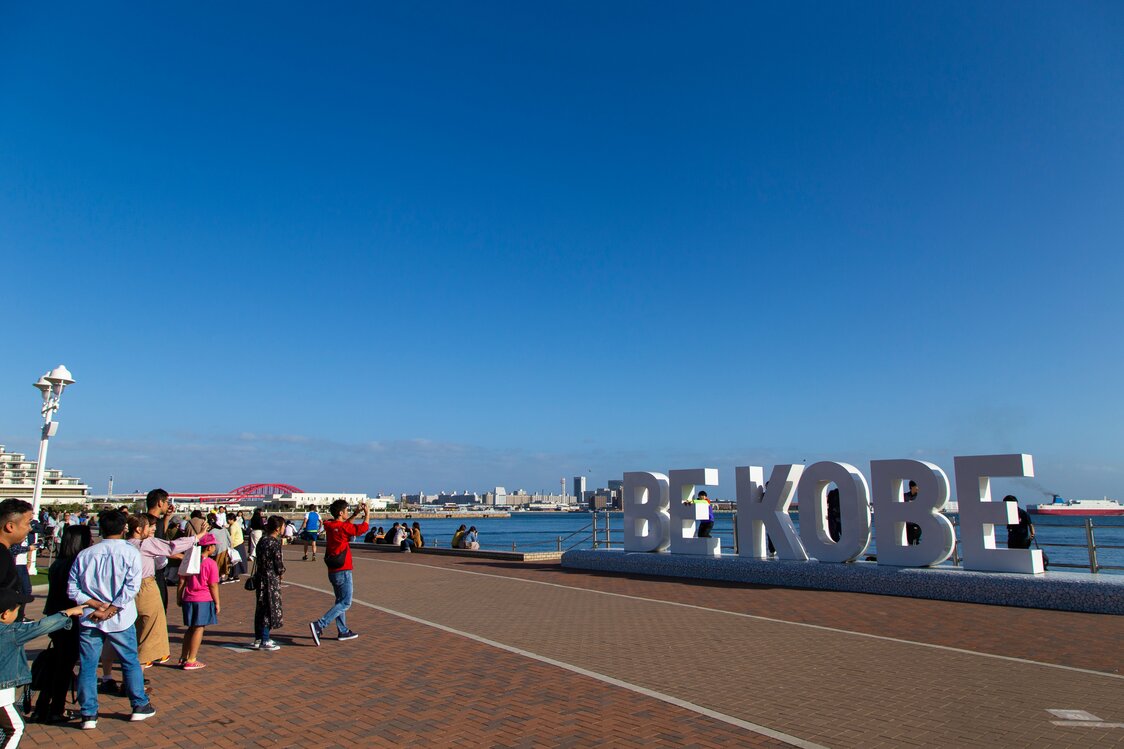
Visitors wait to take a creative shot at the Be Kobe Monument.
-
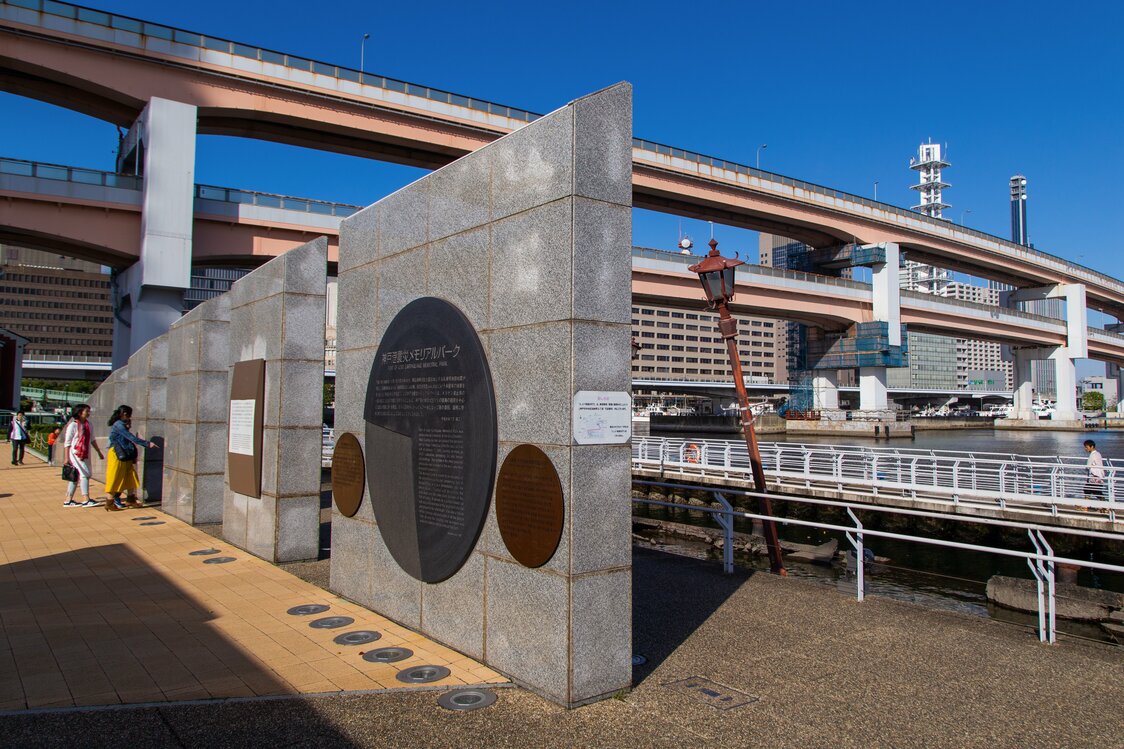
The Earthquake Memorial Park located to the northeast of the Be Kobe Monument.
-
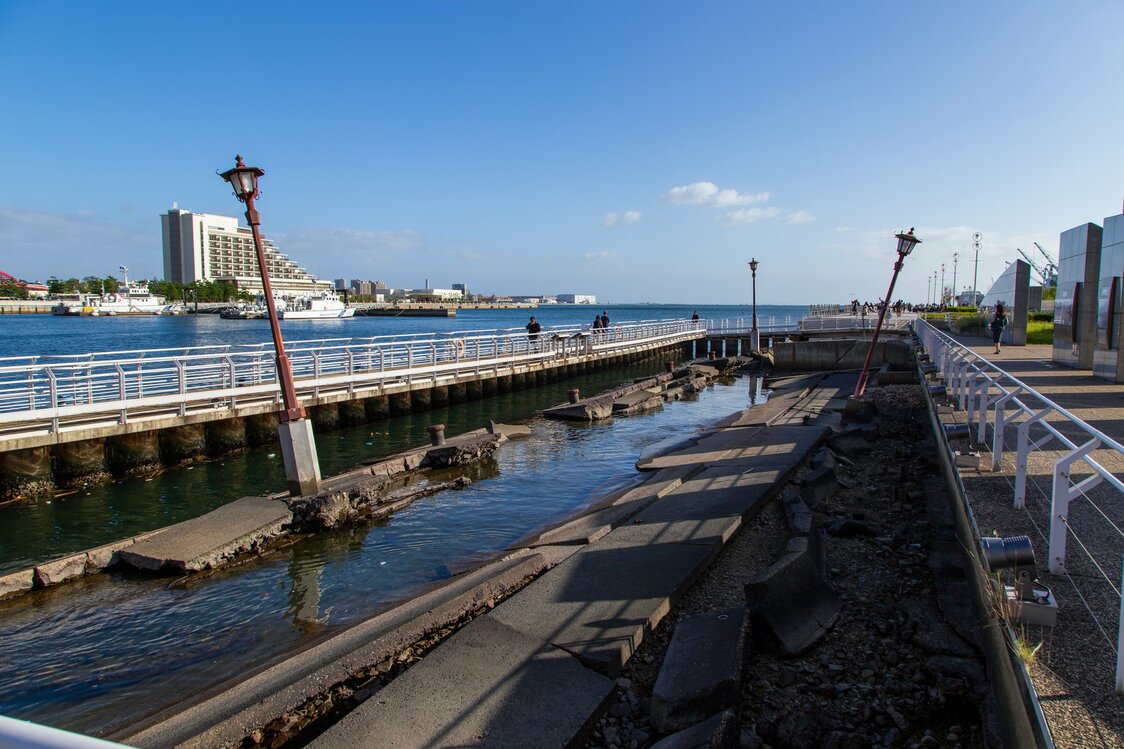
The Meriken waterfront was built in 1868. During the 1995 disaster, the land sank, causing flooding.
-
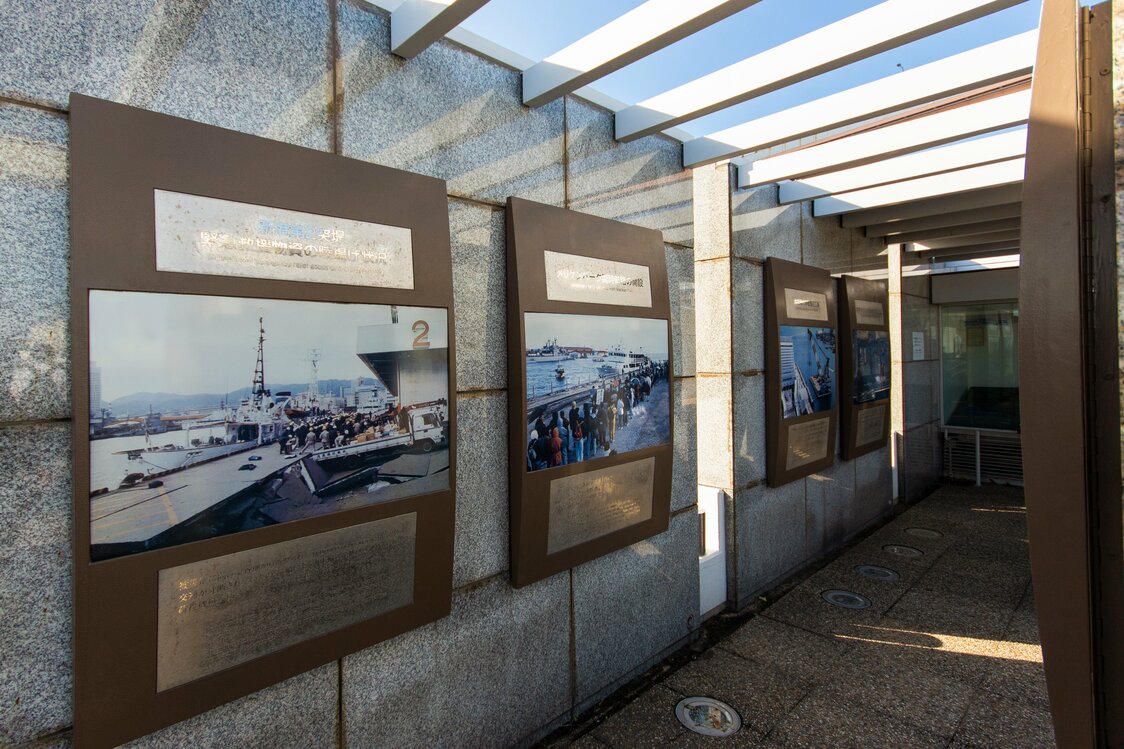
Displays detailing the effect of the disaster and recovery efforts.
-
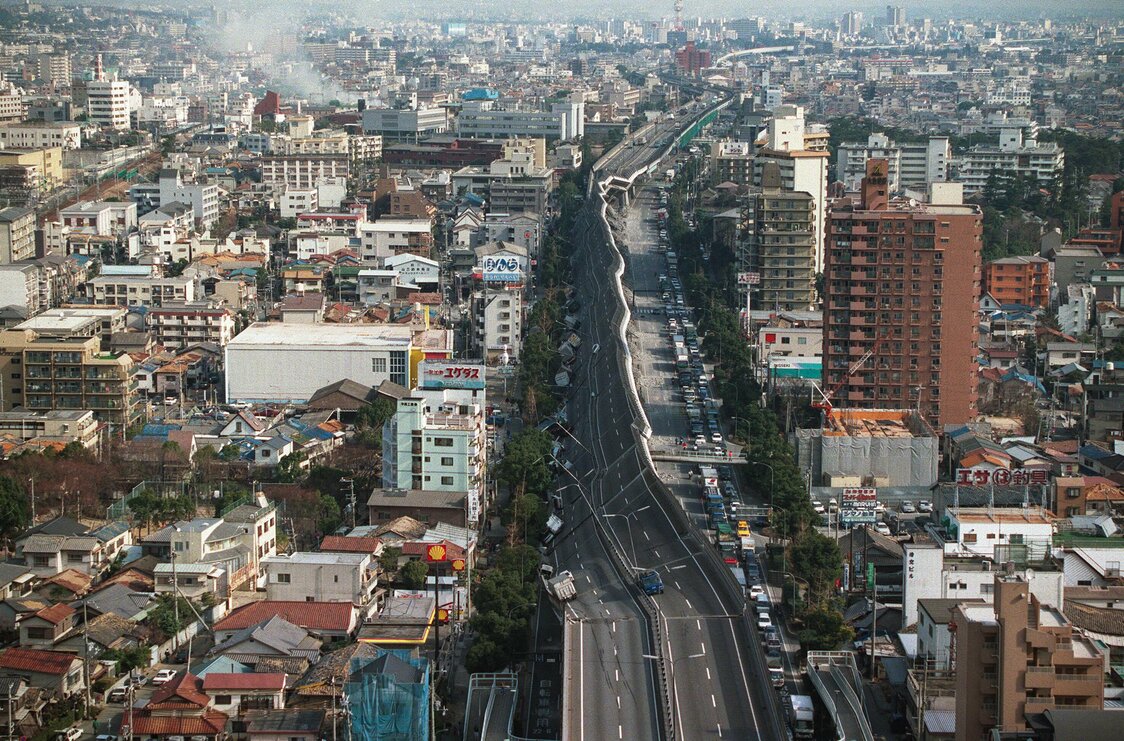
Part of the collapsed Hanshin Expressway in Kobe. (© Jiji)
-
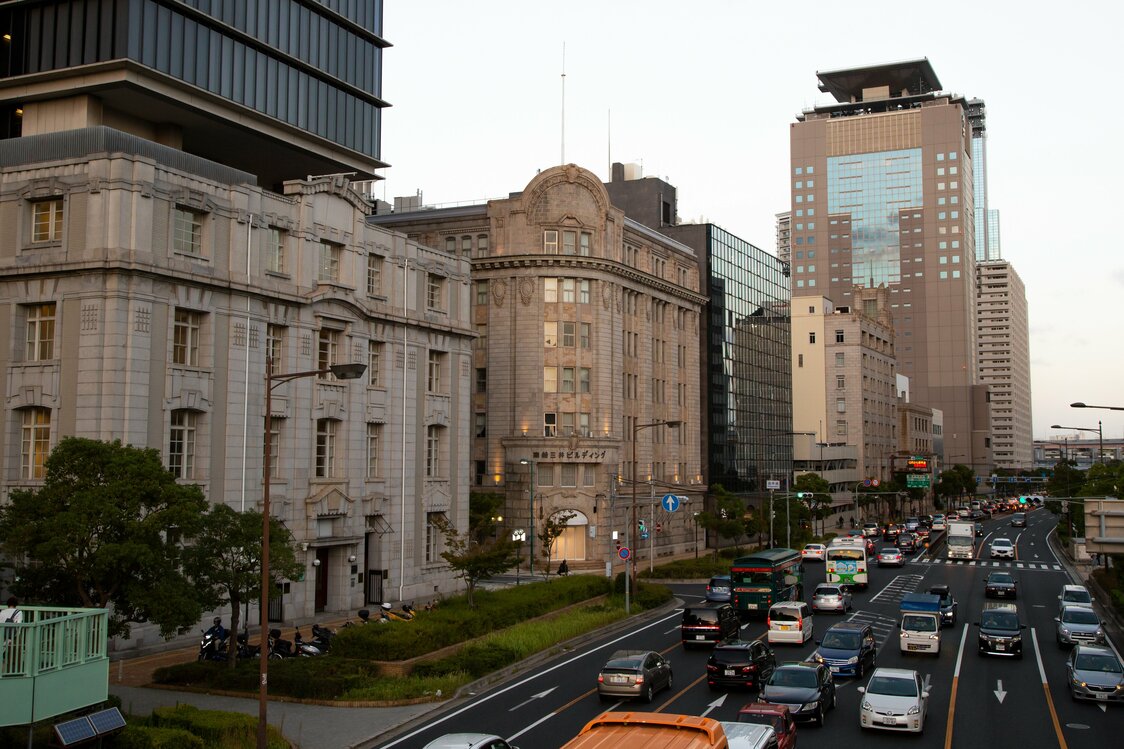
The Shōsen Mitsui Building was completed in 1922.
-
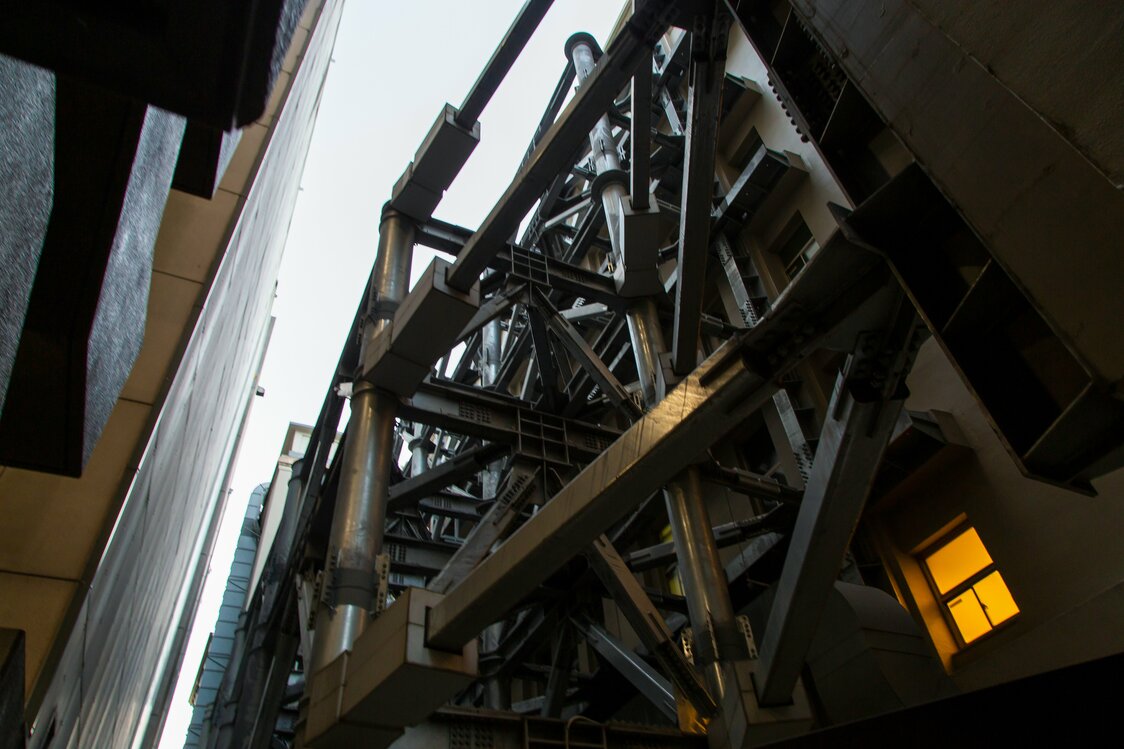
A steel frame behind the building provides earthquake-proofing support.
-
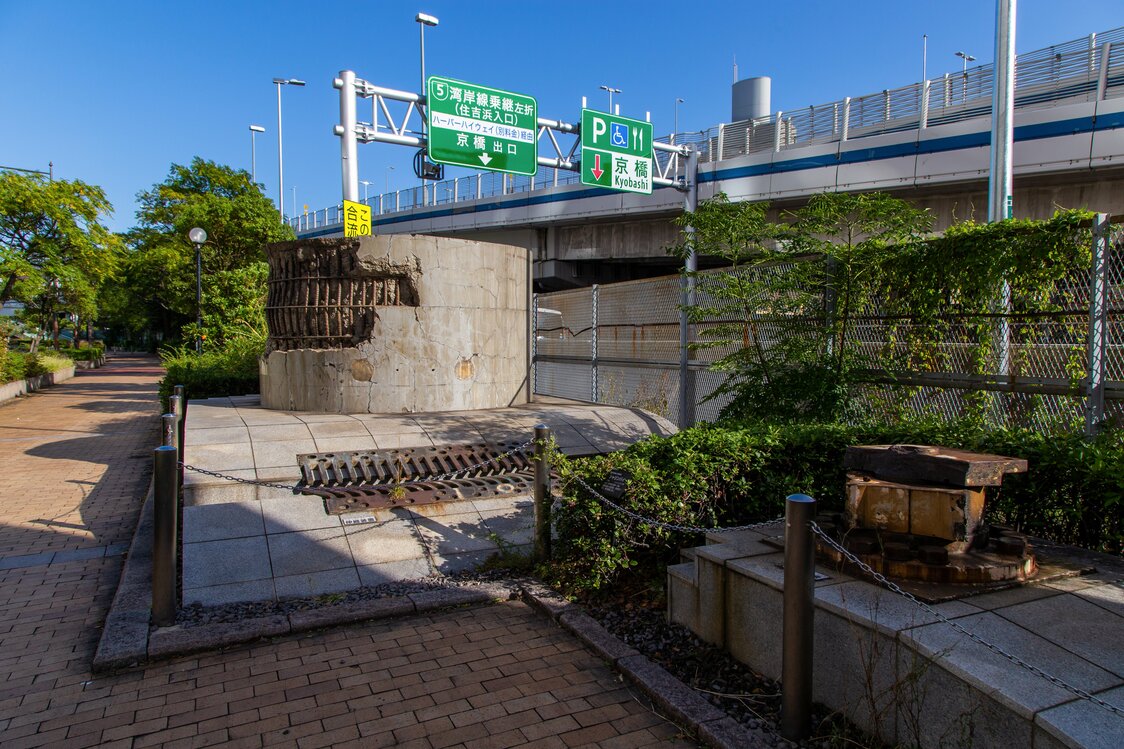
Damaged road sections show the power of the 1995 quake.
-
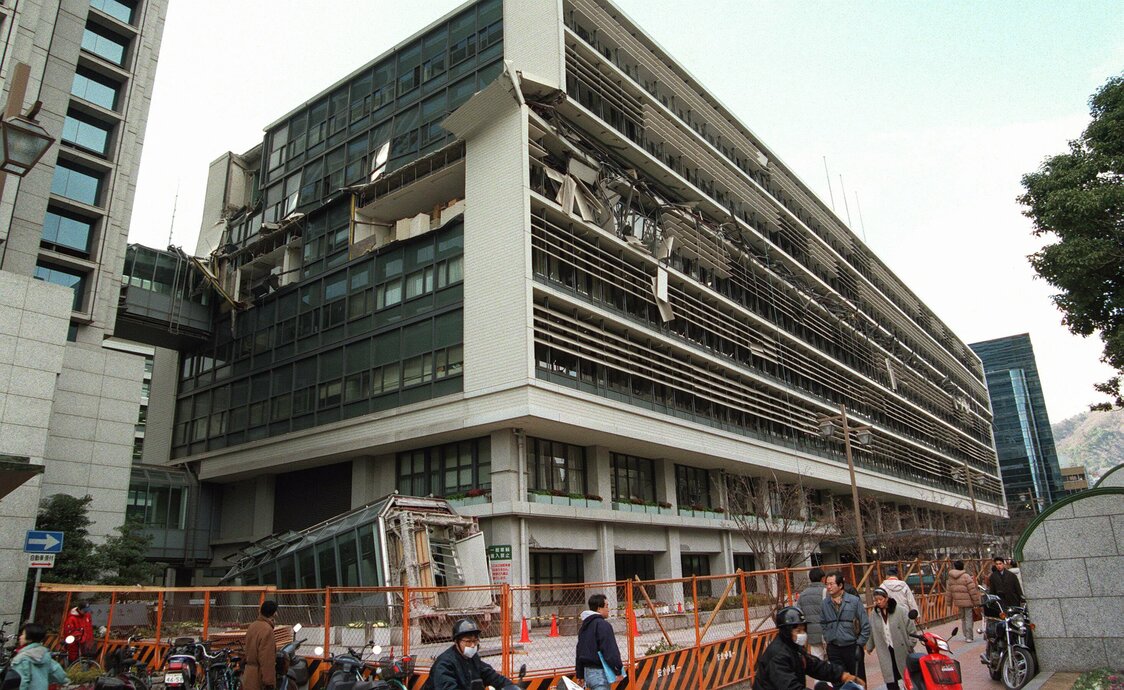
The Number 2 building of Kobe City Hall with its pancaked sixth floor. (© Jiji)
-
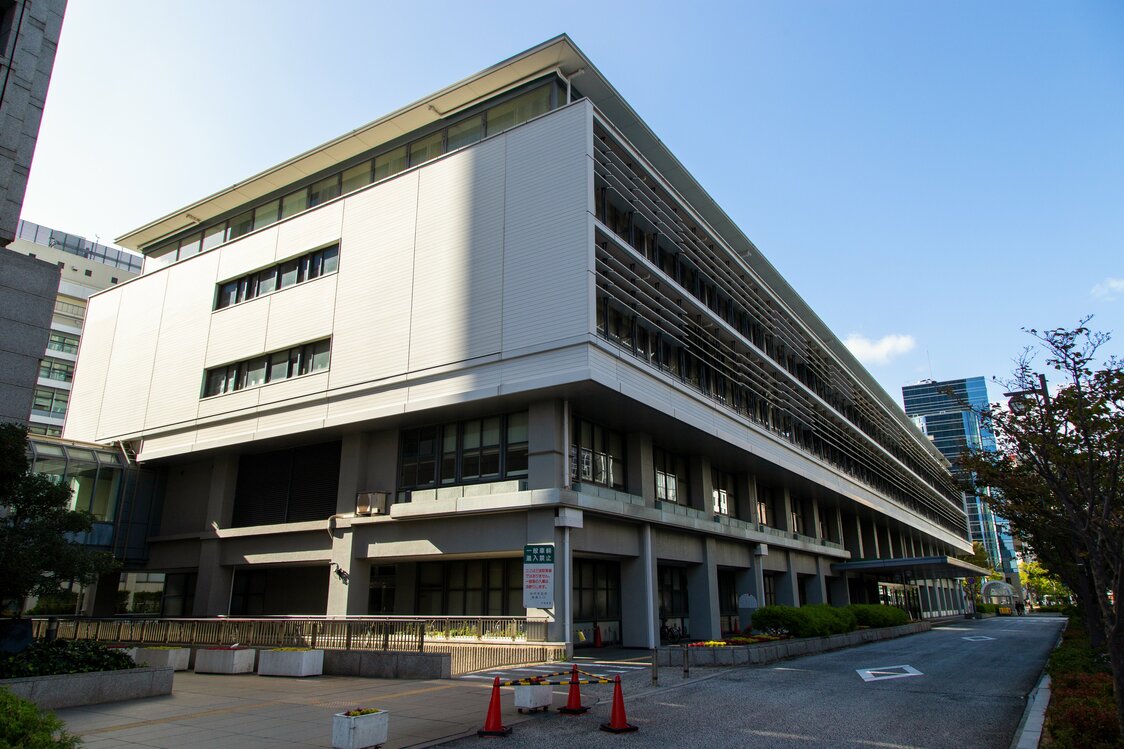
The Number 2 building today, in use as a five-story building.
-

The Marina statue fell when its pedestal collapsed in the earthquake.
-
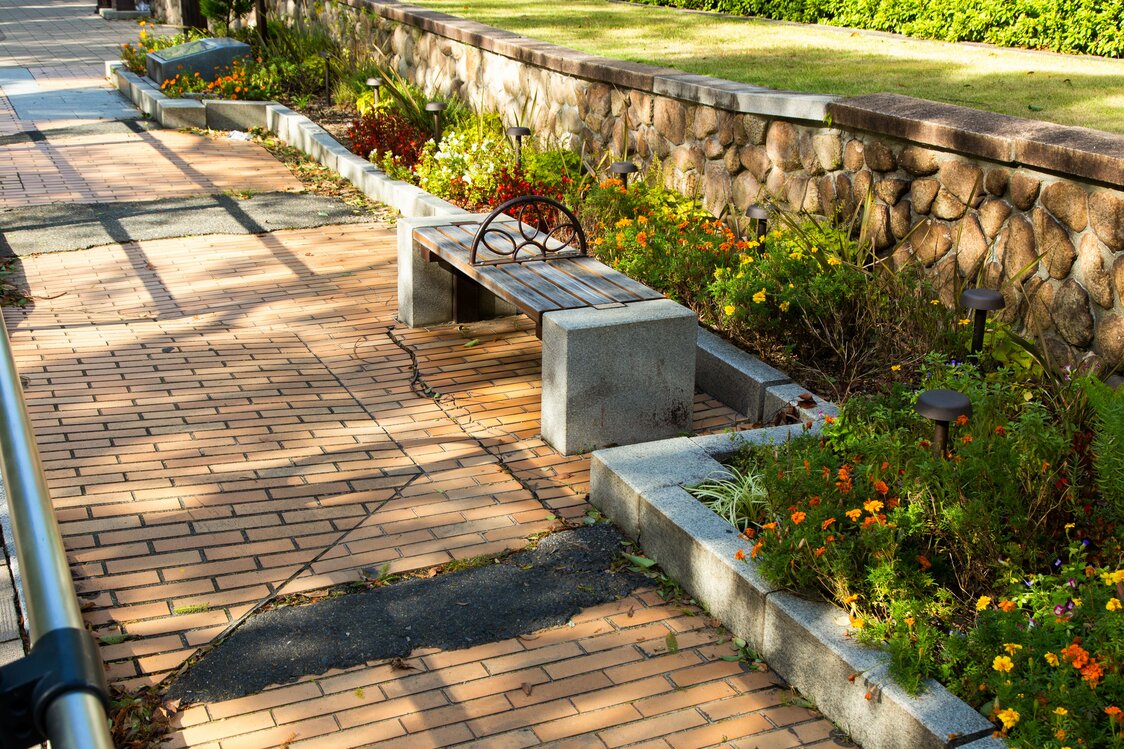
Earthquake damage remains evident on this path.
-
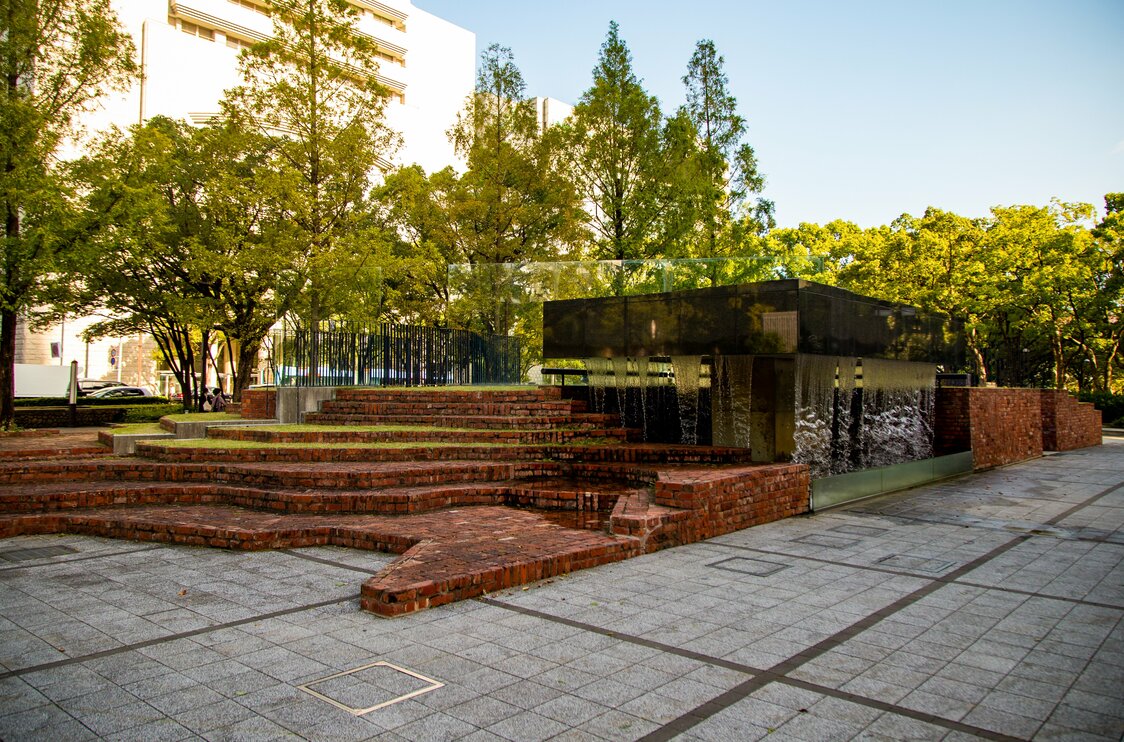
A memorial built through citizen donations.
-
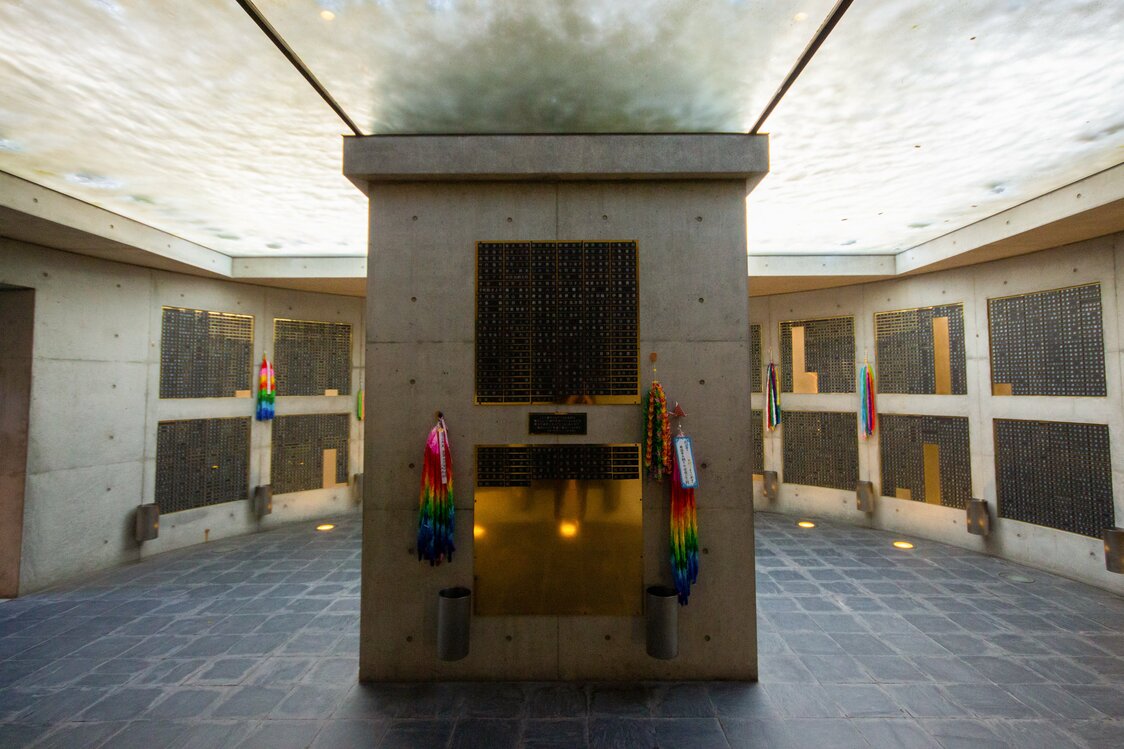
A gently lit underground space for contemplation.
-
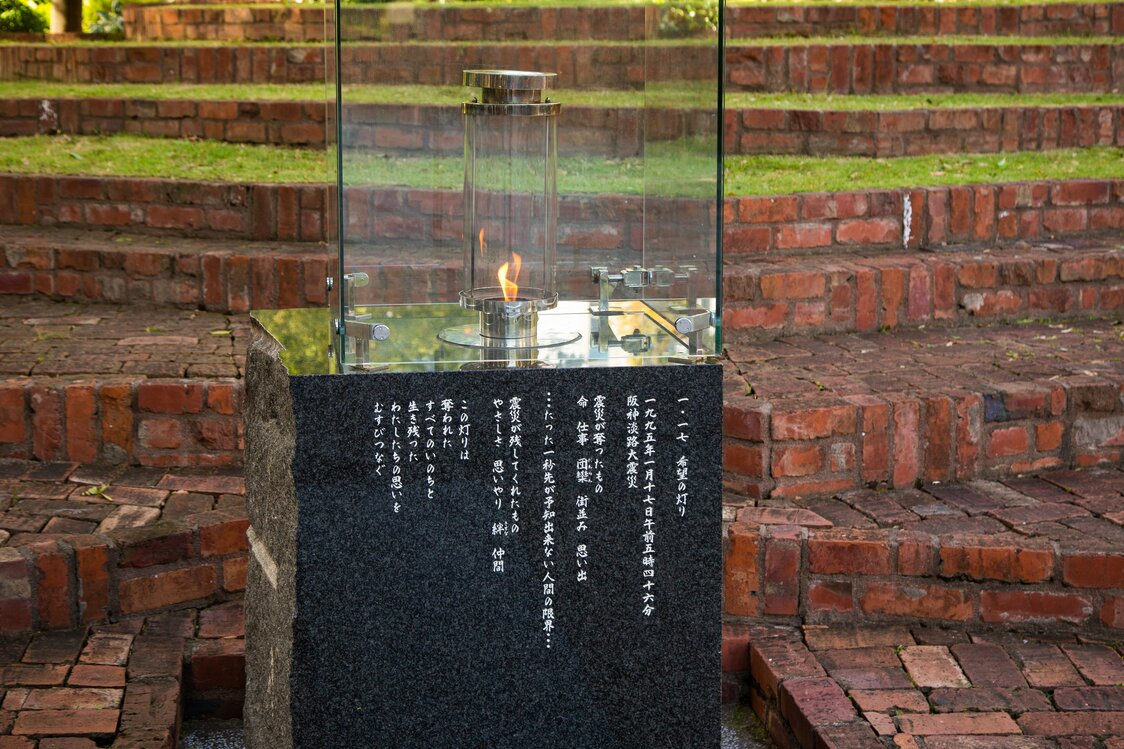
Volunteers clean the flame monument on the seventeenth day of each month.
-
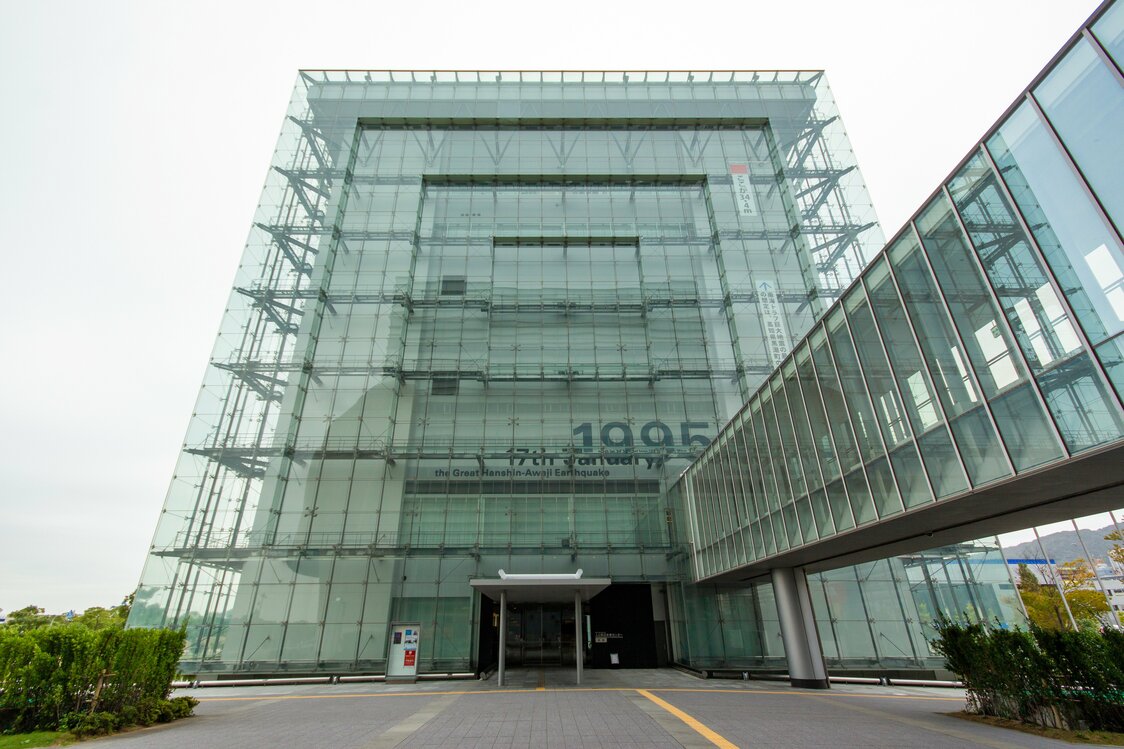
The west building mainly contains exhibits related to the Great Hanshin-Awaji Earthquake.
-
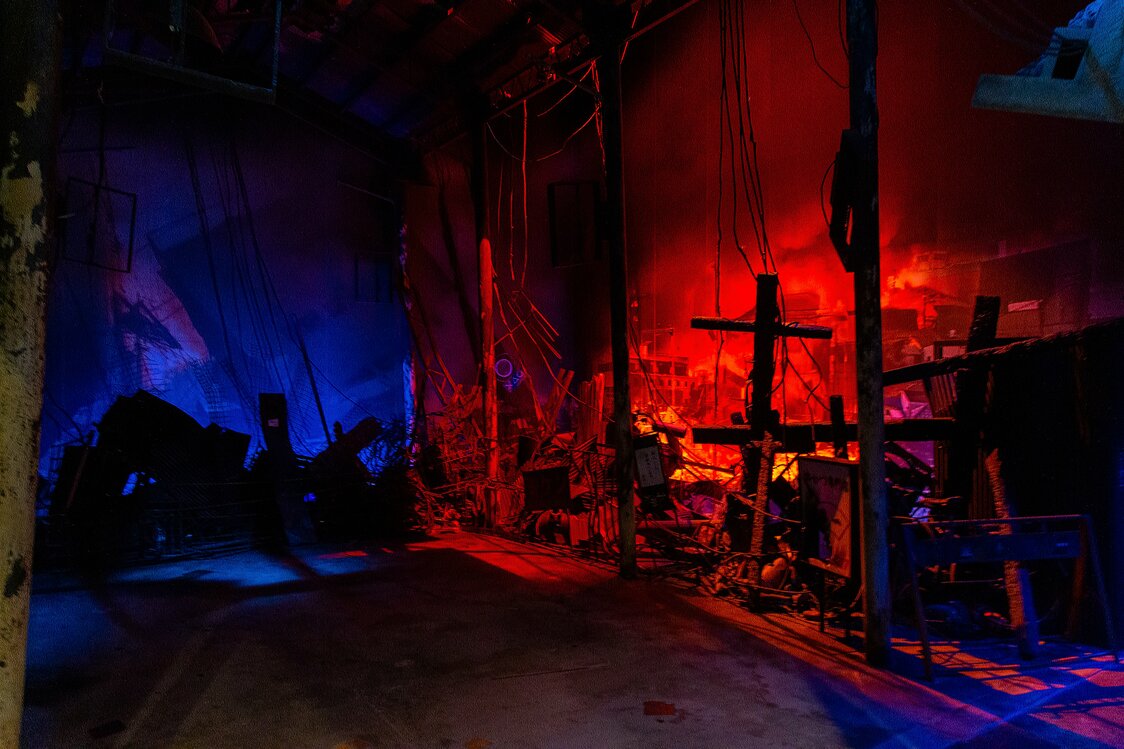
A life-size diorama re-creates city streets immediately after the disaster.
-
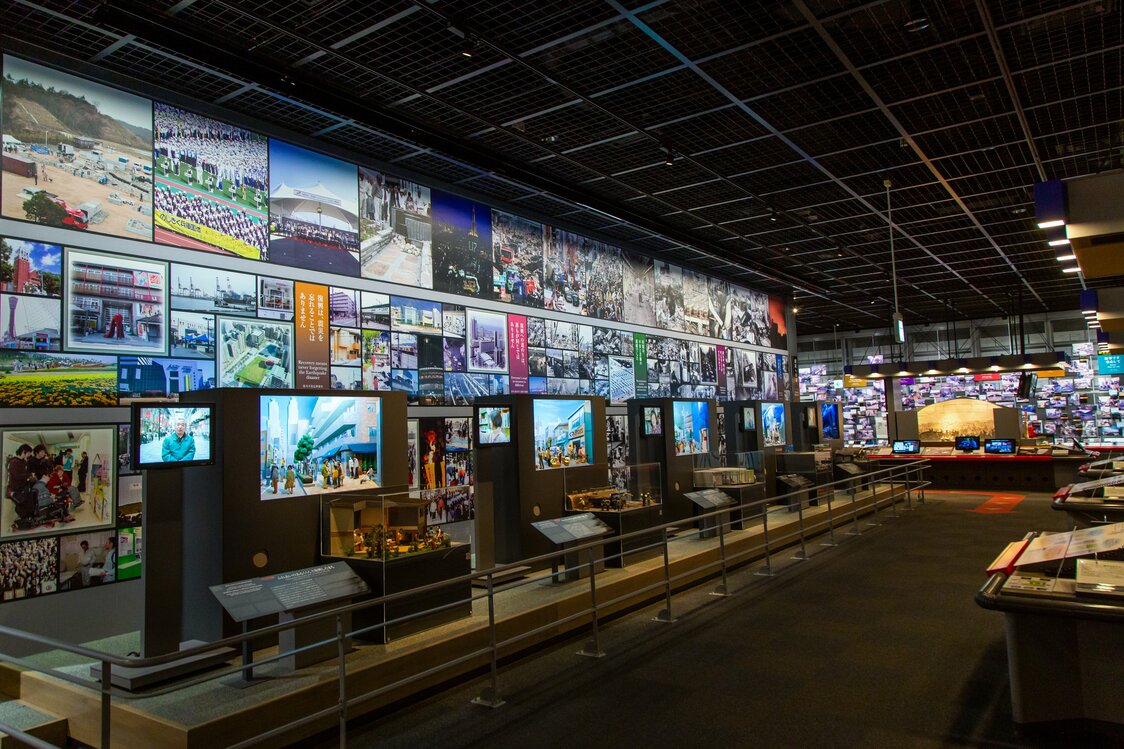
Many photographs and models are on display on the third floor.
-
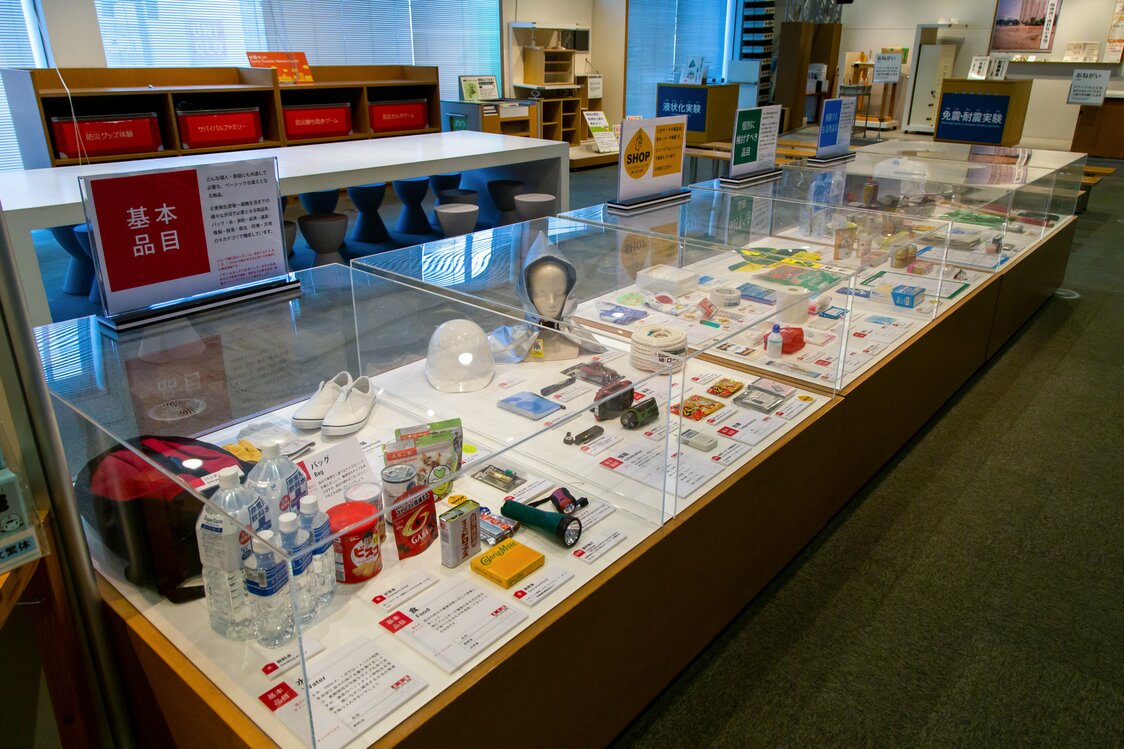
The second floor exhibits disaster preparation goods and information about disasters around the world.
-
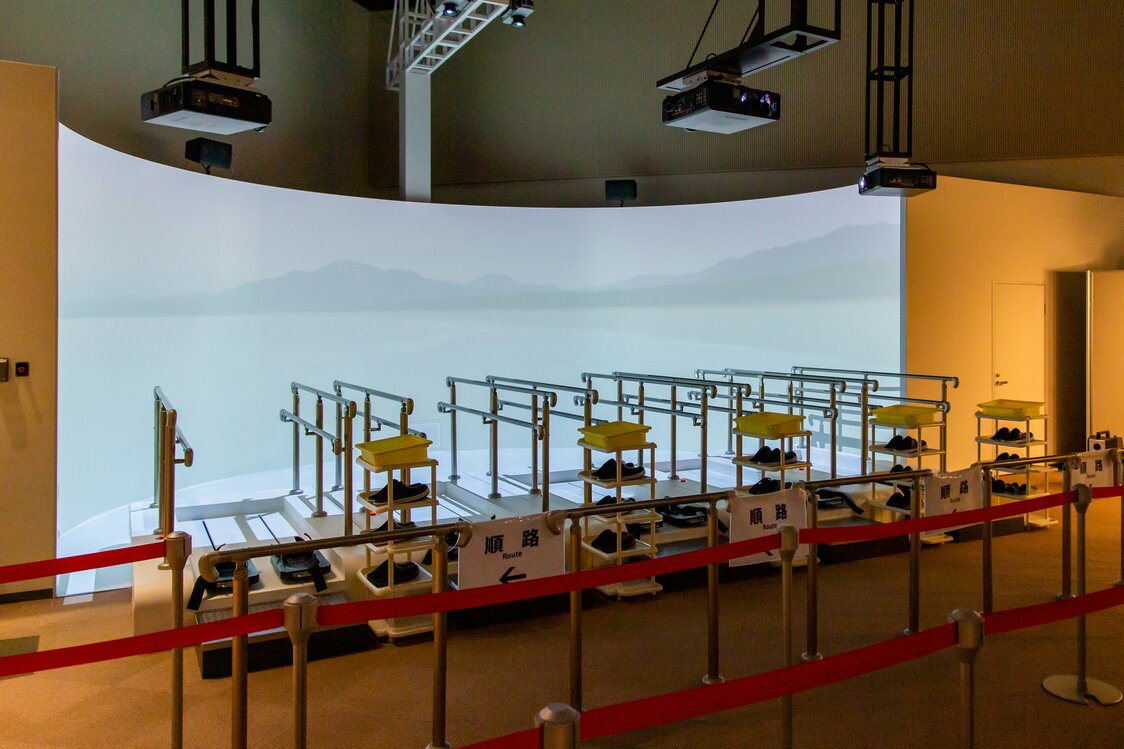
A simulator lets visitors experience how difficult it is to walk against the pressure of water.
-
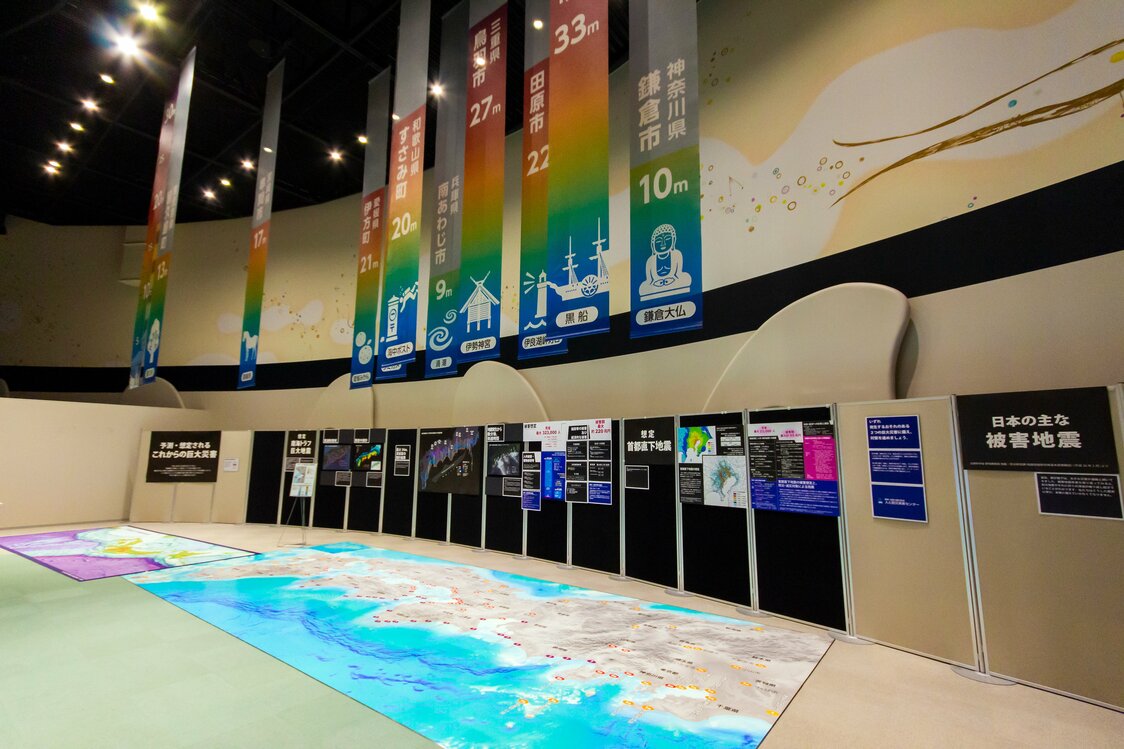
This exhibit shows expected damage from an earthquake in the Nankai trough or directly beneath Tokyo.
-

The Disaster Reduction and Human Renovation Institution works to collect and display materials relating to volunteer and support activities.


 Read in other languages