-
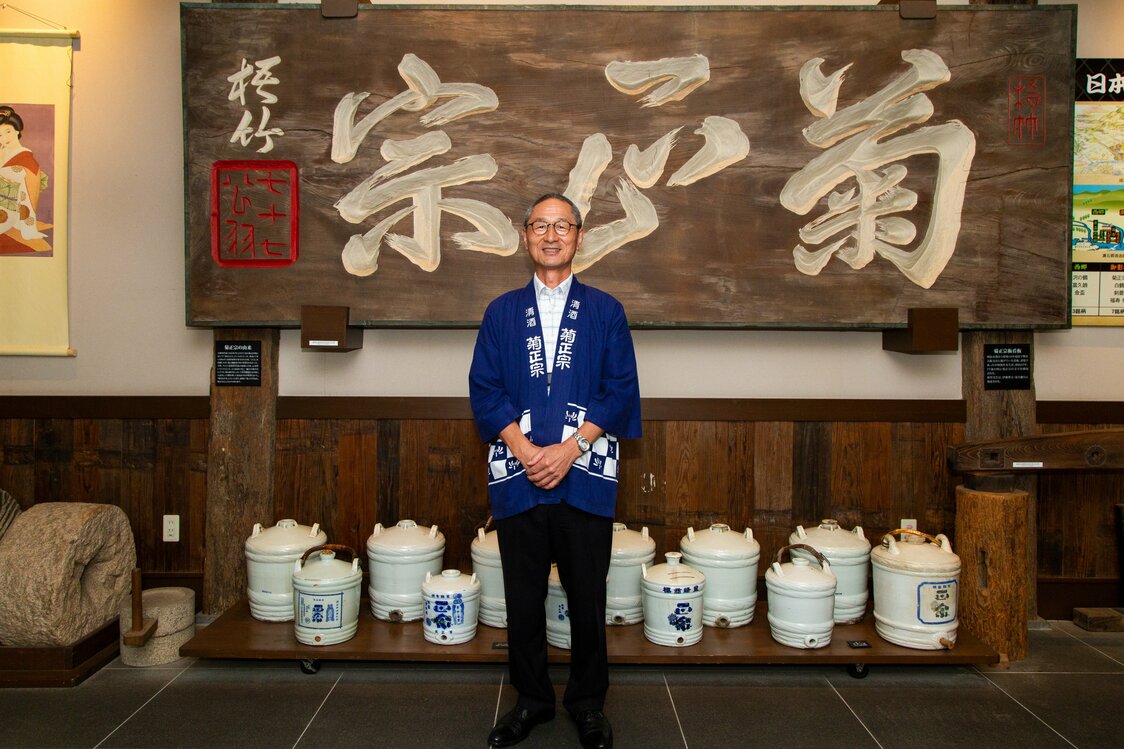
Gotō Mamoru relates the history of sake in Nada.
-
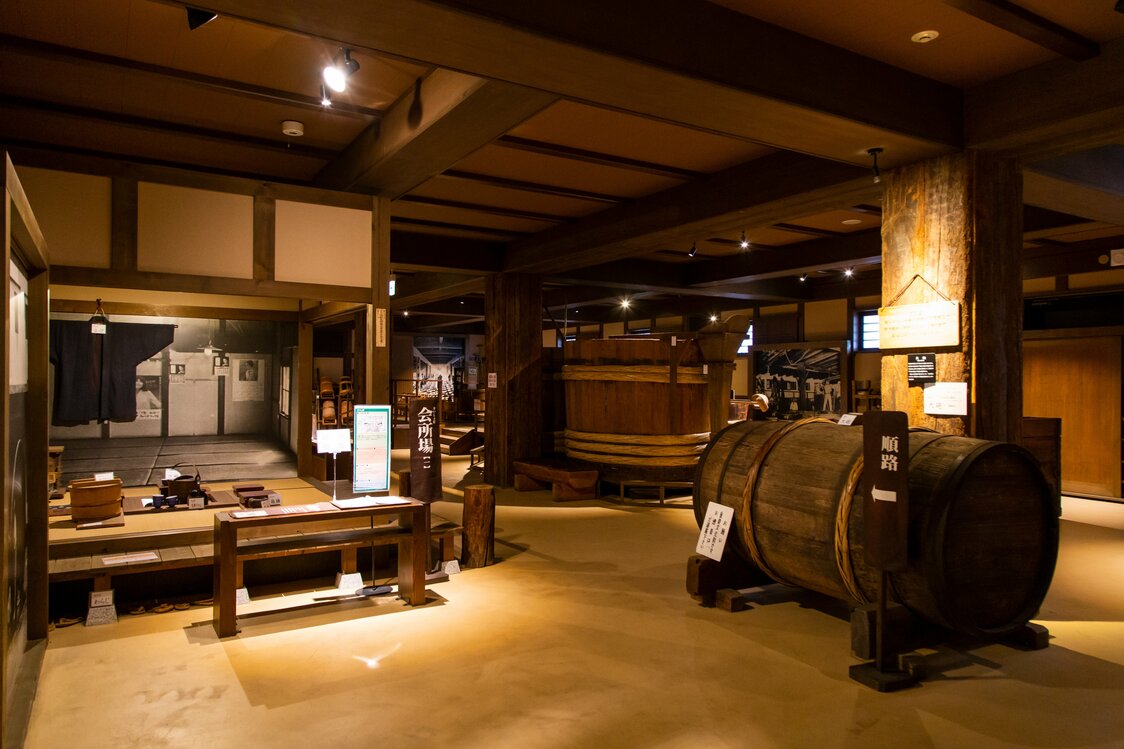
The Kiku Masamune Sake Brewery Museum introduces visitors to traditional sake-brewing methods and the history and appeal of Nada sake. Among the exhibits are Nada sake-making equipment, designated important folk cultural properties by the government, and other valuable artifacts.
-
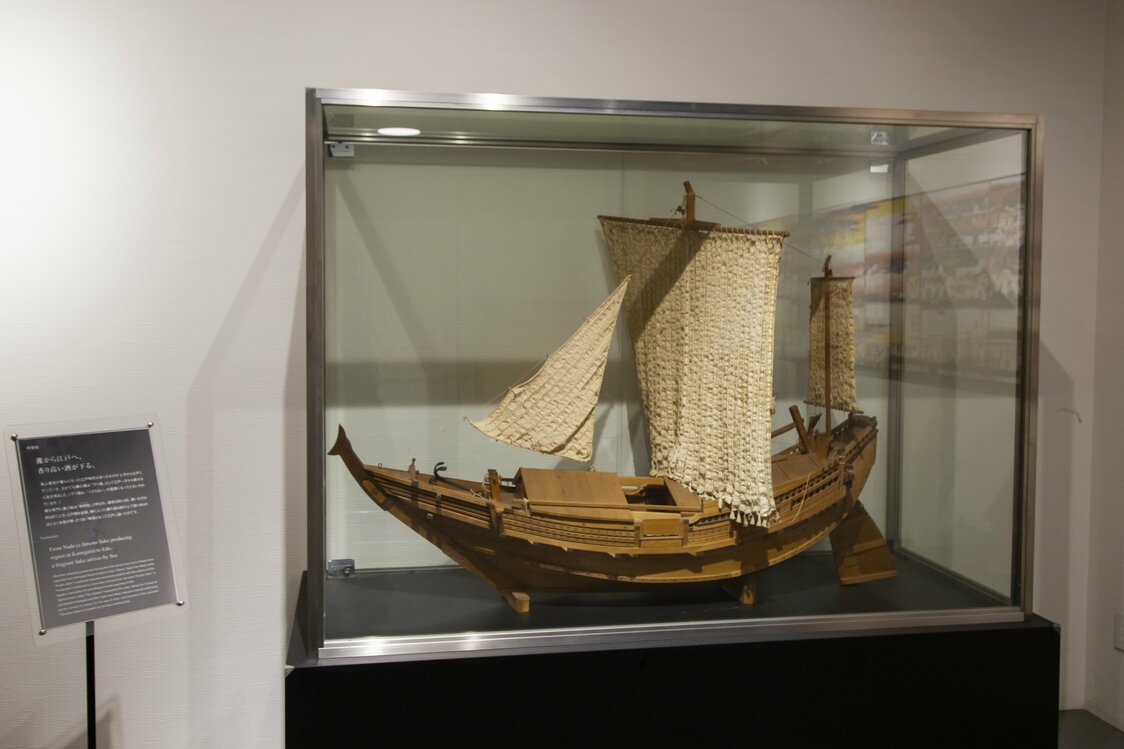
A reproduction of a coastal shipping vessel that carried sake to Edo.
-
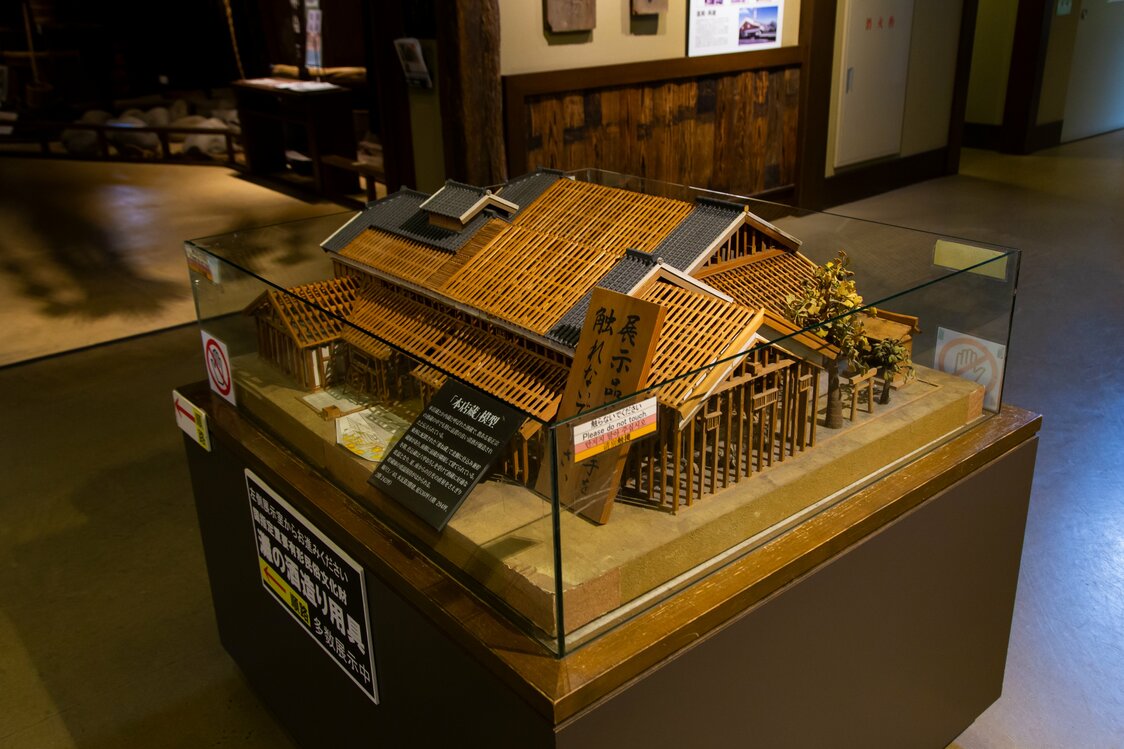
A model of the Kiku Masamune brewery building, oriented to let in the Rokkō oroshi blowing in from the north.
-
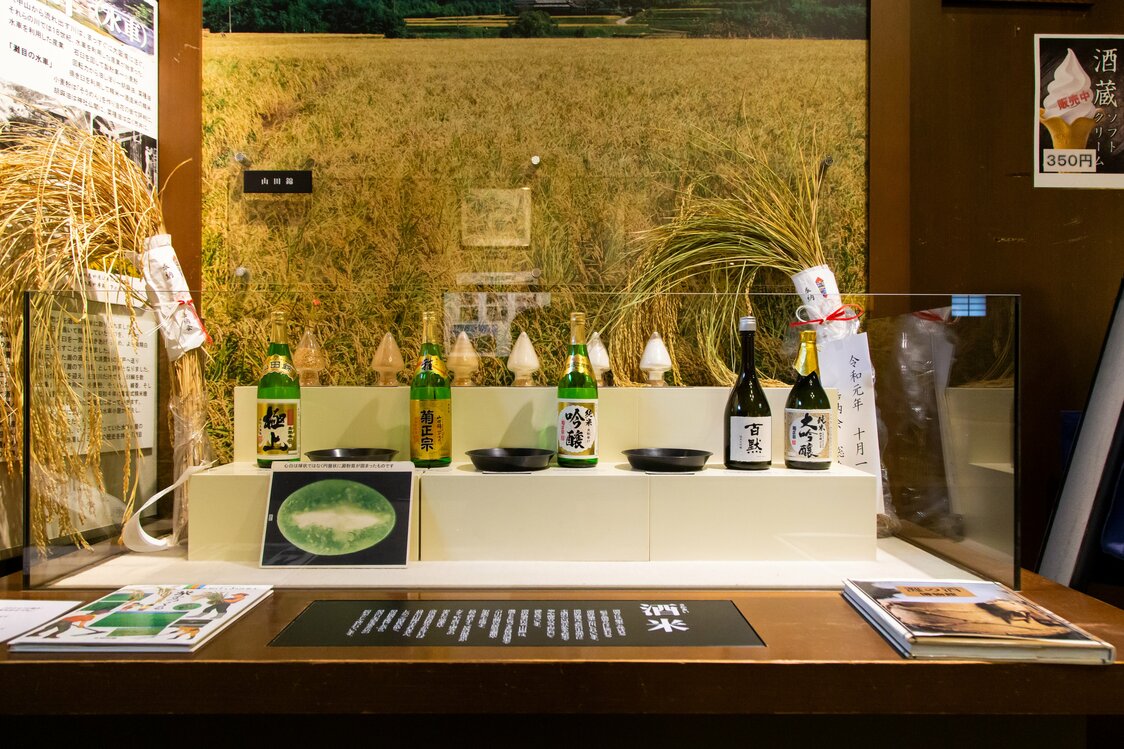
An exhibit on rice for sake brewing. The Kiku Masamune Brewery contracted with rice growers in Miki, Hyōgo Prefecture in the late nineteenth century to grow the rice for its sake. The area is now famous for growing Yamadanishiki.
-
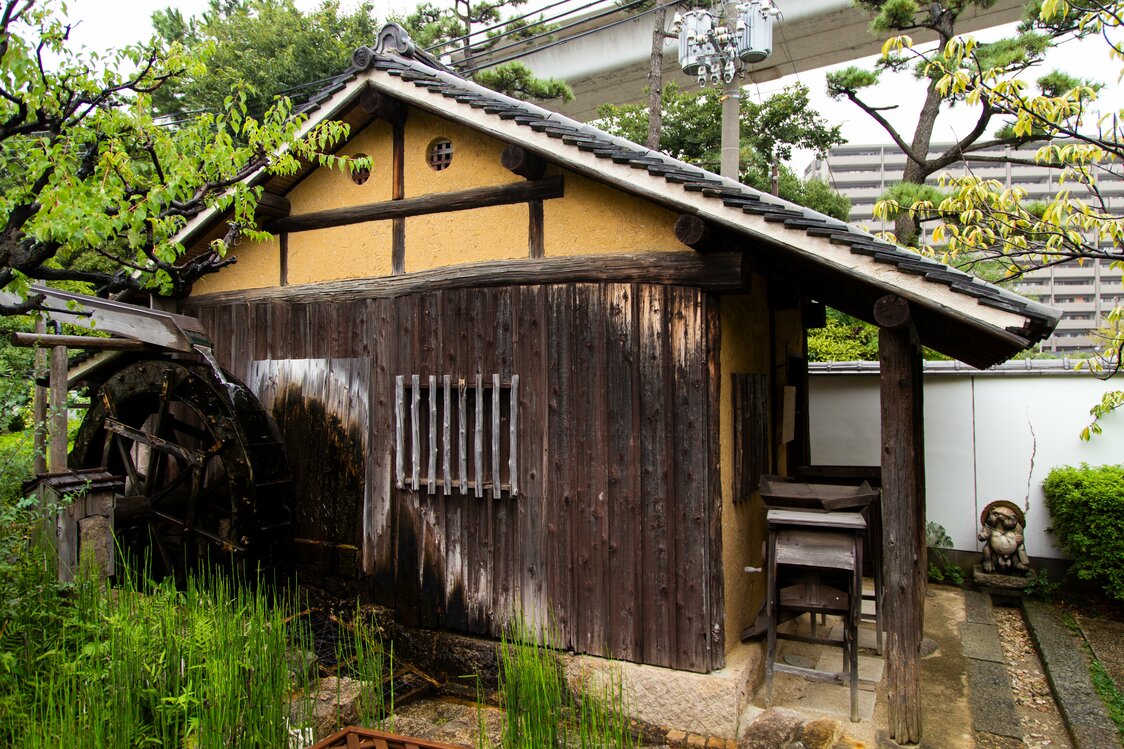
A reproduction of a mill equipped with a water wheel, which greatly increased the amount of rice that could be hulled. Visitors can have a look inside.
-
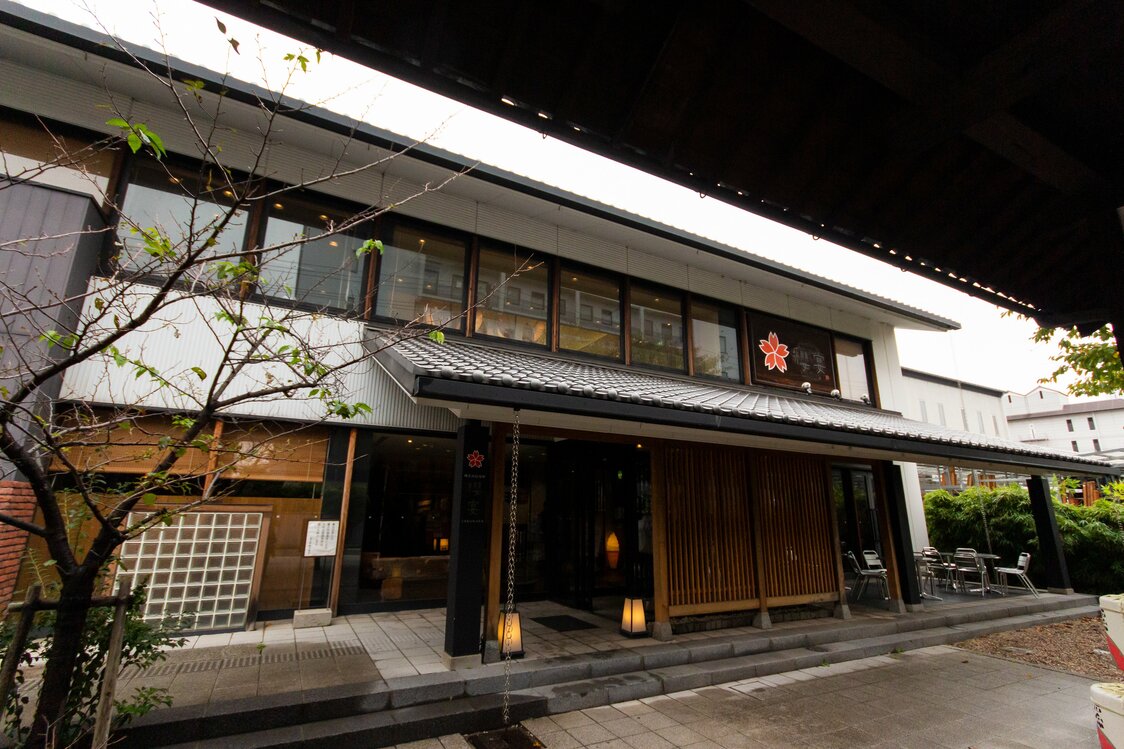
Sakura-en, the Sakura Masamune Memorial Hall in Uozakigō. The hall is decorated with traditional sake brewing equipment and old signboards and sake bottles. The Kuramachi-dōri exhibition space describes the history of Sakura Masamune, and a restaurant and café on the premises offer visitors an opportunity to sample sake.
-
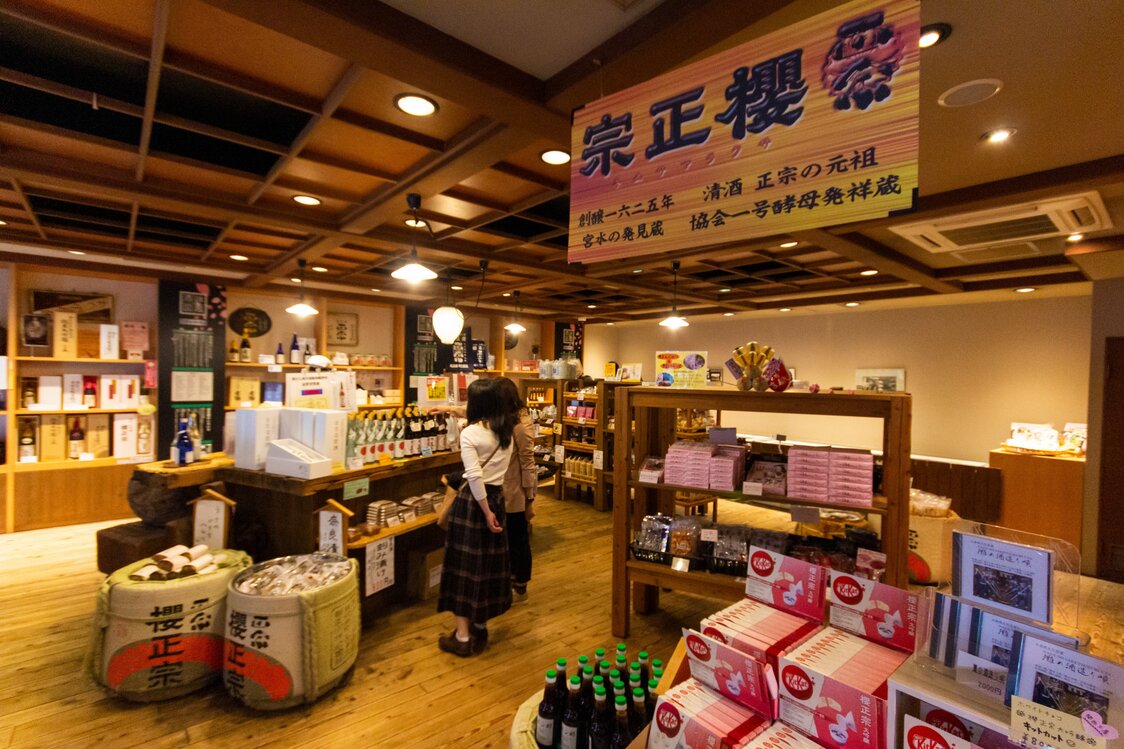
The Sakura-kura gift shop sells sake and locally produced tidbits perfect for enjoying with the drink. The signboard aboard informs visitors that this is the brewery where miyamizu was discovered.
-
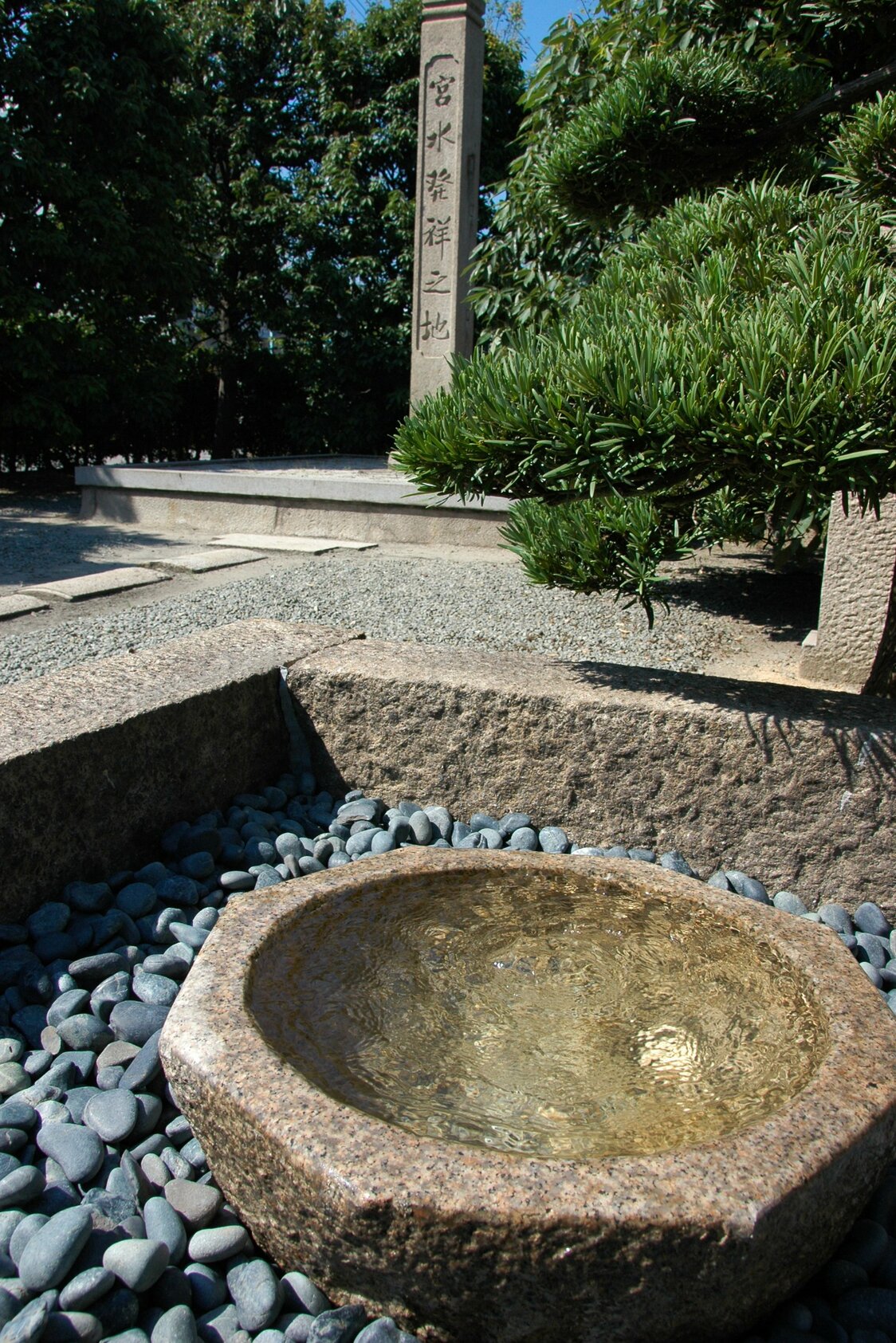
A stone monument in Nishinomiya marking the spot where miyamizu was first discovered.
-
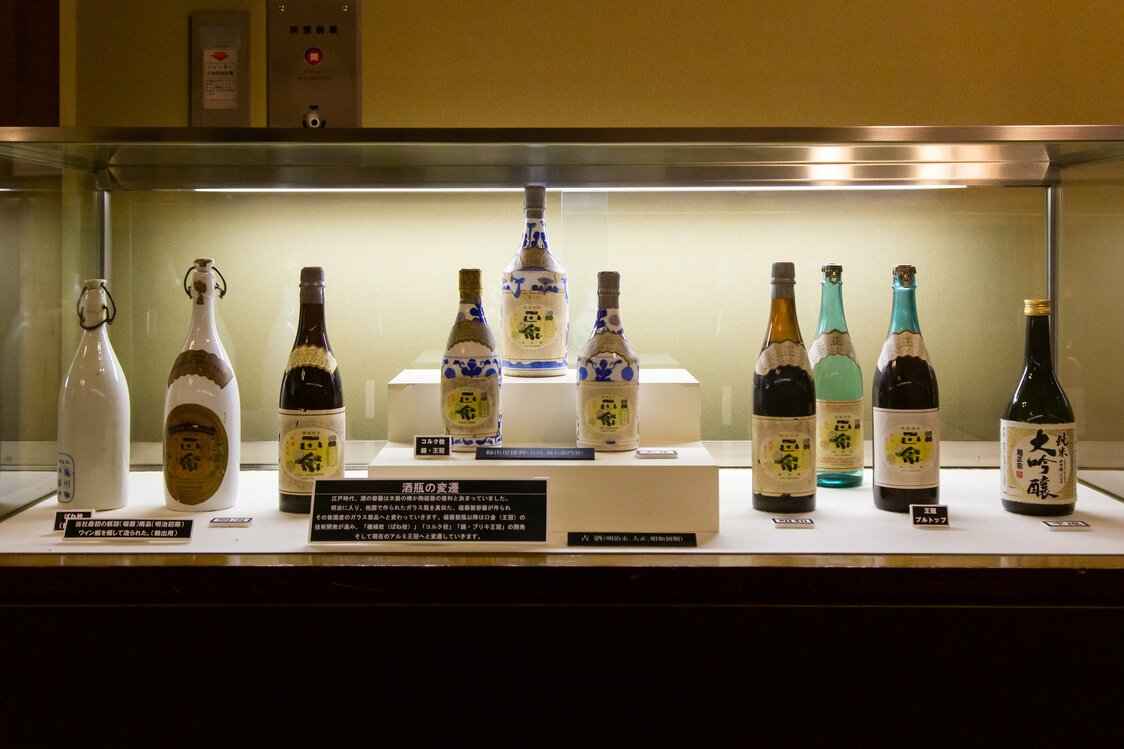
This display traces the changes in sake packaging, from porcelain containers modeled after Western-style glass bottles to domestically produced glass bottles. The improvements to the clasp over the years hint at the difficulties encountered in developing the right packaging.
-
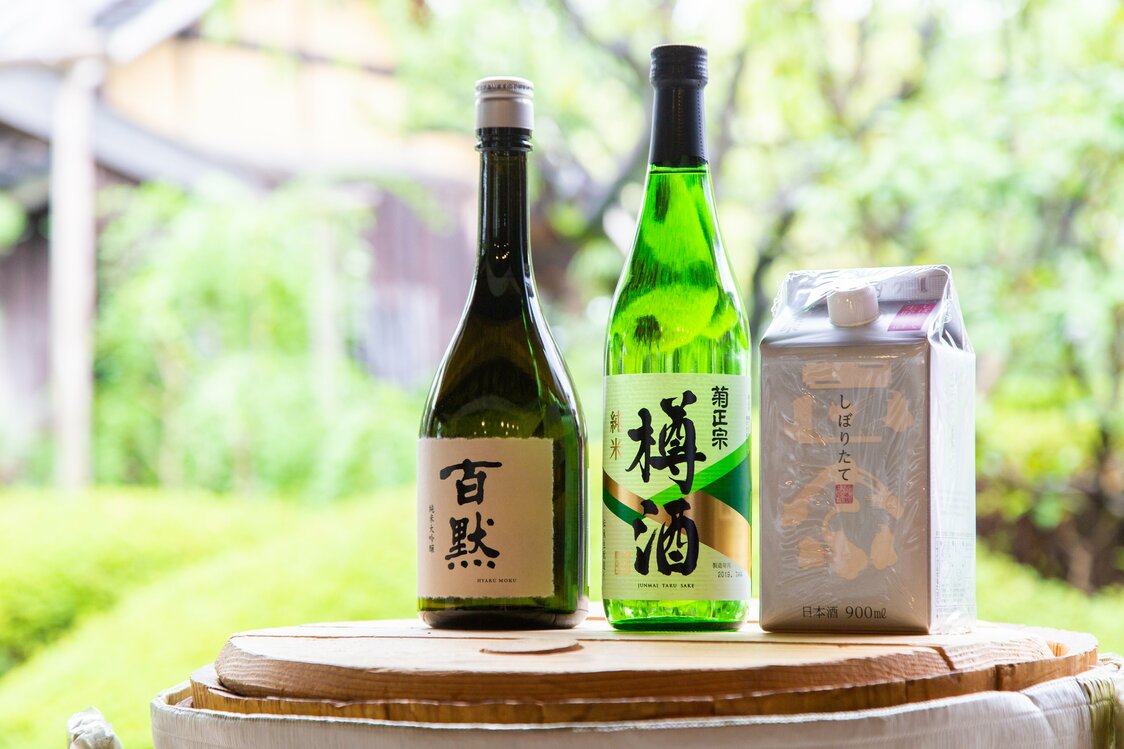
Kiku Masamune’s brews combine tradition and innovation. From left, Hyakumoku, made from 100% Yamadanishiki rice from the best paddies; Taru Sake, offering the traditional flavor of sake shipped in barrels to Edo in the old days; and Shiboritate Ginpakku, which although packaged in paper, has the flowery bouquet of freshly brewed sake.
-
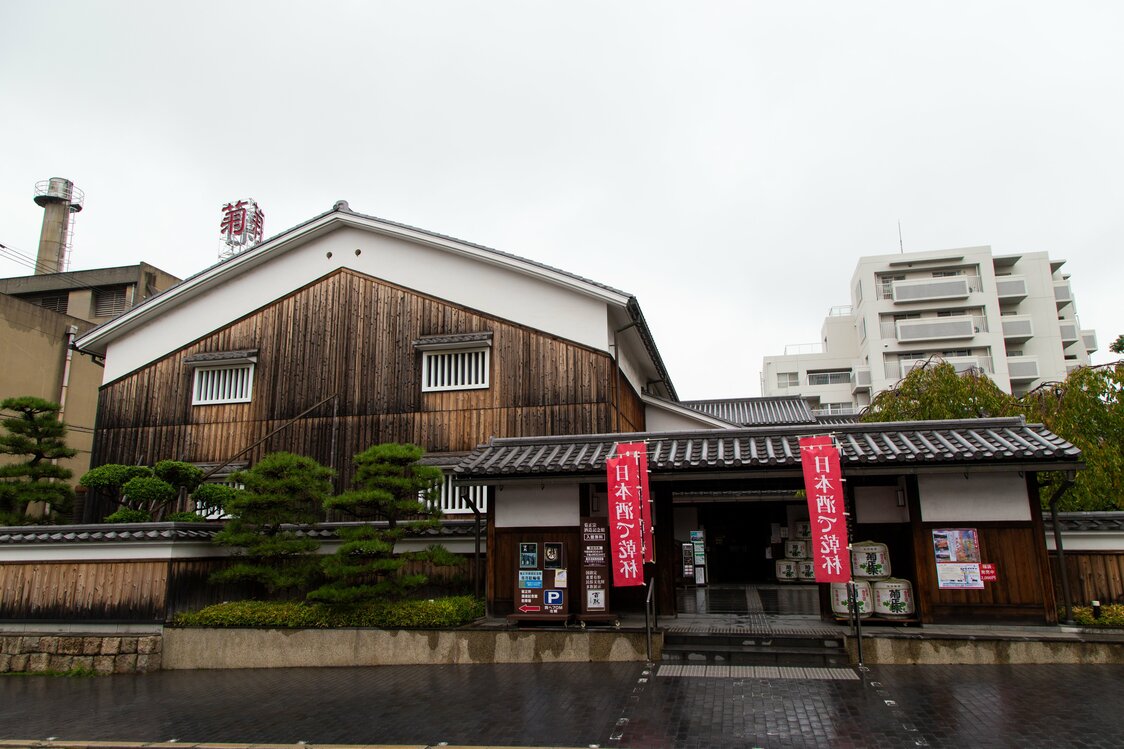
The Kiku Masamune Sake Brewery Museum.


 Read in other languages