-
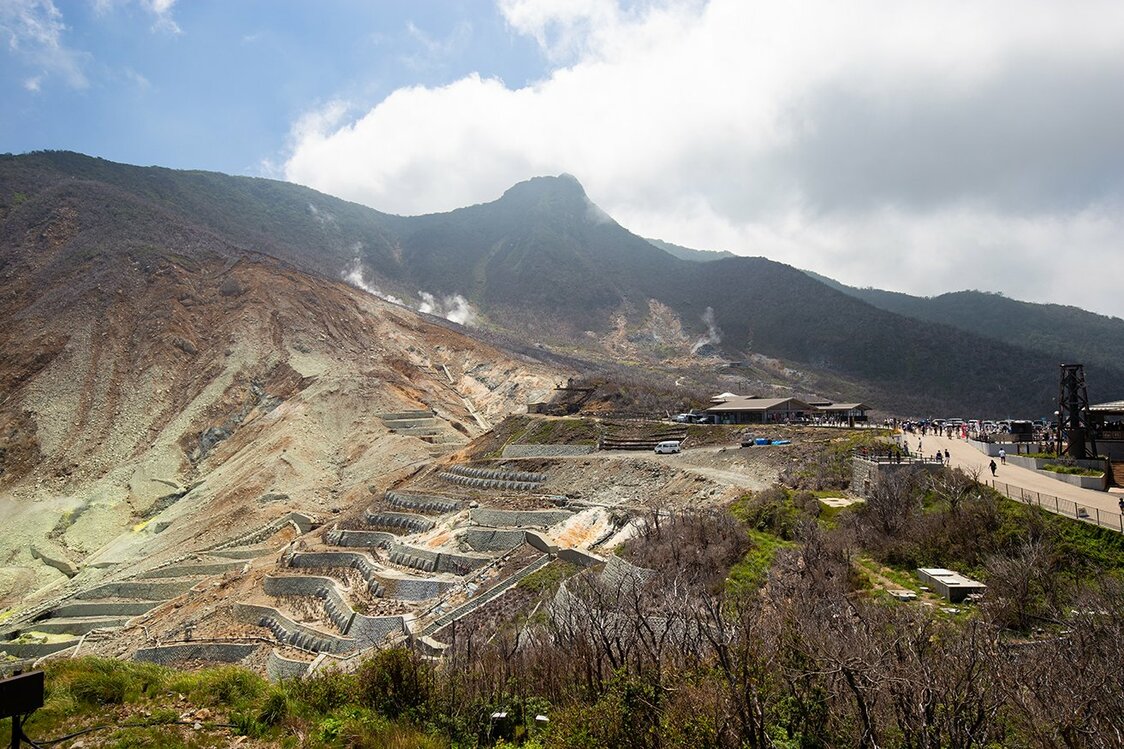
Ōwakudani and its steam vents with 1,409-meter Mount Kanmurigatake in the distance. Ōwakusawa at the left foreground is an area that is prone to landslides and is crisscrossed by containment structures.
-
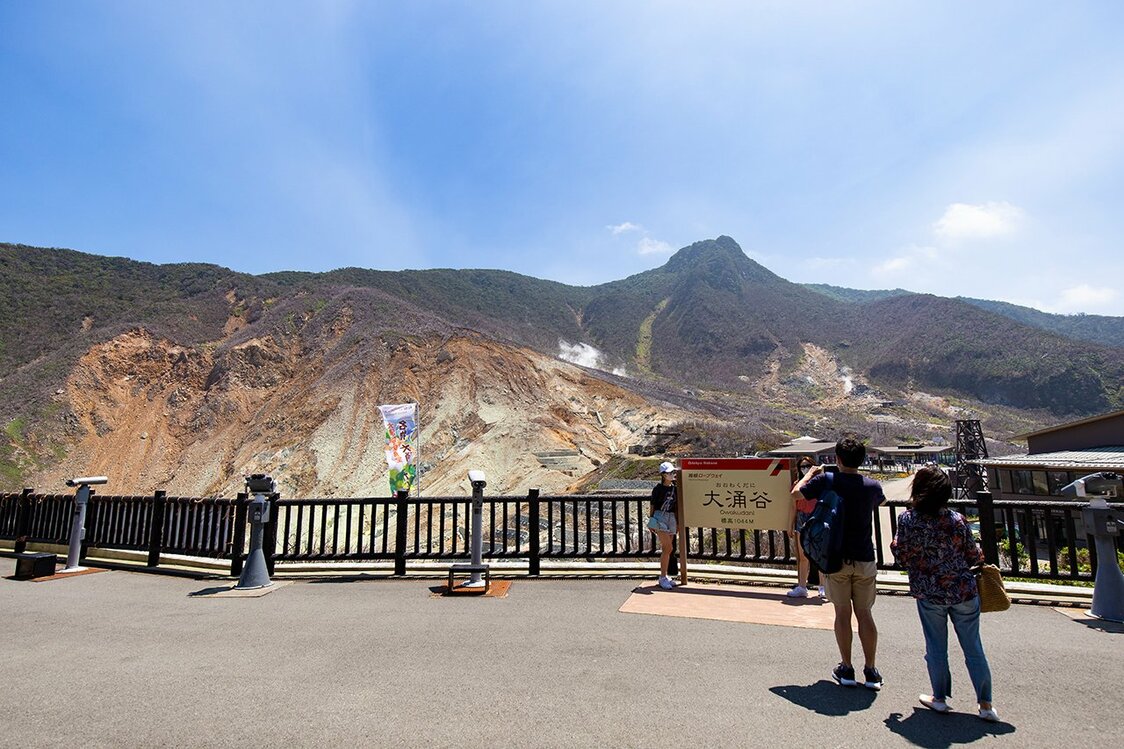
The observation deck at Ōwakudani Station on the Hakone Ropeway.
-
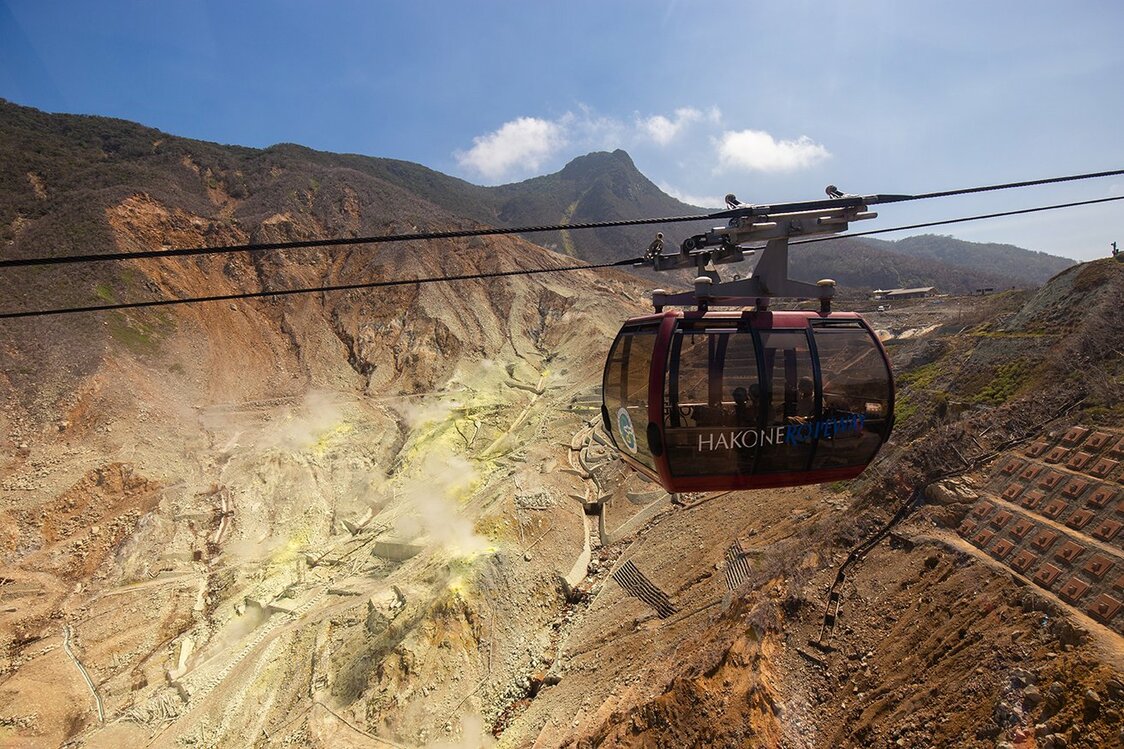
The Hakone Ropeway takes visitors over Ōwakusawa.
-
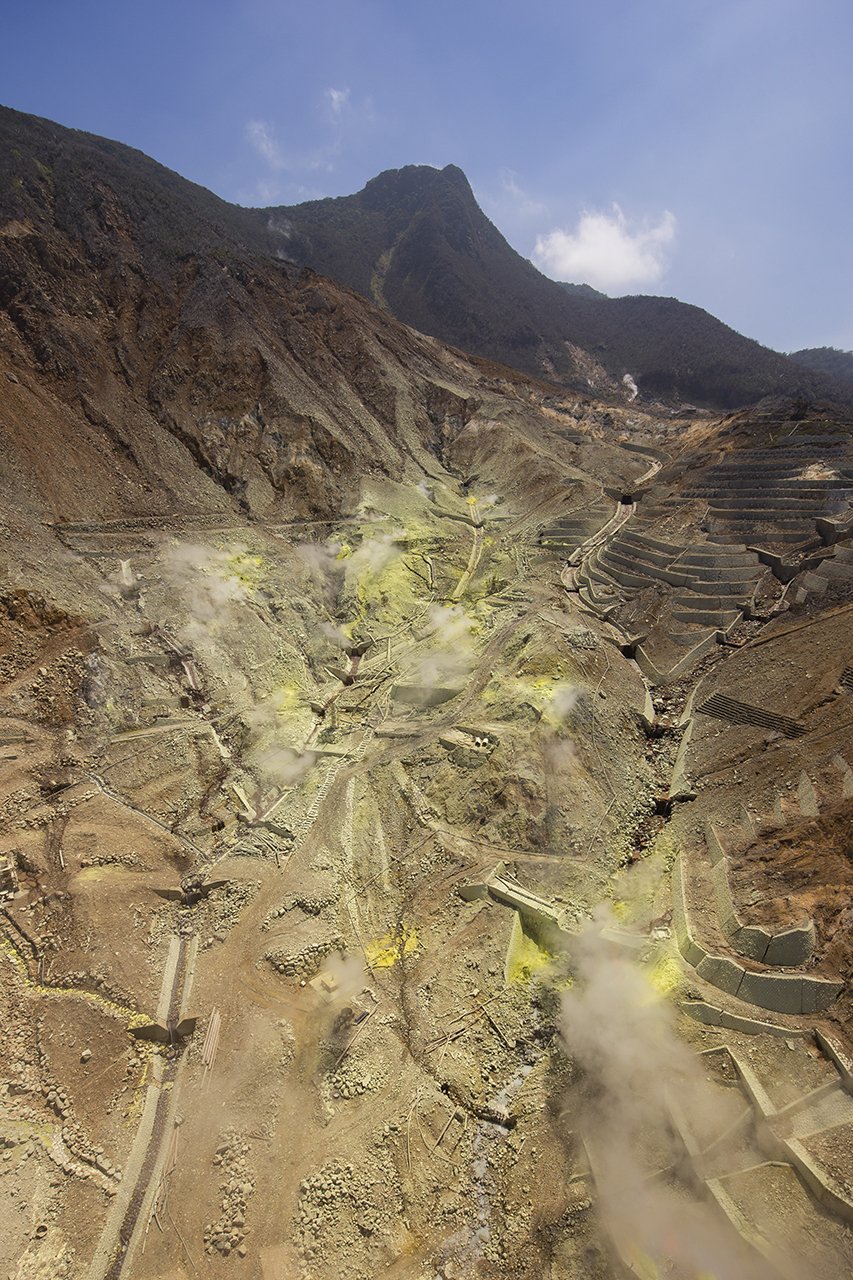
The view from the air shows fumes rising from Ōwakusawa, with Mount Kanmurigatake looming in the background.
-
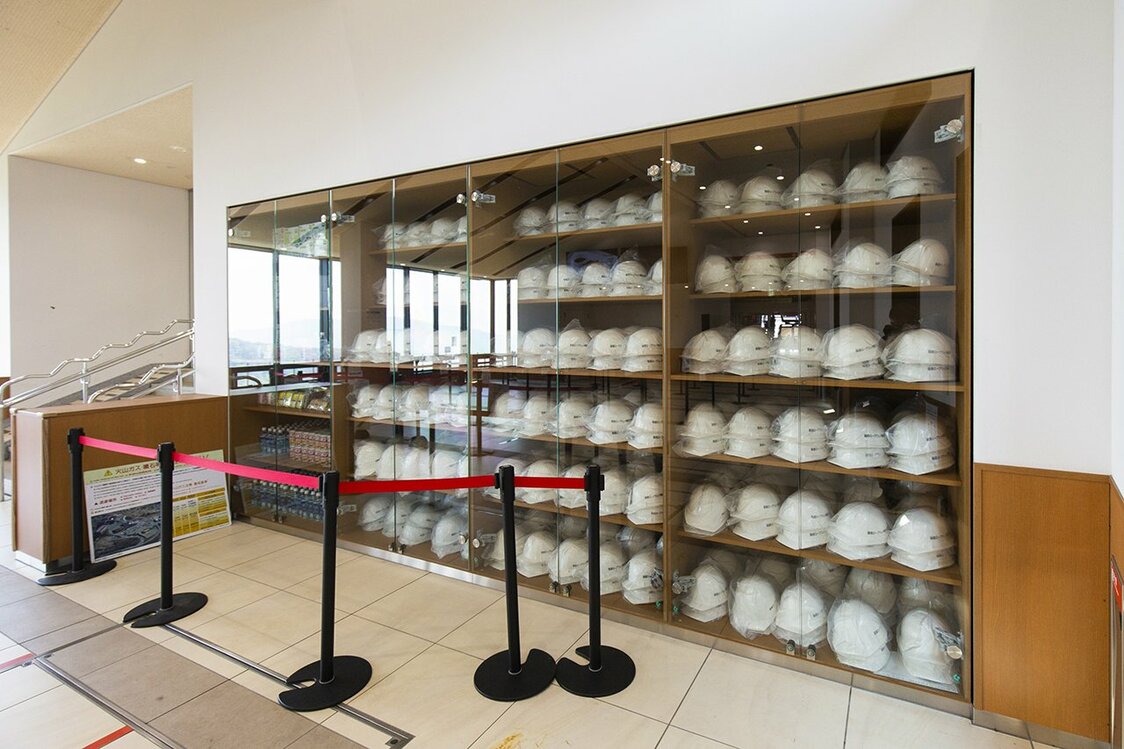
Helmets at the ready at Ōwakudani Station, which doubles as an emergency shelter in case of an eruption.
-
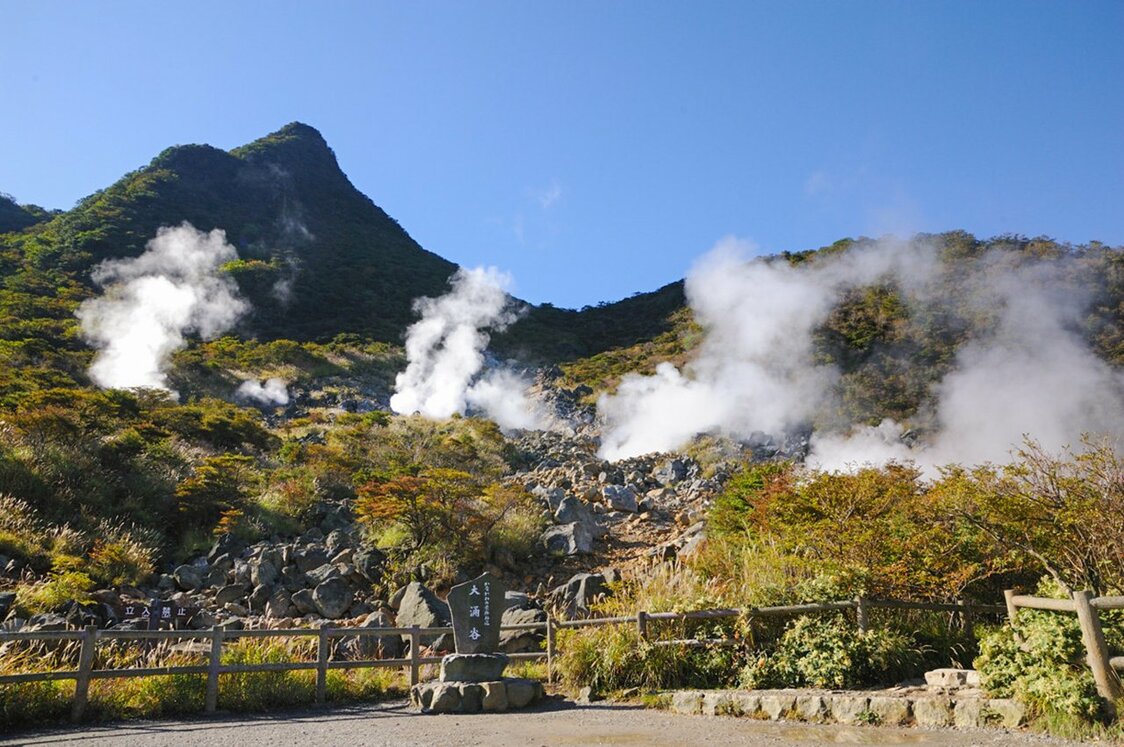
A nature walkway brings visitors up close to the steam vents of Ōwakudani. (Courtesy of Ōwakudani Kurotamago-kan)
-
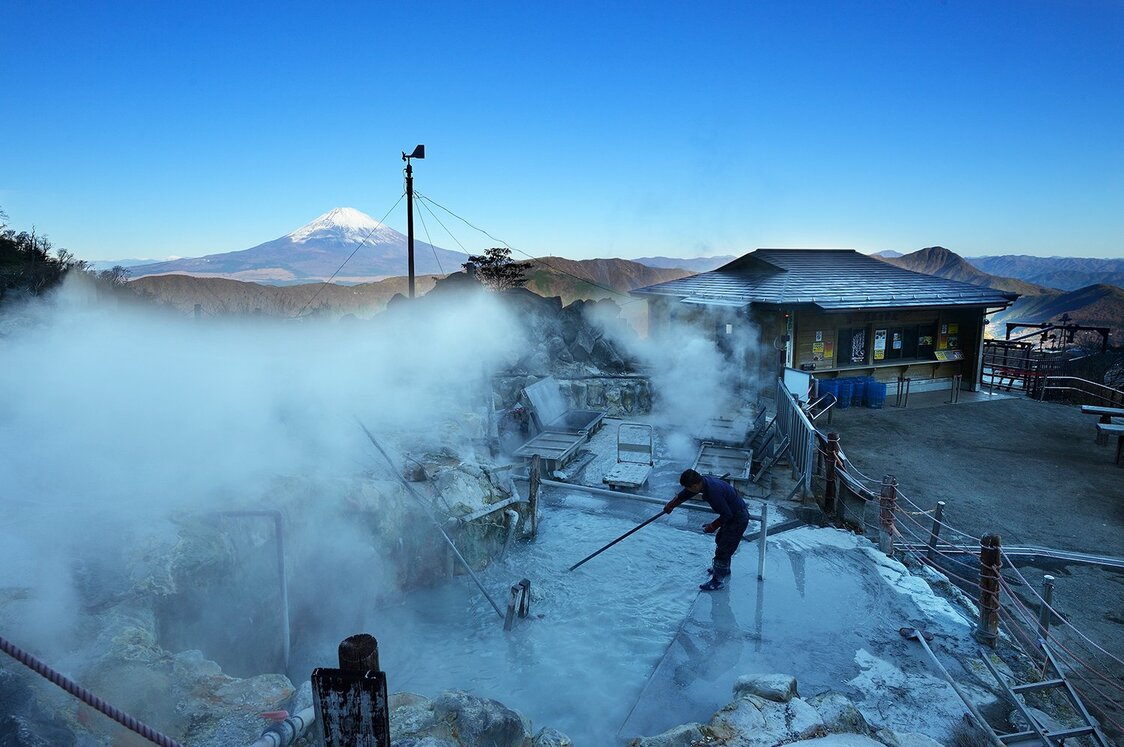
The boiling pond where kurotamago are cooked. Mount Fuji is visible in the distance. (Courtesy of Ōwakudani Kurotamago-kan)
-
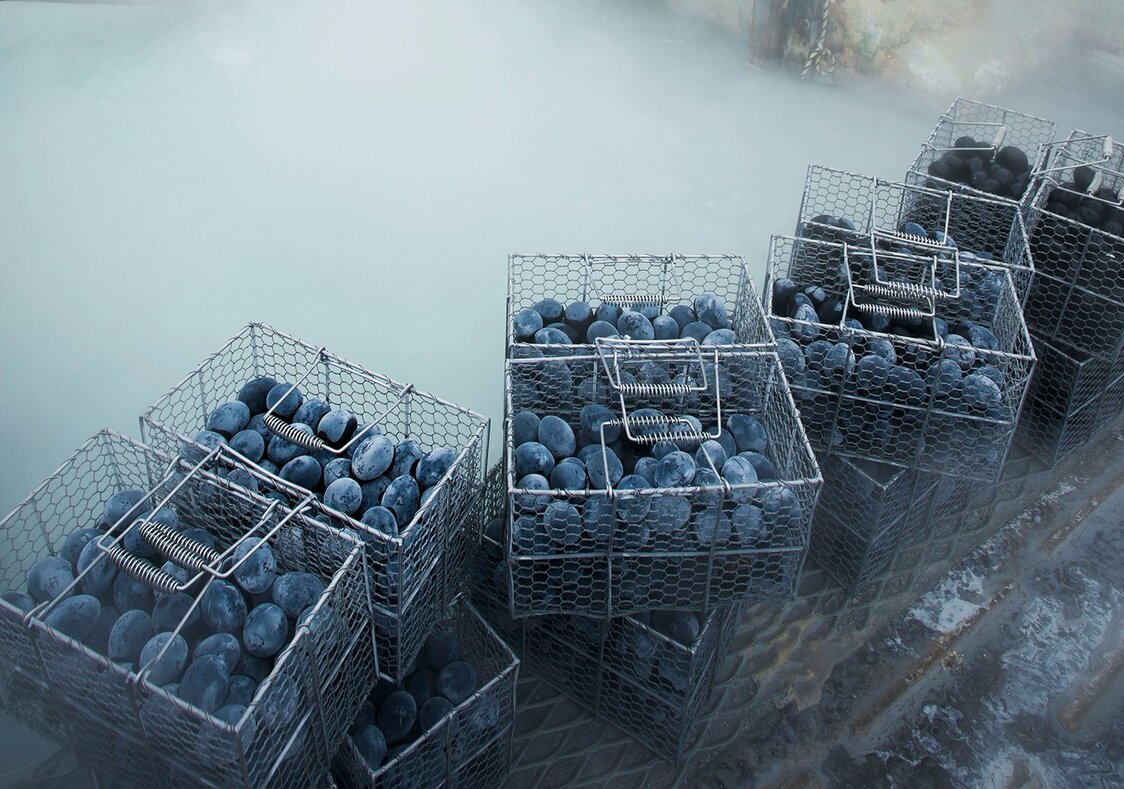
Freshly boiled kurotamago. (Courtesy of Ōwakudani Kurotamago-kan)
-
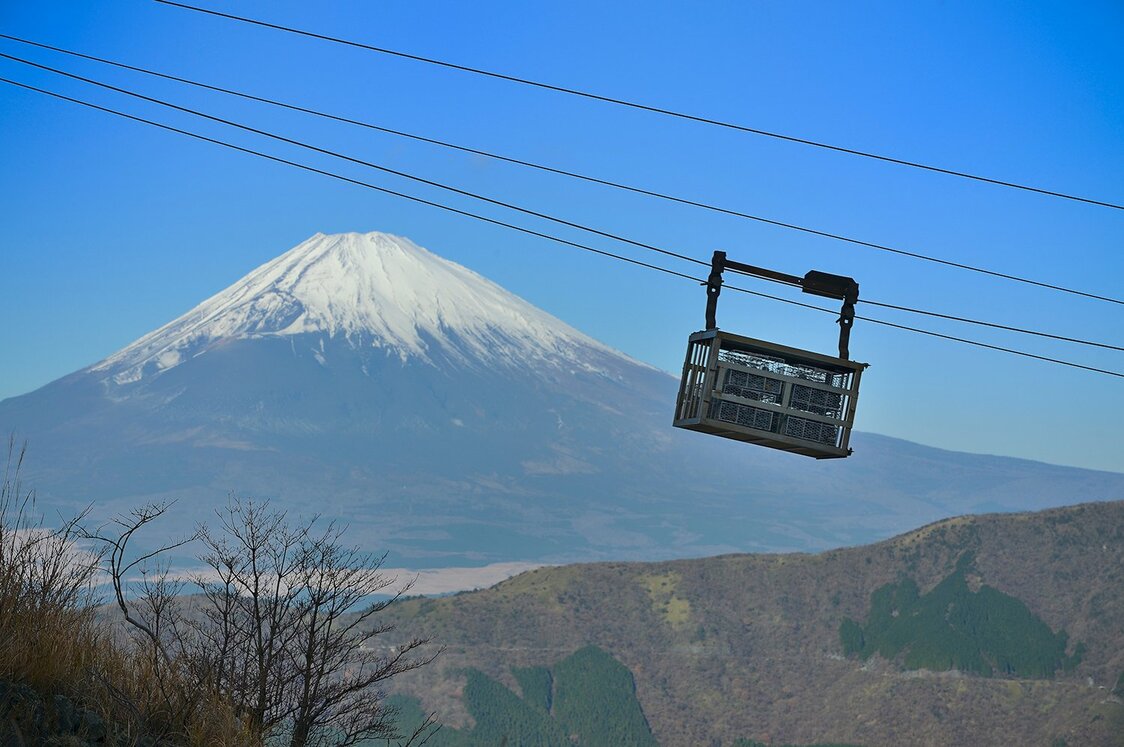
A dedicated cableway transports the eggs while they are still warm. (Courtesy of Ōwakudani Kurotamago-kan)
-
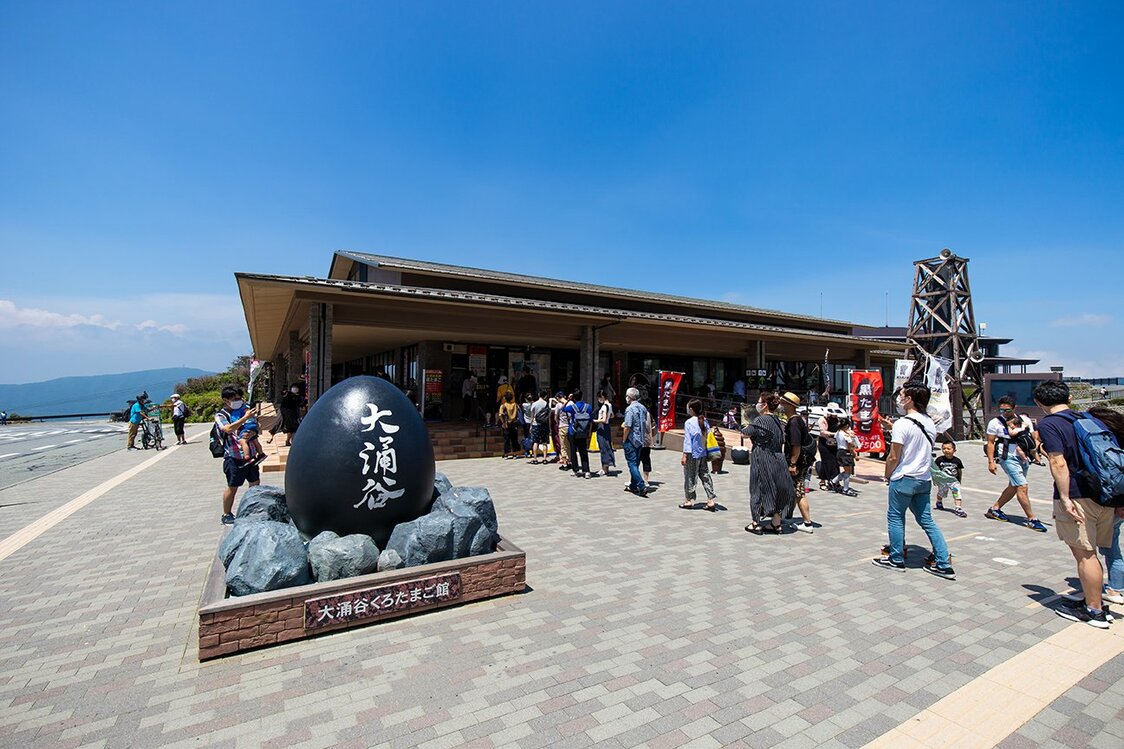
Customers at Kurotamago-kan, Ōwakudani’s largest souvenir shop, line up to buy kurotamago. There is also a café on the premises.
-
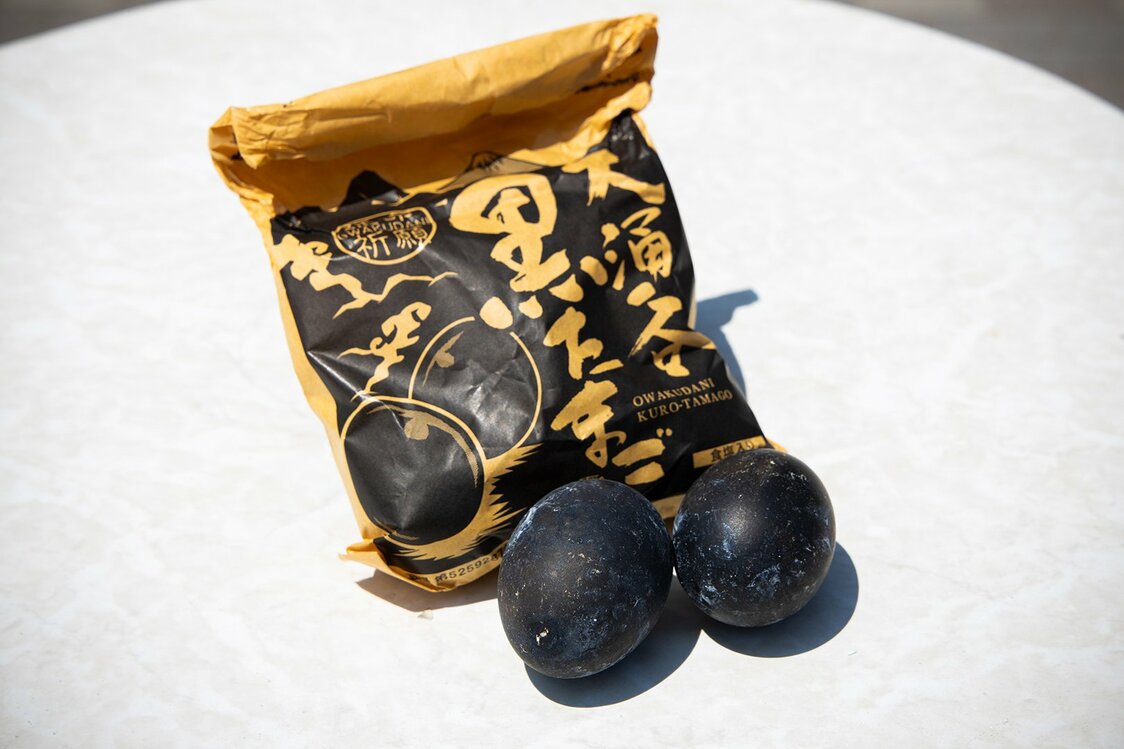
A bag of five kurotamago costs ¥500 and comes with salt for flavoring.
-
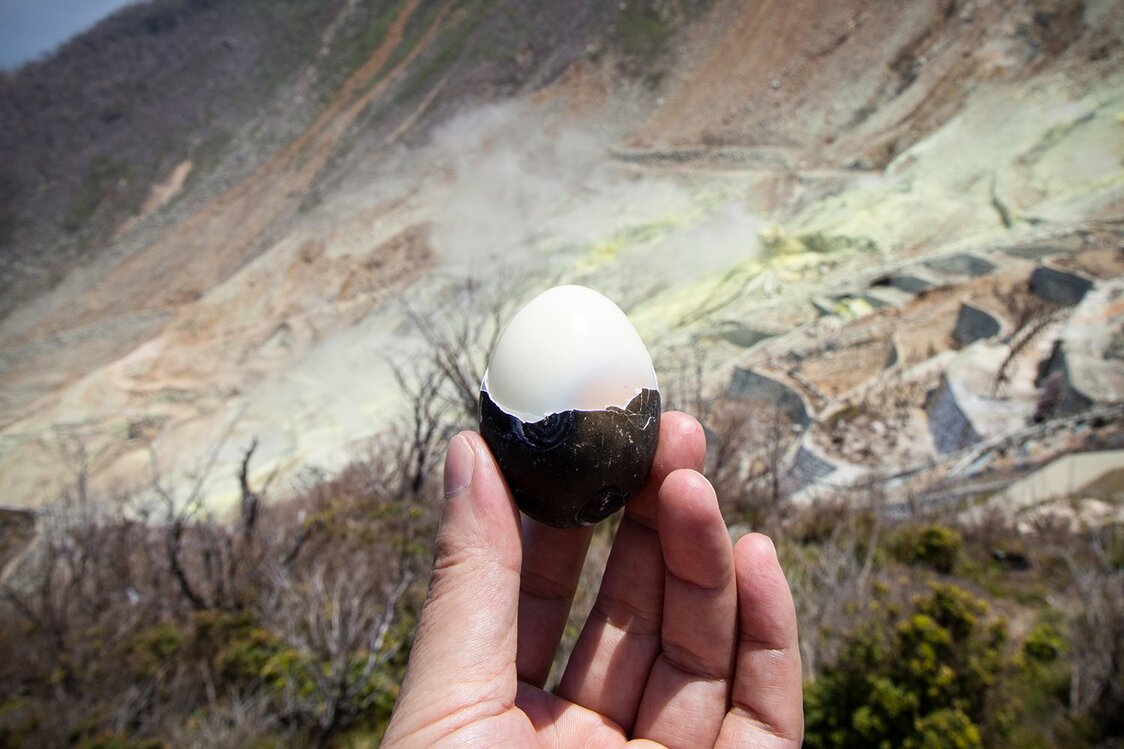
Peeling the black shells reveals a white interior.
-
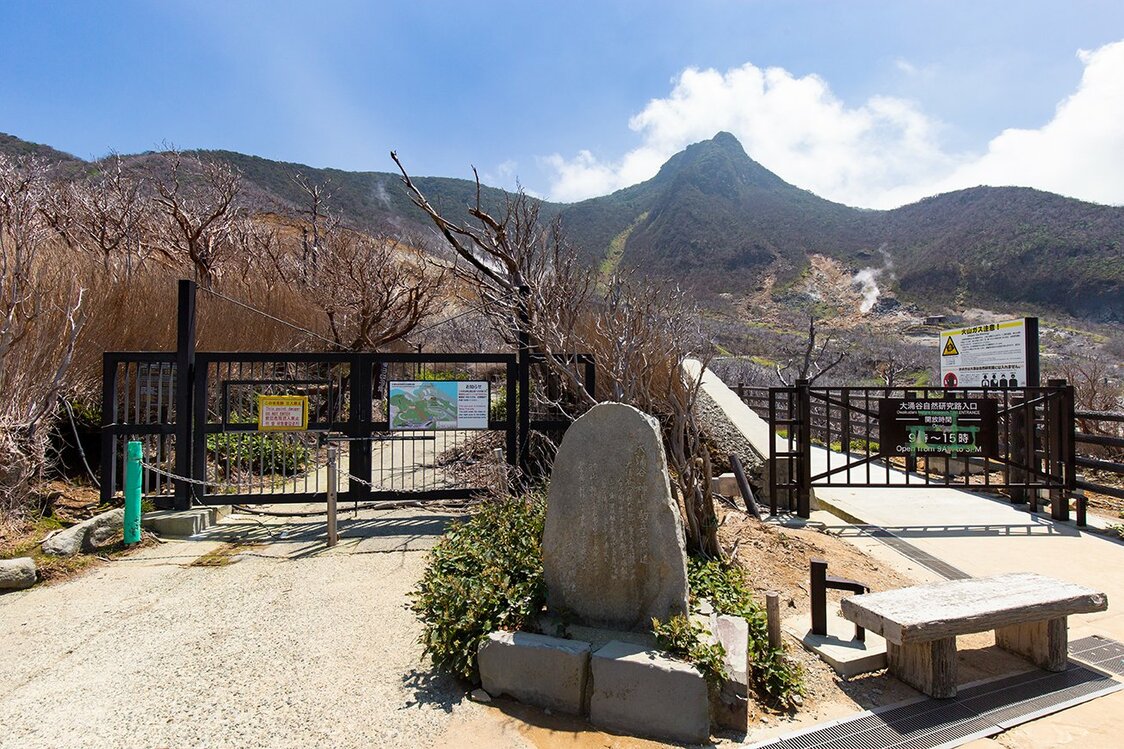
The nature walkway (right) and the Kamiyama hiking path remain closed as of August 2020.
-
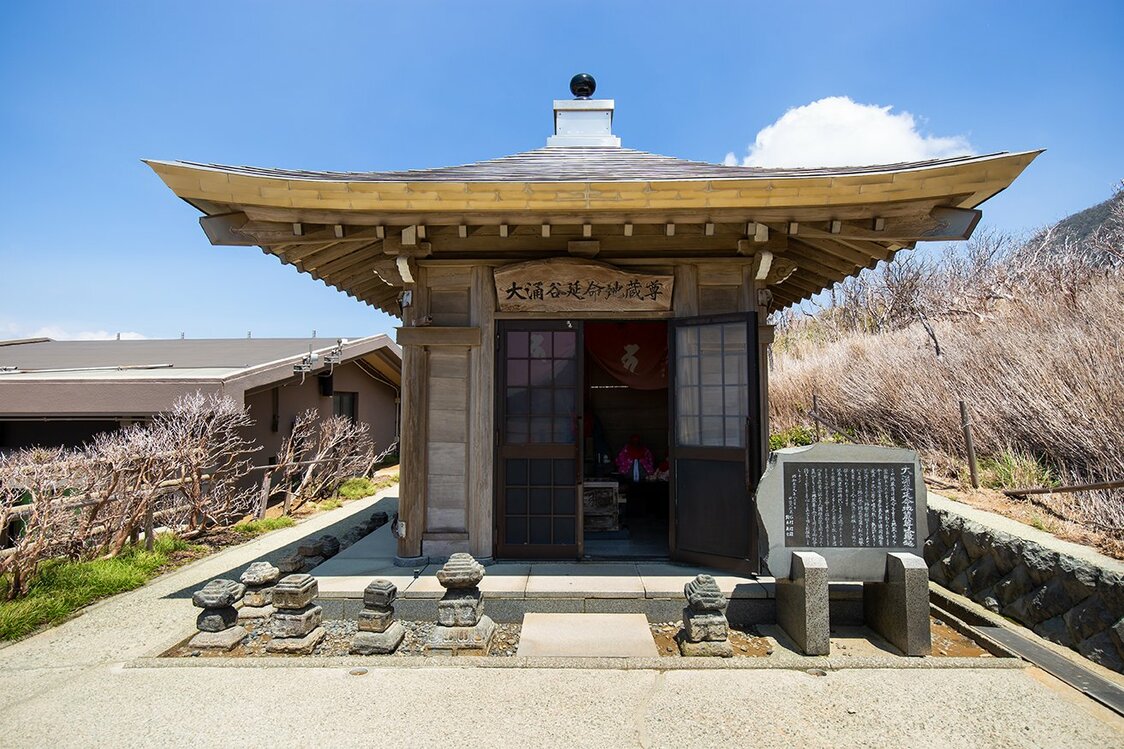
Near the entrance to the nature walkway is a small shrine, the Ōwakudani Enmei Jizōson. Offering a prayer here and then eating a kurotamago is said to extend a person’s life.
-
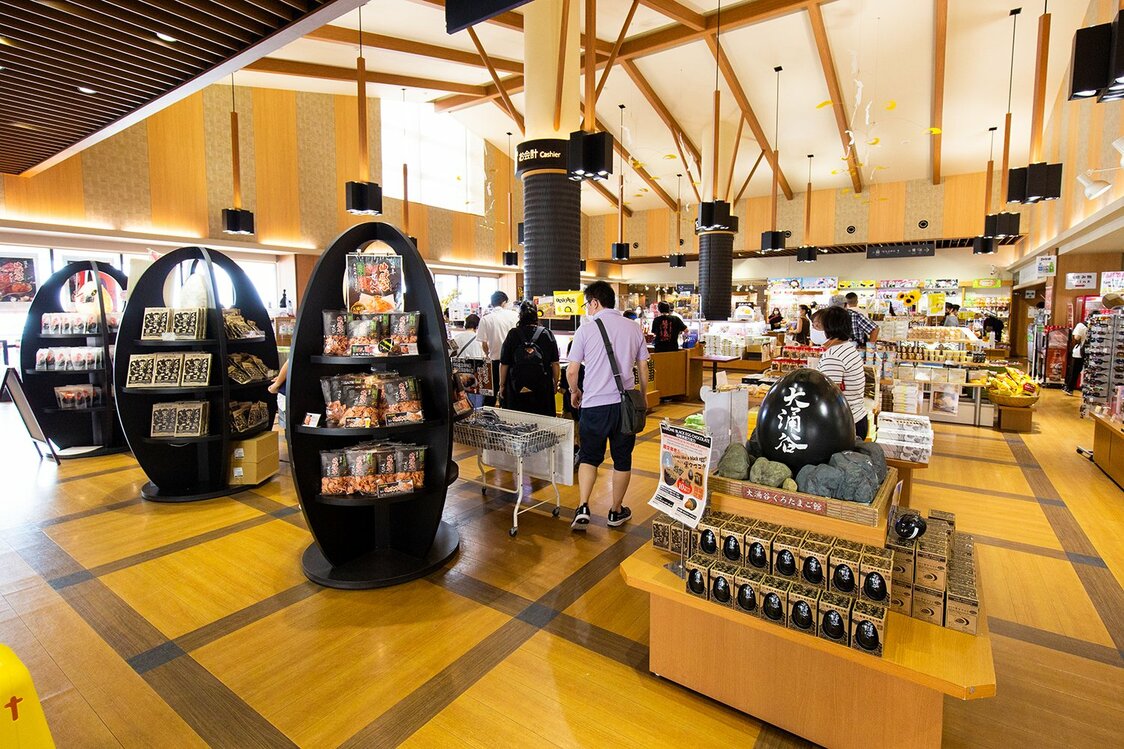
The Kurotamago-kan souvenir shop sells an assortment of Hakone specialties and kurotamago-themed goods.
-
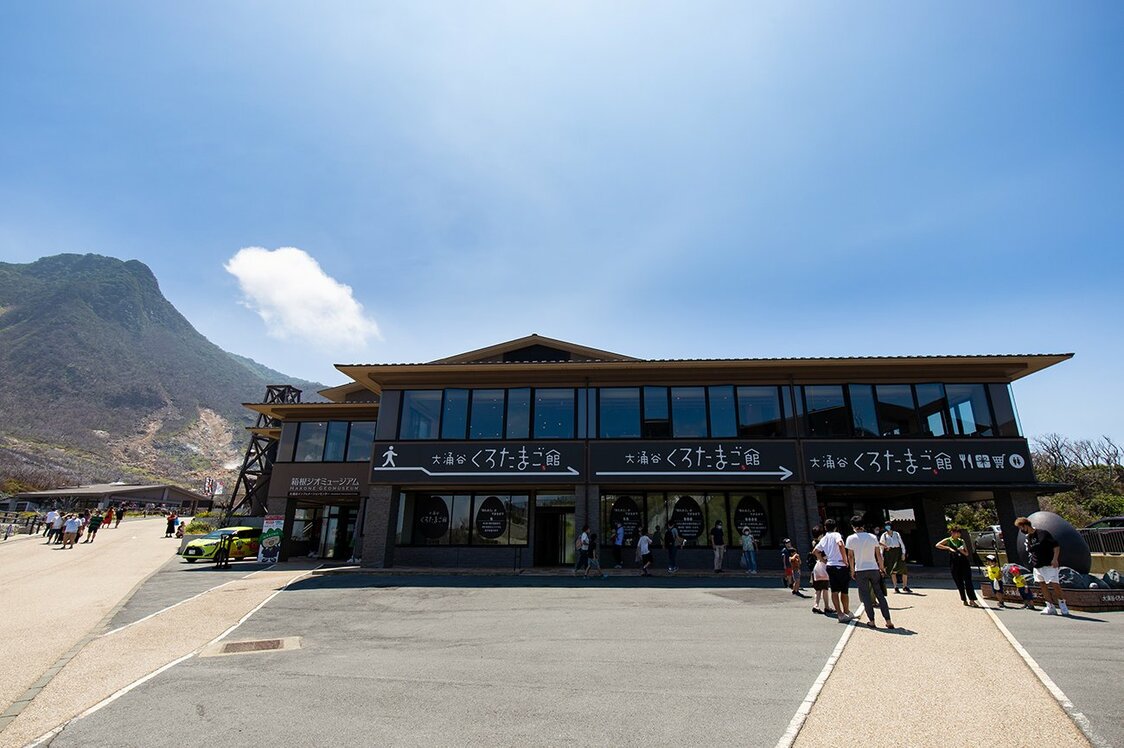
The Hakone Geomuseum on the first floor of the Kurotamago-kan details the history of the Hakone volcano.


 Read in other languages