-
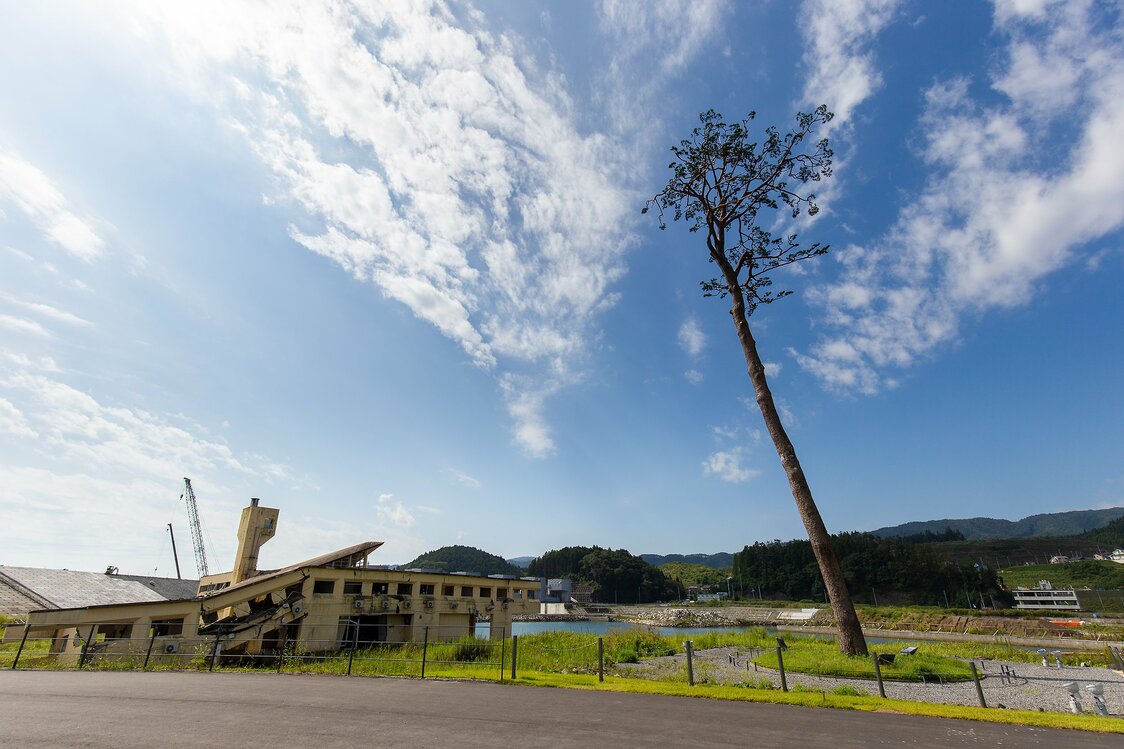
The miracle pine stands in the grounds of the Rikuzentakata Youth Hostel. Destroyed in the tsunami, the hostel is thought to have shielded the pine tree.
-
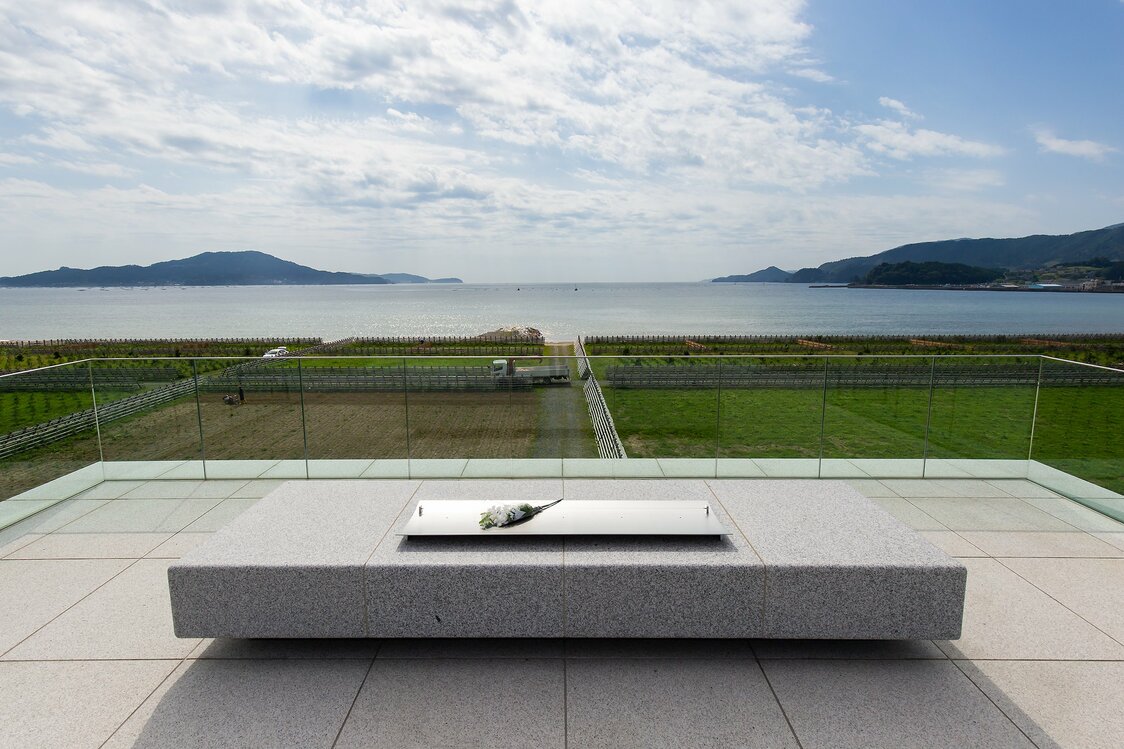
A viewpoint atop the seawall looks onto Hirota Bay. The peaceful waters give no indication of the great tsunami that swept inland.
-
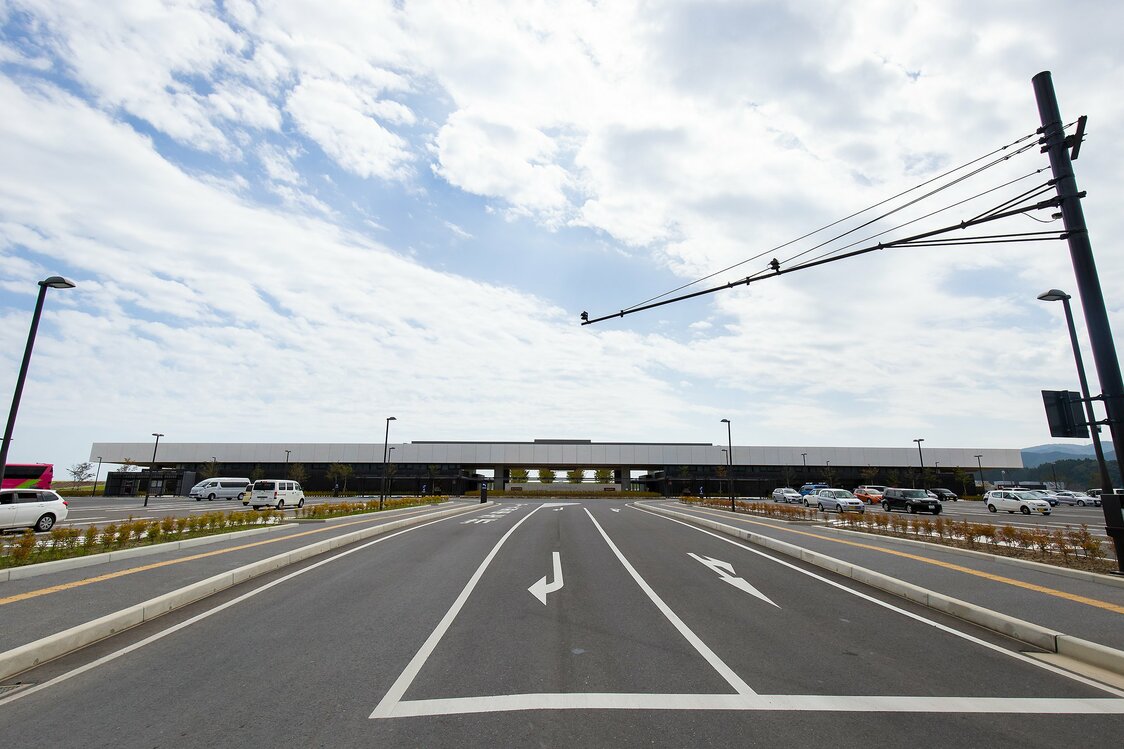
The Iwate Tsunami Memorial Museum viewed from the parking lot of the Takata Matsubara Tsunami Reconstruction Memorial Park.
-
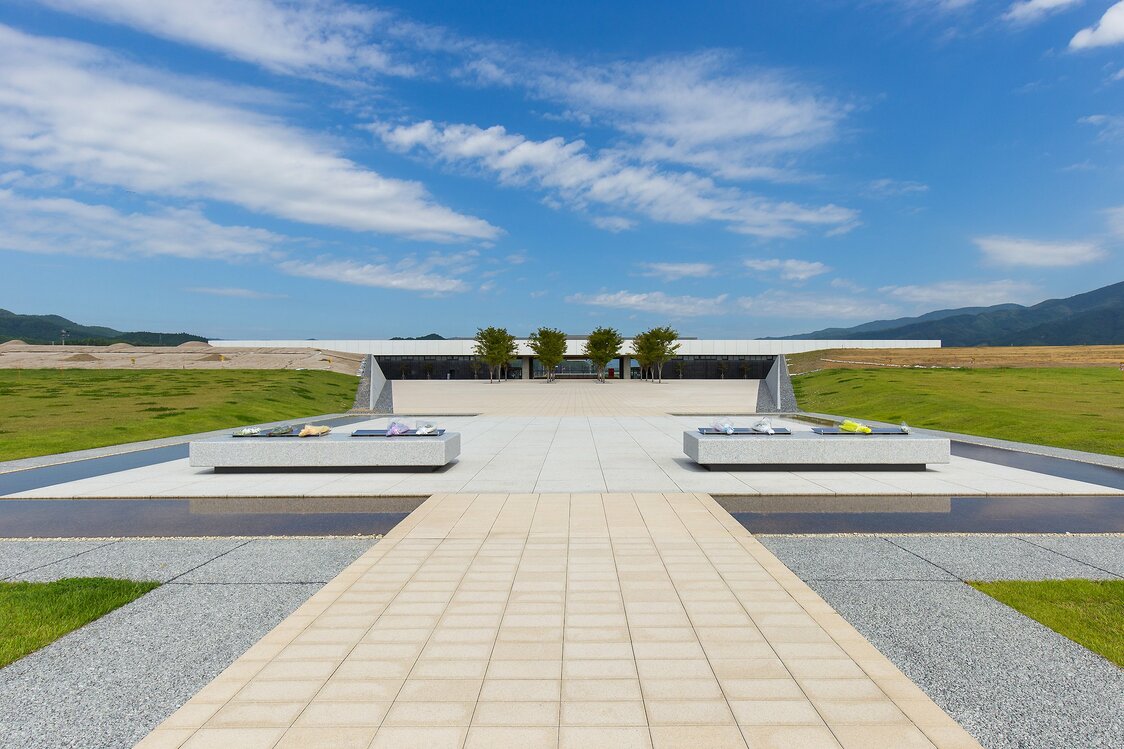
Platforms for offering flowers adorn the Tsuitō no hiroba plaza.
-
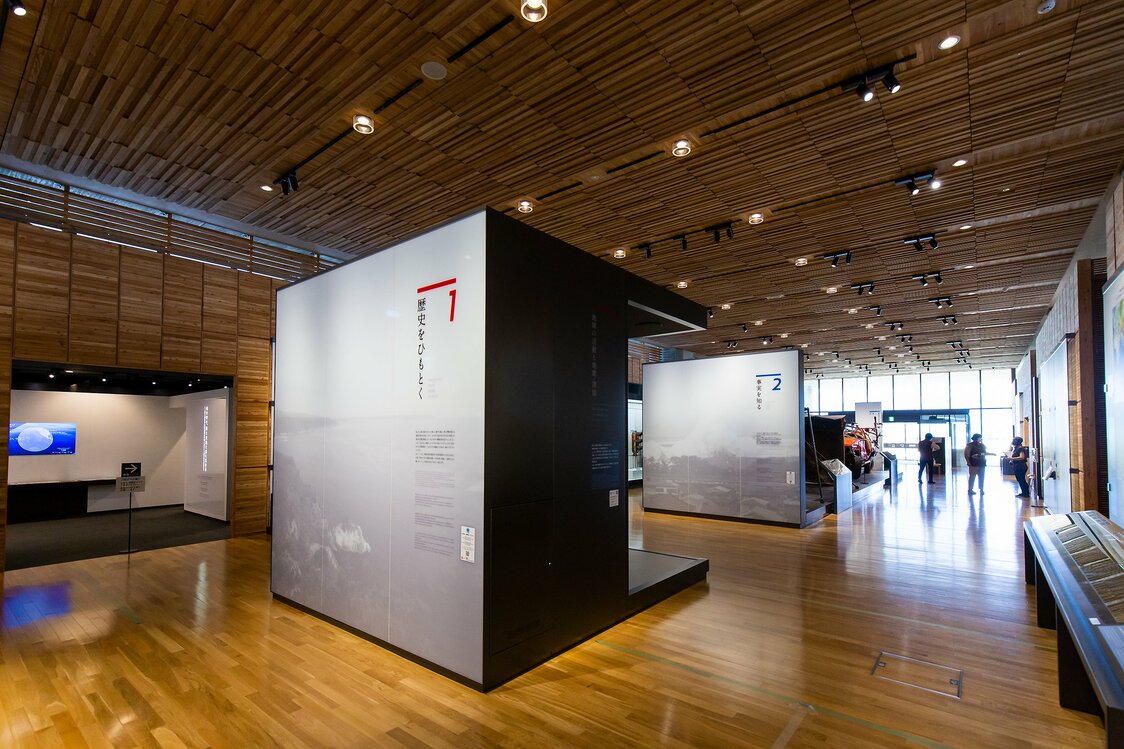
The museum’s wooden interior provides a calm and quiet atmosphere.
-
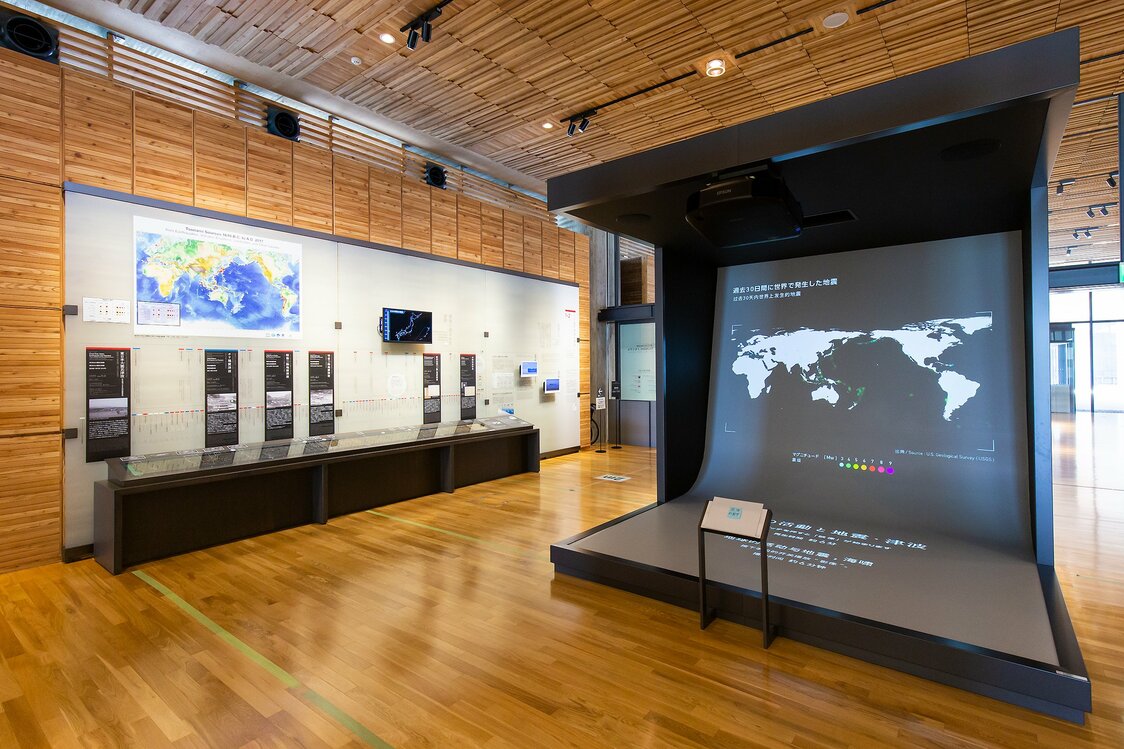
The display to the left shows the chronology of past tsunamis and the geological strata along the Sanriku coast. The screen to the right shows recent earthquakes around the world.
-
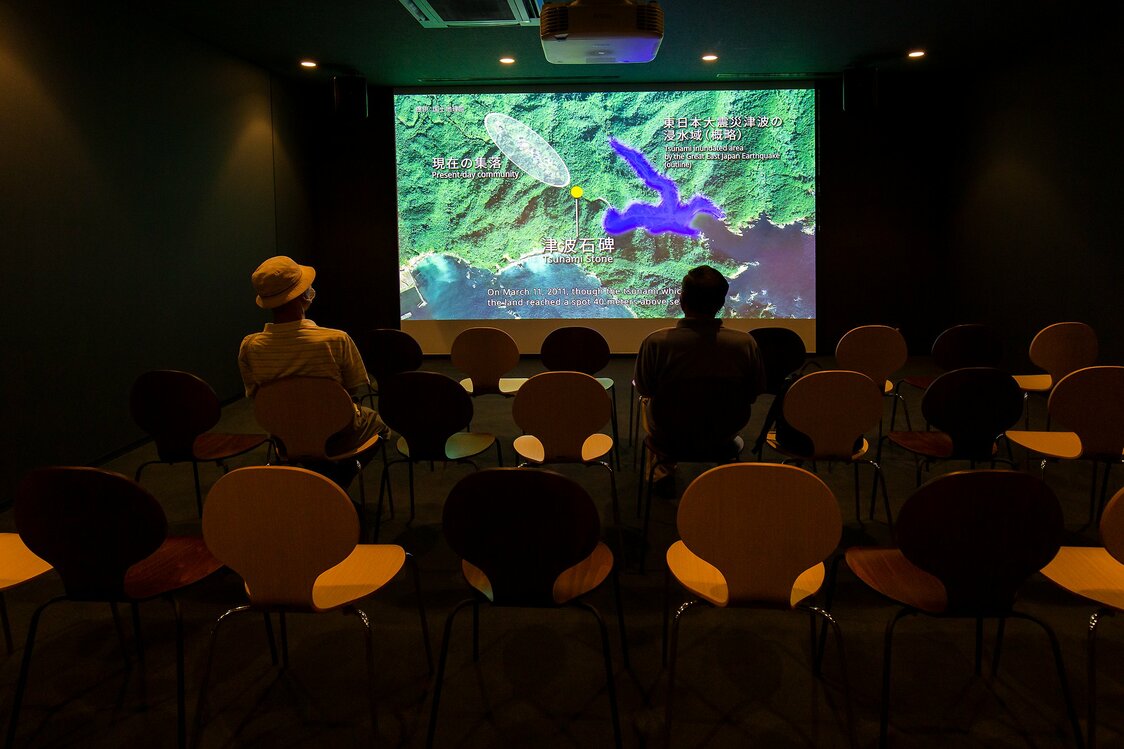
A guidance film introduces the museum and its exhibits.
-
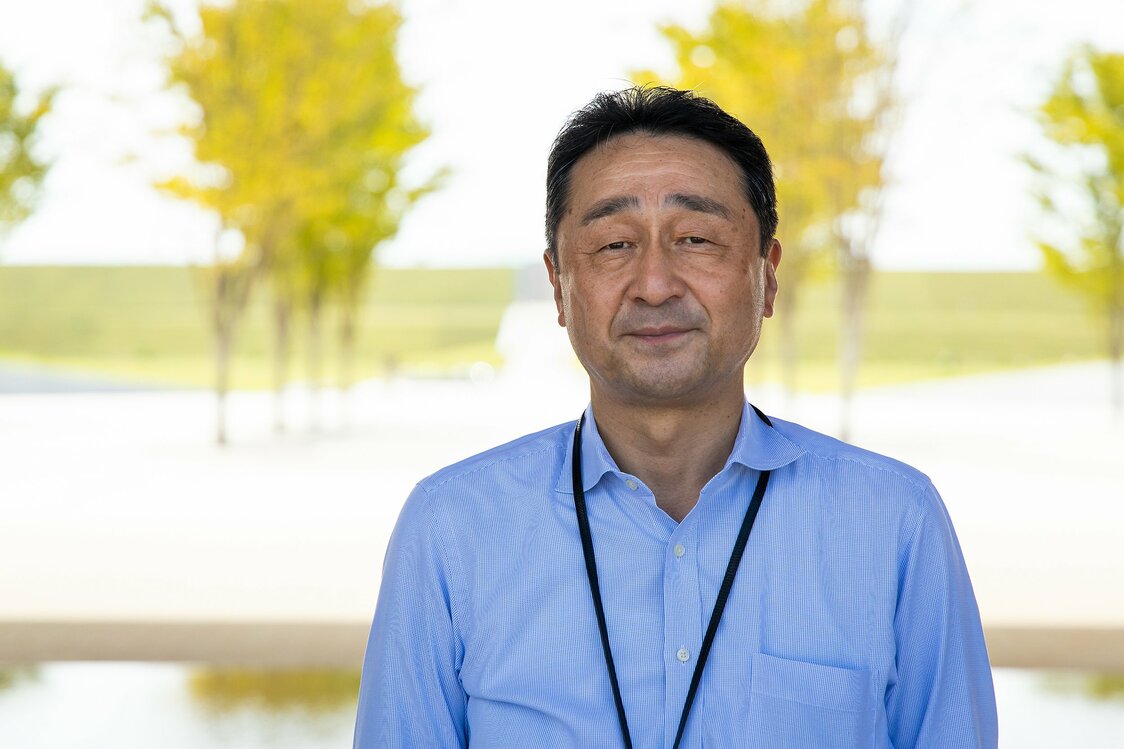
Museum deputy director Kumagai Masanori oversees the facility’s daily operations.
-
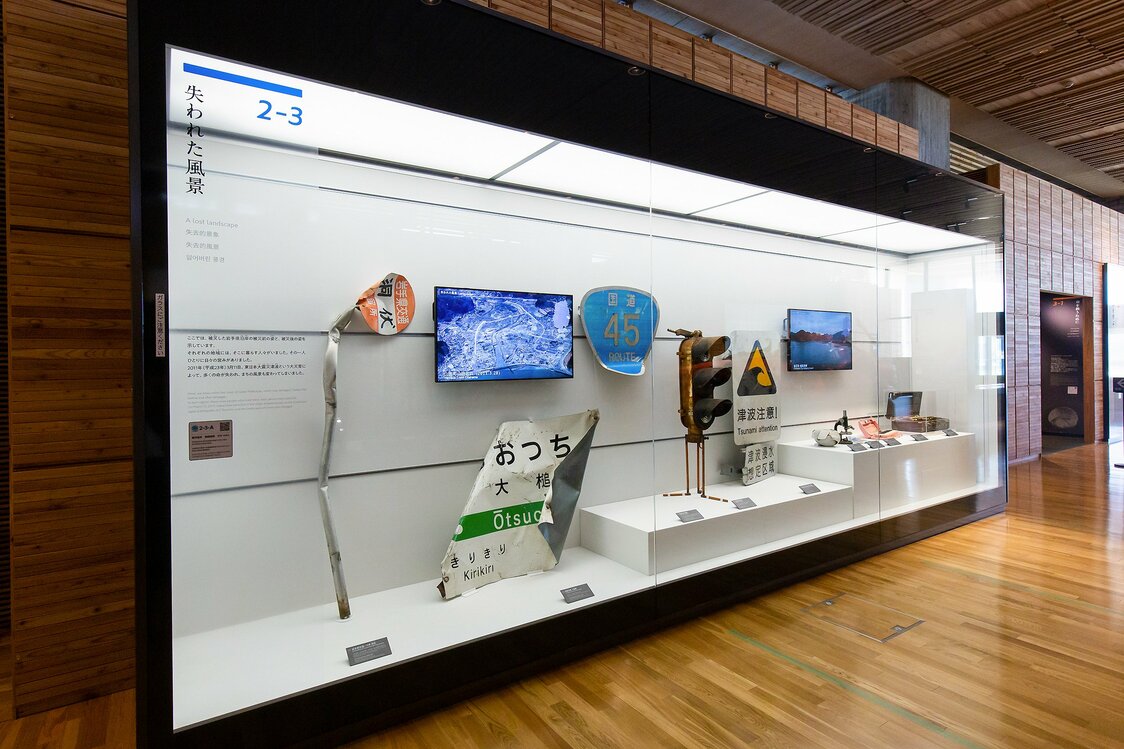
Artifacts from the disaster and scenes from before and after the tsunami.
-
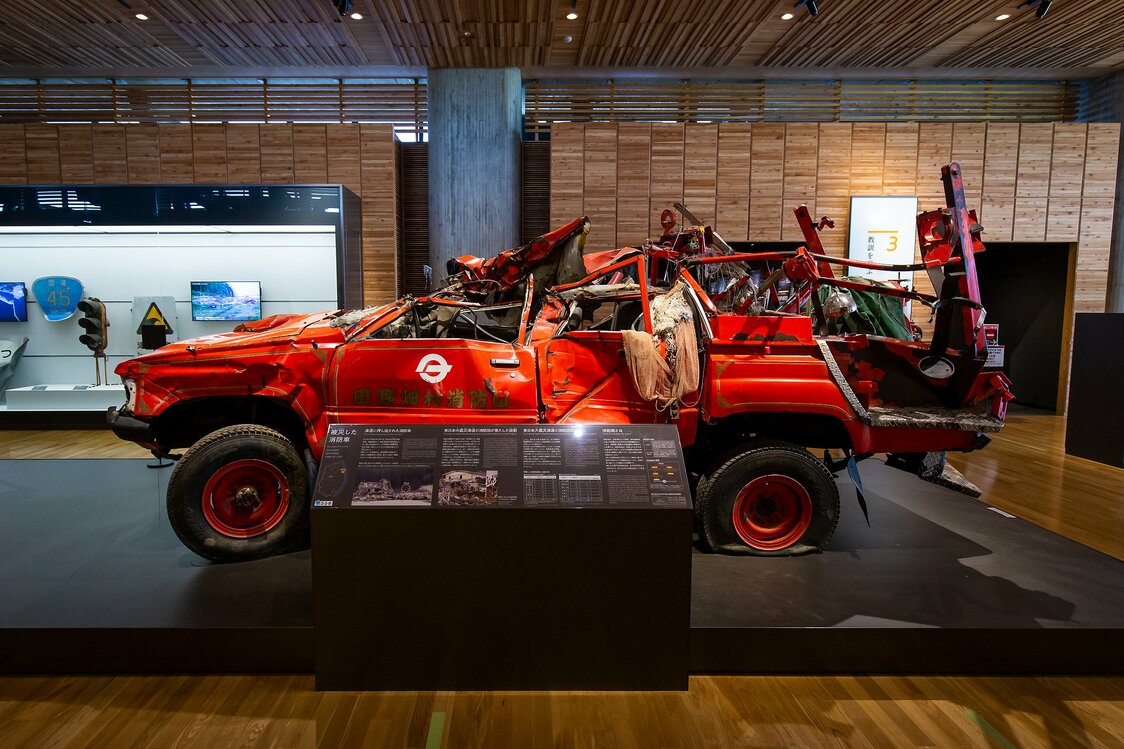
A mangled firetruck from the village of Tanohata.
-
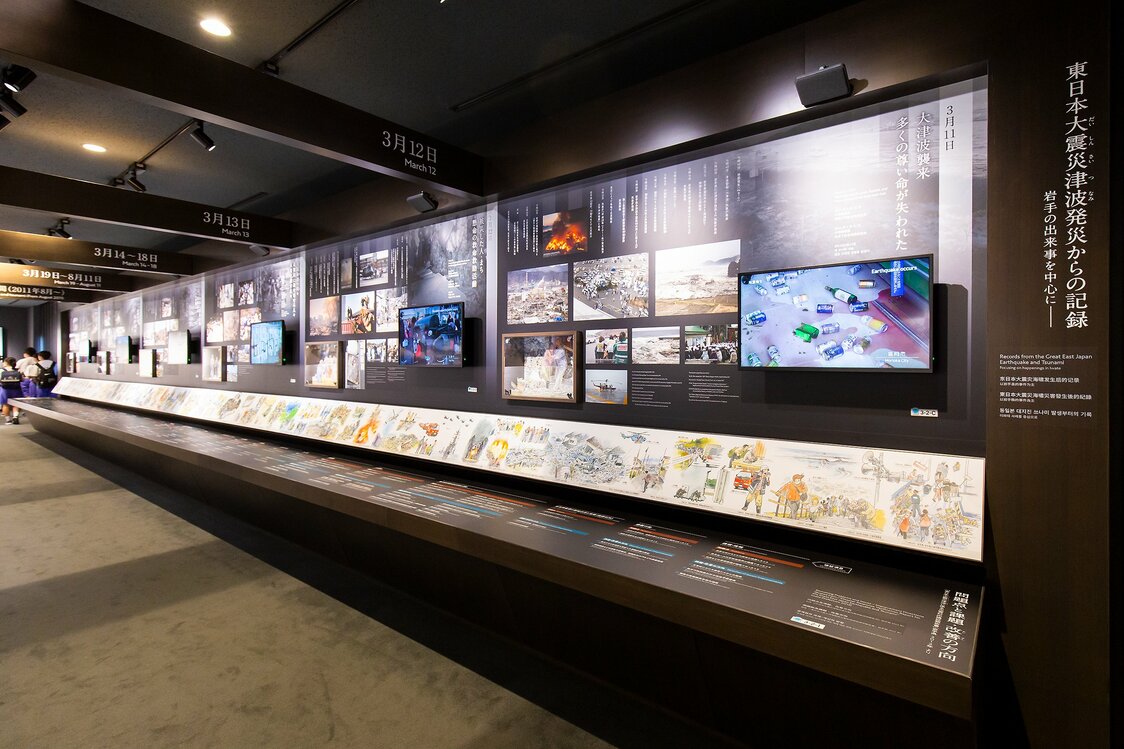
A panel traces events as they occurred at the time of the earthquake and tsunami and highlights various problems that were faced.
-
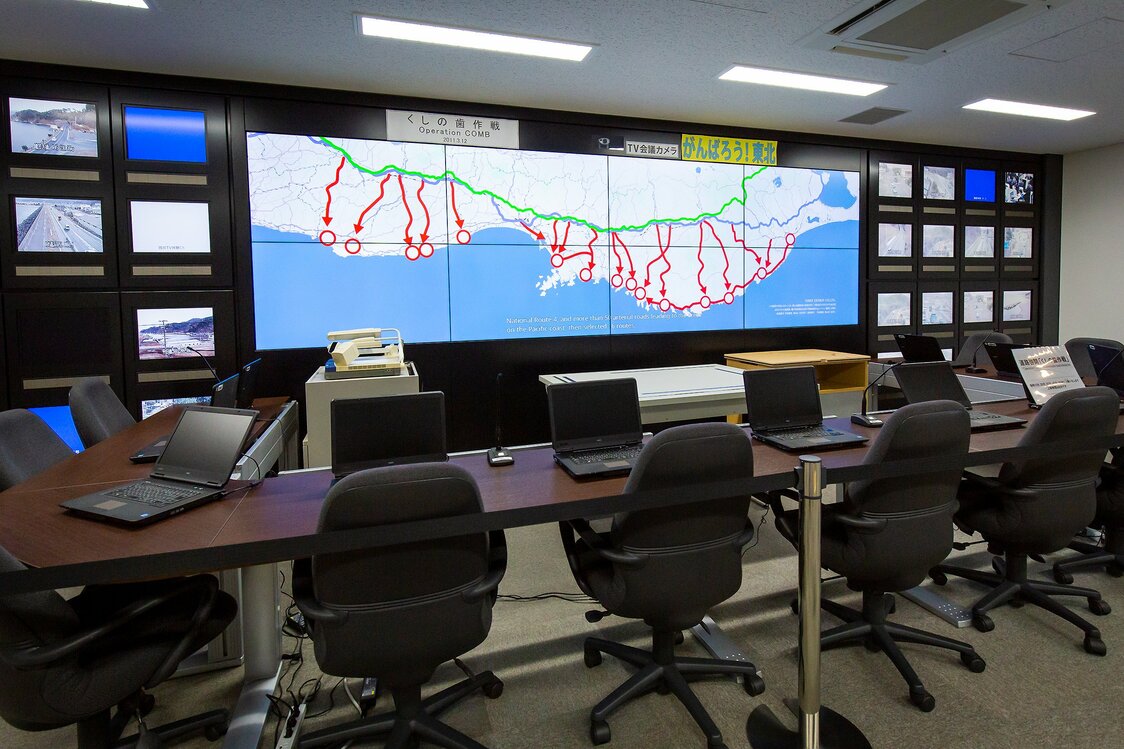
The control room where authorities oversaw evacuation and relief efforts in the tense days following the disaster.
-
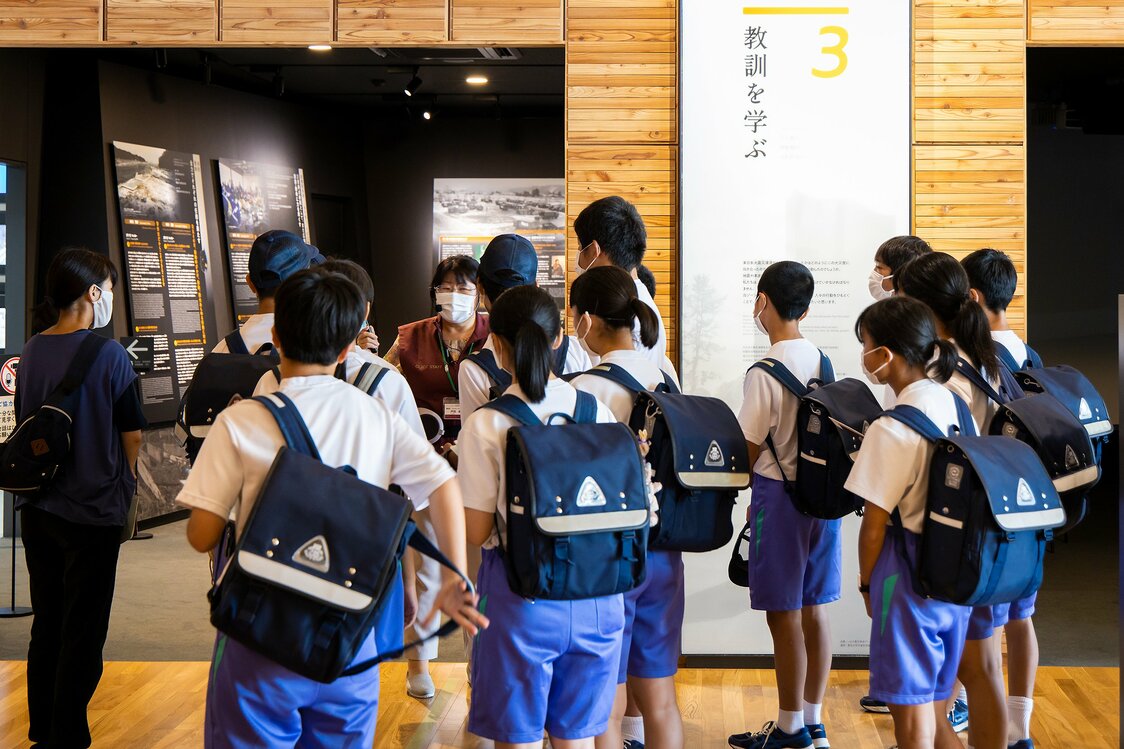
School children listen to a guide describing how people worked to overcome the devastation.
-
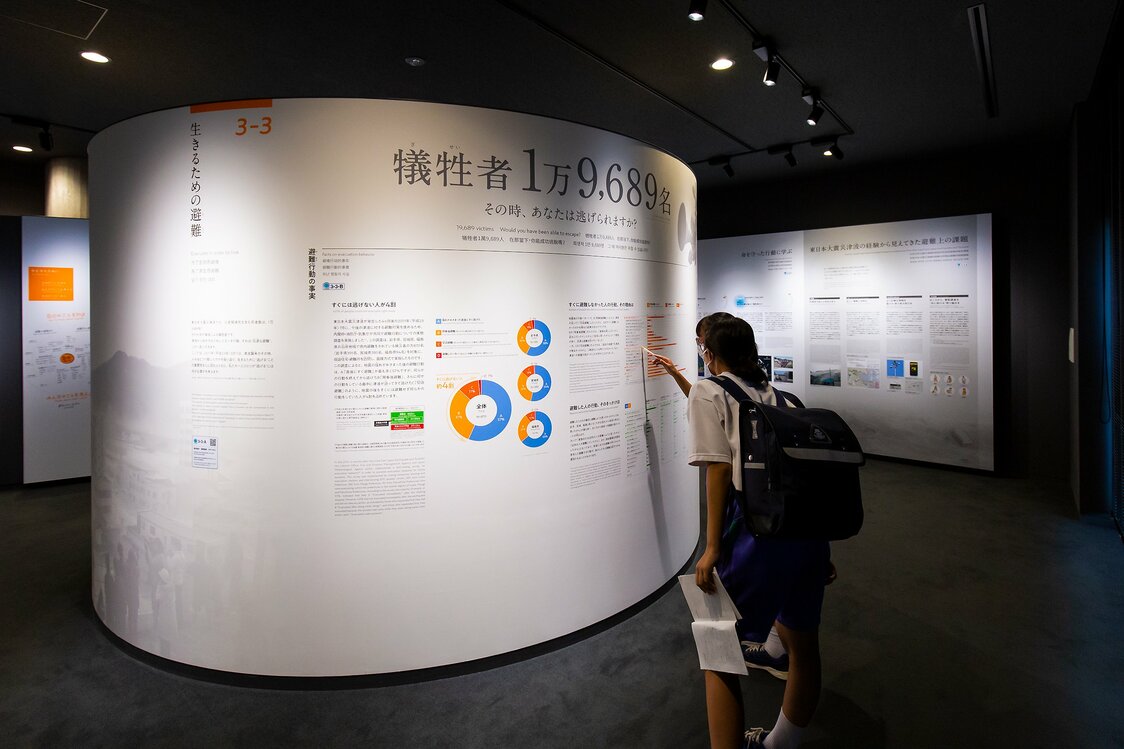
Junior high school students read the text of one of the displays.
-
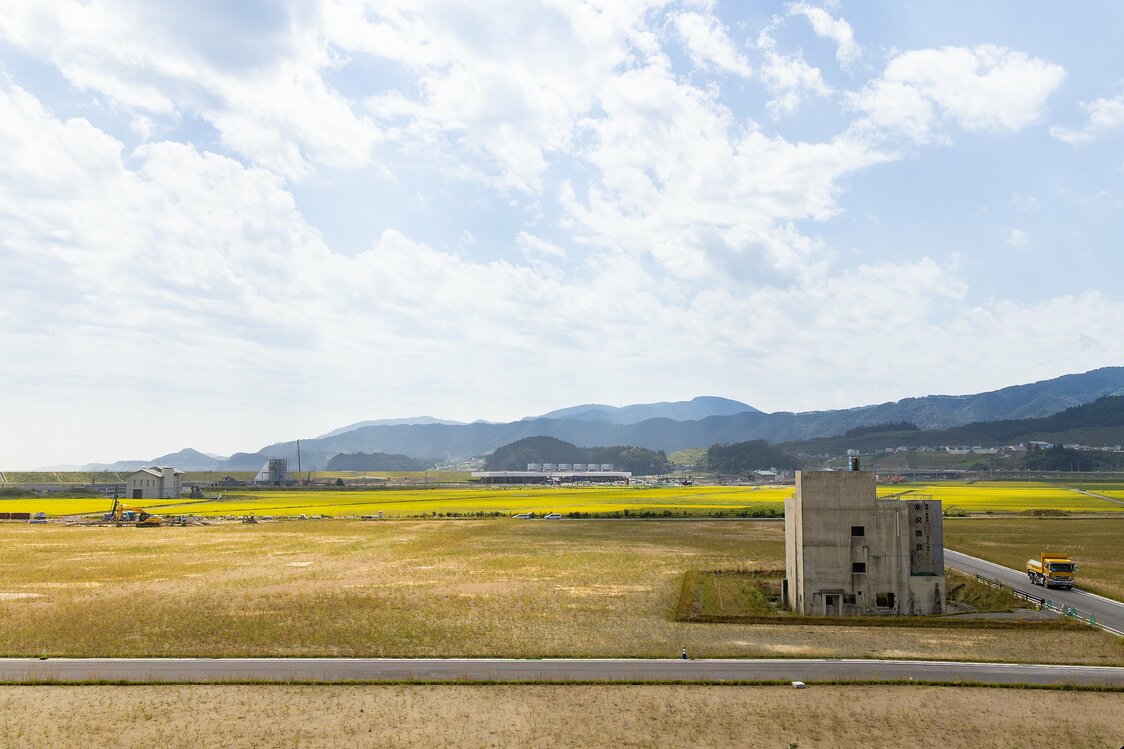
The Iwate Tsunami Memorial Museum, center, seen from a distance. The surrounding area remains largely bare, except for a handful of surviving buildings.
-
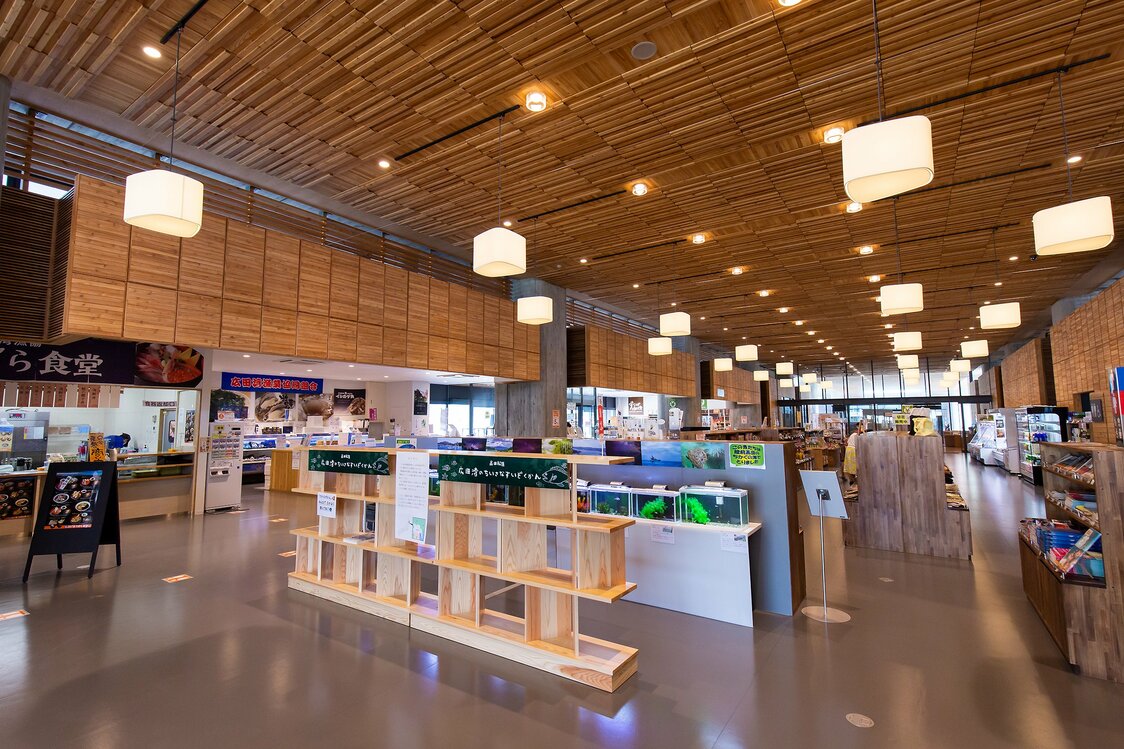
Inside the Michi no Eki Takata Matsubara. The facility is part of Zone 4 of the museum.


 Read in other languages