-
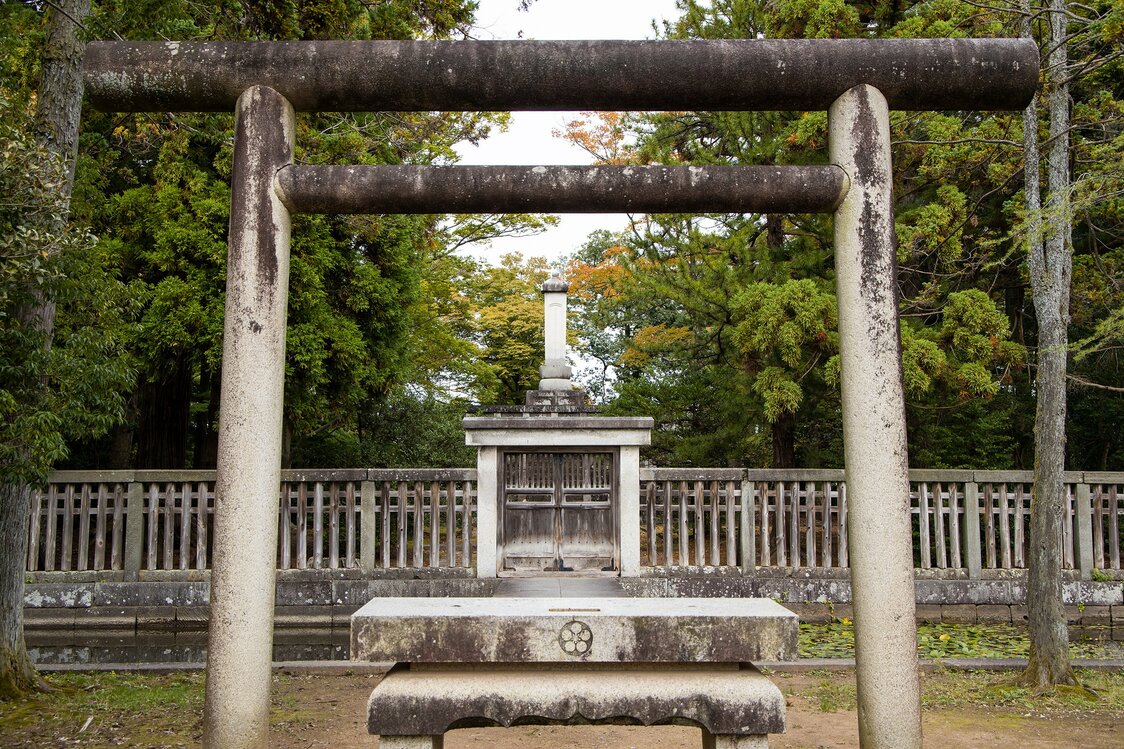
The tomb of Maeda Toshinaga and Zuiryūji are connected by the Hachōmichi, an 870-meter path stretching eastward from the main gate of the temple.
-
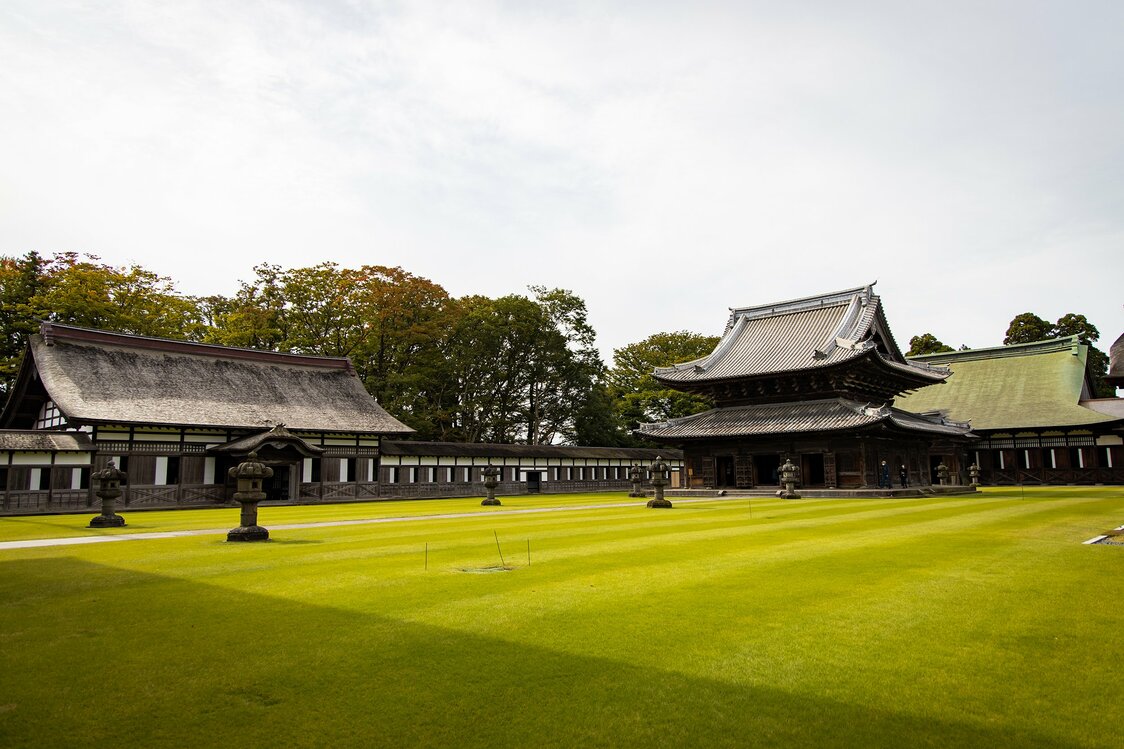
The meditation hall of Zuiryūji to the left and the Dharma hall at the back on the right lend to the unusual configuration of the compound.
-
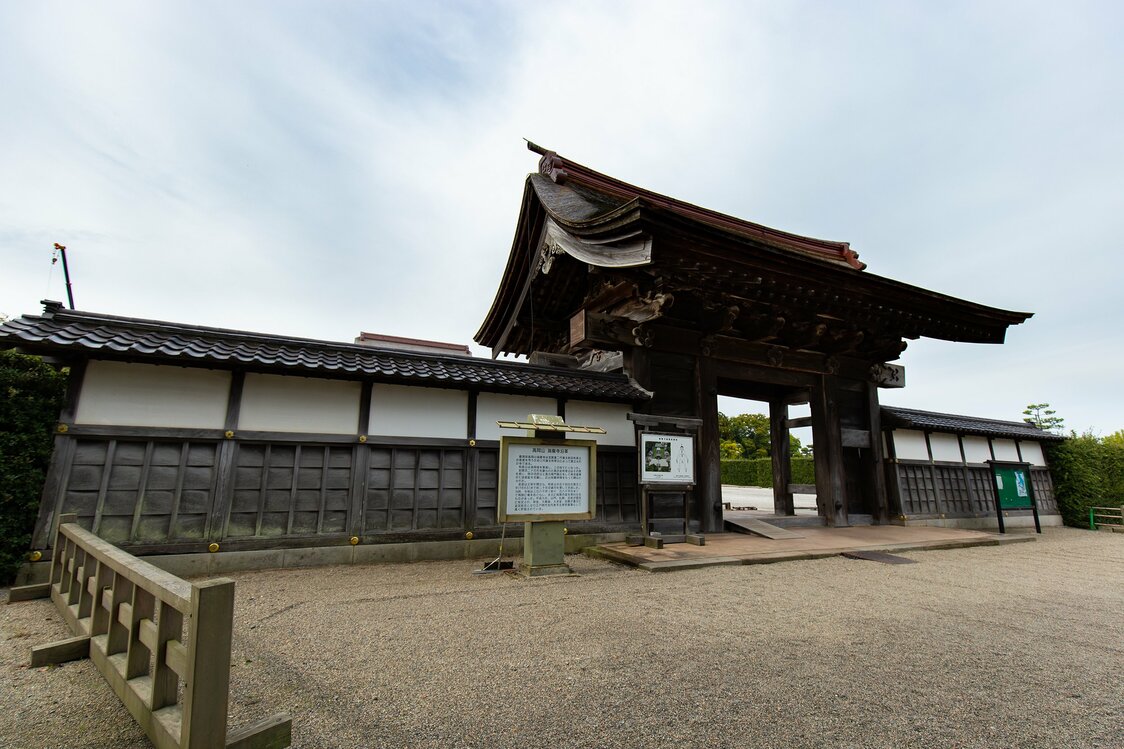
The Sõmon, or main gate, is designated a National Important Cultural Property.
-
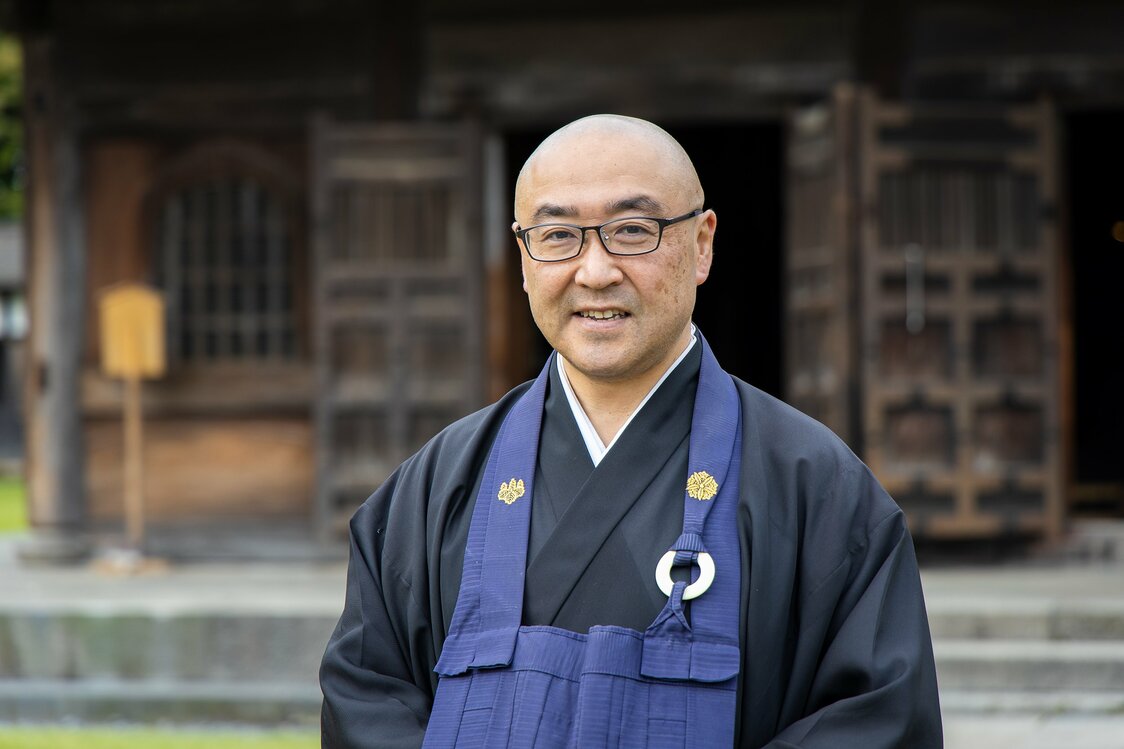
Yotsuya Dōkō, chief priest of Zuiryūji.
-
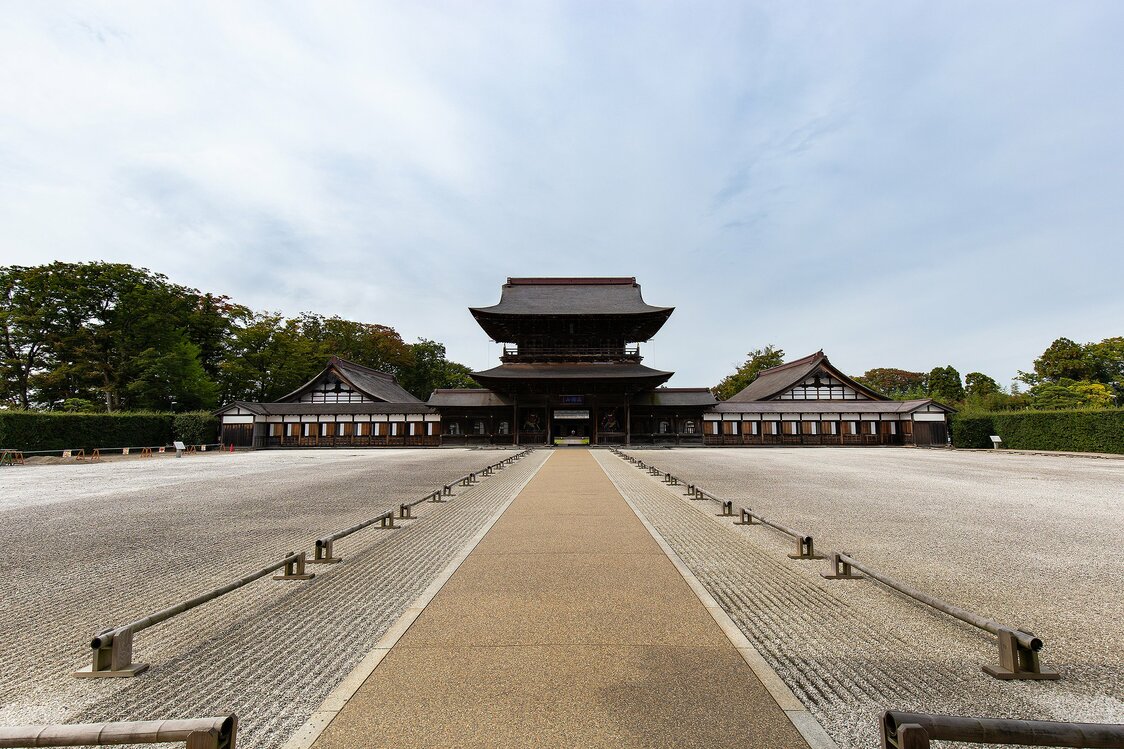
The Byōdōin (Phoenix Hall) of Hokuriku. The 18-meter high Sanmon was rebuilt in 1820. The Daikuri to the right and meditation hall to the left are designated Important Cultural Properties.
-
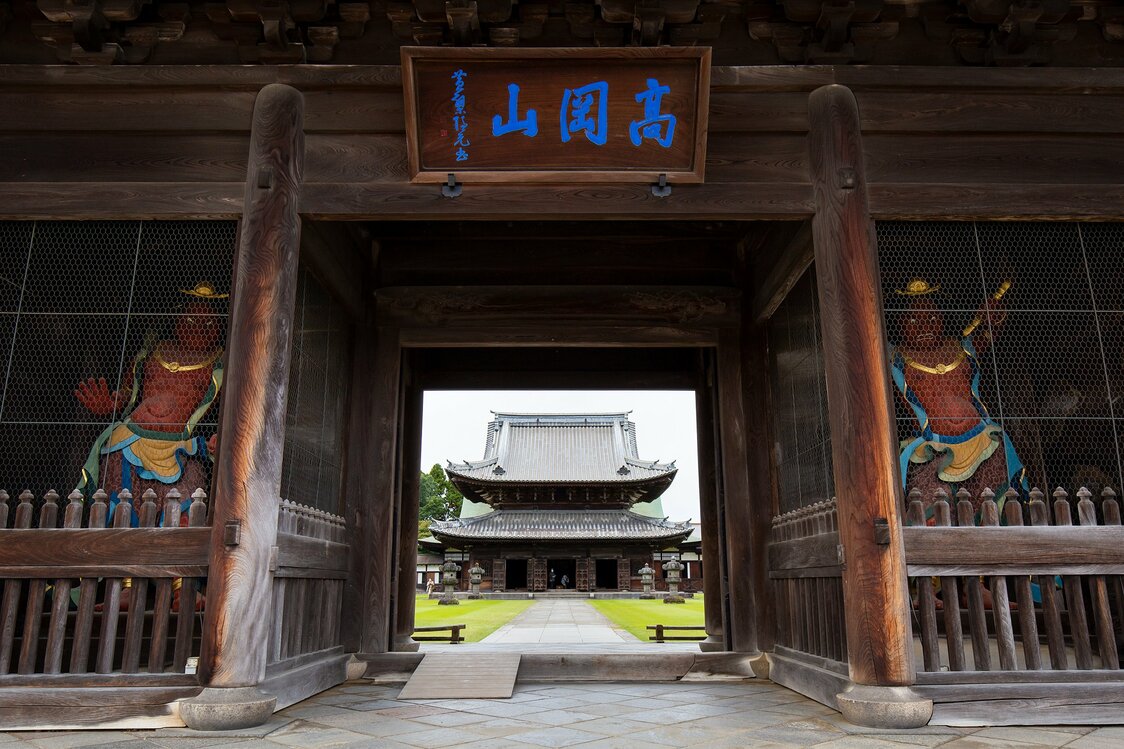
The Butsuden, or Buddha hall, is framed perfectly by the Sanmon. The wood tablet above the entrance reads “Takaokasan,” another name for the temple, and was written by the famous priest Ingen Ryūki, founder of the Ōbaku school of Zen.
-
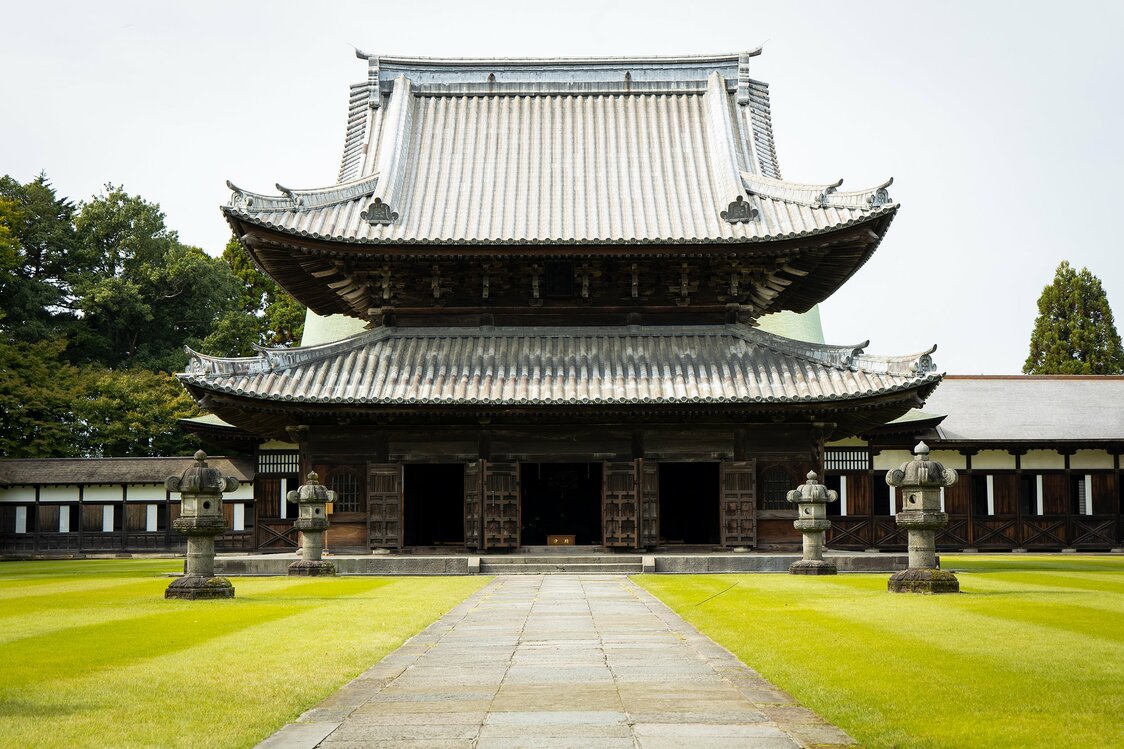
The lead on the roof of the Butsuden is said to weigh 47 tons in total.
-
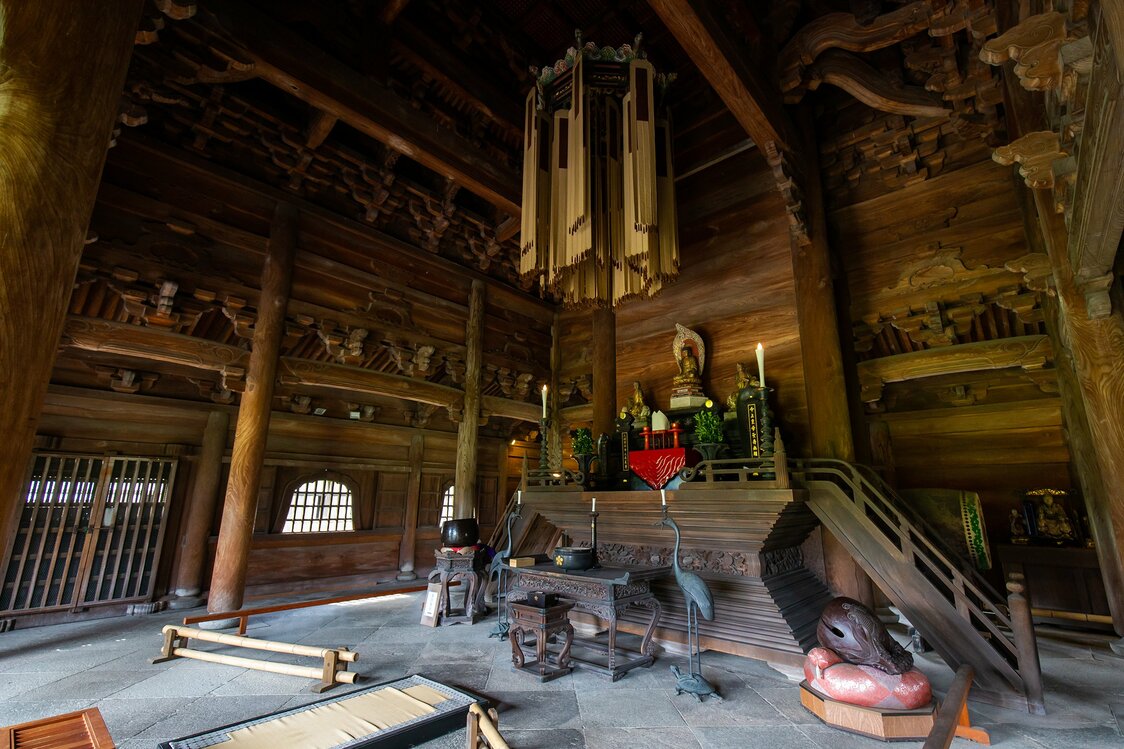
The interior of the Butsuden features magnificent pillars and intricate moldings.
-
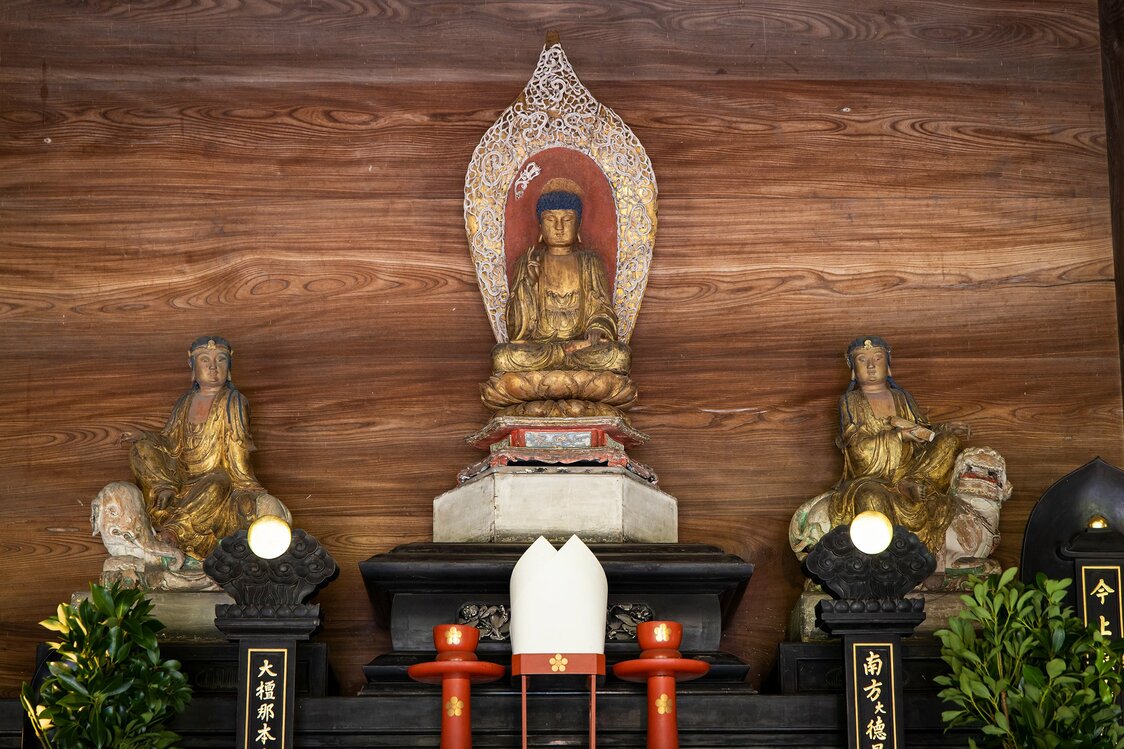
The principal images of the Buddha and attendants were brought over from China more than 300 years ago.
-
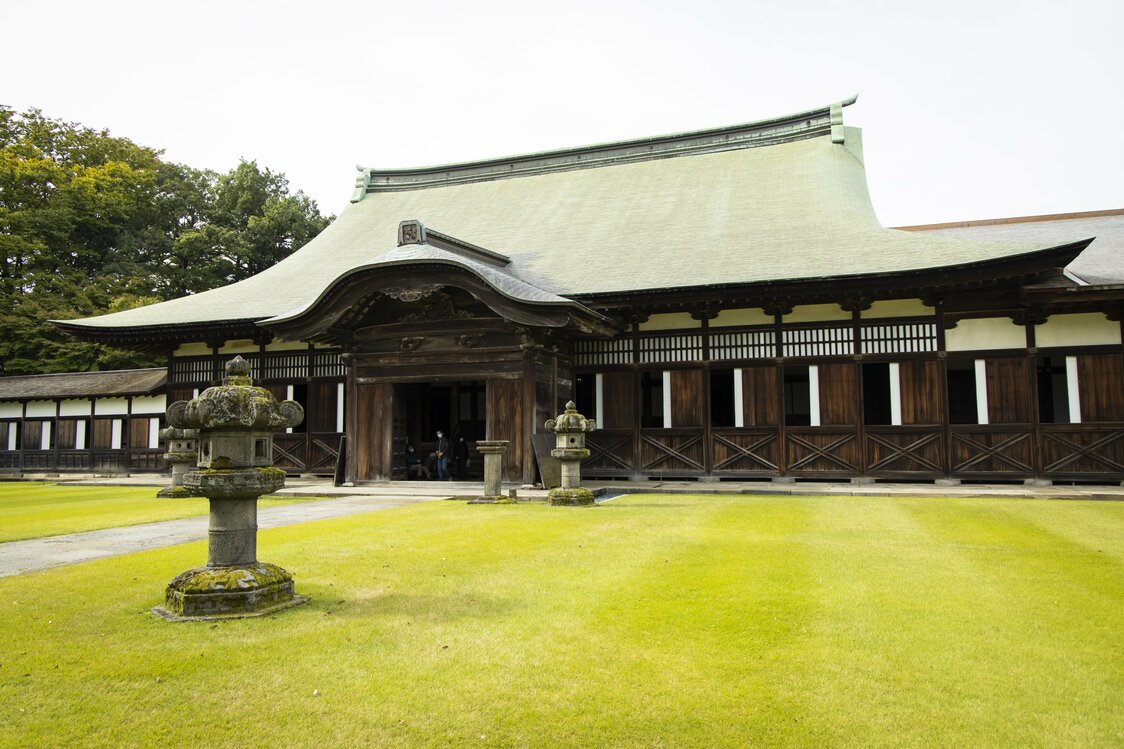
The Dharma hall, built in 1655, is also designated a National Treasure.
-
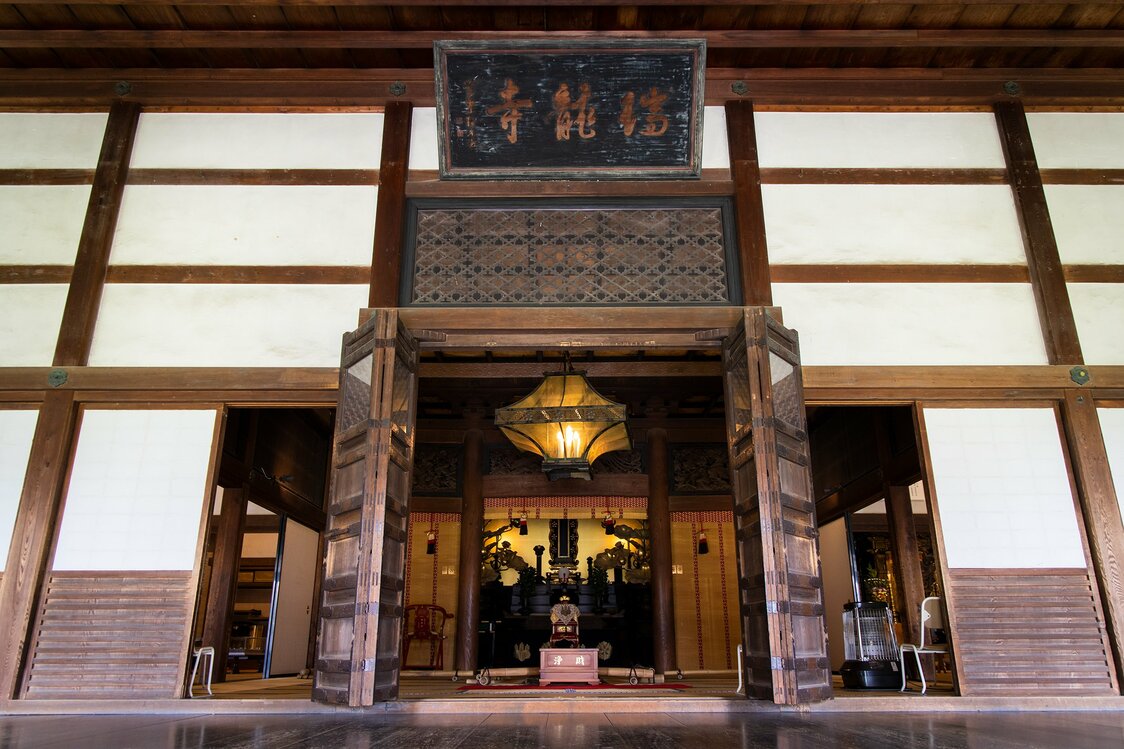
Toshinaga’s mortuary tablet is placed on the Buddhist altar in the center of the Dharma hall.
-
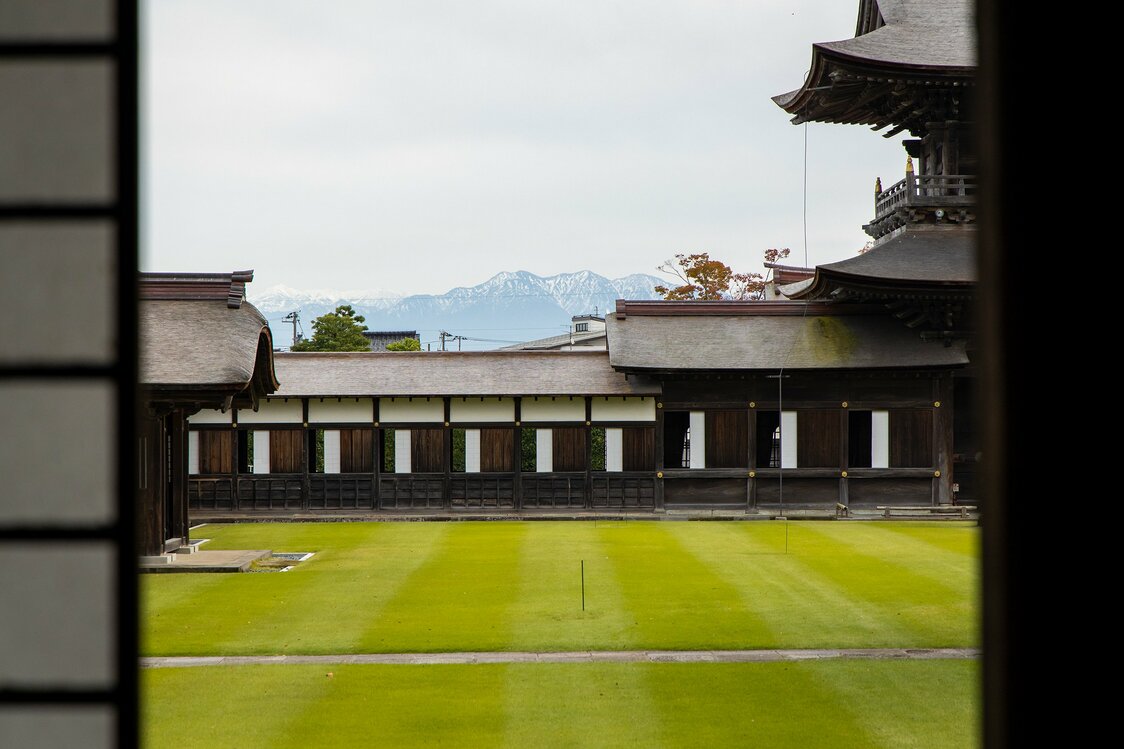
The peaks of the Tateyama mountain range, the guardian of the temple, can be seen from the corridor of the Dharma hall.
-
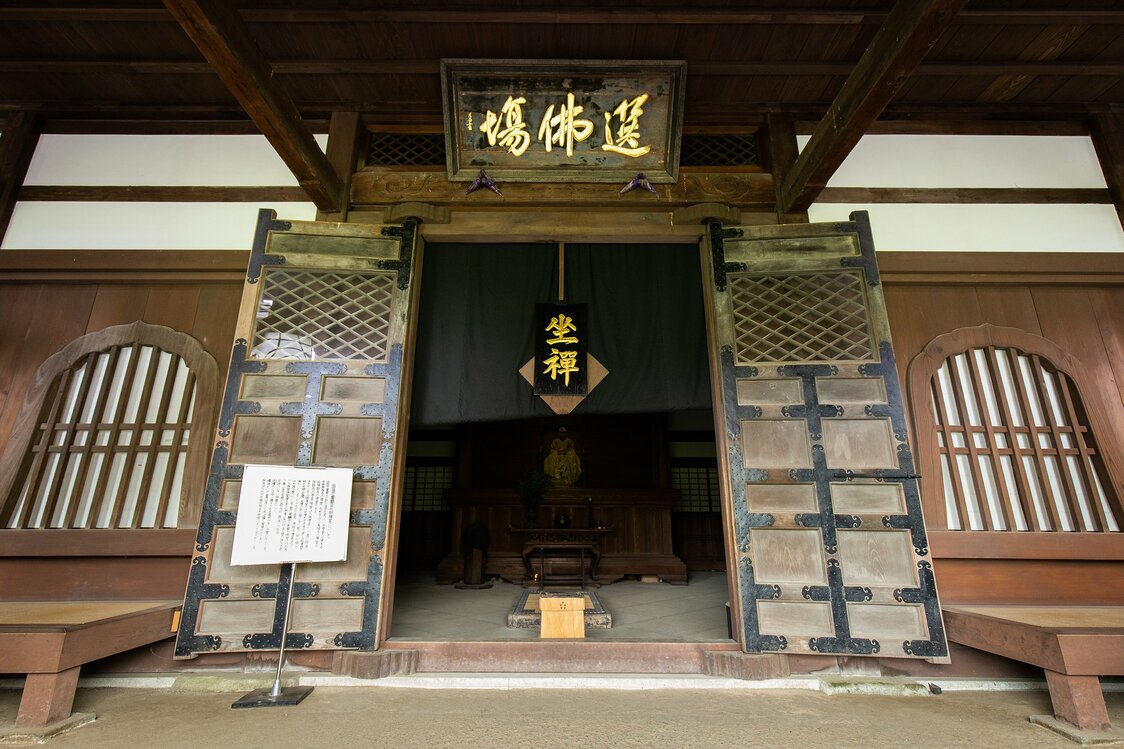
The meditation hall, used for zazen practice, is designated an Important Cultural Property.
-
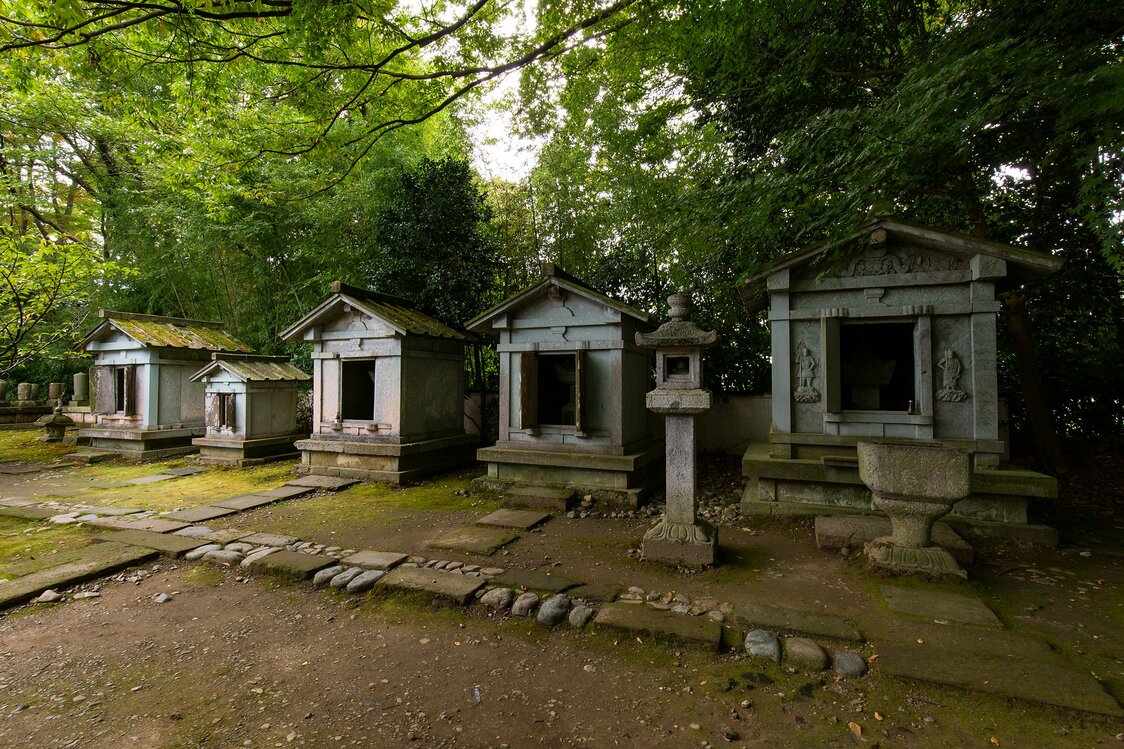
The mausoleums of Toshinaga, Toshiie, Oda Nobunaga, and others.
-
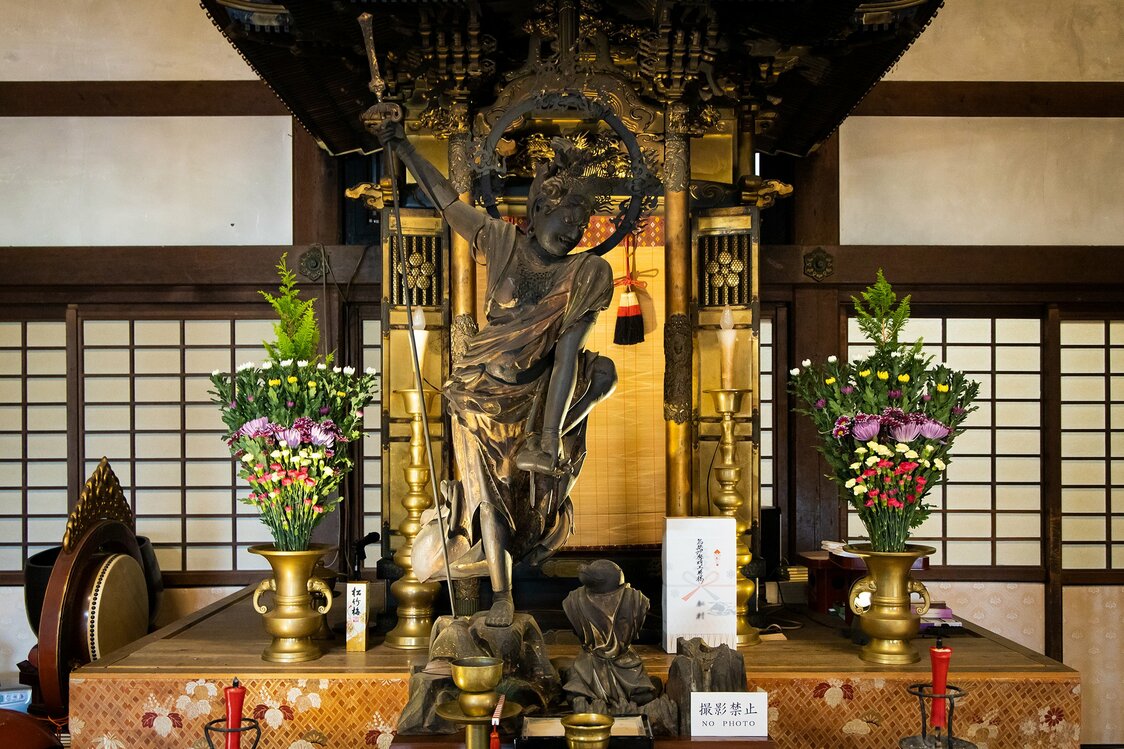
The statue of Ususama Myōō is only displayed to the public at certain times of the year.
-
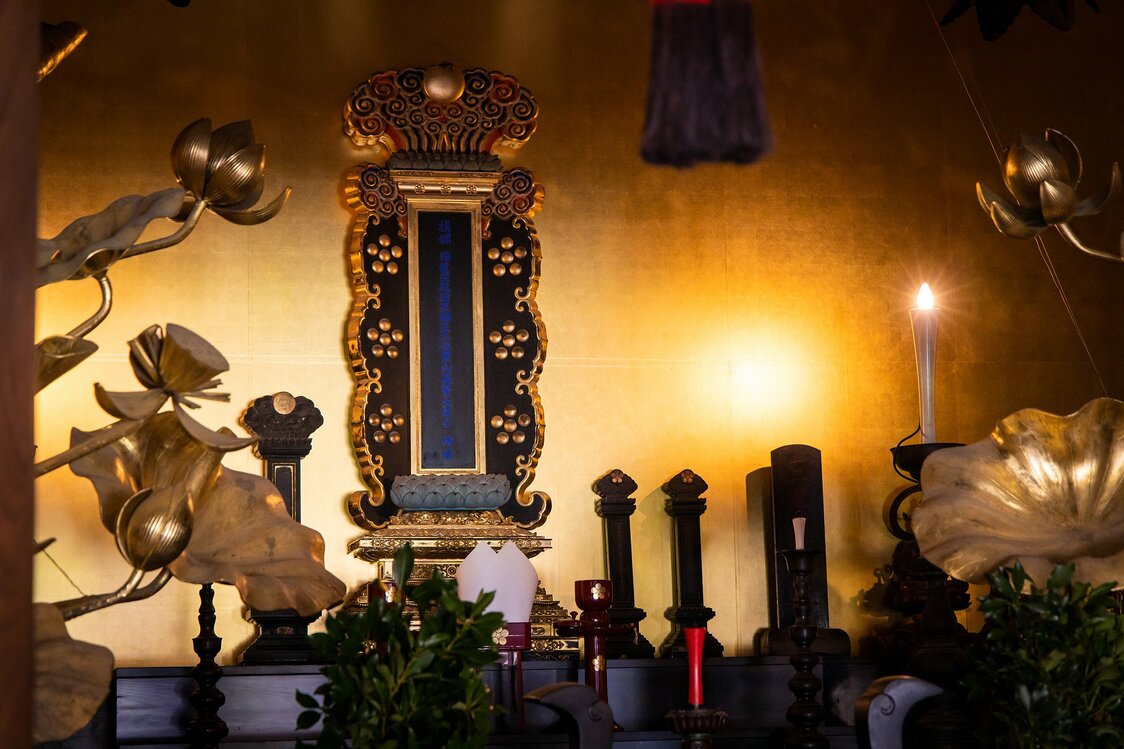
Toshinaga’s mortuary tablet, decorated with the Maeda family crest.
-
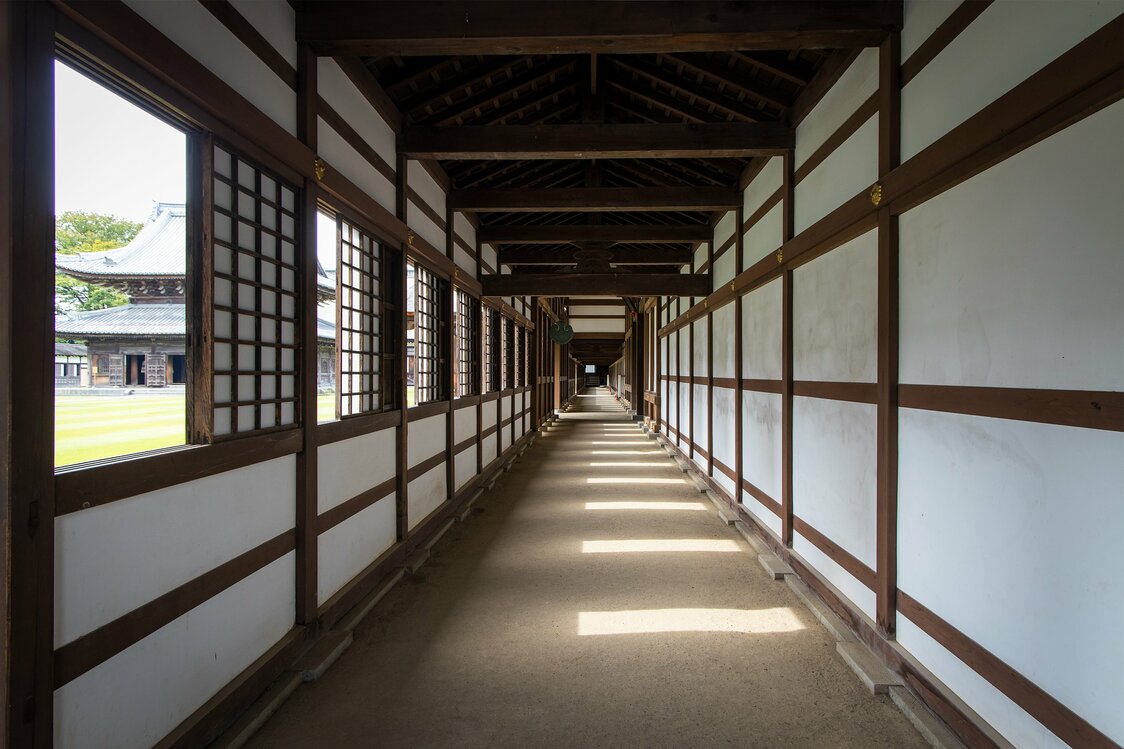
The temple’s corridors extend 300 meters in total.


 Read in other languages