-
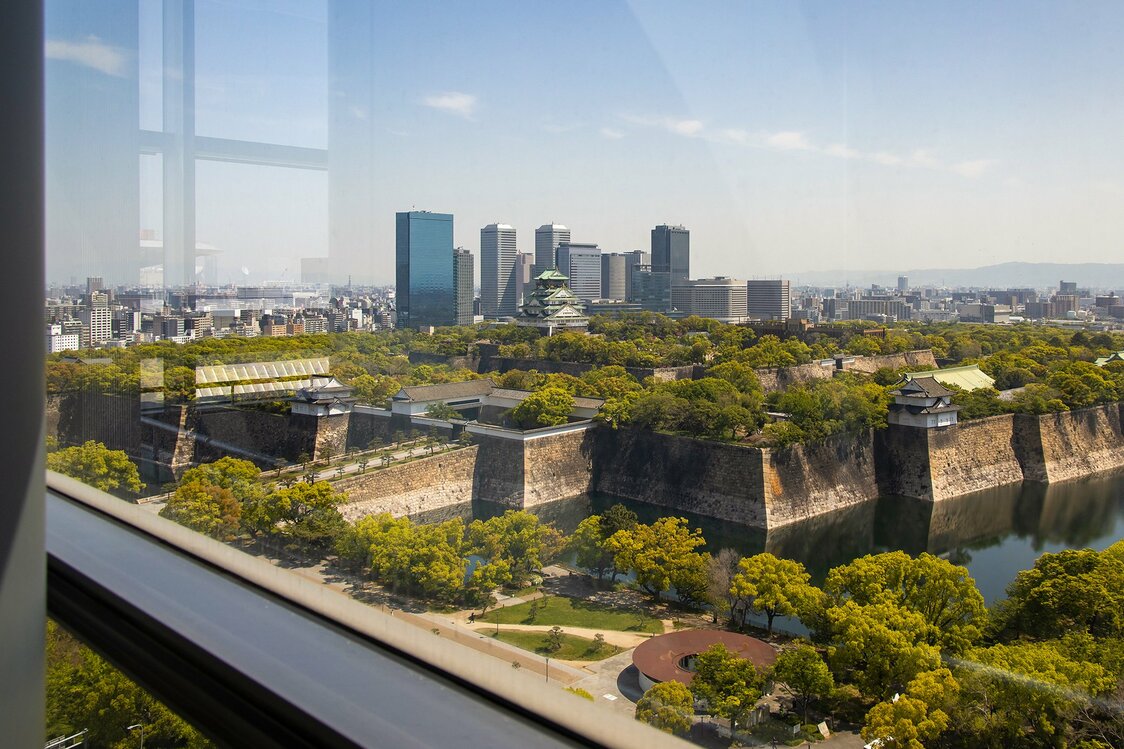
The central keep of Osaka Castle at the northern edge of the Uemachi Plateau, photographed from the Osaka Museum of History.
-
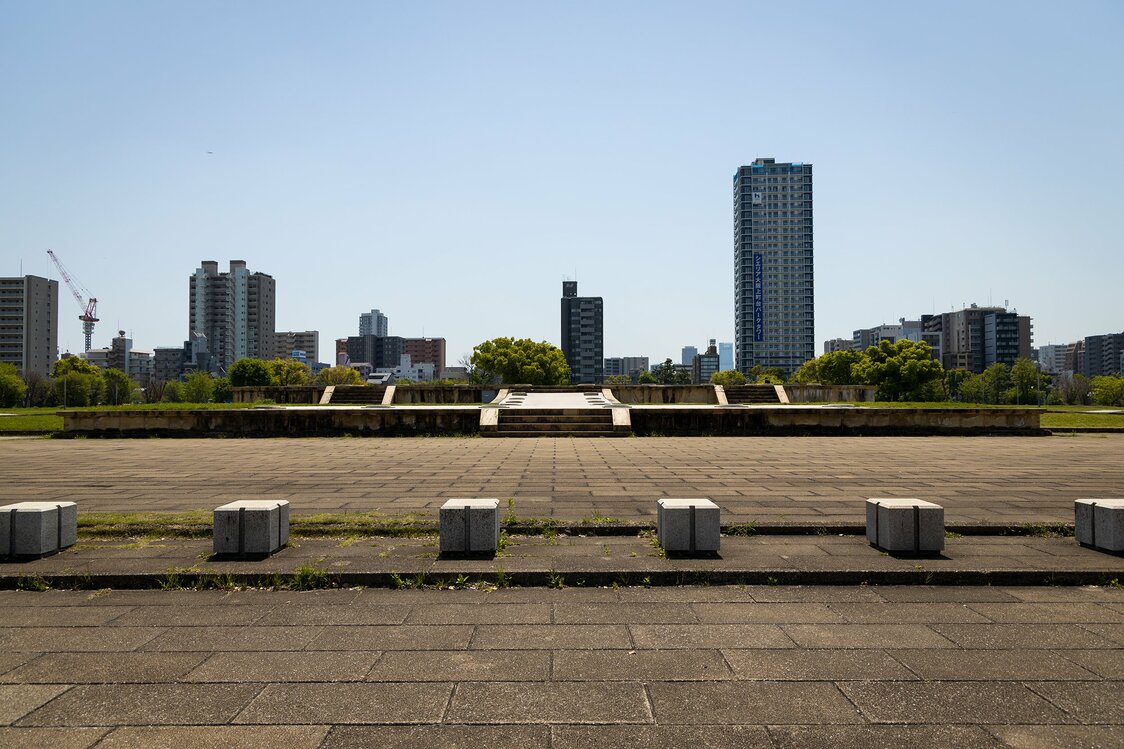
Naniwa-no-miya Park, south of Osaka Castle with a reproduction of the base of the Daigokuden hall in the center.
-
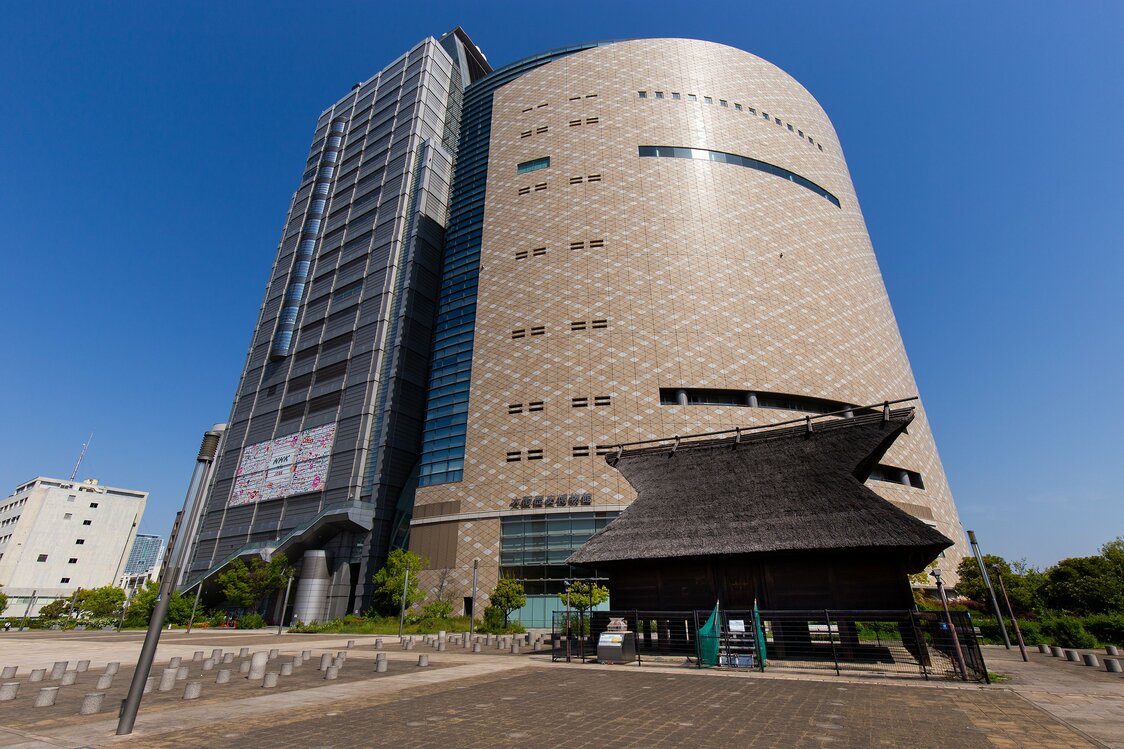
The Osaka Museum of History is attached to the building housing national broadcaster NHK’s Osaka headquarters. The thatched roof structure in the foreground is a reproduction of a storehouse from the Hōenzaka ruins.
-
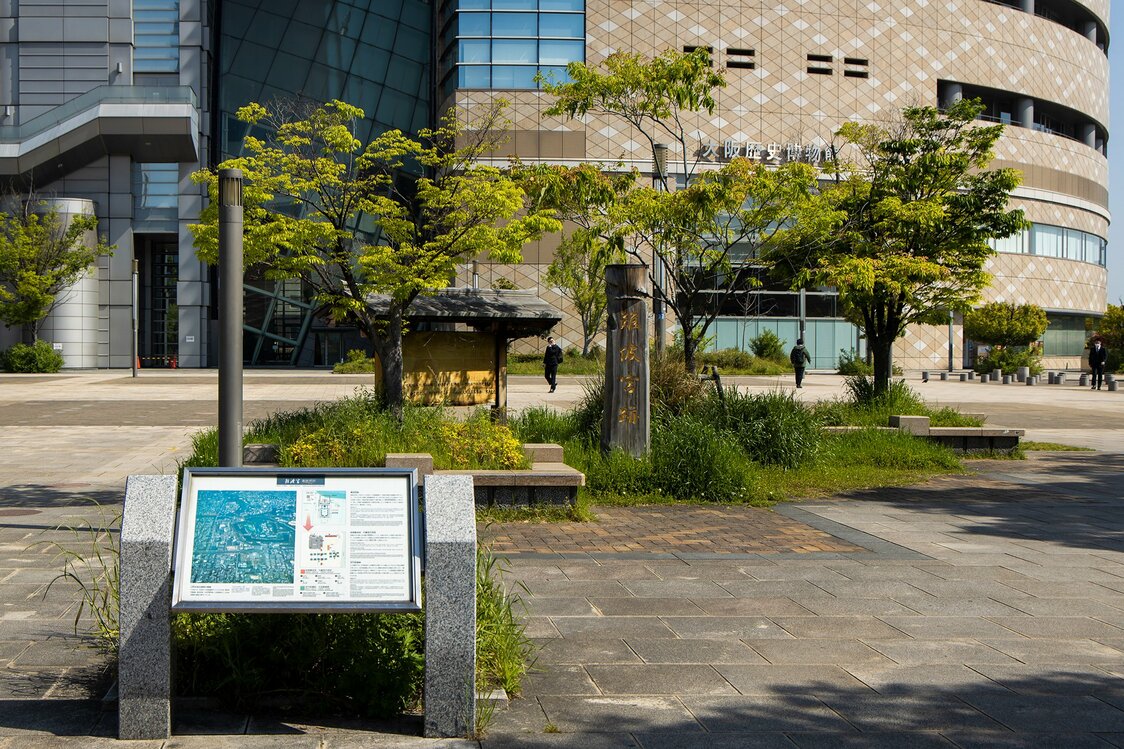
The Museum stands on a site where Naniwa-no-miya artifacts were found.
-
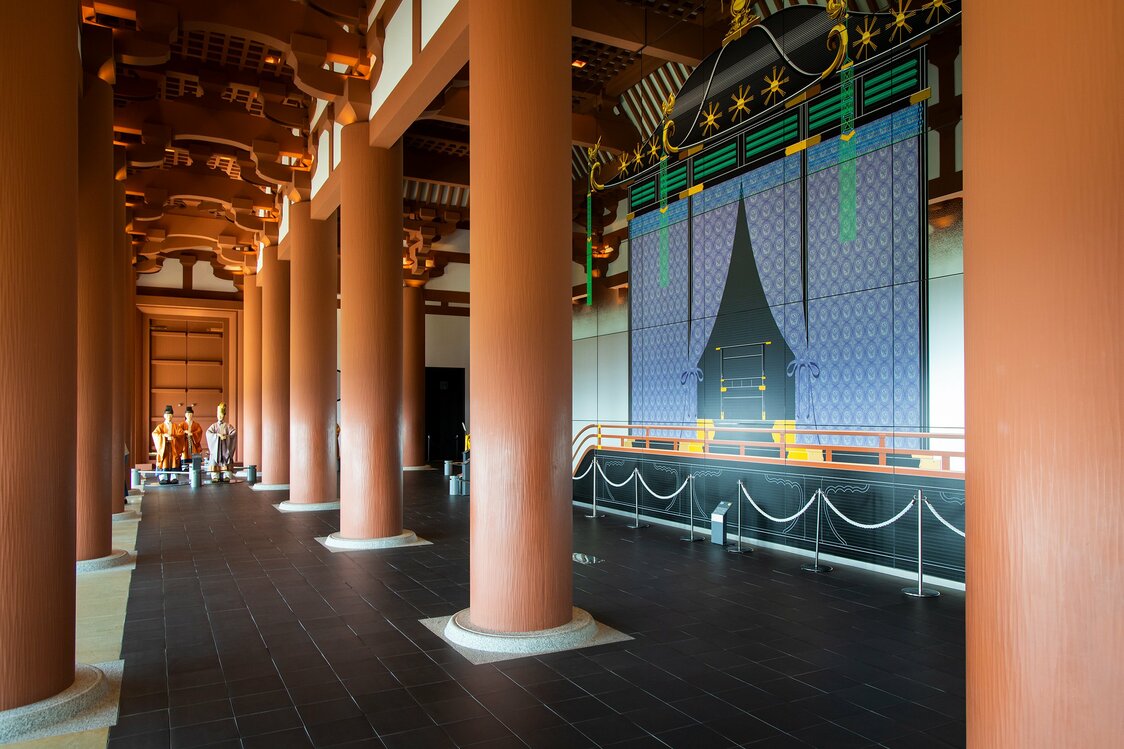
A full-size reproduction of a ceremony at the Daigokuden, a structure supported by pillars 70 centimeters in diameter.
-
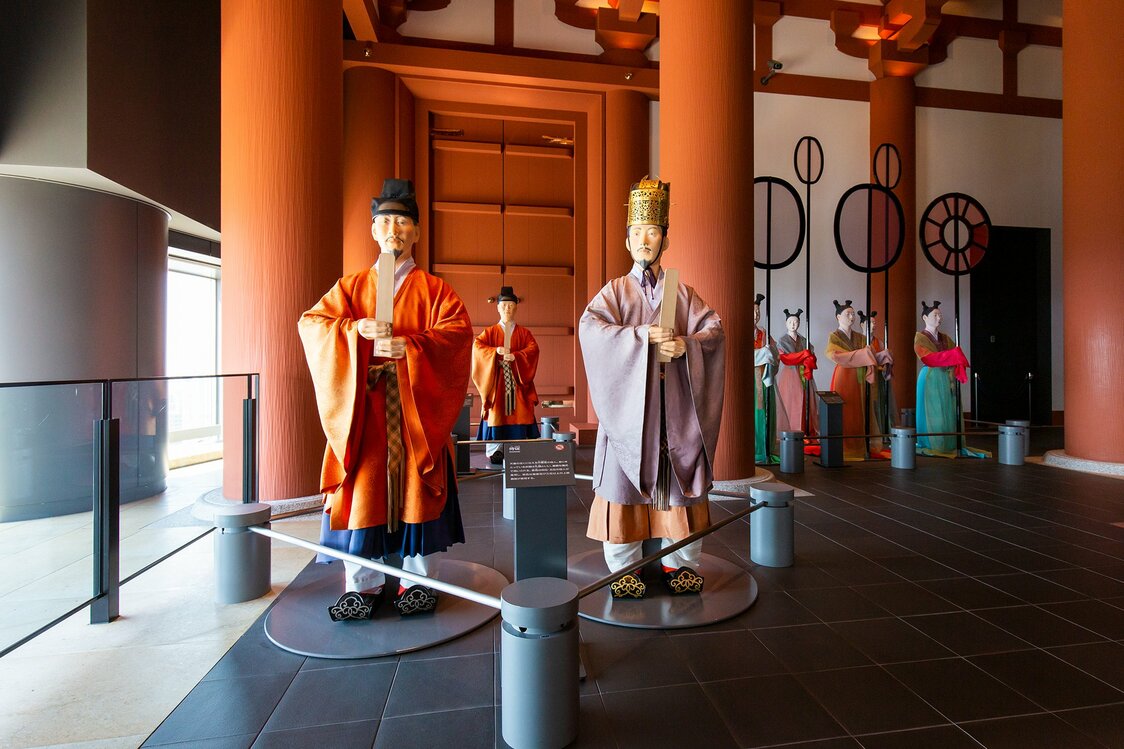
Figures representing the emperor’s attendants are clad in colorful garments.
-
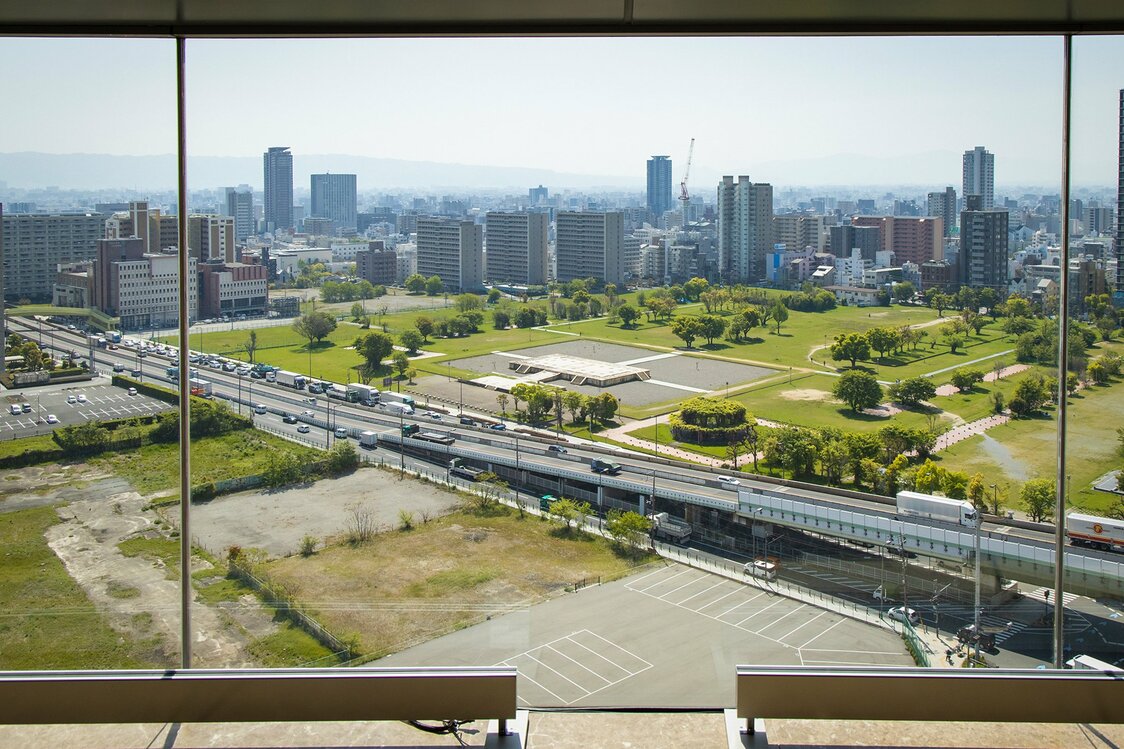
An unobstructed view of Naniwa-no-miya Park in the heart of the city.
-
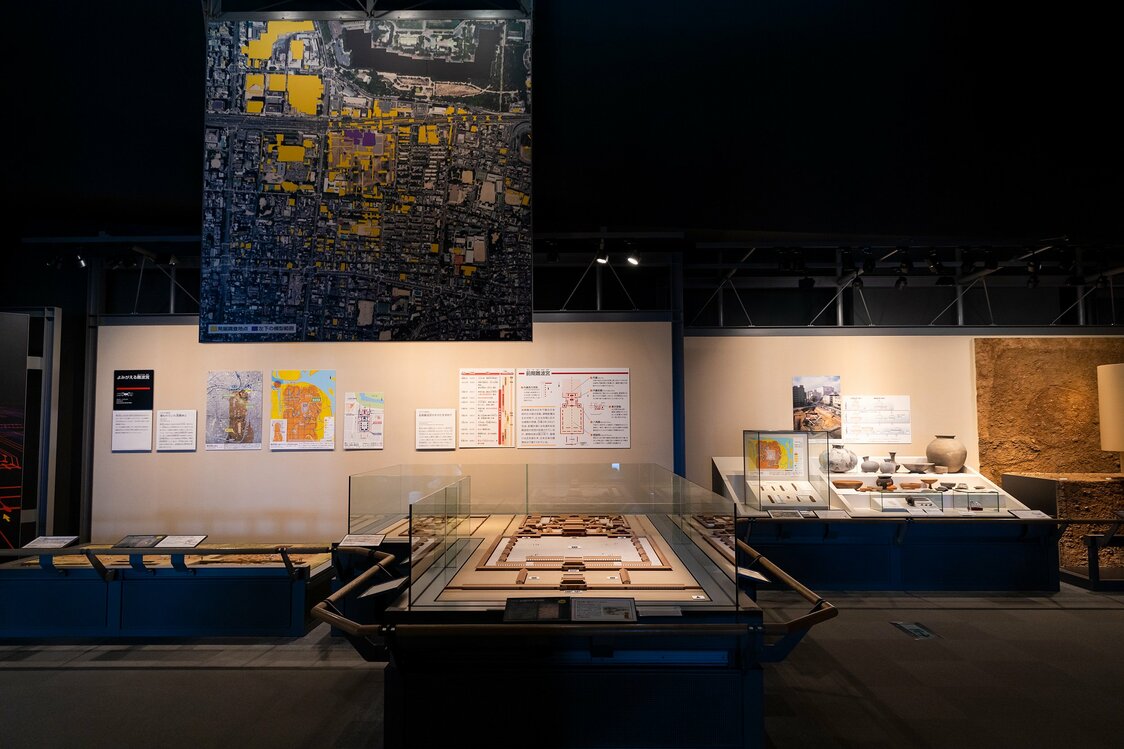
A display showing artifacts and documentation relating to the excavation of Naniwa-no-miya. In the center is a reproduction of the complex during its first period as the center of the imperial court.
-
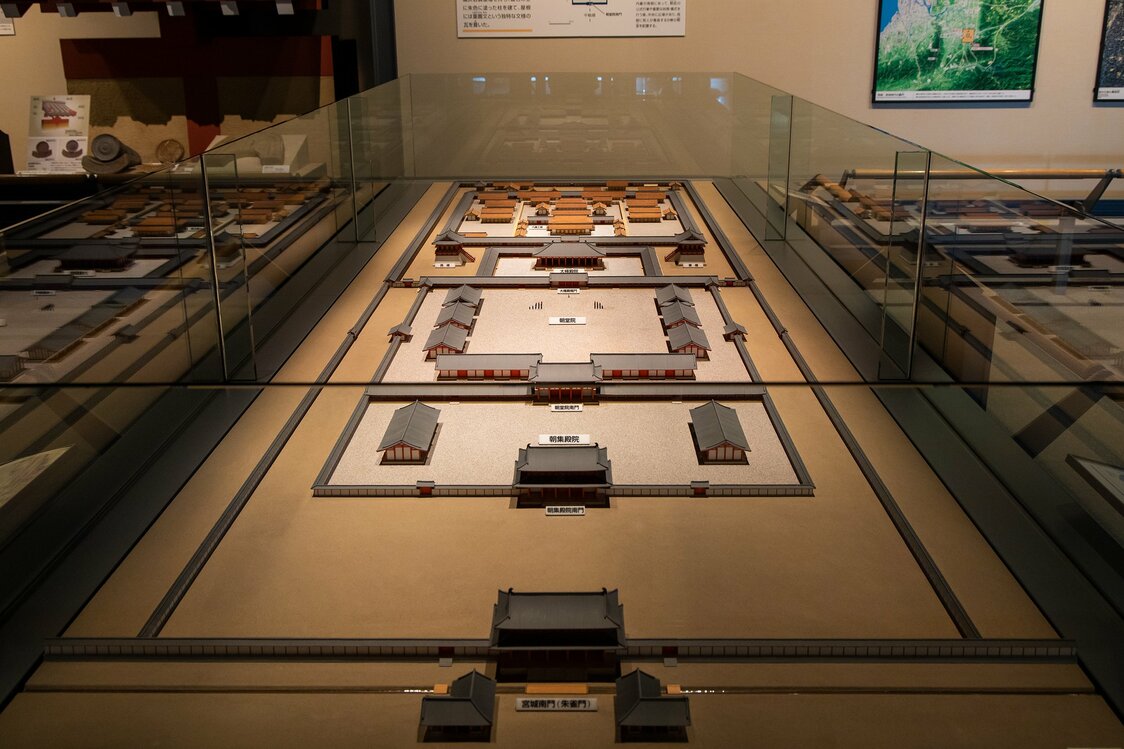
A diorama gives an idea of the grand scale of Naniwa-no-miya the second time it became the capital.
-
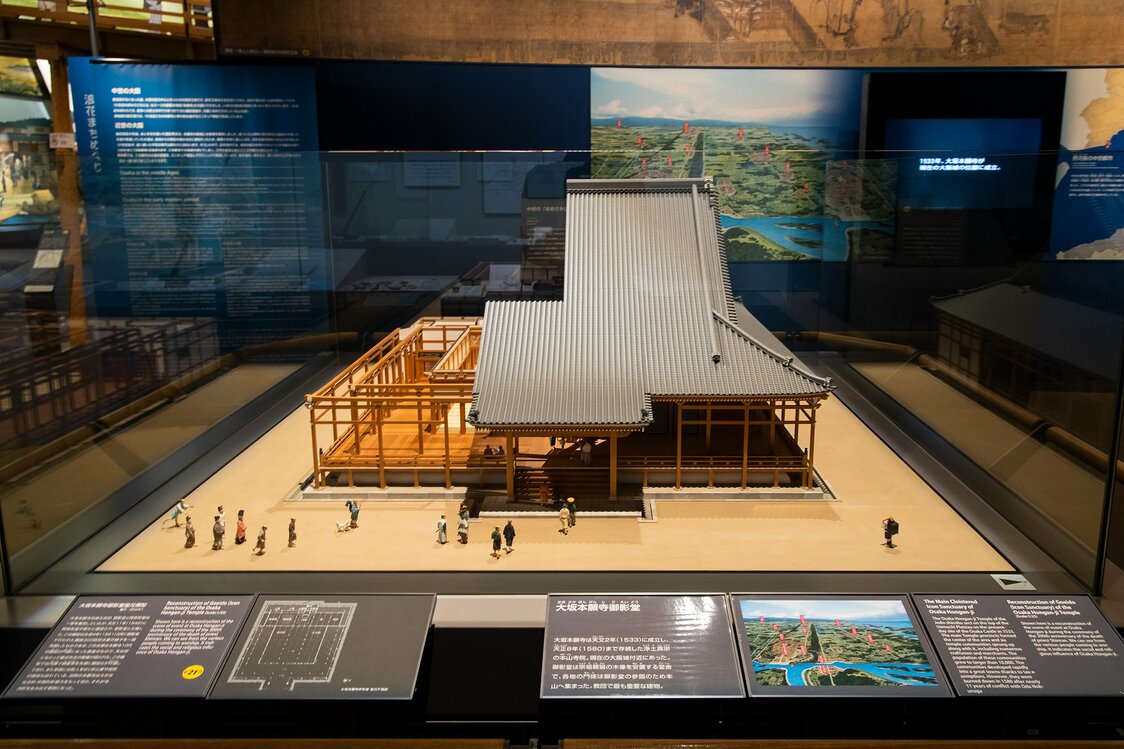
A scale model of Osaka Honganji’s Mieidō Hall, with a faithful reproduction of the town at the temple’s gates.
-
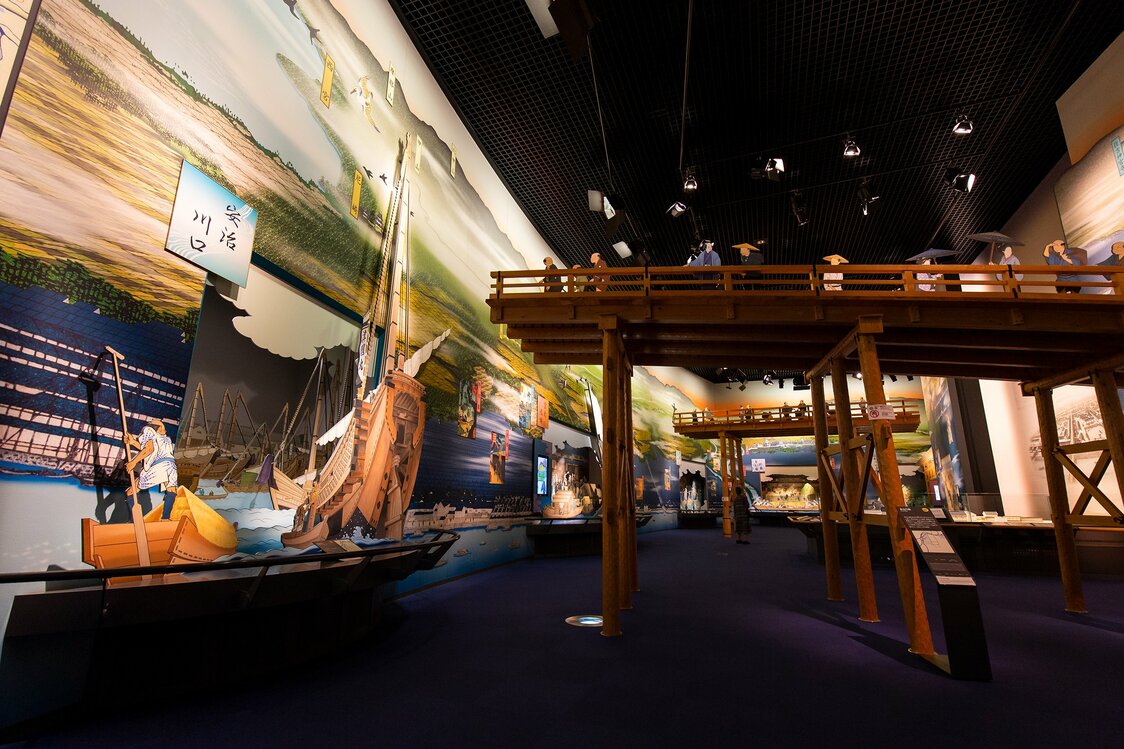
A lifelike exhibit demonstrating how Osaka prospered during the Edo period thanks to water transport.
-
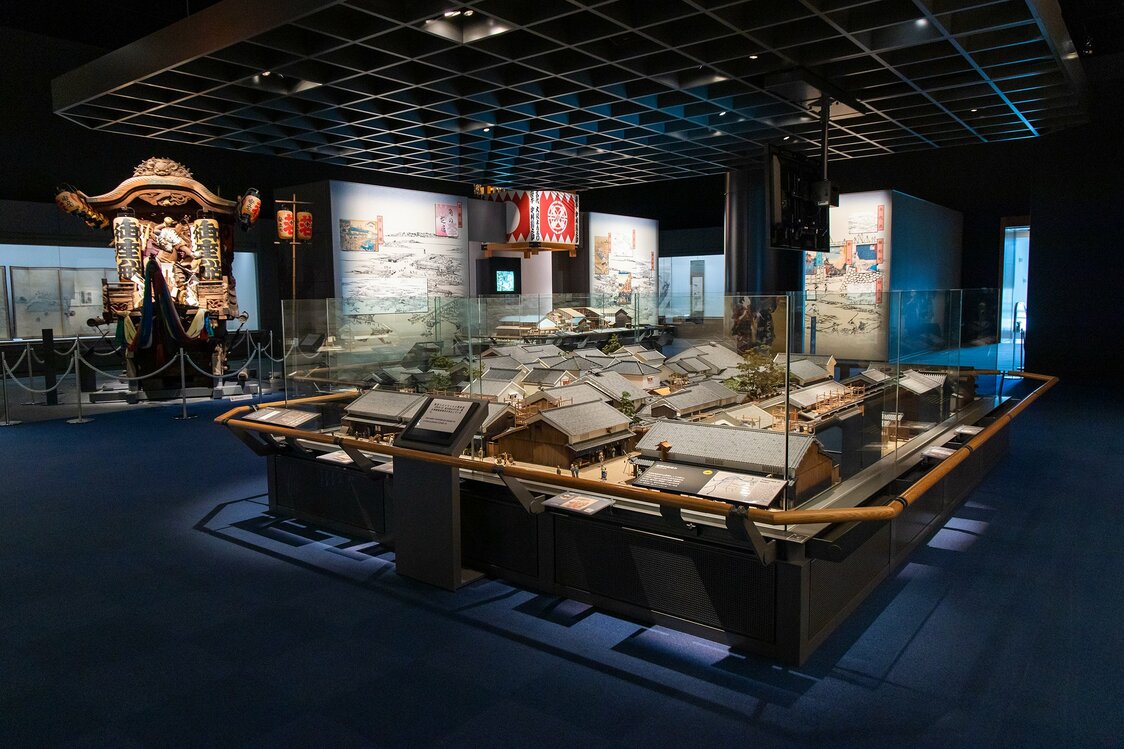
A diorama showing Senba, the heart of Osaka, and the many playhouses clustered there. A danjiri festival float dating from the Edo period is displayed nearby.
-
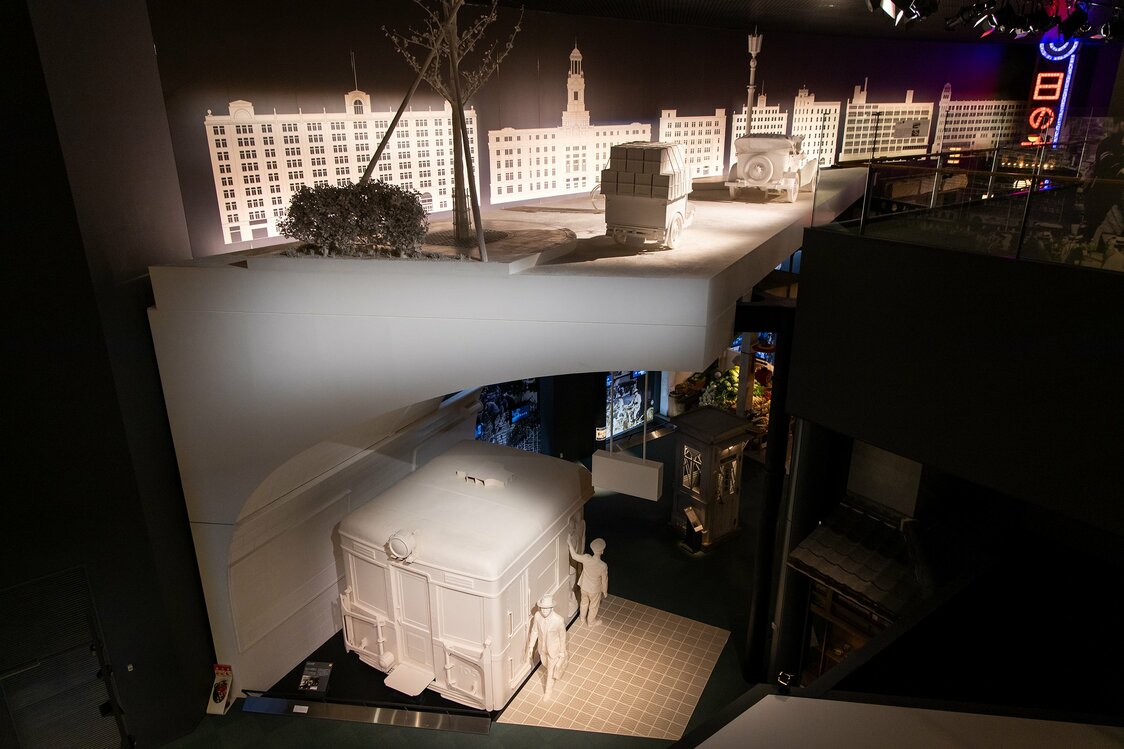
The seventh floor “Great Osaka” display viewed from the eighth floor. In the center is a life-size reproduction of Japan’s first public subway line. The area also features special exhibits and a hands-on archaeology section.
-
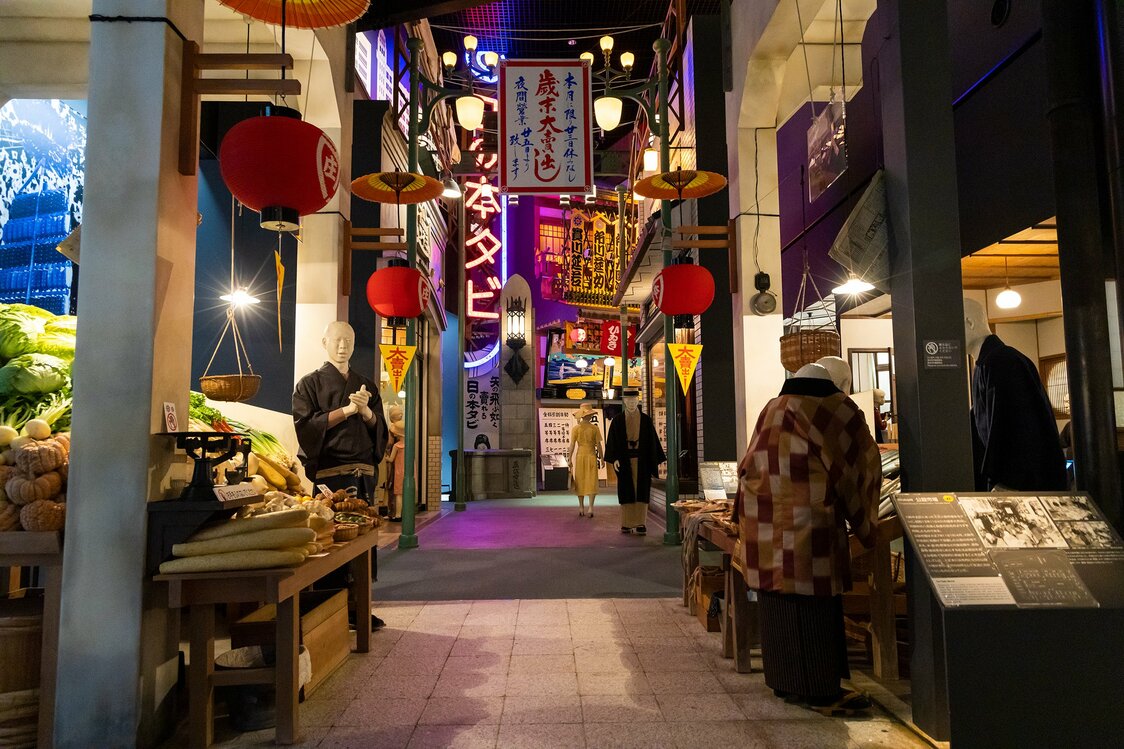
Lifelike reproductions of Osaka sites Shinsaibashisuji, Dōtonbori, and the Honjō public market.
-
Lifelike reproductions of Osaka sites Shinsaibashisuji, Dōtonbori, and the Honjō public market.


 Read in other languages