-

Kaizandō Hall, where Ryōgen (912–985), the eighteenth abbot of the Tendai school, and Kan’eiji founder Tenkai (1536–1643) are enshrined.
-
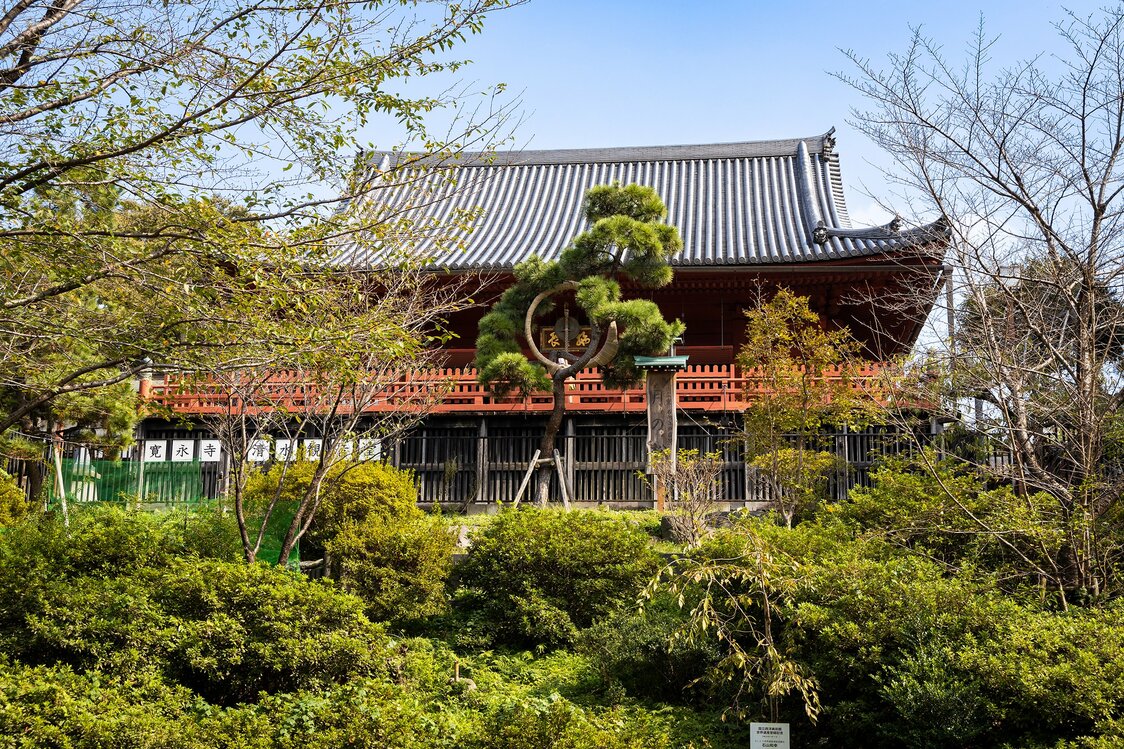
Kiyomizu Kannondō, built on a slope near Shinobazu Pond, and the famous Tsuki no Matsu “moon pine,” whose trunk, trained into a circular shape, frames the Bentendō.
-
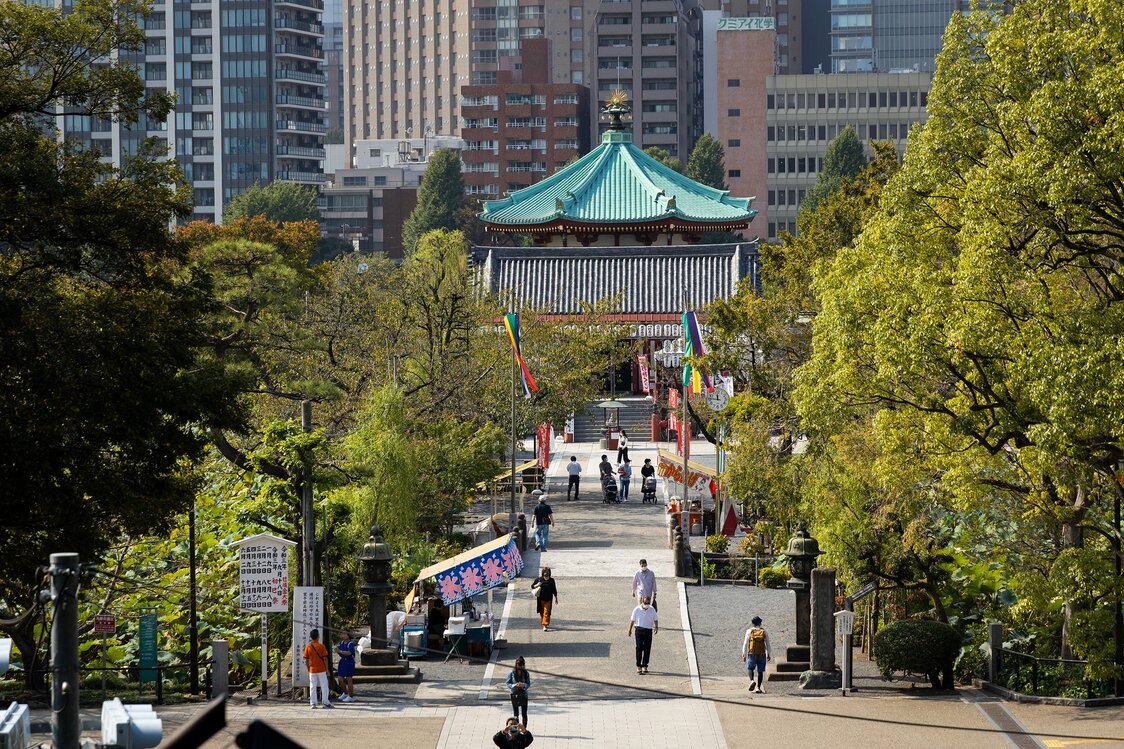
The Bentendō, built on an island in the pond, was originally reached by boat. Due to the large crowds wishing to worship there, a bridge providing access was built later.
-
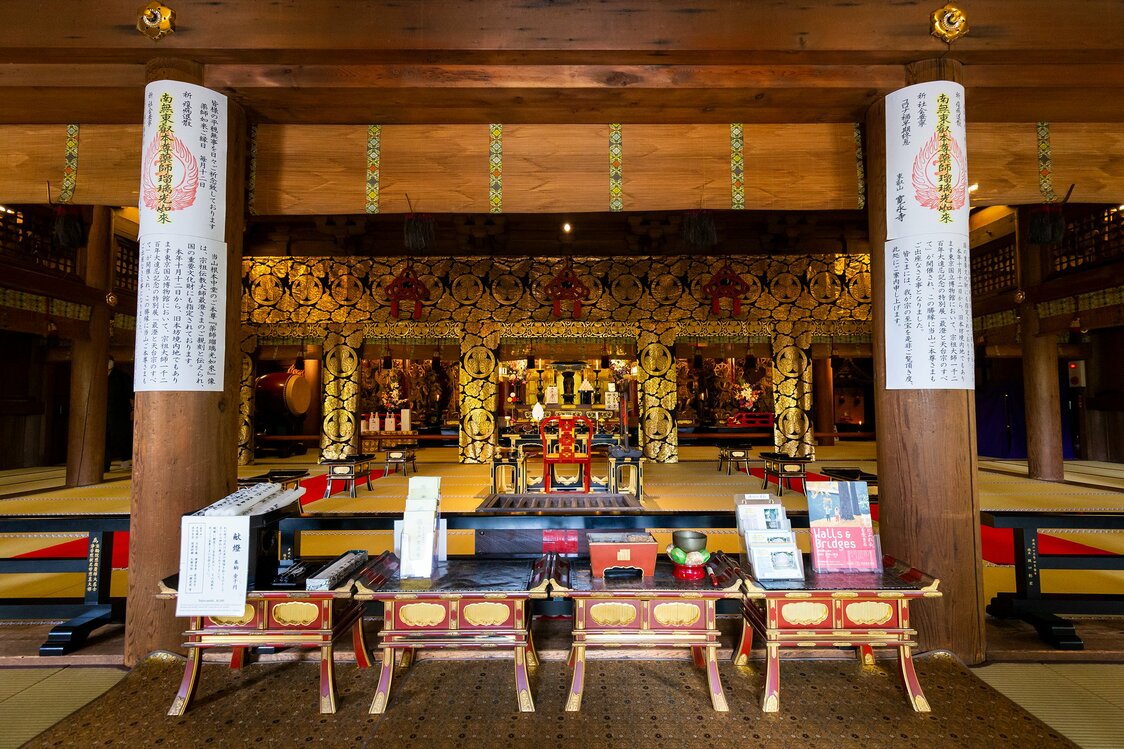
The interior of the Konponchūdō. In keeping with the belief that all creatures are equal, the Buddha’s gaze meets the eyes of worshippers.
-
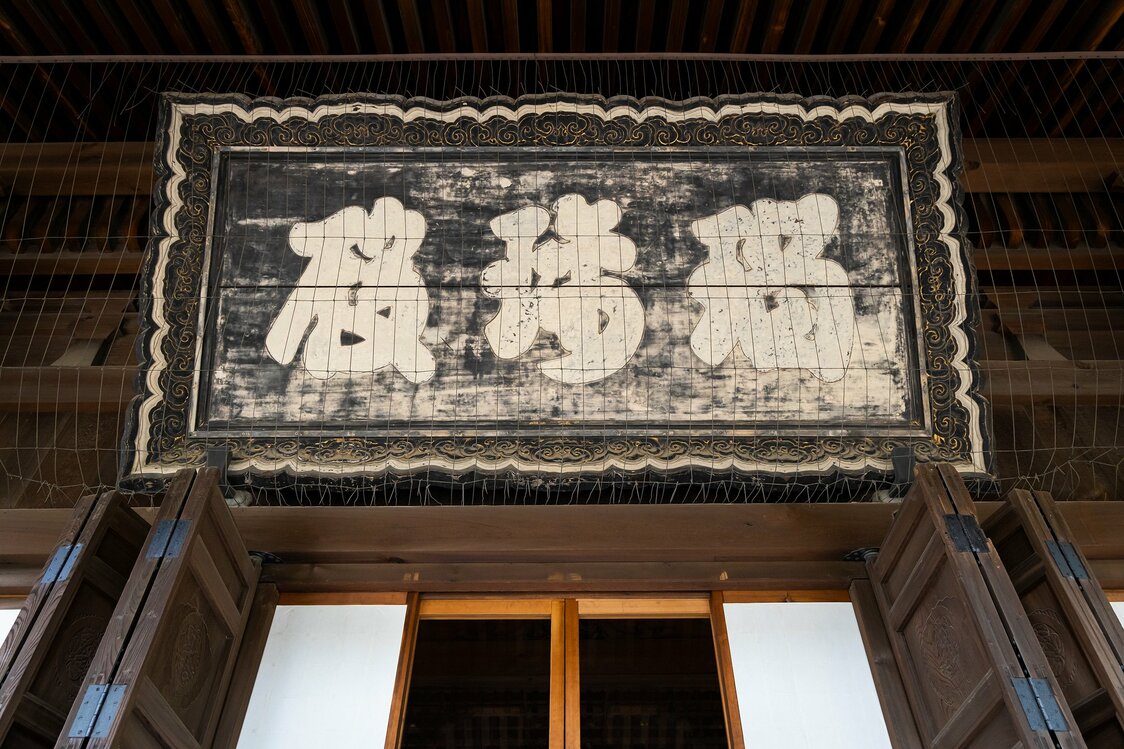
This plaque at the Konponchūdō displays the script of Emperor Higashiyama (r. 1687–1709). By coincidence, a huge conflagration broke out in Edo the day the plaque arrived from Kyoto.
-
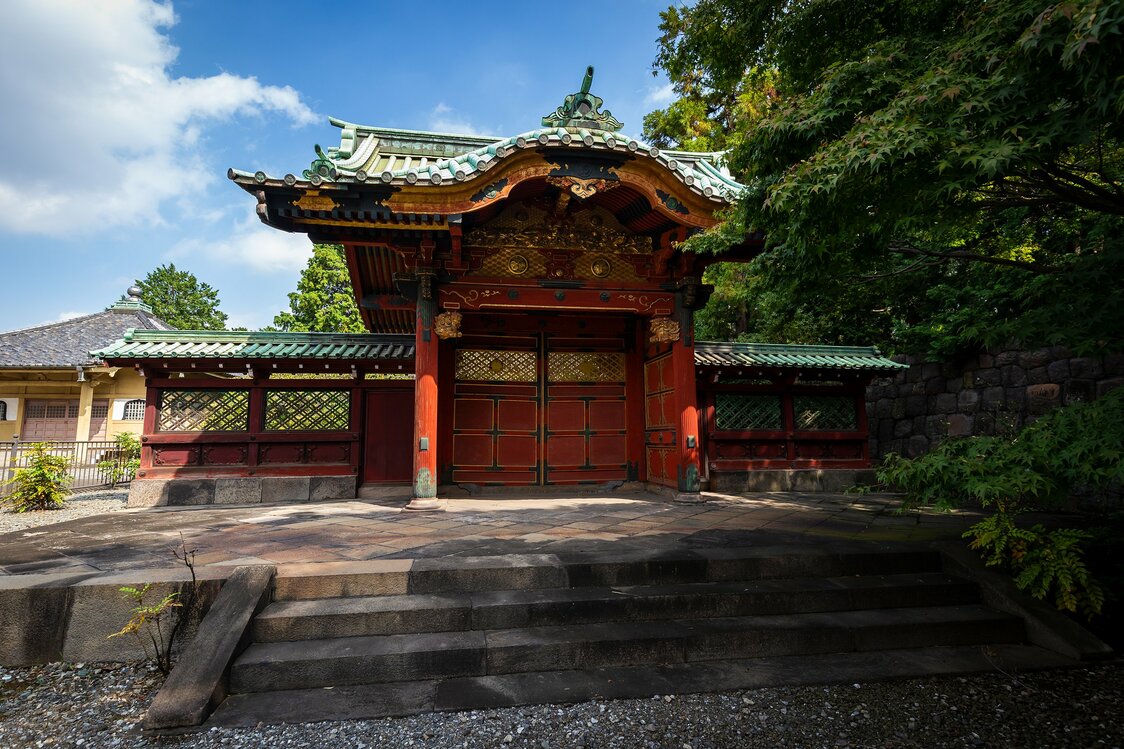
A gate bearing the plaque of the fifth Tokugawa shōgun Tsunayoshi, which survived nineteenth-century civil conflict and wartime air raids. At the rear to the left, the building housing the Tokugawa mortuary tablets is visible.
-
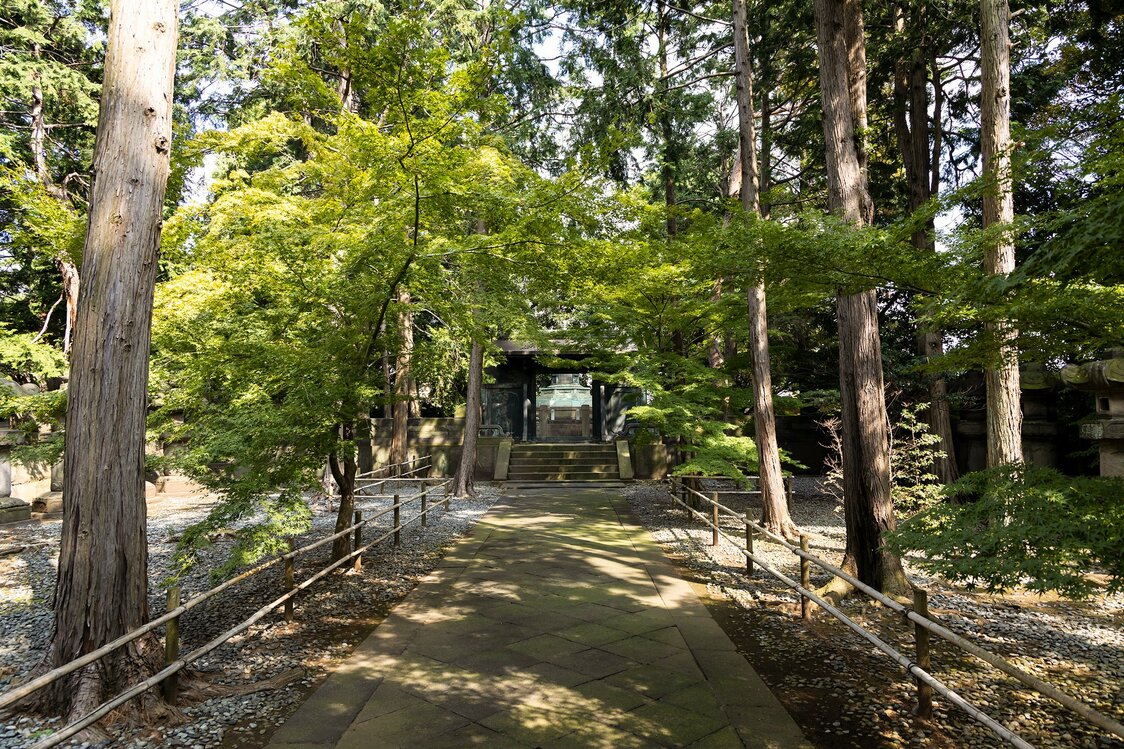
The tranquil atmosphere of the path leading to the Tokugawa tombs belies their location in bustling Tokyo.
-
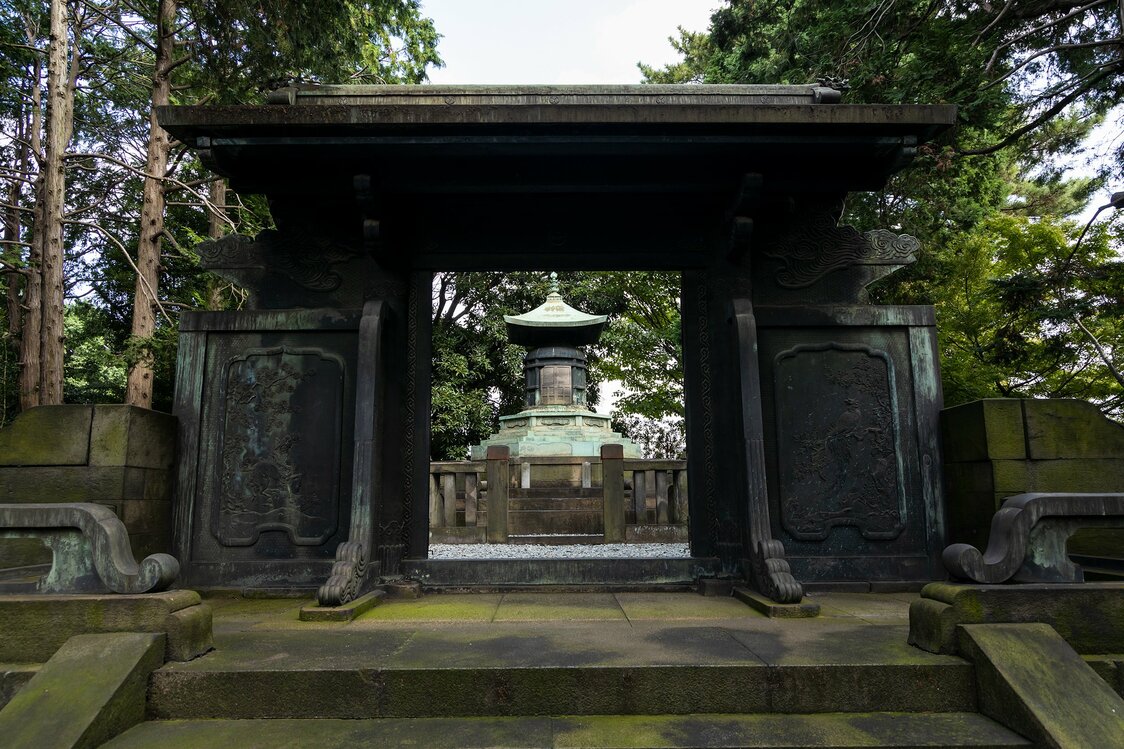
The copper pagoda-shaped tomb of Tsunayoshi. The tombs of the six Tokugawa shōguns resting at Kan’eiji came through wartime fire bombings unscathed.
-
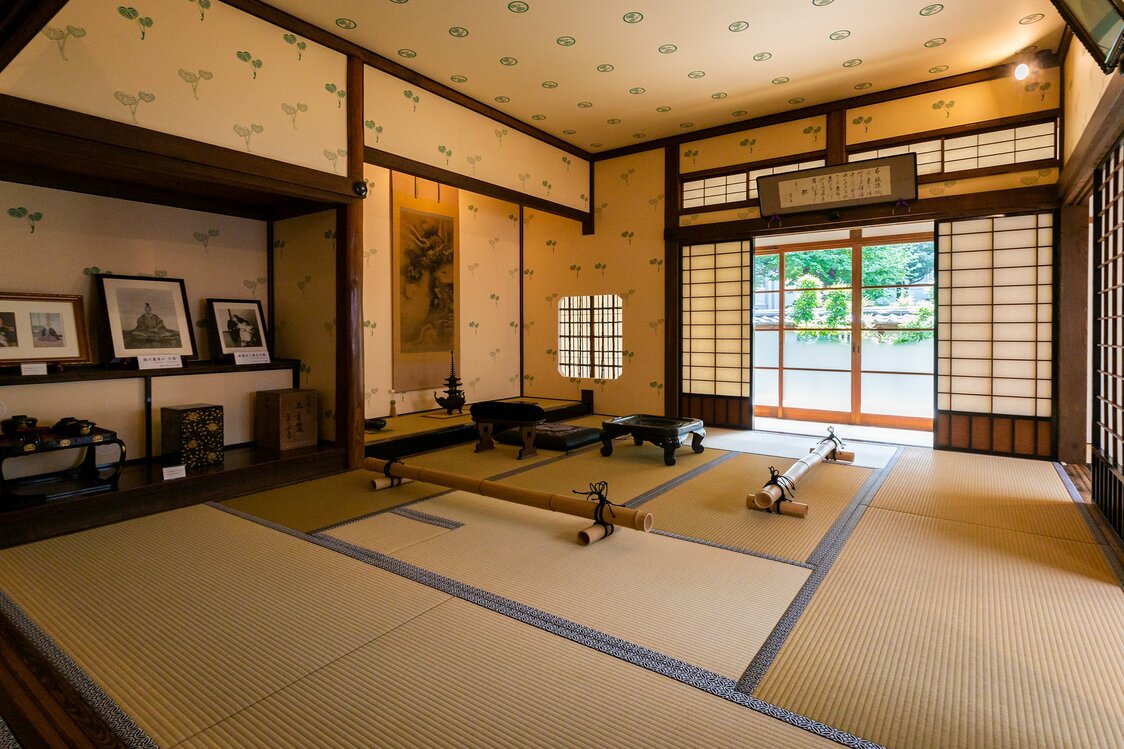
The Aoi no Ma, where Yoshimune lived after he was stripped of his title of shōgun. At the time, this structure was part of Kan’eiji subsidiary temple Daijiin.
-
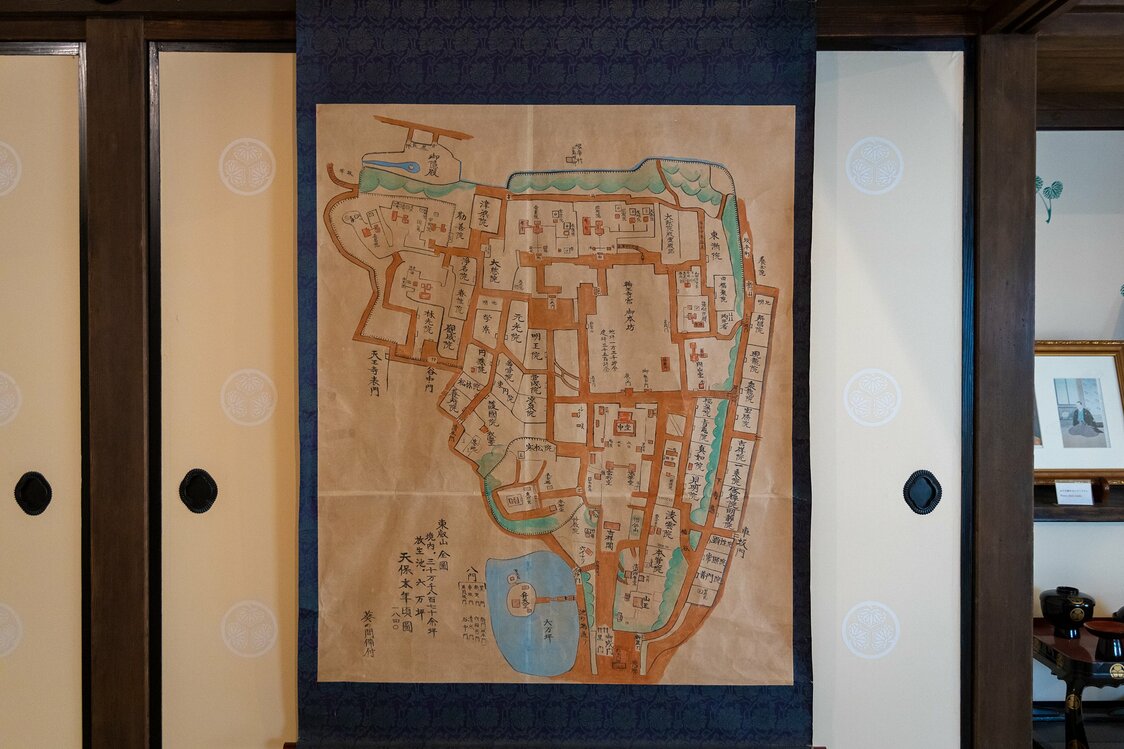
This map of Tōeizan in the Aoi no Ma shows the huge area covered by the temple precincts. In the Edo period, Daijiin occupied the site of Kan’eiji’s present-day main hall.
-
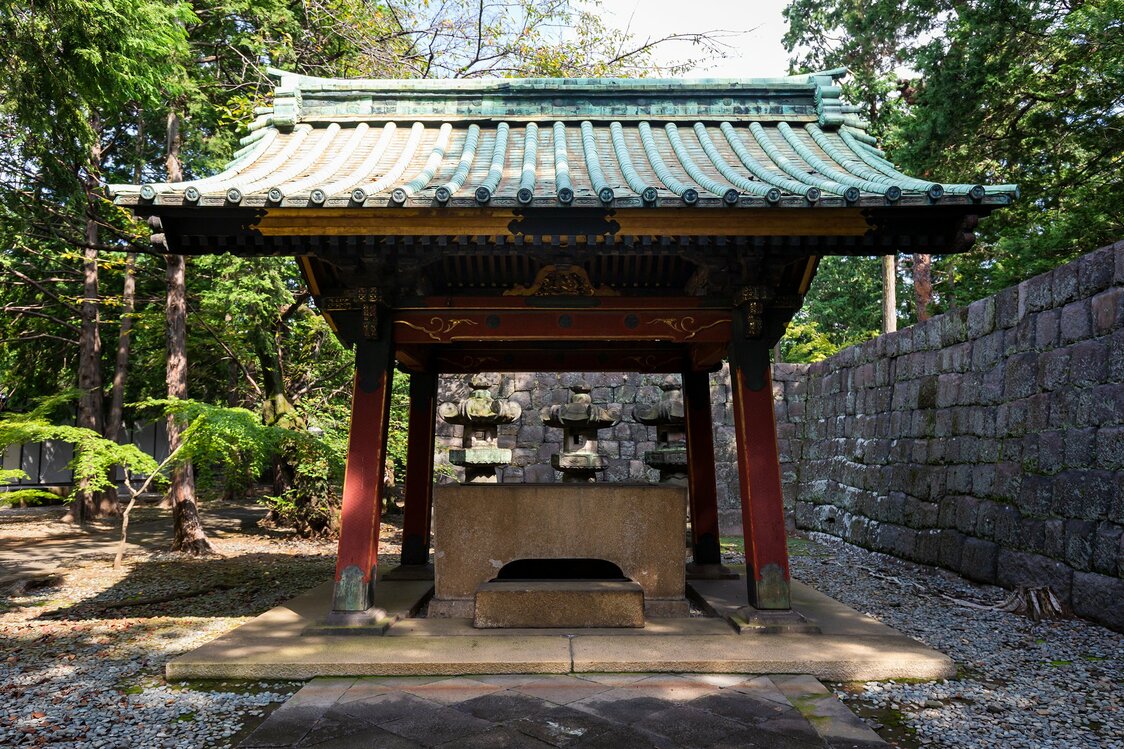
This covered cistern for ablutions was constructed in the Edo-period mausoleum style. The stone wall on the right, which encircles the shōguns’ tombs, was erected by Shibusawa Eiichi and statesman and naval engineer Katsu Kaishū (1823–99).
-

This structure, now Kan’eiji’s main hall, was part of the Kita-in temple complex in Kawagoe, where Tenkai had earlier served as chief priest. It was relocated to Ueno to replace the original main hall.
-
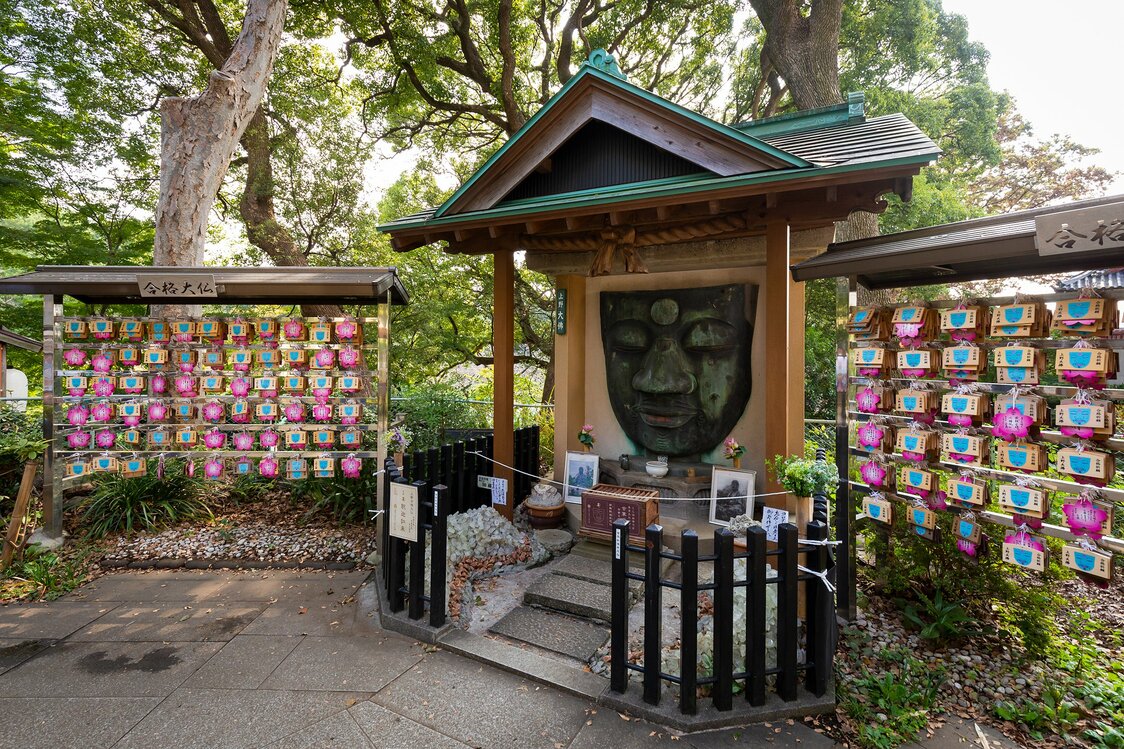
Only the Great Buddha’s face remains today, surrounded by ema votive placards left by students hoping for exam success. Many return to hang placards with a cherry blossom motif once their prayers are answered.
-
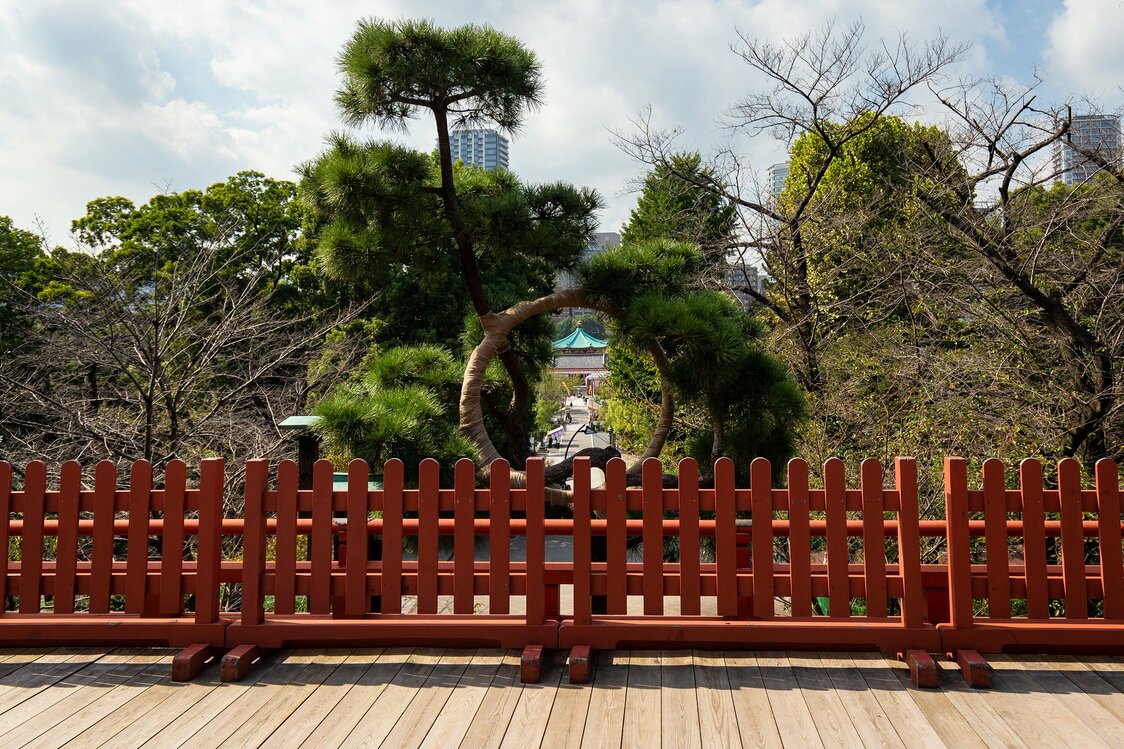
The Bentendō in Shinobazu Pond, viewed through the trunk of the Tsuki no Matsu at Kiyomizu Kannondō.
-
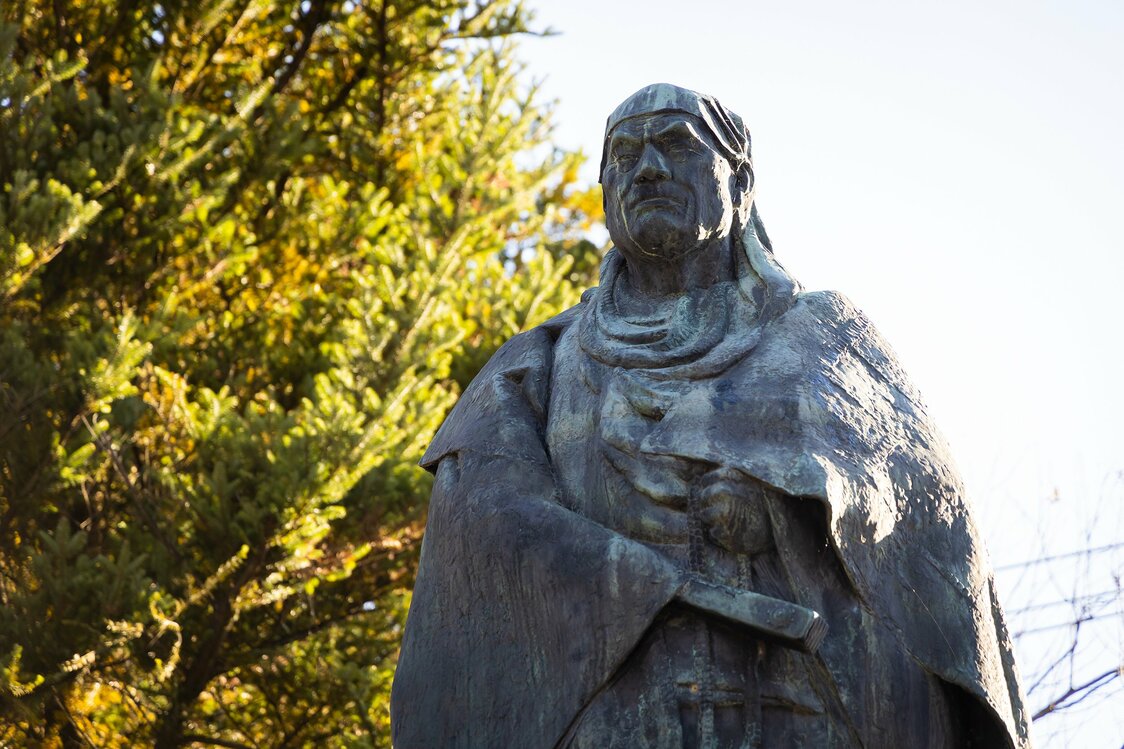
A statue of Tenkai stands next to Shinkyō, the bridge marking the entrance to the temple Rinnōji in Nikkō.


 Read in other languages