-
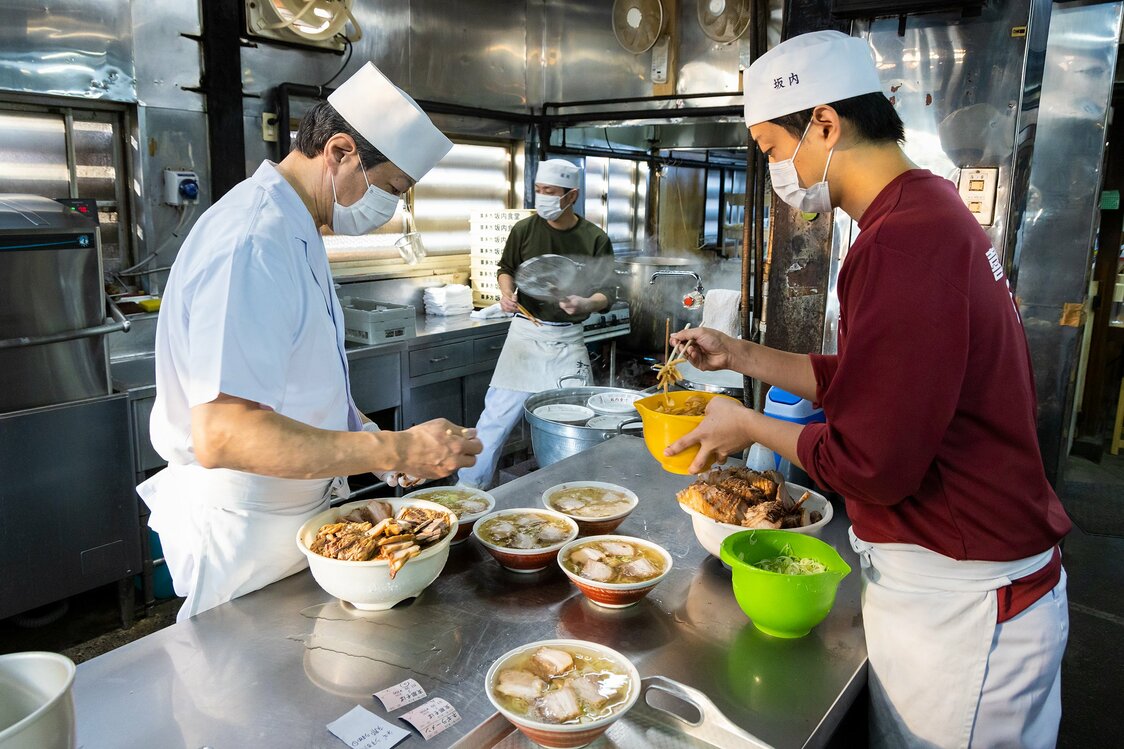
Busy in the kitchen at Bannai Shokudō, Kitakata’s most renowned ramen shop. Diners start pouring in at 7:00 in the morning.
-
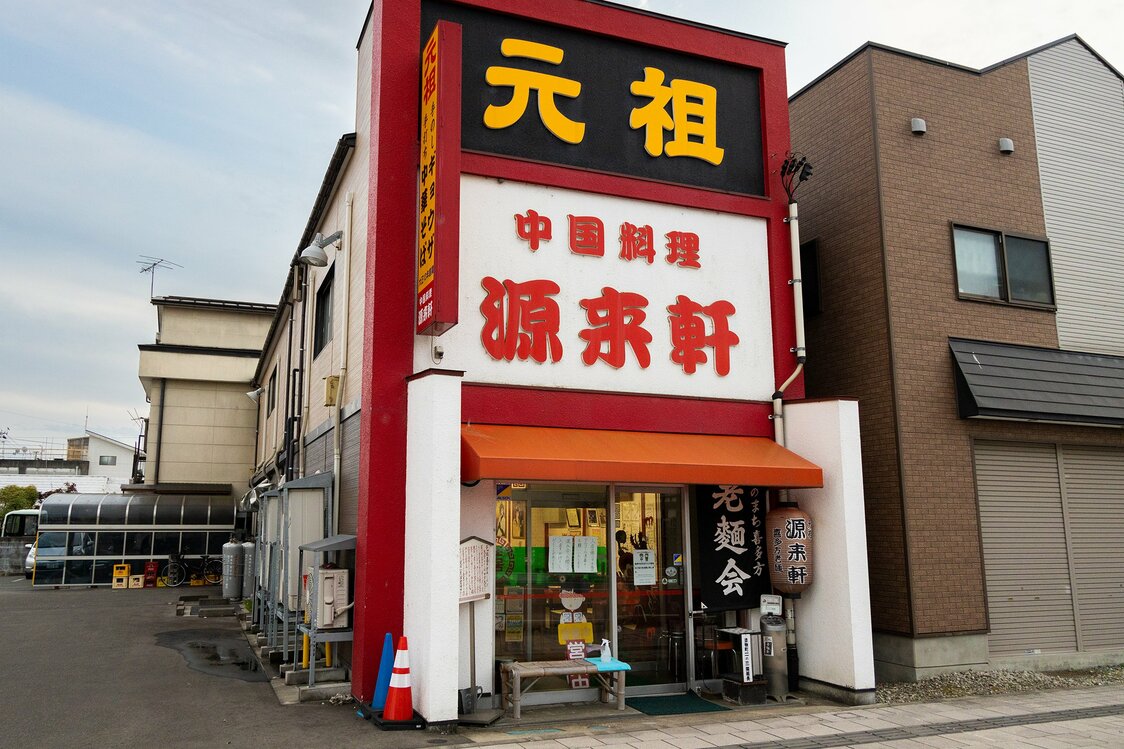
The Genraiken shop is a 6-minute walk from Kitakata Station.
-
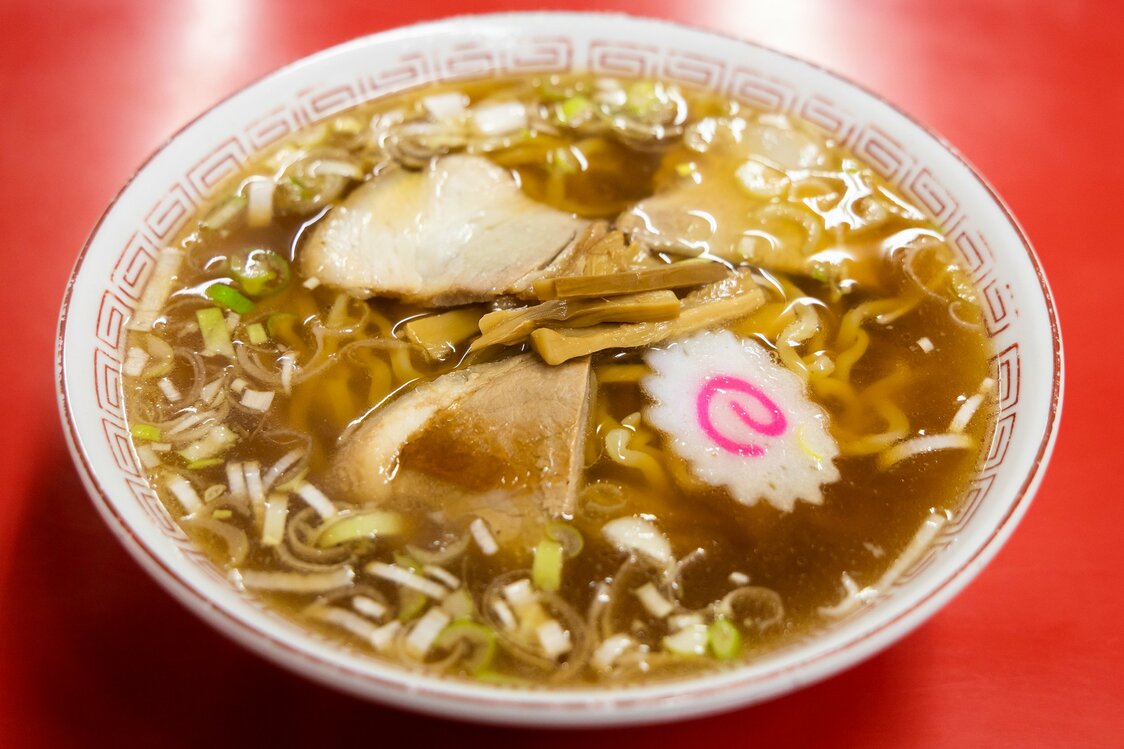
Genraiken’s soy-sauce-flavored ramen is plain yet deeply satisfying.
-
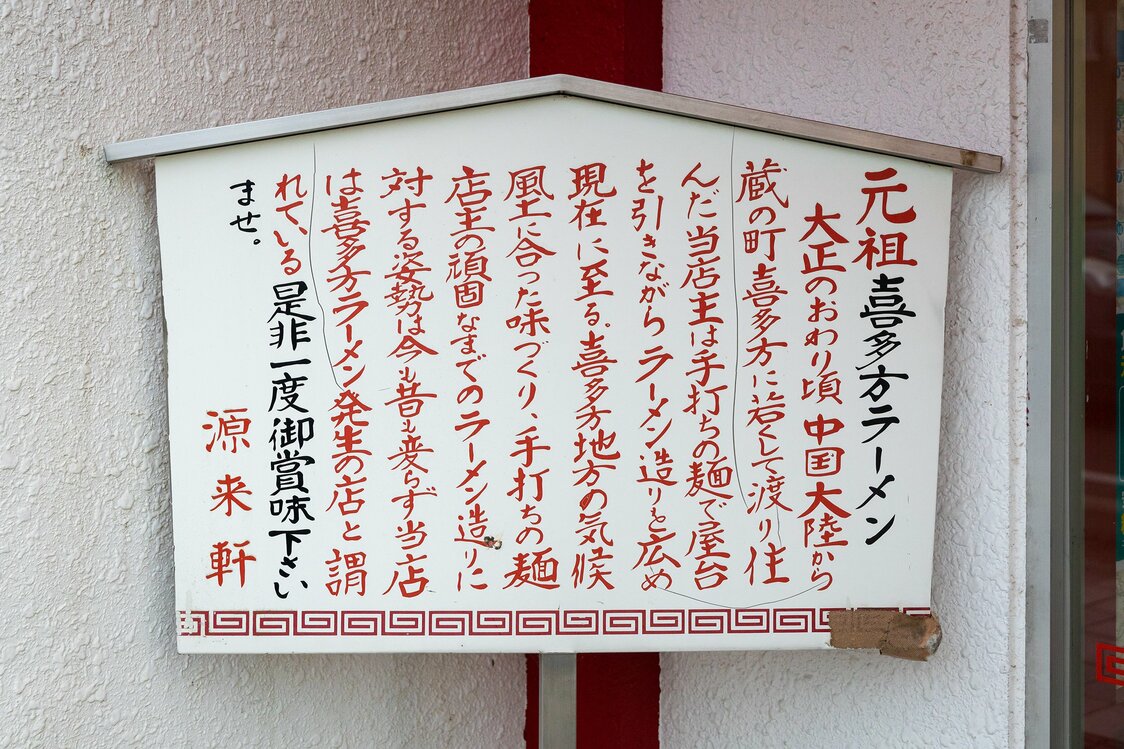
This sign outside Genraiken recounts the shop’s history.
-
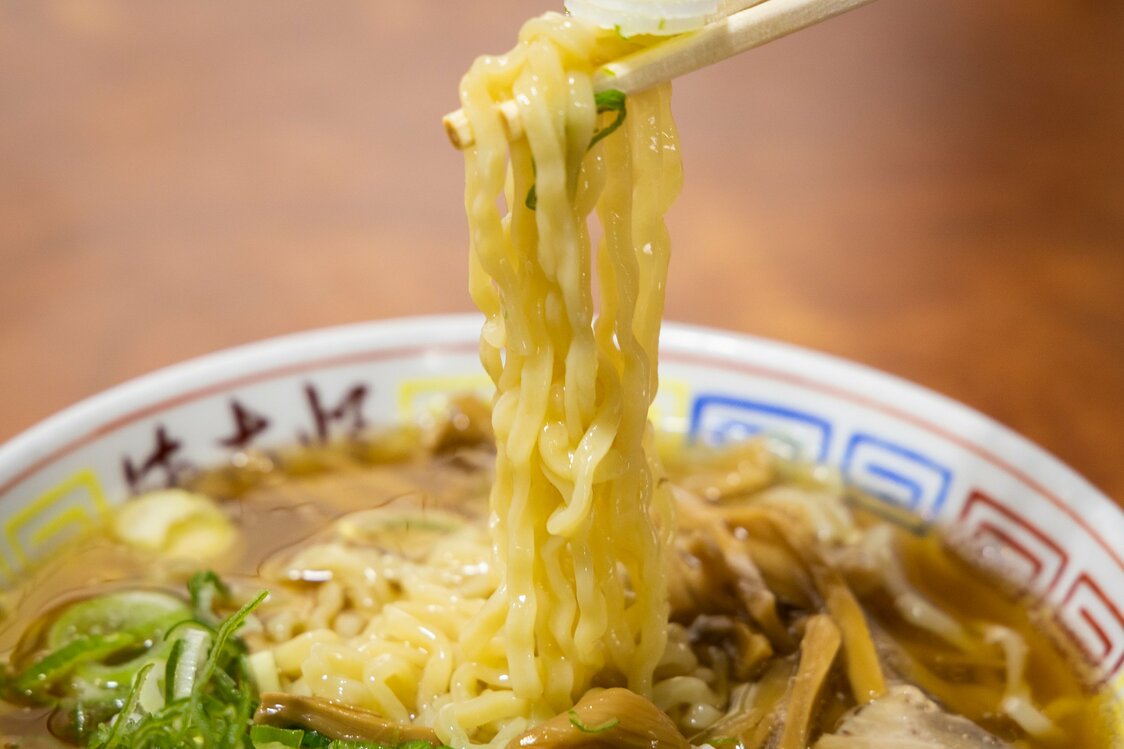
Aficionados crave the chewy texture of Makoto Shokudō’s noodles.
-
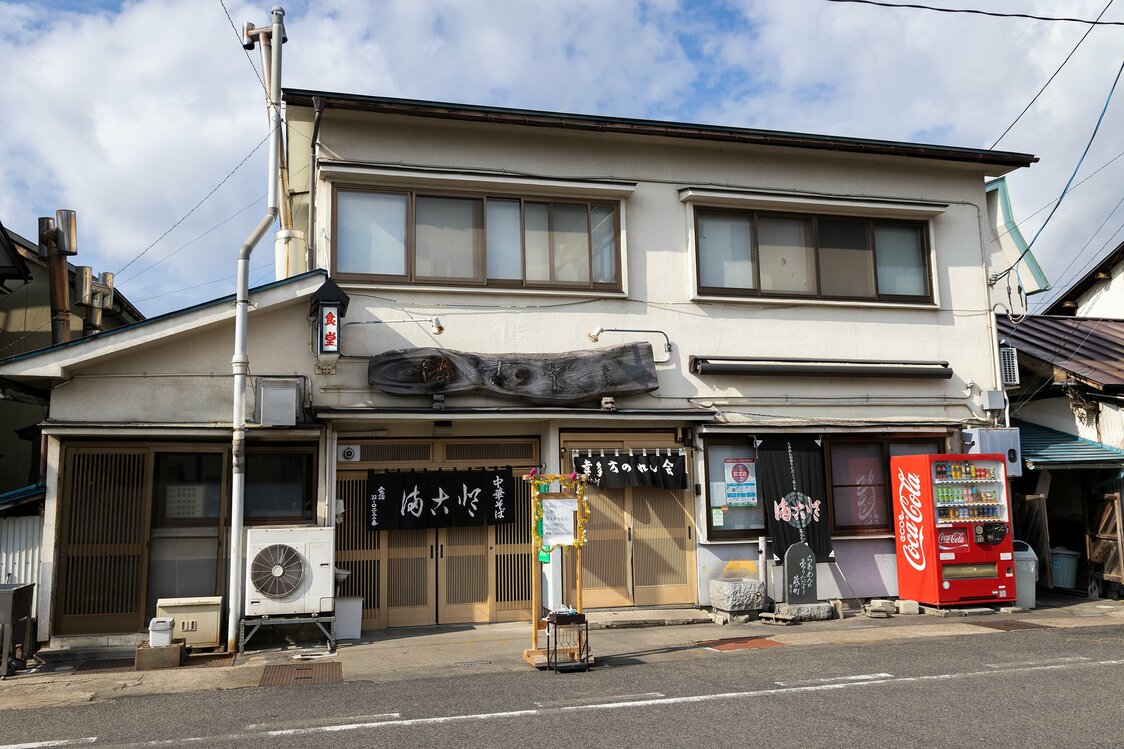
Makoto Shokudō is near the Kitakata city office. Ramen lovers start lining up before the shop opens, just like they do at Bannai Shokudō.
-
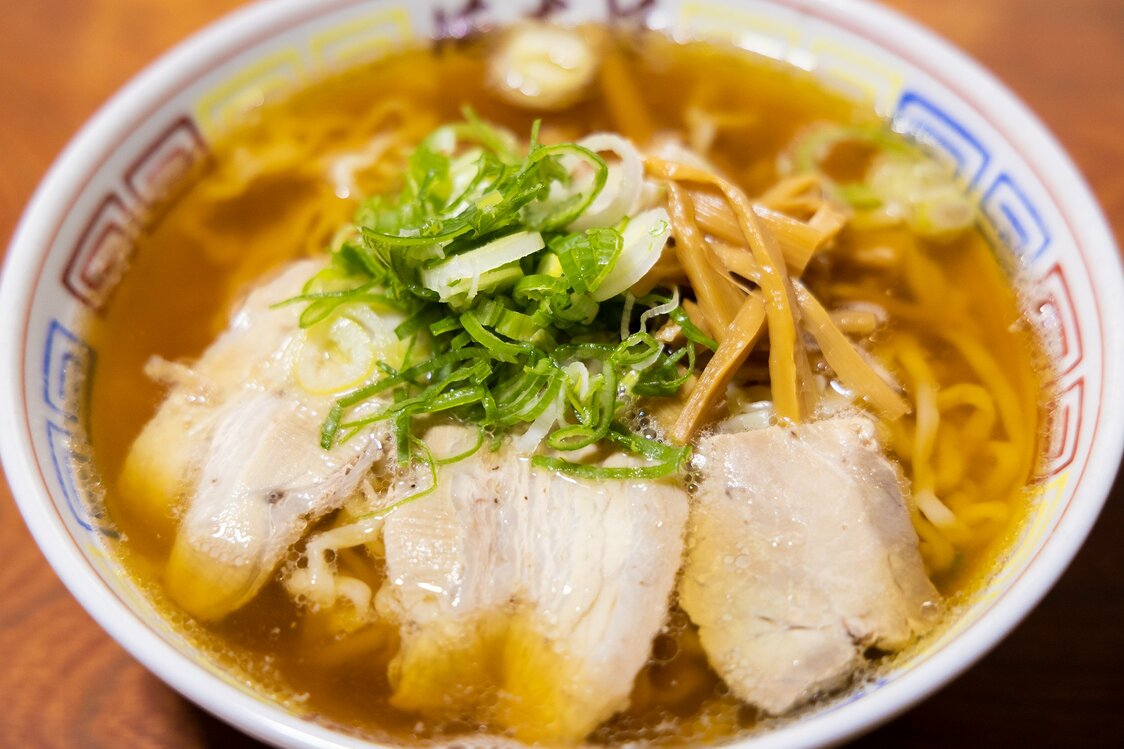
The dried sardine and pork bone broth at Makoto Shokudō is a perfect balance of lightness and richness.
-
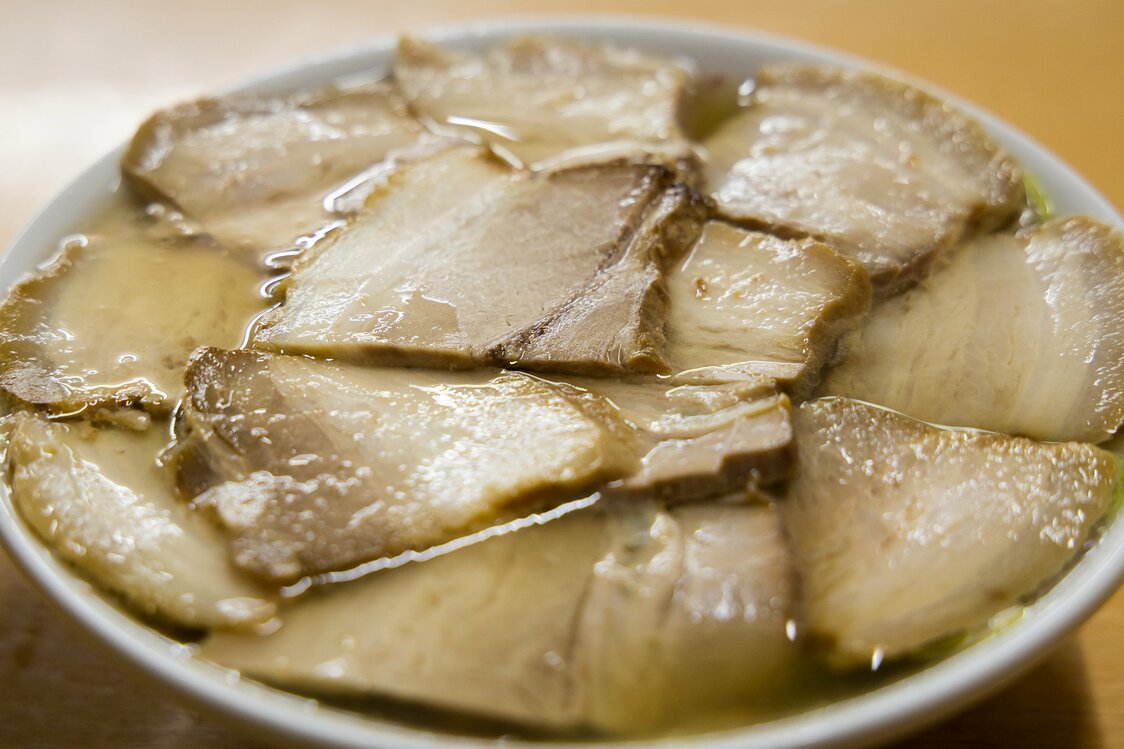
Bannai Shokudō’s famous niku soba. The surprisingly light chāshū just melts in the mouth.
-
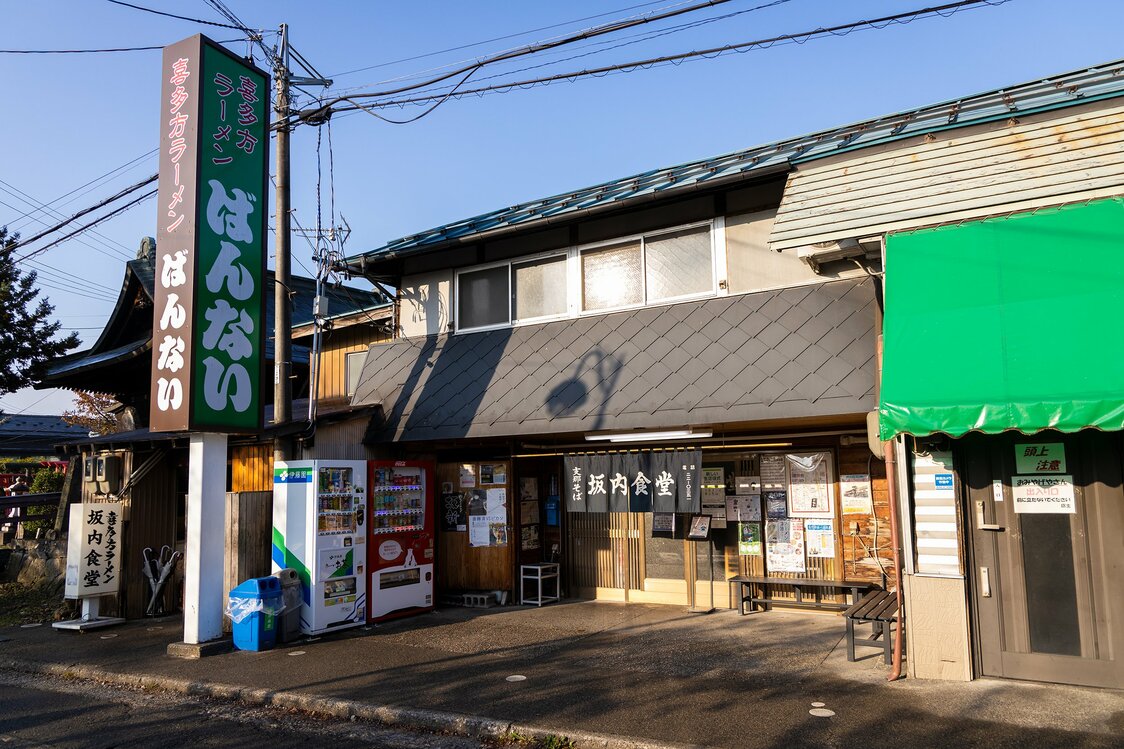
Bannai Shokudō, located on the other side of the Kitakata city office from Makoto Shokudō.
-
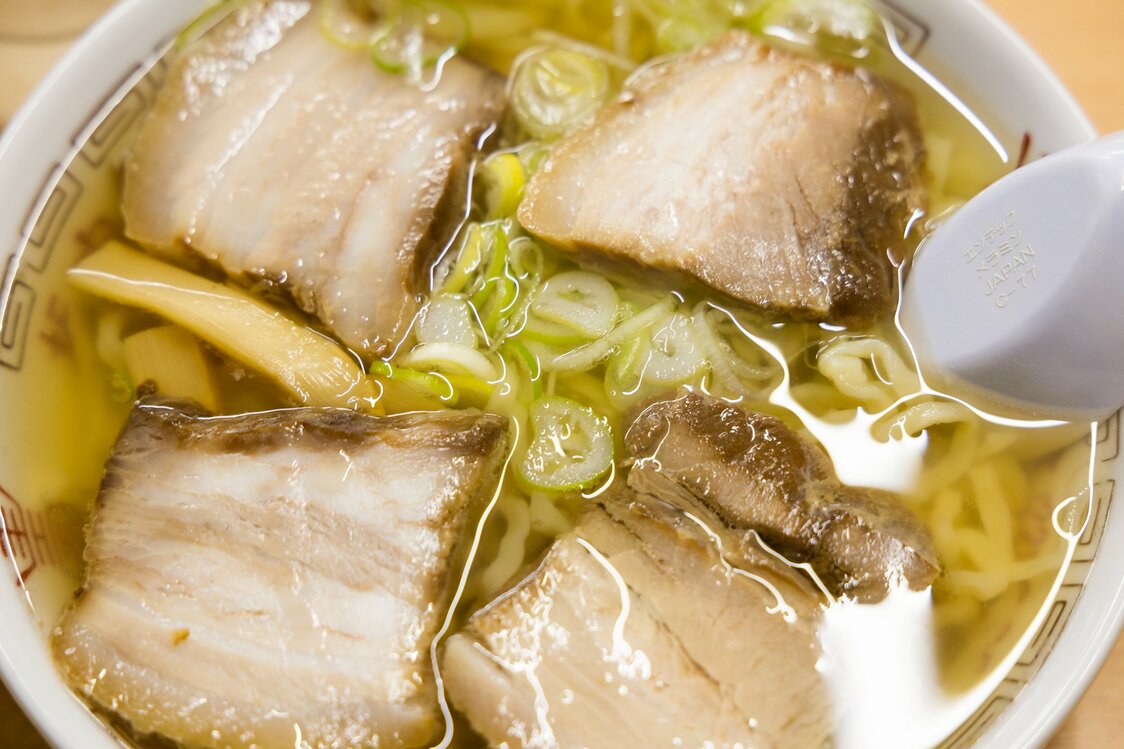
The golden salty soup at Bannai Shokudō is a main attraction for diners, many of whom come to Kitakata especially for its ramen.
-
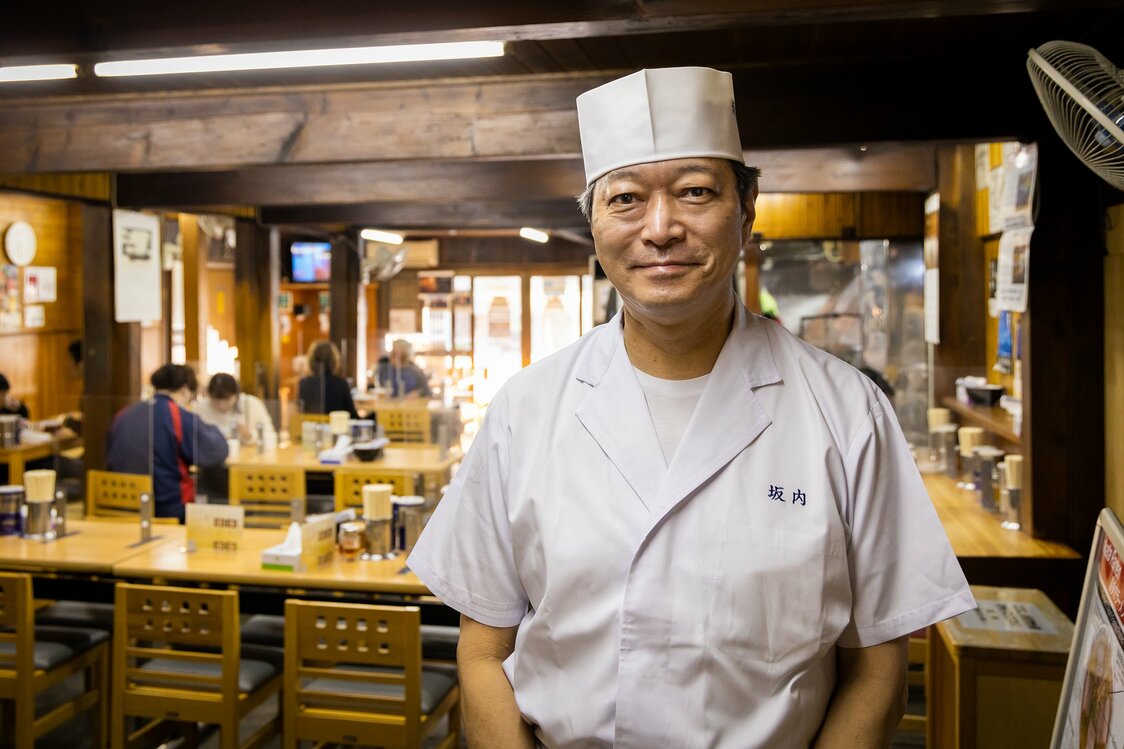
Bannai Shōichi, Bannai Shokudō’s second-generation owner.
-
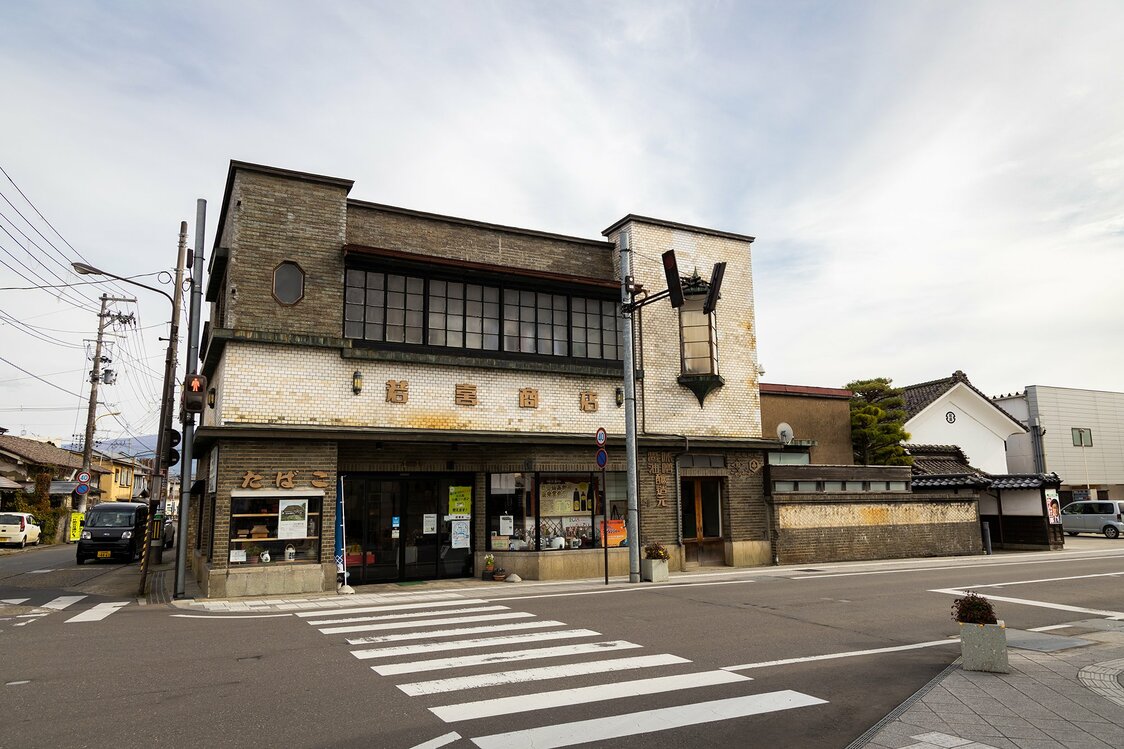
Wakaki Shōten, famous for its soy sauce and miso, stands on Retro Shopping Street. Its brick storehouse and tatami-mat sitting room are open to the public.
-
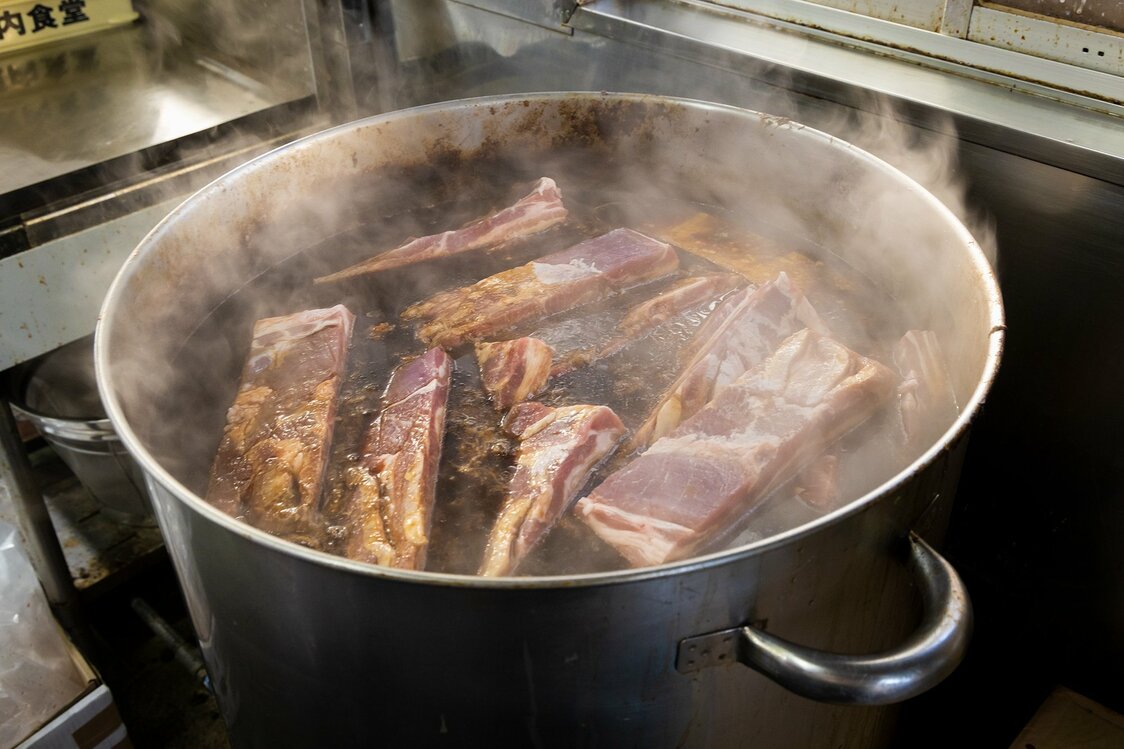
Bannai’s chāshū is simmered slowly in soy sauce.
-
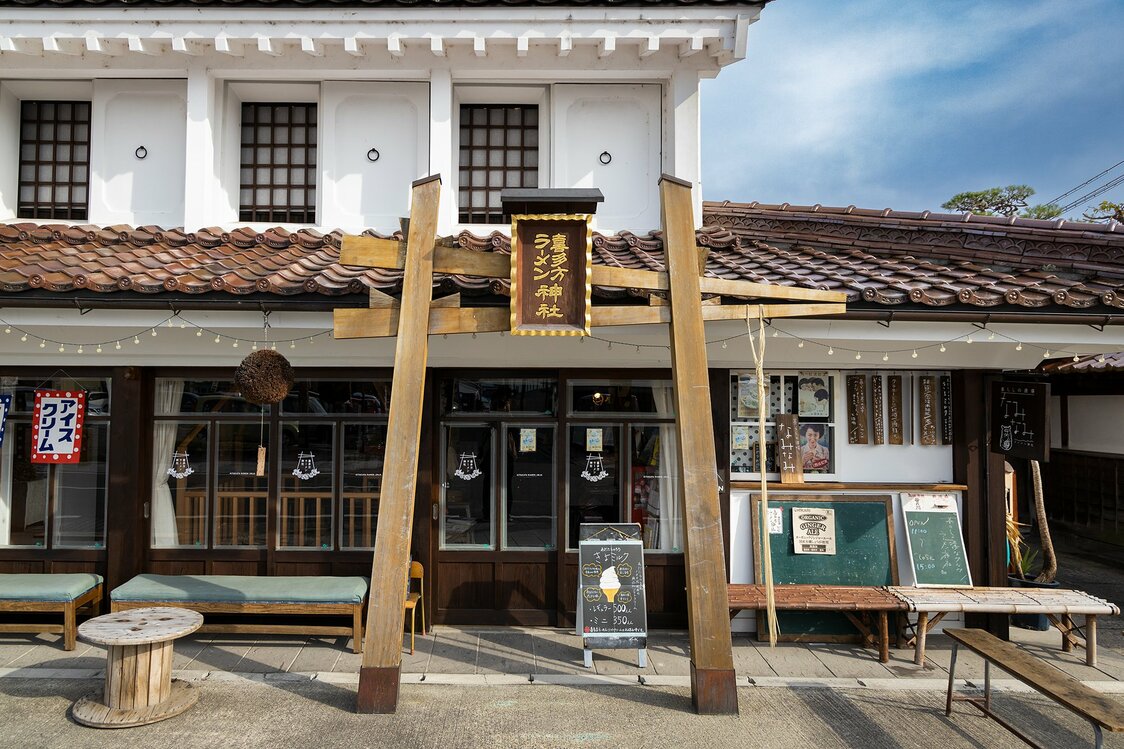
The Kitakata Ramen Jinja, a shrine dedicated to the city’s ramen, is on the Retro Shopping Street.
-
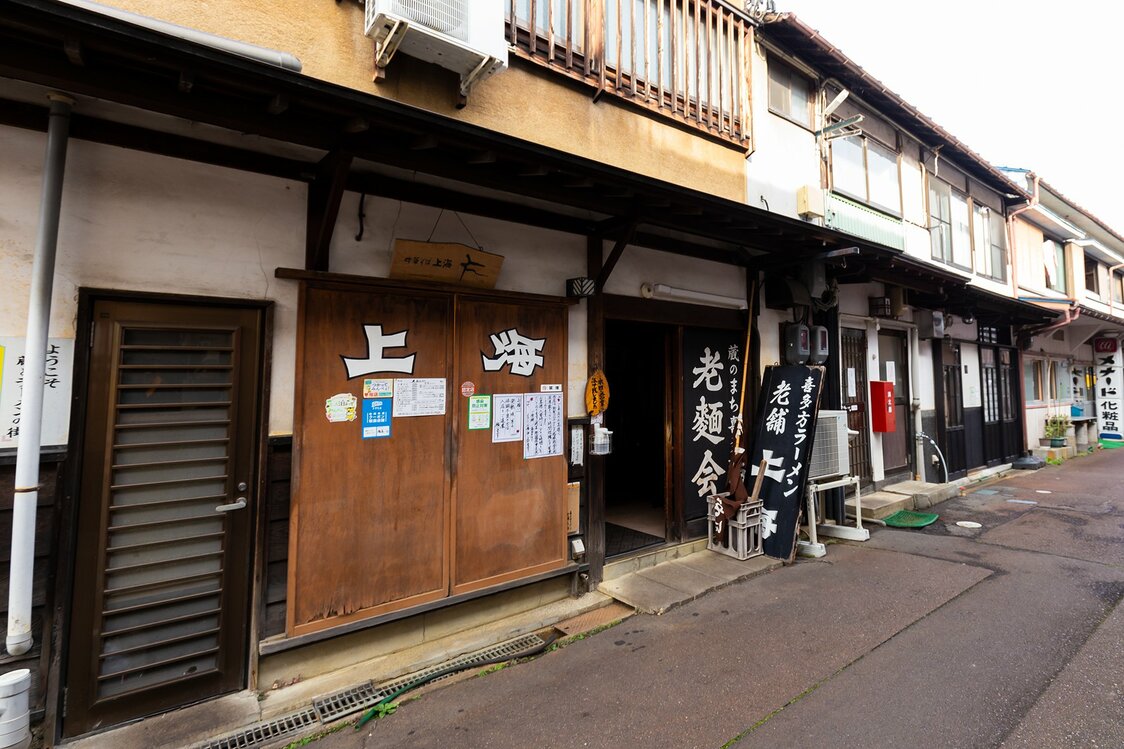
Shanghai, a member shop, displays the indigo Ramenkai noren split curtain at its storefront.
-
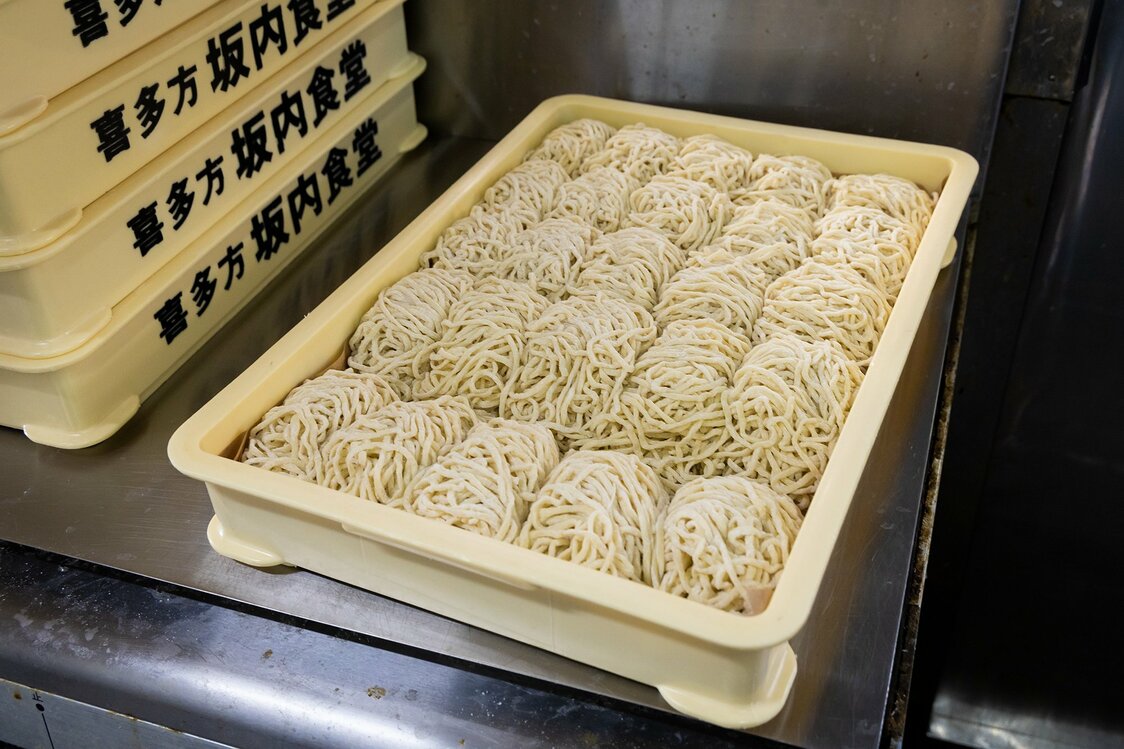
Kitakata ramen was born thanks to Ban Kinsei, who developed a flat noodle with a high water content.


 Read in other languages